Answer Motion To Dismiss
Description
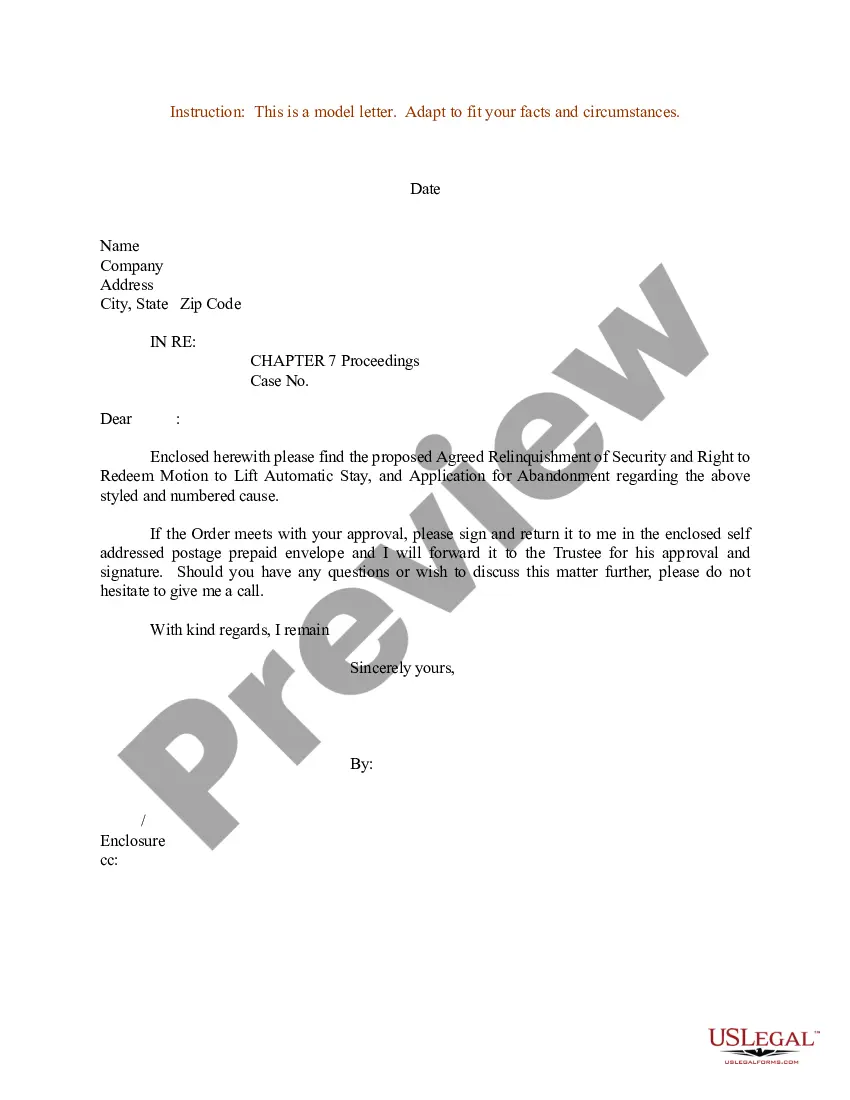
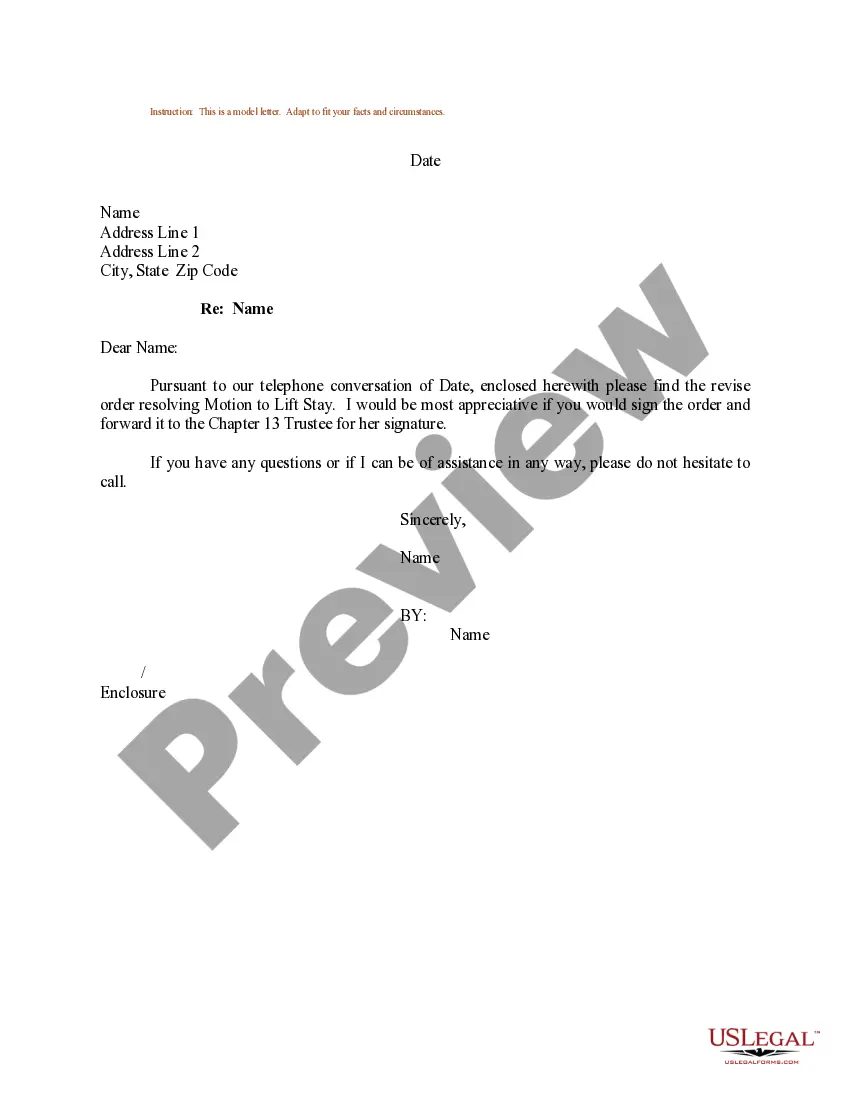
Get your form ready online
Our built-in tools help you complete, sign, share, and store your documents in one place.
Make edits, fill in missing information, and update formatting in US Legal Forms—just like you would in MS Word.
Download a copy, print it, send it by email, or mail it via USPS—whatever works best for your next step.
Sign and collect signatures with our SignNow integration. Send to multiple recipients, set reminders, and more. Go Premium to unlock E-Sign.
If this form requires notarization, complete it online through a secure video call—no need to meet a notary in person or wait for an appointment.
We protect your documents and personal data by following strict security and privacy standards.

Make edits, fill in missing information, and update formatting in US Legal Forms—just like you would in MS Word.

Download a copy, print it, send it by email, or mail it via USPS—whatever works best for your next step.

Sign and collect signatures with our SignNow integration. Send to multiple recipients, set reminders, and more. Go Premium to unlock E-Sign.

If this form requires notarization, complete it online through a secure video call—no need to meet a notary in person or wait for an appointment.

We protect your documents and personal data by following strict security and privacy standards.
Looking for another form?
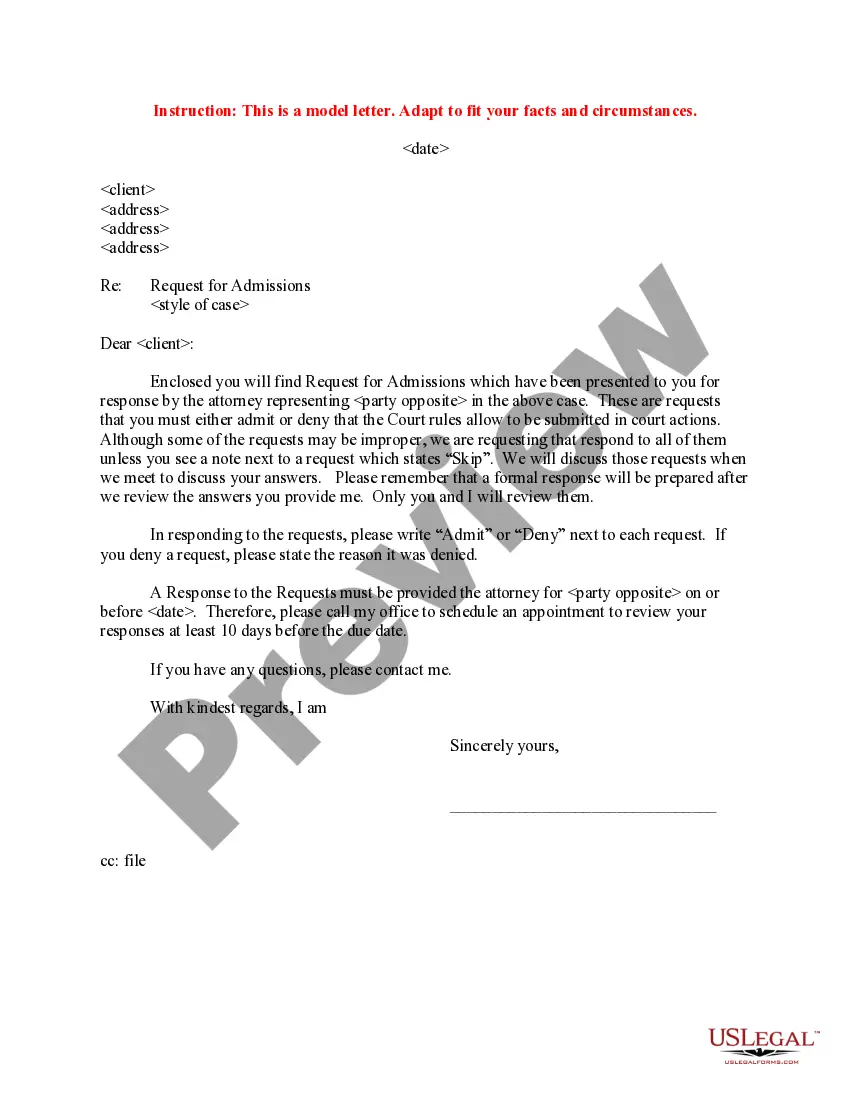

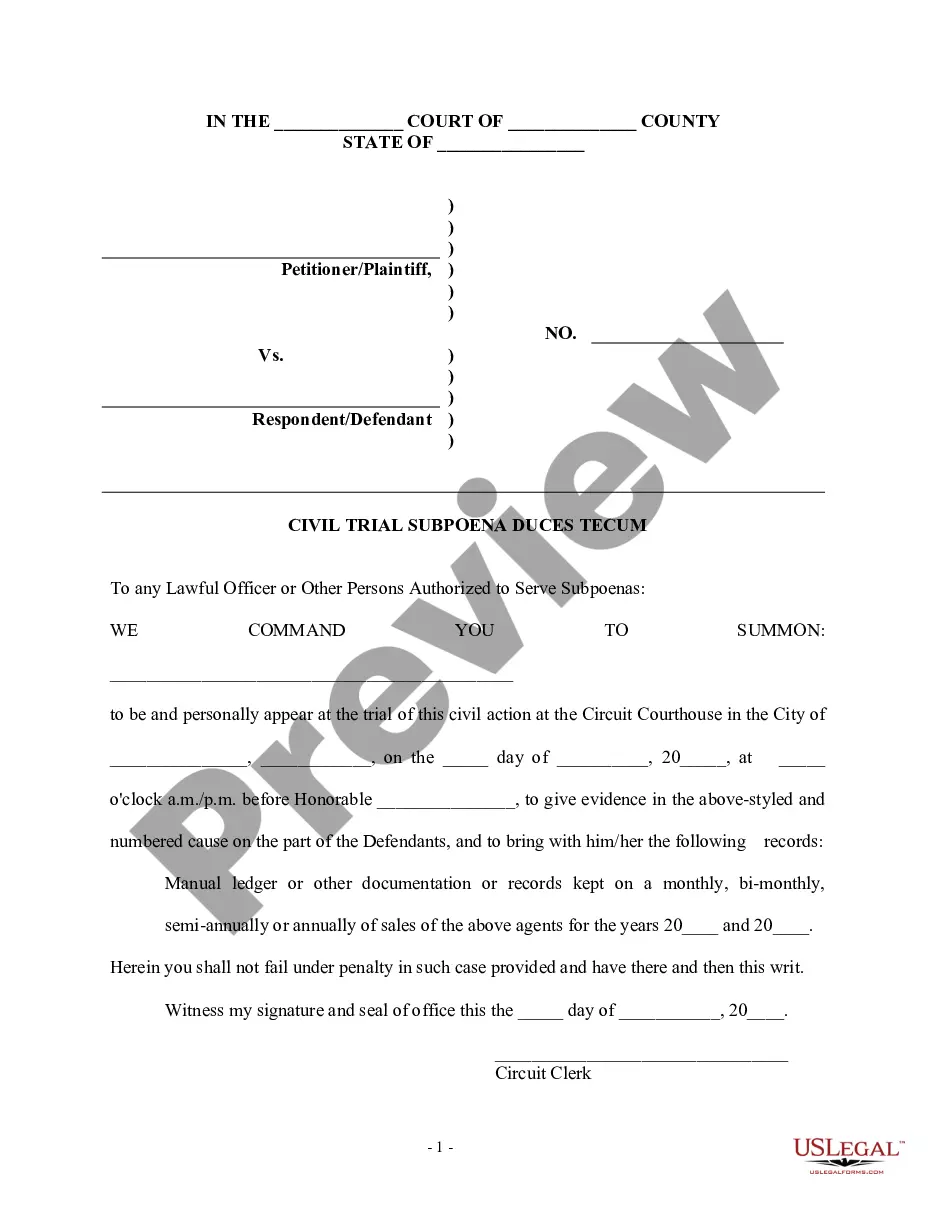
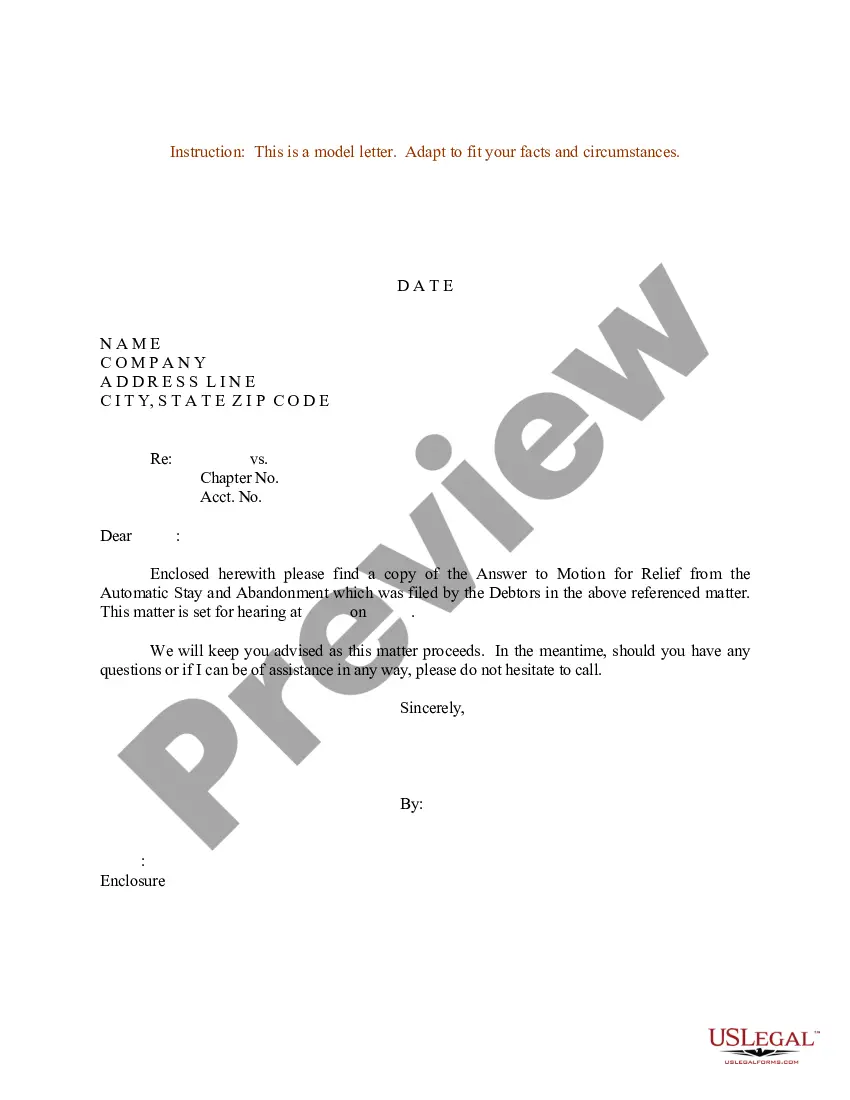
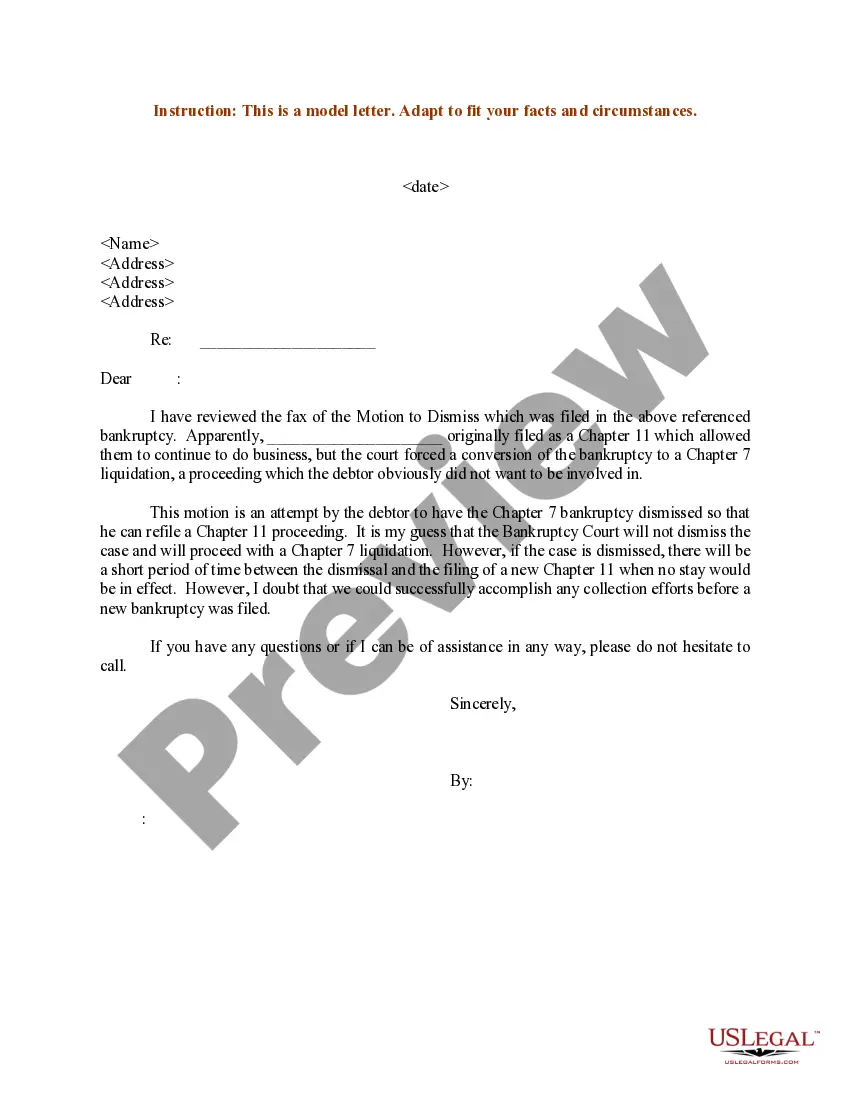
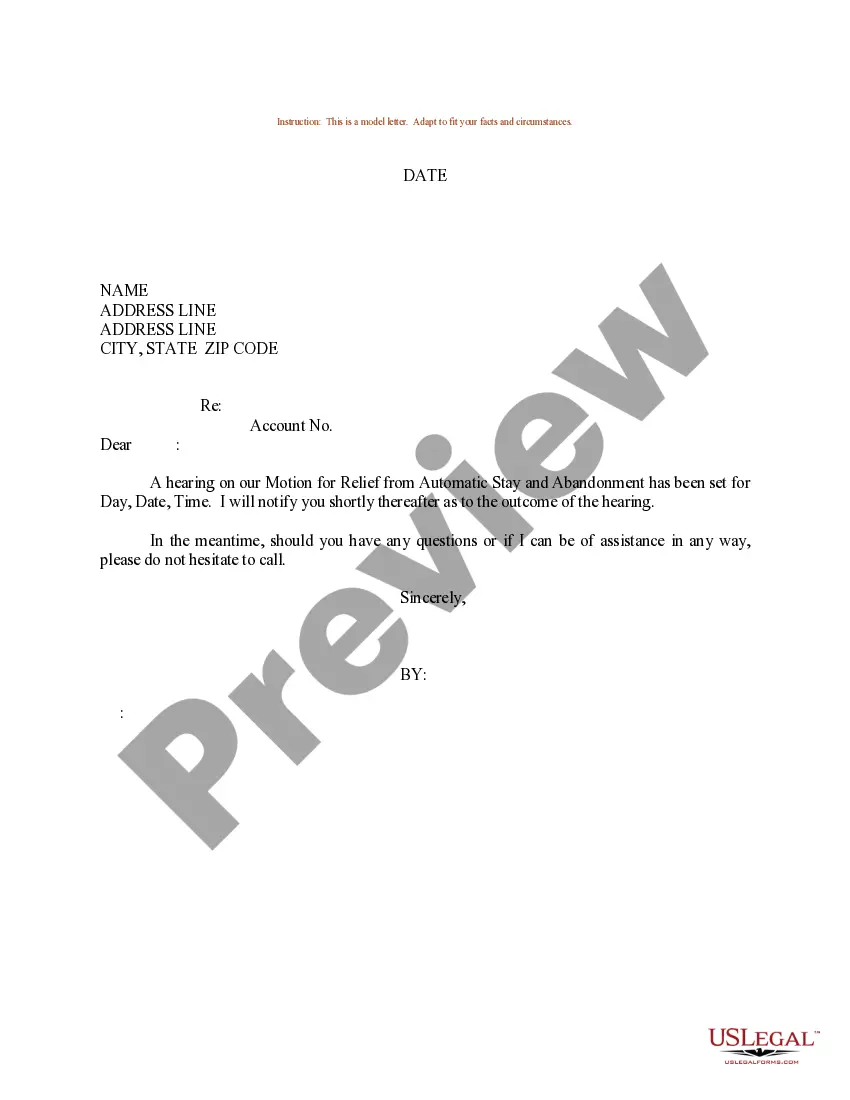
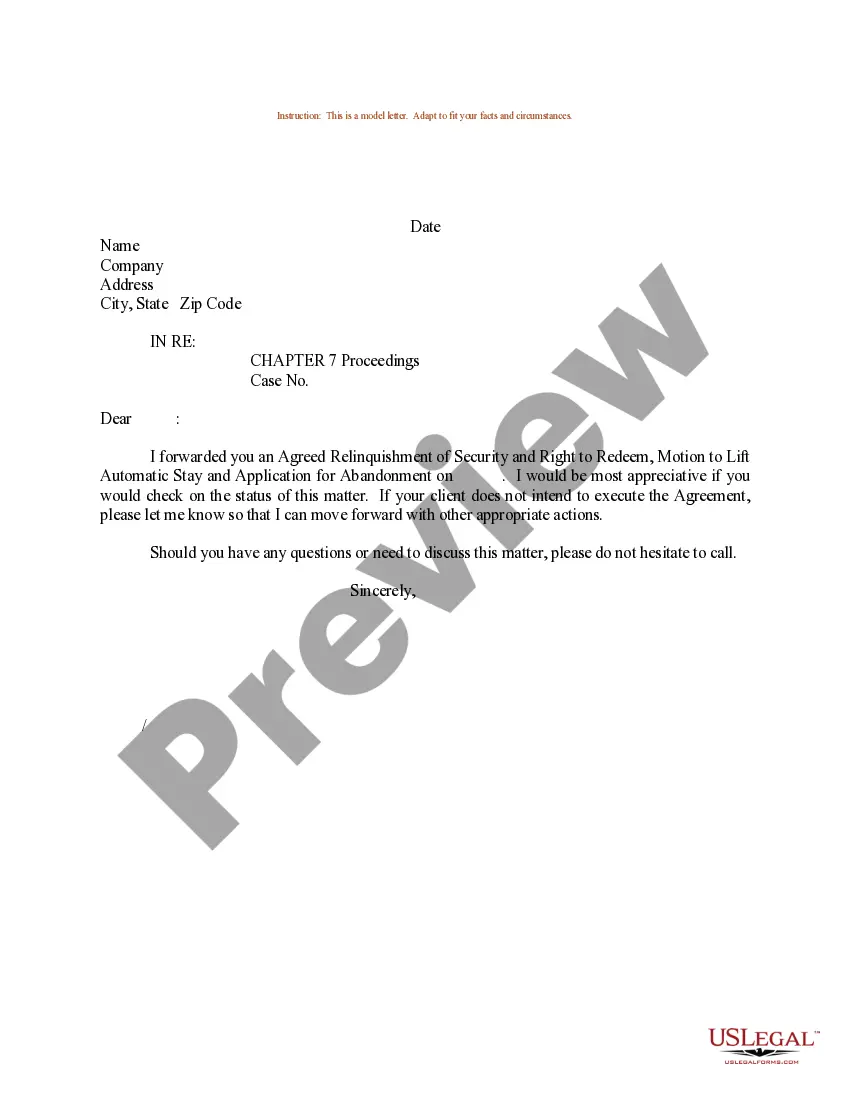
How to fill out Sample Letter Regarding Answer To Motion For Relief From The Automatic Stay And Abandonment?
The Response Motion To Dismiss you observe on this site is a reusable official template crafted by experienced attorneys adhering to federal and state legal requirements. For over 25 years, US Legal Forms has delivered individuals, businesses, and legal experts with more than 85,000 authenticated, state-specific templates for any commercial or personal requirement. It’s the quickest, simplest, and most dependable method to acquire the documents you need, as the service guarantees banking-grade data safety and anti-malware safeguards.
Acquiring this Response Motion To Dismiss will require you only a few straightforward steps.
Enroll in US Legal Forms to have legitimate legal templates for all of life’s situations readily available.
- Search for the document you require and review it. Look through the file you sought and preview it or verify the form description to confirm it meets your requirements. If it doesn’t, employ the search bar to locate the suitable one. Click Buy Now when you have discovered the template you need.
- Register and sign in. Choose the pricing option that fits you and set up an account. Use PayPal or a credit card for a swift payment. If you already possess an account, Log In and verify your subscription to proceed.
- Acquire the editable template. Select the format you prefer for your Response Motion To Dismiss (PDF, DOCX, RTF) and download the sample onto your device.
- Complete and sign the document. Print out the template to fill it in by hand. Alternatively, use an online versatile PDF editor to quickly and accurately complete and sign your form with a legally-binding electronic signature.
- Redownload your documents as needed. Utilize the same document repetitively whenever required. Access the My documents section in your profile to redownload any forms you have previously purchased.
Form popularity
FAQ
The requirements for a motion to dismiss typically include a clear statement outlining the legal basis for the motion, specific facts supporting your arguments, and references to relevant laws or rules. The motion should be filed within a designated timeframe after receiving the complaint. Additionally, it’s essential to ensure that your motion is well-organized and effectively uses the keyword: answer motion to dismiss to clarify your intentions.
Yes, it is possible to file both an answer and a motion to dismiss, but be cautious about the timing and content of each document. Your motion to dismiss should be filed before your answer if you want to challenge the complaint's sufficiency. If the motion to dismiss is denied, your answer will then address the allegations in the complaint. This dual approach can offer a strategic advantage in your case.
The 2 dismissal rule refers to a legal principle that prevents a plaintiff from voluntarily dismissing a case more than once without prejudice. Essentially, if you dismiss your case twice, the second dismissal may act as a final judgment, barring you from bringing the same claim again. Understanding this rule is crucial when considering your legal strategy, especially when you need to respond to a motion to dismiss.
To file a response to a motion, you must first draft a written document that addresses the claims made in the motion. Include your arguments, supporting evidence, and cite relevant laws or precedents. After finalizing your response, file it with the court by following their filing procedures, which may include electronic submission or in-person delivery. Ensure to use the term 'answer motion to dismiss' where applicable to strengthen your argument.
Yes, you can file both a motion to dismiss and an answer, but it's important to understand the legal implications of each. Filing a motion to dismiss challenges the validity of the complaint, while an answer responds to the allegations made in the complaint. If you decide to pursue both, ensure that your motion to dismiss is well-founded, and prepare your answer to address the allegations if the motion is denied. This strategy can be effective in protecting your interests.
To properly answer a motion to dismiss, you should first review the grounds on which the motion is based. Then, gather all relevant facts and legal arguments that counter each point raised in the motion. It’s essential to clearly articulate your position in writing, ensuring that you address every claim. Lastly, file your response with the court according to their specific guidelines, using the keyword: answer motion to dismiss to enhance your submission.
Writing a reply to a response to a motion involves addressing the points made in the opposing party's response. Clarify any misunderstandings and reinforce your original arguments. Focus on providing additional evidence or legal support that emphasizes your position. For efficient replies, consider leveraging the resources available on USLegalForms.
Filling out a motion to dismiss requires careful attention to detail. Begin by stating the grounds for dismissal clearly and concisely. Next, include relevant legal arguments and any supporting documents that bolster your request. If you're unsure about the process, using USLegalForms can provide you with user-friendly templates to guide you.
To oppose a motion to dismiss, submit a detailed written opposition that addresses each point made in the motion. Highlight the legal and factual bases for your claims, asserting why they merit consideration by the court. Include any supporting evidence to strengthen your case. USLegalForms offers templates and resources to assist you in constructing a strong opposition.
Answering a motion to dismiss involves drafting a written response that counters the arguments presented in the motion. Clearly articulate your position and provide a rationale as to why the case should not be dismissed. Include supporting facts and legal precedents to reinforce your argument. Resources from USLegalForms can help you craft a compelling answer.