Trustee Withhold Distribution
Description

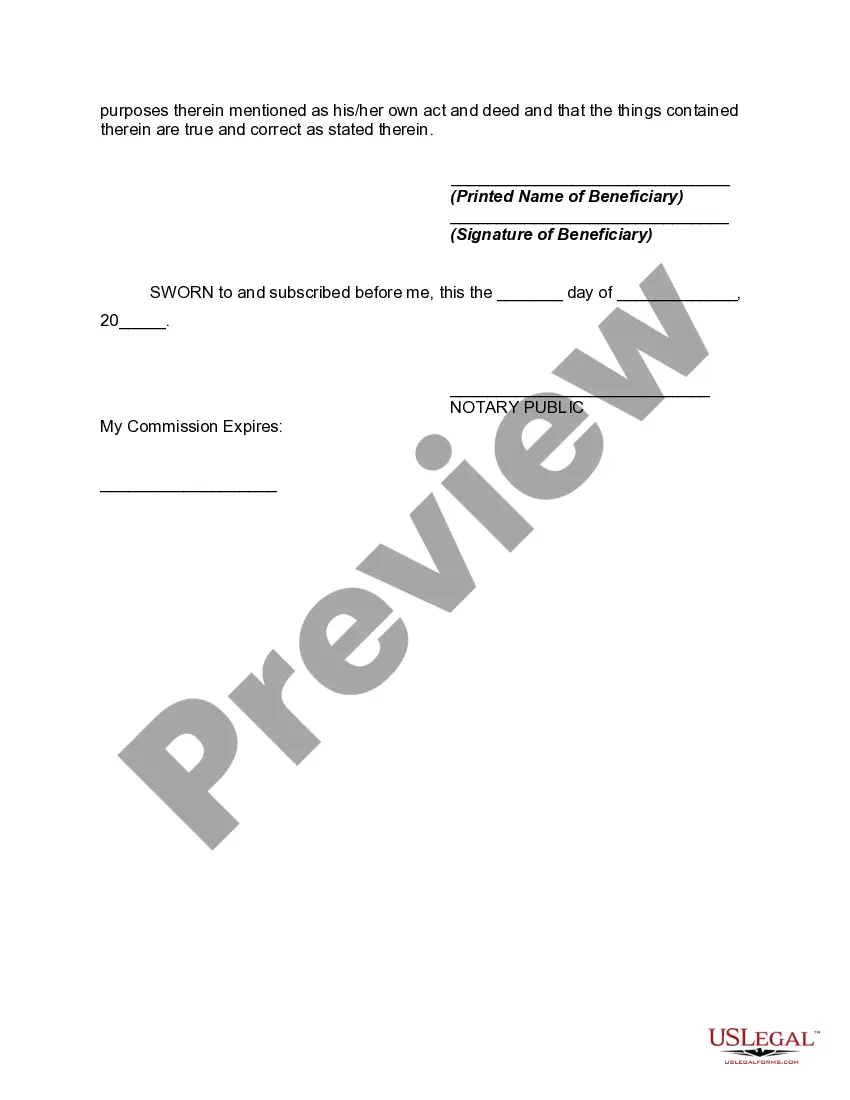
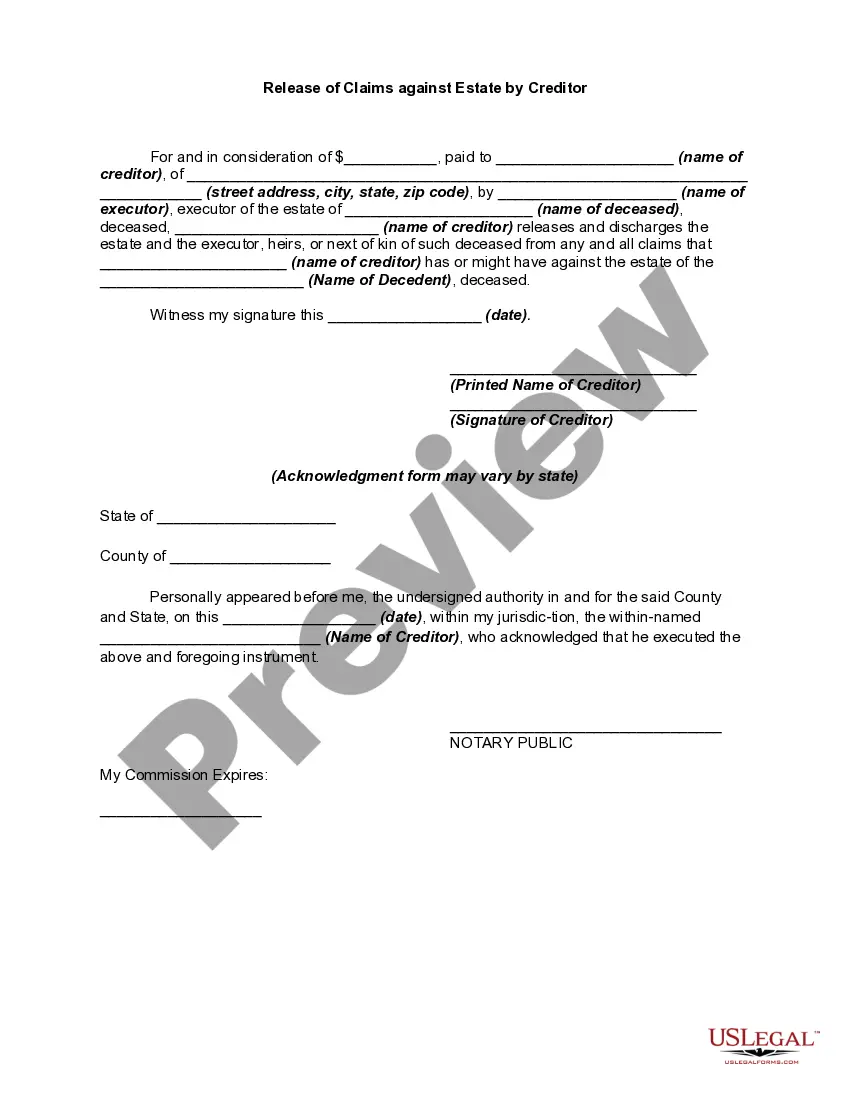
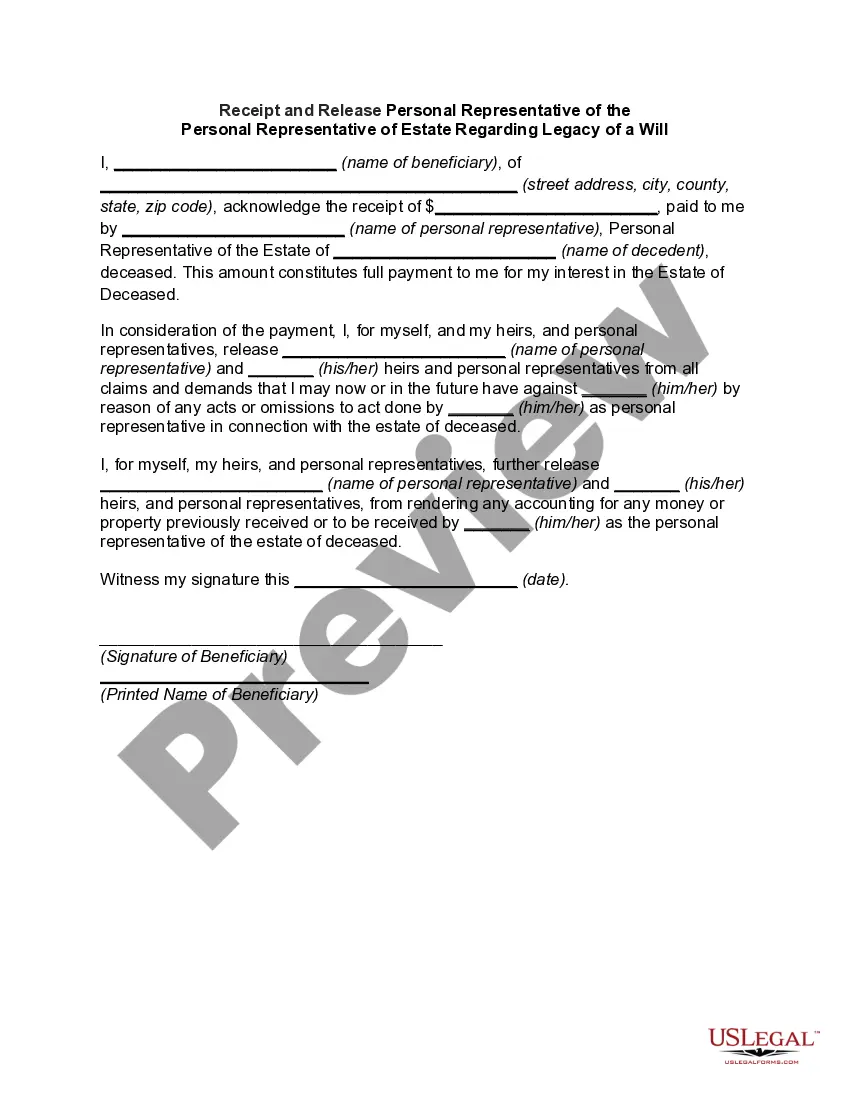
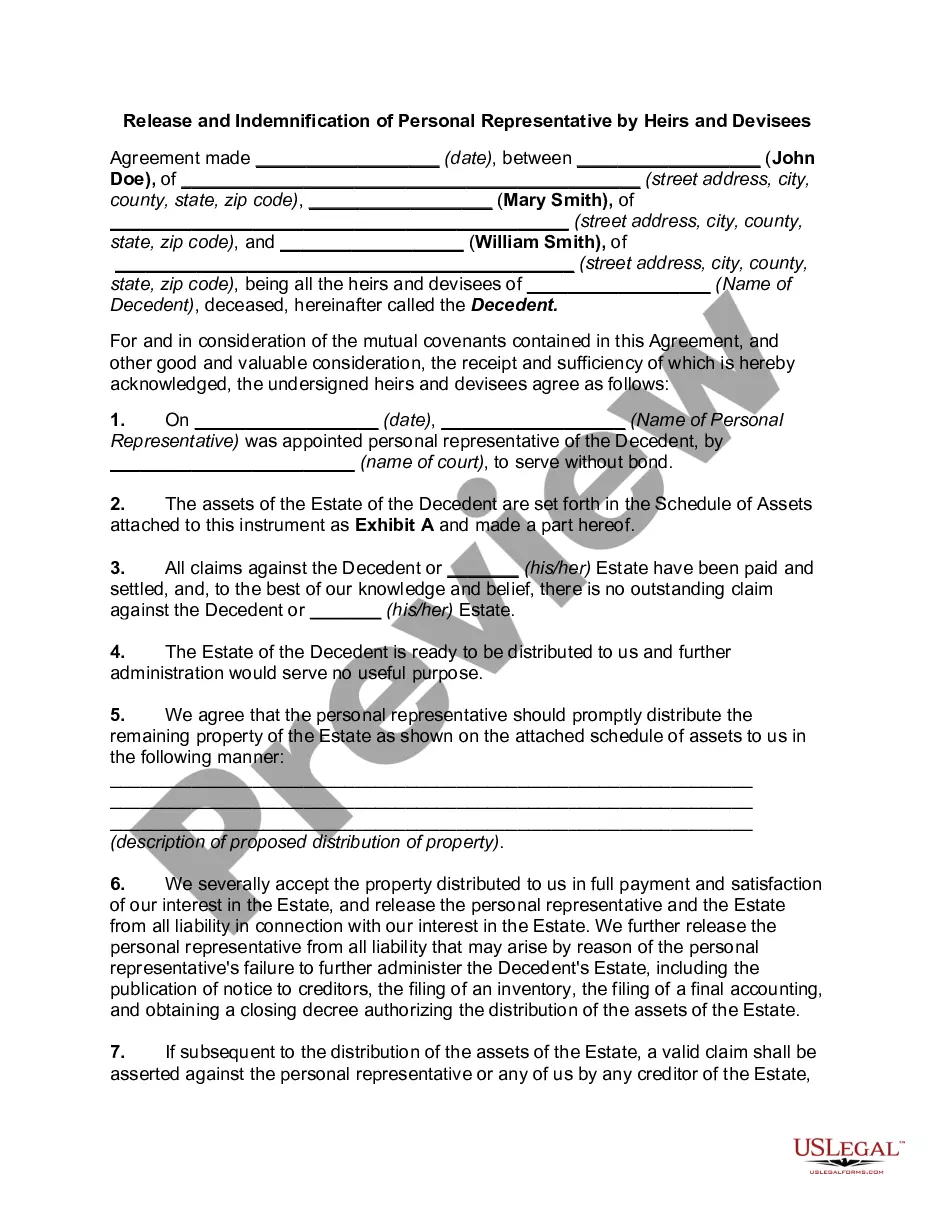
Get your form ready online
Our built-in tools help you complete, sign, share, and store your documents in one place.
Make edits, fill in missing information, and update formatting in US Legal Forms—just like you would in MS Word.
Download a copy, print it, send it by email, or mail it via USPS—whatever works best for your next step.
Sign and collect signatures with our SignNow integration. Send to multiple recipients, set reminders, and more. Go Premium to unlock E-Sign.
If this form requires notarization, complete it online through a secure video call—no need to meet a notary in person or wait for an appointment.
We protect your documents and personal data by following strict security and privacy standards.

Make edits, fill in missing information, and update formatting in US Legal Forms—just like you would in MS Word.

Download a copy, print it, send it by email, or mail it via USPS—whatever works best for your next step.

Sign and collect signatures with our SignNow integration. Send to multiple recipients, set reminders, and more. Go Premium to unlock E-Sign.

If this form requires notarization, complete it online through a secure video call—no need to meet a notary in person or wait for an appointment.

We protect your documents and personal data by following strict security and privacy standards.
Looking for another form?



How to fill out Release And Exoneration Of Executor On Distribution To Beneficiary Of Will And Waiver Of Citation Of Final Settlement?
Creating legal documents from the ground up can frequently be intimidating.
Certain situations may require extensive research and significant financial investment.
If you’re seeking a simpler and more cost-effective method for generating Trustee Withhold Distribution or any other forms without unnecessary complications, US Legal Forms is always available to assist you.
Our online repository of over 85,000 current legal forms encompasses nearly every facet of your financial, legal, and personal affairs.
However, before proceeding to download Trustee Withhold Distribution, follow these suggestions: Verify the document preview and descriptions to ensure you have the correct document. Ensure the selected form complies with the regulations and laws of your state and county. Select the appropriate subscription option to purchase the Trustee Withhold Distribution. Download the form, then complete, certify, and print it. US Legal Forms has a pristine reputation and over 25 years of experience. Join us now and make form completion a straightforward and efficient process!
- With just a few clicks, you can swiftly obtain state- and county-compliant forms meticulously assembled for you by our legal experts.
- Utilize our website whenever you require a dependable and trustworthy service through which you can easily find and download the Trustee Withhold Distribution.
- If you’re familiar with our services and have previously registered an account with us, simply Log In to your account, choose the template, and download it or re-download it anytime in the My documents section.
- No account? No problem. It takes minimal time to register and browse the catalog.
Form popularity
FAQ
While a trustee has a fiduciary duty to act in the best interests of all beneficiaries, there are circumstances where they might withhold distribution from a beneficiary. This can happen if the trustee believes that distributing funds could harm the beneficiary or violate the trust's terms. However, a trustee cannot arbitrarily ignore a beneficiary’s rights without justification. If you feel that a trustee is neglecting their responsibilities, platforms like USLegalForms can provide guidance on how to address these issues effectively.
A trust distribution for beneficiaries typically involves the trustee allocating assets or funds according to the terms set in the trust document. For instance, if a trust specifies that beneficiaries receive a portion of the trust's income annually, the trustee will distribute that income accordingly. In some cases, the trustee may withhold distribution if certain conditions are not met or if it serves the best interests of the beneficiaries. Understanding how trustees manage distributions can help you navigate your rights and responsibilities.
If a trustee withholds distribution, beneficiaries may face delays in receiving their entitled assets. This situation can lead to frustration and confusion among those relying on the trust for financial support. It is crucial to understand that trustees have a legal obligation to act in the best interest of the beneficiaries. If a trustee fails to fulfill this duty, beneficiaries can seek legal recourse to ensure proper distribution through a platform like US Legal Forms, which provides resources for addressing such issues.
Yes, a trustee can withhold payout to the beneficiary under specific circumstances, such as when there are pending debts or legal obligations associated with the trust. However, the trustee must have a valid reason for this action and should communicate transparently with the beneficiaries. If you feel that a trustee is unfairly withholding distribution, it's essential to explore your options. US Legal Forms offers tools and documents that can guide you in addressing these issues effectively.
When a trustee refuses to distribute the assets, it can lead to significant frustration and confusion for beneficiaries. Typically, beneficiaries have the right to request an explanation for the trustee's decision. If the trustee continues to withhold distribution without a valid reason, beneficiaries may need to seek legal action to compel the trustee to fulfill their duties. In such cases, platforms like US Legal Forms can provide valuable resources to help beneficiaries understand their rights and navigate the legal process.
Withholding ? Withholding cannot be distributed to the beneficiaries. It must be refunded to the trust or estate.
The grantor can opt to have the beneficiaries receive trust property directly without any restrictions. The trustee can write the beneficiary a check, give them cash, and transfer real estate by drawing up a new deed or selling the house and giving them the proceeds.
Whether or not the trustee can withhold funds from you depends on the terms of the trust itself. If the trust requires withholding distributions under certain circumstances, such as the beneficiary reaching a specific age, the trustee must follow those stipulations.
For example, if the trust owns real estate, the trustee could make a distribution in cash by selling the property and dividing the proceeds among the settlor's two children, or the trustee could make a distribution in kind by simply deeding the property equally to both children so that each owns an undivided 50% ...
In the case of a simple non-grantor trust, the beneficiaries are responsible for paying the income taxes on the income generated by trust assets, while the trust will pay the taxes on capital gains.