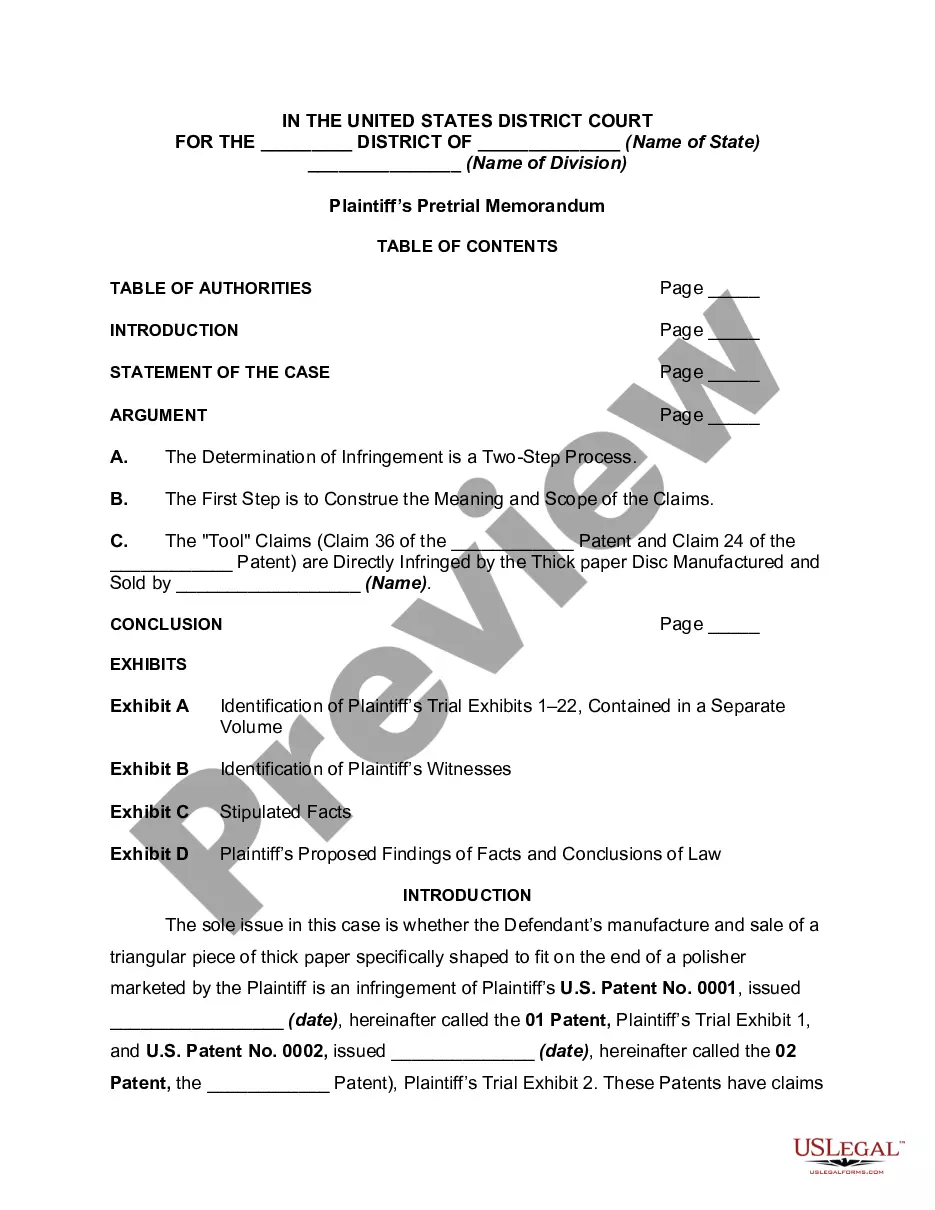
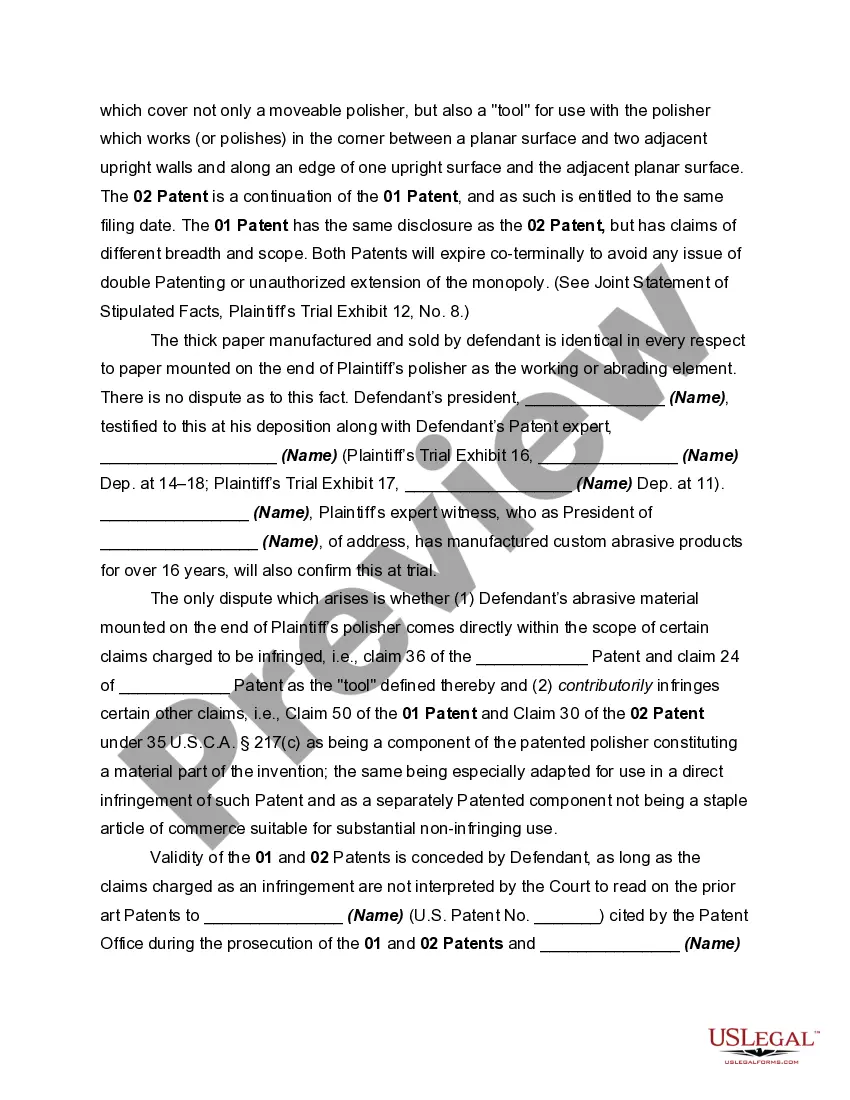
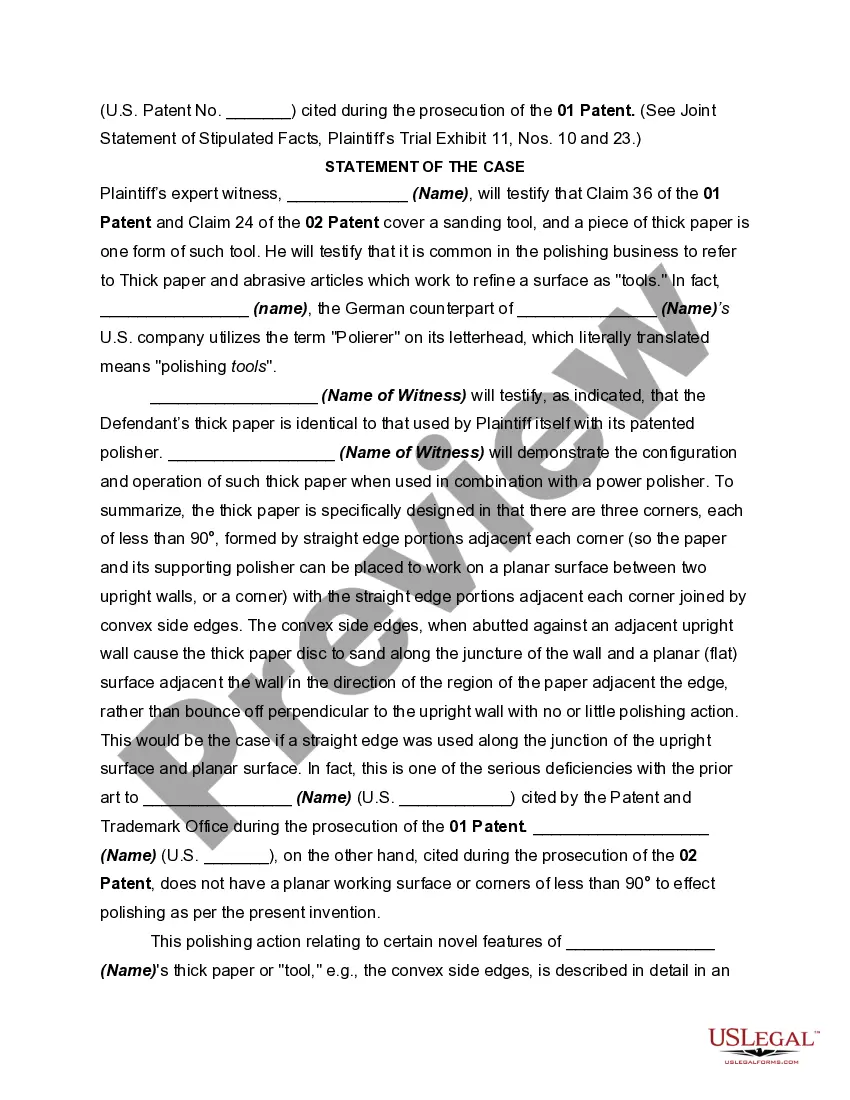
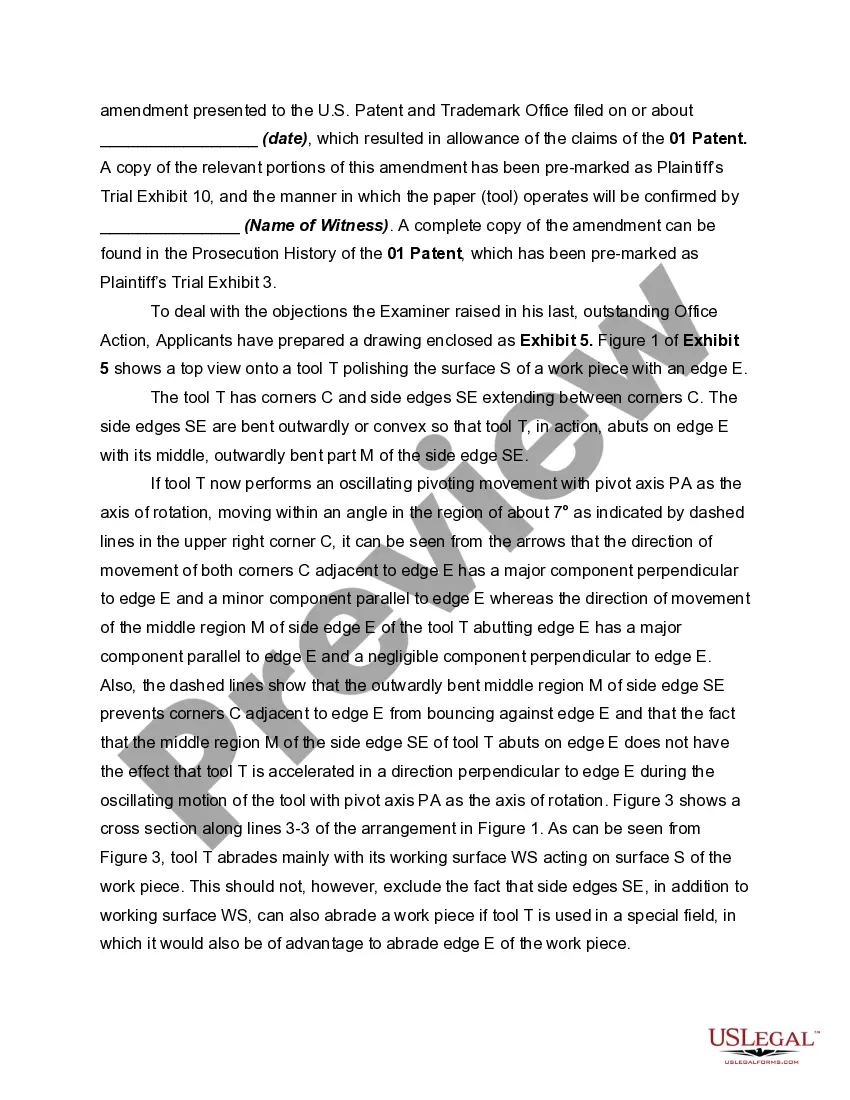
Trial Memorandum
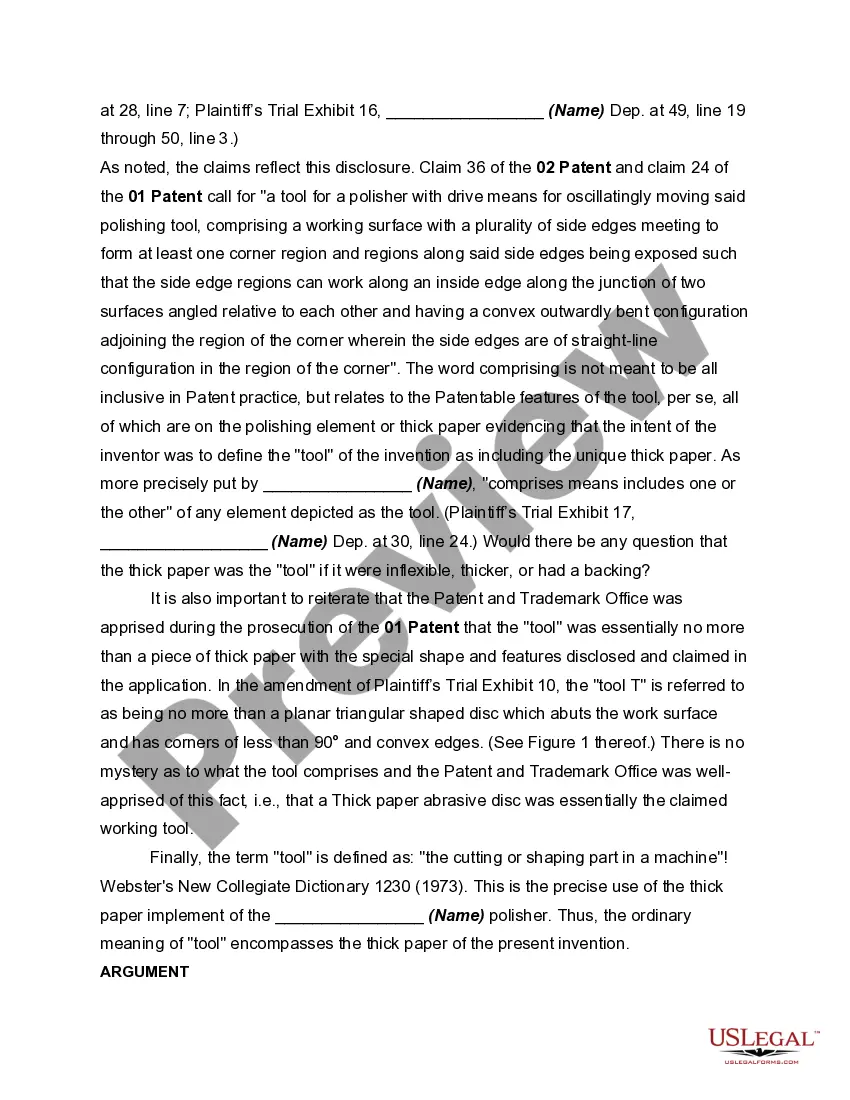
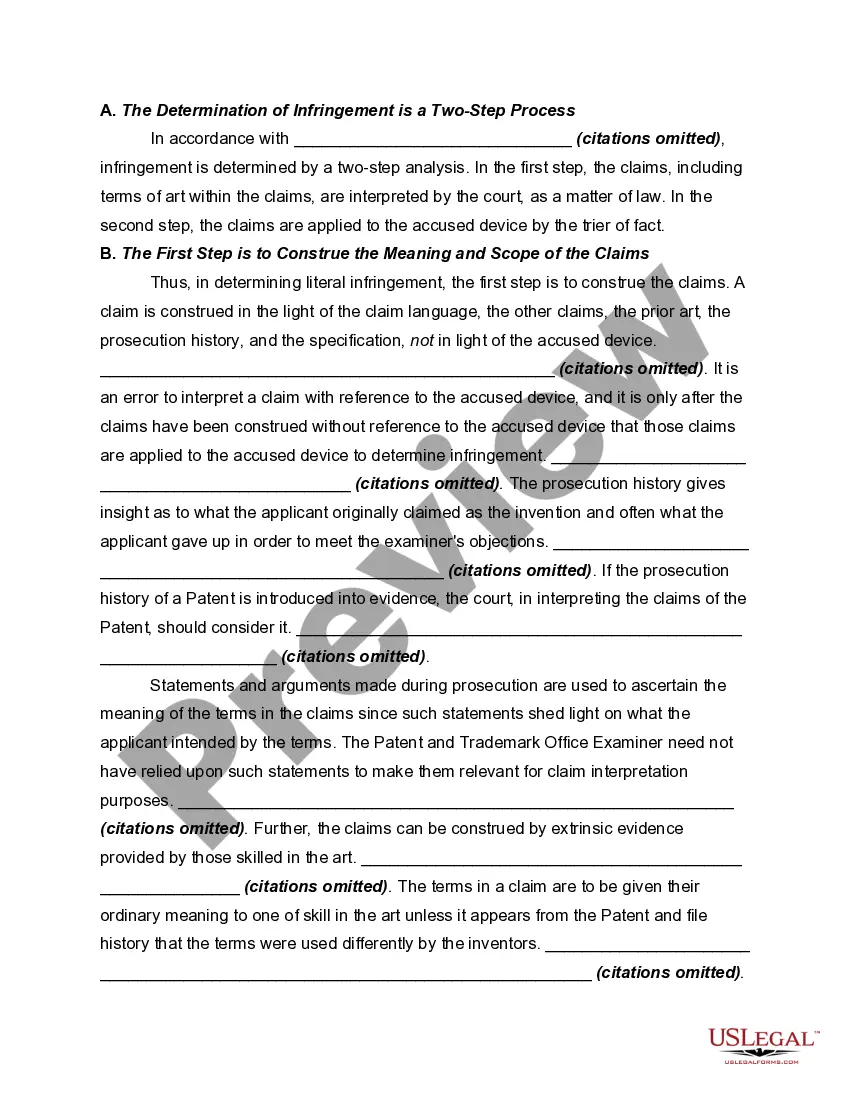
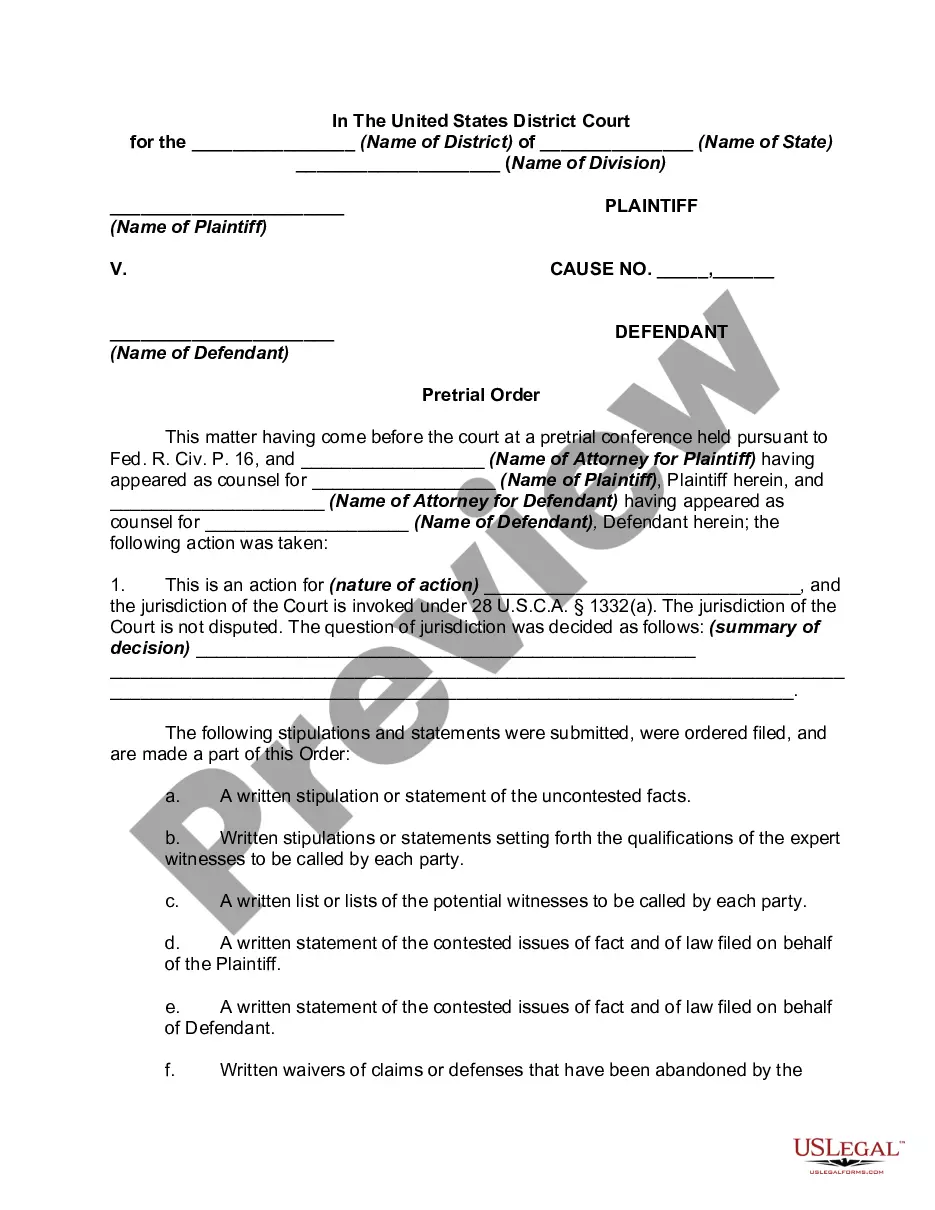
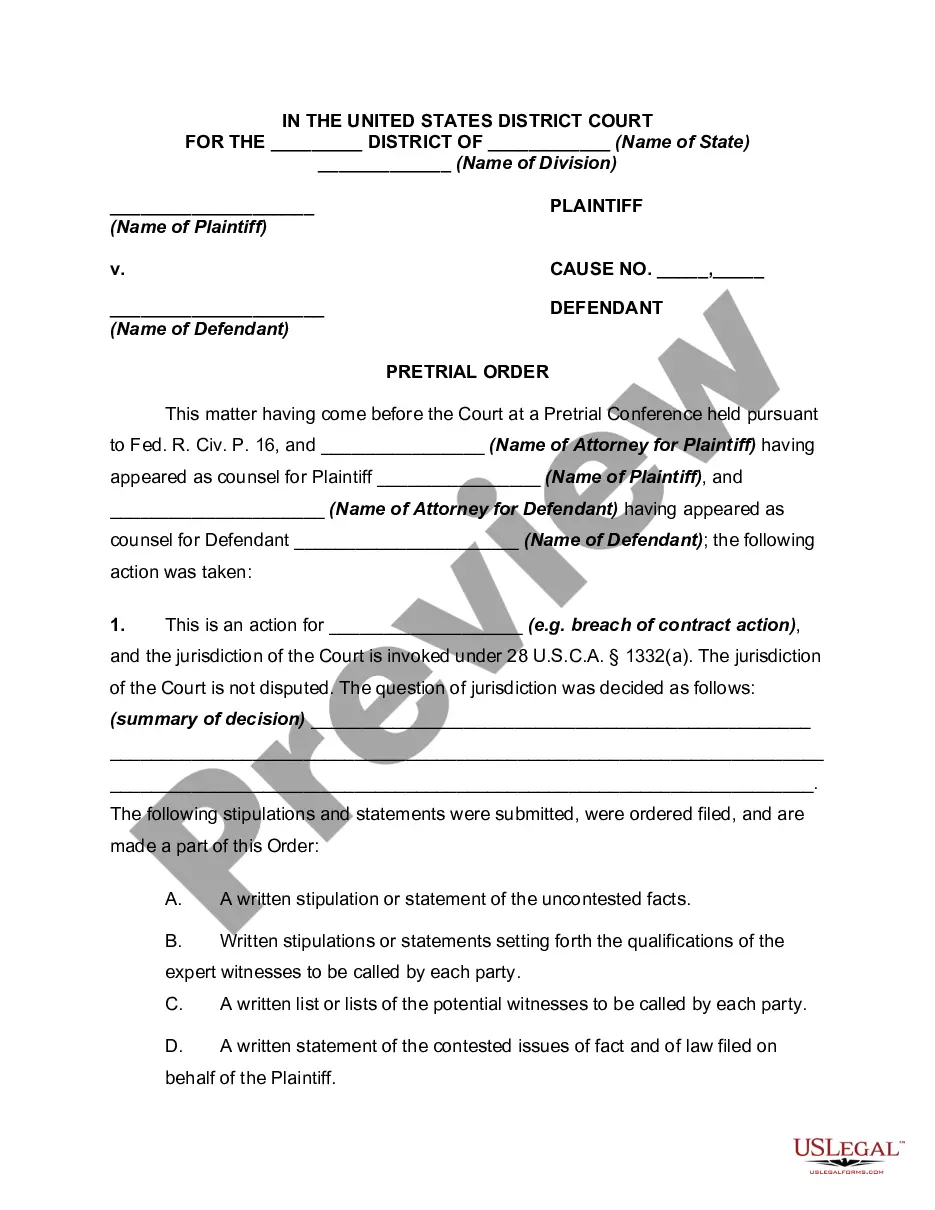
Description

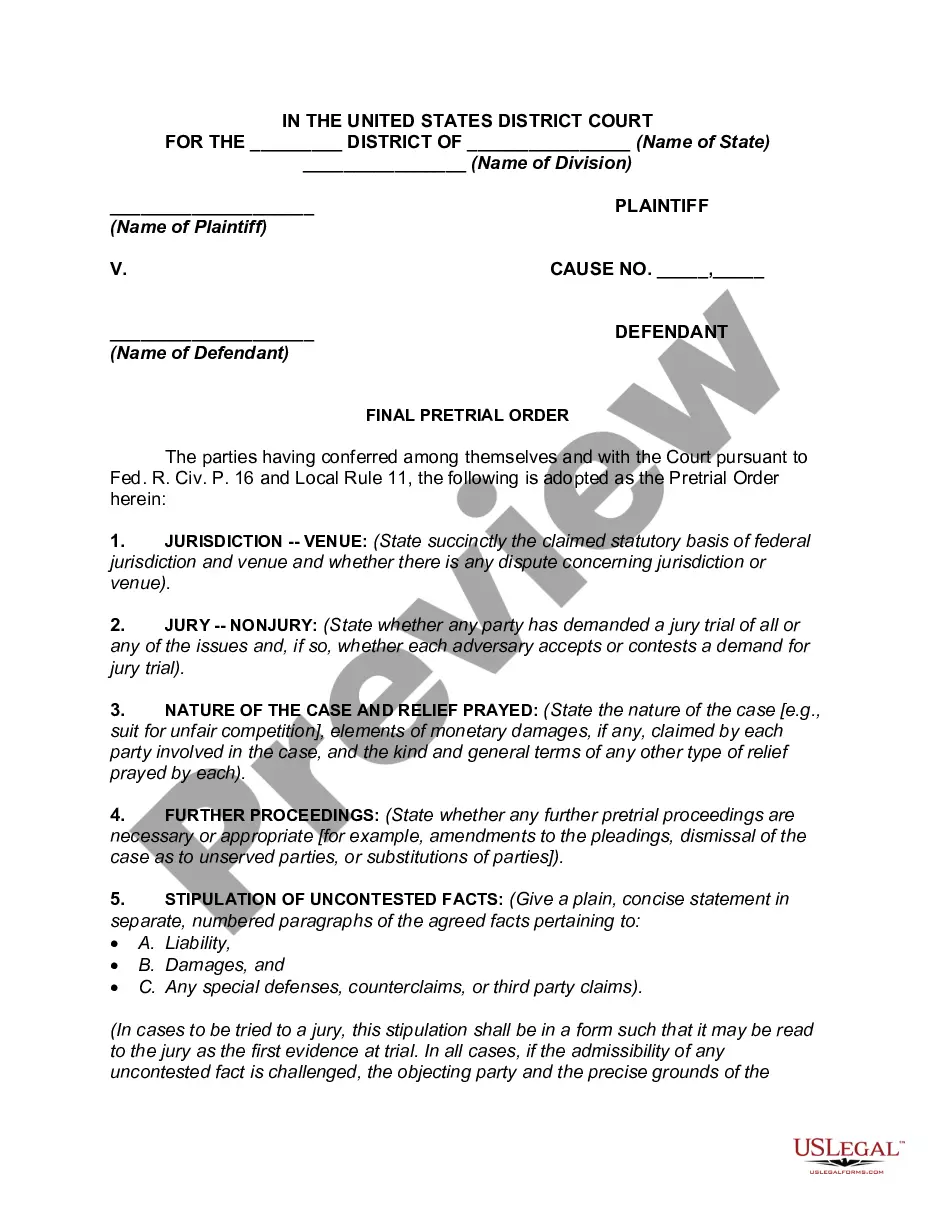
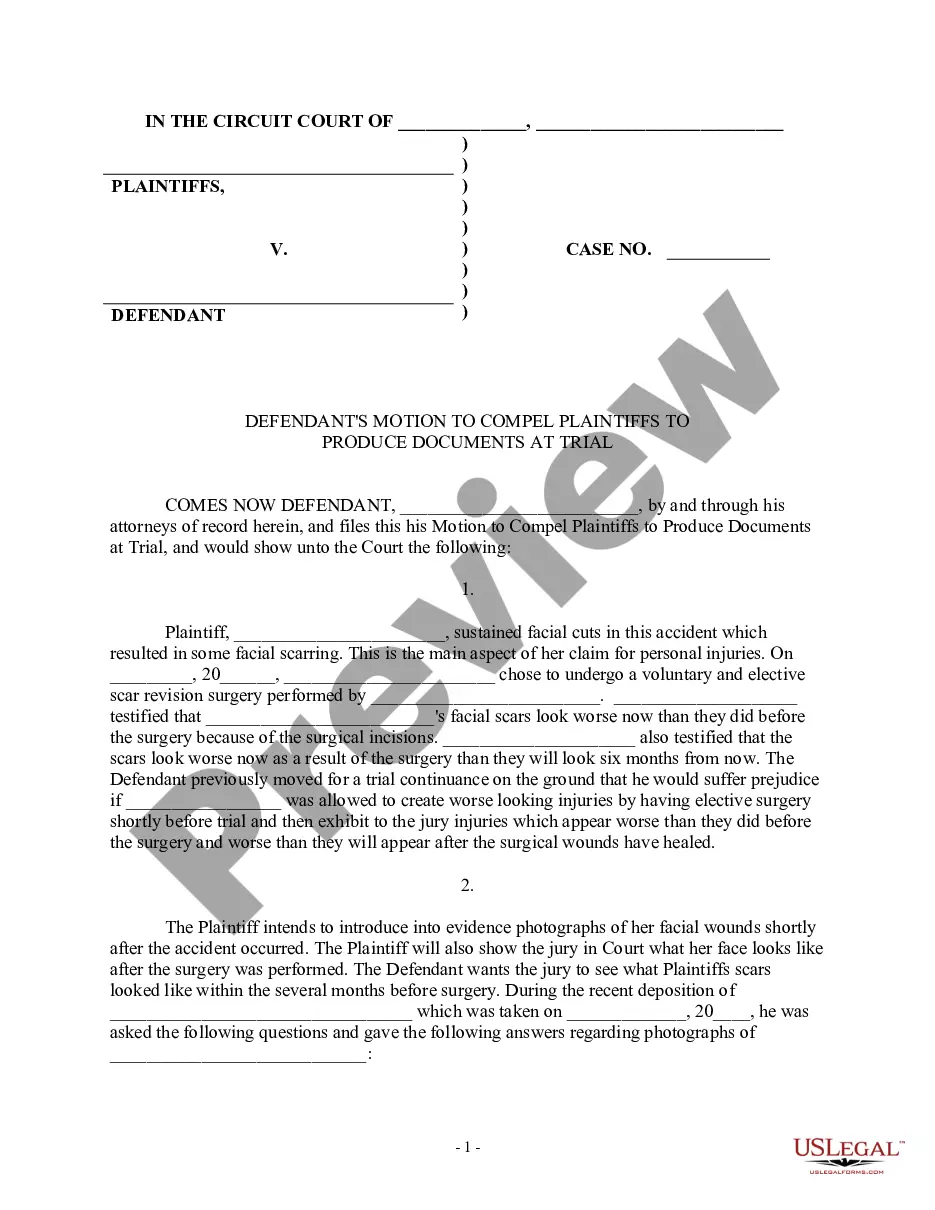
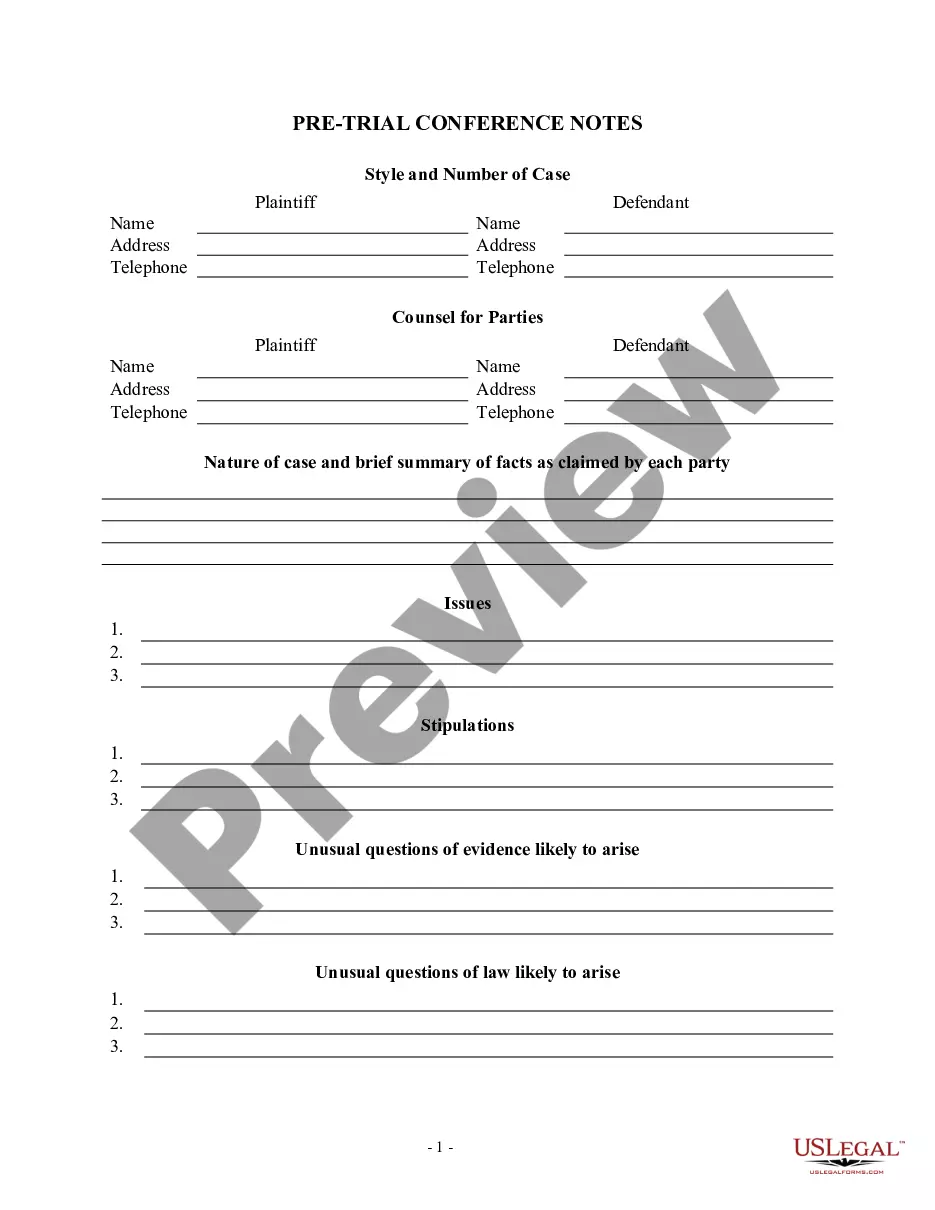
Get your form ready online
Our built-in tools help you complete, sign, share, and store your documents in one place.
Make edits, fill in missing information, and update formatting in US Legal Forms—just like you would in MS Word.
Download a copy, print it, send it by email, or mail it via USPS—whatever works best for your next step.
Sign and collect signatures with our SignNow integration. Send to multiple recipients, set reminders, and more. Go Premium to unlock E-Sign.
If this form requires notarization, complete it online through a secure video call—no need to meet a notary in person or wait for an appointment.
We protect your documents and personal data by following strict security and privacy standards.

Make edits, fill in missing information, and update formatting in US Legal Forms—just like you would in MS Word.

Download a copy, print it, send it by email, or mail it via USPS—whatever works best for your next step.

Sign and collect signatures with our SignNow integration. Send to multiple recipients, set reminders, and more. Go Premium to unlock E-Sign.

If this form requires notarization, complete it online through a secure video call—no need to meet a notary in person or wait for an appointment.

We protect your documents and personal data by following strict security and privacy standards.
Looking for another form?

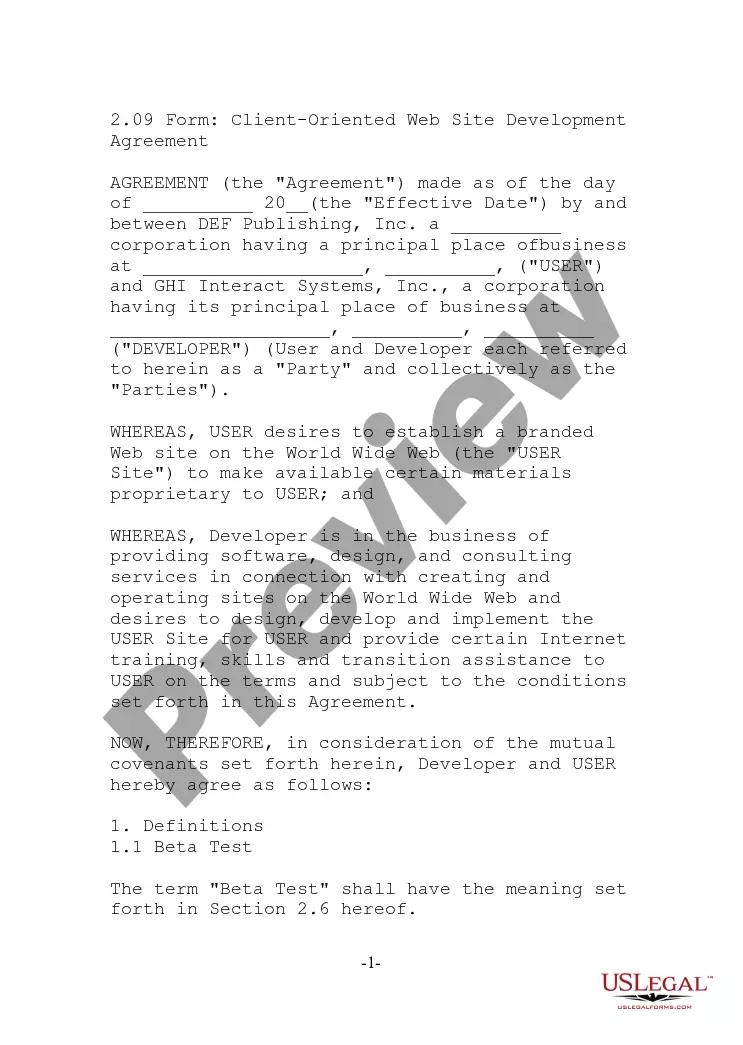
How to fill out Plaintiff's Pretrial Memorandum For A Bench Trial In A Patent Case?
- Log in to your account if you're a returning user, ensuring your subscription is valid. If it's expired, renew it according to your payment plan.
- For new users, start by previewing the trial memorandum form and reviewing its description. Confirm it aligns with your local jurisdiction requirements.
- If necessary, utilize the Search function to find alternative templates if the one you're previewing doesn't meet your needs.
- Proceed to purchase the document by clicking the Buy Now button and selecting your preferred subscription plan. Create an account for full access to the library.
- Complete your transaction by entering your payment details through either credit card information or PayPal.
- Once your purchase is finalized, download the trial memorandum directly to your device. You'll also find it in the My Forms section of your profile for future reference.
By leveraging the resources from US Legal Forms, you can efficiently create a trial memorandum that meets your legal requirements. Don't forget, the platform offers more forms than competitors, ensuring you have a robust selection at your fingertips.
Empower your legal journey today by visiting US Legal Forms and accessing their vast library of templates. Start creating your trial memorandum with ease!
Form popularity
FAQ
Memorandum filing refers to the process of submitting a legal memorandum to a court or relevant authority. This filing is important for supporting legal arguments and informing the court of your position on a case. Ensure that your trial memorandum is carefully prepared and follows all procedural guidelines to enhance your chances of success.
A legal memorandum format typically includes a heading, introductory statement, analysis section, and conclusion. Each section should be clearly labeled and organized to facilitate ease of reading. Consistency in formatting is crucial as it helps present a professional image. A clear format in your trial memorandum can significantly impact its effectiveness.
The IRAC format stands for Issue, Rule, Application, and Conclusion. This method helps organize legal analysis systematically. First, identify the issue at hand, then state the relevant legal rule. Apply the rule to the facts, and conclude with your findings. Utilizing the IRAC format in your trial memorandum ensures clarity in presenting complex legal arguments.
To structure a memorandum effectively, start with a concise introduction that states the purpose. Follow with a thorough discussion of the facts, issues, and the relevant law. Conclude with a clear analysis and recommendations. A well-structured trial memorandum helps convey your message clearly and persuasively.
Format an official memo by including a header with the recipient’s name, the sender’s name, date, and subject line. Follow with a clear introduction and body that outlines the key points. Use a professional tone and maintain consistency in font and spacing throughout. Properly formatted memos enhance professionalism and clarity.
Formatting a legal memorandum requires attention to detail and a clear structure. Begin with a title that reflects the subject, followed by an introductory statement. Use headings, subheadings, and bullet points for easier reading. A well-formatted trial memorandum makes it easier for judges and attorneys to understand your arguments.
To write a trial memorandum, start by identifying the legal issue at hand. Clearly state your arguments and provide supporting evidence. Organize your memo into sections that cover the factual background, applicable law, and analysis. Utilizing a structured format not only enhances clarity but also strengthens your position in court.
The purpose of a trial memorandum is to summarize the legal arguments, relevant facts, and supporting evidence for a case. It helps attorneys organize their thoughts and present a clear picture to the court. By utilizing a trial memorandum effectively, you can enhance your legal strategy and present your case in a compelling manner.
A memorandum for record is a documentation tool used to capture important information and decisions made during legal proceedings. It serves as an official record that preserves the context and intentions behind actions taken. Including relevant details in your trial memorandum can strengthen your position and provide solid evidence if disputes arise later.
The purpose of a legal memorandum is to provide a comprehensive analysis of legal issues, helping attorneys and judges understand complex topics. It details relevant laws, case precedents, and arguments to support a legal position. An effective legal memorandum can form the foundation of your trial memorandum, guiding your approach and highlighting key legal arguments.