Trial Campo
Description

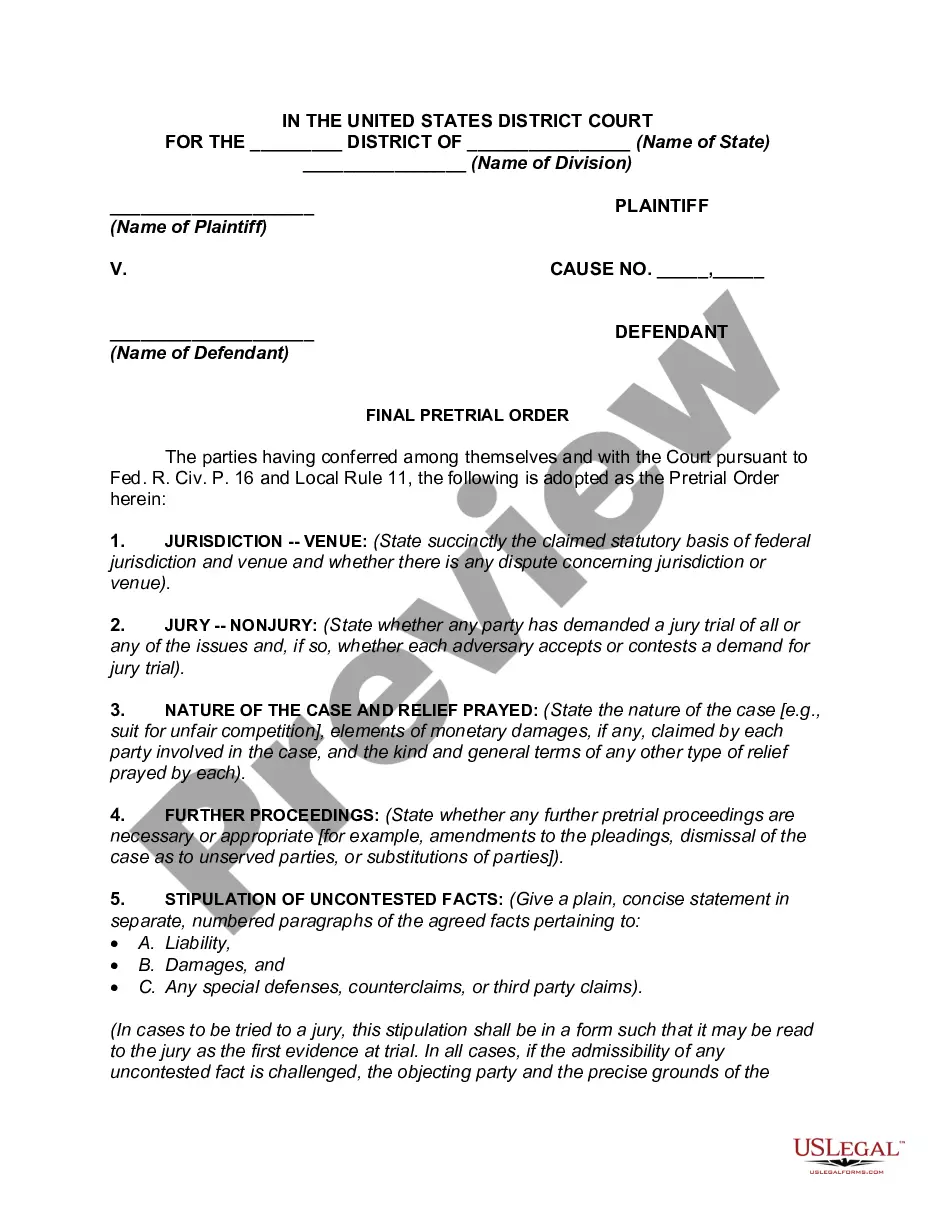
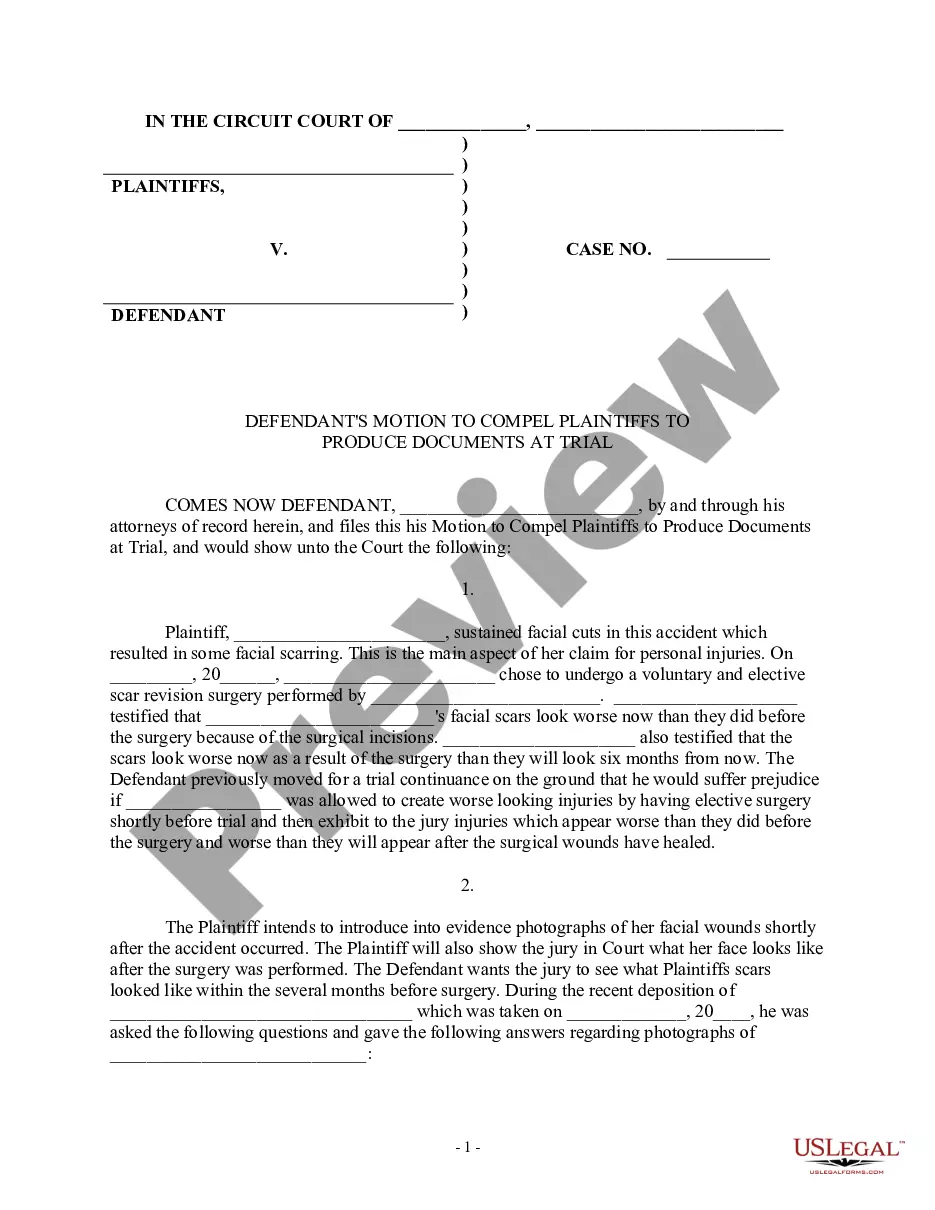
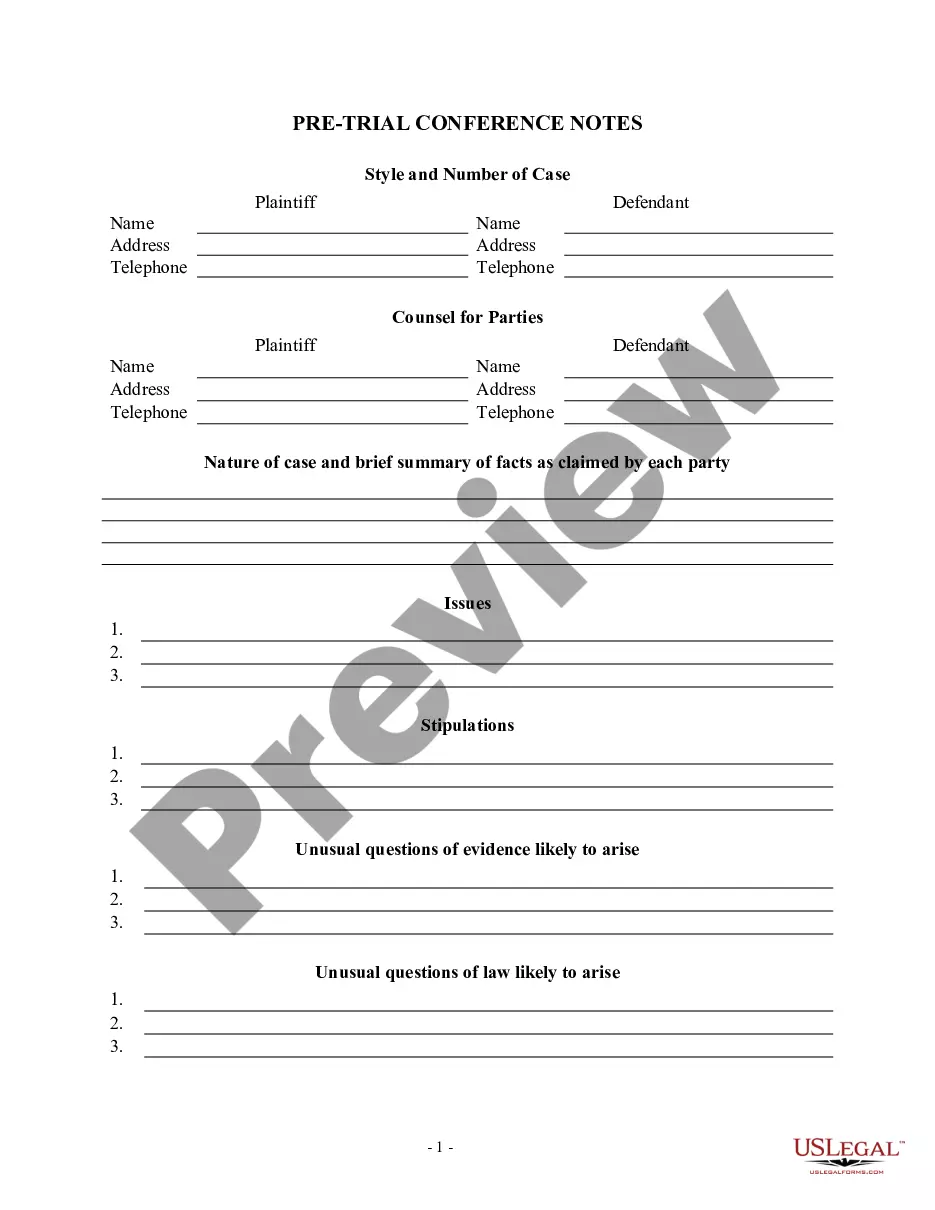
Get your form ready online
Our built-in tools help you complete, sign, share, and store your documents in one place.
Make edits, fill in missing information, and update formatting in US Legal Forms—just like you would in MS Word.
Download a copy, print it, send it by email, or mail it via USPS—whatever works best for your next step.
Sign and collect signatures with our SignNow integration. Send to multiple recipients, set reminders, and more. Go Premium to unlock E-Sign.
If this form requires notarization, complete it online through a secure video call—no need to meet a notary in person or wait for an appointment.
We protect your documents and personal data by following strict security and privacy standards.

Make edits, fill in missing information, and update formatting in US Legal Forms—just like you would in MS Word.

Download a copy, print it, send it by email, or mail it via USPS—whatever works best for your next step.

Sign and collect signatures with our SignNow integration. Send to multiple recipients, set reminders, and more. Go Premium to unlock E-Sign.

If this form requires notarization, complete it online through a secure video call—no need to meet a notary in person or wait for an appointment.

We protect your documents and personal data by following strict security and privacy standards.
Looking for another form?
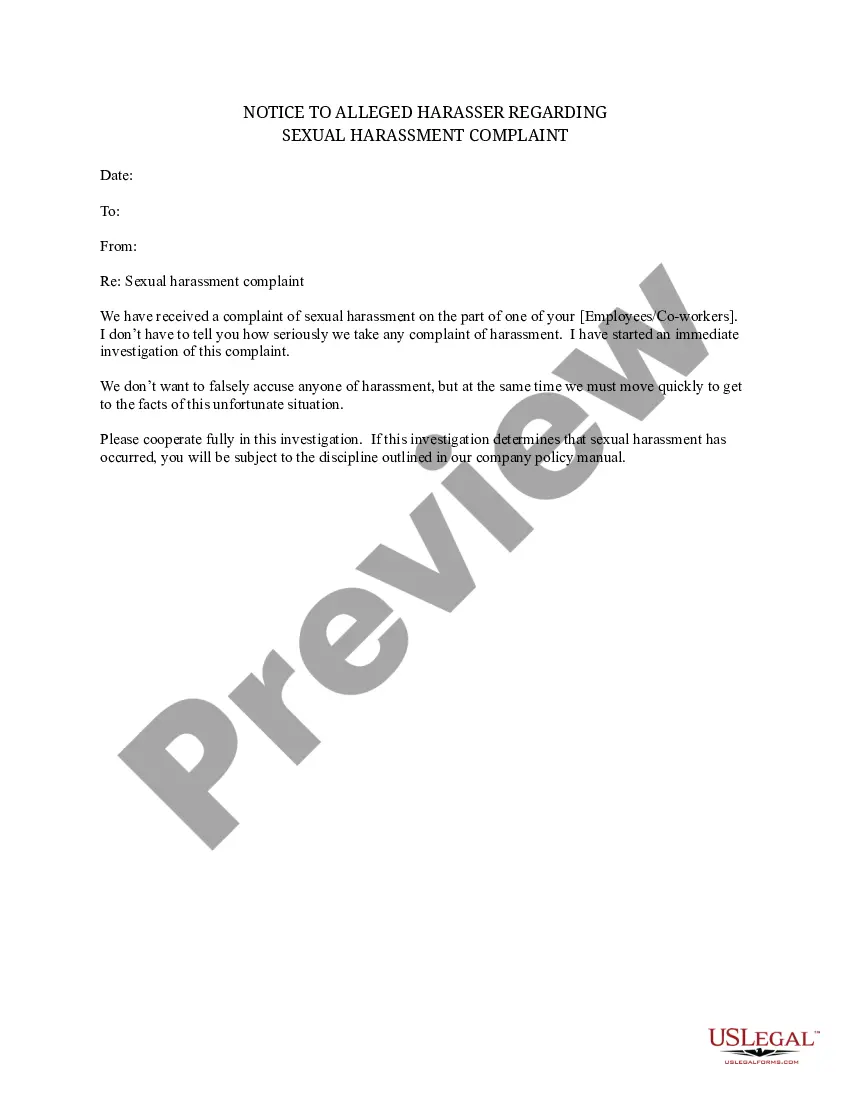
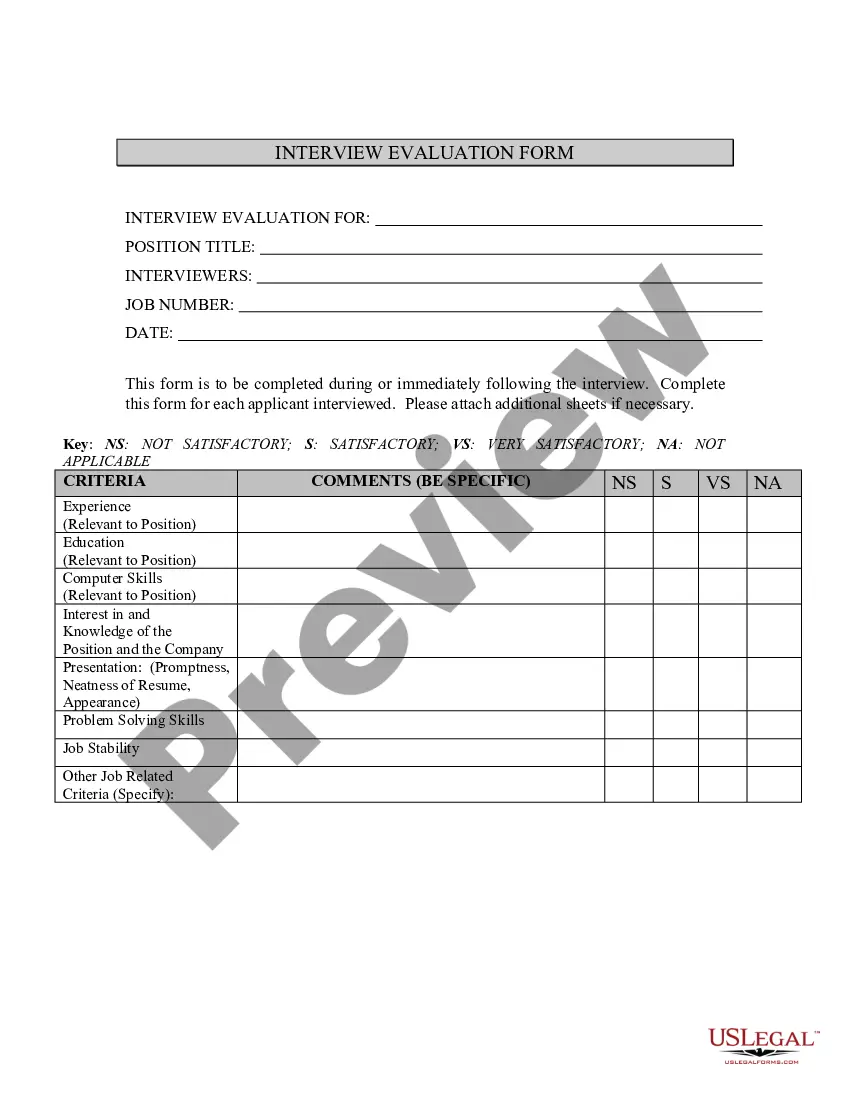

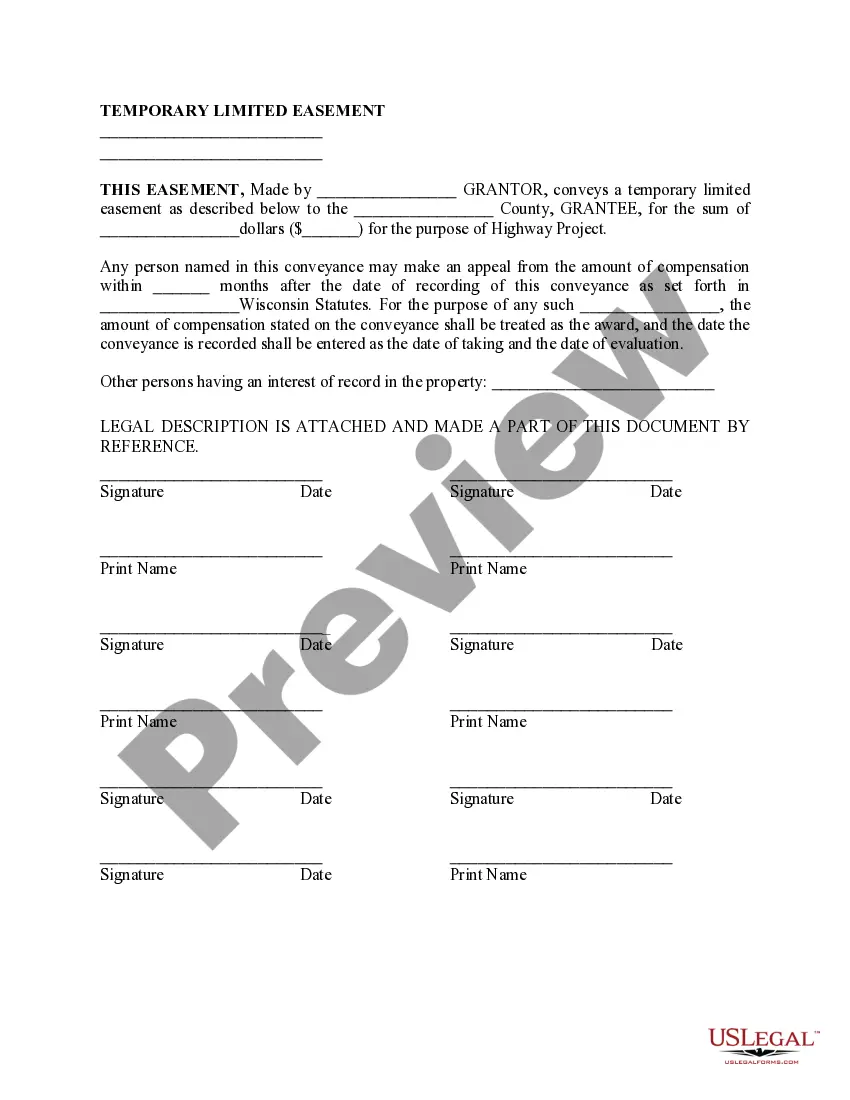

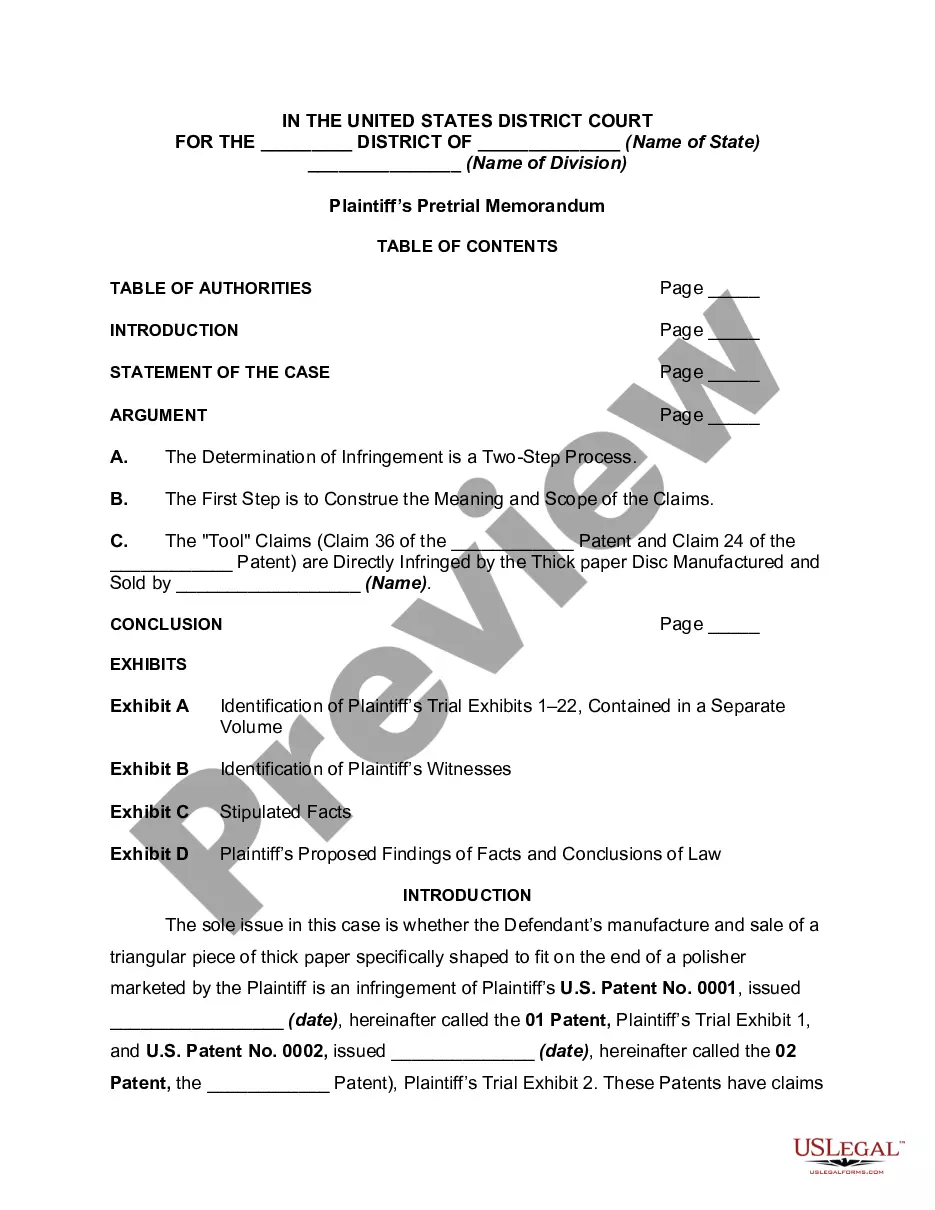
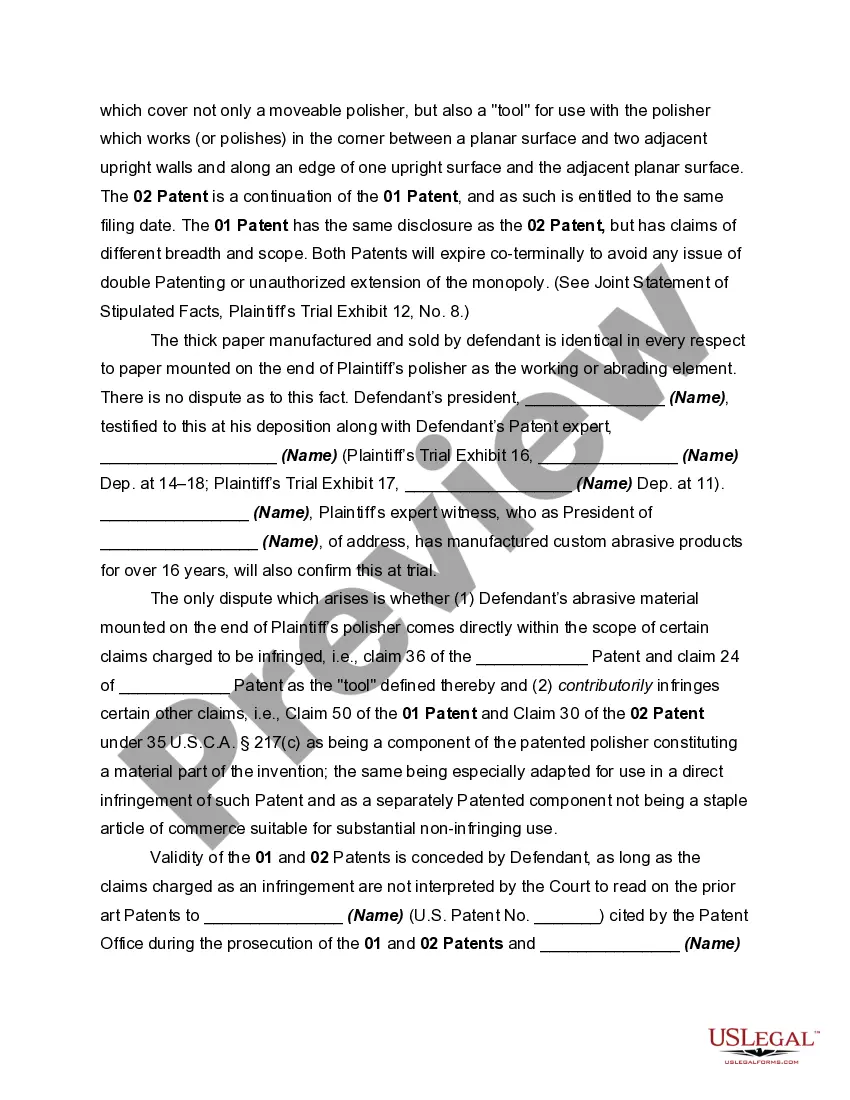
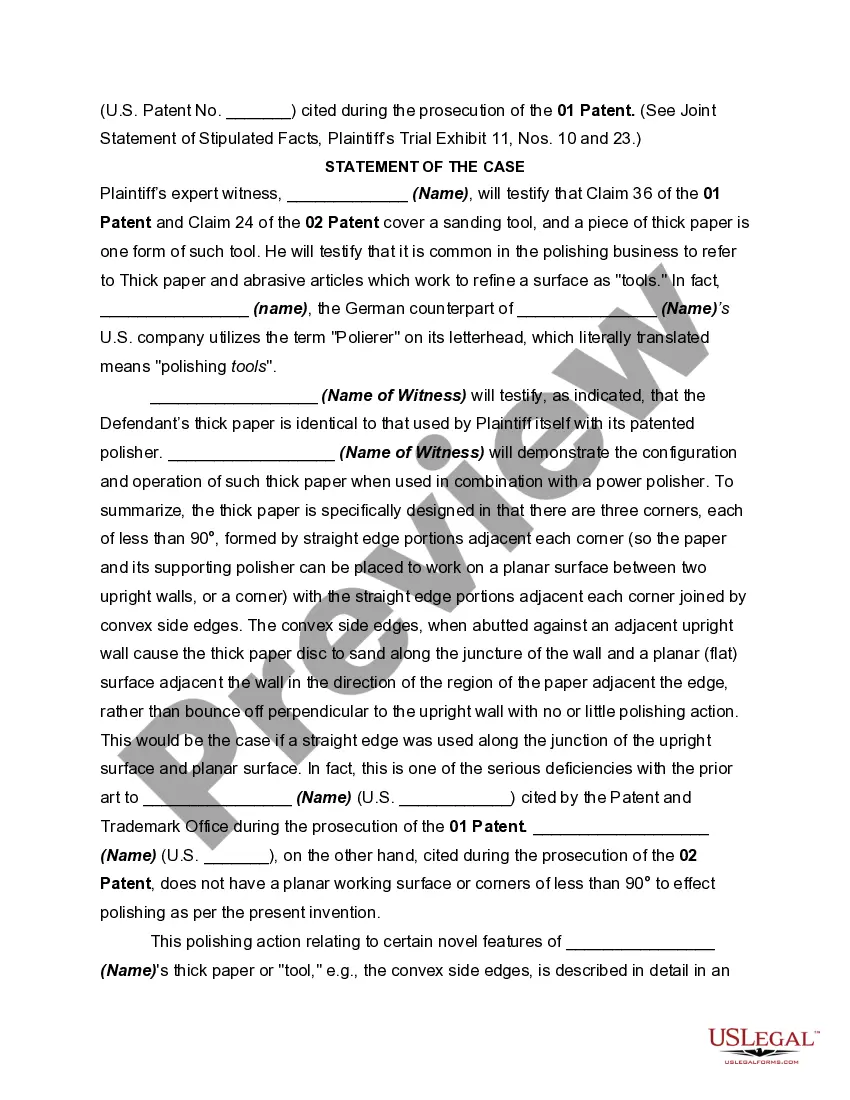
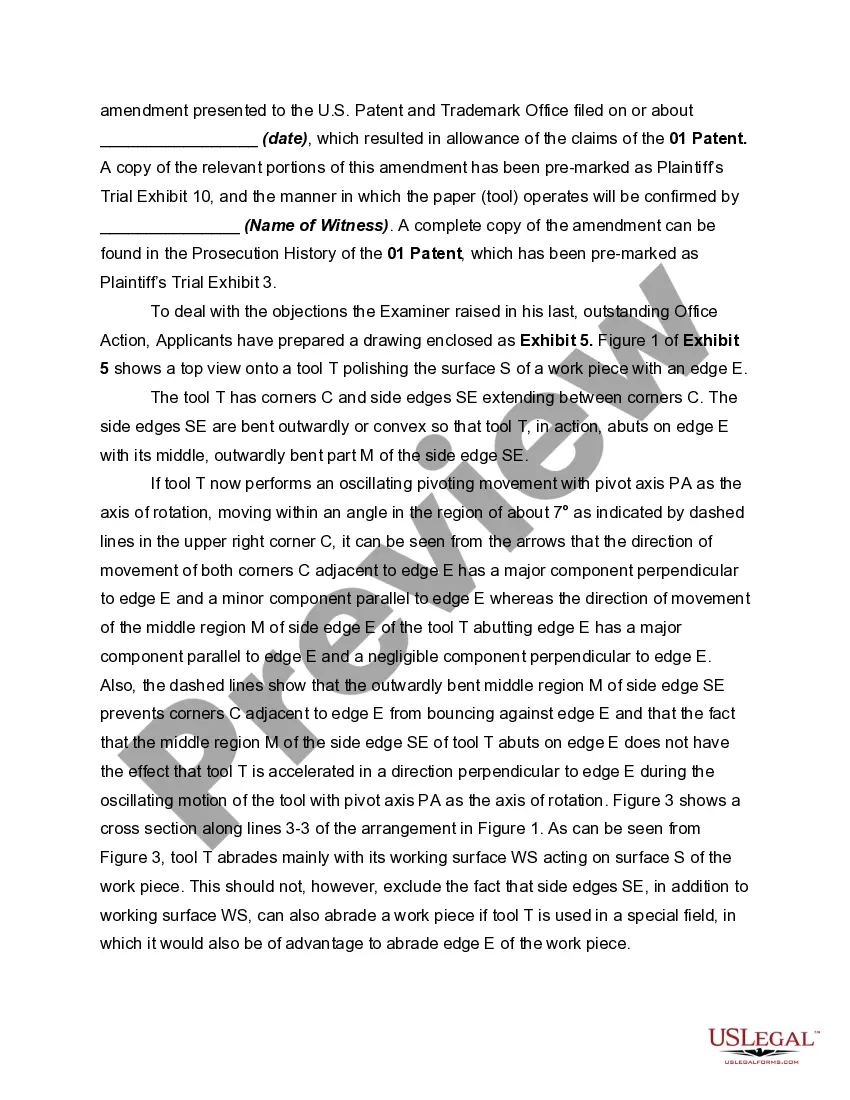
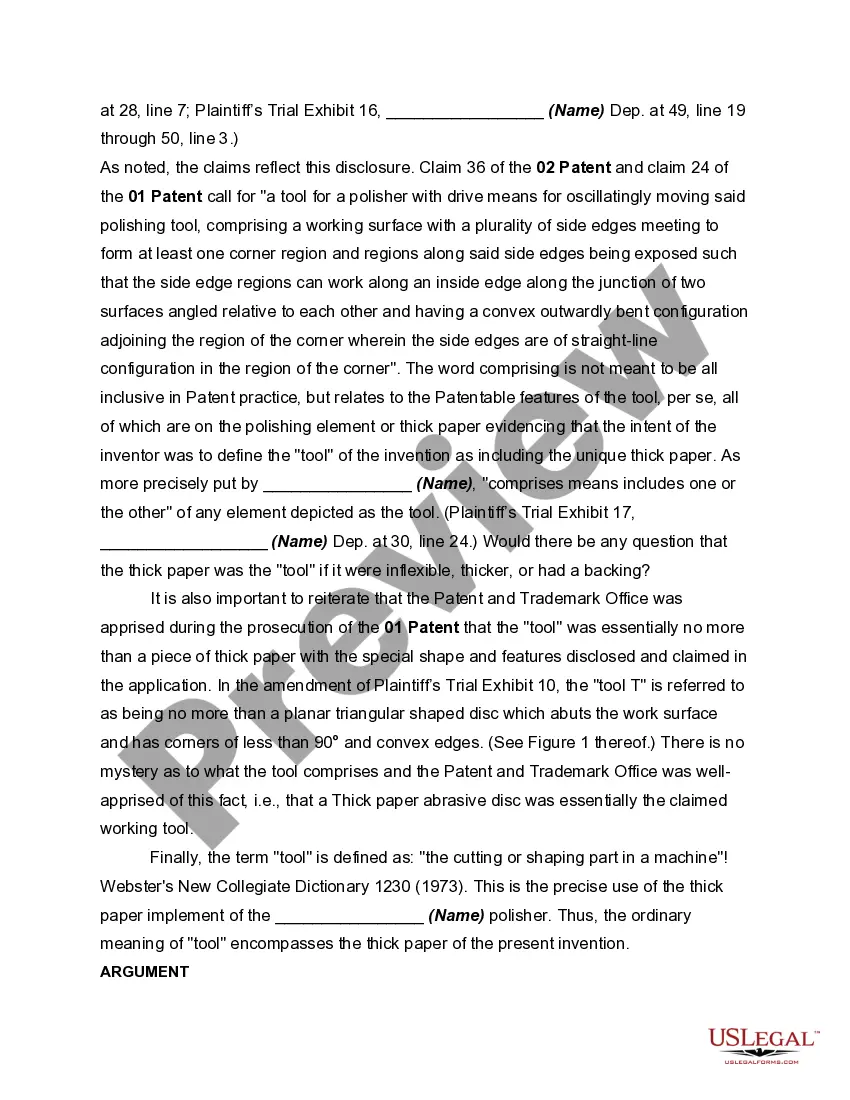
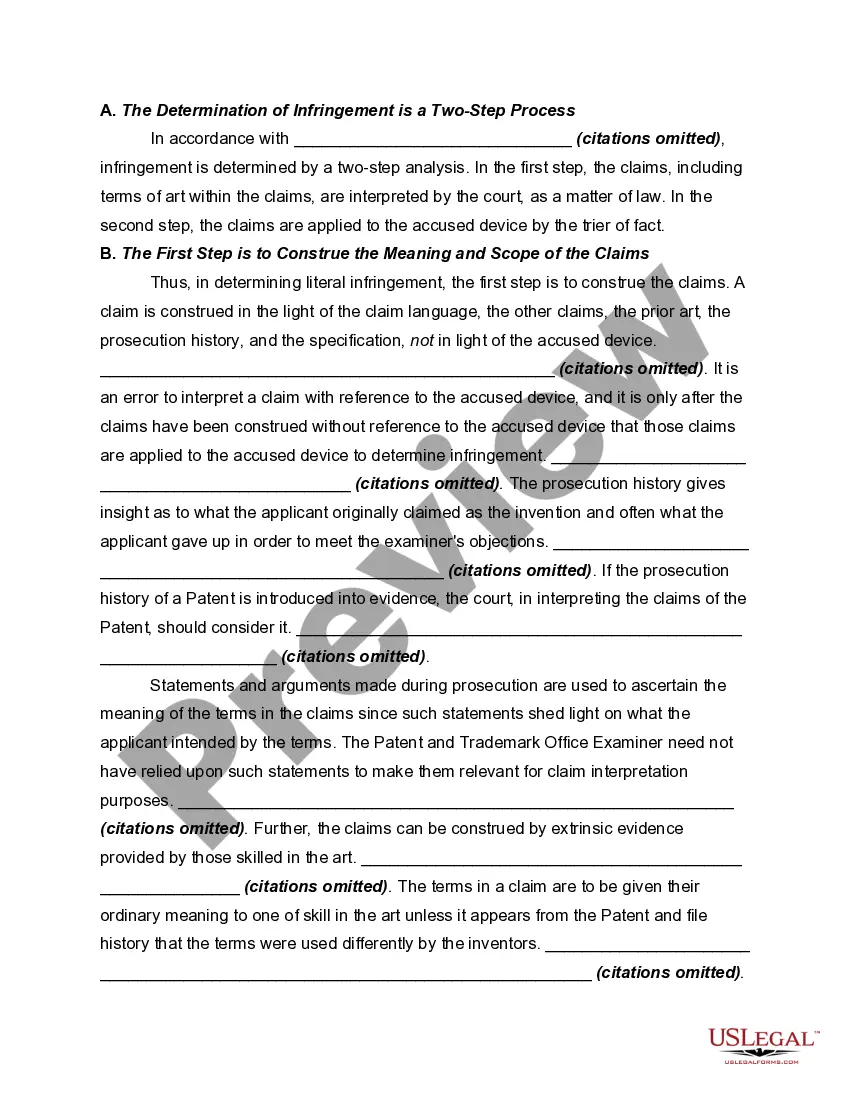
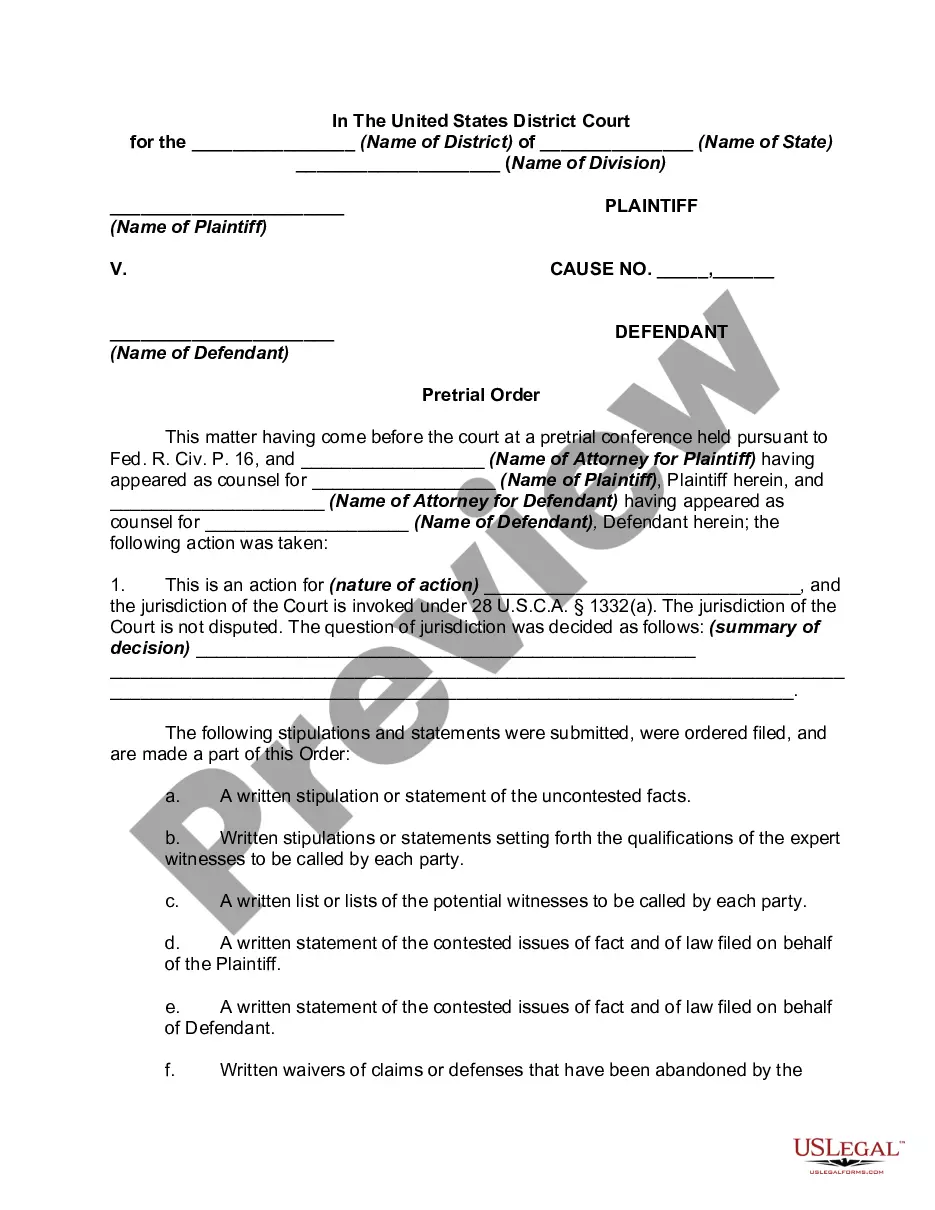
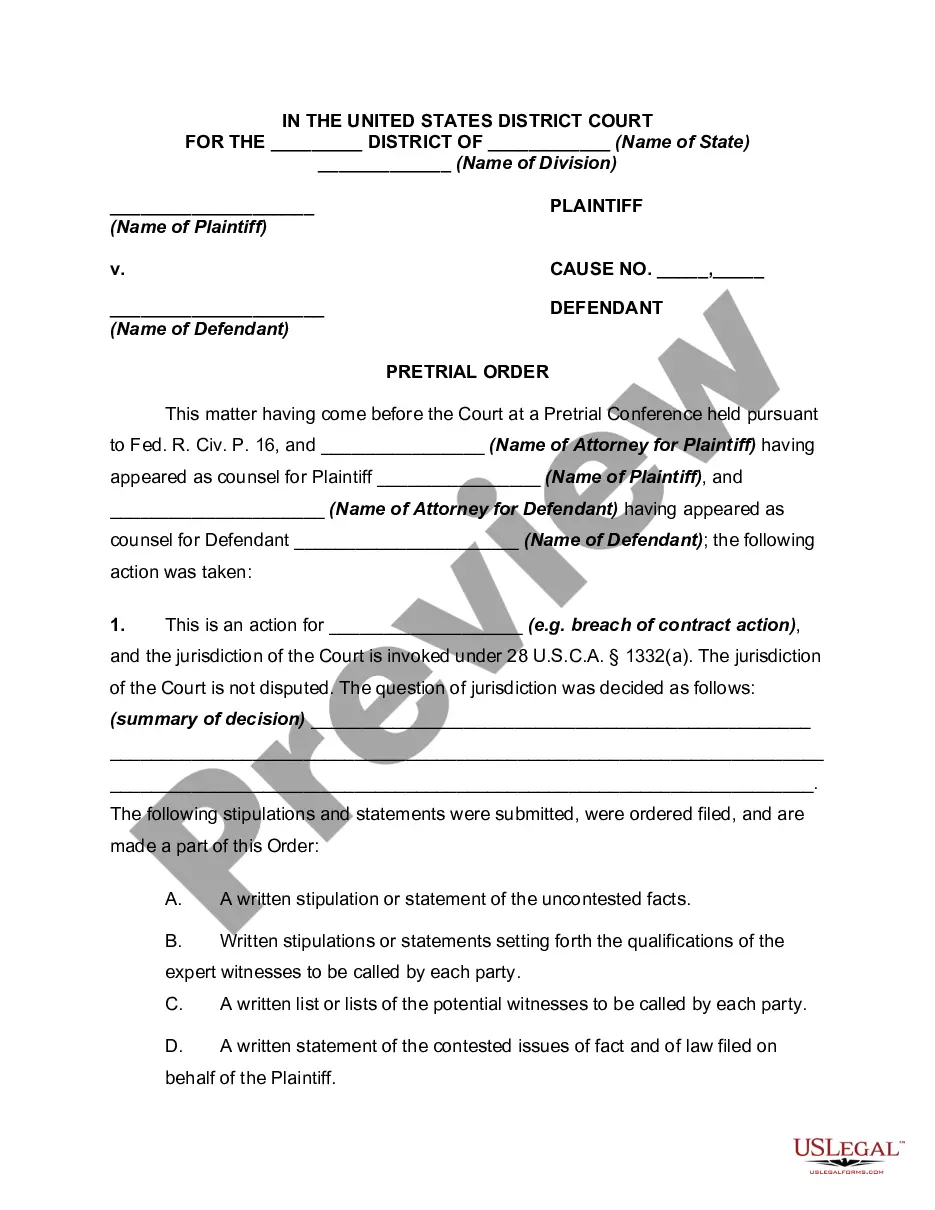
How to fill out Plaintiff's Pretrial Memorandum For A Bench Trial In A Patent Case?
- If you're a returning user, log in to access your account. Ensure your subscription is active; renew if necessary.
- For first-time users, start by checking out the Preview mode and form descriptions to select the documents that suit your needs.
- If adjustments are required, utilize the Search tab to find alternative templates until the right one is found.
- Once you've identified your form, proceed by clicking the Buy Now button to choose a subscription plan.
- Complete your purchase by entering your payment details using a credit card or PayPal.
- Finally, download the template to your device, ensuring you can access it later from the My Forms section.
With US Legal Forms, not only do you gain access to a vast array of documents, but you also benefit from expert assistance for form completion, securing legally sound results.
Start your journey today by taking advantage of our Trial campo—your gateway to efficient legal document handling. Sign up now!
Form popularity
FAQ
To conduct a trial, you execute a series of well-planned steps, from selecting a jury to presenting your arguments. Careful attention to legal procedures and courtroom etiquette is essential. Moreover, effectively managing time and tailoring your presentation for clarity enhances your impact in the trial campo. Practicing your narrative can contribute significantly to a favorable outcome.
Conducting a trial involves strategic preparation, presenting evidence to support your arguments, and effectively communicating with the jury. Start by thoroughly reviewing the case materials and creating a compelling narrative. Throughout the trial campo, maintain engagement with jurors to ensure your message resonates and remains clear.
To put together a trial binder, gather all relevant documents, such as pleadings, evidence, and witness statements. Organize these materials by category, using dividers for easy reference. Additionally, including a table of contents can enhance navigation throughout the trial campo. A well-structured binder is essential for a smooth trial experience.
A paralegal can significantly aid in creating a trial notebook by organizing evidence, indexing exhibits, and preparing witness lists. They can ensure that all legal documents are in order and readily accessible during the trial campo. This preparation allows the attorney to focus on presenting the case effectively and answering questions from the jury.
To conduct a trial, you must prepare extensively, starting by gathering all necessary evidence and documentation. Following this, you will present your case clearly and confidently, ensuring the jury understands your arguments. Additionally, managing courtroom decorum and adhering to procedures plays a vital role in the trial campo. Remember, practice and preparation are key to success.
The trial process typically starts with jury selection, where the court selects jurors. Next, opening statements set the stage for the evidence. Third, both sides present their evidence, followed by closing arguments. Finally, the jury deliberates and reaches a verdict, concluding the trial campo. Understanding these steps is crucial for effective preparation and strategy.
'Place on trial list' refers to the process of scheduling a case within the court system for hearing. This involves determining the trial campo where the proceedings will take place. Understanding how your case gets on this list can enhance your legal strategy and ensure timely movement through the legal system.
When you receive another trial, it is known as a retrial. This process often arises in situations where initial verdicts are disputed. It could also relate to concerns about the previous trial campo that affected the fairness of the original proceedings.
Relocating a trial for fairness is typically termed a change of venue, or the establishment of a different trial campo. This action usually aims to diminish any prejudice that could impact the judgment. If you believe fair legal representation is compromised, this process allows for a more impartial trial setting.
The word for a new trial is often termed a retrial, but in a broader context, it can also relate to changing the trial campo. A retrial occurs when a case is heard again after a previous trial outcome. Factors leading to a retrial might include procedural errors, new evidence, or questions regarding the initial trial campo.