Special Needs Trust Requirements For Someone Over 65
Description
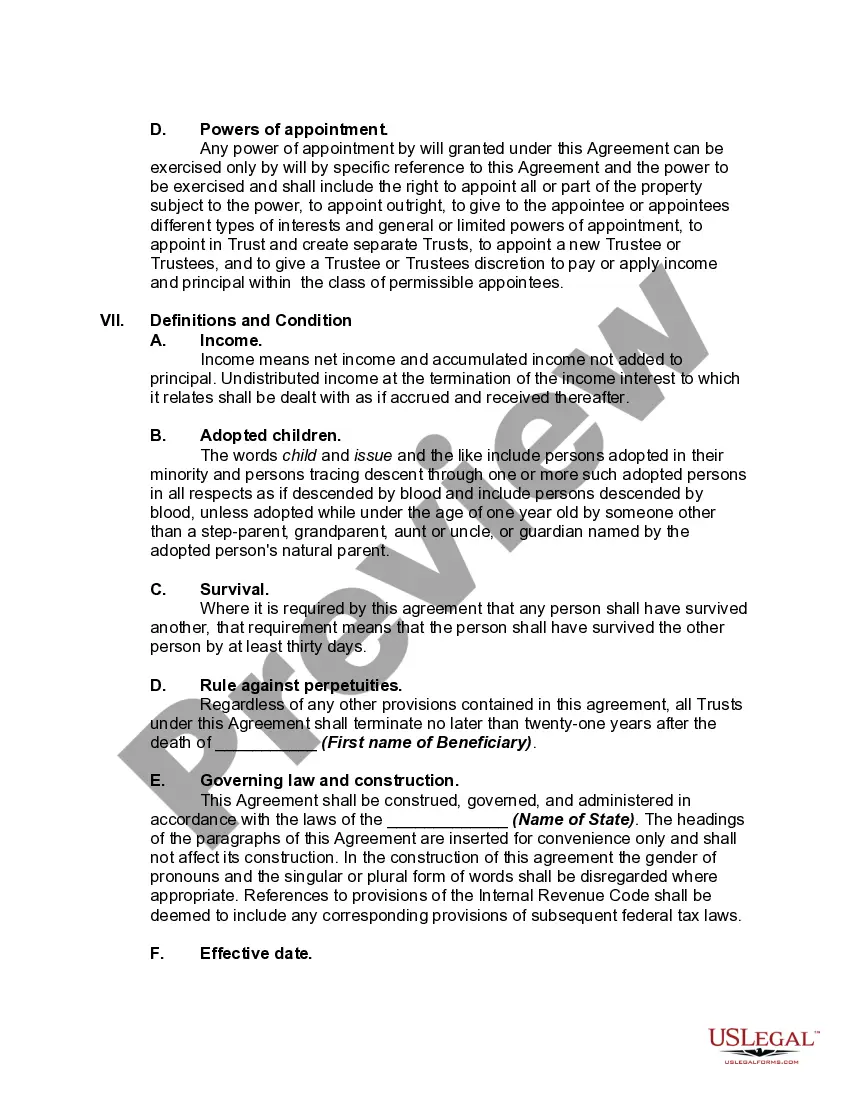
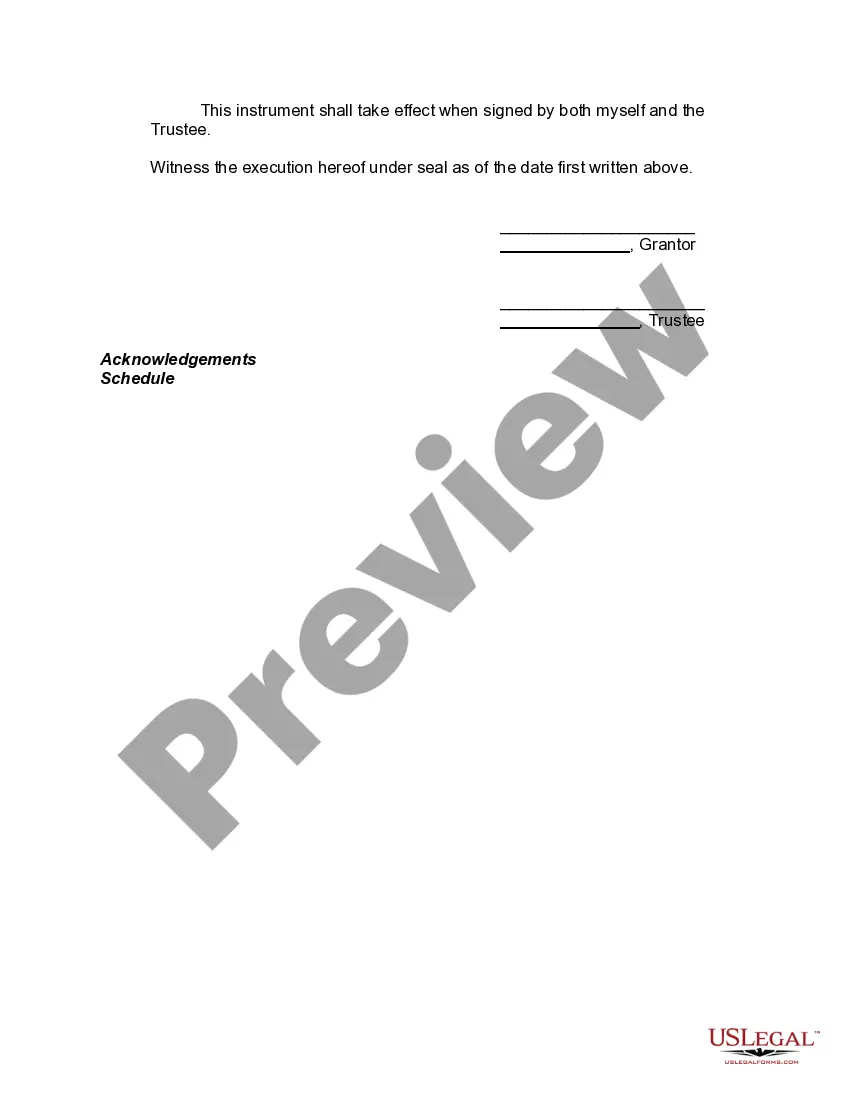

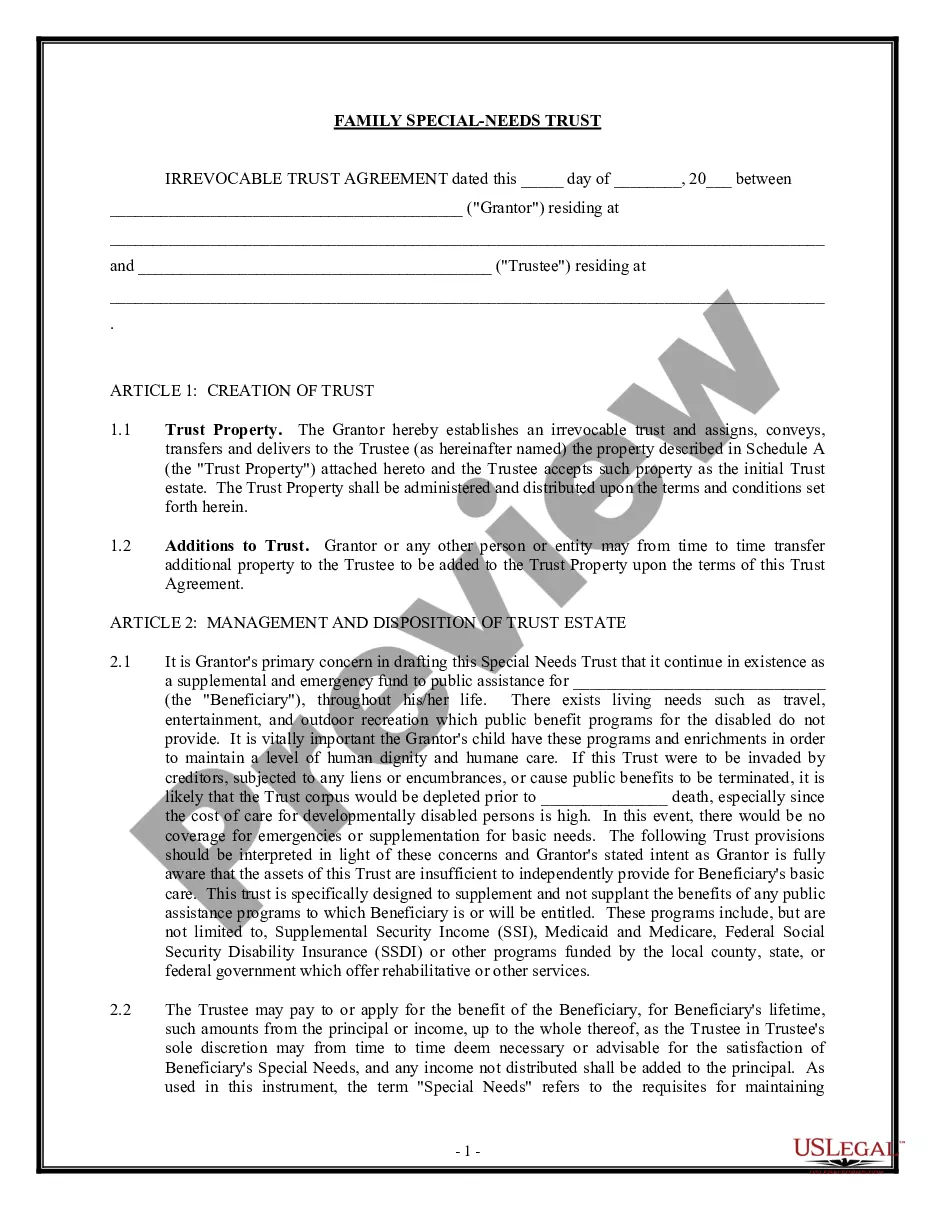
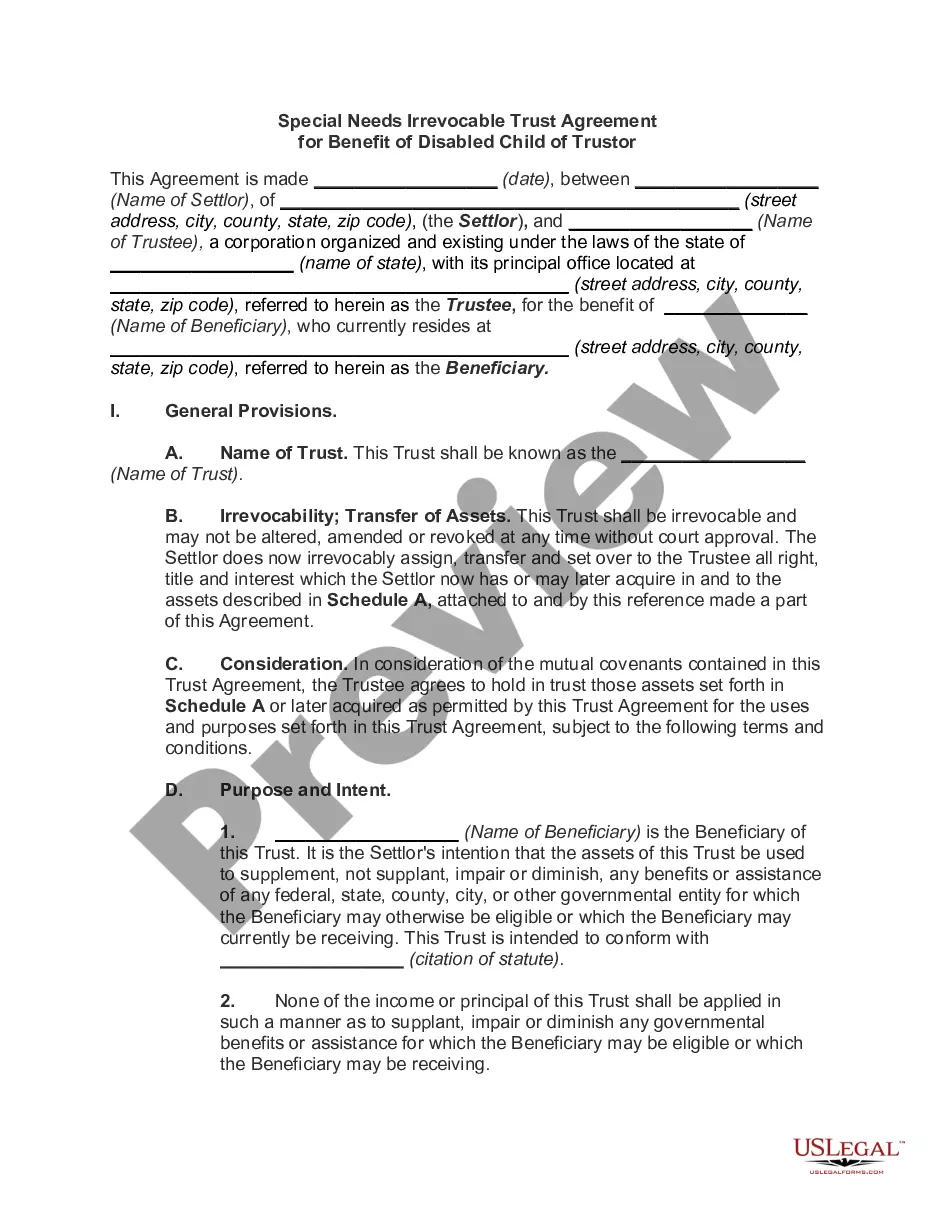
Get your form ready online
Our built-in tools help you complete, sign, share, and store your documents in one place.
Make edits, fill in missing information, and update formatting in US Legal Forms—just like you would in MS Word.
Download a copy, print it, send it by email, or mail it via USPS—whatever works best for your next step.
Sign and collect signatures with our SignNow integration. Send to multiple recipients, set reminders, and more. Go Premium to unlock E-Sign.
If this form requires notarization, complete it online through a secure video call—no need to meet a notary in person or wait for an appointment.
We protect your documents and personal data by following strict security and privacy standards.

Make edits, fill in missing information, and update formatting in US Legal Forms—just like you would in MS Word.

Download a copy, print it, send it by email, or mail it via USPS—whatever works best for your next step.

Sign and collect signatures with our SignNow integration. Send to multiple recipients, set reminders, and more. Go Premium to unlock E-Sign.

If this form requires notarization, complete it online through a secure video call—no need to meet a notary in person or wait for an appointment.

We protect your documents and personal data by following strict security and privacy standards.
Looking for another form?
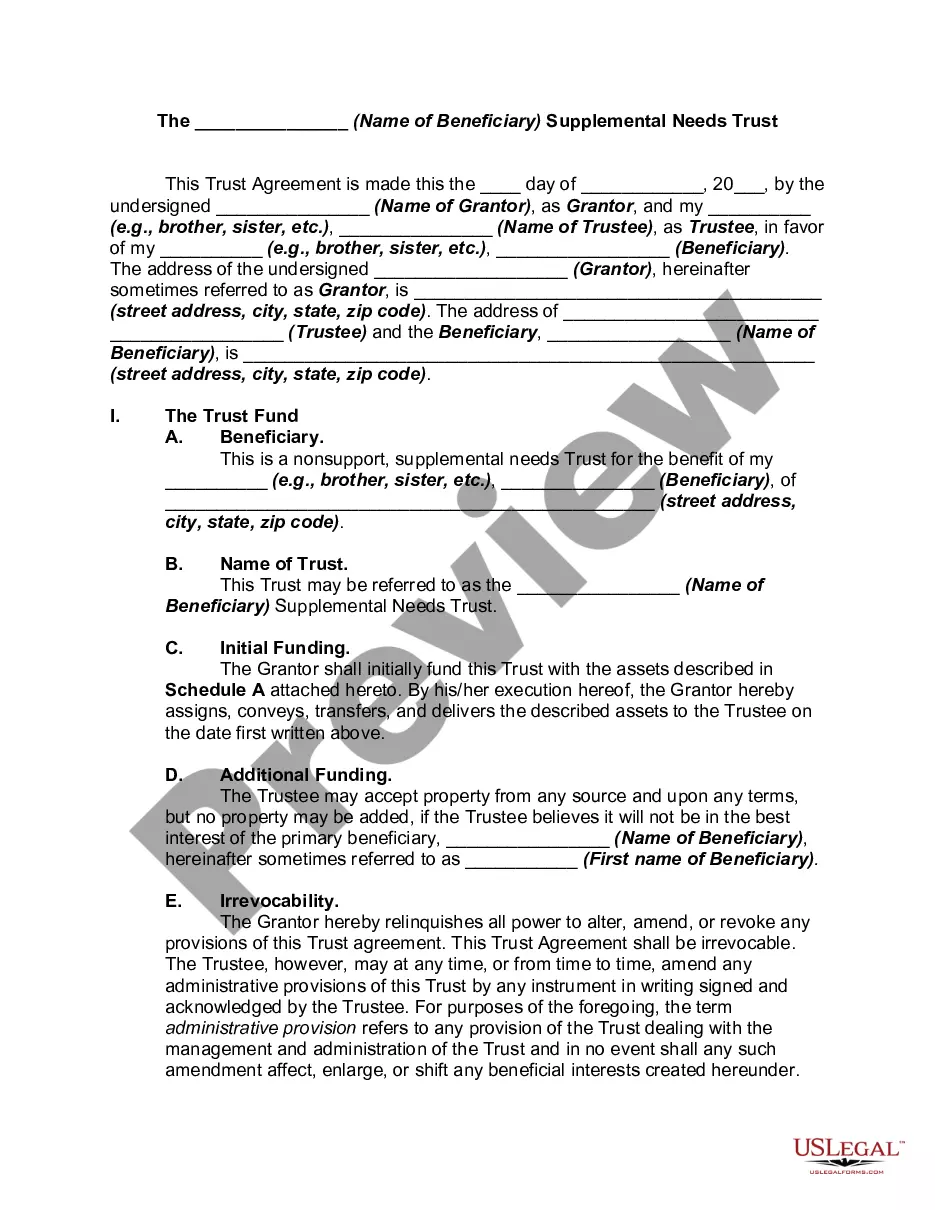
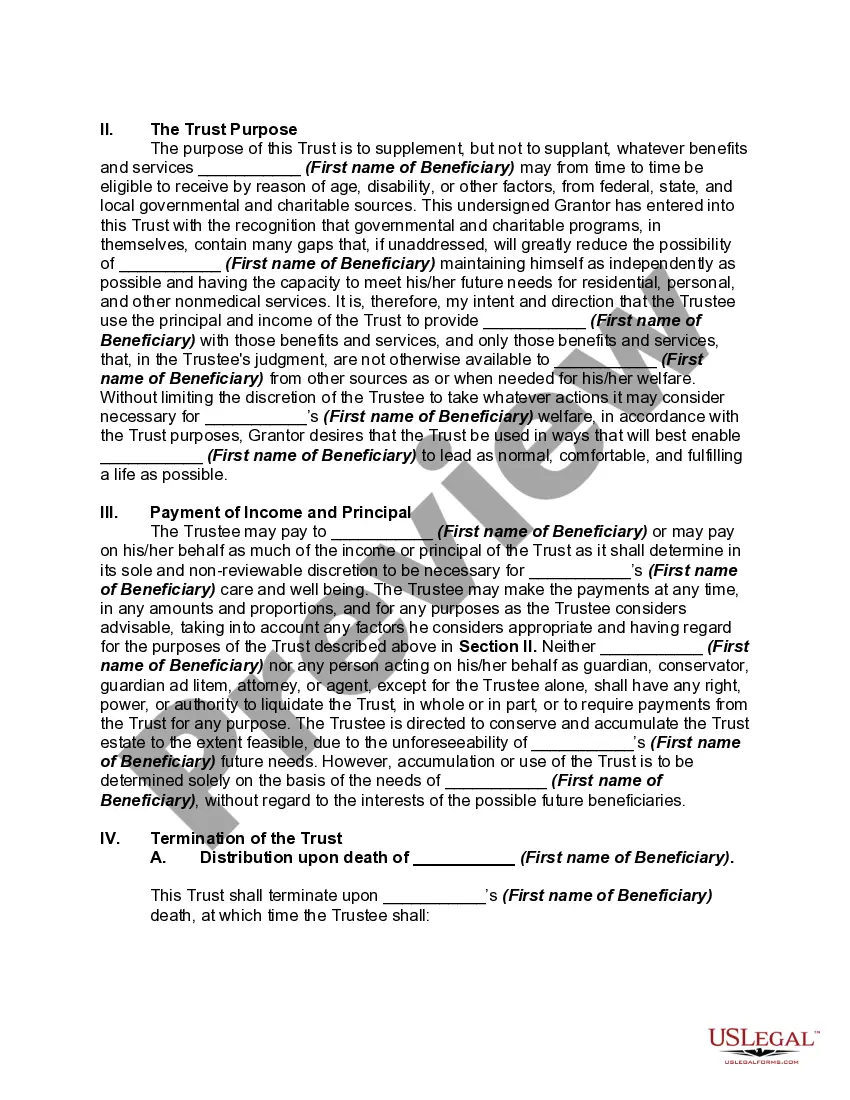
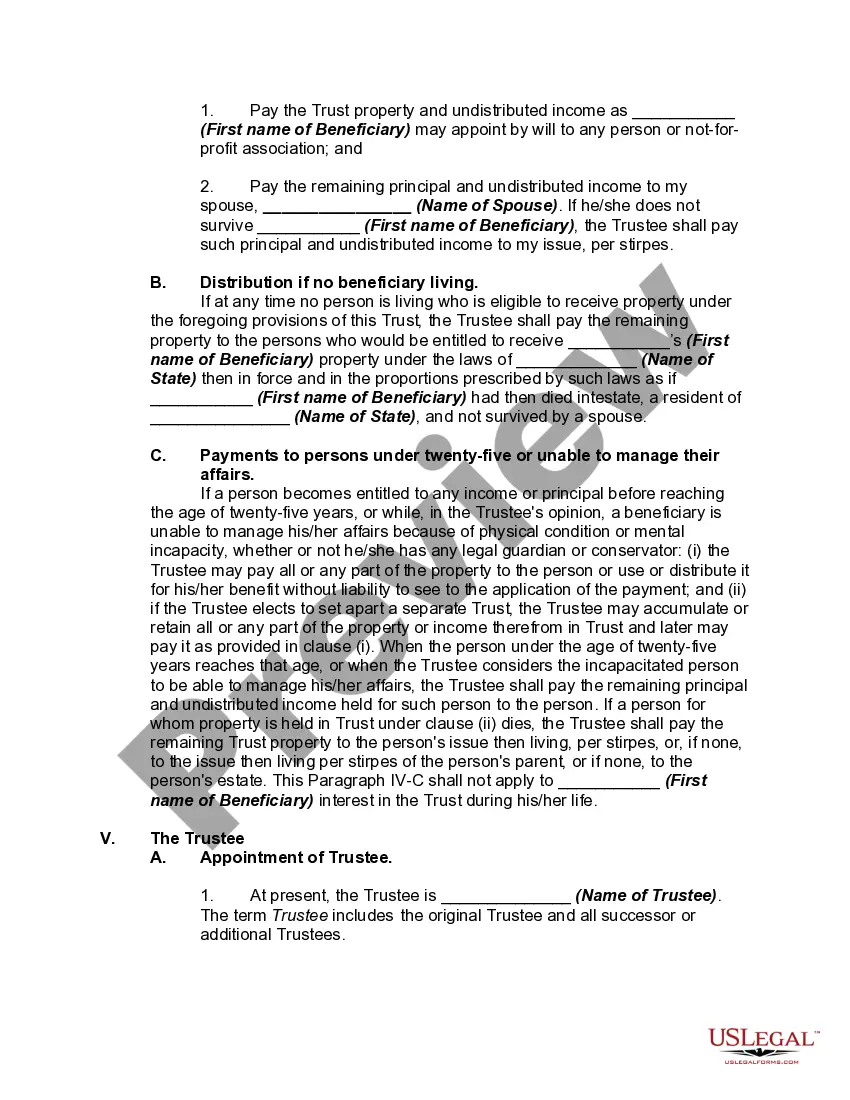
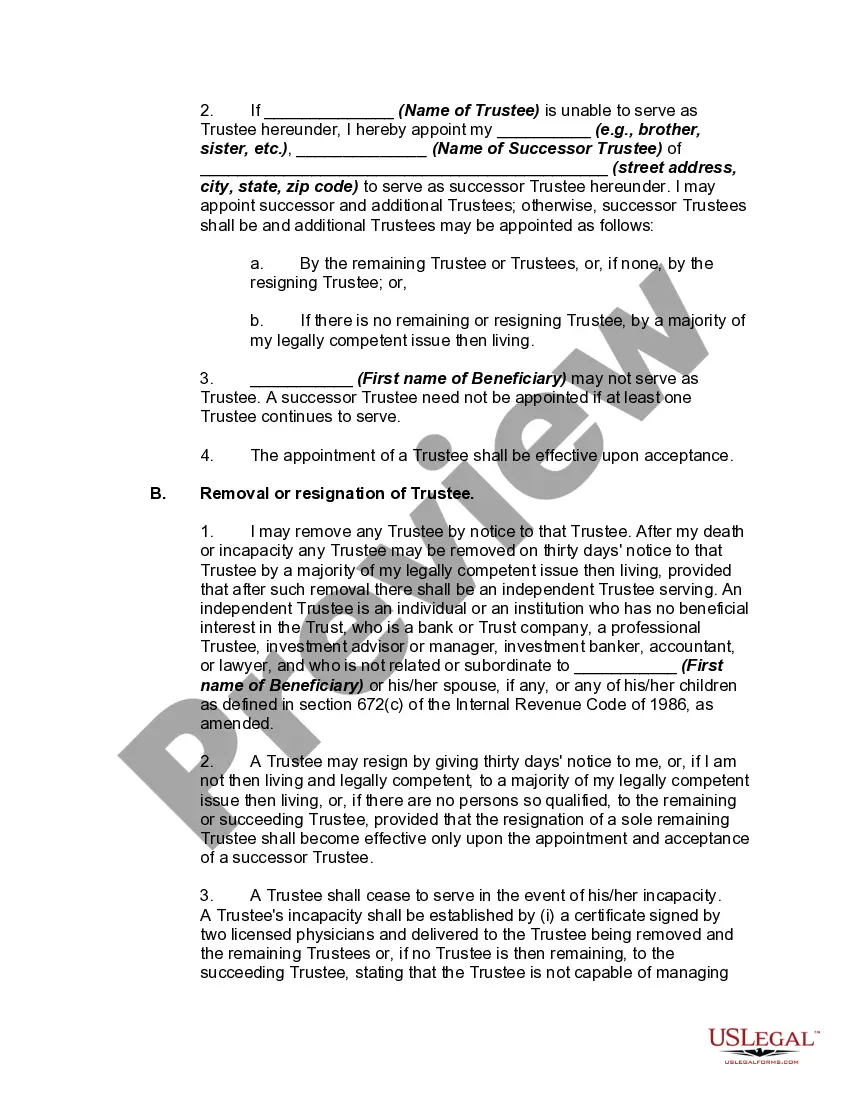
How to fill out Supplemental Needs Trust For Third Party - Disabled Beneficiary?
Obtaining a reliable location to access the latest and pertinent legal templates is a significant part of dealing with bureaucracy. Identifying the appropriate legal documents requires accuracy and meticulousness, which is why it is crucial to acquire samples of Special Needs Trust Requirements For Someone Over 65 exclusively from trustworthy sources, such as US Legal Forms. An incorrect template will squander your time and delay your current situation. With US Legal Forms, you have minimal concerns. You can access and review all the information related to the document’s usage and significance for your circumstances and in your state or county.
Follow the steps below to fulfill your Special Needs Trust Requirements For Someone Over 65.
Once you have the form on your device, you may alter it using the editor or print it and complete it manually. Remove the stress associated with your legal documentation. Explore the extensive US Legal Forms catalog to locate legal samples, evaluate their relevance to your situation, and download them without delay.
- Use the library navigation or search field to locate your template.
- Examine the form’s description to verify if it meets the criteria of your state and locality.
- Check the form preview, if available, to ensure the document is indeed the one you require.
- Return to the search to find the appropriate document if the Special Needs Trust Requirements For Someone Over 65 does not meet your needs.
- Once you are certain about the form’s relevance, download it.
- If you are a registered user, click Log in to verify and access your selected templates in My documents.
- If you do not yet possess an account, click Buy now to purchase the template.
- Choose the pricing plan that aligns with your needs.
- Proceed to registration to complete your transaction.
- Finalize your purchase by selecting a payment method (credit card or PayPal).
- Select the file format for downloading Special Needs Trust Requirements For Someone Over 65.
Form popularity
FAQ
A Special Needs Trust (SNT) allows for a disabled person to maintain his or her eligibility for public assistance benefits, despite having assets that would otherwise make the person ineligible for those benefits. There are two types of SNTs: First Party and Third Party funded.
What are the main benefits of an SDT? The asset value limit of $781,250 (indexed annually on 1 July) and income from the trust may be disregarded for the purposes of the principal beneficiary's income support payment. Assets above that limit are added to the assessable assets of the principal beneficiary.
Funds held in a properly drafted special needs trust (SNT) will not affect a Supplemental Security Income (SSI) or Medicaid recipient's benefits. However, funds disbursed in a manner that violates SSI or Medicaid rules can impact these benefits.
The trustee works in very close contact with the beneficiary and/or their caregiver to manage the trust and its financial distributions to pay for these things. The main takeaway regarding distribution of SNT funds is this: The beneficiary never sees the money directly, but the money is used to pay for their needs.
Cons of Special Needs Trusts The trust must be maintained, and yearly management costs can be high. Depending on who manages the fund, there may be a minimum amount required to set up the trust. It may be financially difficult for the settlor to actually establish the trust, depending upon their circumstances.