First Party Supplemental Needs Trust Withholding
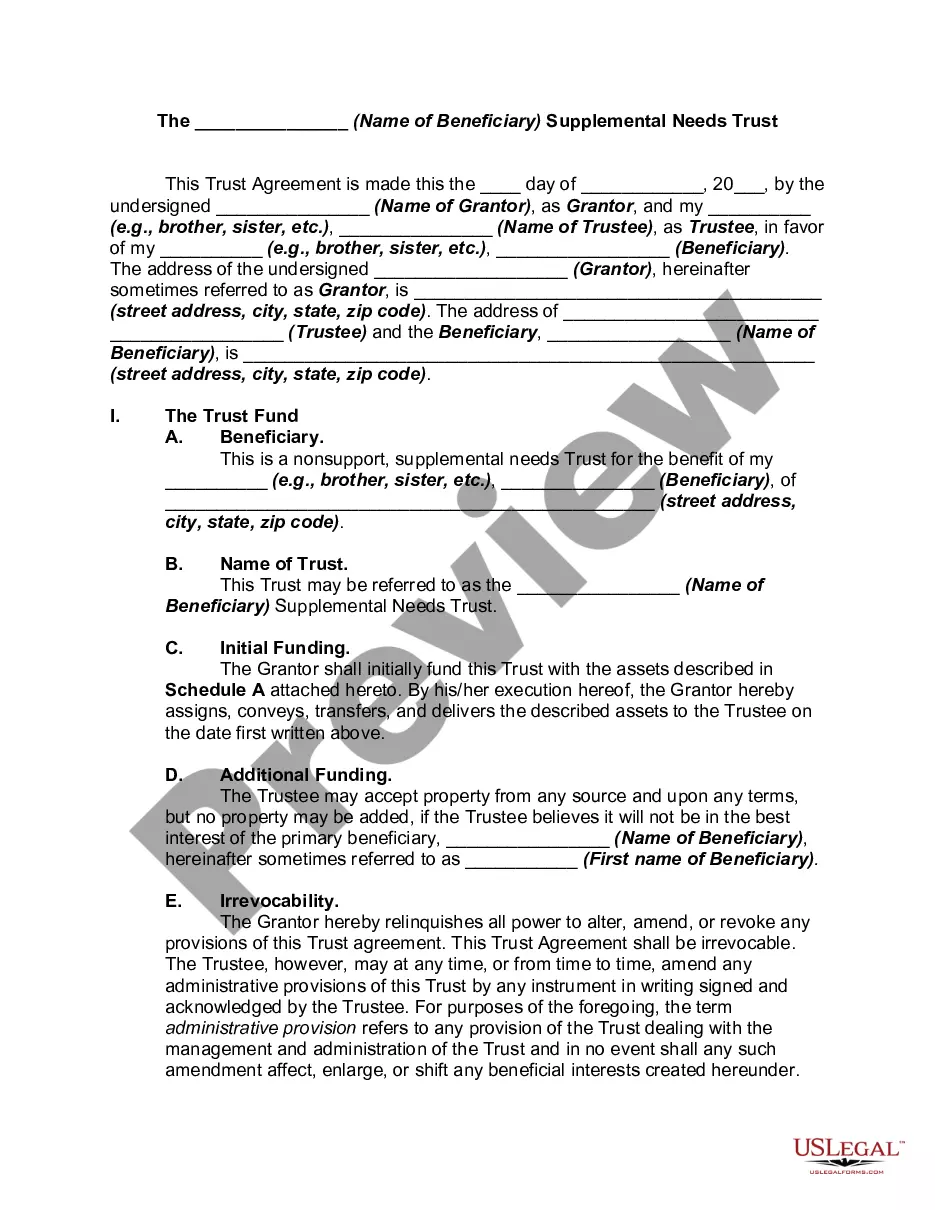
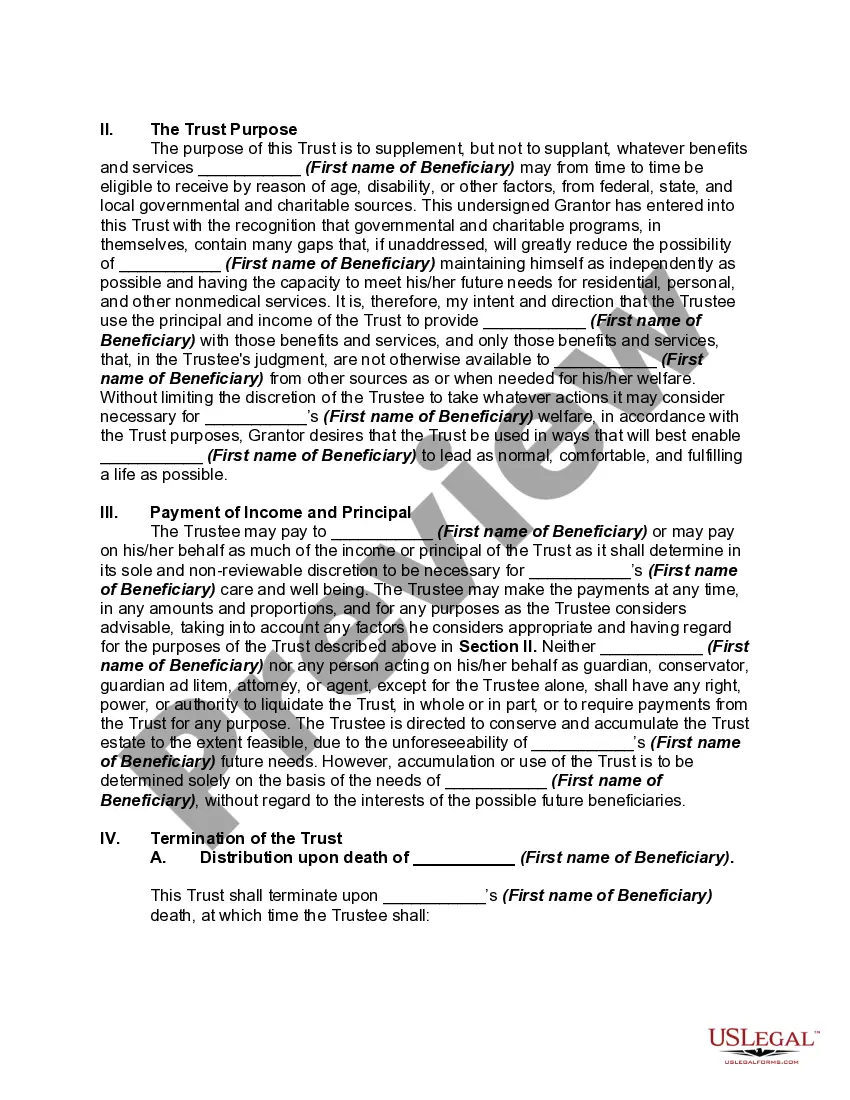
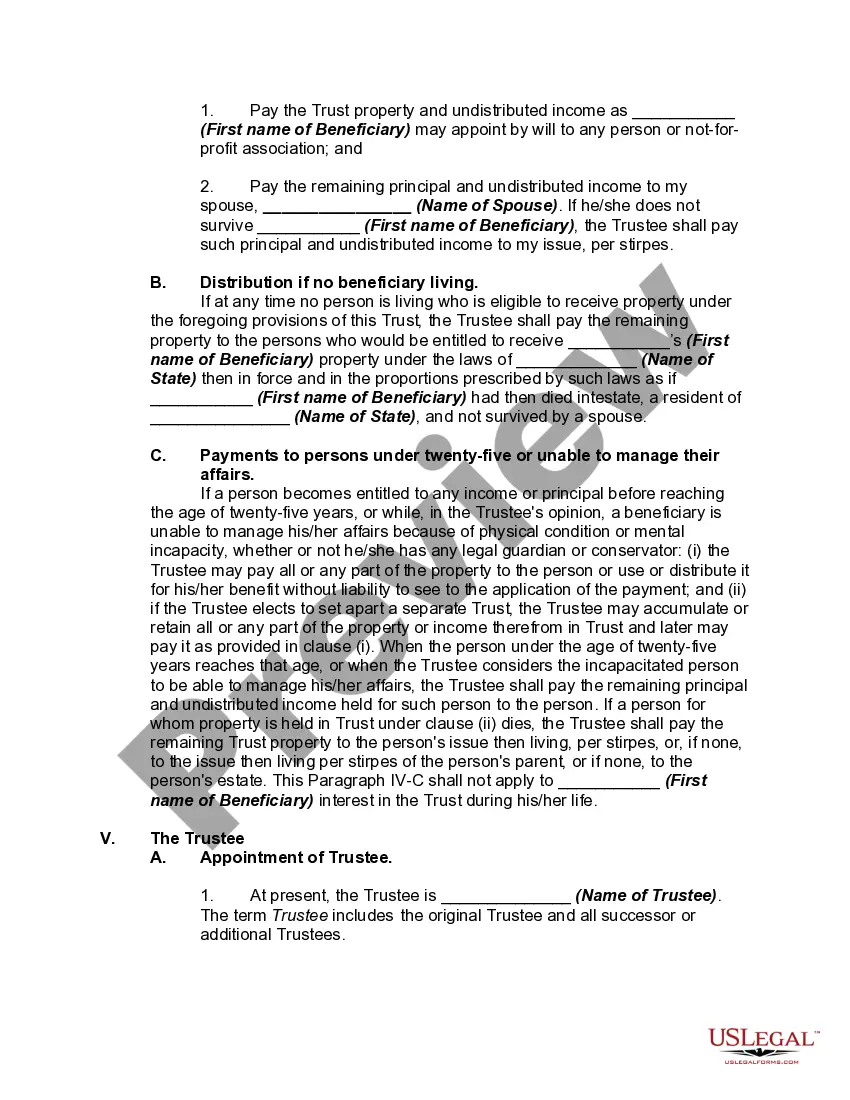
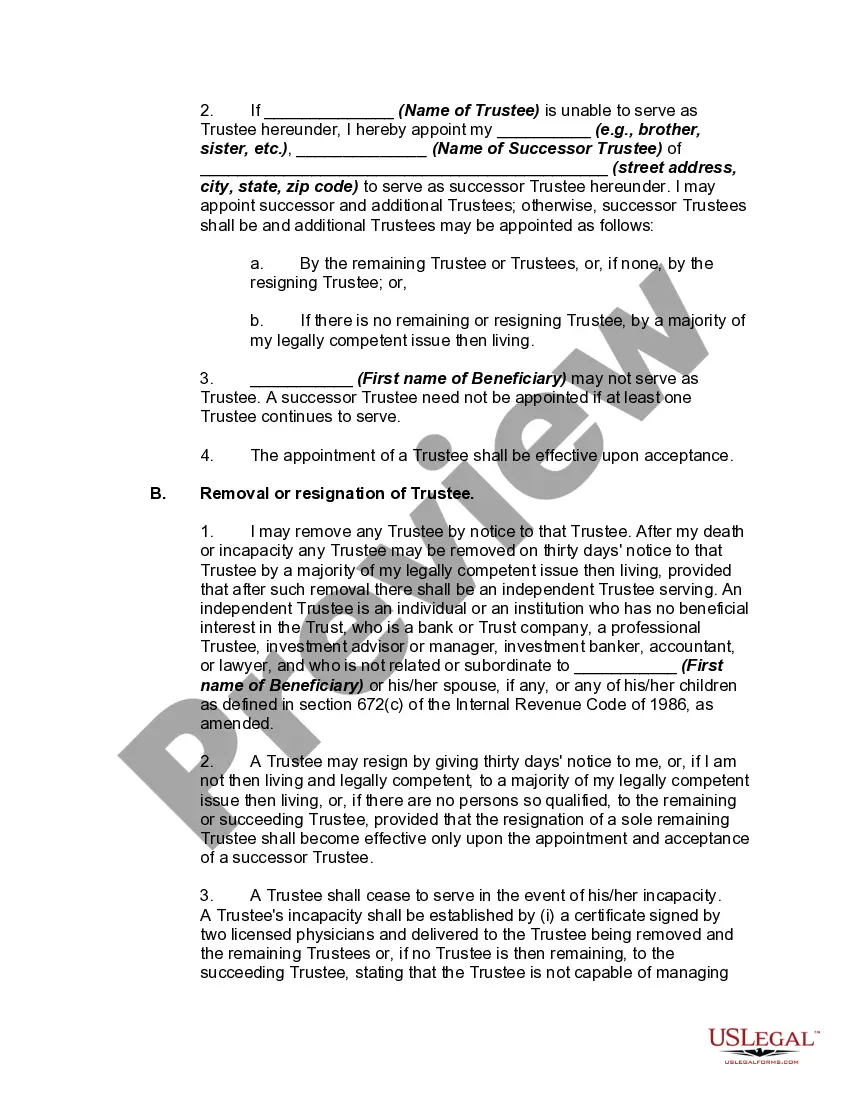
Description
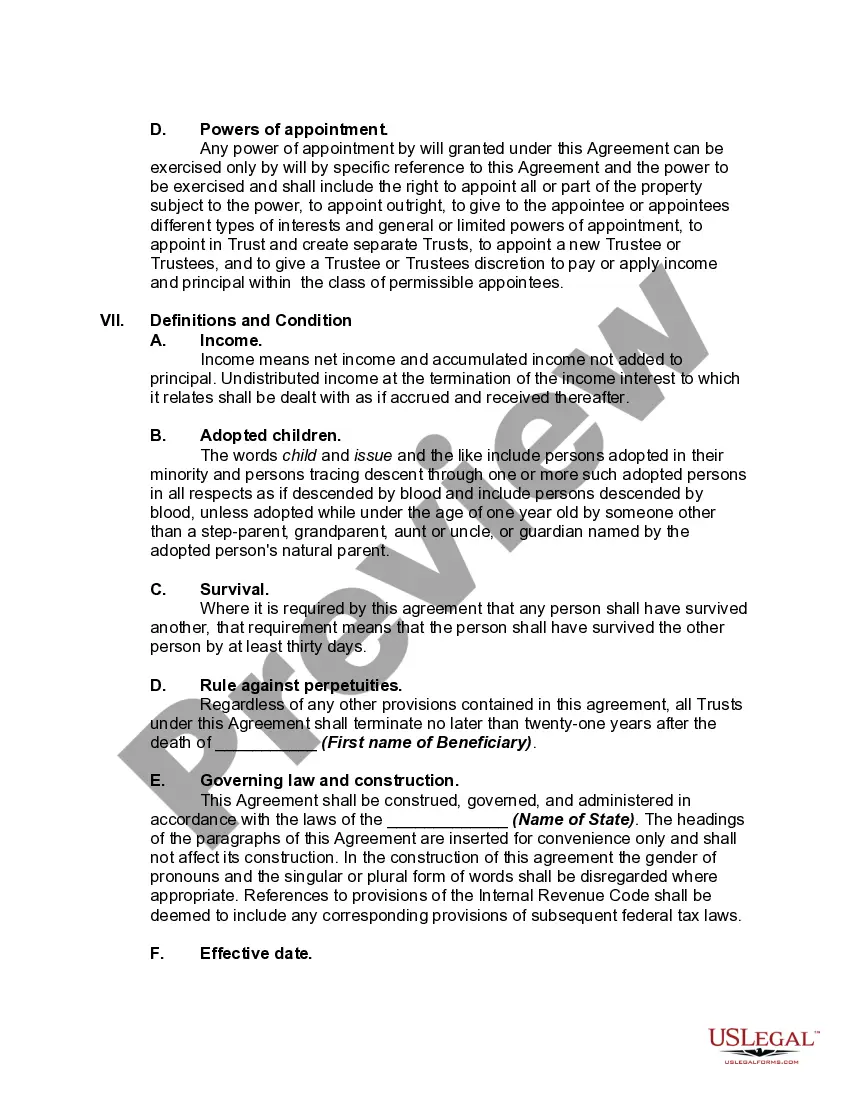
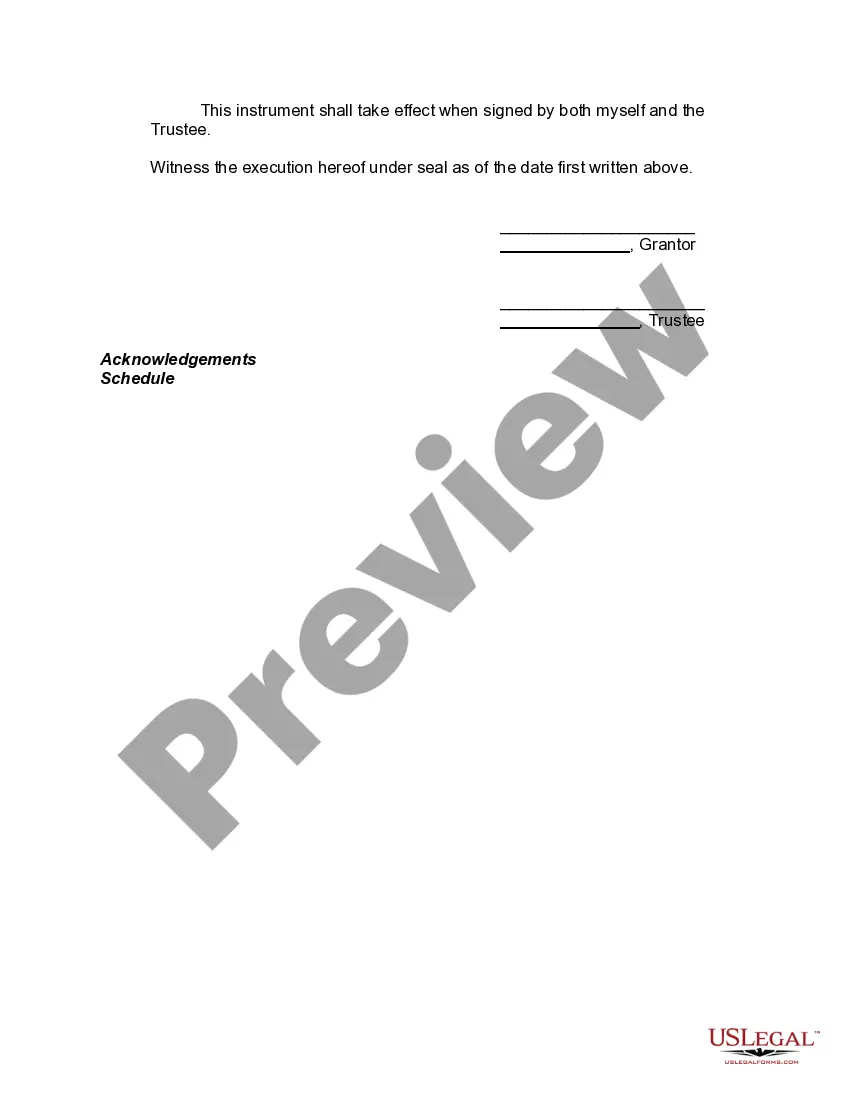

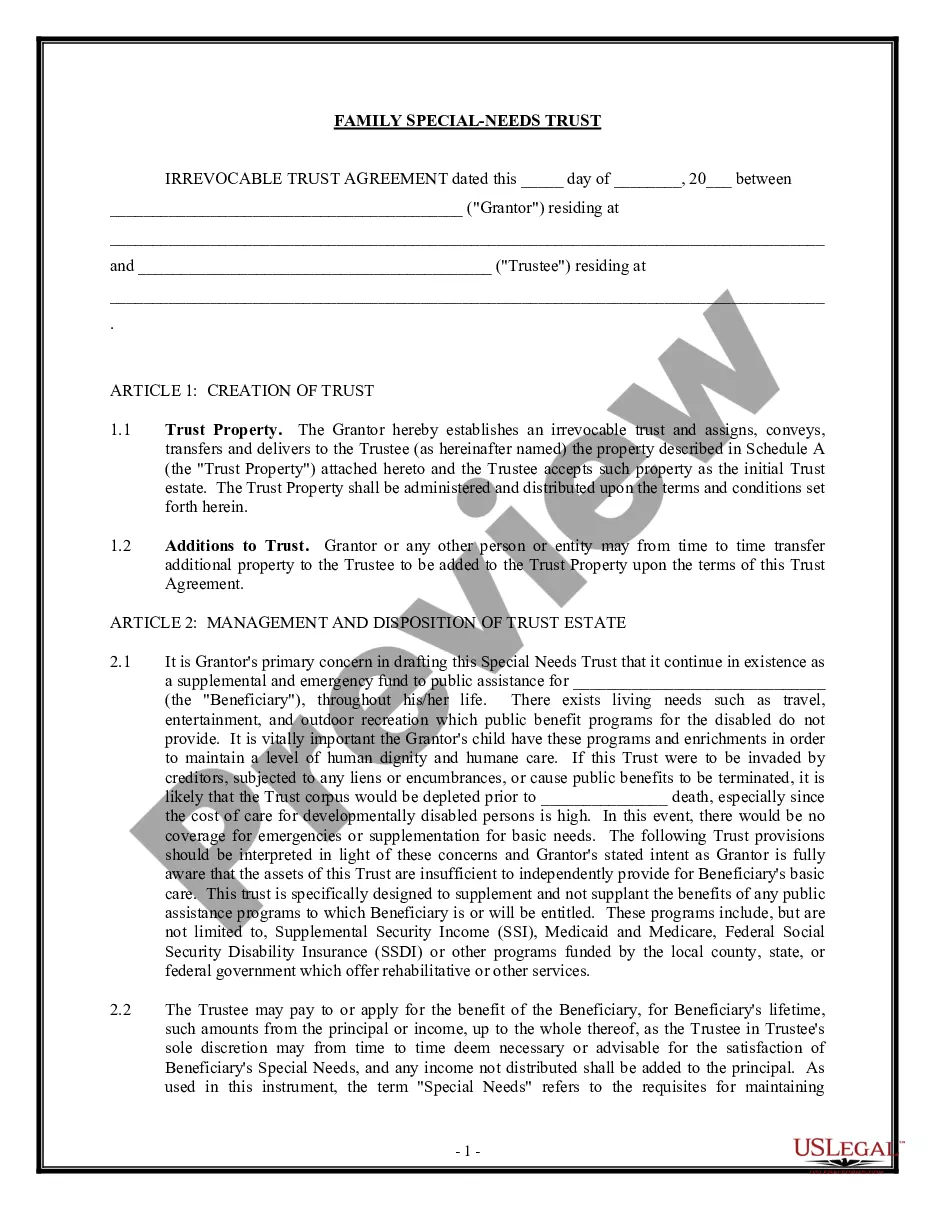
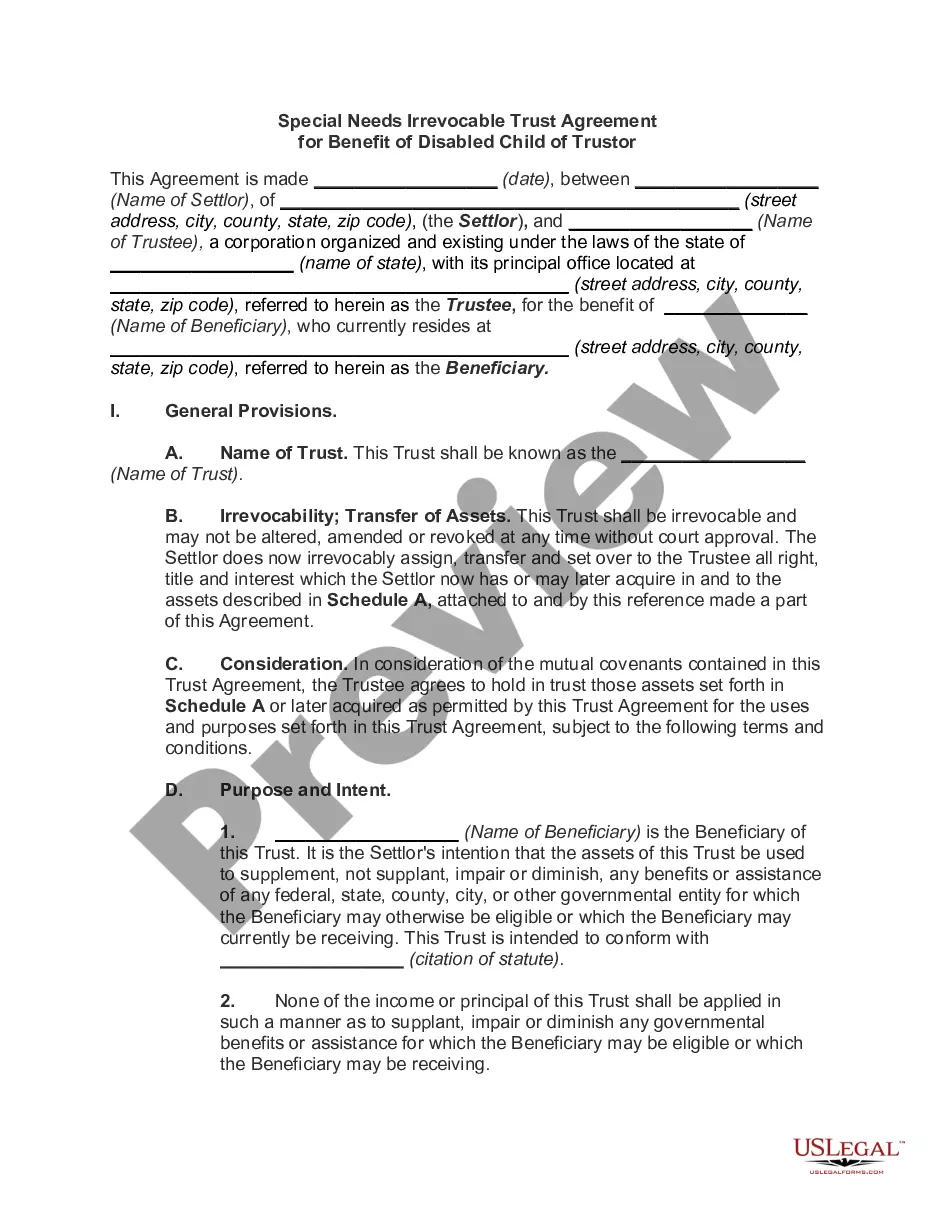
Get your form ready online
Our built-in tools help you complete, sign, share, and store your documents in one place.
Make edits, fill in missing information, and update formatting in US Legal Forms—just like you would in MS Word.
Download a copy, print it, send it by email, or mail it via USPS—whatever works best for your next step.
Sign and collect signatures with our SignNow integration. Send to multiple recipients, set reminders, and more. Go Premium to unlock E-Sign.
If this form requires notarization, complete it online through a secure video call—no need to meet a notary in person or wait for an appointment.
We protect your documents and personal data by following strict security and privacy standards.

Make edits, fill in missing information, and update formatting in US Legal Forms—just like you would in MS Word.

Download a copy, print it, send it by email, or mail it via USPS—whatever works best for your next step.

Sign and collect signatures with our SignNow integration. Send to multiple recipients, set reminders, and more. Go Premium to unlock E-Sign.

If this form requires notarization, complete it online through a secure video call—no need to meet a notary in person or wait for an appointment.

We protect your documents and personal data by following strict security and privacy standards.
Looking for another form?






How to fill out Supplemental Needs Trust For Third Party - Disabled Beneficiary?
Dealing with legal documents and processes can be a lengthy addition to your whole day.
First Party Supplemental Needs Trust Withholding and similar forms frequently necessitate that you seek them out and figure out how to complete them correctly.
Therefore, whether you are managing financial, legal, or personal matters, having a comprehensive and straightforward online repository of forms at your fingertips will significantly benefit you.
US Legal Forms is the premier online source of legal templates, featuring over 85,000 state-specific documents and numerous resources to aid you in swiftly completing your paperwork.
Simply Log In to your account, locate First Party Supplemental Needs Trust Withholding, and obtain it immediately from the My documents section. You can also access previously saved documents.
- Take a look at the collection of relevant documents available to you with just a click.
- US Legal Forms provides state- and county-specific documents accessible for download at any time.
- Protect your document management processes using a high-quality service that enables you to create any form in a matter of minutes without extra or hidden charges.
Form popularity
FAQ
Yes, certain trusts are required to file an income tax return, especially if they generate income above a specific threshold. If the trust is revocable, it may not need to file, as income is typically reported on the grantor's tax return. However, for irrevocable trusts, understanding first party supplemental needs trust withholding is essential, as income generated can have tax implications. Consulting a tax advisor can clarify your obligations.
A Supplemental Needs Trust (SNT) is a special kind of trust. The SNT allows a person who is certified as disabled to get government benefits, such as Medicaid. Under Medicaid law, a person with a disabil- ity is not eligible for Medicaid if they have too much money or savings (?excess resources?).
It is important to remember that the SNT cannot deduct expenses like rent and food. Deductions can be for medical care, custodial care, support services, and similar care not provided by public benefits programs.
Third party special needs trusts are generally either considered ?complex trusts? or ?qualified disability trusts? for income tax purposes and the trust itself is responsible for reporting its own items of income, deduction, and credit.
In the case of third party special needs trusts, if the trust is considered a grantor trust, all items of income, deduction and credit are generally taxed to the individual(s) who created and funded the trust (typically parents or other relatives of the individual with a disability).
Using a first party SNT will not affect any benefits a person receives that are not based on an income limitation or resource level. The beneficiary can work with a special needs attorney to set up the trust and appoint someone, called the trustee, to hold the money on his or her half.