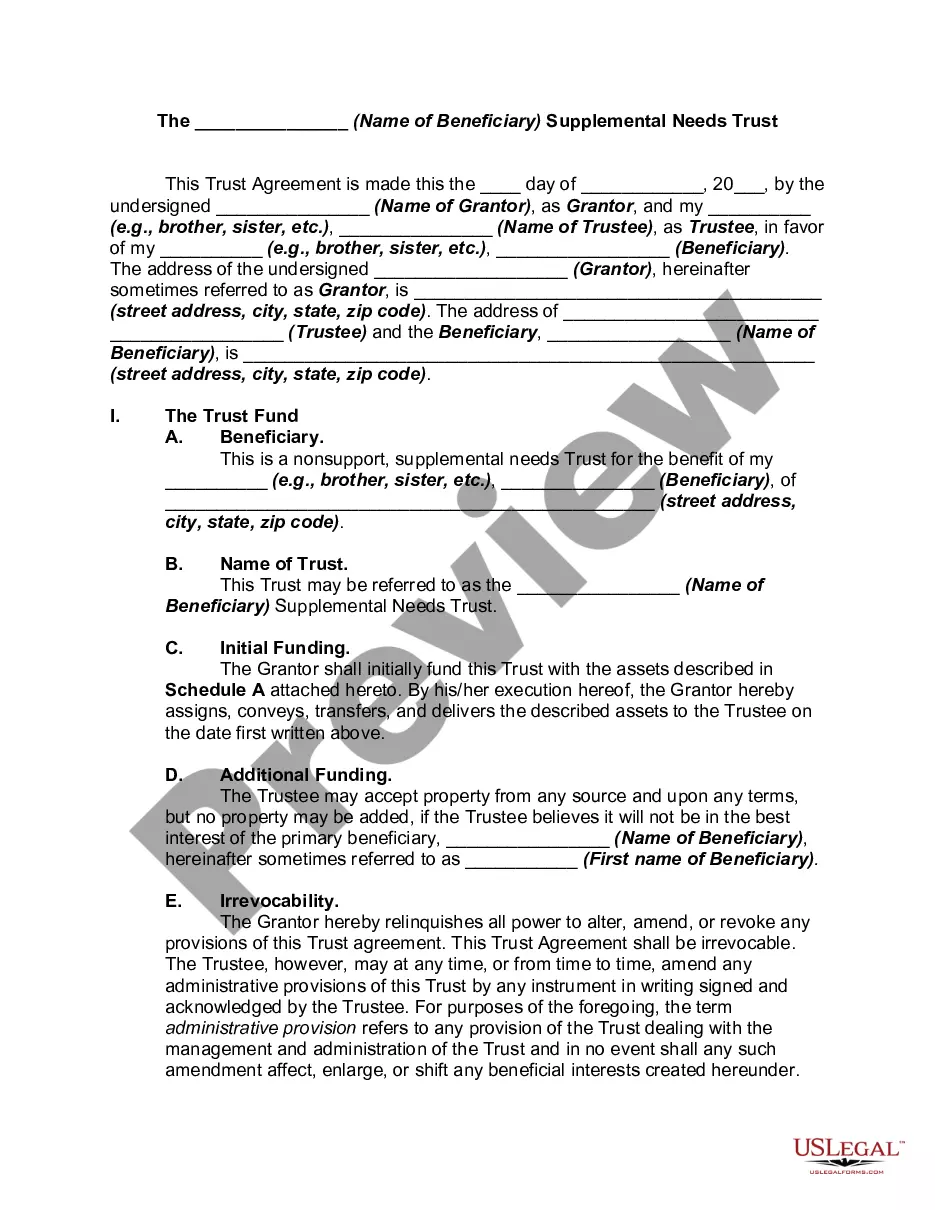
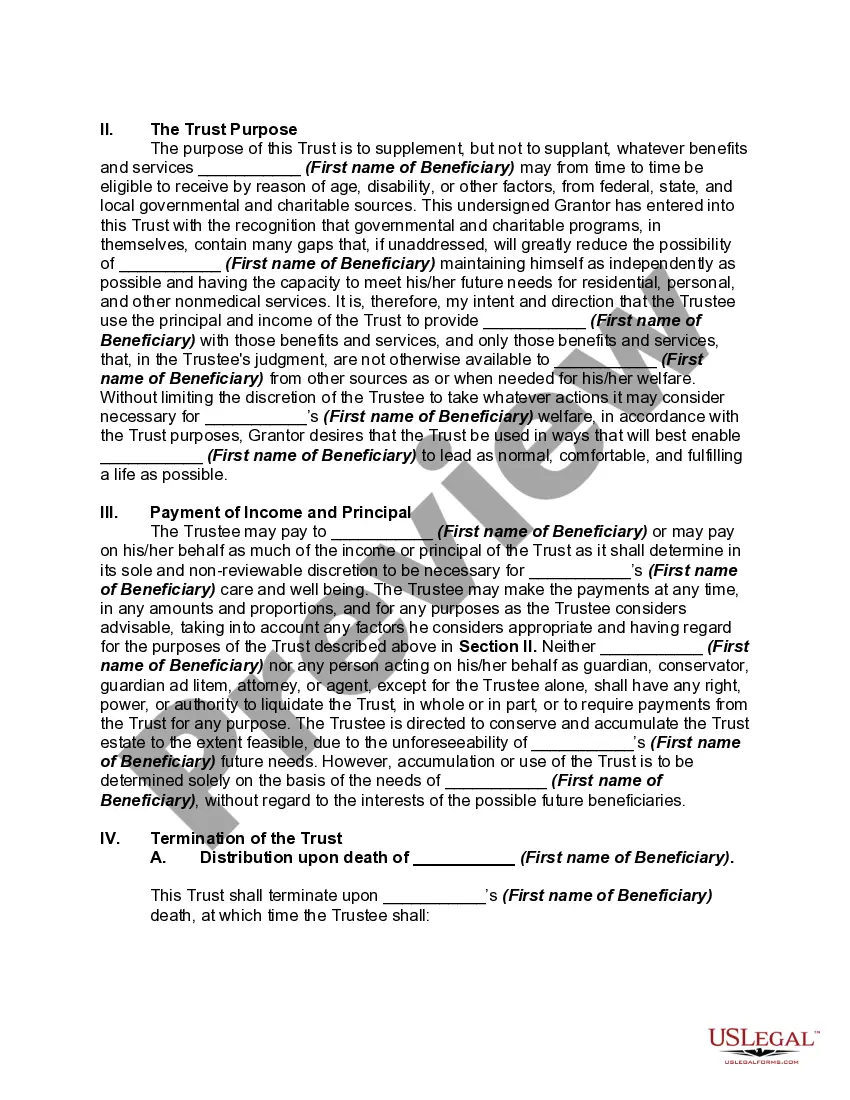
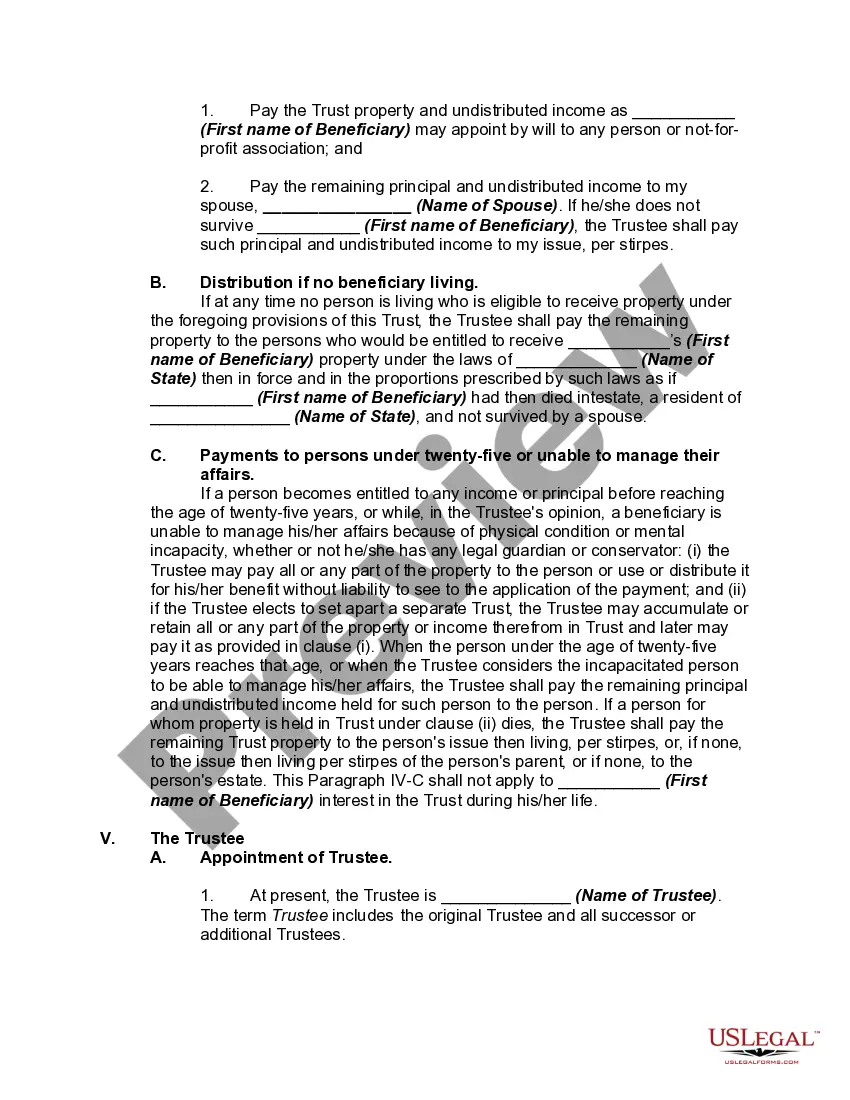
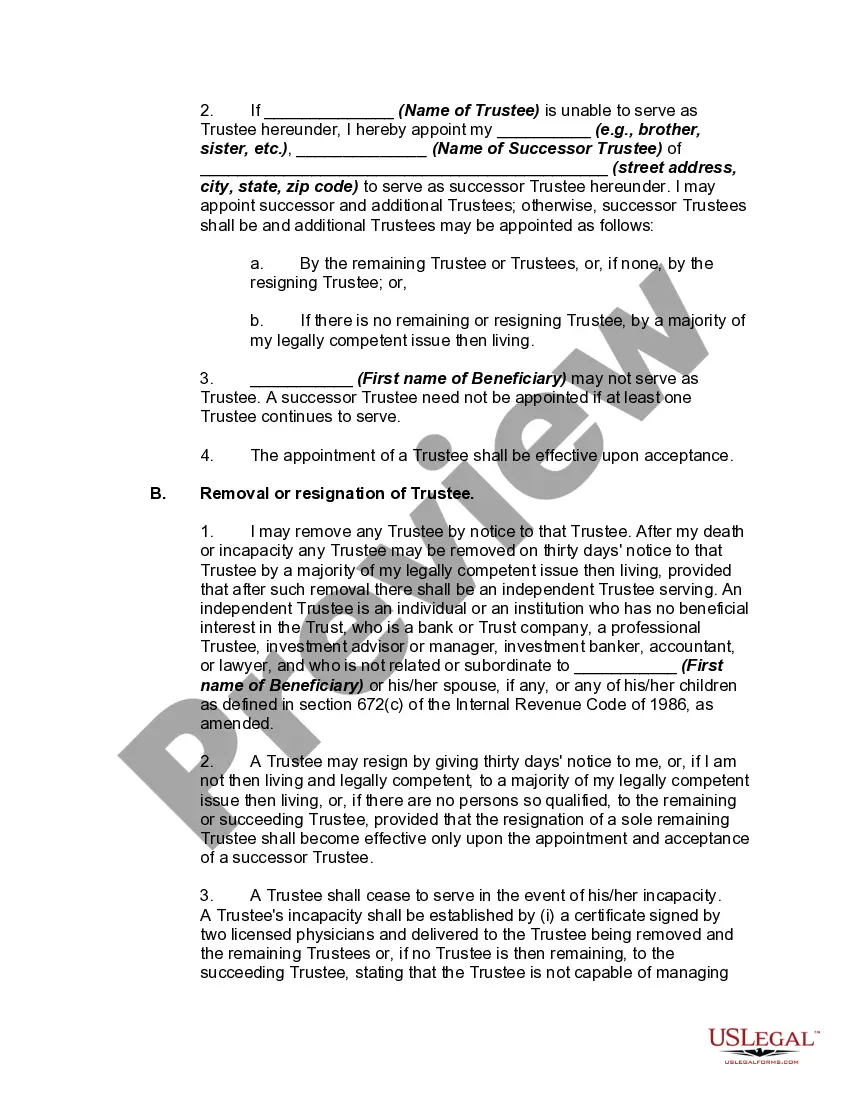
First Party Supplemental Needs Trust With Beneficiaries
Description
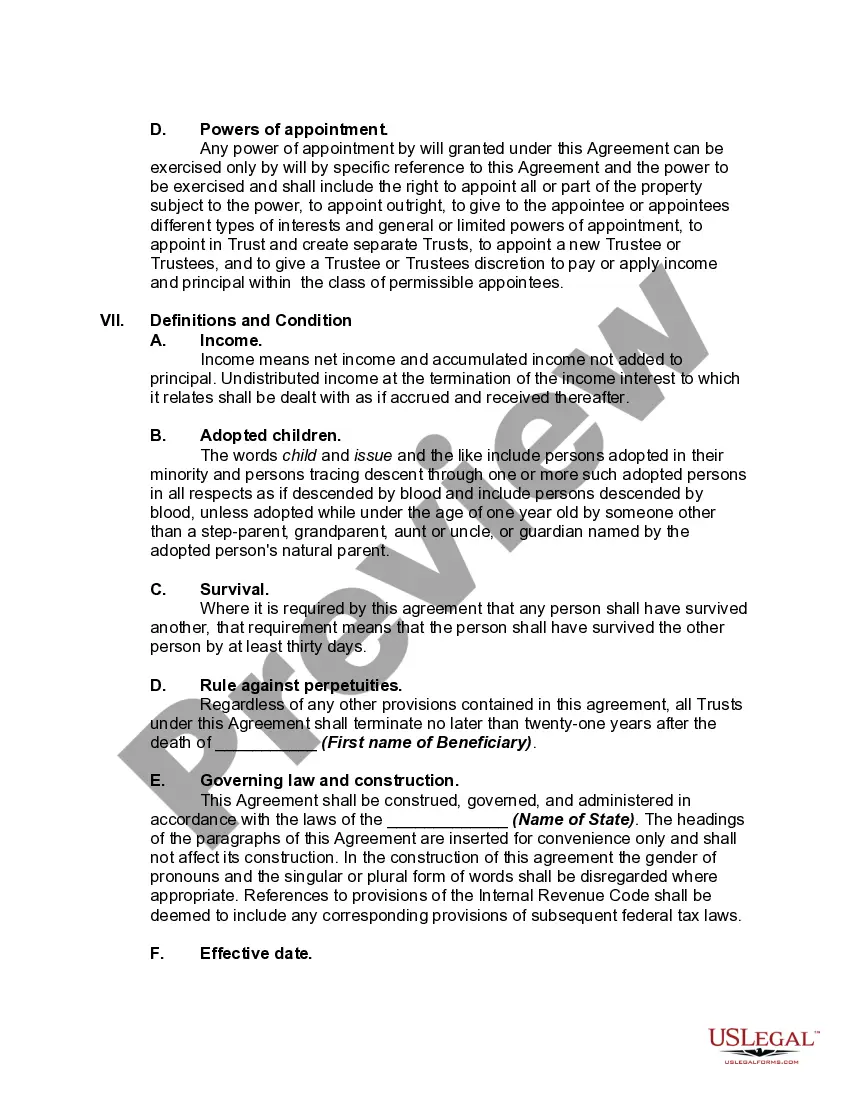
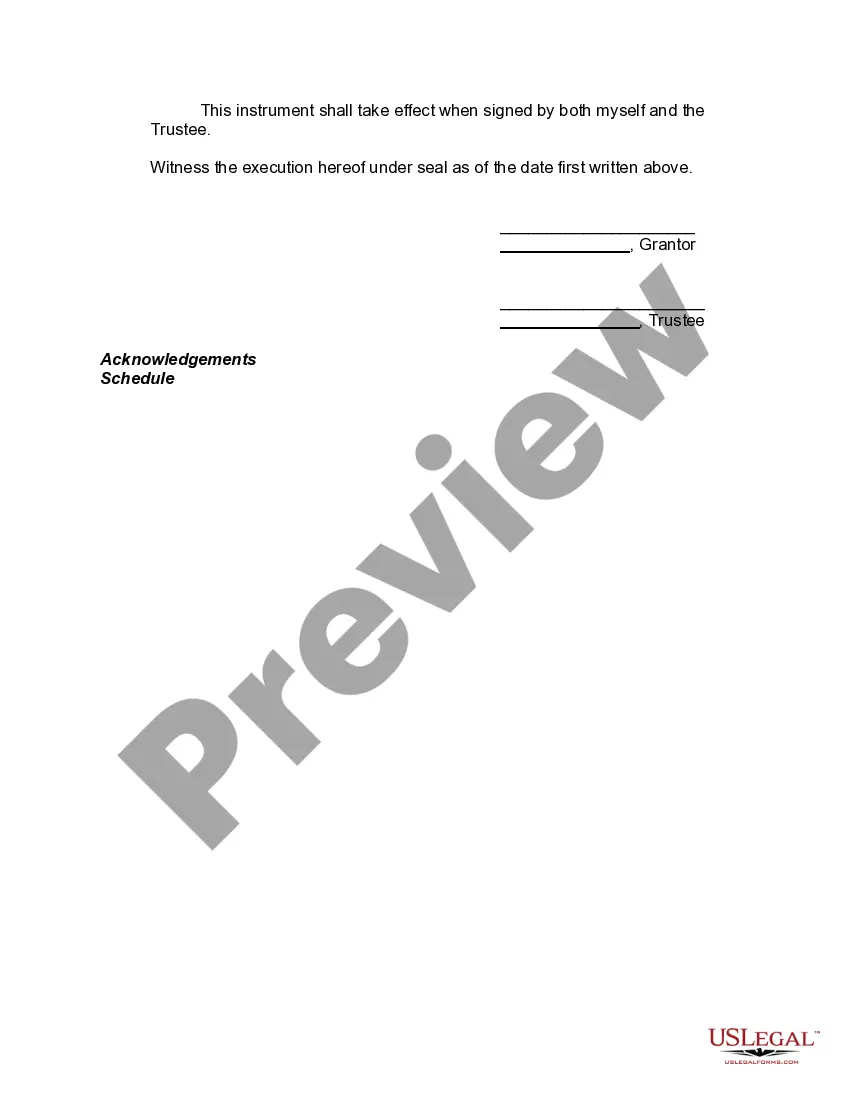

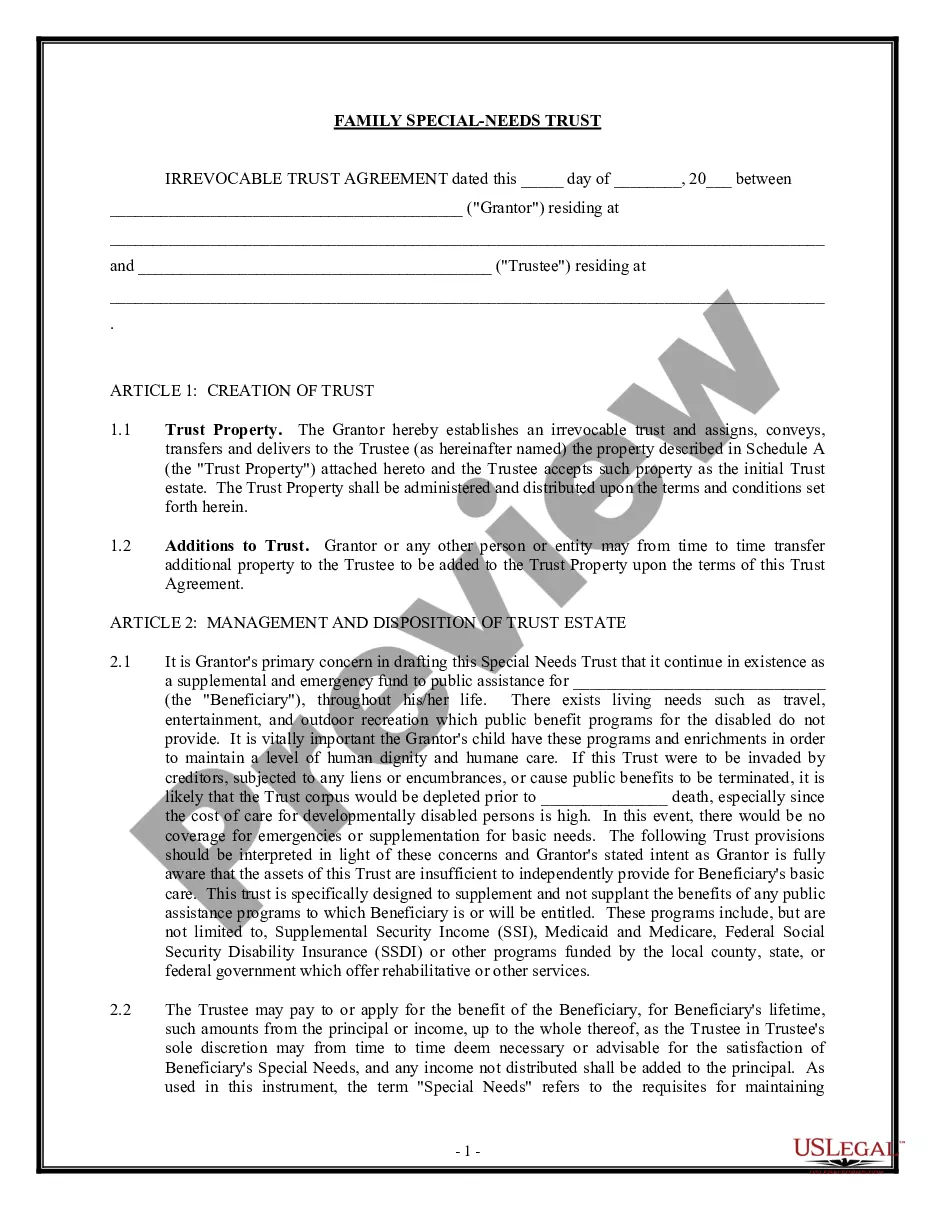

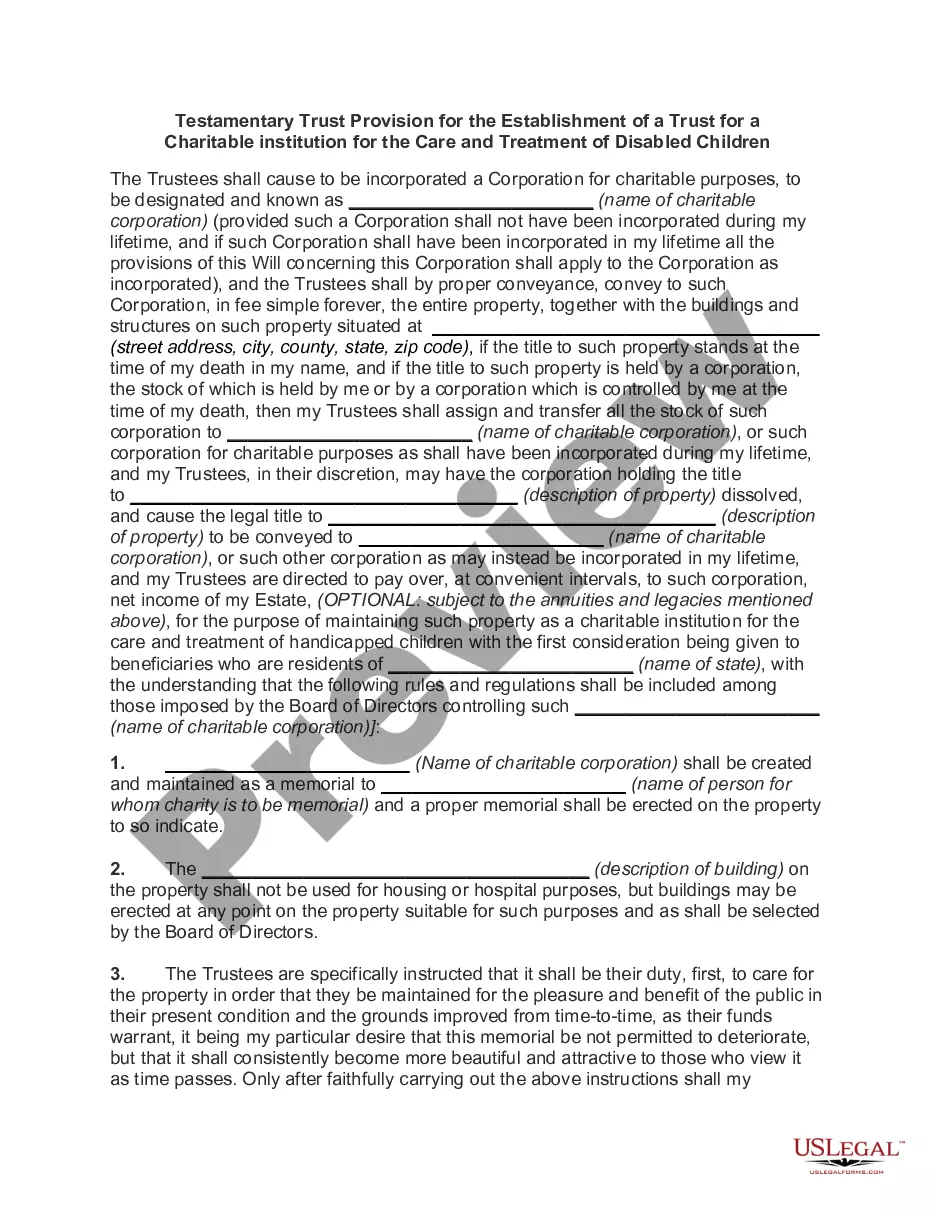
Get your form ready online
Our built-in tools help you complete, sign, share, and store your documents in one place.
Make edits, fill in missing information, and update formatting in US Legal Forms—just like you would in MS Word.
Download a copy, print it, send it by email, or mail it via USPS—whatever works best for your next step.
Sign and collect signatures with our SignNow integration. Send to multiple recipients, set reminders, and more. Go Premium to unlock E-Sign.
If this form requires notarization, complete it online through a secure video call—no need to meet a notary in person or wait for an appointment.
We protect your documents and personal data by following strict security and privacy standards.

Make edits, fill in missing information, and update formatting in US Legal Forms—just like you would in MS Word.

Download a copy, print it, send it by email, or mail it via USPS—whatever works best for your next step.

Sign and collect signatures with our SignNow integration. Send to multiple recipients, set reminders, and more. Go Premium to unlock E-Sign.

If this form requires notarization, complete it online through a secure video call—no need to meet a notary in person or wait for an appointment.

We protect your documents and personal data by following strict security and privacy standards.
Looking for another form?
How to fill out Supplemental Needs Trust For Third Party - Disabled Beneficiary?
Acquiring legal document examples that comply with both federal and local regulations is essential, and the web provides numerous alternatives.
However, what is the advantage of spending time searching for the accurately composed First Party Supplemental Needs Trust With Beneficiaries example online when the US Legal Forms digital library already consolidates such templates in one location.
US Legal Forms is the largest online legal repository with more than 85,000 editable templates designed by legal professionals for various business and personal situations.
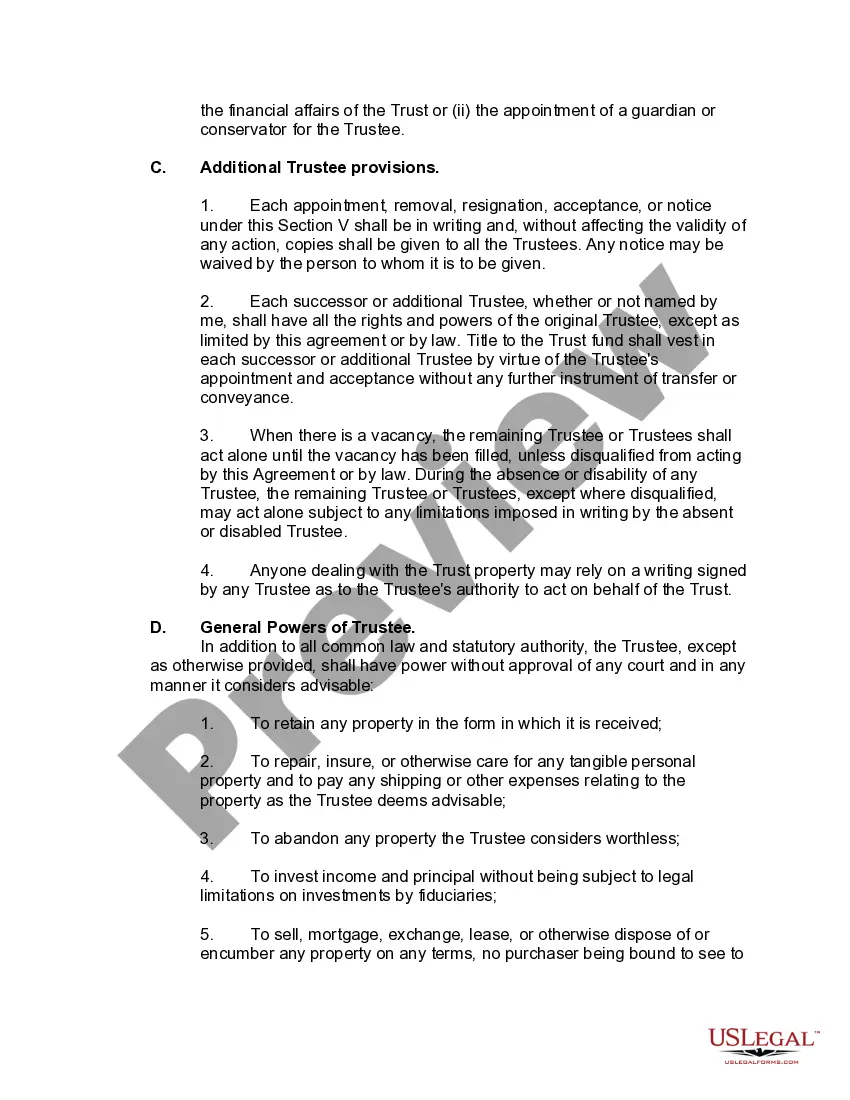
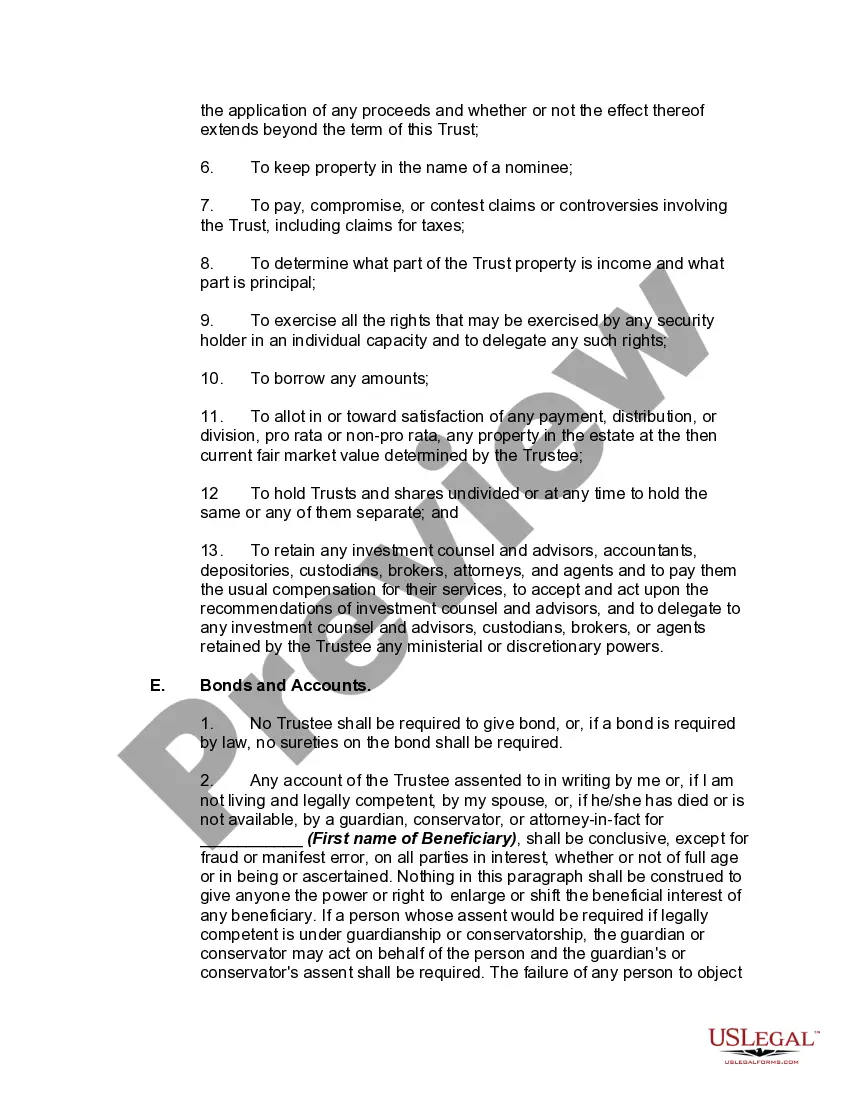
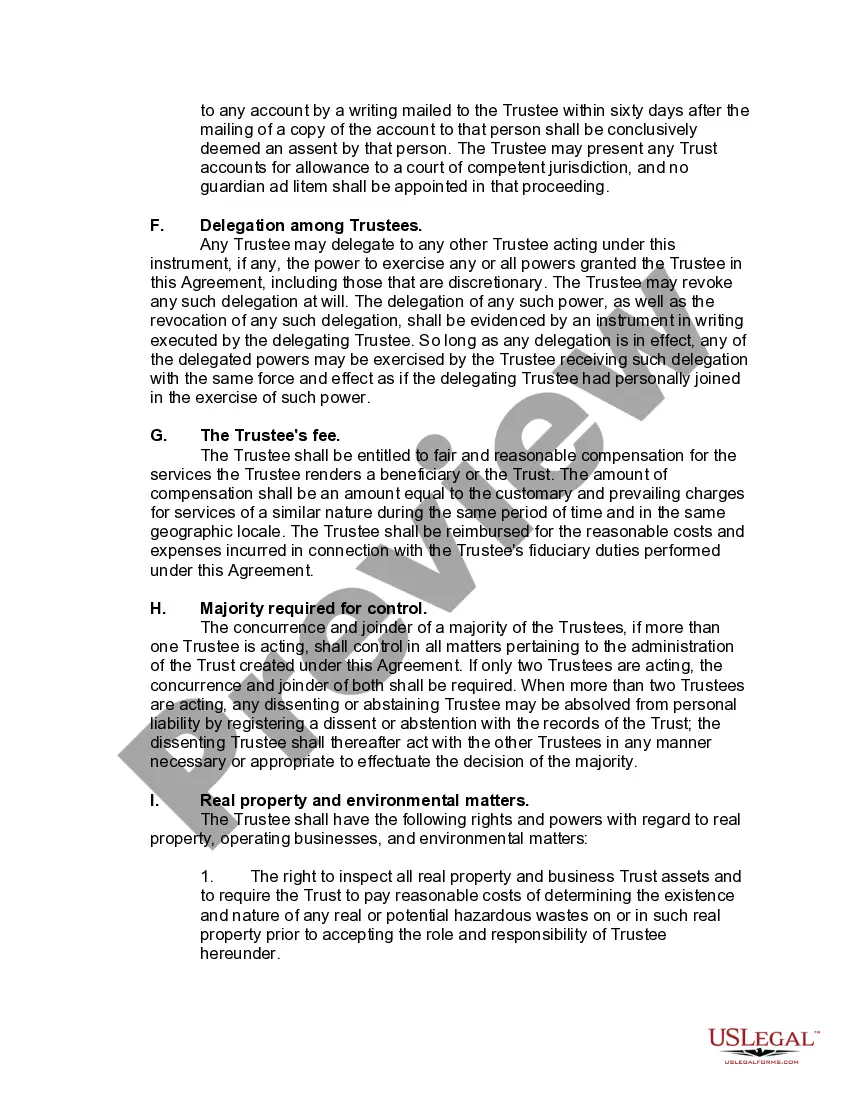
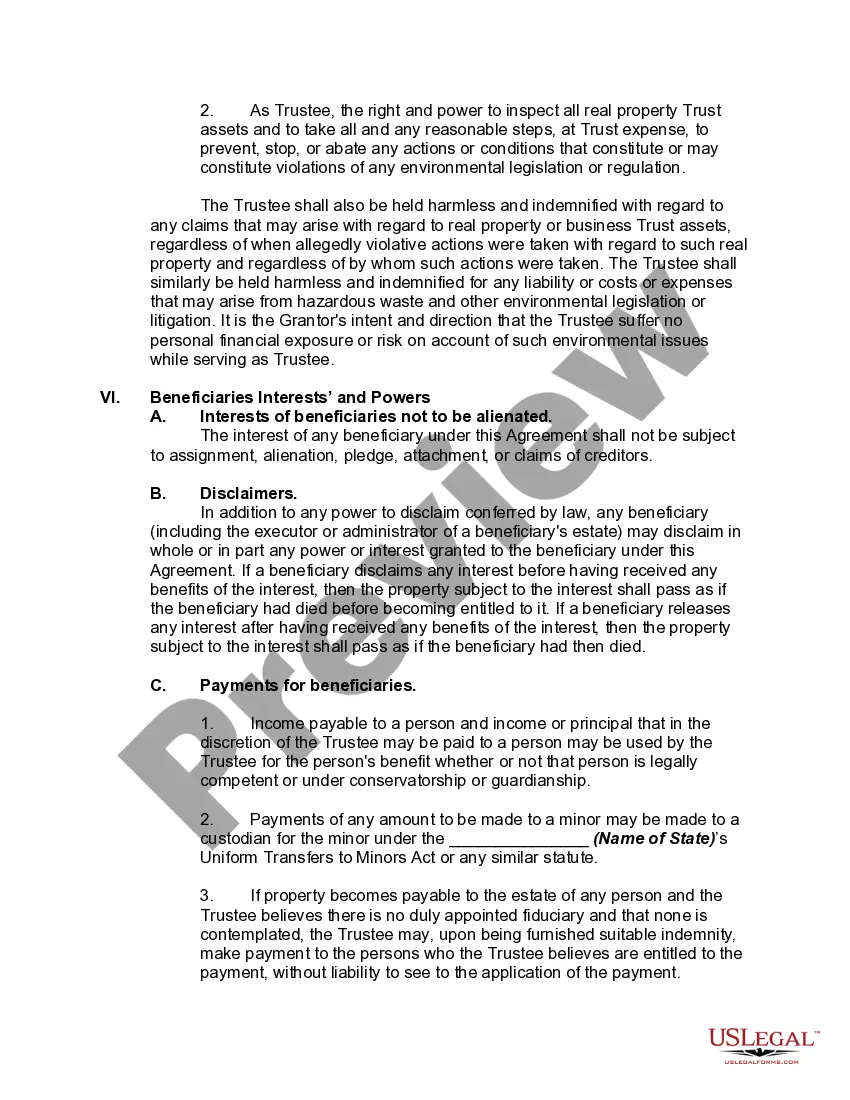
Preview the template using the Preview feature or through the text outline to ensure it satisfies your requirements.
- They are easy to navigate with all documents categorized by state and intended use.
- Our experts keep up with legal updates, so you can have peace of mind that your form is current and compliant when securing a First Party Supplemental Needs Trust With Beneficiaries from our portal.
- Acquiring a First Party Supplemental Needs Trust With Beneficiaries is straightforward and fast for both existing and new users.
- If you possess an account with an active subscription, Log In and obtain the document template you need in the appropriate format.
- If you’re visiting our site for the first time, follow the instructions below.
Form popularity
FAQ
The trustee works in very close contact with the beneficiary and/or their caregiver to manage the trust and its financial distributions to pay for these things. The main takeaway regarding distribution of SNT funds is this: The beneficiary never sees the money directly, but the money is used to pay for their needs.
The grantor can opt to have the beneficiaries receive trust property directly without any restrictions. The trustee can write the beneficiary a check, give them cash, and transfer real estate by drawing up a new deed or selling the house and giving them the proceeds.
In these circumstances, the Form 1041 is very simple to complete. The trustee will check the box on Form 1041 indicating that the trust is a grantor trust and provide some general information about the trust (name, address, tax identification number, and the date the trust was established).
The fact that structured settlement annuity payments are tax-free should also be considered in the analysis. If structured settlement annuity payments are utilized where a special needs trust is involved, the payee of the structured settlement annuity payments must be the special needs trust.
Third party special needs trusts are generally either considered ?complex trusts? or ?qualified disability trusts? for income tax purposes and the trust itself is responsible for reporting its own items of income, deduction, and credit.