Joint Tenants With Warranty Covenants
Description
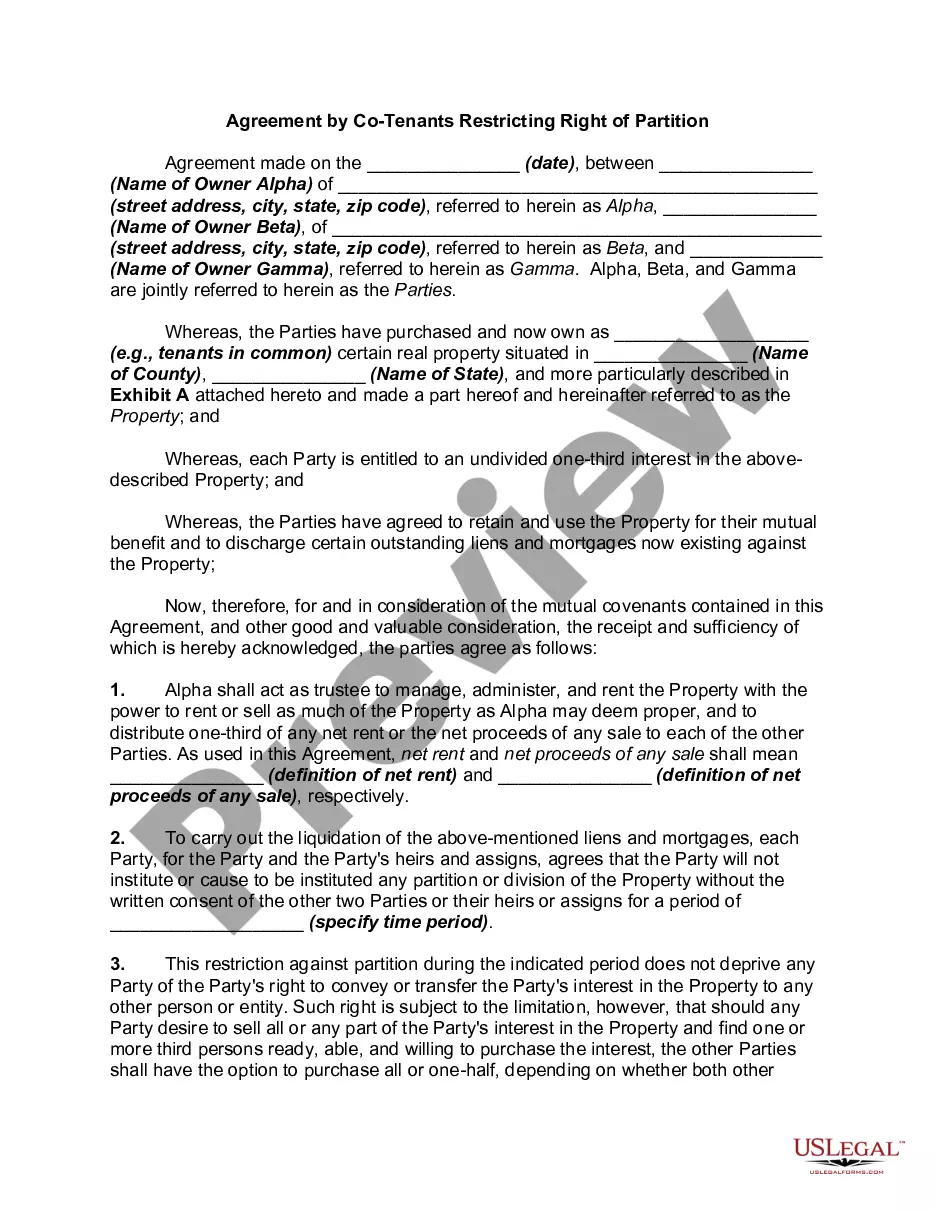
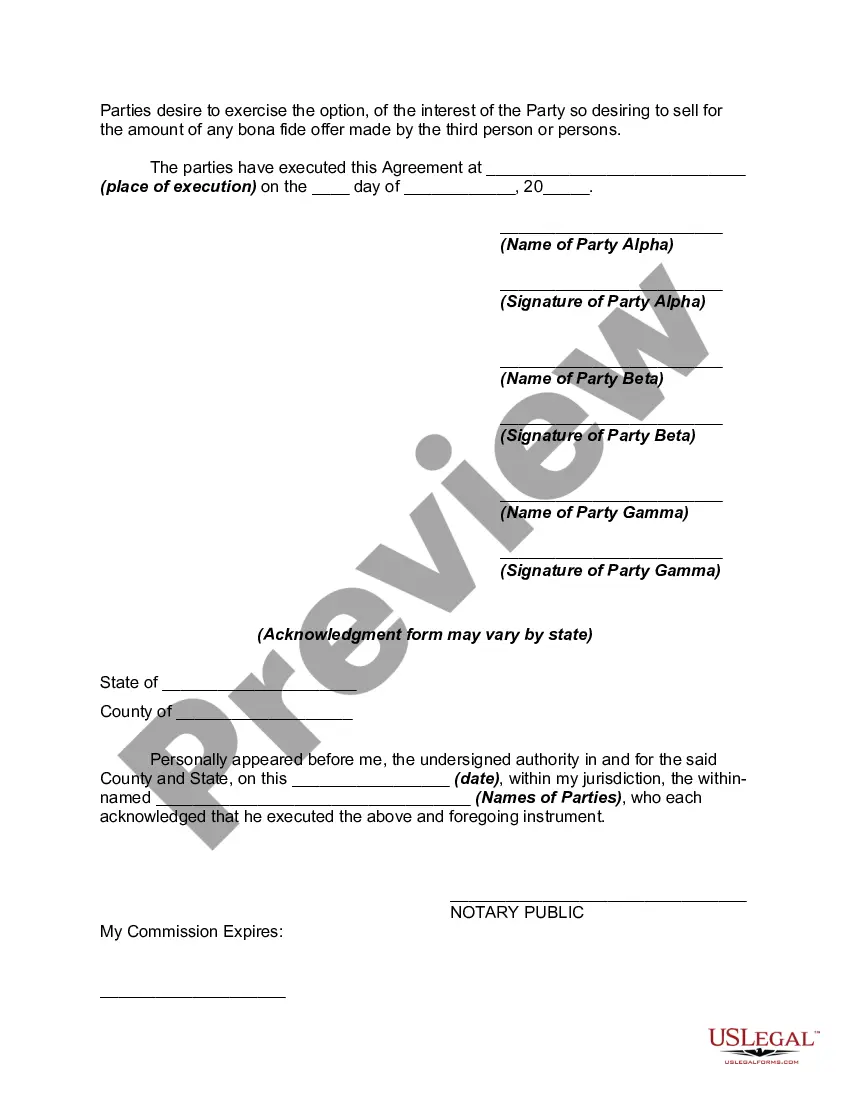

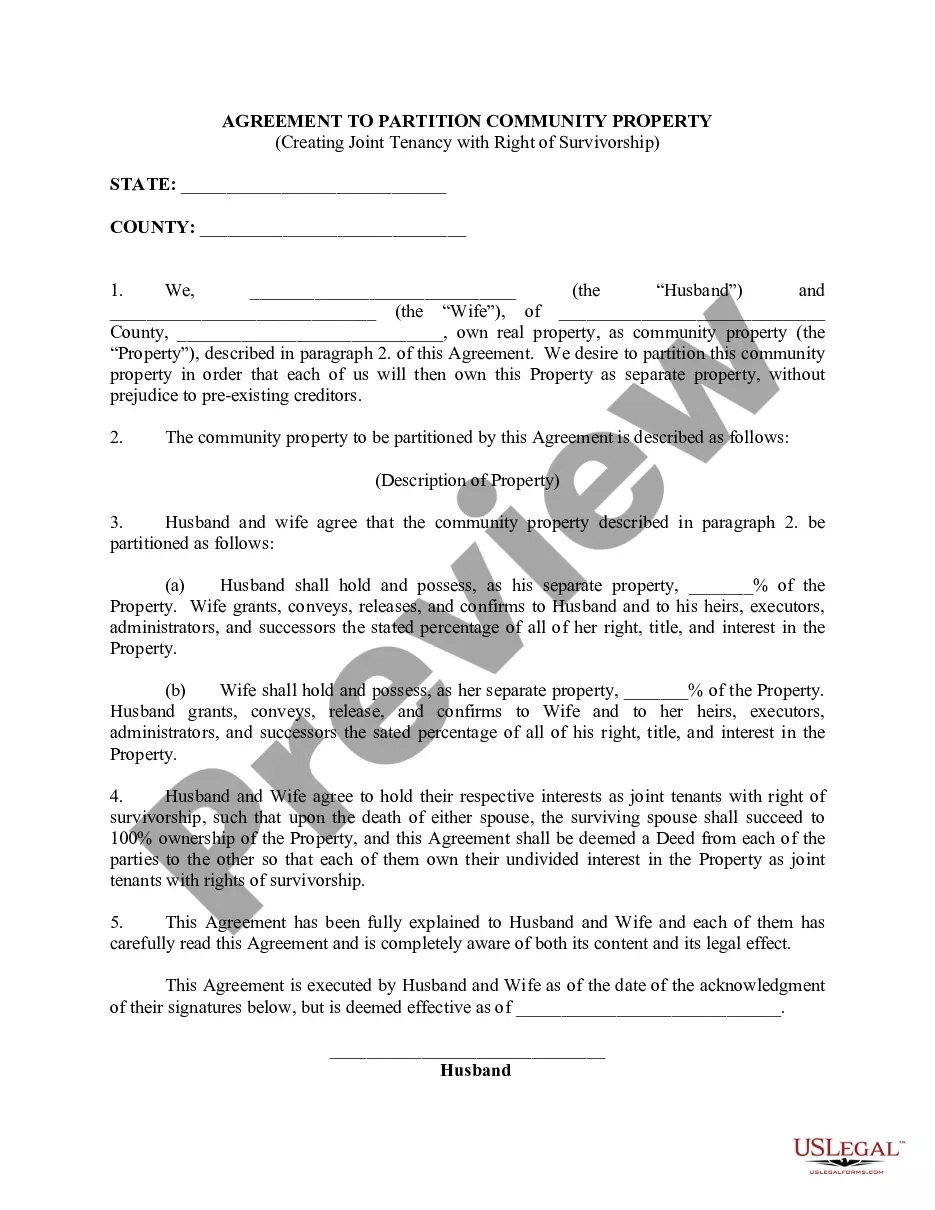
Get your form ready online
Our built-in tools help you complete, sign, share, and store your documents in one place.
Make edits, fill in missing information, and update formatting in US Legal Forms—just like you would in MS Word.
Download a copy, print it, send it by email, or mail it via USPS—whatever works best for your next step.
Sign and collect signatures with our SignNow integration. Send to multiple recipients, set reminders, and more. Go Premium to unlock E-Sign.
If this form requires notarization, complete it online through a secure video call—no need to meet a notary in person or wait for an appointment.
We protect your documents and personal data by following strict security and privacy standards.

Make edits, fill in missing information, and update formatting in US Legal Forms—just like you would in MS Word.

Download a copy, print it, send it by email, or mail it via USPS—whatever works best for your next step.

Sign and collect signatures with our SignNow integration. Send to multiple recipients, set reminders, and more. Go Premium to unlock E-Sign.

If this form requires notarization, complete it online through a secure video call—no need to meet a notary in person or wait for an appointment.

We protect your documents and personal data by following strict security and privacy standards.
Looking for another form?



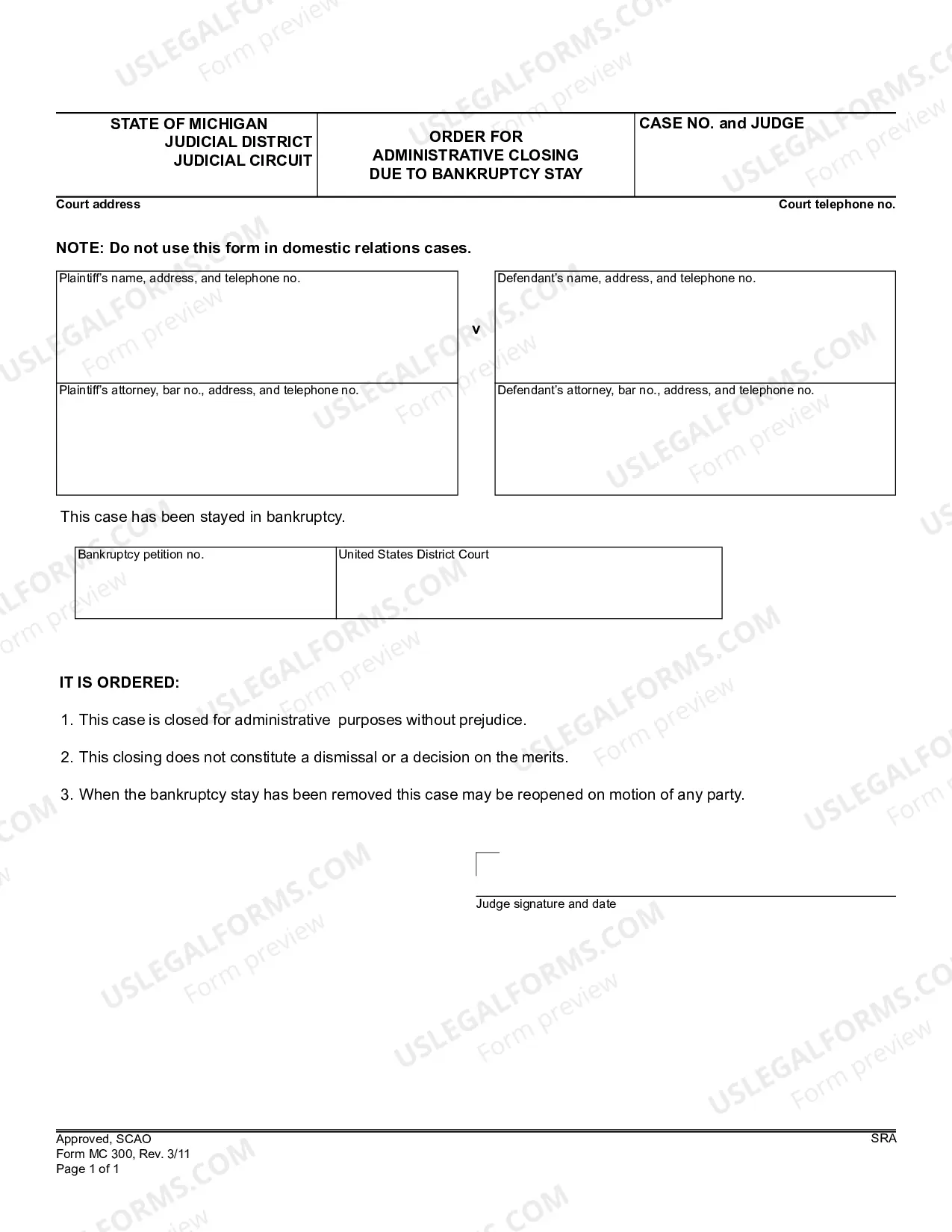
How to fill out Agreement By Co-Tenants Restricting Right Of Partition?
Whether for corporate reasons or personal affairs, everyone must confront legal issues at some point in their life. Completing legal documents demands meticulous attention, starting with selecting the correct form template.
For example, if you choose an incorrect version of a Joint Tenants With Warranty Covenants, it will be rejected once you submit it. Thus, it is essential to obtain a trustworthy source of legal documents like US Legal Forms.
With an extensive US Legal Forms catalog available, you don’t need to waste time searching for the correct template online. Utilize the library’s user-friendly navigation to find the perfect template for any occasion.
- Locate the template you require using the search bar or catalog navigation.
- Review the form’s description to ensure it aligns with your circumstances, state, and area.
- Click on the form’s preview to view it.
- If it’s the wrong document, return to the search function to find the Joint Tenants With Warranty Covenants sample you need.
- Download the file if it meets your specifications.
- If you have a US Legal Forms account, click Log in to access previously saved documents in My documents.
- If you don’t have an account yet, you can download the form by clicking Buy now.
- Choose the correct pricing option.
- Fill out the profile registration form.
- Select your payment method: you can use a credit card or PayPal account.
- Choose the document format you desire and download the Joint Tenants With Warranty Covenants.
- After it is downloaded, you can complete the form using editing software or print it and fill it out manually.
Form popularity
FAQ
Recording a warranty deed benefits all parties involved by providing a public record of ownership. This is especially important for joint tenants with warranty covenants, as it protects their interests and clarifies ownership rights. It reduces the potential for disputes regarding the property and offers security in transactions. By using platforms like US Legal Forms, you can ensure that this deed is professionally prepared and recorded correctly.
Warranty deed joint tenancy is a form of property ownership where two or more individuals hold title to a property with rights of survivorship. This arrangement ensures that upon the death of one owner, their interest automatically passes to the surviving tenant. Joint tenants with warranty covenants benefit from the security that comes with such a deed, ensuring a clear title and protection against claims. This makes it a desirable option for many couples and partners.
One disadvantage of joint tenancy ownership is that it can lead to complications if one tenant wants to sell or transfer their interest. Since joint tenants with warranty covenants must all agree, individual decisions can be challenging. Additionally, if one joint tenant incurs debt, creditors may pursue the property, affecting the others. Thus, understanding these implications is essential before entering a joint tenancy agreement.
A warranty deed for joint tenants is a legal document that ensures each tenant has a clear title to the property. This means that when co-owners hold property as joint tenants with warranty covenants, they guarantee ownership. Essentially, if any issues arise with the title, the grantor guarantees to defend the ownership rights. This type of deed provides protection to the co-owners and is crucial in property transactions.
Joint tenancy with rights of survivorship with warranty covenants refers to a legal arrangement where two or more individuals own property together, with the added security of warranty covenants. This means that if one owner passes away, their share automatically transfers to the surviving owner(s), avoiding probate. This arrangement provides both protection and ease of transfer, making it an attractive option for shared property ownership.
To properly fill out a warranty deed, start by entering the grantor's and grantee's names accurately, followed by a complete legal description of the property. Next, specify that the ownership is as joint tenants with warranty covenants, which ensures full protection of ownership rights. Utilizing platforms like USLegalForms can provide you with templates and examples that simplify this process and help ensure everything is correct.
Yes, two or more people can be on a warranty deed, particularly under the arrangement known as joint tenants with warranty covenants. This arrangement allows both parties to have equal ownership and rights to the property. It's essential to specify this arrangement in the deed to ensure clarity on ownership rights.
You do not necessarily need a lawyer to execute a warranty deed, including for joint tenants with warranty covenants. However, hiring a legal professional can provide peace of mind, as they can guide you through the process and ensure that all legal requirements are met. On platforms like USLegalForms, you can find resources and templates to help you complete the deed correctly, reducing the chances of errors.
To establish joint tenants with warranty covenants, you must meet four essential requirements. First, all owners must hold equal shares. Second, the property title must indicate that it is held in joint tenancy. Third, there must be unity of time, meaning all owners acquire their interests simultaneously. Finally, unity of possession requires that all joint tenants enjoy full rights to the property. Understanding these requirements can help you navigate property laws more effectively.