Harassment Restraining Order Ny Without Evidence
Description
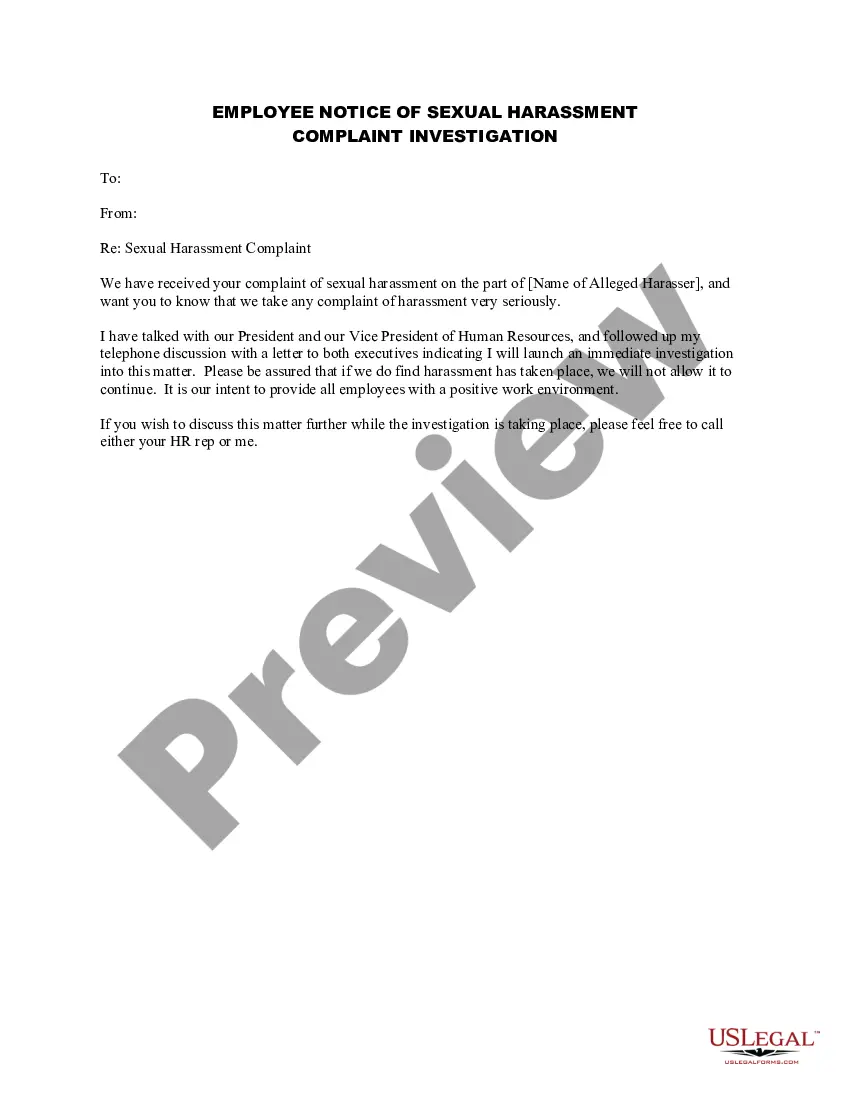
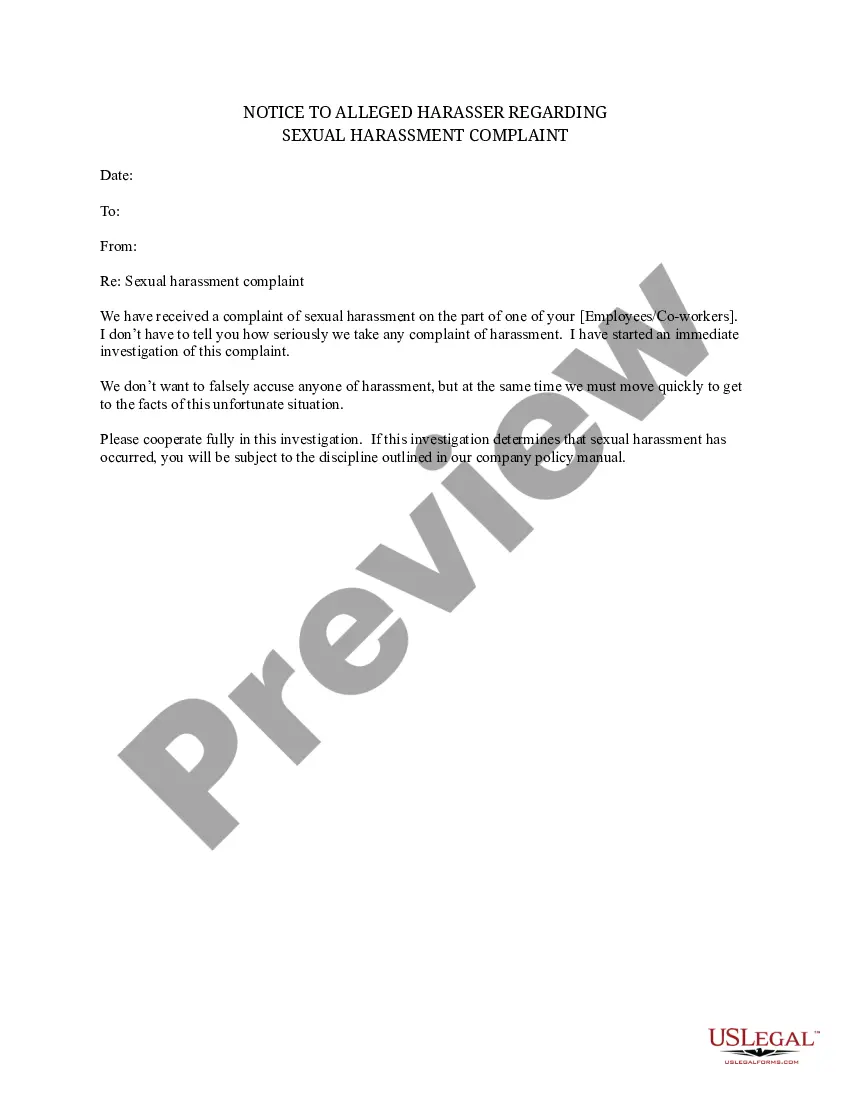
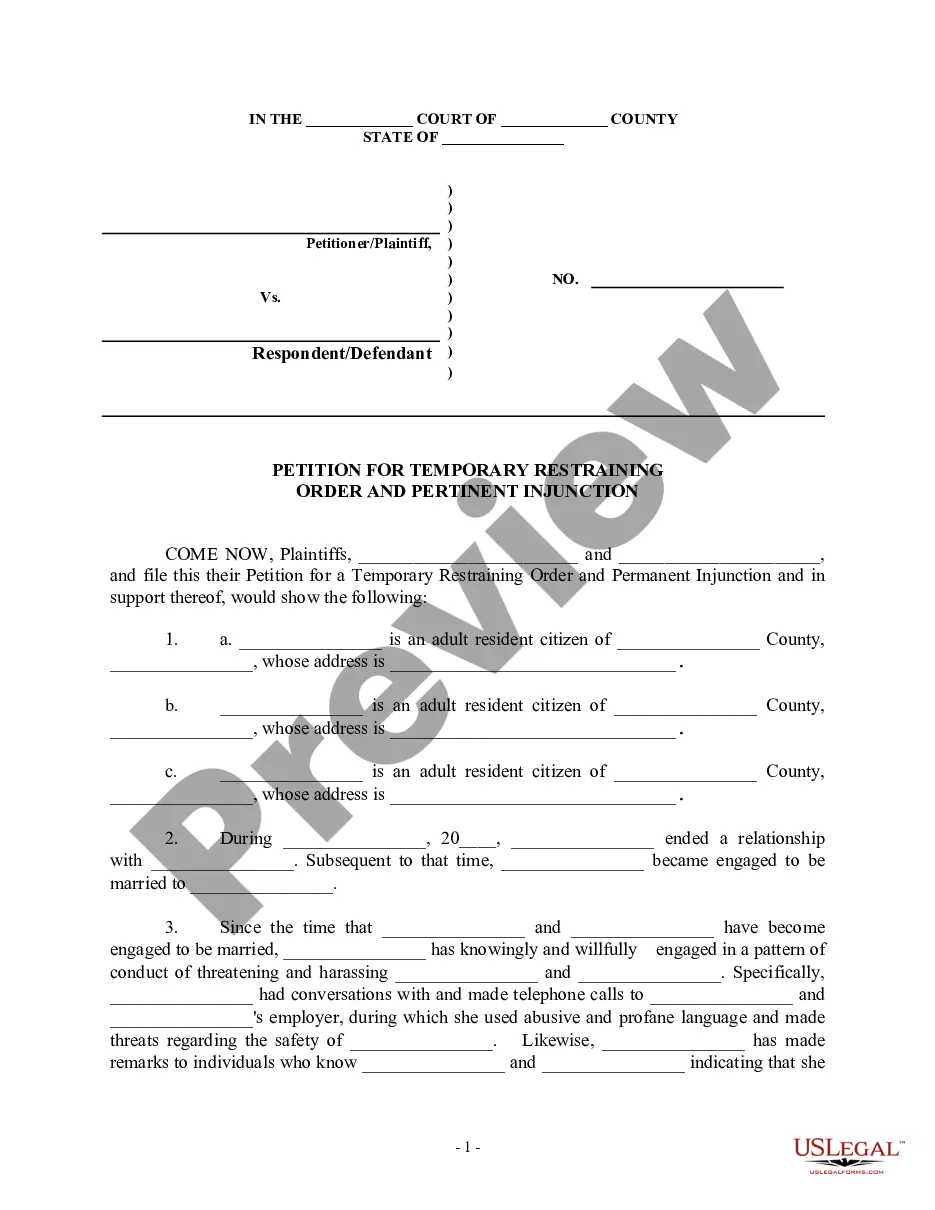
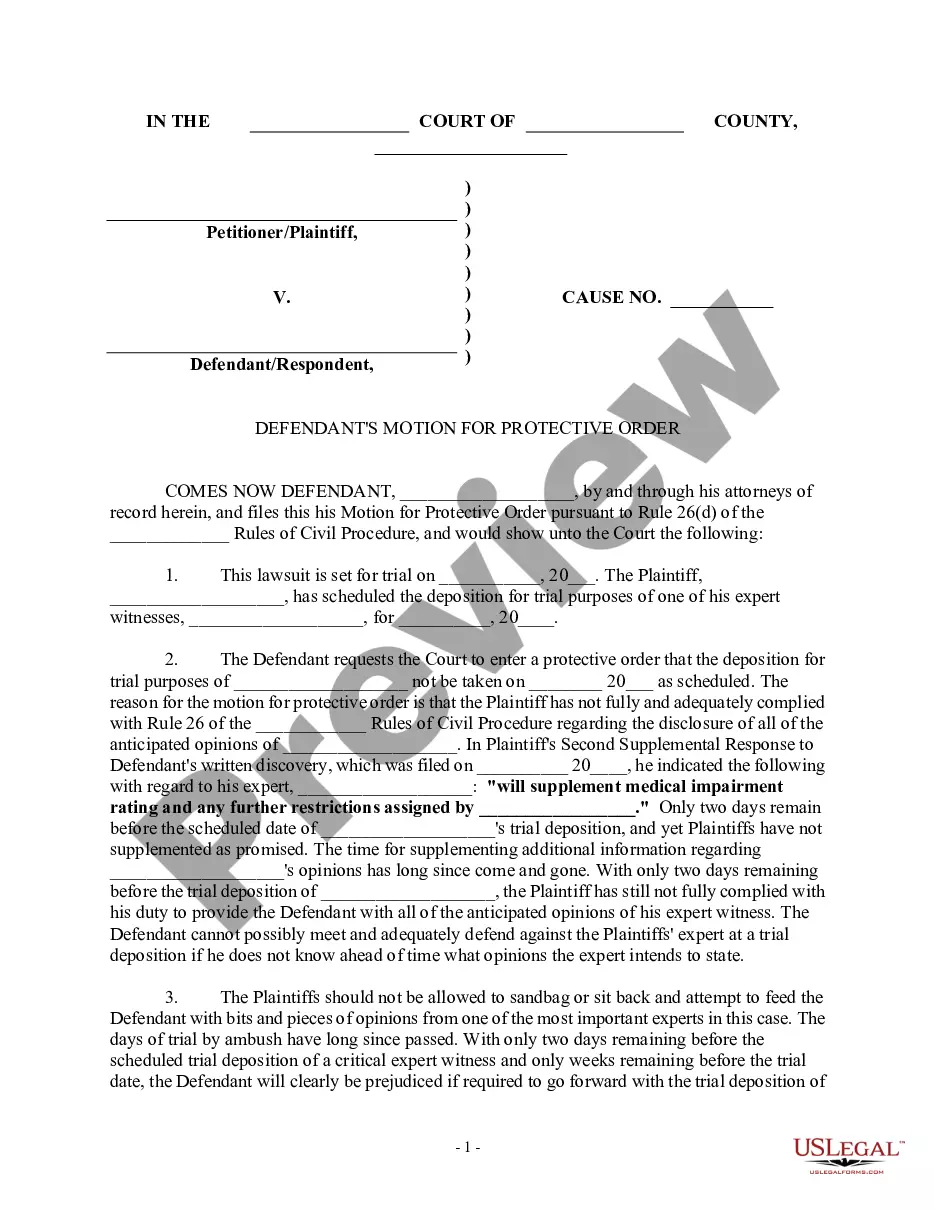
Get your form ready online
Our built-in tools help you complete, sign, share, and store your documents in one place.
Make edits, fill in missing information, and update formatting in US Legal Forms—just like you would in MS Word.
Download a copy, print it, send it by email, or mail it via USPS—whatever works best for your next step.
Sign and collect signatures with our SignNow integration. Send to multiple recipients, set reminders, and more. Go Premium to unlock E-Sign.
If this form requires notarization, complete it online through a secure video call—no need to meet a notary in person or wait for an appointment.
We protect your documents and personal data by following strict security and privacy standards.
Make edits, fill in missing information, and update formatting in US Legal Forms—just like you would in MS Word.
Download a copy, print it, send it by email, or mail it via USPS—whatever works best for your next step.
Sign and collect signatures with our SignNow integration. Send to multiple recipients, set reminders, and more. Go Premium to unlock E-Sign.

If this form requires notarization, complete it online through a secure video call—no need to meet a notary in person or wait for an appointment.
We protect your documents and personal data by following strict security and privacy standards.
Looking for another form?
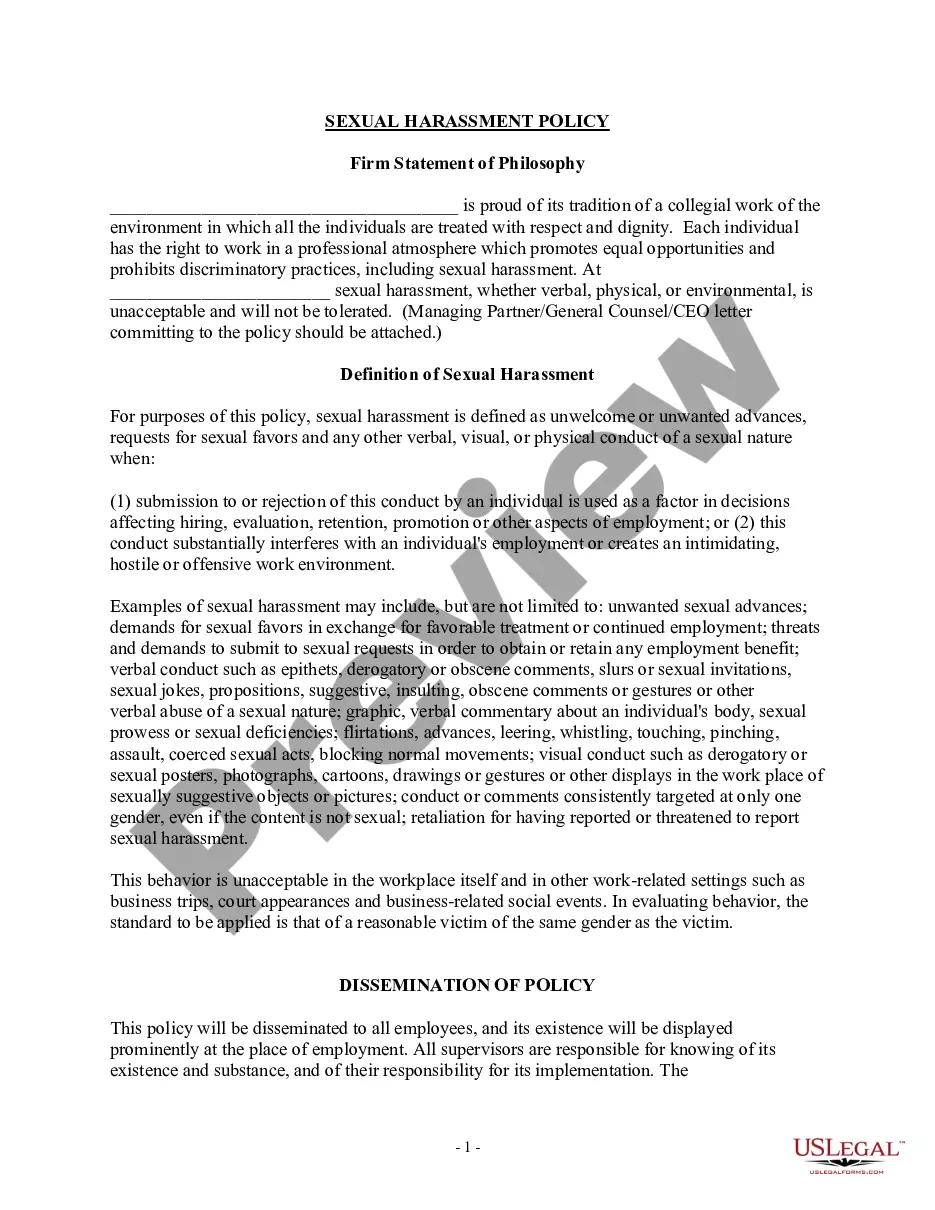
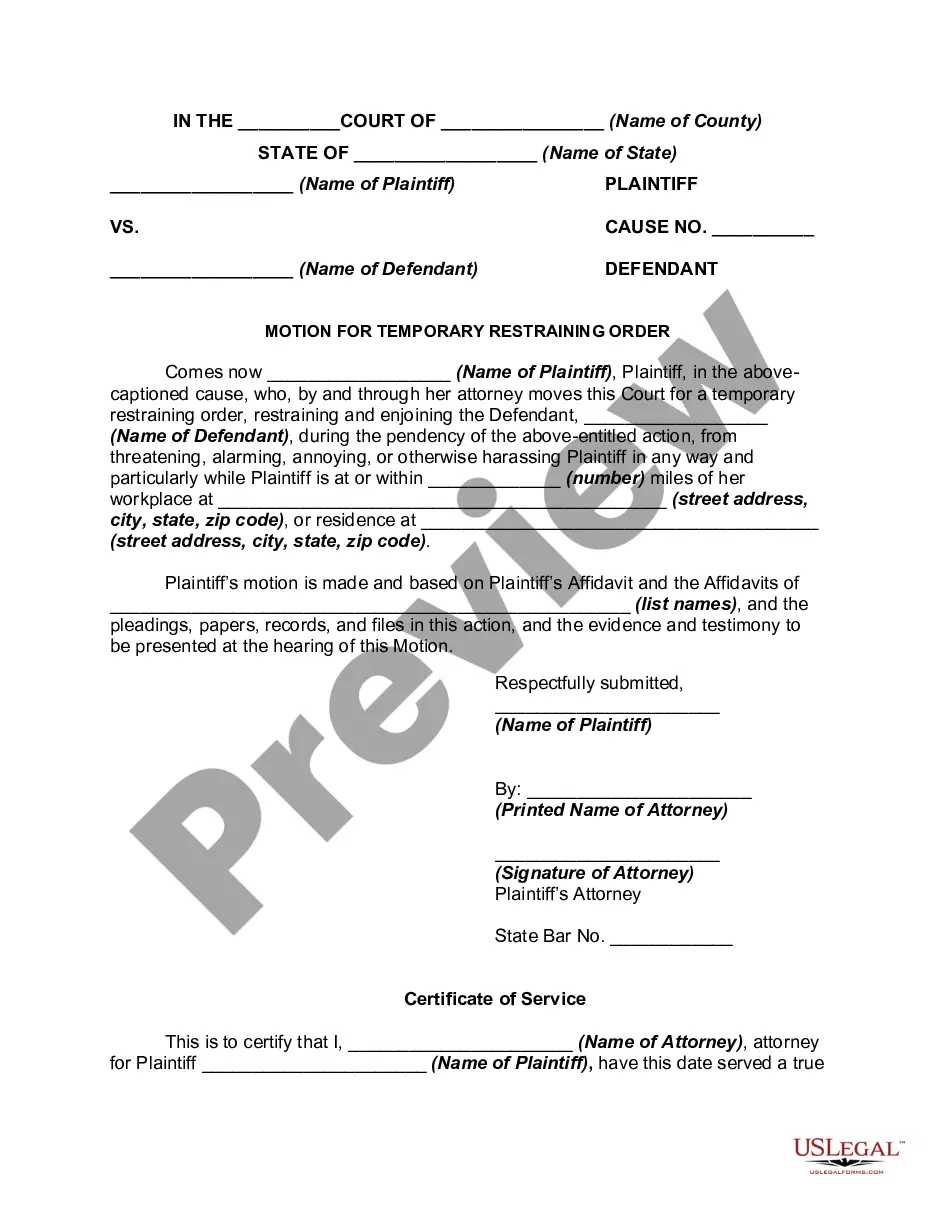
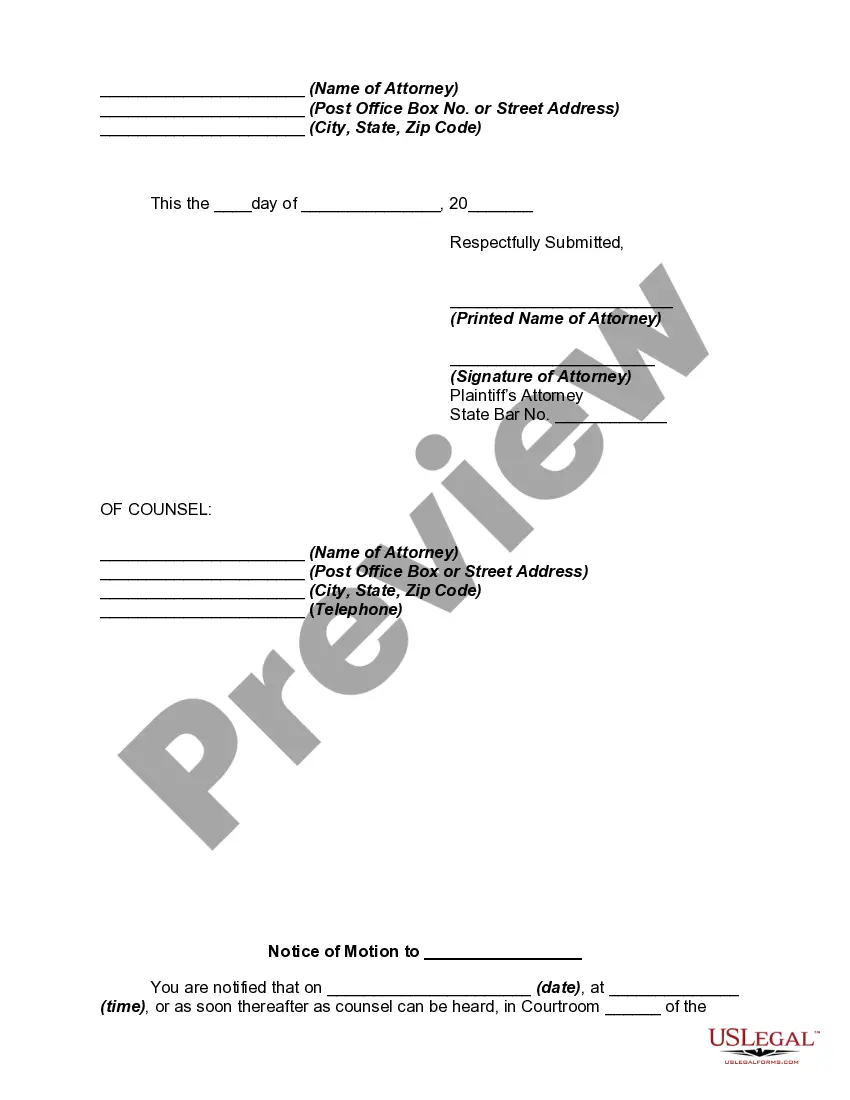
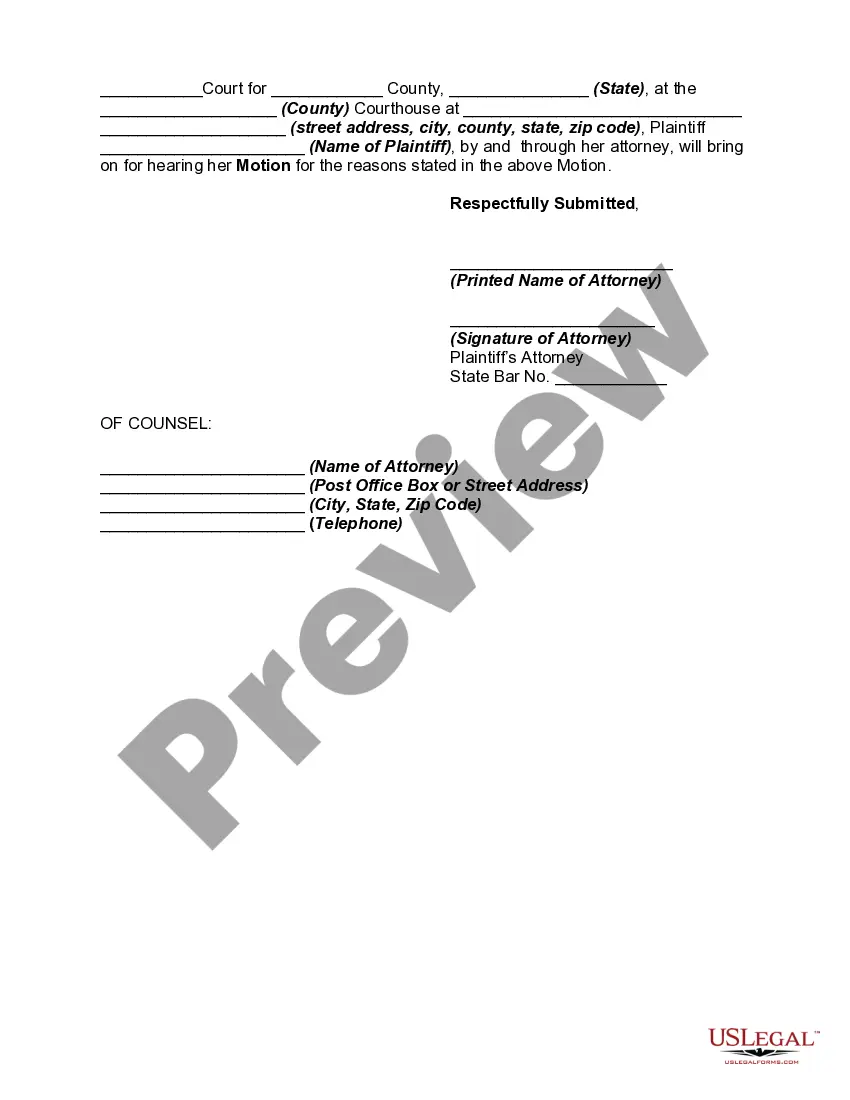
How to fill out Motion For Temporary Restraining Order To Restrain And Enjoin Harassment Of Employee?
Regardless of whether for corporate objectives or personal matters, everyone must confront legal circumstances at some stage in their existence.
Filling out legal documents requires meticulous focus, starting from choosing the appropriate form template. For instance, if you select an incorrect version of the Harassment Restraining Order Ny Without Evidence, it will be denied upon submission. Hence, it is crucial to obtain a reliable source of legal documents like US Legal Forms.
With an extensive US Legal Forms catalog available, you do not need to waste time searching for the correct template online. Use the library’s user-friendly navigation to find the suitable template for any circumstance.
- Locate the template you require by using the search bar or browsing the catalog.
- Review the description of the form to confirm it fits your situation, state, and locality.
- Click on the form’s preview to inspect it.
- If it is the incorrect form, return to the search feature to find the Harassment Restraining Order Ny Without Evidence template you need.
- Download the template if it fulfills your specifications.
- If you possess a US Legal Forms account, click Log in to access previously saved documents in My documents.
- If you have not created an account yet, you can acquire the form by clicking Buy now.
- Choose the suitable pricing option.
- Complete the account registration form.
- Select your payment method: you can utilize a credit card or PayPal account.
- Choose the file format you prefer and download the Harassment Restraining Order Ny Without Evidence.
- Once downloaded, you can fill out the form using editing software or print it and complete it manually.
Form popularity
FAQ
A victim who has an order of protection (temporary or final) cannot violate his/her own order or be arrested for violating such order.
The most serious criminal charge for violation of a New York order of protection is aggravated criminal contempt. This is a class D felony in New York that could lead to seven years in prison and/or a criminal fine of $5,000.
In New York, restraining orders, or Orders of Protection, are typically issued by a judge in a criminal or Family Court case. Only a judge has the power to lift or end an Order of Protection. If a case is dismissed, any Orders of Protection in that case will immediately come to an end.
If your former spouse, sibling or even short term girlfriend or boyfriend whom you had an intimate relationship with is harassing you or committing some other offense that violates the Family Court Act (called a family offense), you can get either a limited or full order of protection.
In order to fight an order of protection, you must go to court with evidence that the order is not warranted. For example, if you can prove that the accuser lied about the incident on which the order is based, then the judge may be inclined to vacate the order.