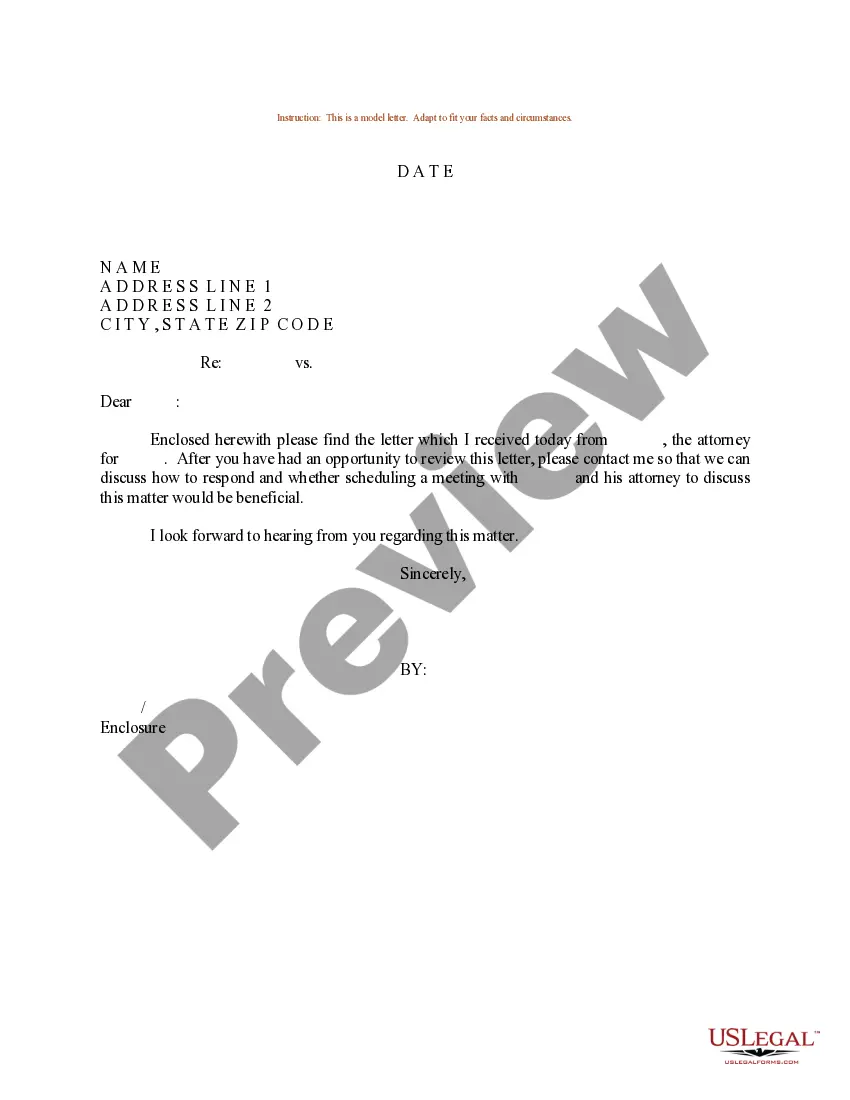
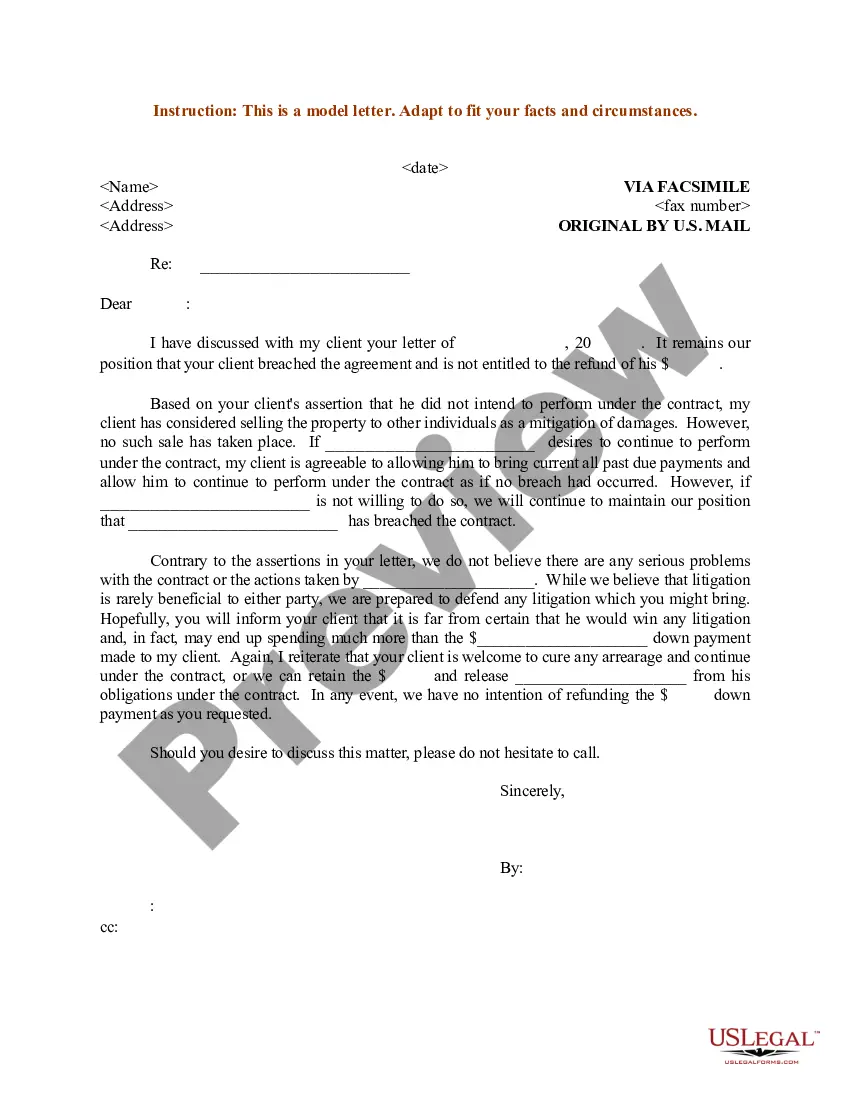
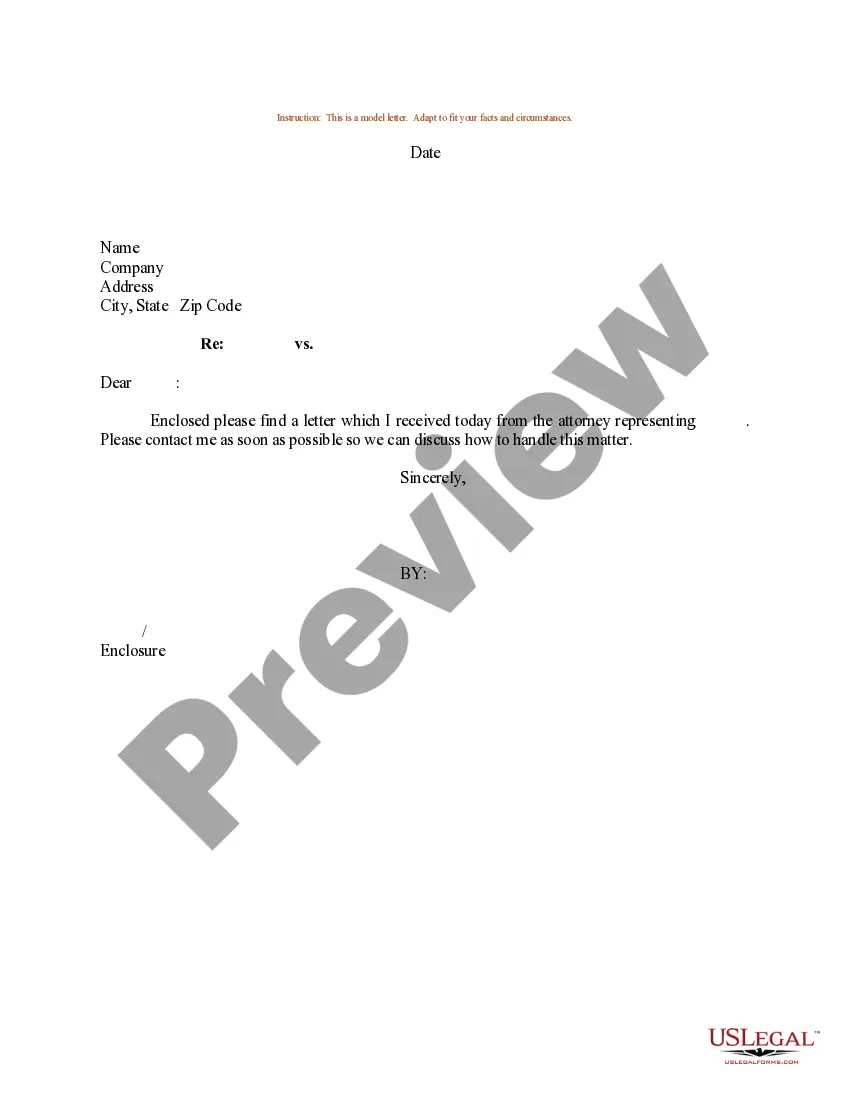
Attorney Letter To Client
Description
Get your form ready online
Our built-in tools help you complete, sign, share, and store your documents in one place.
Make edits, fill in missing information, and update formatting in US Legal Forms—just like you would in MS Word.
Download a copy, print it, send it by email, or mail it via USPS—whatever works best for your next step.
Sign and collect signatures with our SignNow integration. Send to multiple recipients, set reminders, and more. Go Premium to unlock E-Sign.
If this form requires notarization, complete it online through a secure video call—no need to meet a notary in person or wait for an appointment.
We protect your documents and personal data by following strict security and privacy standards.

Make edits, fill in missing information, and update formatting in US Legal Forms—just like you would in MS Word.

Download a copy, print it, send it by email, or mail it via USPS—whatever works best for your next step.

Sign and collect signatures with our SignNow integration. Send to multiple recipients, set reminders, and more. Go Premium to unlock E-Sign.

If this form requires notarization, complete it online through a secure video call—no need to meet a notary in person or wait for an appointment.

We protect your documents and personal data by following strict security and privacy standards.
Looking for another form?

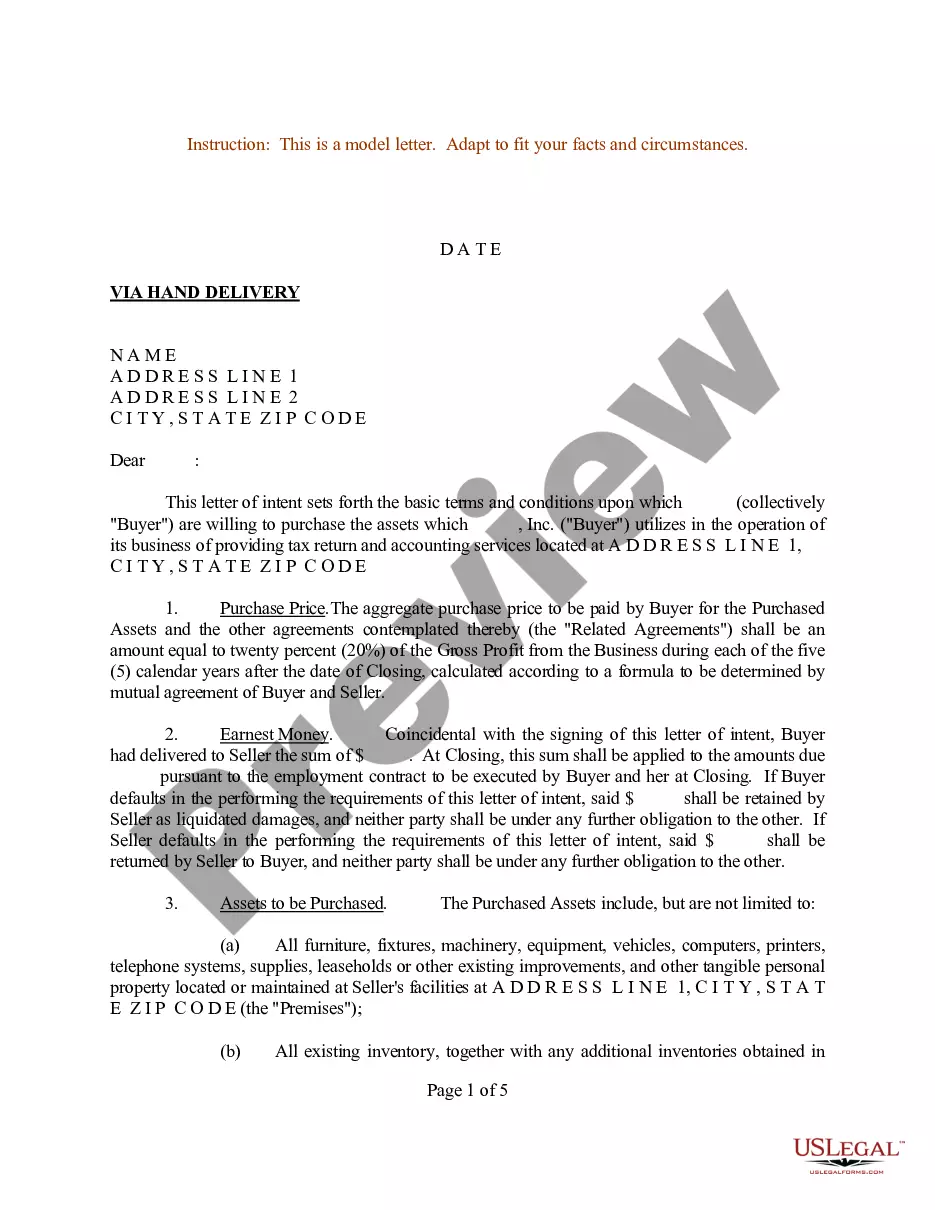

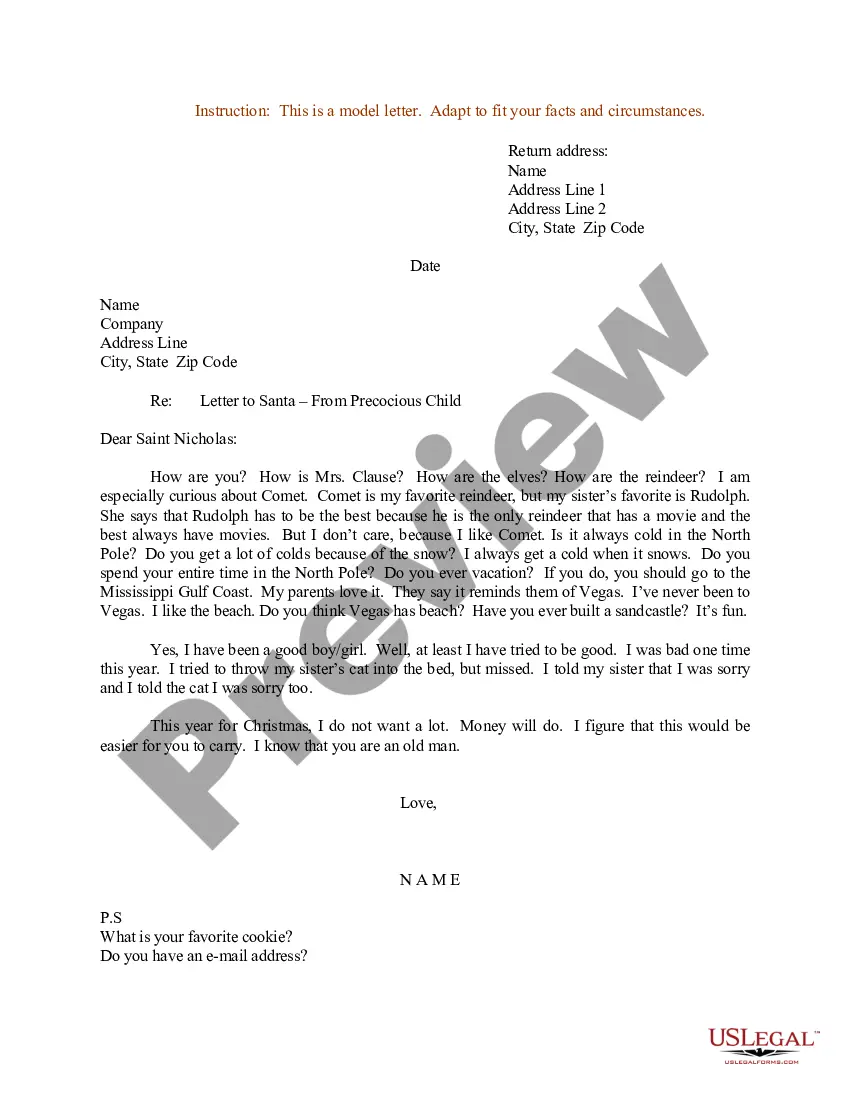


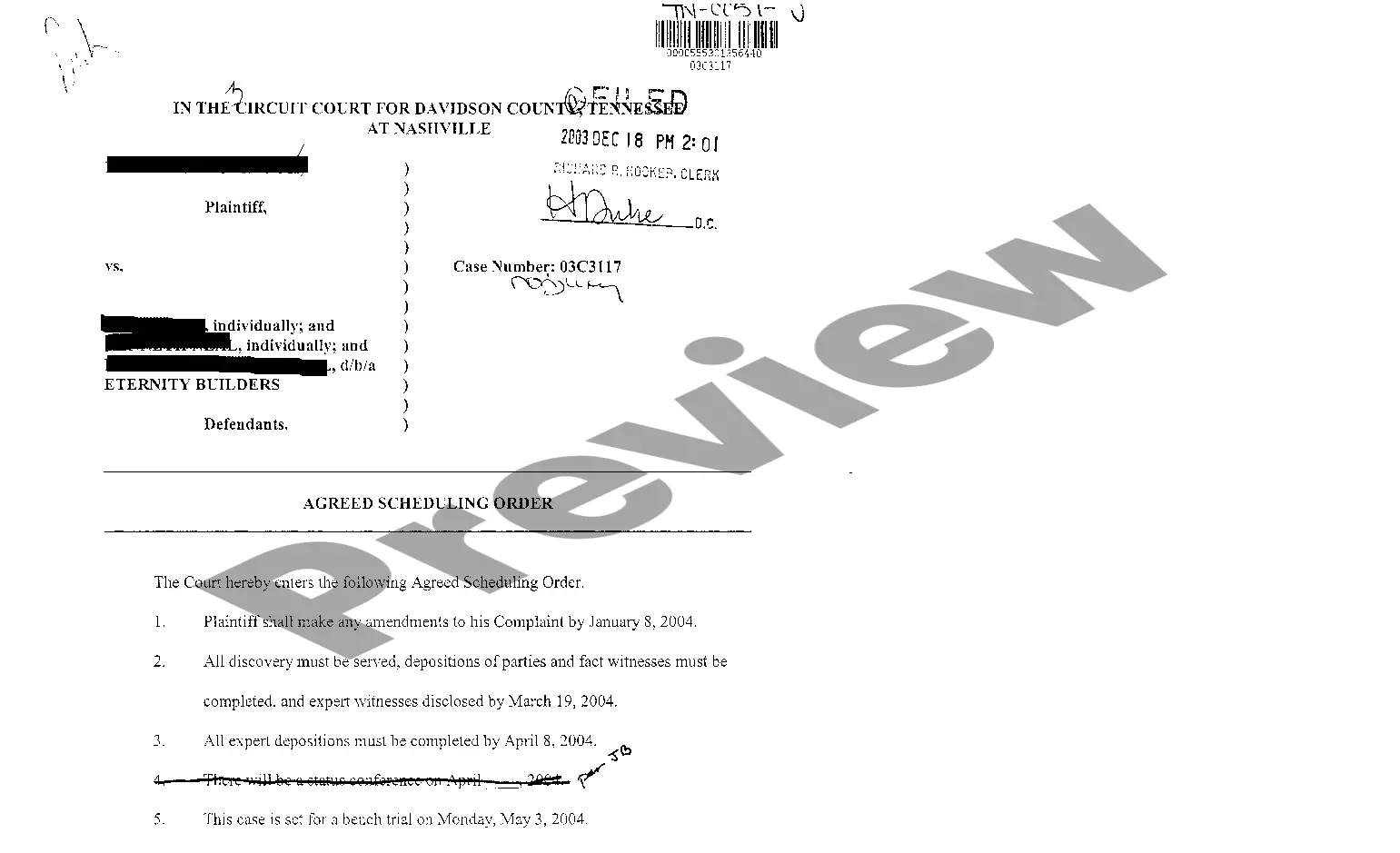
How to fill out Sample Letter For Meeting Opposing Attorney?
It is clear that one cannot become a legal specialist instantly, nor can one swiftly learn how to effectively create an Attorney Letter To Client without possessing a distinct skill set.
Assembling legal documents is a lengthy endeavor that demands particular training and expertise. Therefore, why not entrust the drafting of the Attorney Letter To Client to experts.
With US Legal Forms, renowned for having one of the most comprehensive legal document databases, you can find everything from court papers to templates for internal communication.
You can access your documents from the My documents section at any time. If you are a current client, you can simply Log In, and find and download the template from the same section.
Regardless of the intention behind your forms—whether it is financial and legal or personal—our platform caters to your needs. Explore US Legal Forms today!
- Initiate your journey by locating the form you need via the search bar positioned at the top of the webpage.
- View it (if this option is available) and examine the supplementary description to determine if the Attorney Letter To Client aligns with your requirements.
- Start your search anew if you require another form.
- Create a complimentary account and choose a subscription plan to purchase the form.
- Click Buy now. Once the payment is completed, you can acquire the Attorney Letter To Client, complete it, print it, and send or mail it to the requisite recipients or entities.
Form popularity
FAQ
Writing an attorney letter to a client involves several key steps. First, clearly introduce the purpose of the letter, outlining the specific legal issues being addressed. Next, provide a detailed analysis of the relevant laws and facts, ensuring that the client understands the implications of your findings. Finally, conclude with your recommendations and any necessary next steps, while inviting the client to reach out with further questions or clarifications.
The best way to send an attorney letter to client depends on the urgency and importance of the message. For immediate communication, consider using email for quick delivery. However, for official documents, sending via certified mail ensures a record of delivery. Always review the content to maintain professionalism and clarity.
An effective attorney letter to client should have a clear structure. Start with a brief introduction that states the purpose of the letter. Then, present your main points in a logical order, ensuring each paragraph flows smoothly. Finally, conclude with a summary and a call to action, encouraging your client to reach out with any questions.
To begin an attorney letter to client, start with a proper heading. Include your law firm’s name, address, and date at the top. Follow this with the client’s name and address. After this, you can use a respectful salutation, such as 'Dear Client's Name,' to create a professional tone.
To properly write a professional letter, start by addressing your audience appropriately and stating your purpose clearly. Use a structured format with an introduction, body, and conclusion. Make sure to proofread your letter to avoid errors and ensure clarity. A well-structured attorney letter to a client reflects professionalism and respect, which enhances communication.
A supportive letter from an attorney to a client may include counsel on personal matters, like encouraging them to take certain actions or reassuring them about ongoing legal proceedings. This type of honor conveys compassion while affirming the lawyer's commitment to the client's well-being. By writing such letters, attorneys foster trust and strengthen the client-lawyer relationship.
Writing a simple power of attorney letter involves stating your intention clearly, specifying the powers granted, identifying the agent, and including signatures from both parties. Begin with a title that indicates the document’s purpose, followed by a detailed description of the powers you wish to grant. It is essential to ensure clarity in all terms used, as this document handles significant responsibilities.
To craft a professional attorney letter to a client, start with a clear subject line and proper greeting. Clearly state the purpose of your letter in a concise manner, and use a professional tone throughout. Finally, express appreciation for the client's trust, and sign off with your name and contact information. This approach fosters clarity and maintains a strong attorney-client relationship.
Lawyers typically send two main types of letters to clients: engagement letters and informational letters. An engagement letter outlines the scope of representation and the terms of the lawyer-client relationship. On the other hand, informational letters update clients about their case status or provide important legal information. Both types serve as important tools in communication between an attorney and client.