Contract Performance Agreement With Suppliers
Description
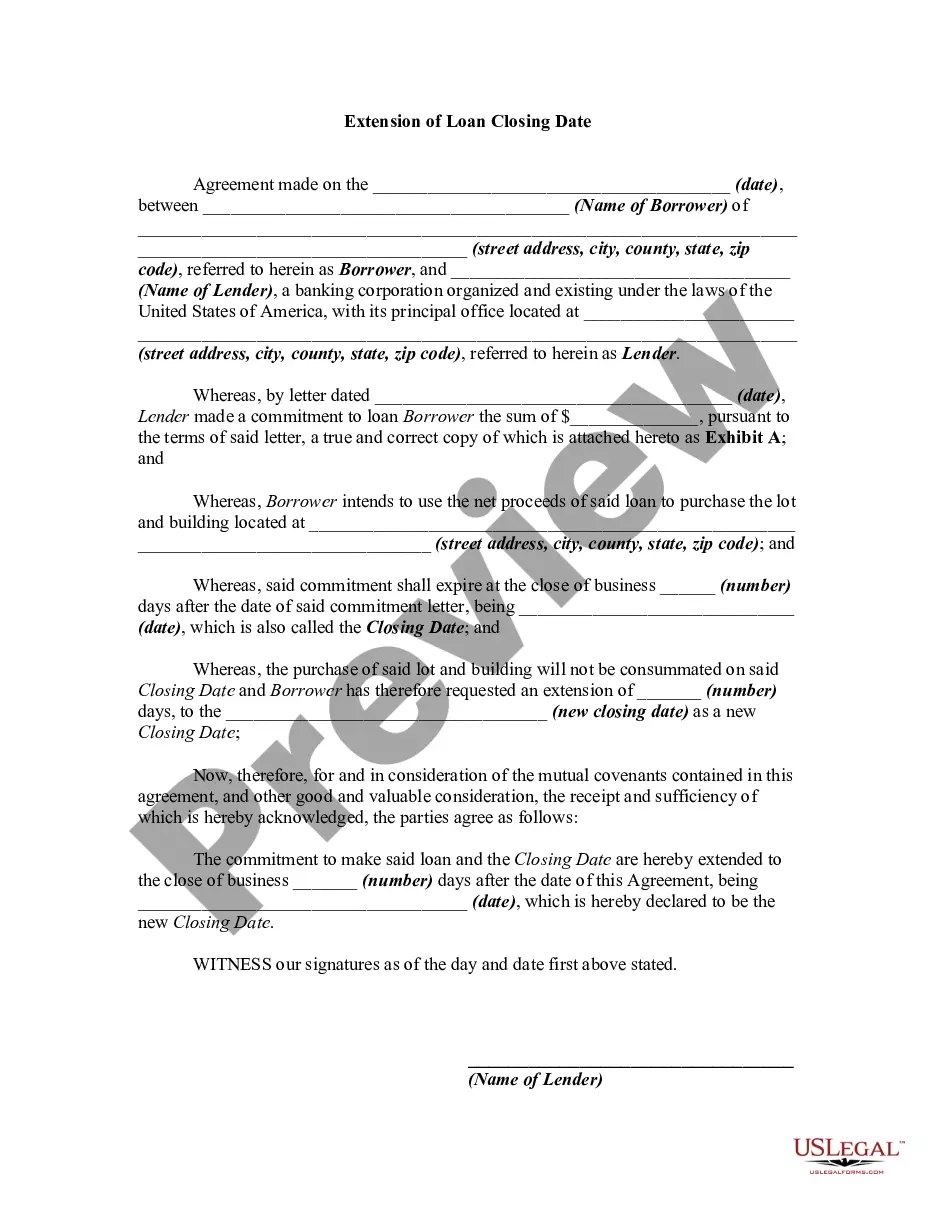
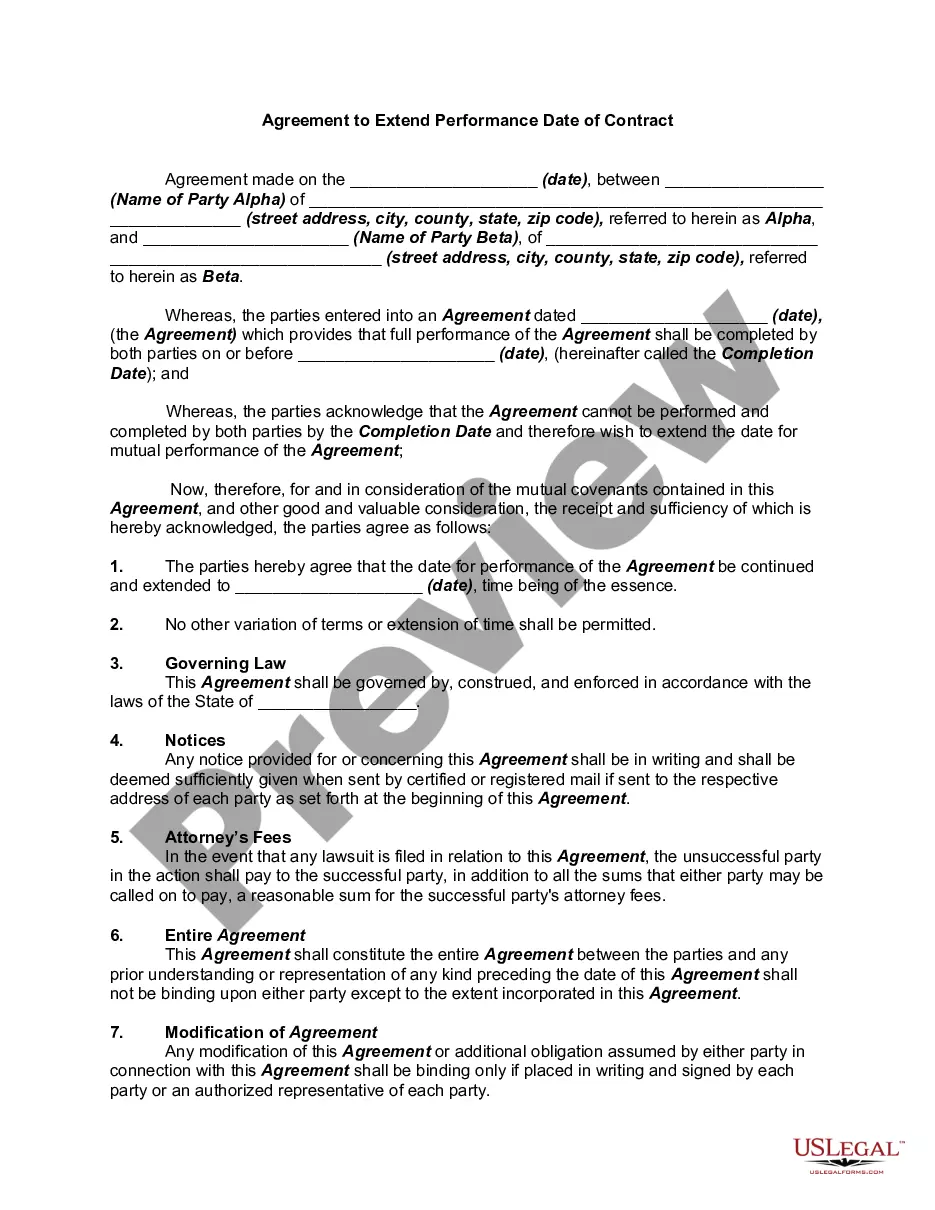
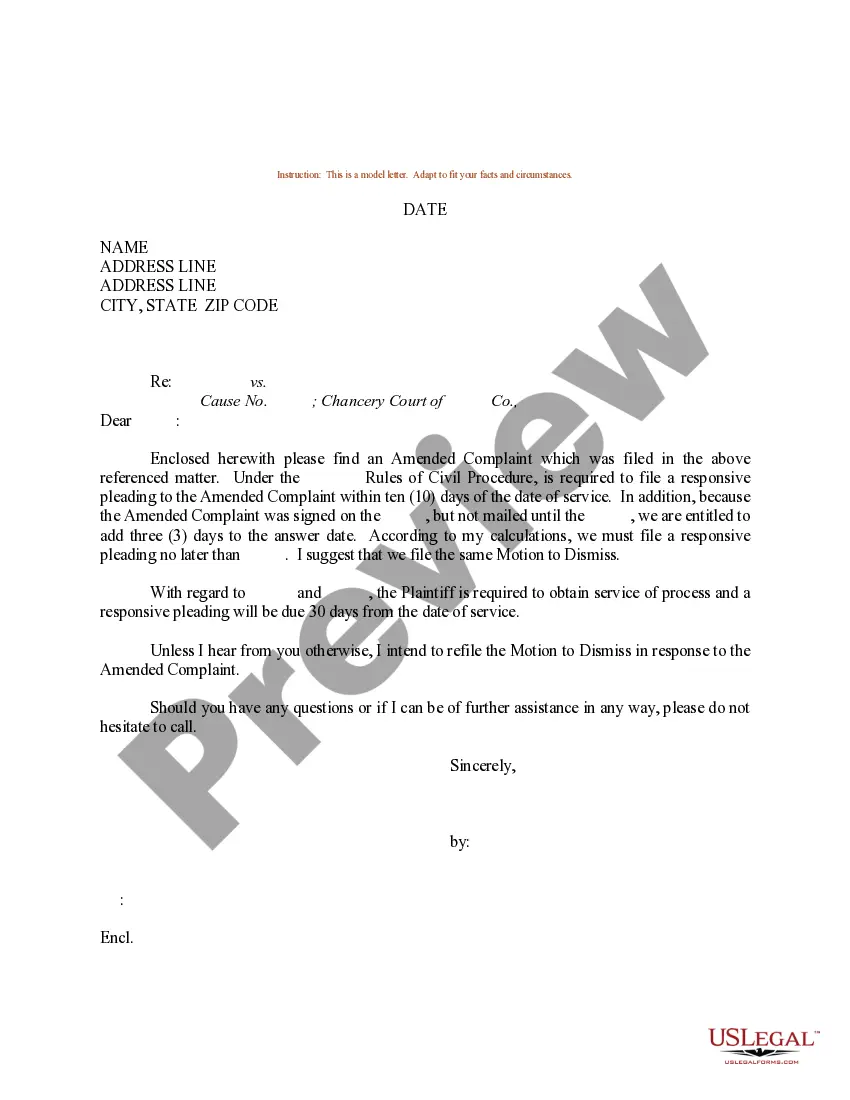


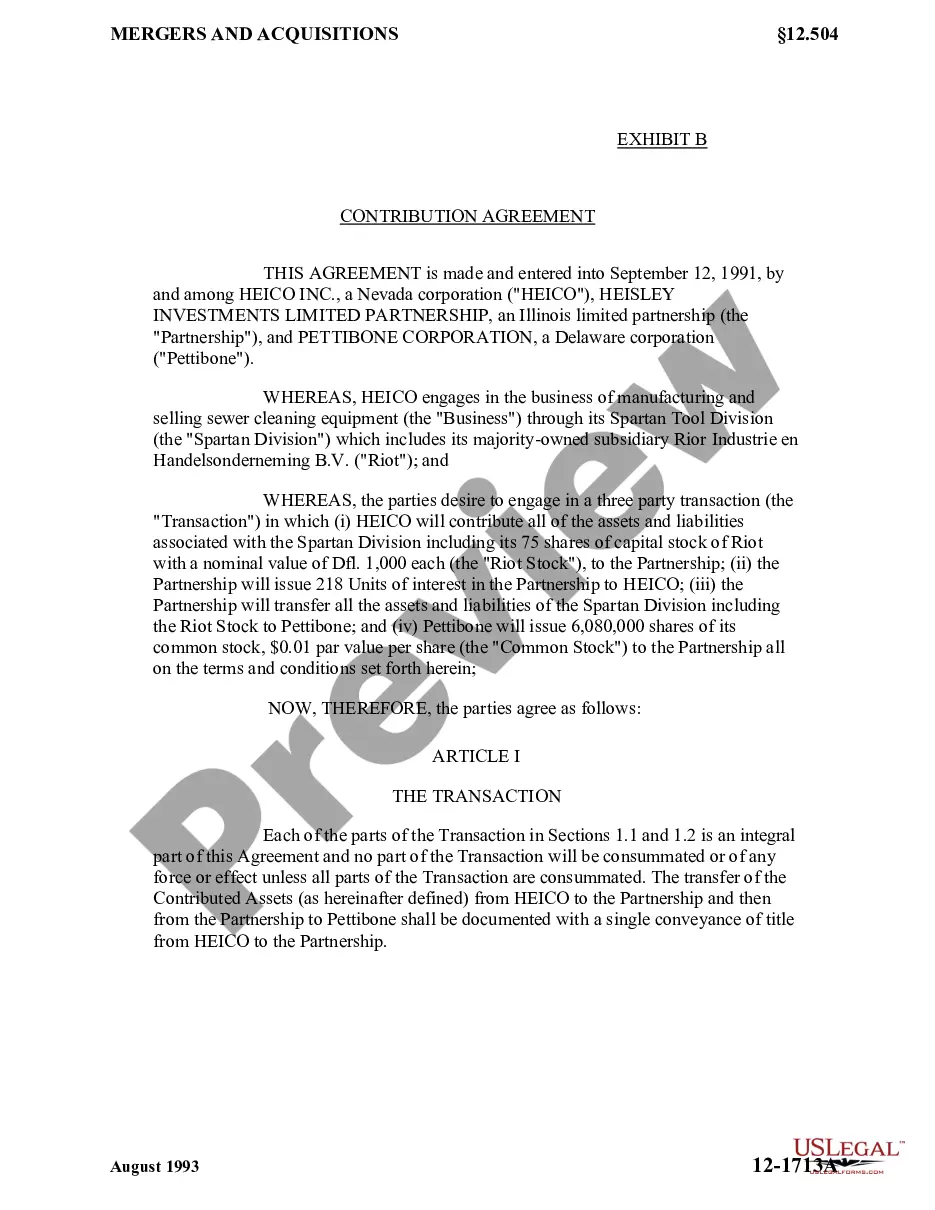
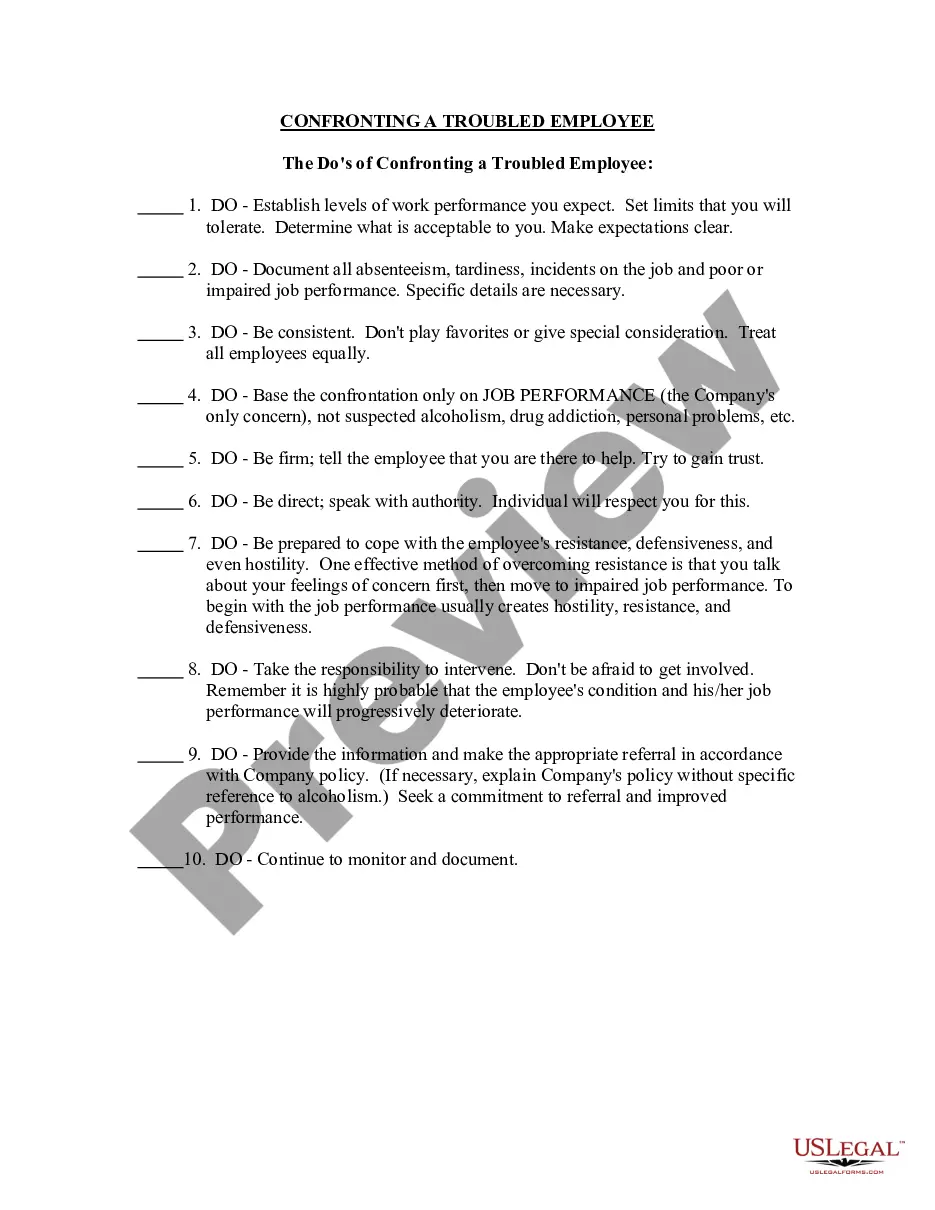
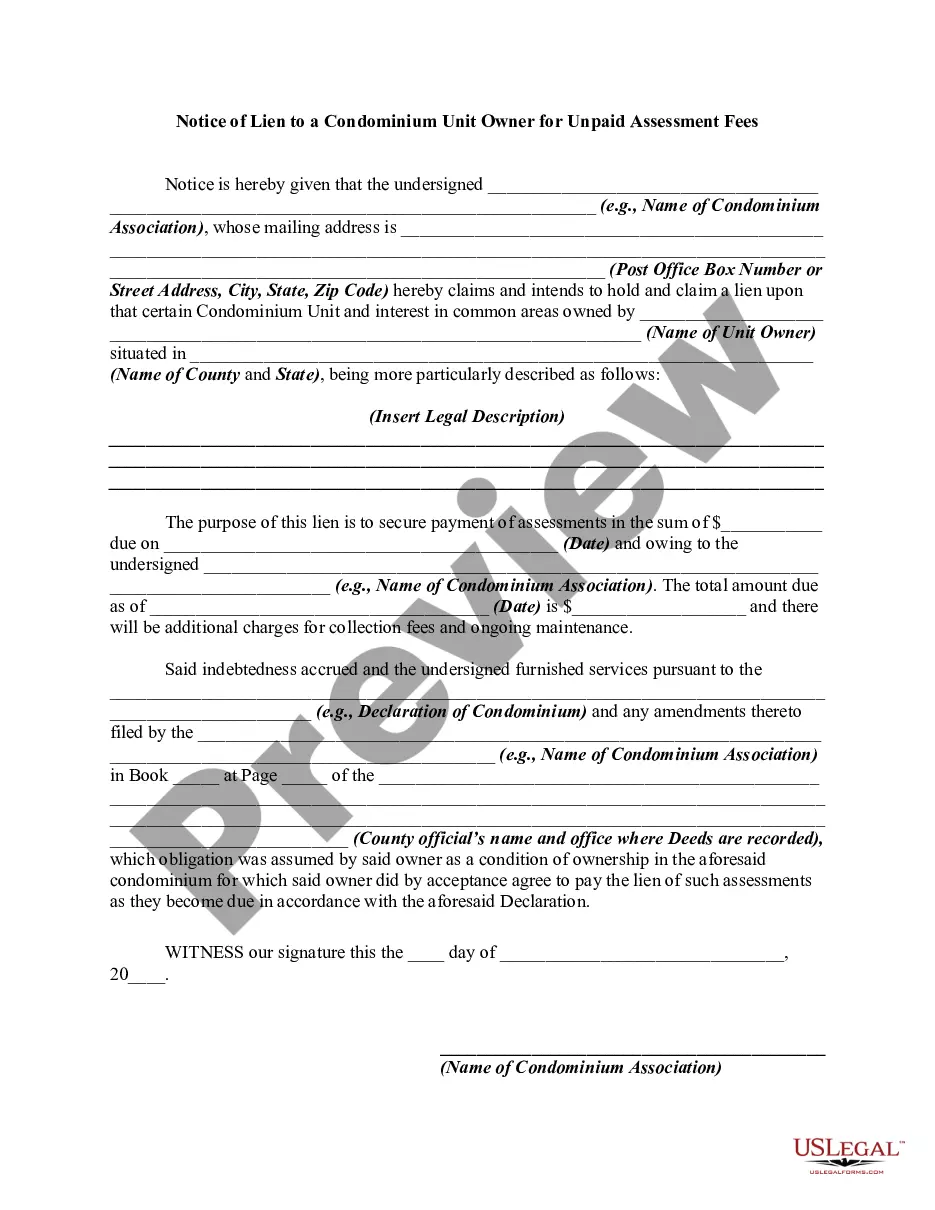
How to fill out Extended Date For Performance?
Whether for commercial purposes or personal issues, everyone must navigate legal matters at some stage in their life.
Filling out legal documents requires meticulous attention, beginning with selecting the appropriate form template.
With a comprehensive US Legal Forms catalog available, you never have to waste time searching for the right sample online. Use the library's straightforward navigation to find the correct form for any circumstance.
- Obtain the sample you need by using the search box or catalog navigation.
- Review the form's details to ensure it aligns with your circumstance, state, and county.
- Click on the form's preview to view it.
- If it is not the correct document, return to the search feature to locate the Contract Performance Agreement With Suppliers template you need.
- Download the file when it fits your specifications.
- If you already have a US Legal Forms account, simply click Log in to access previously saved documents in My documents.
- If you do not yet have an account, you can download the form by clicking Buy now.
- Choose the right pricing option.
- Complete the account registration form.
- Select your payment method: use a credit card or PayPal account.
- Choose the document format you want and download the Contract Performance Agreement With Suppliers.
- Once downloaded, you can fill out the form with editing software or print it and complete it by hand.
Form popularity
FAQ
A performance agreement contract is a formal document that outlines the expectations and responsibilities of both parties regarding performance metrics. It serves as a framework for evaluating compliance and effectiveness. Establishing a strong contract performance agreement with suppliers can enhance collaboration and accountability.
The three types of performance of contracts include complete performance, substantial performance, and breach of contract. Understanding these types is essential for managing your contract performance agreement with suppliers. Each type indicates how well the terms of the contract have been met and can influence future supplier relationships.
A contractual work agreement with suppliers should include clearly defined terms and conditions, performance metrics, payment schedules, and dispute resolution processes. It must also outline expectations regarding quality, delivery, and compliance with regulations. This ensures that both parties understand their roles and responsibilities.
To evaluate supplier performance, first set specific Key Performance Indicators (KPIs) that align with your contract performance agreement with suppliers. Regularly review these KPIs, which may include on-time delivery and product quality. Collect feedback from stakeholders to gain a comprehensive view of supplier performance.
A supplier evaluation survey should be clear, concise, and focused on relevant criteria. It must include measurable metrics, allow for qualitative feedback, and be easy to understand. Additionally, ensure that it aligns with your contract performance agreement with suppliers to assess compliance effectively.
To conduct a supplier performance evaluation, start by establishing clear criteria based on your contract performance agreement with suppliers. Gather data on delivery times, quality of goods, and responsiveness. Use surveys or scorecards for feedback, and regularly review these evaluations to identify areas for improvement.
The purpose of a performance agreement is to establish clear expectations and accountability between parties. In a contract performance agreement with suppliers, it ensures that suppliers meet specific performance criteria, thus reducing the risk of misunderstandings or disputes. This clarity helps foster a strong working relationship and enhances the likelihood of successful project completion.
A performance contract is a legally binding agreement that outlines the expectations and responsibilities between parties involved in a project. In the context of a contract performance agreement with suppliers, it specifies the deliverables, timelines, and quality standards expected from the supplier. This type of contract helps ensure that both parties understand their obligations, ultimately leading to smoother project execution and better outcomes.
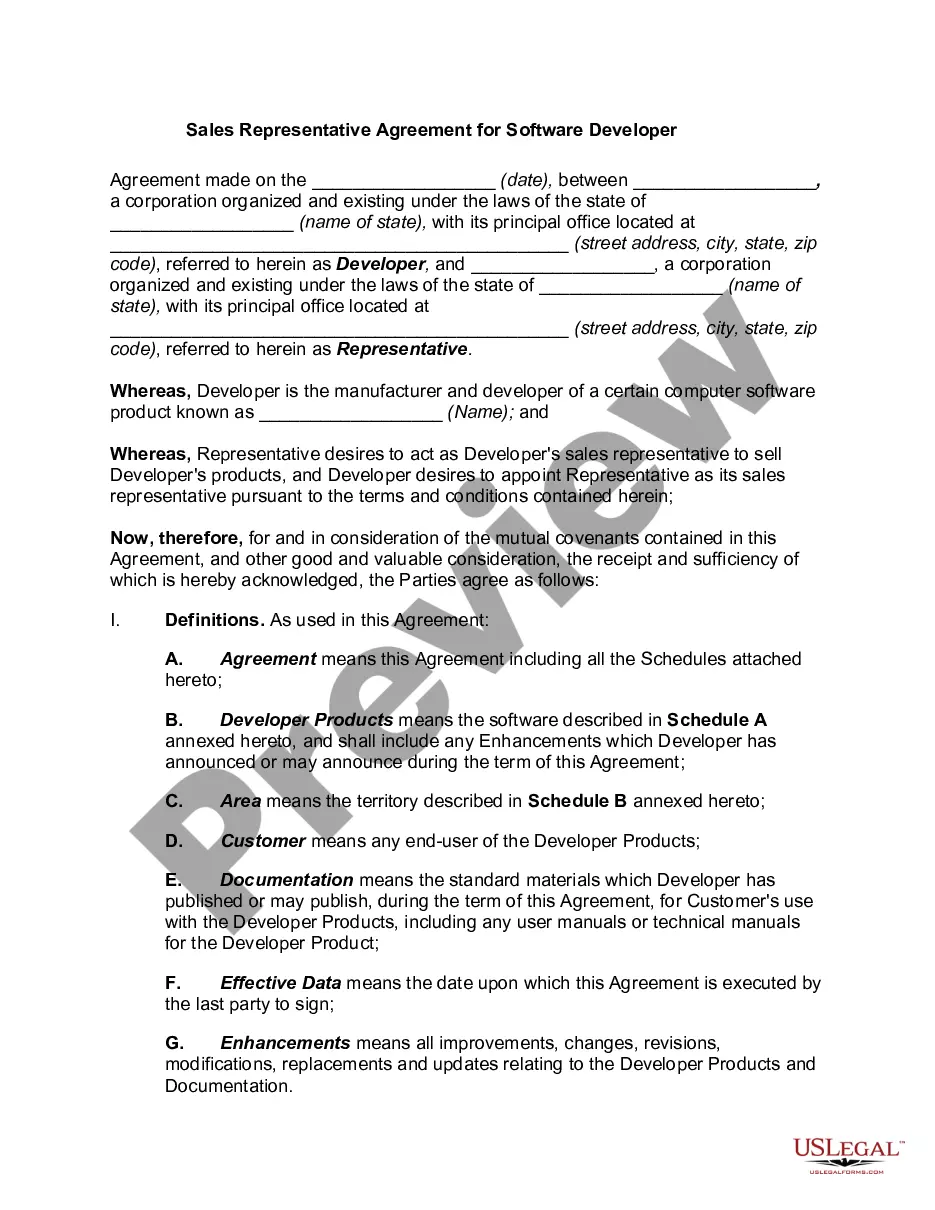
When writing a performance contract, begin by detailing the scope of work and the expected outcomes. The contract performance agreement with suppliers should include specific timelines, performance measures, and payment conditions. Additionally, ensure that both parties have an opportunity to review and negotiate terms to foster a cooperative relationship.
To write a performance agreement, focus on clarity and precision. Begin with an introduction that outlines the purpose of the contract performance agreement with suppliers, then detail the obligations of each party. Be sure to include deadlines, metrics for success, and termination conditions to ensure all parties understand their commitments.