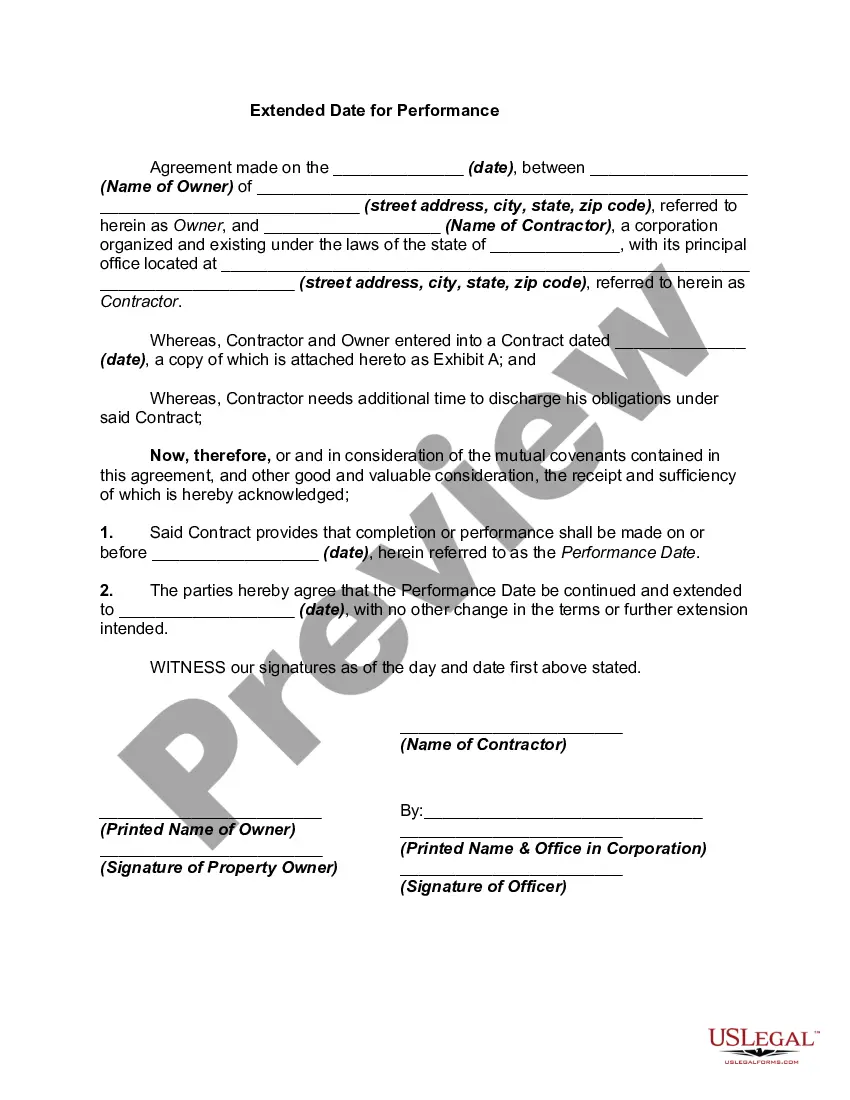
Contract Performance Agree For A Law Firm
Description
Get your form ready online
Our built-in tools help you complete, sign, share, and store your documents in one place.
Make edits, fill in missing information, and update formatting in US Legal Forms—just like you would in MS Word.
Download a copy, print it, send it by email, or mail it via USPS—whatever works best for your next step.
Sign and collect signatures with our SignNow integration. Send to multiple recipients, set reminders, and more. Go Premium to unlock E-Sign.
If this form requires notarization, complete it online through a secure video call—no need to meet a notary in person or wait for an appointment.
We protect your documents and personal data by following strict security and privacy standards.

Make edits, fill in missing information, and update formatting in US Legal Forms—just like you would in MS Word.

Download a copy, print it, send it by email, or mail it via USPS—whatever works best for your next step.

Sign and collect signatures with our SignNow integration. Send to multiple recipients, set reminders, and more. Go Premium to unlock E-Sign.

If this form requires notarization, complete it online through a secure video call—no need to meet a notary in person or wait for an appointment.

We protect your documents and personal data by following strict security and privacy standards.
Looking for another form?
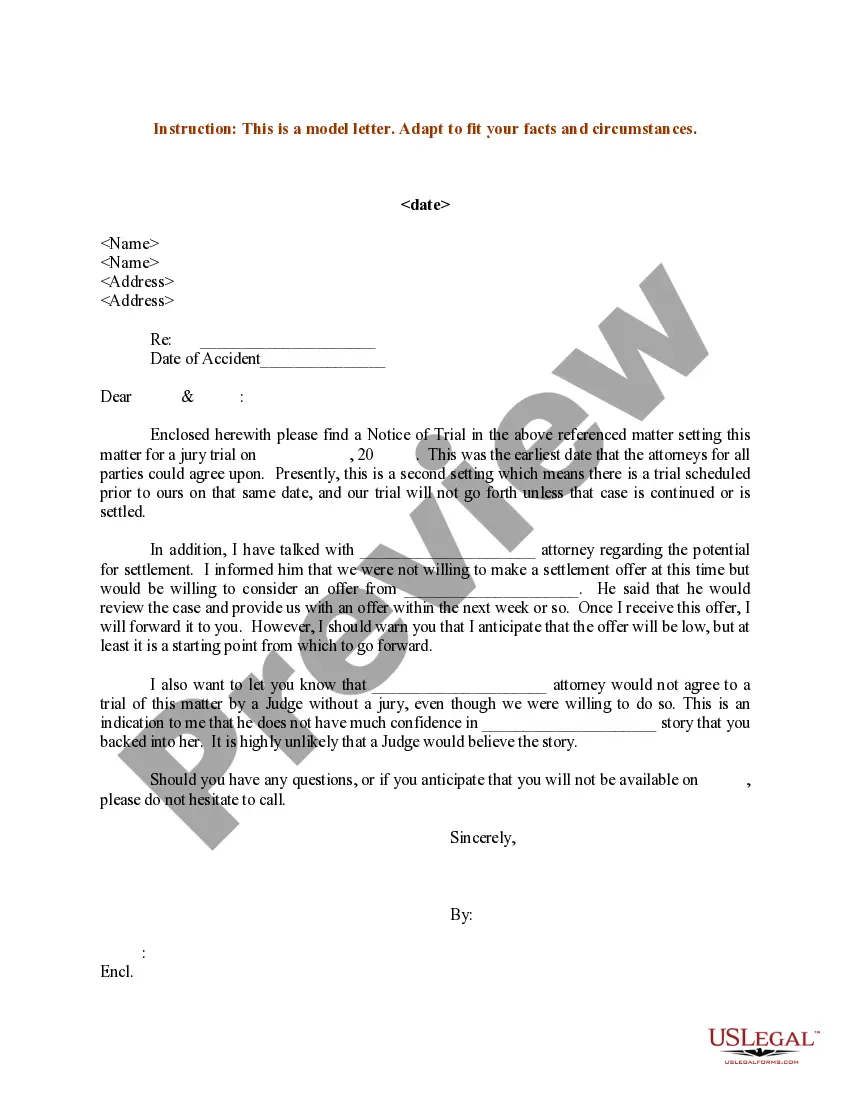

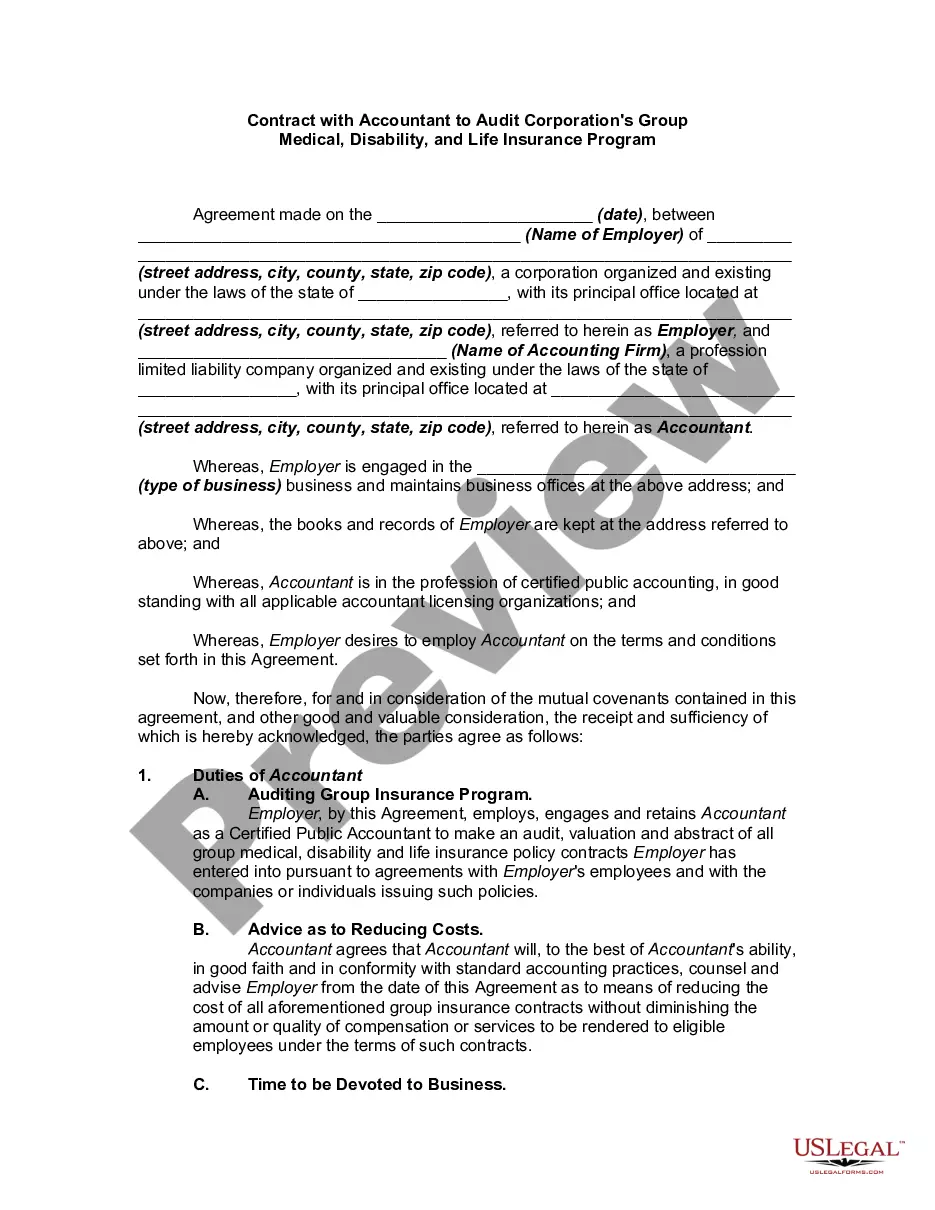

How to fill out Extended Date For Performance?
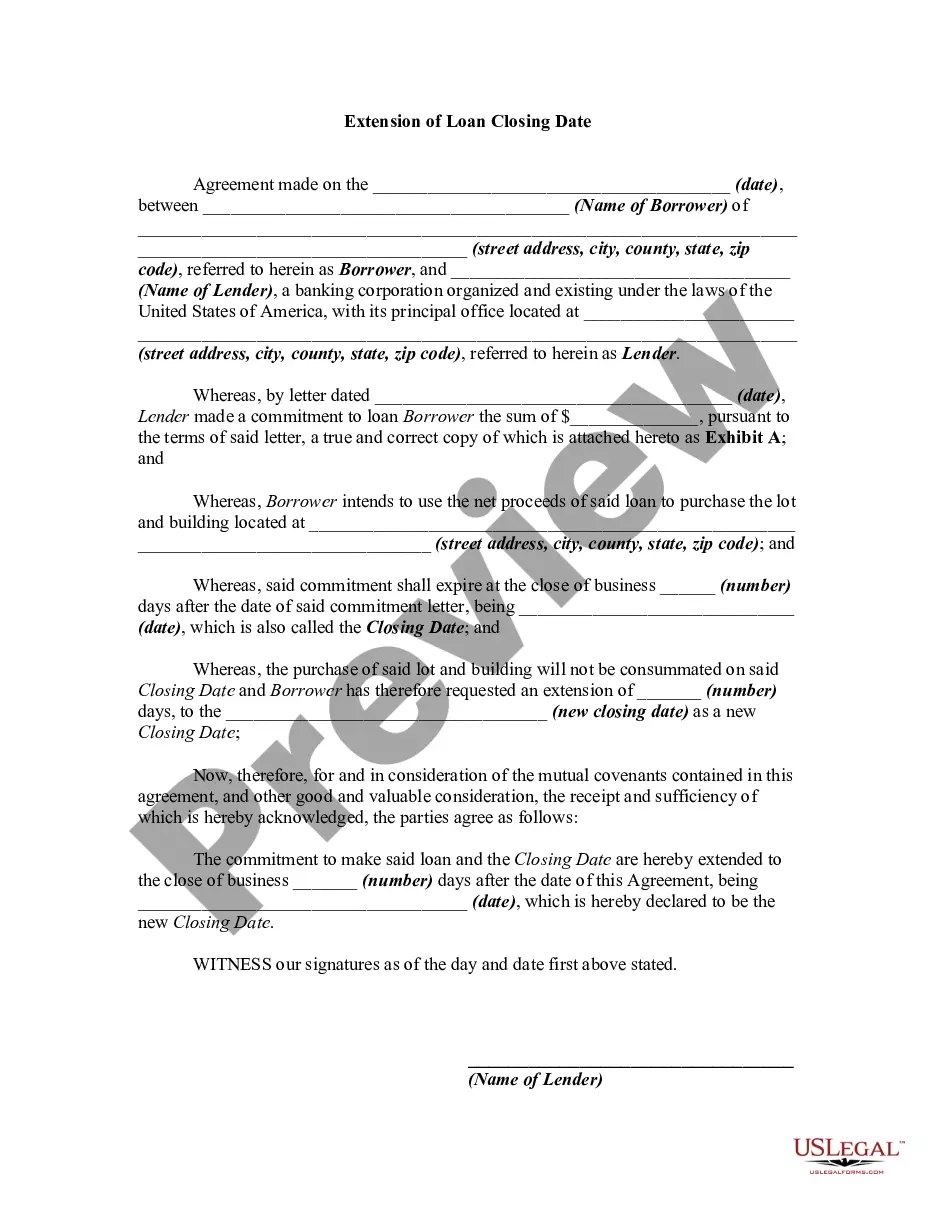
The Agreement for Contract Performance pertaining to a Law Firm displayed on this page serves as a reusable legal template created by experienced attorneys in adherence to federal and local statutes.
For over 25 years, US Legal Forms has been supplying individuals, businesses, and legal experts with more than 85,000 certified, state-specific documents suitable for any business and personal situation. It is the quickest, simplest, and most reliable method to acquire the necessary paperwork, as the service ensures bank-level data protection and anti-malware safeguards.
Re-download your documents whenever necessary. Access the My documents section in your profile to retrieve any previously saved forms.
Enroll in US Legal Forms to secure verified legal templates for every circumstance in life at your fingertips.
- Search for the document you require and verify it.
- Examine the file you looked for and preview it or read the form description to confirm it meets your requirements. If it doesn’t, utilize the search bar to locate the appropriate one. Click Buy Now once you have identified the template you need.
- Register and Log Into your account.
- Select the pricing plan that fits your needs and set up an account. Use PayPal or a credit card for quick payment. If you already possess an account, Log In and check your subscription to move forward.
- Obtain the editable template.
- Choose the format you desire for your Contract Performance Agreement for a Law Firm (PDF, DOCX, RTF) and download the example onto your device.
- Complete and sign the documentation.
- Print the template for manual completion. Alternatively, utilize an online multi-functional PDF editor to swiftly and accurately fill out and sign your form with valid credentials.
Form popularity
FAQ
Negotiating with a law firm requires clear communication and understanding of your needs. Start by identifying your goals and what you hope to achieve through a contract performance agree for a law firm. Be prepared to discuss specific terms and be open to suggestions from the firm. Additionally, utilizing platforms like uslegalforms can help clarify contract terms and facilitate a smoother negotiation process.
The three types of acceptance include verbal acceptance, written acceptance, and acceptance by performance. Each method can be effective, but the choice may depend on the nature of the contract performance agree for a law firm. Verbal acceptance involves direct communication, while written acceptance provides documentation of agreement. Acceptance by performance, on the other hand, is about fulfilling the contract's obligations, which can sometimes be the most effective method.
Acceptance by performance in contract law occurs when one party fulfills their part of the agreement, thereby indicating their acceptance of the contract's terms. This concept is crucial in understanding how a contract performance agree for a law firm functions. Essentially, when the required actions are completed, it demonstrates a mutual agreement between the parties involved. If you are unsure about how to navigate these terms, consulting with a legal professional can provide clarity.
To complete a performance agreement, start by clearly defining the obligations of each party involved. Ensure that all terms are explicit and include deadlines, payment details, and any necessary conditions. Utilizing platforms like US Legal Forms can simplify this process, providing templates and guidance for creating comprehensive contract performance agreements for a law firm.
The rules of acceptance in contract law state that acceptance must be clear, unambiguous, and communicated to the offeror. In addition, the acceptance must mirror the terms of the offer, ensuring both parties have a mutual understanding. Understanding these rules is vital for law firms helping clients navigate contract performance agreements.
Absolutely, a contract can be accepted by performance, particularly in unilateral agreements. The acceptance happens when one party completes the required act, signifying their agreement to the terms. This method of acceptance underscores the importance of clear actions in contract performance agreements for a law firm.
The rules regarding performance of contracts primarily focus on the obligations each party must fulfill. Generally, performance must meet the agreed-upon standards and timelines set forth in the contract. If a party fails to perform adequately, it may lead to a breach of contract. It is essential to grasp these rules for drafting solid contract performance agreements for a law firm.
Yes, you can accept a contract by performance, especially in cases of unilateral contracts. When one party fulfills the required action, they effectively accept the terms set by the other party. This acceptance through performance is a fundamental principle in contract law and is integral to creating effective contract performance agreements for a law firm.
An example of acceptance by performance can be seen in a reward situation. If a person offers $500 to anyone who finds and returns their lost dog, the contract is accepted when someone actually returns the dog. This illustrates how acceptance can occur through the action taken rather than a verbal agreement. Such scenarios often arise in contract performance agreements for a law firm.
A unilateral contract is a type of contract where acceptance occurs solely through performance. In this agreement, one party makes a promise in exchange for the performance of a specific action by another party. This type of contract is particularly relevant in various scenarios, such as reward offers, where a person will only accept the contract once the action is completed. Understanding this concept is crucial for effective contract performance agreements for a law firm.