Promissory Note Template For Vehicle
Description
Get your form ready online
Our built-in tools help you complete, sign, share, and store your documents in one place.
Make edits, fill in missing information, and update formatting in US Legal Forms—just like you would in MS Word.
Download a copy, print it, send it by email, or mail it via USPS—whatever works best for your next step.
Sign and collect signatures with our SignNow integration. Send to multiple recipients, set reminders, and more. Go Premium to unlock E-Sign.
If this form requires notarization, complete it online through a secure video call—no need to meet a notary in person or wait for an appointment.
We protect your documents and personal data by following strict security and privacy standards.

Make edits, fill in missing information, and update formatting in US Legal Forms—just like you would in MS Word.

Download a copy, print it, send it by email, or mail it via USPS—whatever works best for your next step.

Sign and collect signatures with our SignNow integration. Send to multiple recipients, set reminders, and more. Go Premium to unlock E-Sign.

If this form requires notarization, complete it online through a secure video call—no need to meet a notary in person or wait for an appointment.

We protect your documents and personal data by following strict security and privacy standards.
Looking for another form?






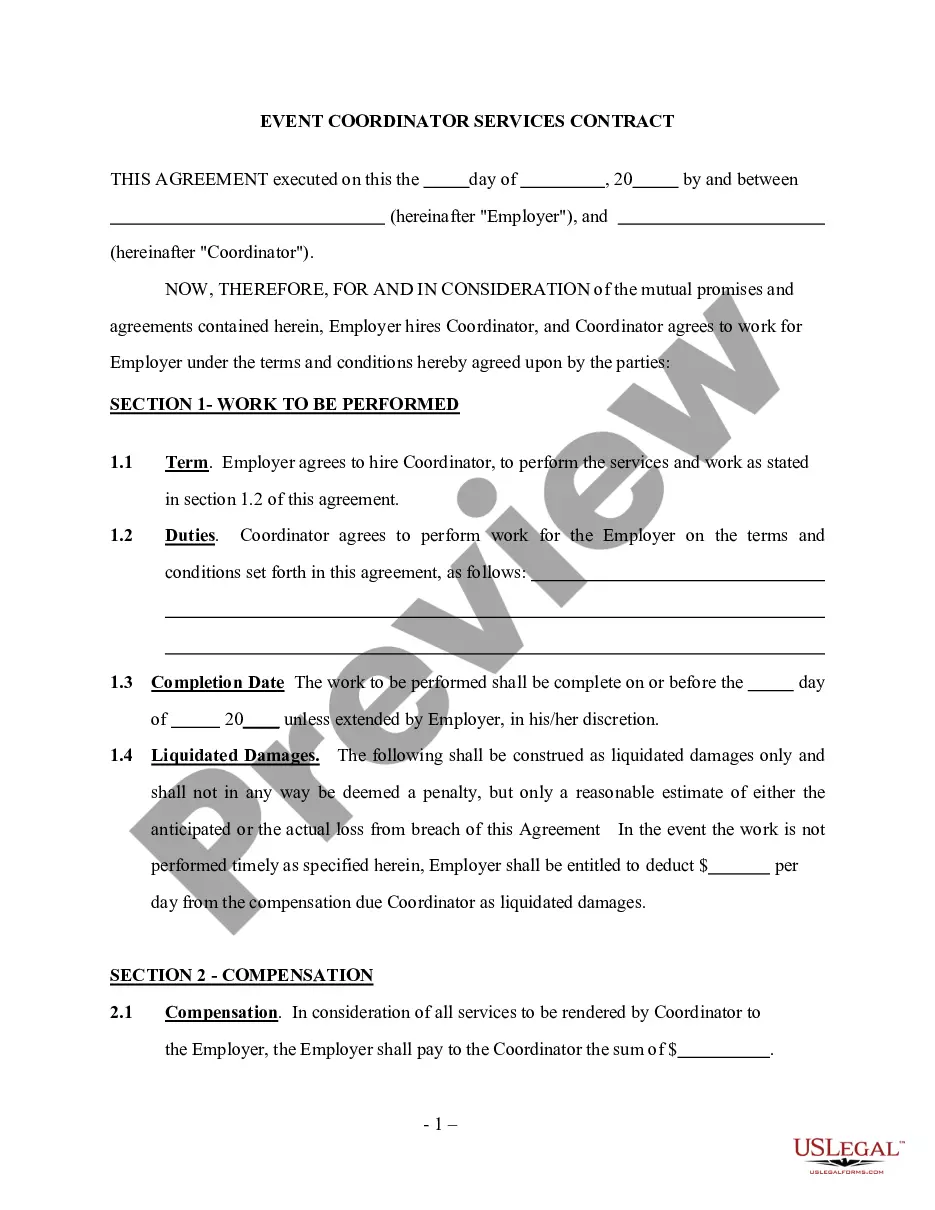



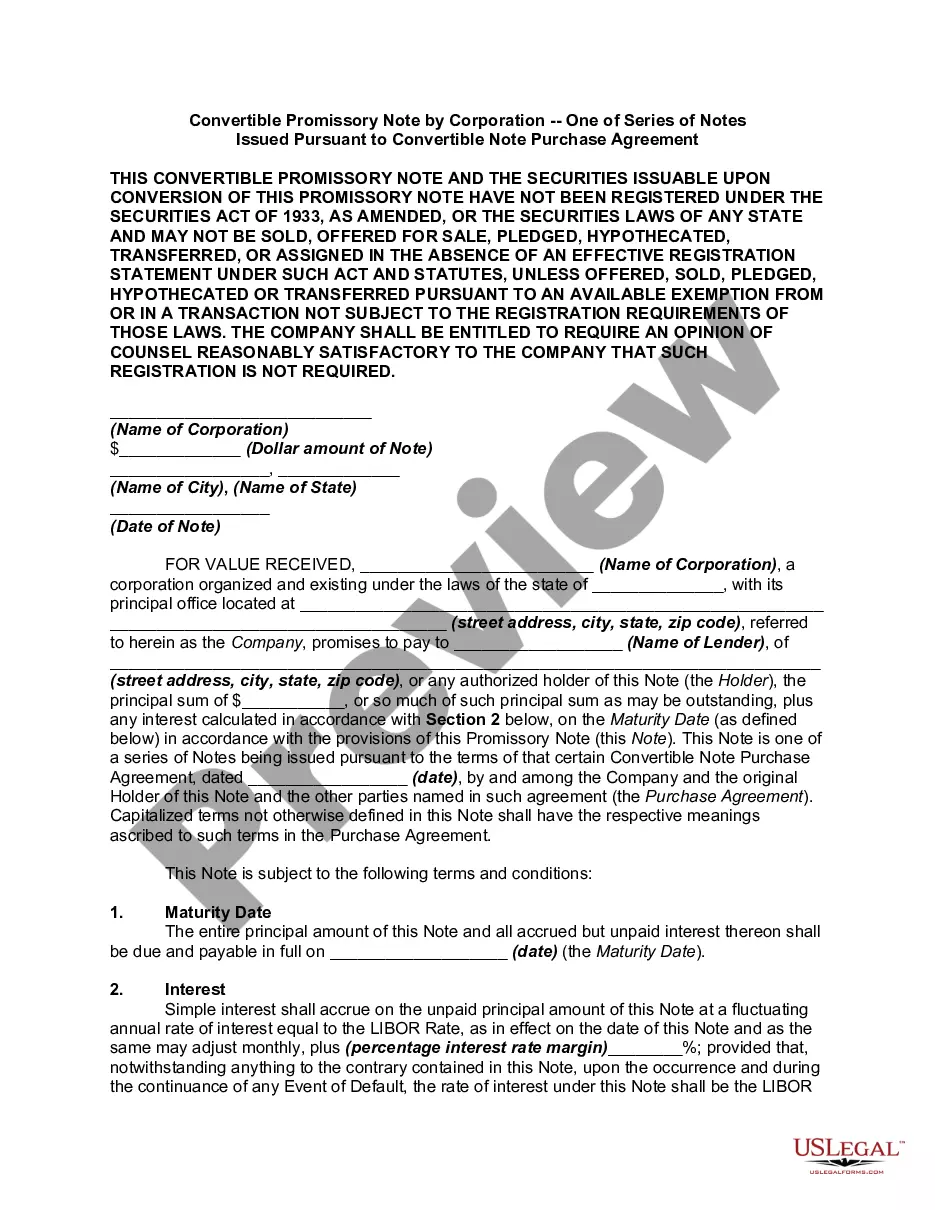
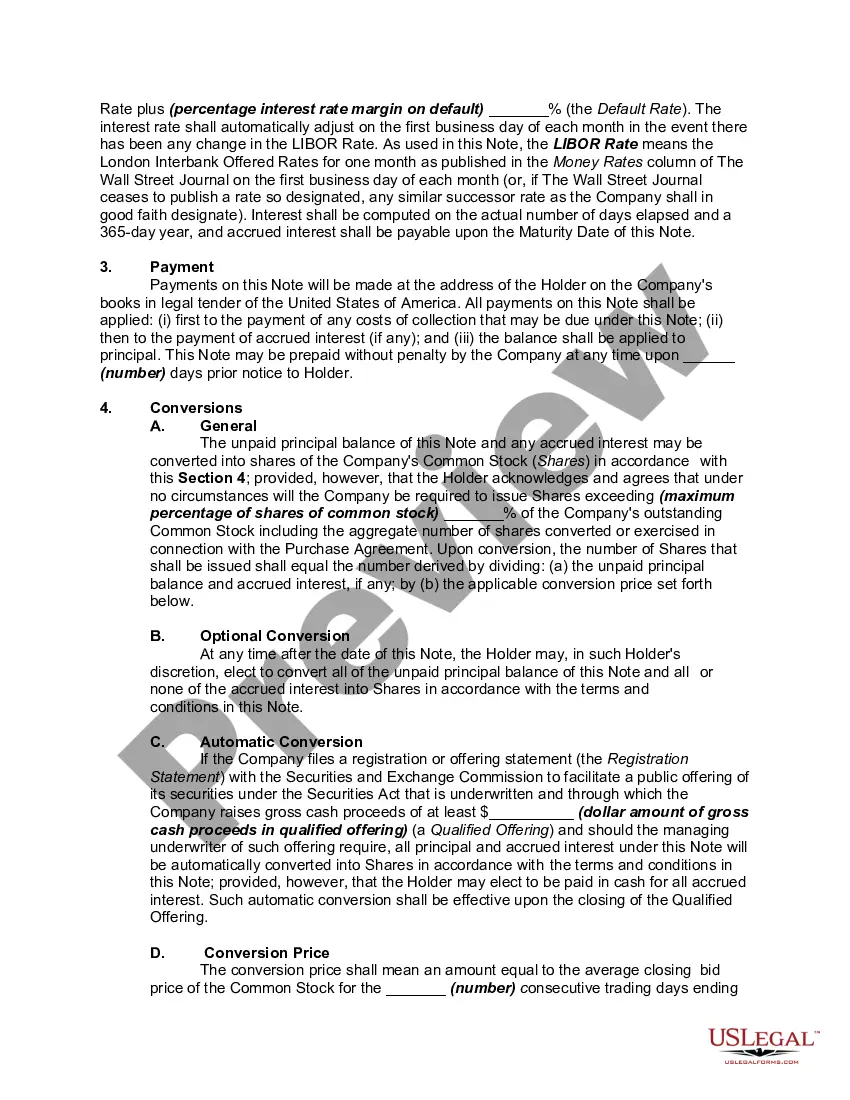
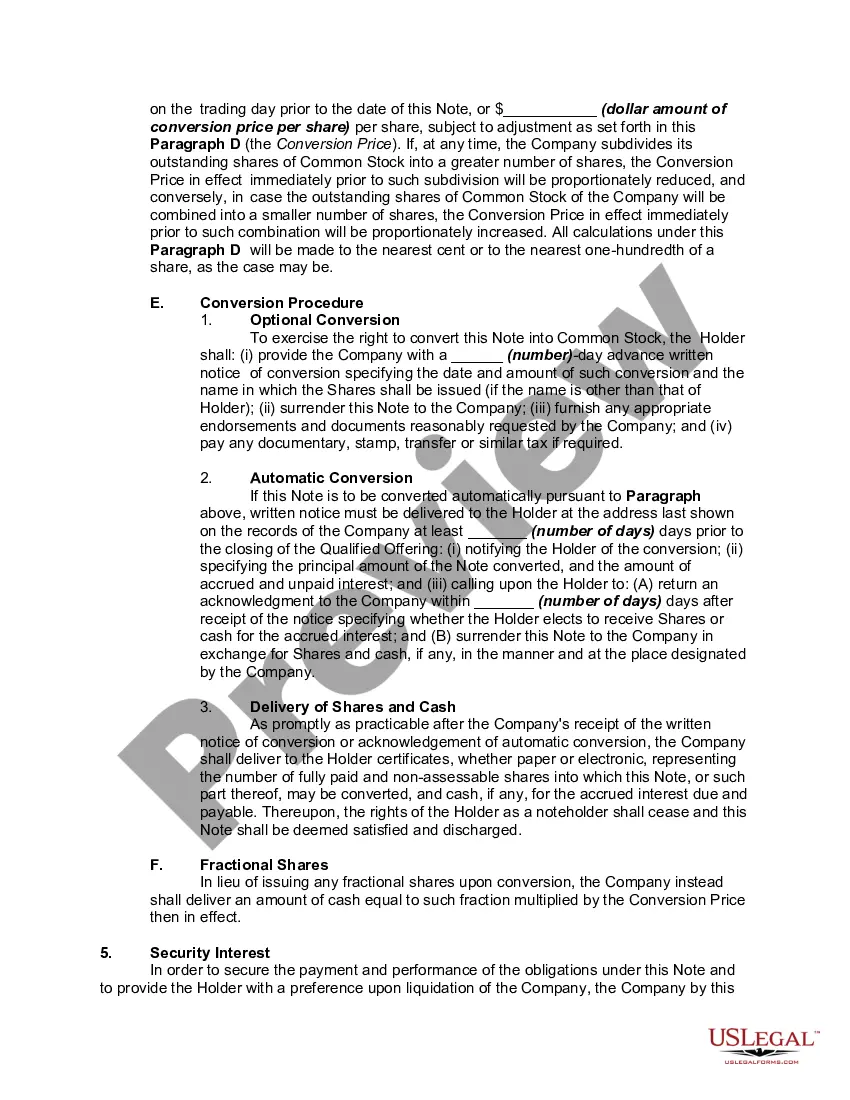
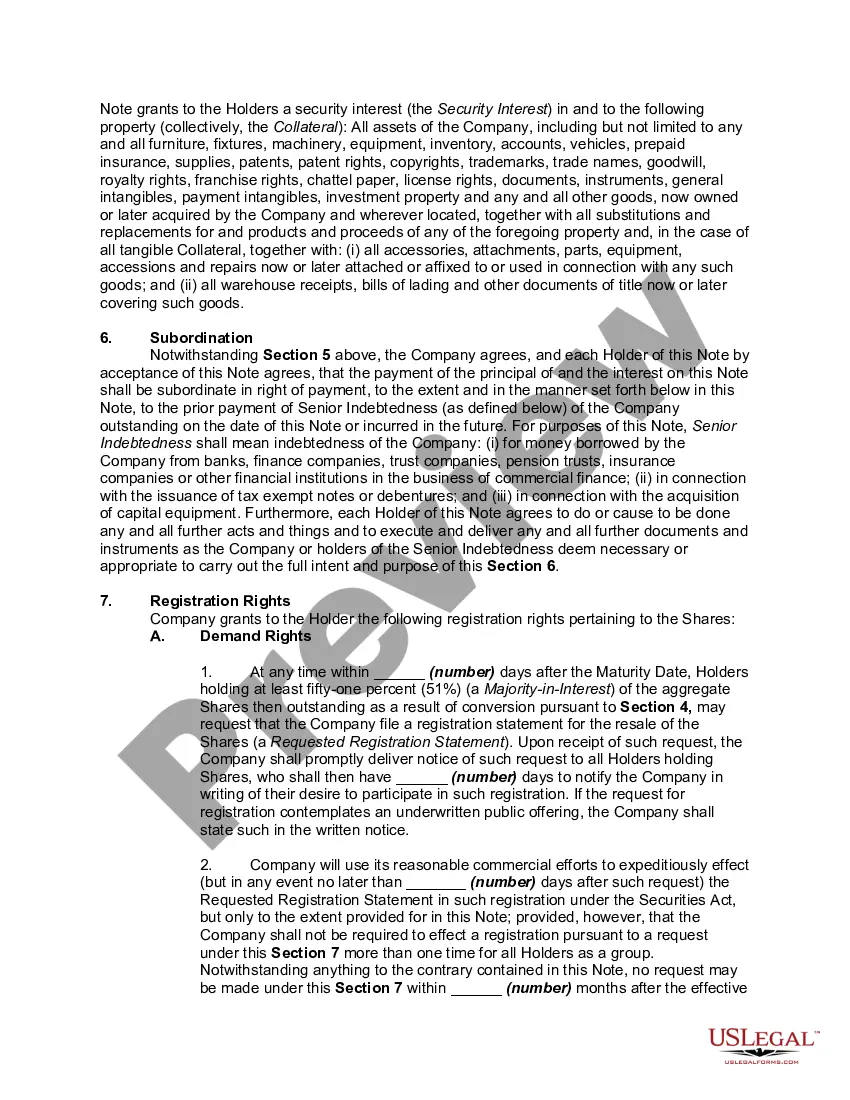
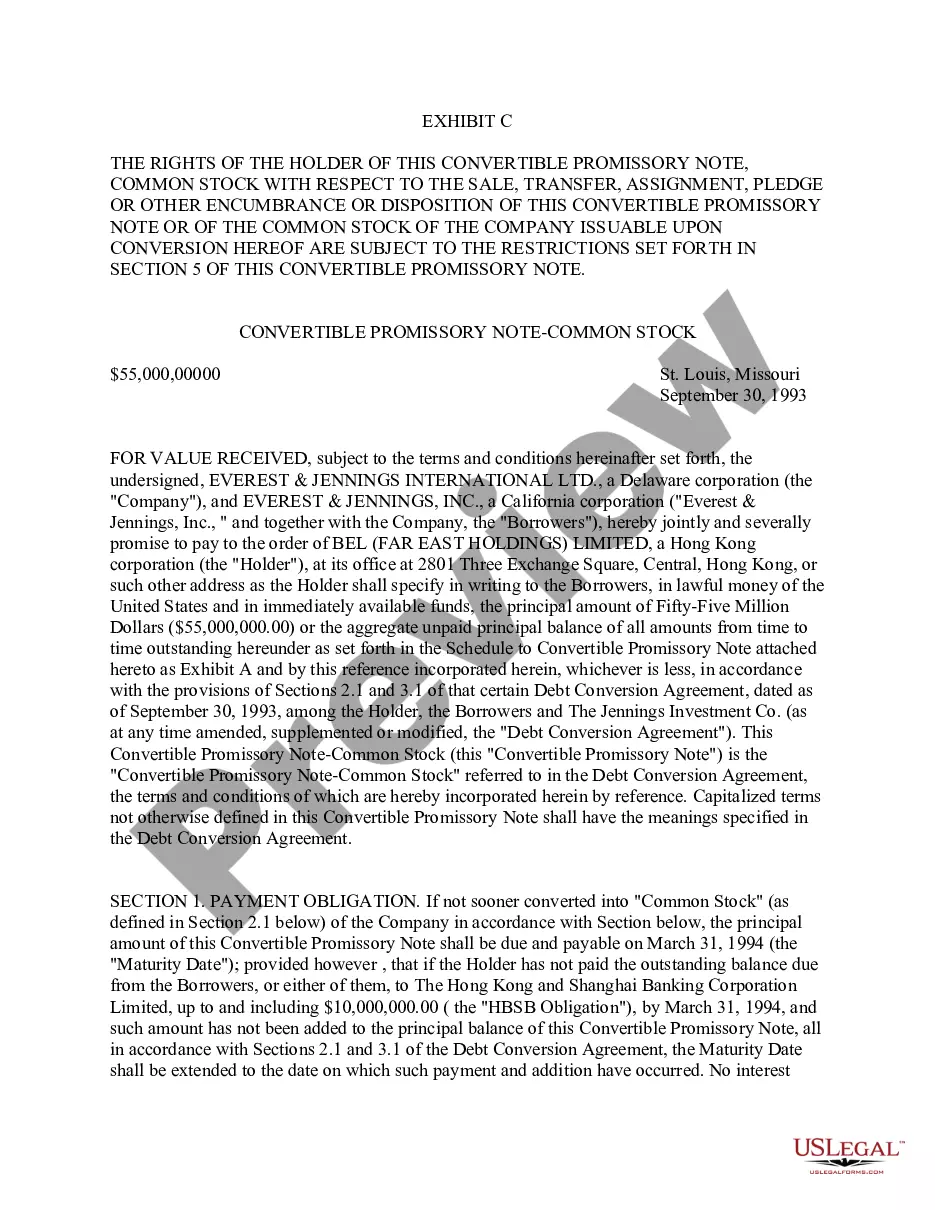
How to fill out Convertible Promissory Note By Corporation - One Of Series Of Notes Issued Pursuant To Convertible Note Purchase Agreement?
The Loan Agreement Template For Vehicle you observe on this site is a versatile legal document designed by experienced attorneys in accordance with national and local statutes and guidelines.
For over 25 years, US Legal Forms has supplied individuals, businesses, and legal practitioners with over 85,000 validated, state-specific templates for any corporate and personal circumstance.
Select the format you prefer for your Loan Agreement Template For Vehicle (PDF, Word, RTF) and download the sample to your device.
- Search for the document you require and assess it.
- Browse through the example you looked for and preview it or review the template description to ensure it meets your requirements. If it does not, utilize the search bar to locate the appropriate one. Click Purchase Now when you have located the template you need.
- Choose and Log Into your account.
- Pick the subscription plan that fits your needs and create an account. Use PayPal or a credit card for a swift payment. If you already possess an account, Log In and verify your subscription to continue.
- Acquire the editable template.
Form popularity
FAQ
A promissory note should state the names of both the borrower and lender, the total amount borrowed, repayment terms, and any interest rates agreed upon. Additionally, it should indicate the consequences of default to protect both parties. Using a promissory note template for a vehicle simplifies these requirements, clearly outlining what should be included in a well-drafted document.
Copyrights primarily protect the rights of people who create literary, dramatic, musical, artistic, and certain other original works (like history tests, and software code). Trademarks can protect the use of a company's name and its product names, brand identity (like logos), and slogans.
What is ?Copyright-Free?? ?Copyright-free? refers to a work where the artist has waived their copyright rights. This means that they still own the work, but they are not interested in collecting royalties, receiving credit for their work, or otherwise being recognized for their ownership/creation of that work.
To register a claim to copyright with the U.S. Copyright Office, the claimant must: (1) submit a properly completed application; (2) pay a nonrefundable fee; and (3) deposit the required number of copies of the works to be registered. How long does copyright protection last?
Works that no longer attract copyright protection are said to be in the public domain, and you are free to use them without restriction. That includes no restrictions on copying and adapting, no need to seek permission, and no uncertainty about your rights as a user.
The term ?public domain? refers to creative materials that are not protected by intellectual property laws such as copyright, trademark, or patent laws. The public owns these works, not an individual author or artist. Anyone can use a public domain work without obtaining permission, but no one can ever own it.
A Creative Commons (CC) license is one of several public copyright licenses that enable the free distribution of an otherwise copyrighted "work". A CC license is used when an author wants to give other people the right to share, use, and build upon a work that the author has created.
CC0 doesn't restrict who can use a CC0'd work. Once applied, anyone can use the work in any way and for any purpose, including commercial purposes, subject to rights others may have in the work or how it's used, as well as subject to any other laws or restrictions that may apply.
Well, copyright-free music is fine because it doesn't have any copyright, so you can't get a copyright claim on it. Royalty-free on the other hand does have copyright protection, so just because something is royalty-free doesn't mean it's claim-free!