Writing For Motion For New Trial
Description
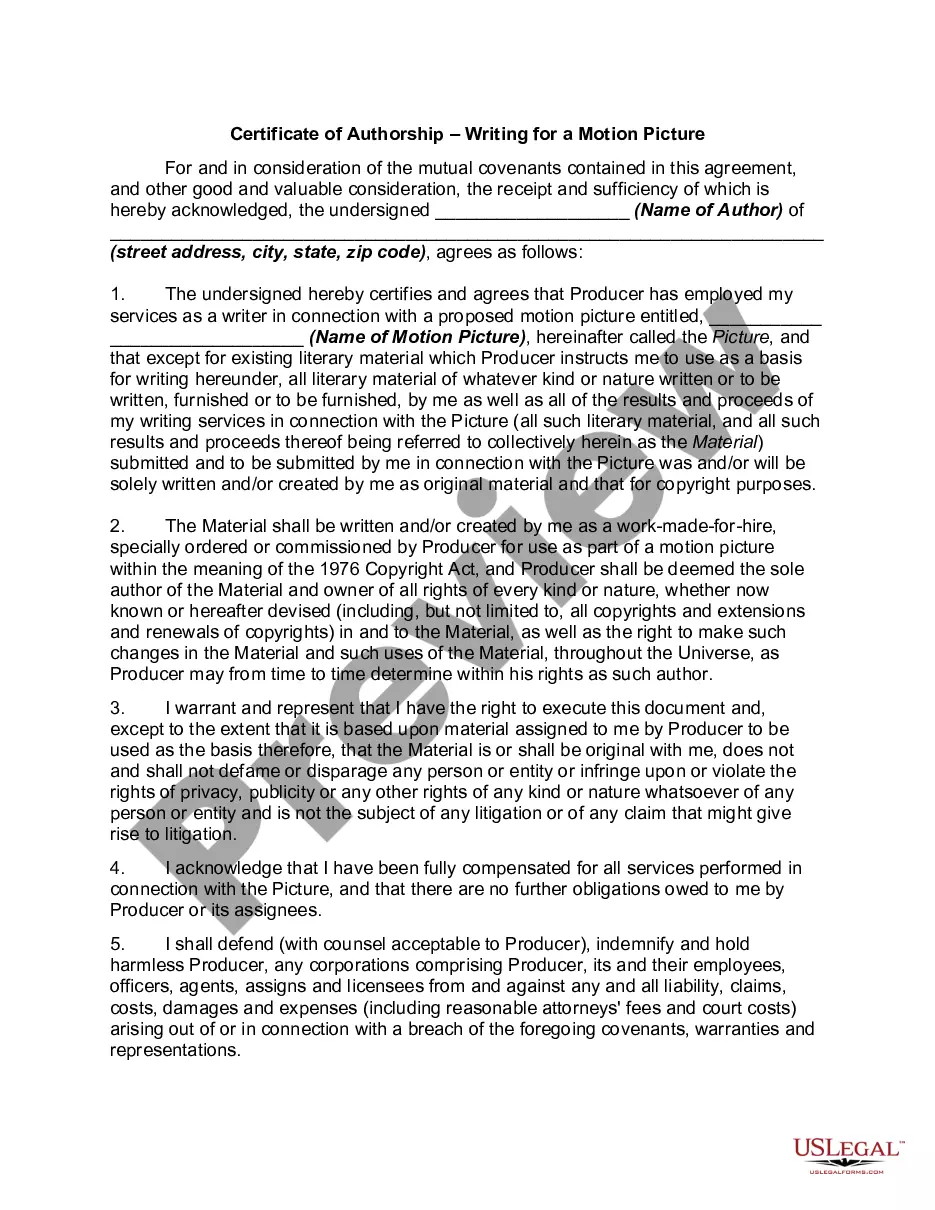
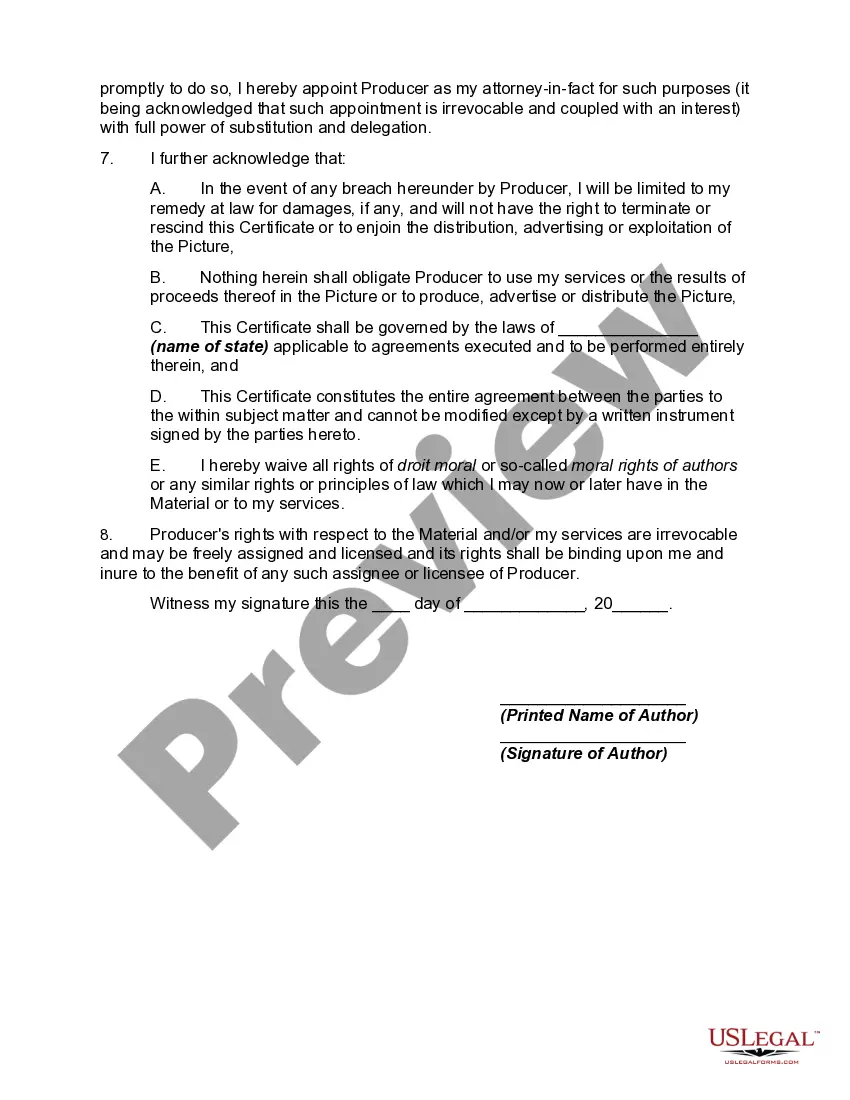
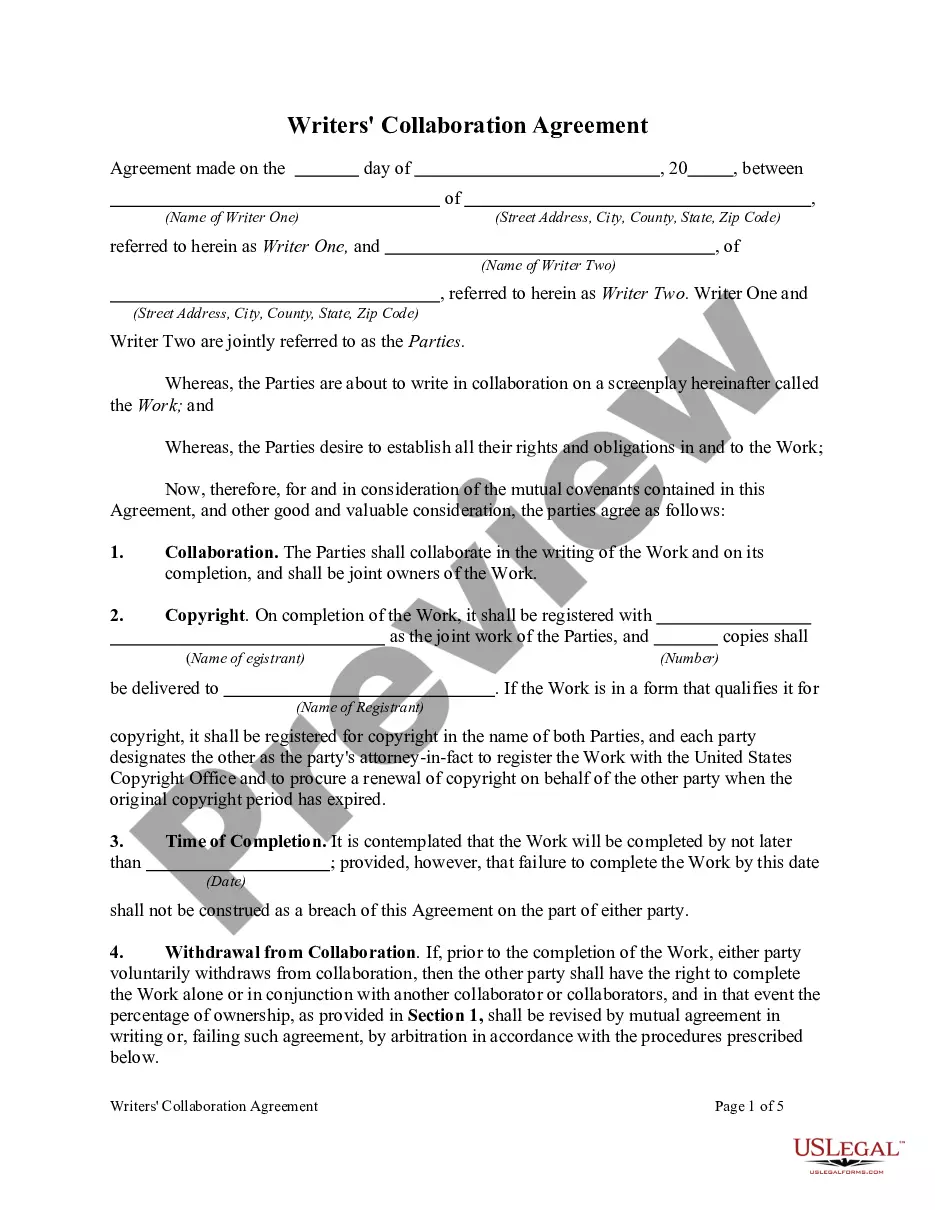
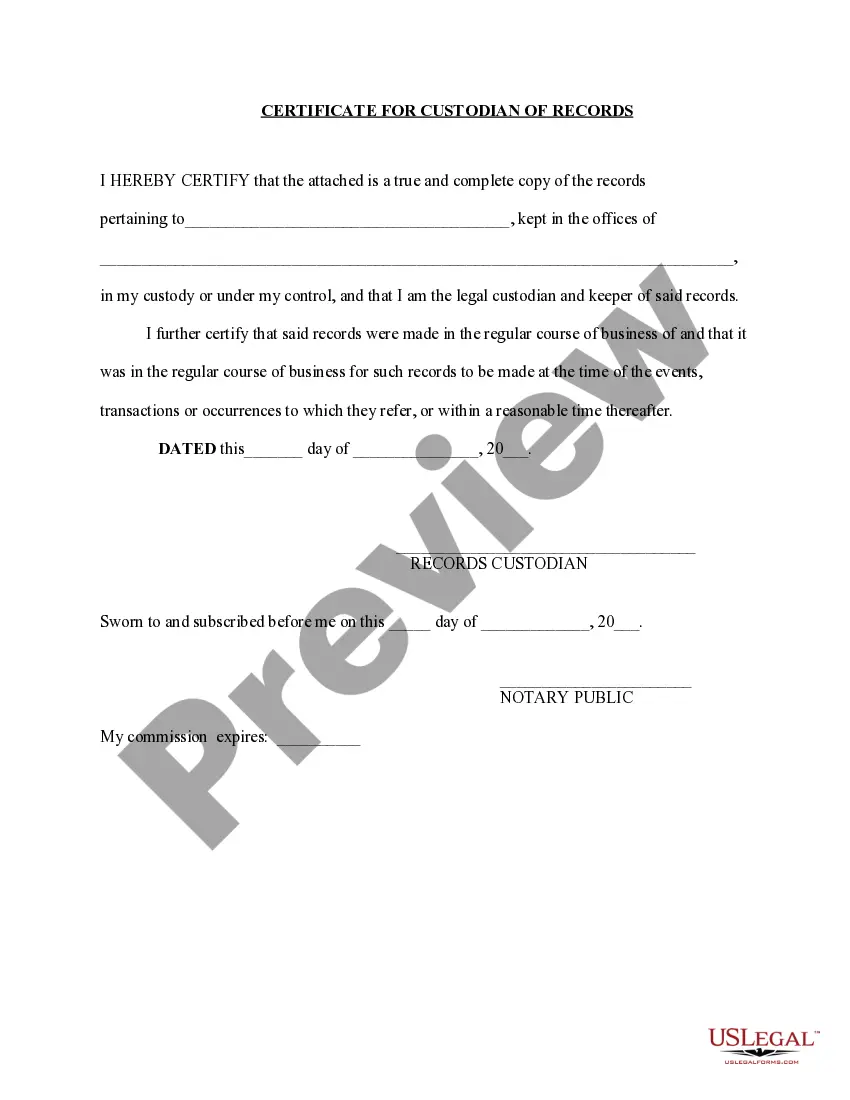
Get your form ready online
Our built-in tools help you complete, sign, share, and store your documents in one place.
Make edits, fill in missing information, and update formatting in US Legal Forms—just like you would in MS Word.
Download a copy, print it, send it by email, or mail it via USPS—whatever works best for your next step.
Sign and collect signatures with our SignNow integration. Send to multiple recipients, set reminders, and more. Go Premium to unlock E-Sign.
If this form requires notarization, complete it online through a secure video call—no need to meet a notary in person or wait for an appointment.
We protect your documents and personal data by following strict security and privacy standards.

Make edits, fill in missing information, and update formatting in US Legal Forms—just like you would in MS Word.

Download a copy, print it, send it by email, or mail it via USPS—whatever works best for your next step.

Sign and collect signatures with our SignNow integration. Send to multiple recipients, set reminders, and more. Go Premium to unlock E-Sign.

If this form requires notarization, complete it online through a secure video call—no need to meet a notary in person or wait for an appointment.

We protect your documents and personal data by following strict security and privacy standards.
Looking for another form?

How to fill out Certificate Of Authorship - Writing For A Motion Picture?
Identifying a reliable source for obtaining the most up-to-date and suitable legal templates is a significant part of navigating governmental processes.
Selecting the correct legal documents requires accuracy and meticulousness, which is why it is crucial to obtain samples of Writing For Motion For New Trial exclusively from trustworthy sources, such as US Legal Forms.
Eliminate the stress associated with your legal paperwork. Explore the extensive US Legal Forms library where you can discover legal templates, assess their applicability to your situation, and download them promptly.
- Utilize the library navigation or search function to find your example.
- View the form’s description to determine if it meets the standards of your state and locality.
- Access the form preview, if available, to confirm it is the document you require.
- Return to the search to locate the proper template if the Writing For Motion For New Trial does not fit your needs.
- If you are confident in the form’s pertinence, download it.
- As a registered user, click Log in to verify and access your selected forms in My documents.
- If you haven’t created a profile yet, click Buy now to acquire the template.
- Select the pricing option that suits your requirements.
- Continue to the registration to finalize your purchase.
- Complete your purchase by choosing a payment method (credit card or PayPal).
- Select the file format for downloading Writing For Motion For New Trial.
- Once the form is on your device, you can edit it using the editor or print and complete it manually.
Form popularity
FAQ
The importance of writing for a motion for new trial lies in its potential to overturn a previous verdict or decision. A well-crafted motion can present new evidence or argue significant legal errors, making it crucial for a favorable outcome. Clear and convincing writing increases the likelihood that the court will consider your request seriously. Utilizing resources from USLegalForms can enhance your writing process, leading to a more compelling case.
Writing a simple motion requires clarity and structure. Start with a clear title, followed by a brief introduction stating the purpose. In the case of writing for motion for new trial, include your reasons, supported by facts and evidence. Platforms like USLegalForms offer templates that can guide you in creating an effective and straightforward motion.
Asking for a motion in court begins with filing your written request, known as a motion. You must ensure that your motion meets the prescribed legal standards and includes all required supporting documents. Writing for motion for new trial often involves formal phrasing and a respectful tone, as this reflects the seriousness of your request. Remember to check court rules for specific procedures.
To start writing a motion, first identify the purpose of your request and gather all necessary details. Craft a well-structured outline that includes essential elements, such as the caption, introduction, statement of facts, and legal argument. When writing for motion for new trial, be clear and concise in presenting your case. Using templates from platforms like USLegalForms can simplify this process.
An example of a motion is a motion for a new trial. This request asks the court to conduct a new trial based on specific grounds such as newly discovered evidence or procedural errors. Writing for motion for new trial involves outlining your reasons clearly and supporting them with relevant information or legal precedents. By doing this, you increase your chances of obtaining a successful outcome.
A rule 33 motion for a new trial pertains to seeking a new trial based on newly discovered evidence that could not have been presented during the original trial. This rule allows the court to reconsider the case if the new evidence significantly alters the outcome. Writing for motion for new trial involves demonstrating why this new evidence could change the verdict. Consider using USLegalForms to ensure that your motion adheres to the necessary guidelines and formats.
Writing for motion for new trial begins with a clear and concise introduction. You should include the title of the motion, the court name, and the case number at the top of your document. It's essential to define the purpose of the motion briefly, indicating that you are requesting a new trial due to specific grounds. Clarity in the opening sets a positive tone for the rest of the motion.
Making a motion correctly involves more than just writing; it includes following legal protocols. First, ensure your motion is fully researched and presents a strong case for a new trial. During the hearing, present your arguments persuasively, referencing your written motion. Always remember, preparation and attention to detail are critical for success.
The proper way to write a motion includes following legal formatting rules and articulating your request clearly. Identify the key issues that warrant a new trial and frame your arguments logically. Use precise language to avoid ambiguity, making sure each point is well-supported and substantiated by evidence. This approach enhances the likelihood of the motion being taken seriously.
Writing a letter to the judge may not be the best approach when writing for a motion for new trial. Formal motions are preferred as they follow legal procedures and ensure your arguments are officially recorded. If you believe there are compelling reasons for a new trial, focusing on a well-prepared motion is generally more effective and appropriate.