Sublease Agreement
Description
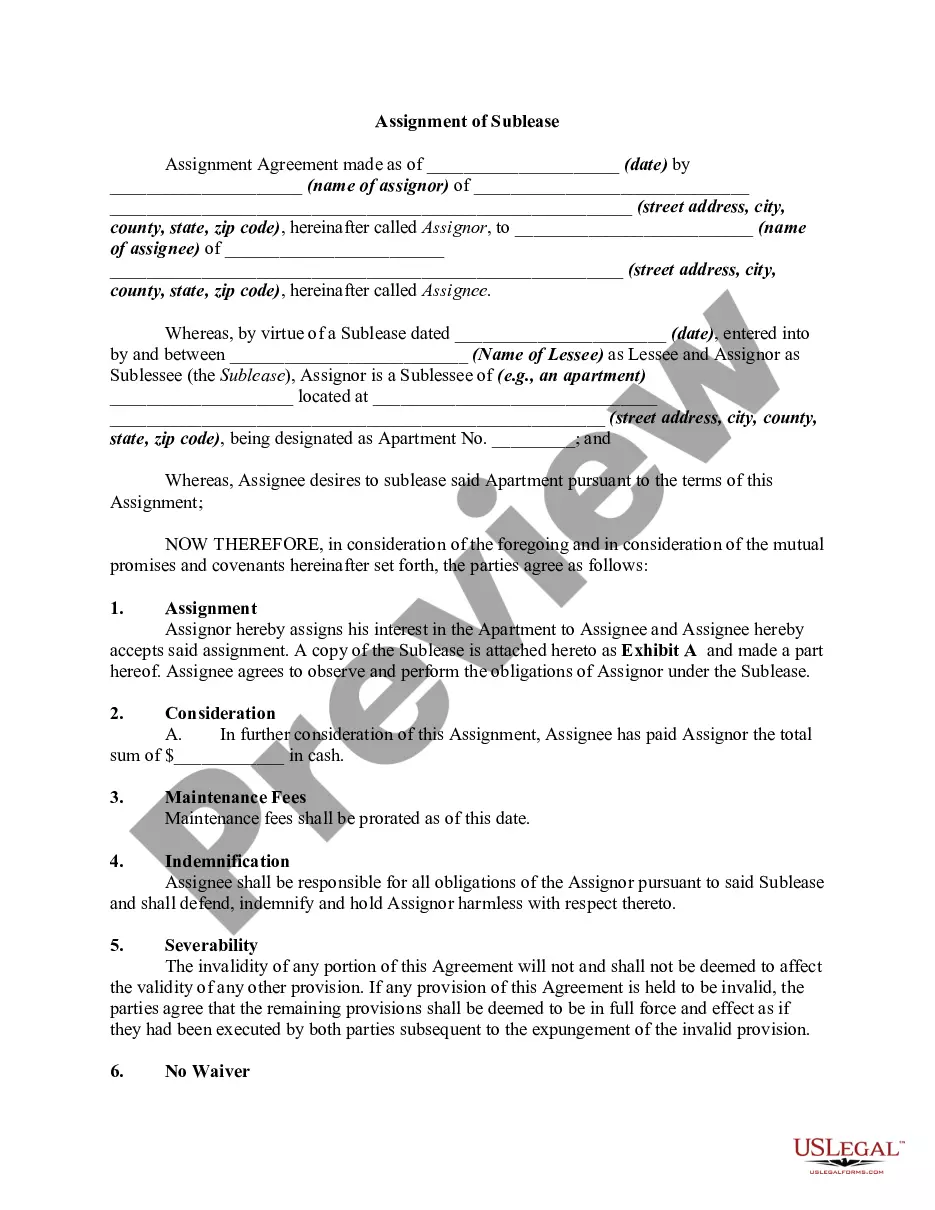
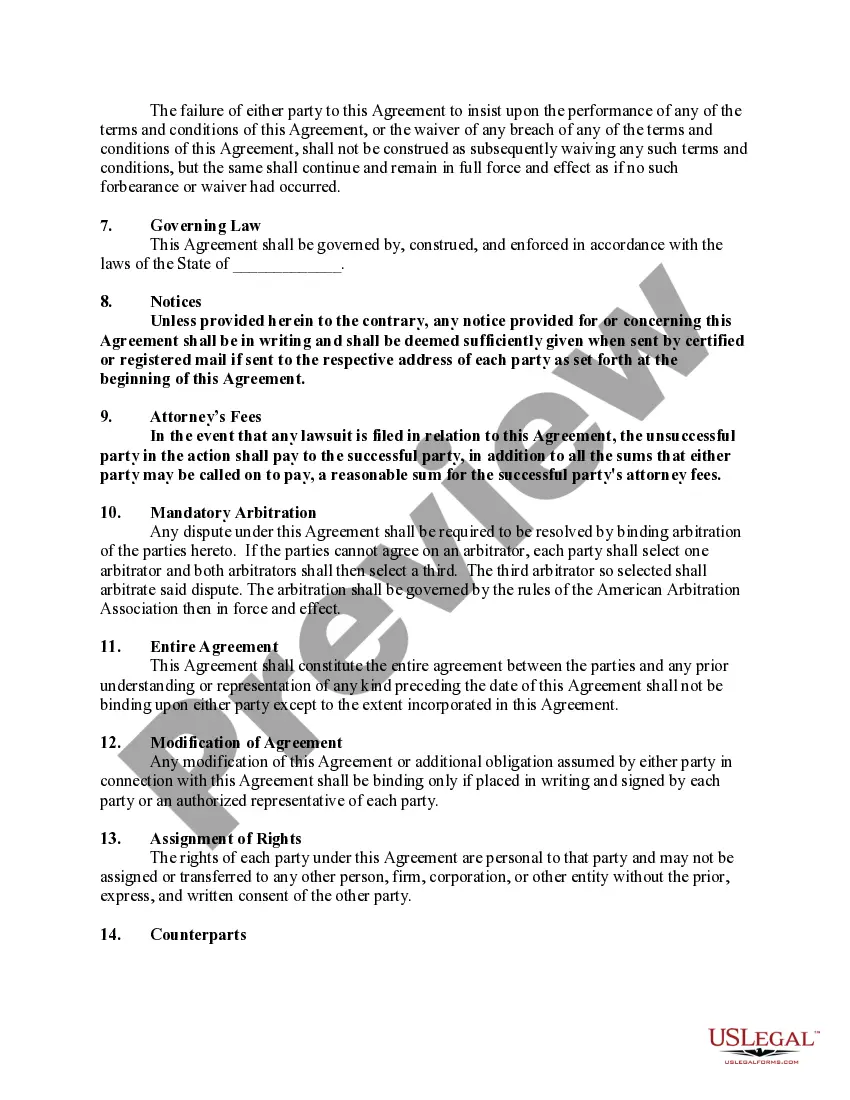
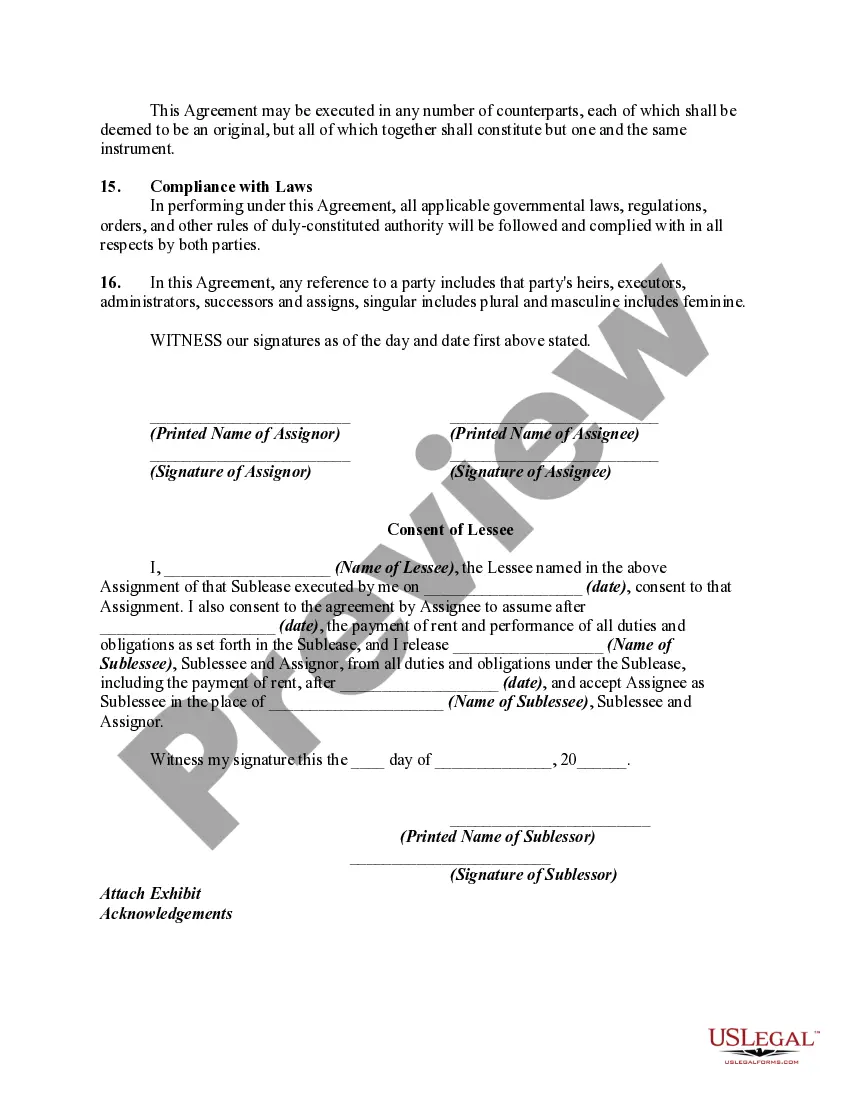
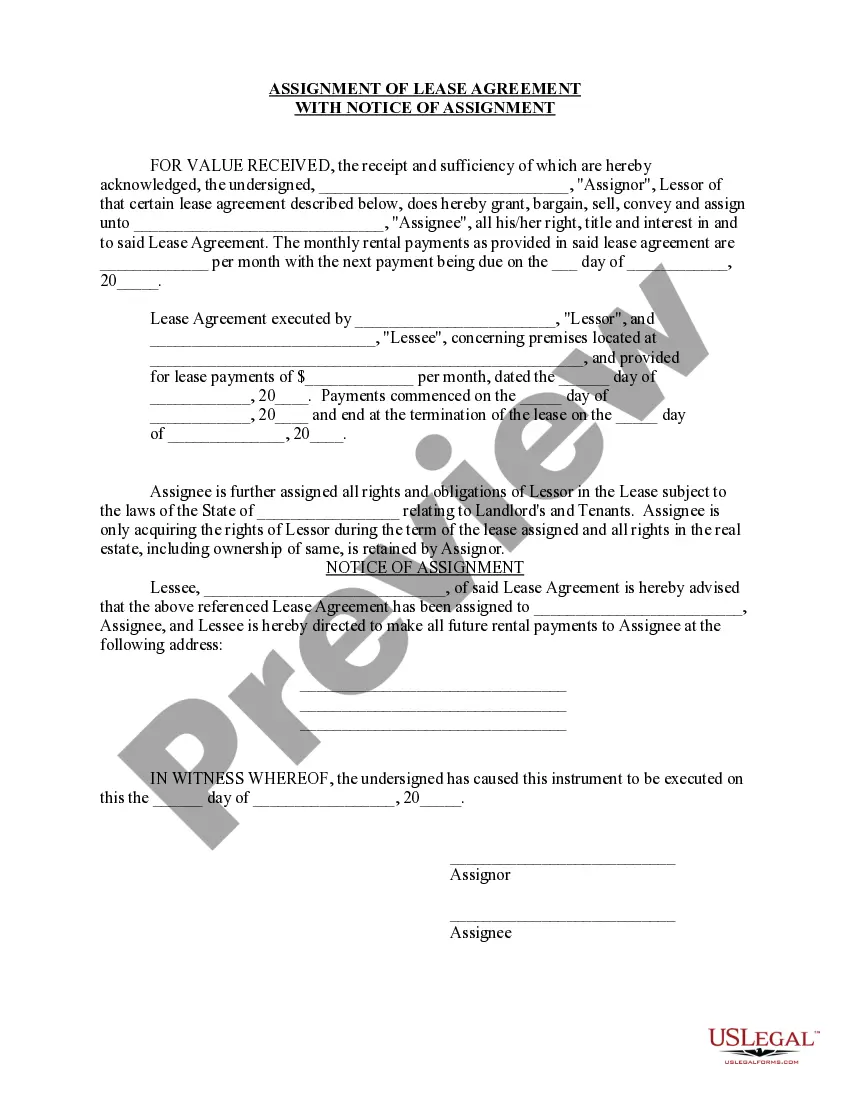
Get your form ready online
Our built-in tools help you complete, sign, share, and store your documents in one place.
Make edits, fill in missing information, and update formatting in US Legal Forms—just like you would in MS Word.
Download a copy, print it, send it by email, or mail it via USPS—whatever works best for your next step.
Sign and collect signatures with our SignNow integration. Send to multiple recipients, set reminders, and more. Go Premium to unlock E-Sign.
If this form requires notarization, complete it online through a secure video call—no need to meet a notary in person or wait for an appointment.
We protect your documents and personal data by following strict security and privacy standards.

Make edits, fill in missing information, and update formatting in US Legal Forms—just like you would in MS Word.

Download a copy, print it, send it by email, or mail it via USPS—whatever works best for your next step.

Sign and collect signatures with our SignNow integration. Send to multiple recipients, set reminders, and more. Go Premium to unlock E-Sign.

If this form requires notarization, complete it online through a secure video call—no need to meet a notary in person or wait for an appointment.

We protect your documents and personal data by following strict security and privacy standards.
Looking for another form?



How to fill out Assignment Of Sublease?
- Log in to your US Legal Forms account if you are a returning user. Ensure your subscription is active; if it’s not, renew it per your payment preferences.
- For new users, start by previewing the sublease agreement template. Verify that it aligns with your local jurisdiction's requirements.
- If the initial template doesn’t suit your needs, use the Search function to locate an appropriate sublease agreement that meets your criteria.
- Purchase your selected document by clicking the Buy Now button and choosing the subscription plan that fits your needs. You will need to create an account to access the resources.
- Complete the transaction by entering your payment information via credit card or PayPal.
- Finally, download your completed sublease agreement. Save it on your device, and it will also appear in the My Forms section of your profile for future reference.
With US Legal Forms, you benefit from a user-friendly platform that offers more than 85,000 editable legal forms and access to premium experts, ensuring your documents are accurate and compliant.
Start your legal journey today by visiting US Legal Forms and secure your sublease agreement now!
Form popularity
FAQ
A sublease agreement is a legal document that allows the original tenant to rent out their leased property to another party, known as a subtenant. This agreement outlines the terms of the sublease, including duration, rental amount, and responsibilities of both parties. It serves to protect both the original tenant and the subtenant, ensuring there are no misunderstandings. You can find templates for a sublease agreement on US Legal Forms to make the process easier.
A lease is a direct agreement between a landlord and a tenant, granting the tenant the right to use the property for a specified term. In contrast, a sublease involves the original tenant renting out the property to another person, while still being responsible to the landlord. Essentially, the original tenant becomes a landlord to the subtenant. Understanding these differences can help you navigate contracts on platforms like US Legal Forms.
Subleasing allows you to rent out your leased space to another tenant, while still maintaining your lease responsibilities. This process involves drafting a sublease agreement that outlines the terms for the new tenant. Both you and the new tenant must understand the conditions, duration, and payment structure involved. Using USLegalForms simplifies this task by providing templates that ensure your sublease agreement complies with legal standards.
Getting a sublease can be straightforward when you understand the process and have a solid sublease agreement in place. Begin by checking your existing lease for any restrictions on subleasing. Once you're clear on the rules, you can find a replacement tenant through posted ads or word of mouth. Utilizing platforms like USLegalForms can also streamline your search and help you create a comprehensive sublease agreement.
Subleasing can be seen as a bad idea due to the potential for liability and miscommunication between the original tenant and the subtenant. If issues arise, the original tenant might find themselves responsible for actions taken by the subtenant, regardless of their agreement. Therefore, careful consideration and clear terms in the sublease agreement are essential for avoiding future complications.
An example of a sublease clause might state that the subtenant must abide by the rulesoutlined in the original lease. This clause should specifically mention consequences for non-compliance, ensuring that the subtenant understands they are stepping into an agreement that inherits existing obligations. Including such clauses in your sublease agreement helps protect the interests of both the primary tenant and the landlord.
To write a subleasing agreement, begin by including the full names of the original tenant and subtenant, along with the property address. Clearly outline all terms, including rent, duration of the sublease, and responsibilities related to maintenance and utilities. Utilizing a professional template, like those provided by USLegalForms, can help ensure all crucial elements are included and legally binding.
Landlords often feel that subletting undermines their control over the property. They worry about the reliability and responsibility of subtenants, who may not have the same vested interest in maintaining the property as the original tenant. Additionally, subletting can create legal complexities and disputes if not managed properly within the sublease agreement.
Many landlords dislike subleasing because it can introduce uncertainty regarding who is living in their property. They may worry that subtenants will not care for the home as well as the original tenant, potentially leading to damages or unpaid rent. Furthermore, if the subtenant violates any rules, landlords could face complications in addressing the issue.
Yes, a landlord can decline a sublease, especially if the original lease has specific terms regarding subletting. Typically, landlords want to maintain control over who resides on their property. Therefore, if the potential subtenant does not meet the landlord’s approval criteria, the landlord can rightfully refuse the sublease agreement.