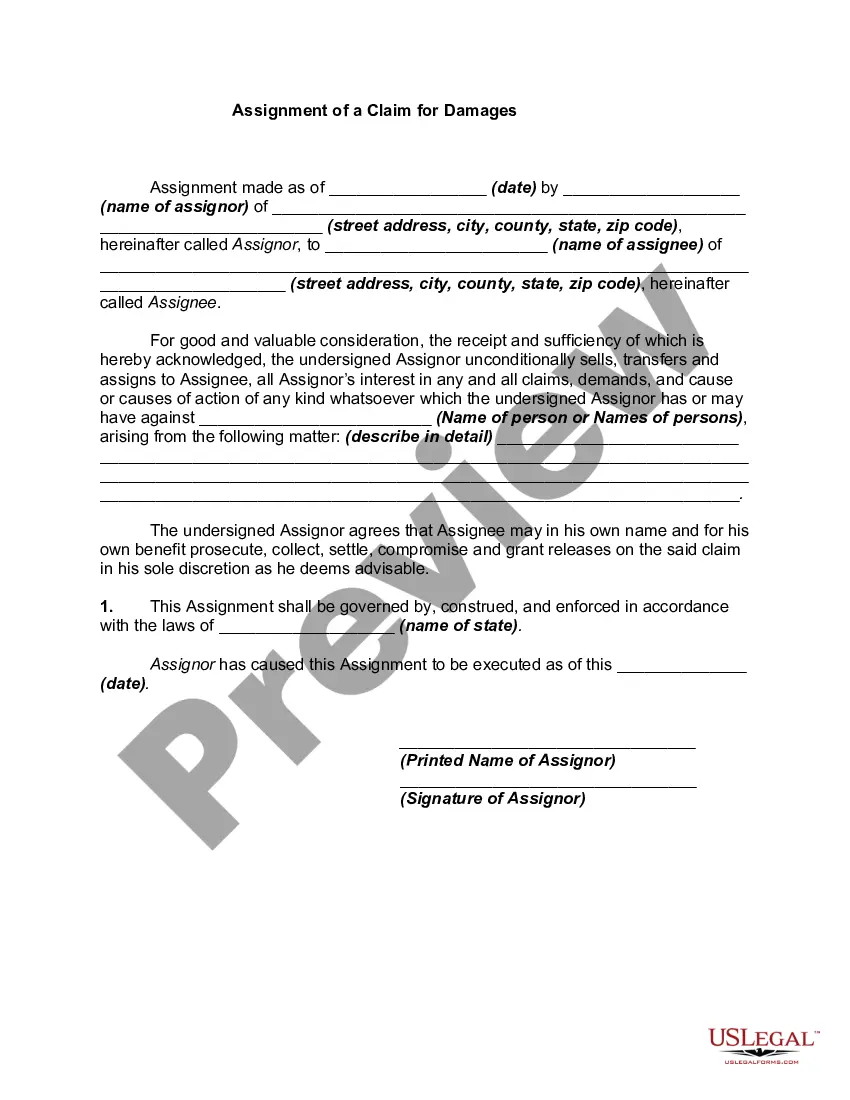
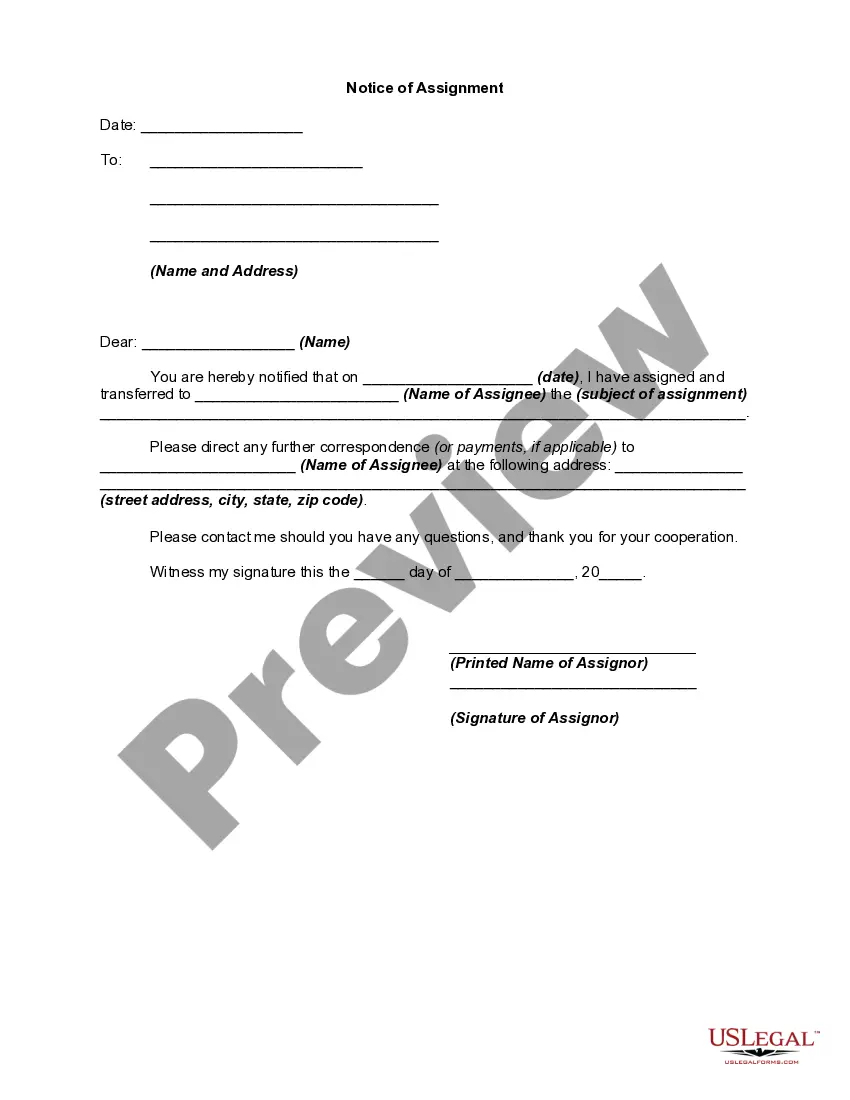
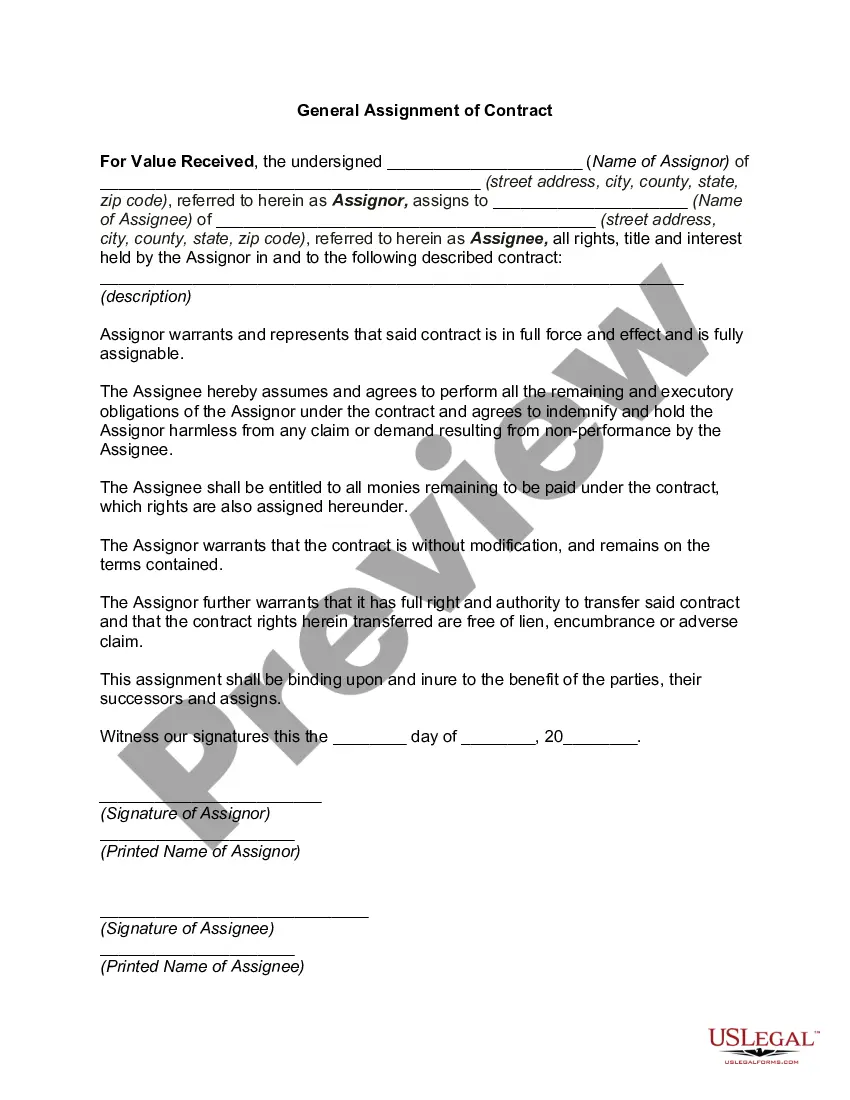
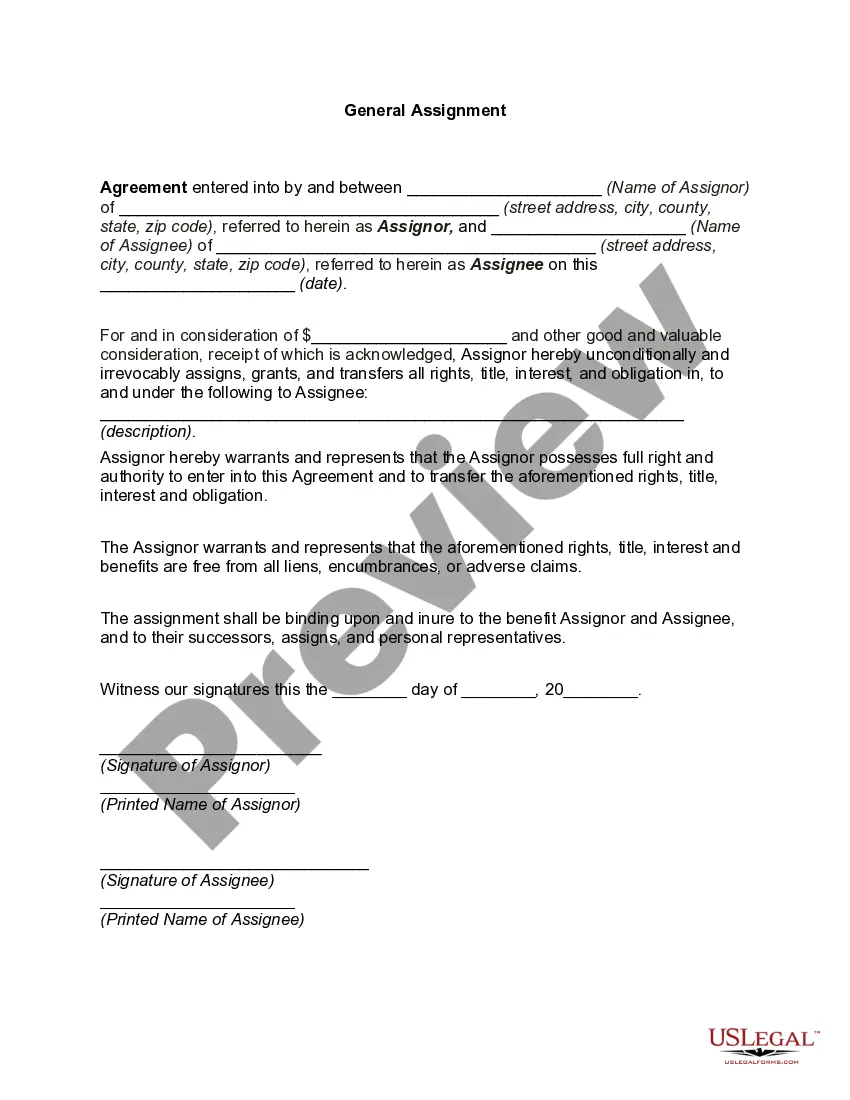
Claim Damages File With Court
Description
Get your form ready online
Our built-in tools help you complete, sign, share, and store your documents in one place.
Make edits, fill in missing information, and update formatting in US Legal Forms—just like you would in MS Word.
Download a copy, print it, send it by email, or mail it via USPS—whatever works best for your next step.
Sign and collect signatures with our SignNow integration. Send to multiple recipients, set reminders, and more. Go Premium to unlock E-Sign.
If this form requires notarization, complete it online through a secure video call—no need to meet a notary in person or wait for an appointment.
We protect your documents and personal data by following strict security and privacy standards.

Make edits, fill in missing information, and update formatting in US Legal Forms—just like you would in MS Word.

Download a copy, print it, send it by email, or mail it via USPS—whatever works best for your next step.

Sign and collect signatures with our SignNow integration. Send to multiple recipients, set reminders, and more. Go Premium to unlock E-Sign.

If this form requires notarization, complete it online through a secure video call—no need to meet a notary in person or wait for an appointment.

We protect your documents and personal data by following strict security and privacy standards.
Looking for another form?
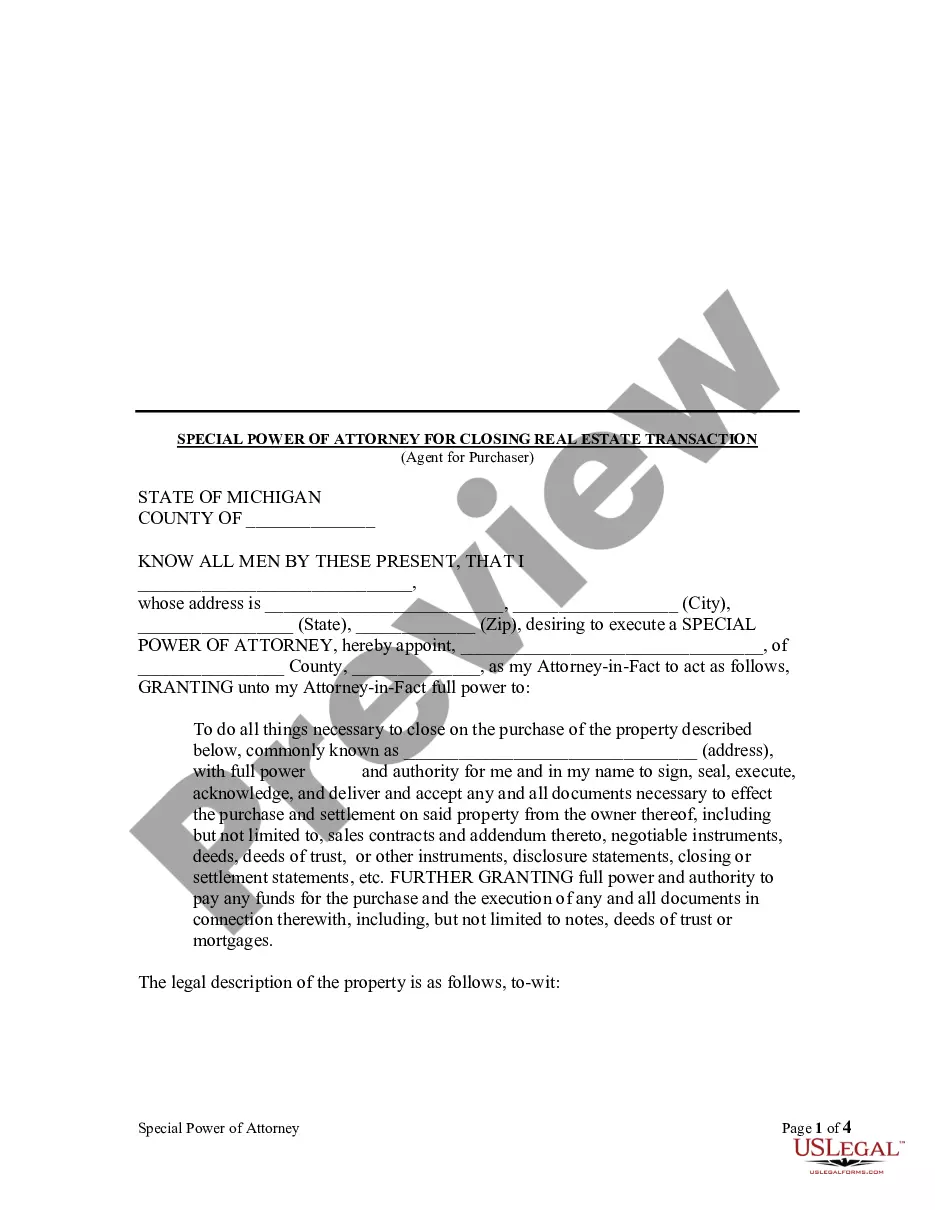
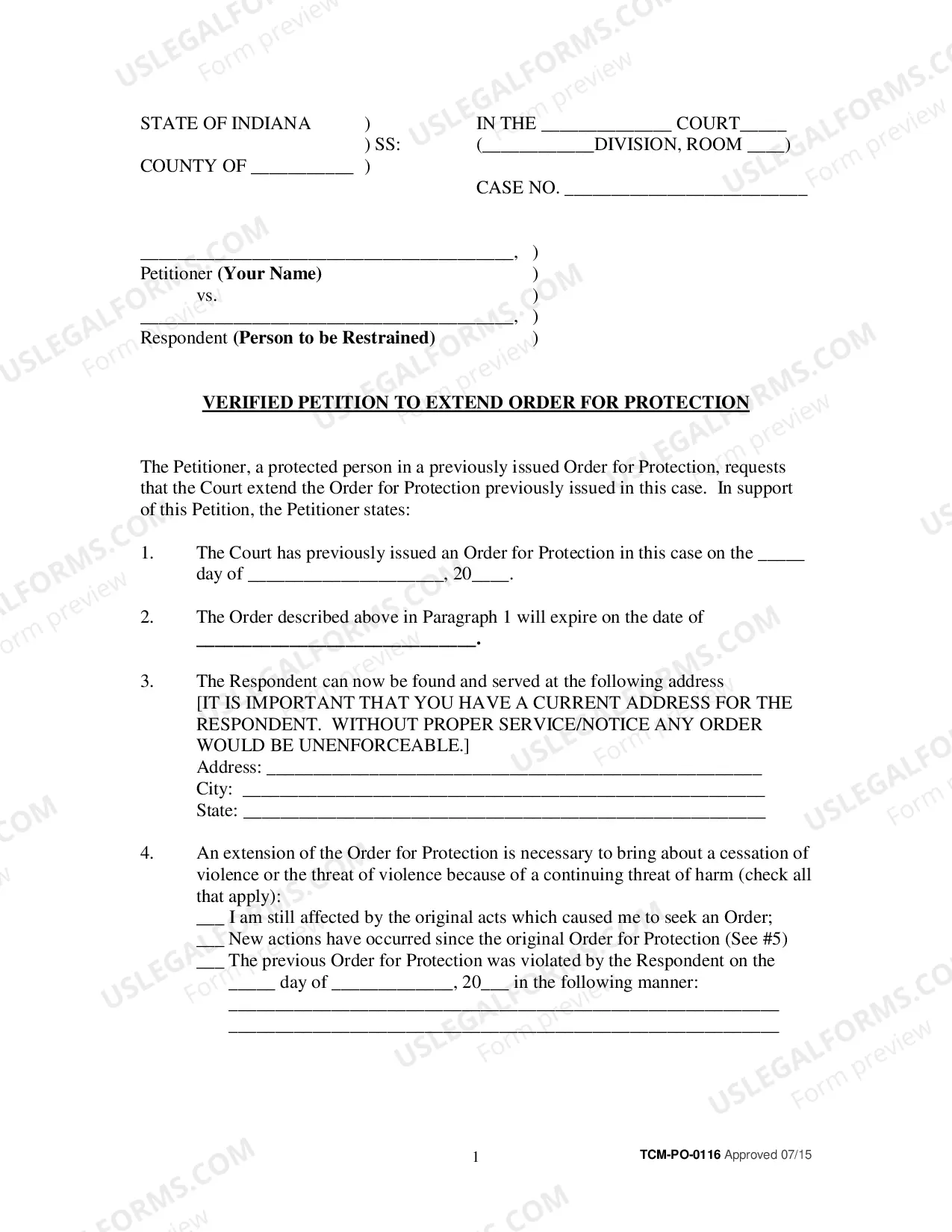
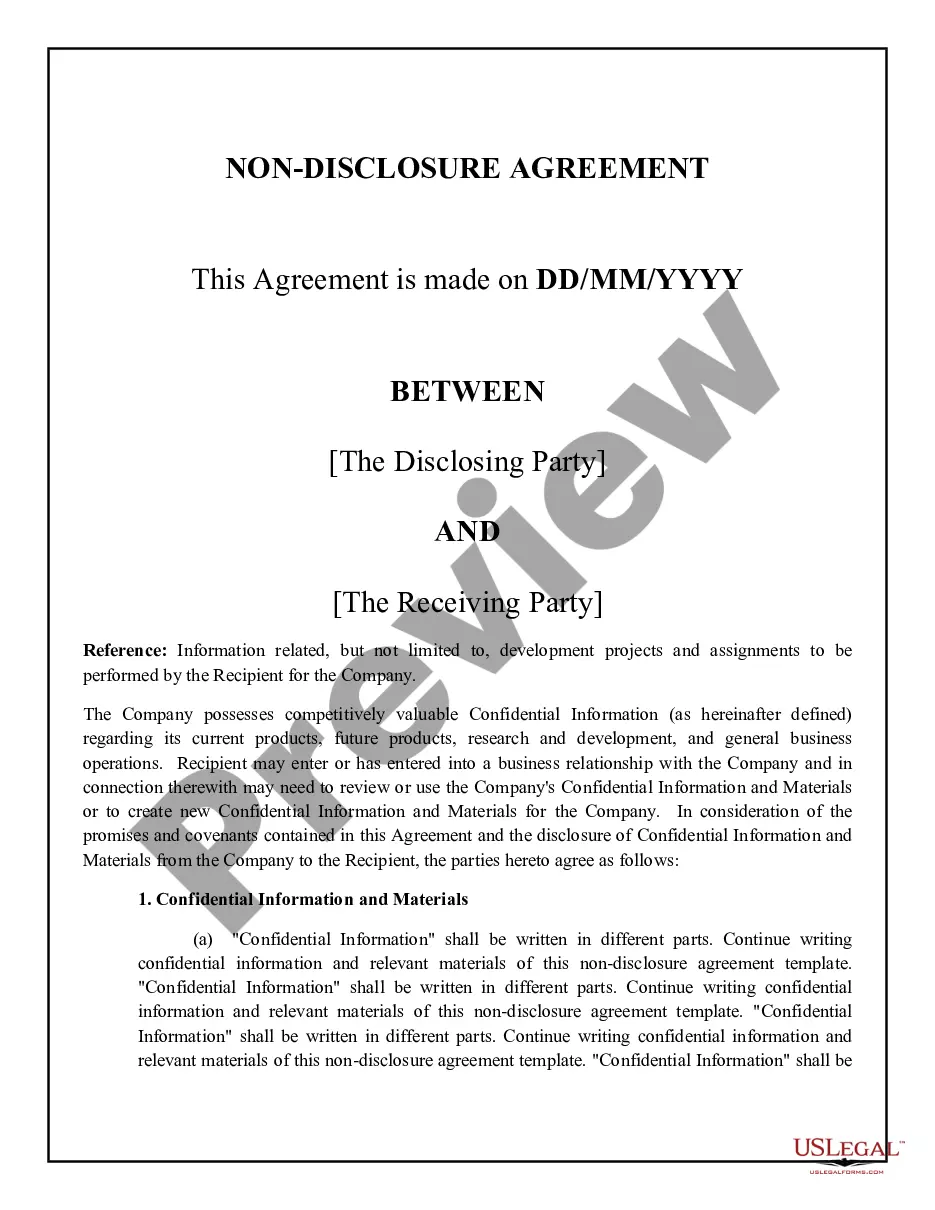




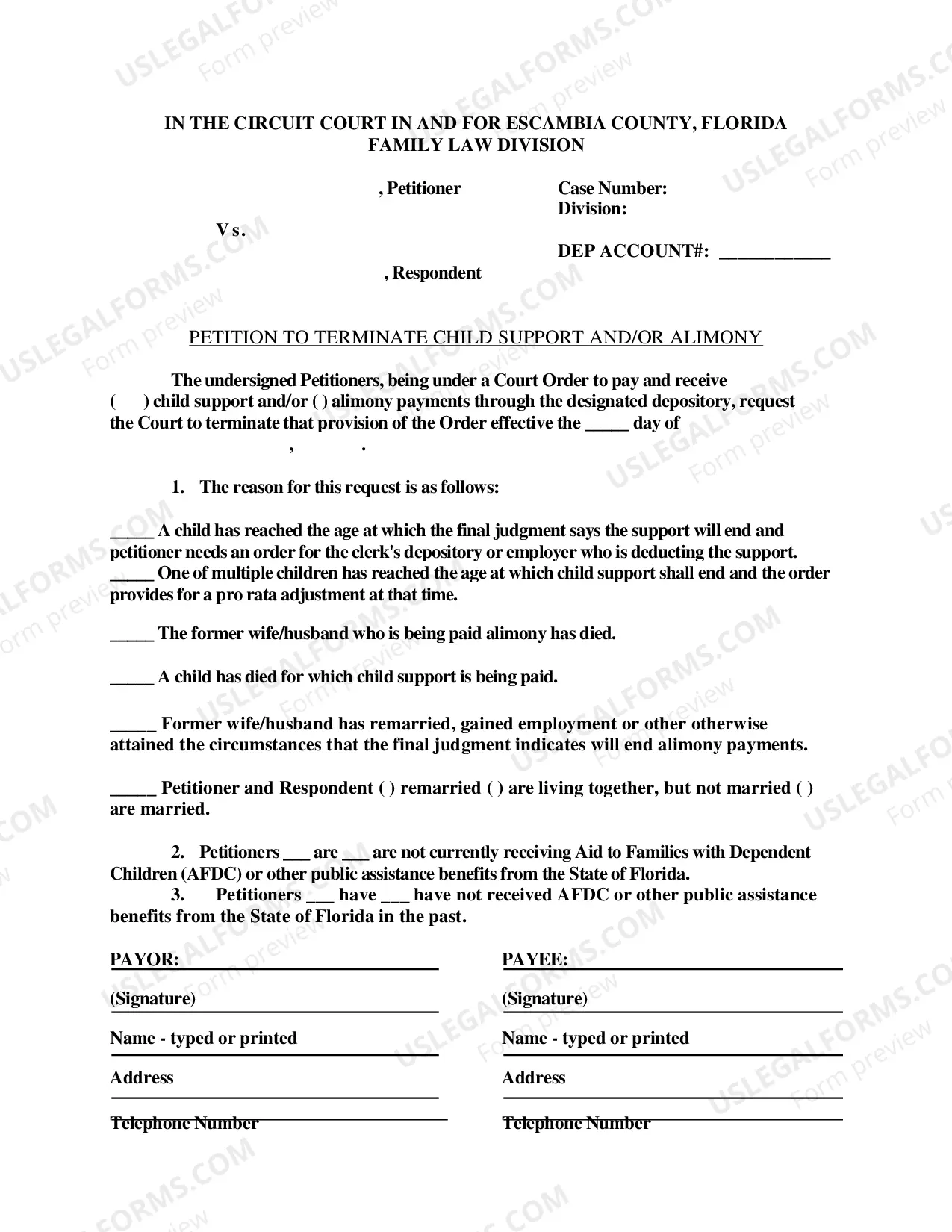
How to fill out Assignment Of A Claim For Damages?
Utilizing legal templates that adhere to federal and local laws is essential, and the web provides countless options to choose from.
However, what's the benefit of spending time searching for the right Claim Damages File With Court template online when the US Legal Forms online library has compiled such templates all in one location.
US Legal Forms is the premier online legal repository with more than 85,000 fillable templates created by attorneys for any professional and personal situation.
- They are simple to navigate with all documents categorized by state and intended use.
- Our specialists stay informed on legislative changes, ensuring that your documents are always current and compliant when obtaining a Claim Damages File With Court from our site.
- Getting a Claim Damages File With Court is fast and straightforward for both existing and new users.
- If you already possess an account with an active subscription, sign in and download the document sample you need in your desired format.
- If you're a newcomer to our site, follow these steps.
Form popularity
FAQ
To claim damages means to formally request compensation for harm or loss incurred due to another party's actions. This process often involves filing a claim damages file with court, where legal proceedings take place to determine the amount owed. It is essential to prepare your case thoroughly to ensure the best possible outcome.
Implied warranties deal with the product at the time it is purchased. Generally, customers have four years to enforce an implied warranty claim. Merchants of used goods also give implied warranties.
Implied warranties are different from written or express warranties because their existence comes from New Hampshire Supreme Court decisions as opposed to New Hampshire legislative statutes. So, implied warranties are not created by an agreement between the parties, but are imposed by law on the basis of public policy.
New Hampshire's principal consumer protection law is called "Regulation of Business Practices for Consumer Protection" but it is commonly known as the "Consumer Protection Act." The Consumer Protection Act is patterned after the Federal Trade Commission Act and, like its federal counterpart, the New Hampshire law ...
To request forms, please email forms@dra.nh.gov or call the Forms Line at (603) 230-5001. If you have a substantive question or need assistance completing a form, please contact Taxpayer Services at (603) 230-5920.
The Law. New Hampshire, unlike many other states, permits the sale of so-called "unsafe" vehicles which cannot pass state inspection when sold. New Hampshire's Unsafe Vehicle Act (RSA 358 F) gives consumers several important legal rights in the sale of such used vehicles.
New Hampshire does not issue titles for vehicles that have a model year of 1999 or older, except for heavy trucks with three (3) axles or more, or truck tractors whose gross vehicle weight exceeds 18,000 pounds which must always be titled regardless of age.
The fine for a violation of this section shall be $60.
Maryland car dealers are required to have a used car pass the Maryland Safety Inspection (Read about it on the MVA's website) (?MSI?) before they sell the vehicle to a consumer who is going to register the car in Maryland.
The Law. Under New Hampshire law, your right to return merchandise is usually created by a statute, contract, or store policy. If no statute, contract, or store policy creates that right, then a buyer cannot typically return the merchandise to the seller for a full refund.