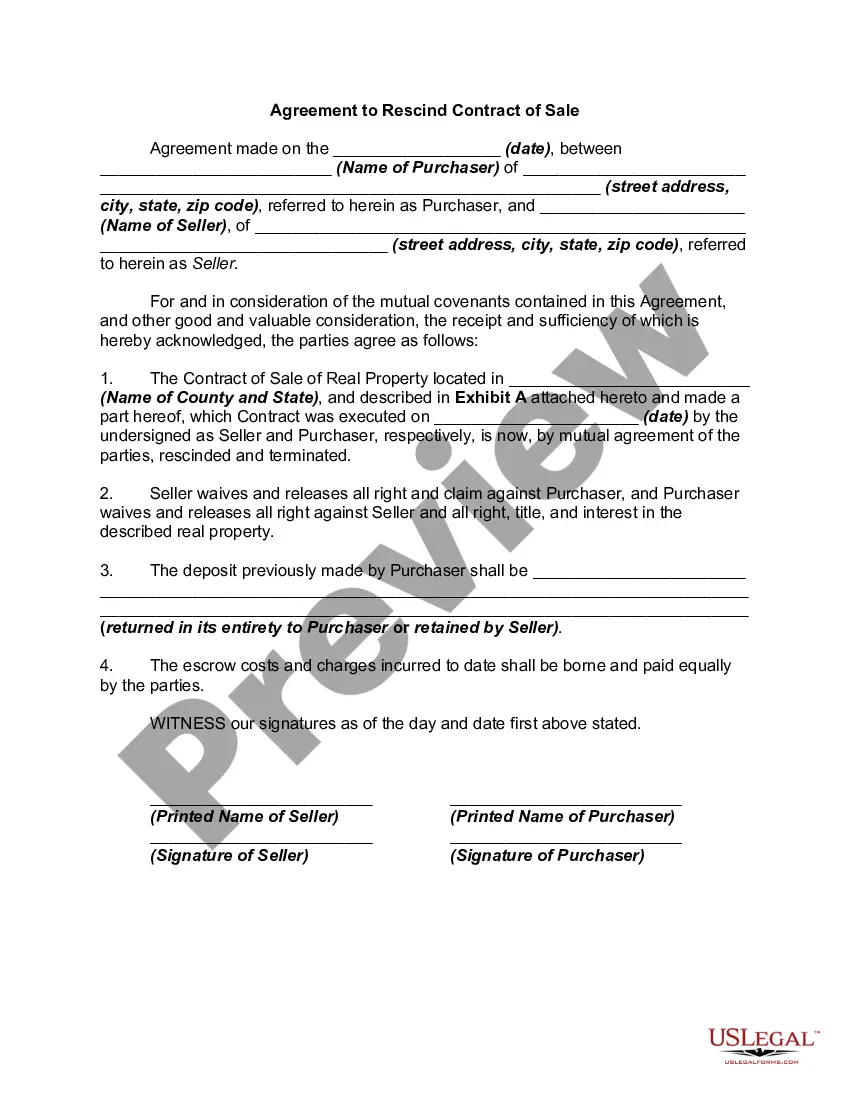
Rescind Dnr For Surgery
Description
Get your form ready online
Our built-in tools help you complete, sign, share, and store your documents in one place.
Make edits, fill in missing information, and update formatting in US Legal Forms—just like you would in MS Word.
Download a copy, print it, send it by email, or mail it via USPS—whatever works best for your next step.
Sign and collect signatures with our SignNow integration. Send to multiple recipients, set reminders, and more. Go Premium to unlock E-Sign.
If this form requires notarization, complete it online through a secure video call—no need to meet a notary in person or wait for an appointment.
We protect your documents and personal data by following strict security and privacy standards.

Make edits, fill in missing information, and update formatting in US Legal Forms—just like you would in MS Word.

Download a copy, print it, send it by email, or mail it via USPS—whatever works best for your next step.

Sign and collect signatures with our SignNow integration. Send to multiple recipients, set reminders, and more. Go Premium to unlock E-Sign.

If this form requires notarization, complete it online through a secure video call—no need to meet a notary in person or wait for an appointment.

We protect your documents and personal data by following strict security and privacy standards.
Looking for another form?
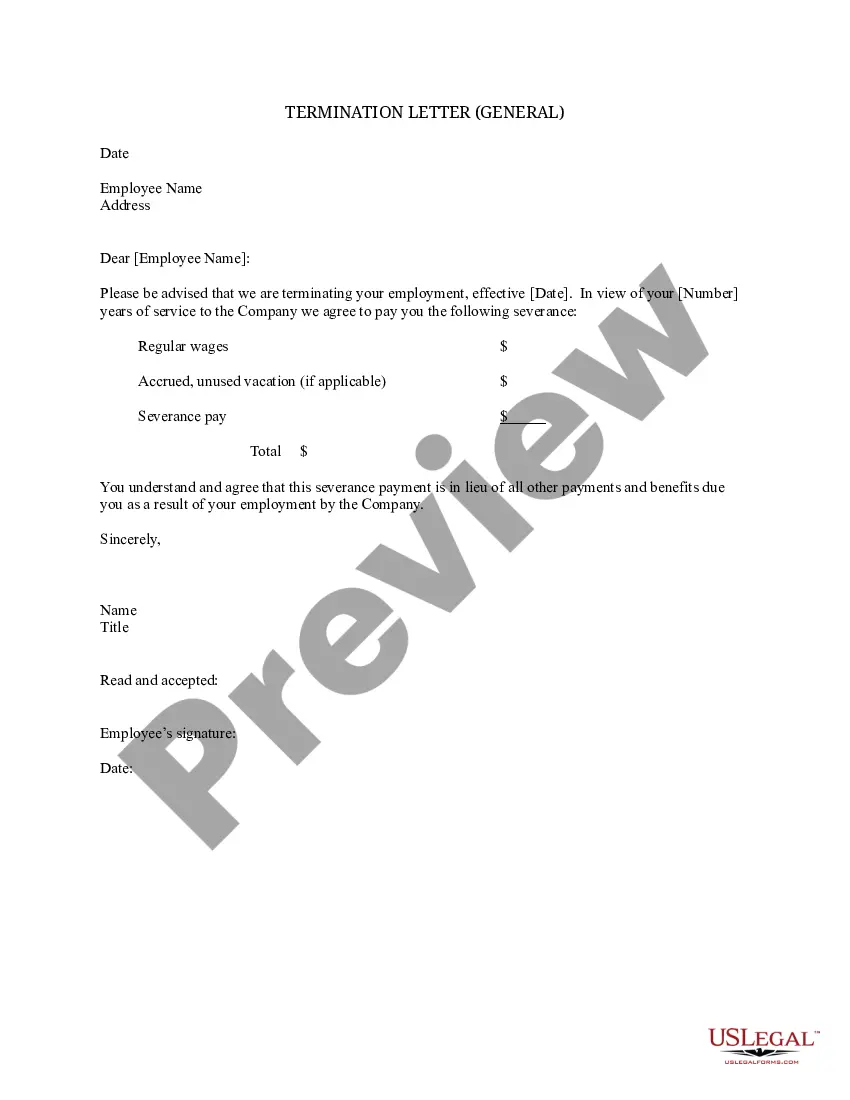


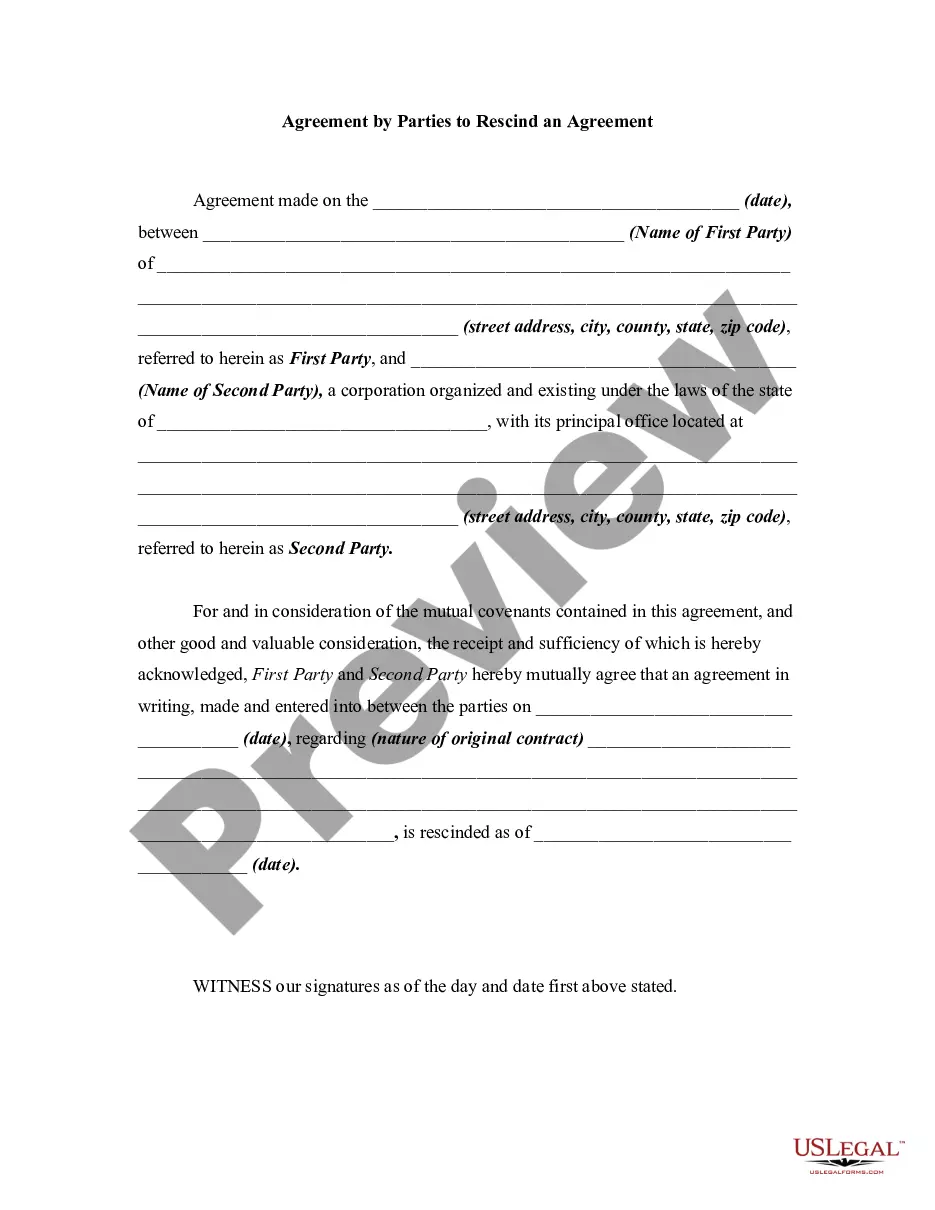
How to fill out Agreement To Rescind Contract Of Sale?
- Log in to your existing US Legal Forms account. If you're new to the service, create an account to access the forms.
- Search for the appropriate DNR rescind form using the platform's search functionality. Review the preview and description to ensure it fits your needs.
- If you encounter any difficulties finding the right template, use the search tab to explore additional options.
- Once you've identified the correct form, proceed to purchase it by clicking the 'Buy Now' button and selecting your preferred subscription plan.
- Complete your purchase by entering your payment details through a credit card or PayPal.
- After payment, download the form and save it on your device. Access your downloaded document anytime from the 'My Forms' section.
By following these straightforward steps, you can efficiently rescind a DNR order, ensuring the necessary preparations for surgery are in line with your wishes.
Take the first step towards regaining control over your medical decisions. Visit US Legal Forms today and empower yourself with the legal resources you need.
Form popularity
FAQ
You can cancel your DNR at any time. To effectively cancel it, notify your healthcare provider and make sure they update your medical records accordingly. If you are planning to rescind your DNR for surgery, this cancellation is especially important to ensure the medical team follows your latest wishes. Legal forms from services like uslegalforms can help you manage this process smoothly.
You certainly can change your mind after signing a DNR. The process involves formally rescinding it by informing your healthcare provider. When considering surgery, it's important to clearly communicate this change so that medical staff are aware of your updated preferences. This ensures that your healthcare decisions are always aligned with your current wishes.
DNRs are generally considered legally binding when they comply with state laws. Each state has specific regulations regarding the creation and acknowledgment of DNR orders. Therefore, it's vital to ensure your DNR meets these legal requirements. If you need to rescind your DNR for surgery, doing so legally ensures your new wishes are respected.
Yes, you can change your mind after signing a DNR. If you wish to rescind your DNR for surgery, simply notify your healthcare provider and possibly complete a new document. It's crucial to communicate your updated wishes clearly so that your medical team understands your current preferences. This flexibility allows you to make important decisions about your health as situations change.
To write a do not resuscitate (DNR) letter, start by clearly stating your wishes regarding resuscitation in the event of a medical emergency. Include your full name, date of birth, and any relevant medical information. It's also essential to sign the document and have it witnessed, as this adds legitimacy. If you later decide to rescind your DNR for surgery, ensure to communicate this change through proper channels.
Yes, you can rescind a DNR at any time, provided you follow the appropriate steps. This typically involves completing a new form and communicating your wishes to your healthcare providers. If you need assistance, platforms like US Legal Forms offer resources to help you effectively manage and update your medical directives, ensuring your health care reflects your current preferences.
In many cases, you do need to rescind a DNR for surgery. Hospitals often require a temporary reversal of a DNR to perform certain medical procedures safely. Therefore, it’s advisable to consult with your healthcare provider to discuss your options and complete any necessary paperwork to ensure that your preferences are respected during surgery.
A DNR can be considered invalid due to several factors. Common reasons include lack of proper signatures, failure to follow specific state laws, or if the patient is no longer competent to make the decision. Additionally, if a new DNR has been issued that rescinds the previous one, the older directive becomes void. To ensure your DNR is handled correctly, consider comprehensive resources like US Legal Forms.
Yes, a Power of Attorney (POA) can assist in overturning a DNR. If you appointed someone as your POA, they may have the authority to make decisions aligned with your best interests. However, it’s essential that the POA follows the correct legal processes to ensure the DNR is rescinded effectively, especially if surgery is planned.
To overturn a DNR, you will need to formally rescind the order by completing a new document that indicates your revised decision. This process typically involves discussing your intent with your physician, who can provide guidance on how to proceed. Always remember to notify all medical professionals involved in your care after you have made this decision so that your updated wishes are respected.