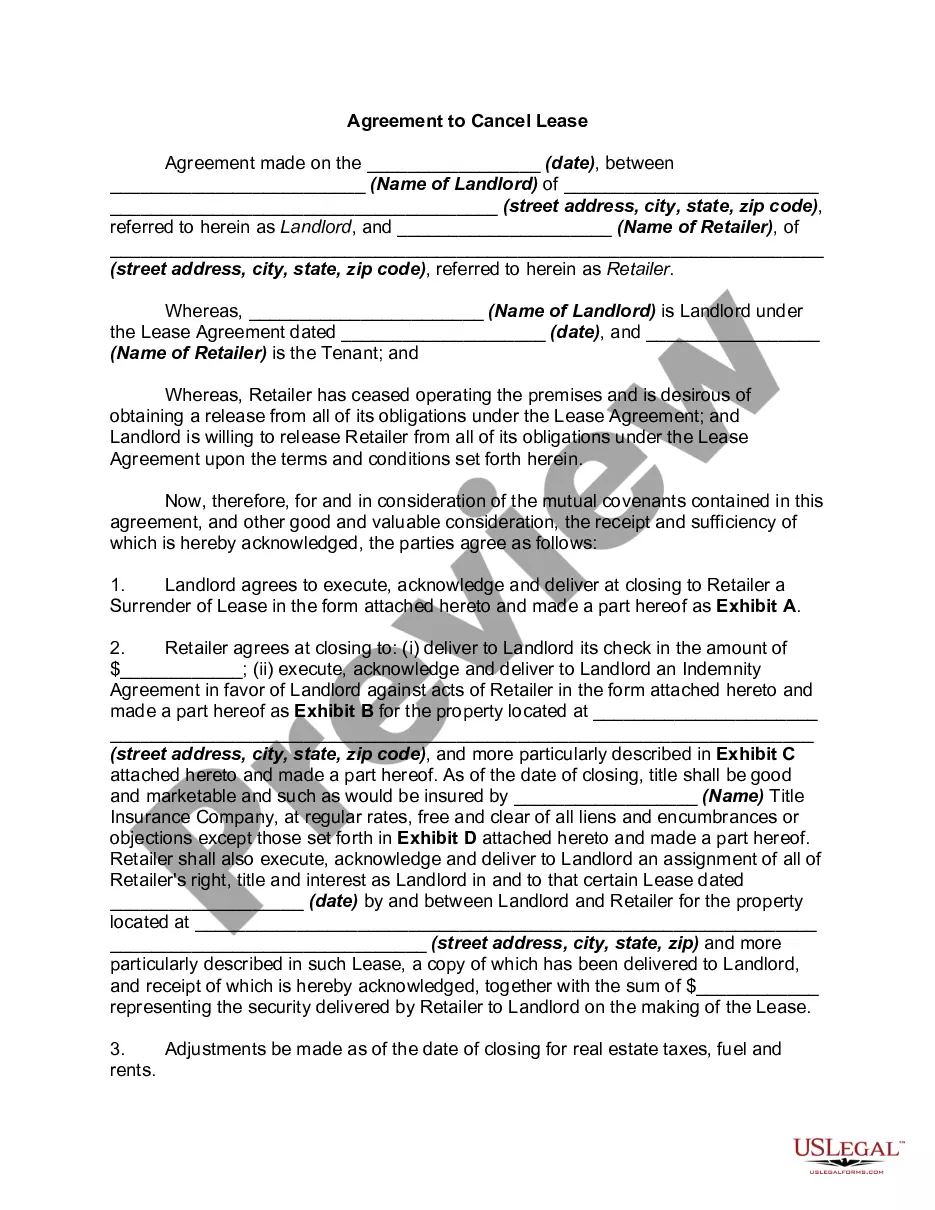
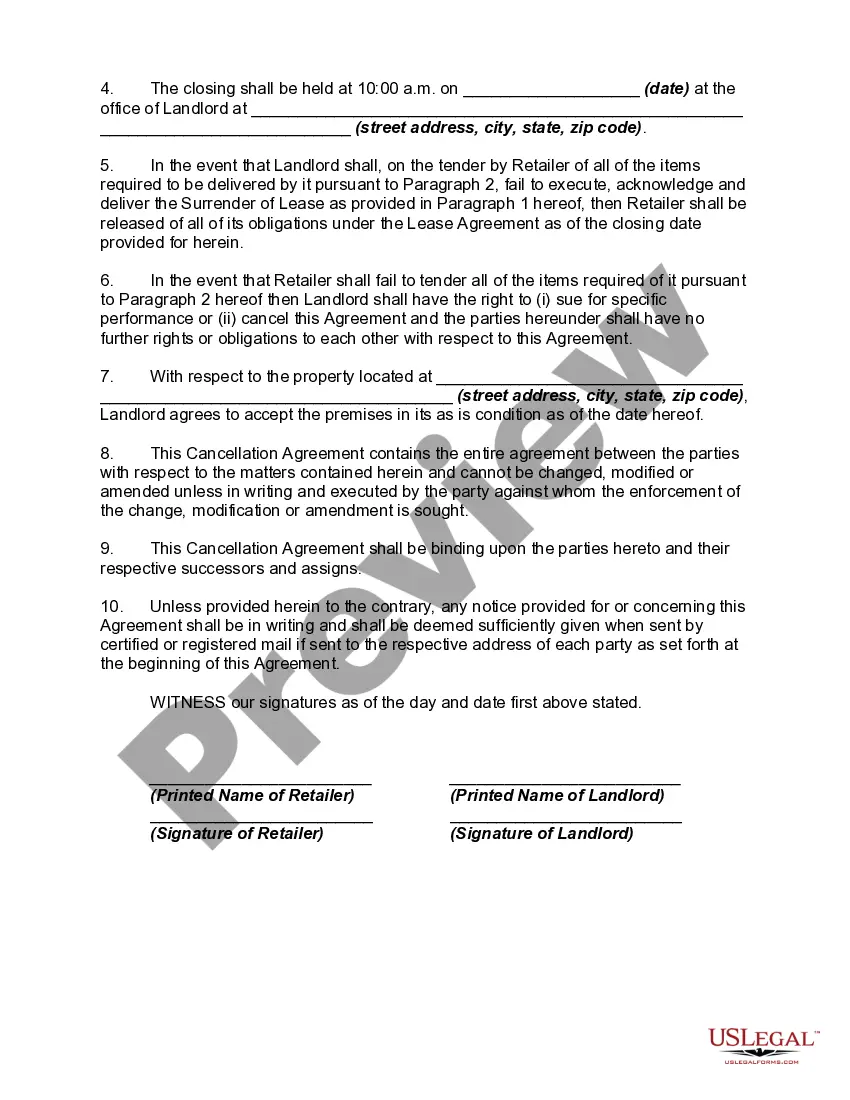
Cancel Lease Contract With Escalation Clause Philippines
Description

Get your form ready online
Our built-in tools help you complete, sign, share, and store your documents in one place.
Make edits, fill in missing information, and update formatting in US Legal Forms—just like you would in MS Word.
Download a copy, print it, send it by email, or mail it via USPS—whatever works best for your next step.
Sign and collect signatures with our SignNow integration. Send to multiple recipients, set reminders, and more. Go Premium to unlock E-Sign.
If this form requires notarization, complete it online through a secure video call—no need to meet a notary in person or wait for an appointment.
We protect your documents and personal data by following strict security and privacy standards.

Make edits, fill in missing information, and update formatting in US Legal Forms—just like you would in MS Word.

Download a copy, print it, send it by email, or mail it via USPS—whatever works best for your next step.

Sign and collect signatures with our SignNow integration. Send to multiple recipients, set reminders, and more. Go Premium to unlock E-Sign.

If this form requires notarization, complete it online through a secure video call—no need to meet a notary in person or wait for an appointment.

We protect your documents and personal data by following strict security and privacy standards.
Looking for another form?
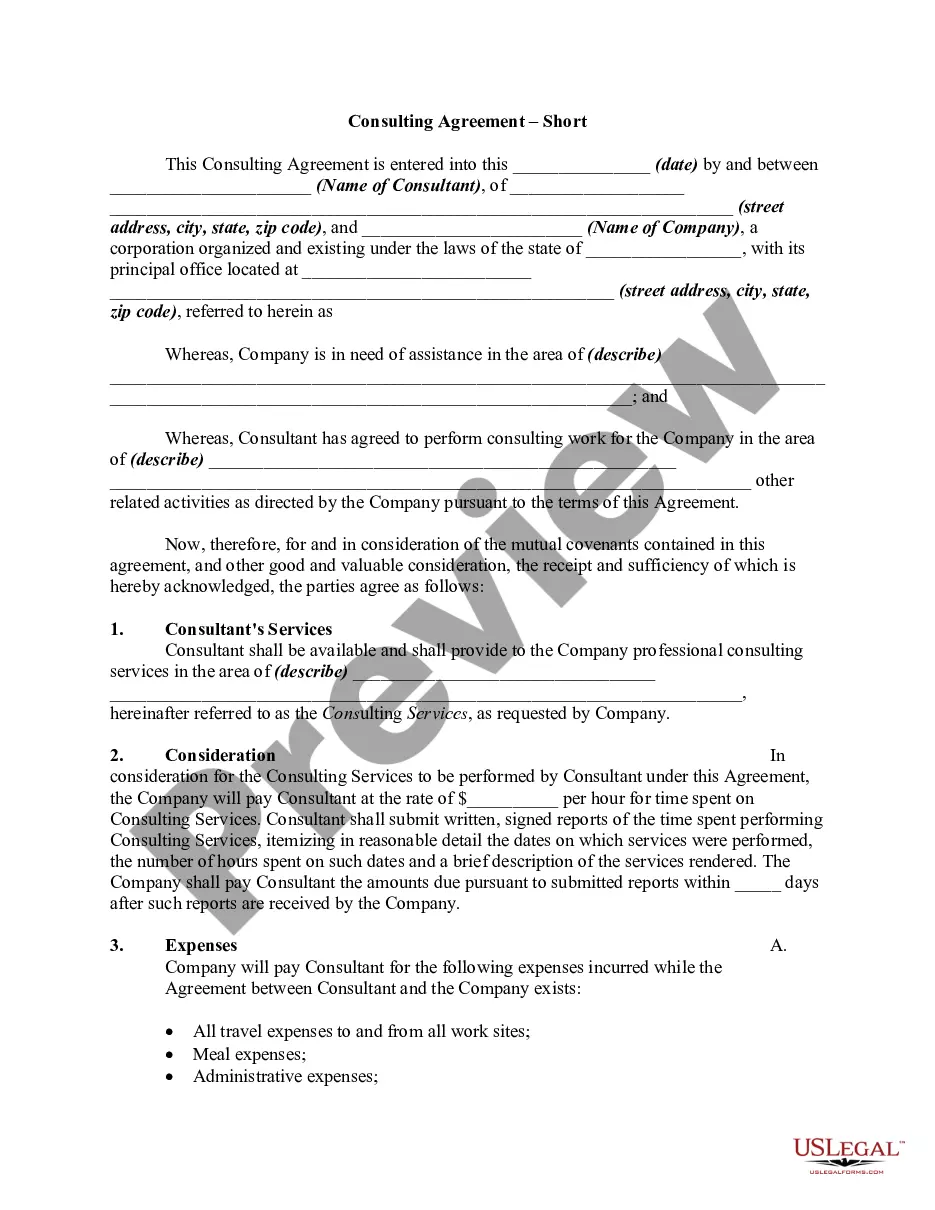
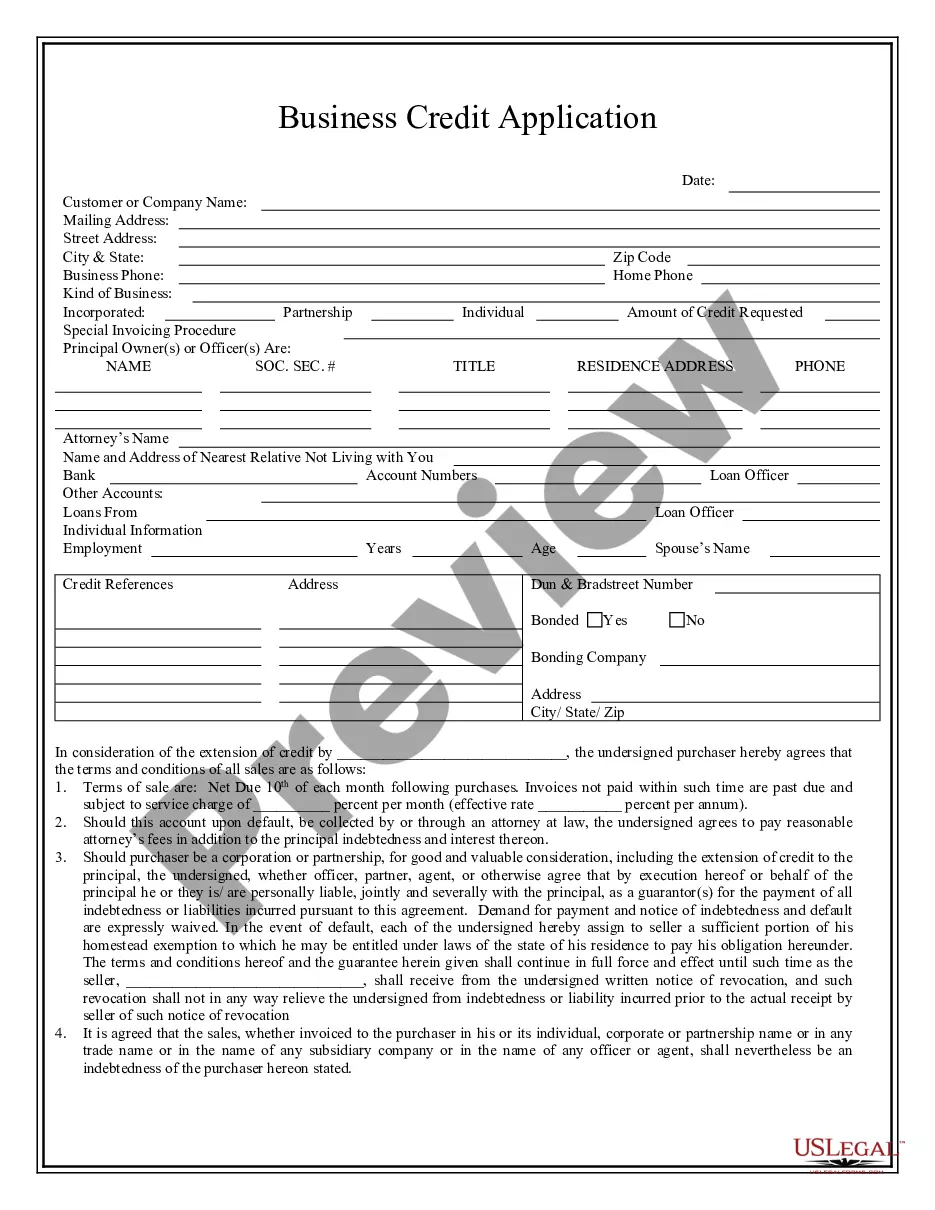
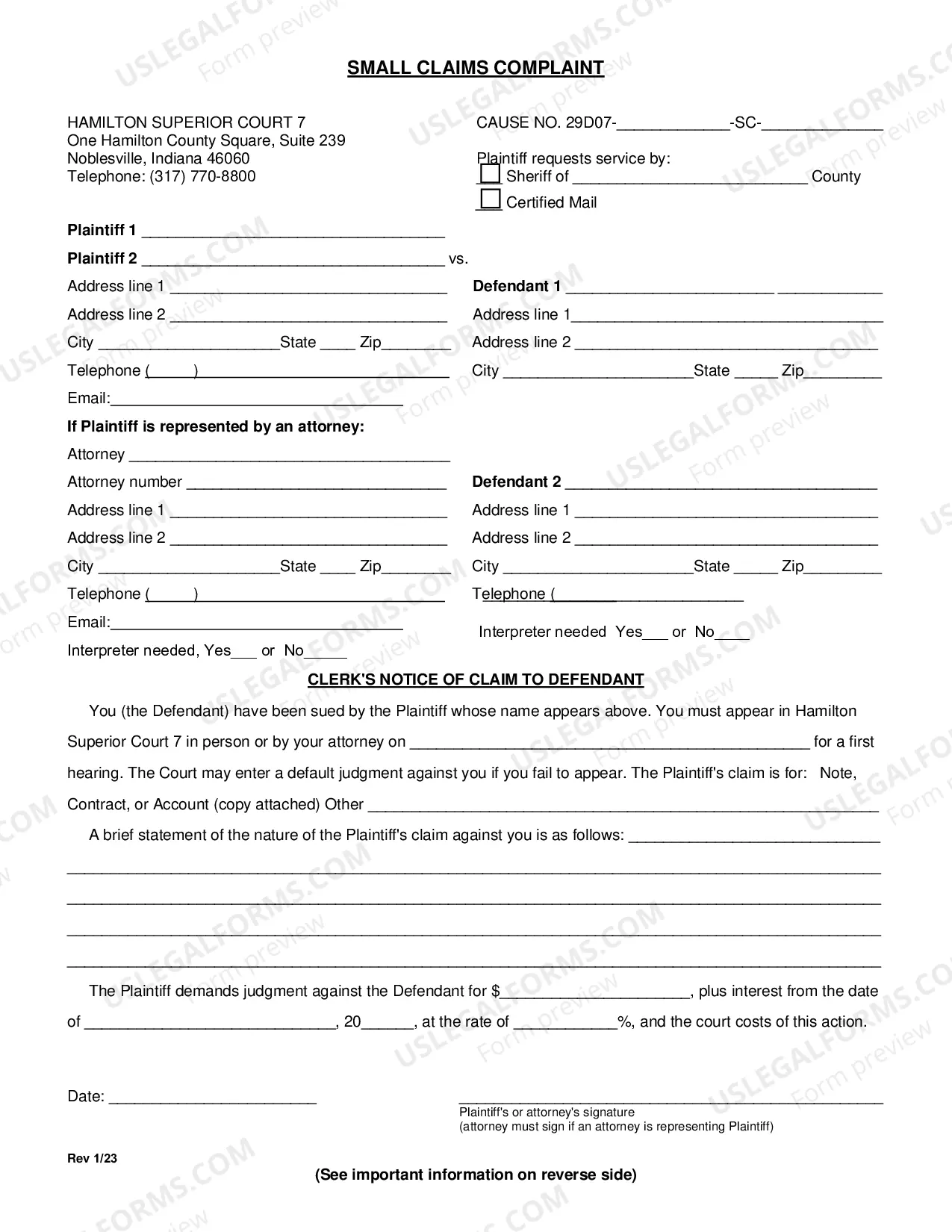
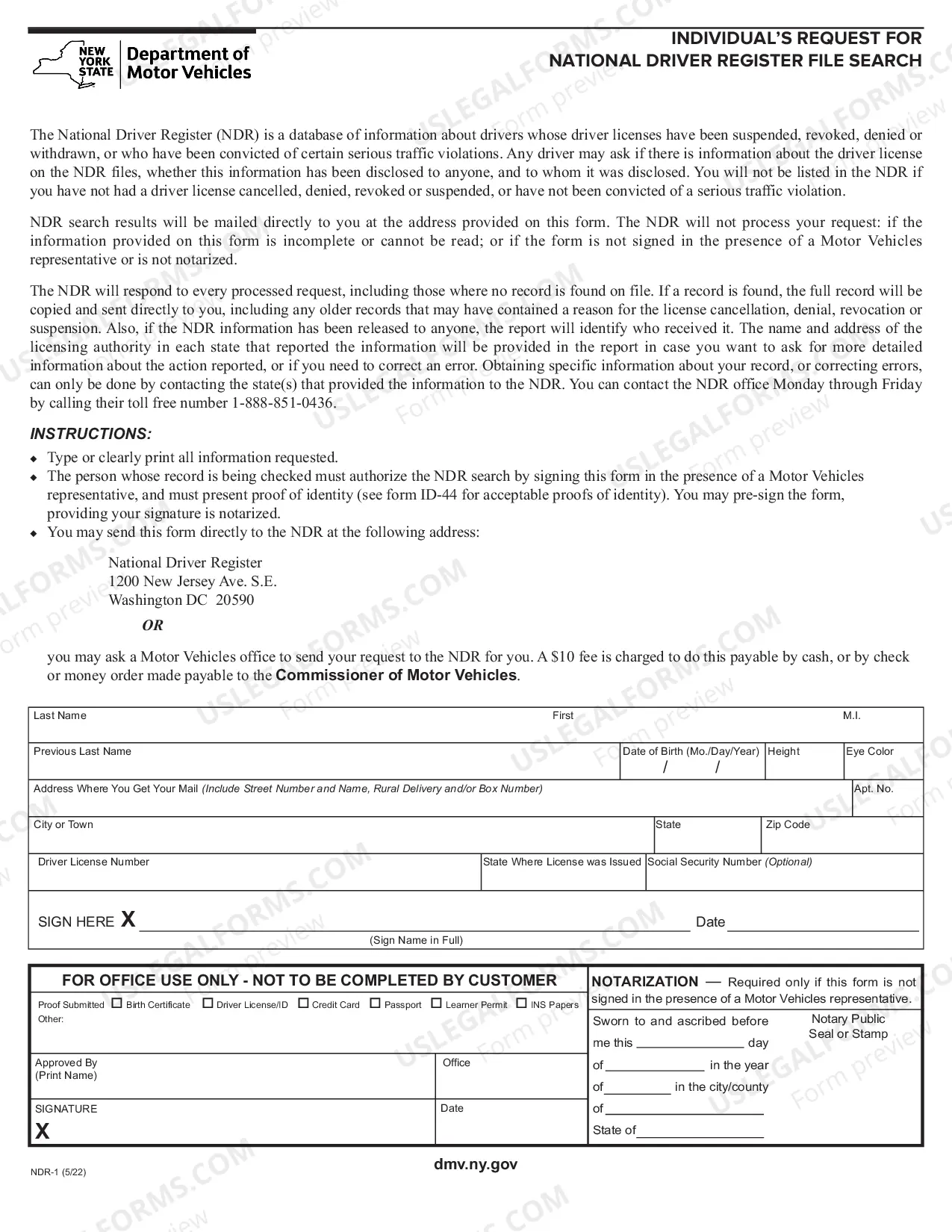
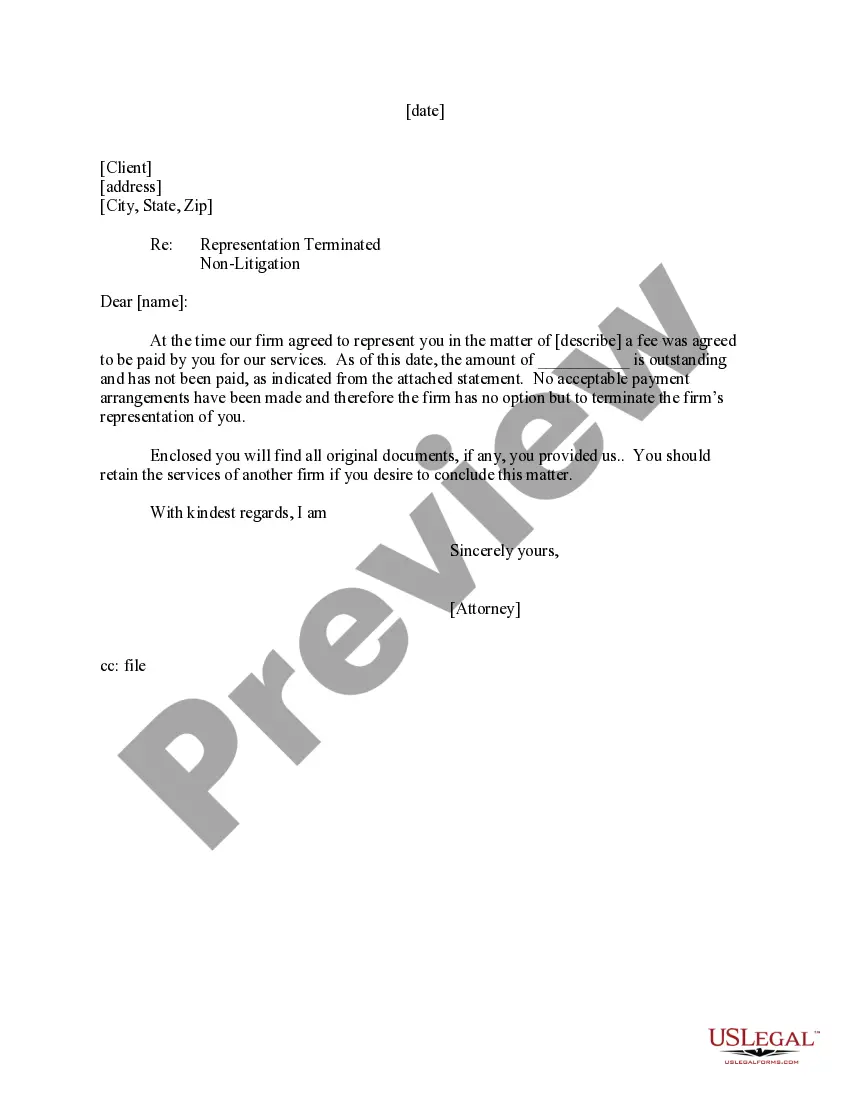
How to fill out Agreement To Cancel Or Terminate Lease?
Finding a reliable source for accessing the latest and pertinent legal templates is a significant part of tackling bureaucracy.
Searching for the appropriate legal documents requires precision and careful attention, which is why it is essential to obtain samples of the Cancel Lease Contract With Escalation Clause Philippines exclusively from reputable providers, such as US Legal Forms. An incorrect template will squander your time and delay your ongoing matters.
Once you have the document on your device, you can edit it with the editor or print it out and complete it manually. Eliminate the stress that comes with your legal documentation. Explore the extensive US Legal Forms library to find legal templates, assess their suitability for your case, and download them instantly.
- Use the catalog navigation or search bar to find your template.
- Check the form's description to verify if it meets the criteria of your state and locality.
- View the form preview, if available, to confirm it is indeed the document you are looking for.
- Continue your search and find the right template if the Cancel Lease Contract With Escalation Clause Philippines does not fulfill your requirements.
- When you are confident about the form’s applicability, download it.
- If you are a registered user, click Log in to verify and access your chosen templates in My documents.
- If you do not have an account yet, click Buy now to acquire the template.
- Select the payment plan that best suits your needs.
- Proceed with the registration to complete your purchase.
- Finish your purchase by selecting a payment method (credit card or PayPal).
- Choose the file format for downloading the Cancel Lease Contract With Escalation Clause Philippines.
Form popularity
FAQ
In the Philippines, an escalation clause is a provision in a lease contract that allows for periodic increases in the rent amount. This clause typically ties rent adjustments to a specific index, like inflation or market rates. Understanding this clause is crucial for both landlords and tenants to anticipate future costs. If you need clarity on how to cancel a lease contract with an escalation clause in the Philippines, comprehensive resources are available, including legal forms.
Writing an escalation clause involves clearly stating the conditions under which lease payments will increase. You must define the specific events that trigger the increase, such as market rates or inflation indexes. Additionally, make sure to state how the increase will be calculated to avoid confusion. If you want to cancel a lease contract with an escalation clause in the Philippines, ensure all terms are communicated to the other party.
An expense stop in a lease escalation clause establishes a threshold for operating expenses. When costs exceed this threshold, tenants are responsible for the excess amount. This arrangement can be crucial for managing rental costs and is often included in commercial leases. When navigating lease agreements, especially with an escalation clause, it's beneficial to understand concepts like the expense stop for optimal decision-making.
In the Philippines, grounds for terminating a lease include non-payment of rent, property damage, or violation of lease terms. Additionally, if the property becomes uninhabitable or both parties mutually agree to end the contract, termination is valid. Always ensure you communicate your intent clearly to avoid disputes, especially when dealing with a lease contract with an escalation clause.
To cancel a lease contract with escalation clause in the Philippines, you must follow specific legal procedures. Begin by reviewing your lease agreement for any clauses related to termination. Typically, you will need to provide written notice to your landlord, stating your intention to cancel the lease, and adhere to the notice period outlined in the contract.
To break a lease without penalty, you should first review your lease terms for any clauses that allow early termination. If the lease includes an escalation clause, understanding its terms can help you navigate this process closely. It’s often beneficial to discuss your situation directly with your landlord and, if necessary, consider legal assistance to ensure you follow the right process.
The best reasons to break a lease typically involve significant life changes, such as job loss, relocation, or health issues. When you need to cancel a lease contract with an escalation clause in the Philippines, you should present your situation in a straightforward manner. Always have relevant documentation ready to support your claim and be prepared to negotiate terms with your landlord.
An escalation clause in a lease agreement allows the landlord to increase the rent at specified intervals or under predetermined conditions. This clause is important to understand when discussing how to cancel a lease contract with an escalation clause in the Philippines. Knowing how it affects your overall rental payments can help you make informed decisions about your lease.
In New Jersey, you can terminate your lease early under certain circumstances, such as a breach of contract by the landlord or specific legal reasons like domestic violence. If you're considering how to cancel a lease contract with an escalation clause in the Philippines, it’s important to review your state’s tenant laws. Additionally, you should check if your lease agreement includes any provisions for early termination.
When breaking a lease, it's important to communicate clearly and respectfully with your landlord. You should express your intention to cancel the lease contract with an escalation clause in the Philippines, citing valid reasons for your decision. It's advisable to provide a written notice and any required documentation, such as proof of job relocation or financial hardship, to support your case.