Sample References
Description
Get your form ready online
Our built-in tools help you complete, sign, share, and store your documents in one place.
Make edits, fill in missing information, and update formatting in US Legal Forms—just like you would in MS Word.
Download a copy, print it, send it by email, or mail it via USPS—whatever works best for your next step.
Sign and collect signatures with our SignNow integration. Send to multiple recipients, set reminders, and more. Go Premium to unlock E-Sign.
If this form requires notarization, complete it online through a secure video call—no need to meet a notary in person or wait for an appointment.
We protect your documents and personal data by following strict security and privacy standards.

Make edits, fill in missing information, and update formatting in US Legal Forms—just like you would in MS Word.

Download a copy, print it, send it by email, or mail it via USPS—whatever works best for your next step.

Sign and collect signatures with our SignNow integration. Send to multiple recipients, set reminders, and more. Go Premium to unlock E-Sign.

If this form requires notarization, complete it online through a secure video call—no need to meet a notary in person or wait for an appointment.

We protect your documents and personal data by following strict security and privacy standards.
Looking for another form?
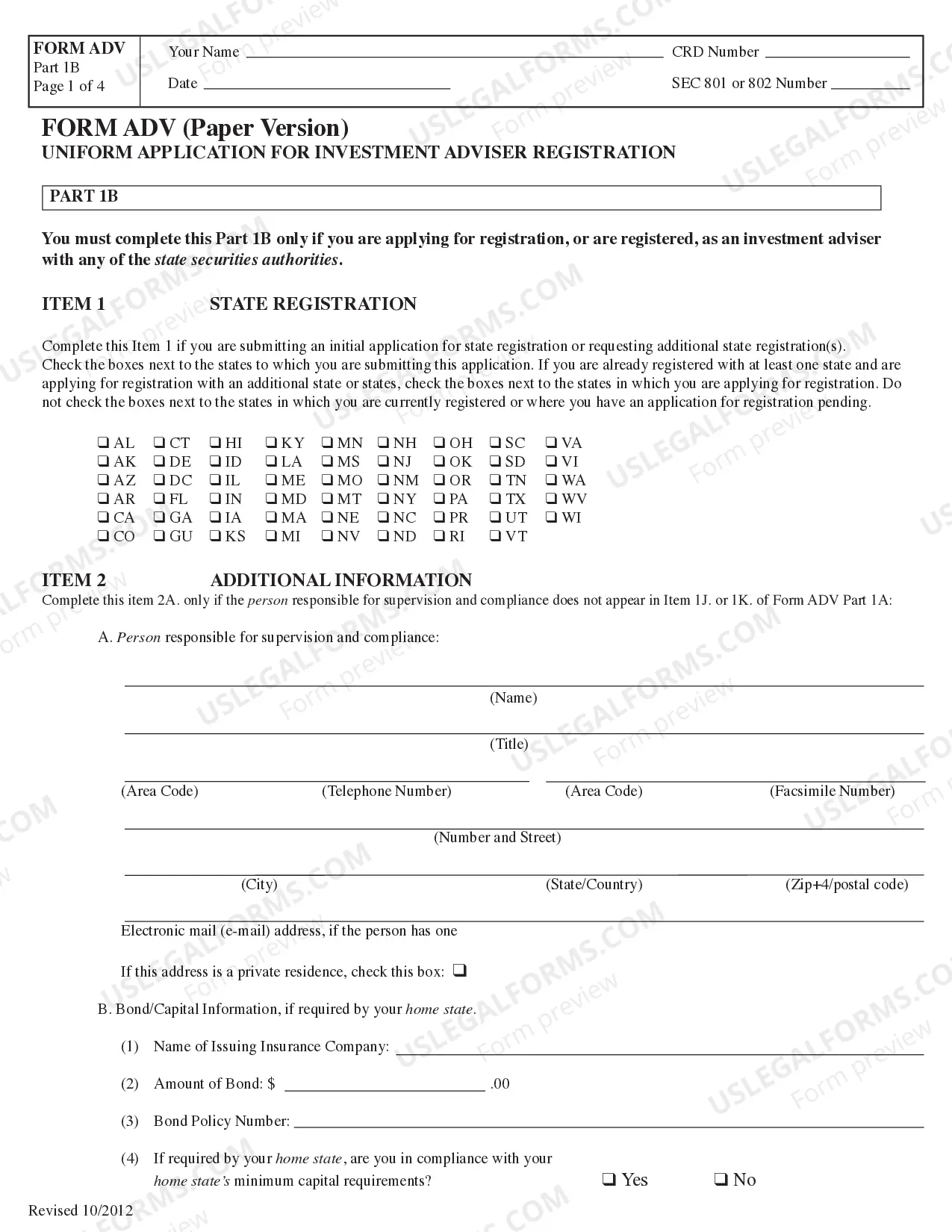
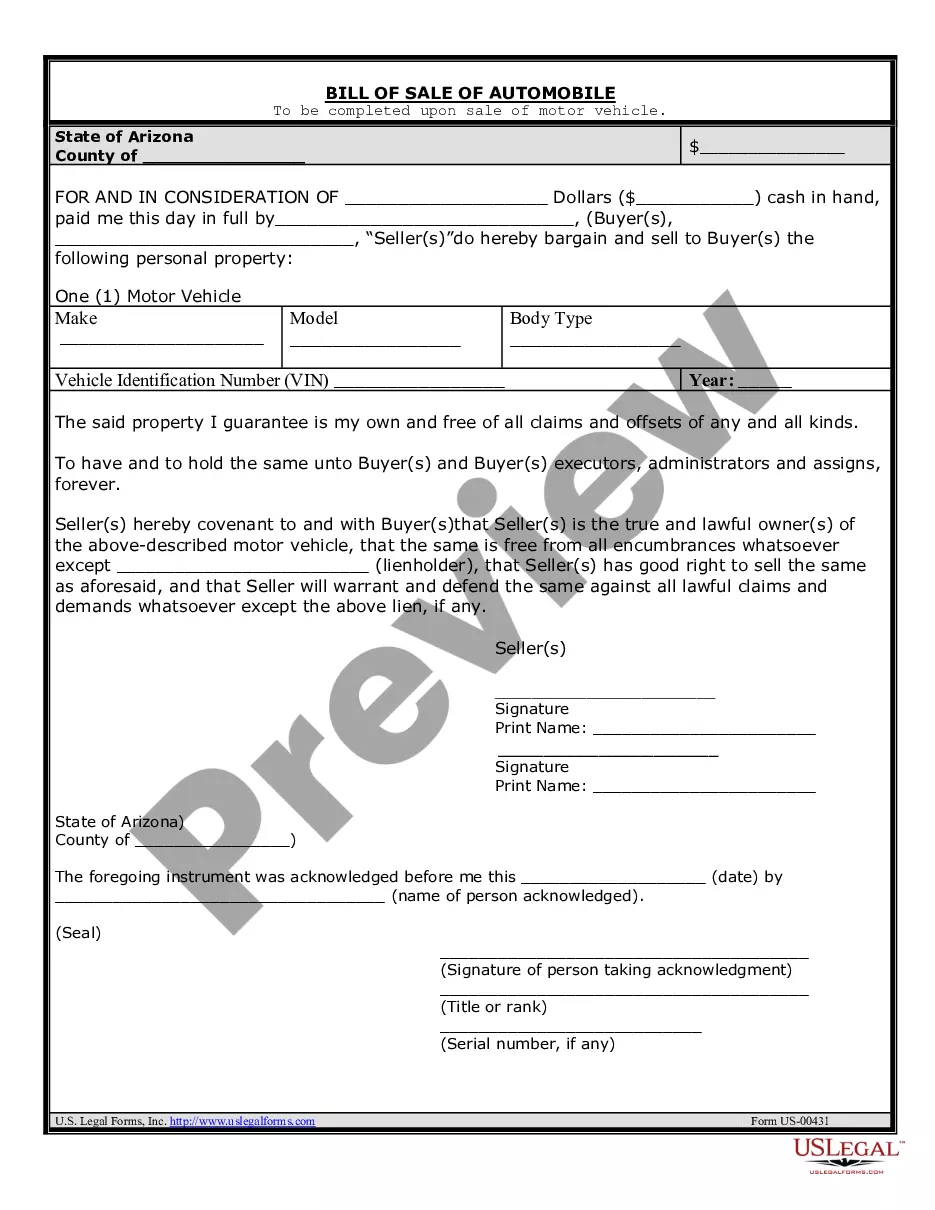
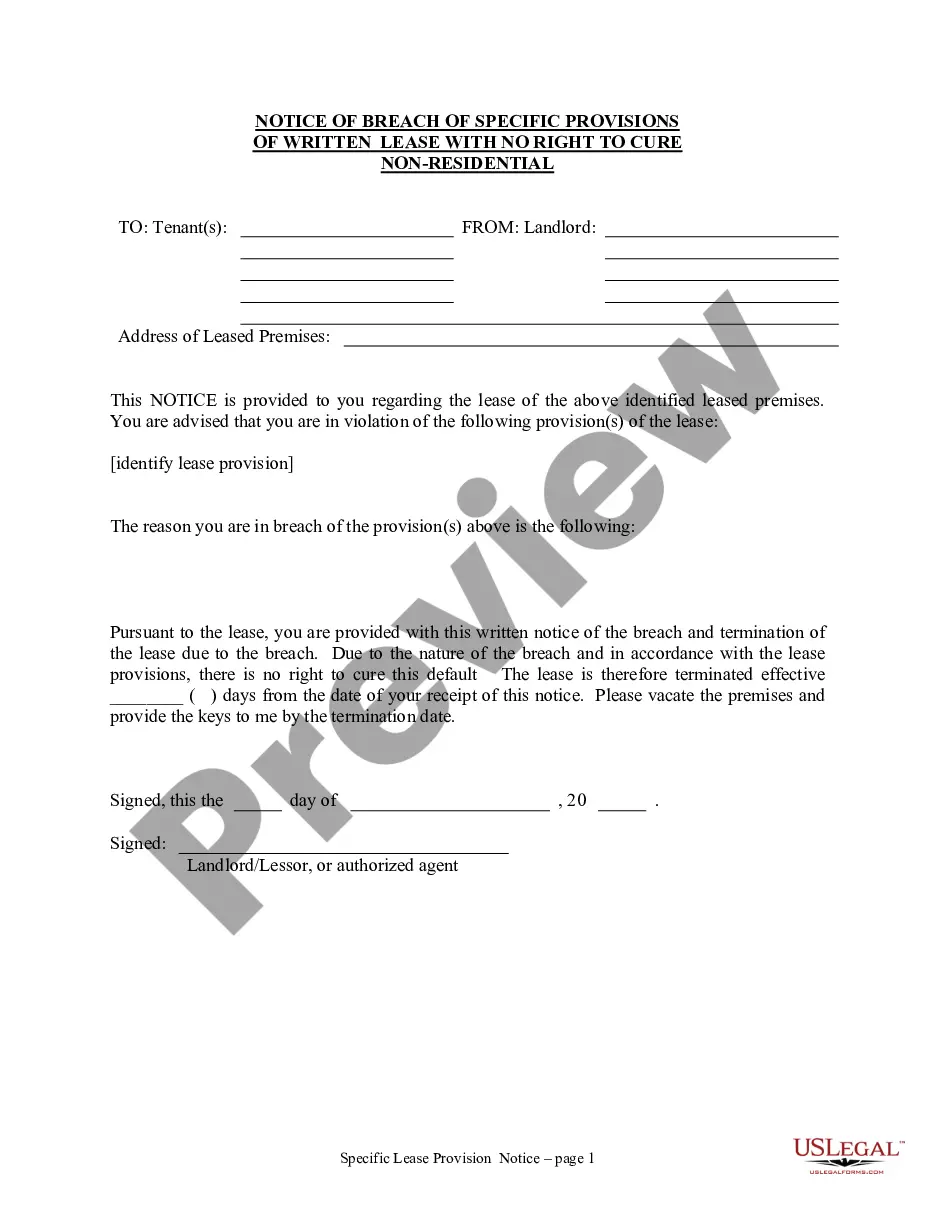
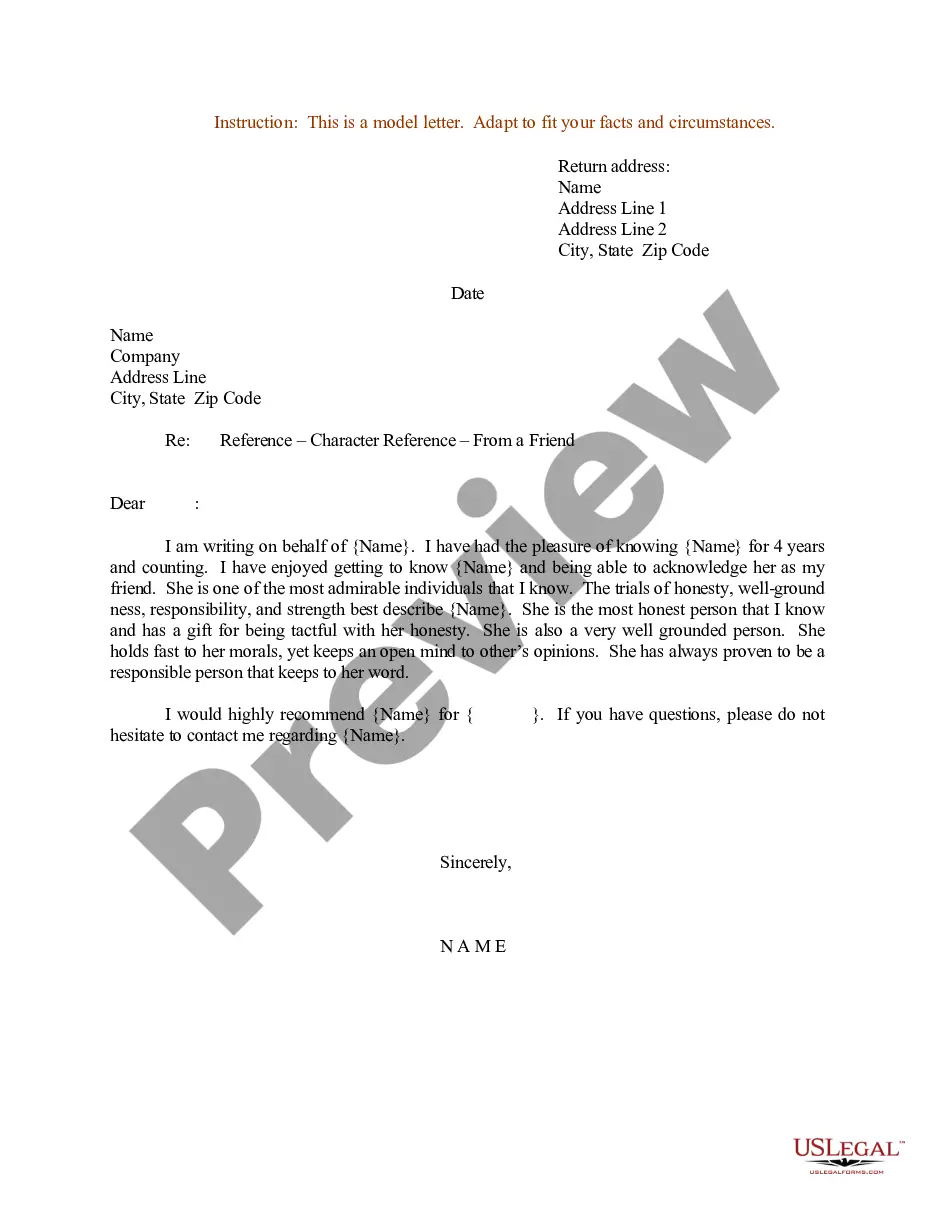
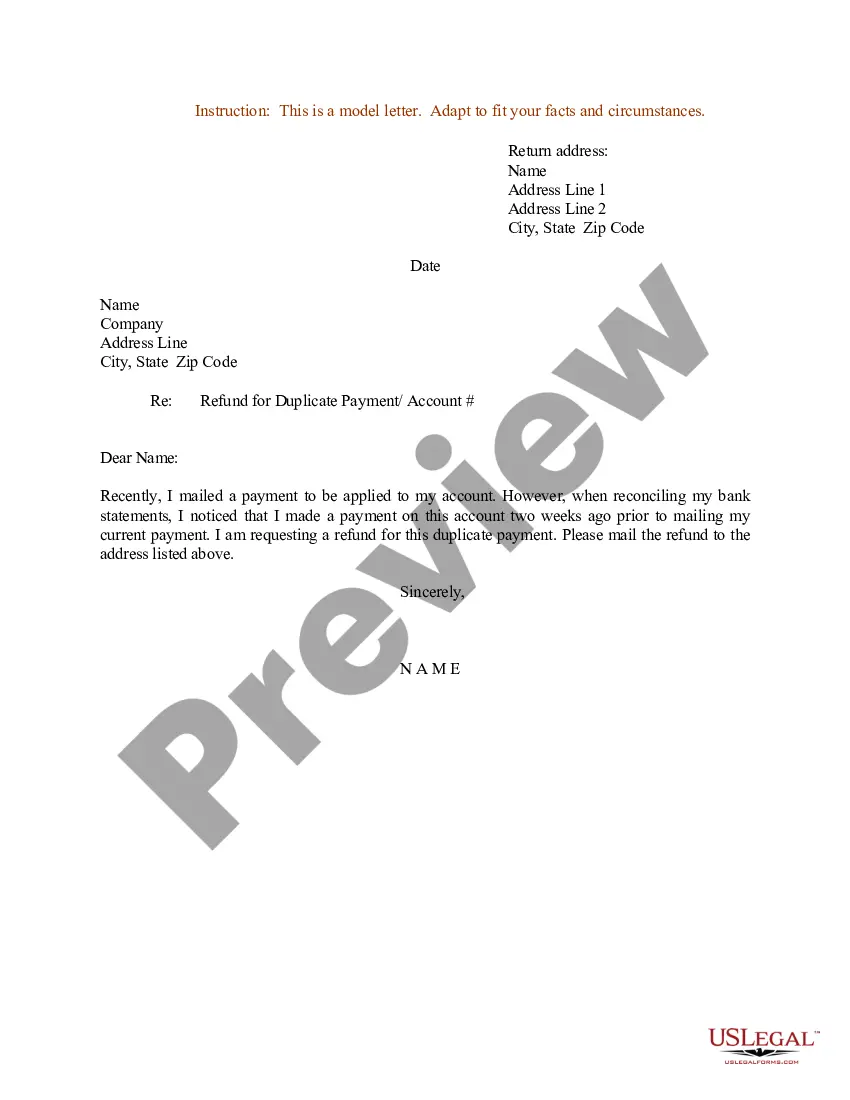
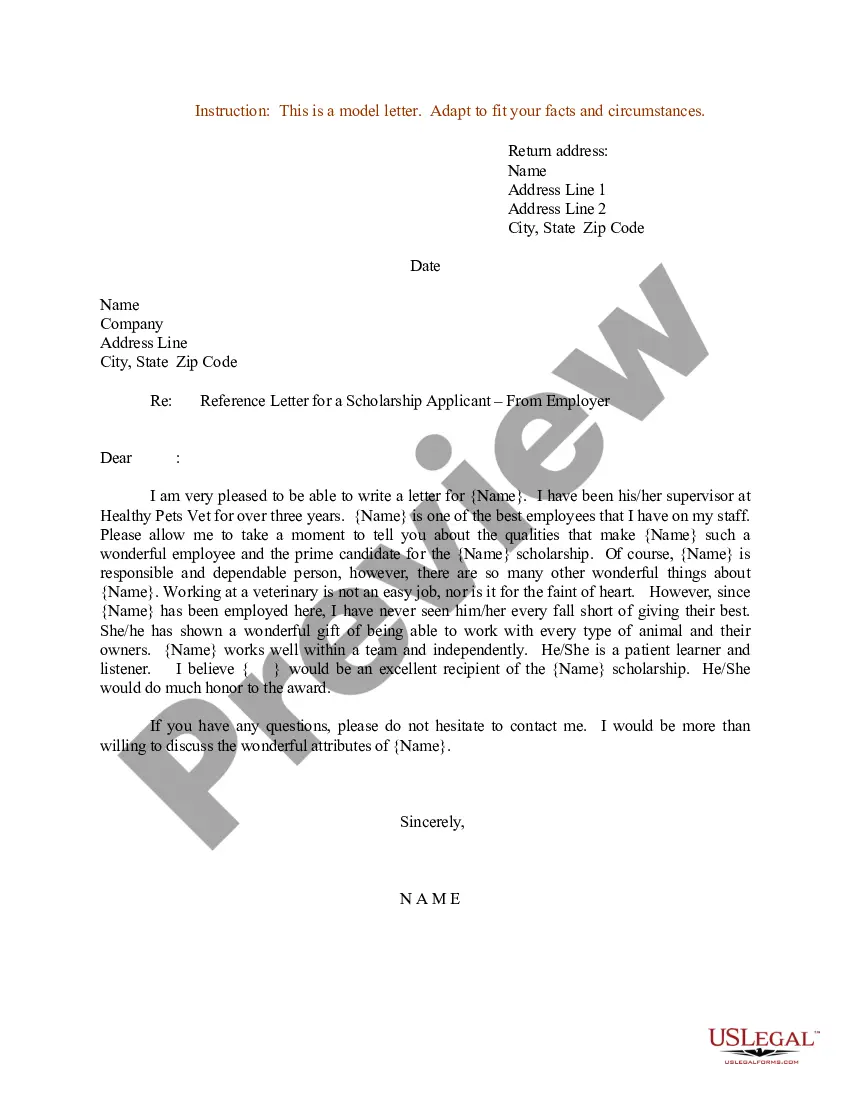
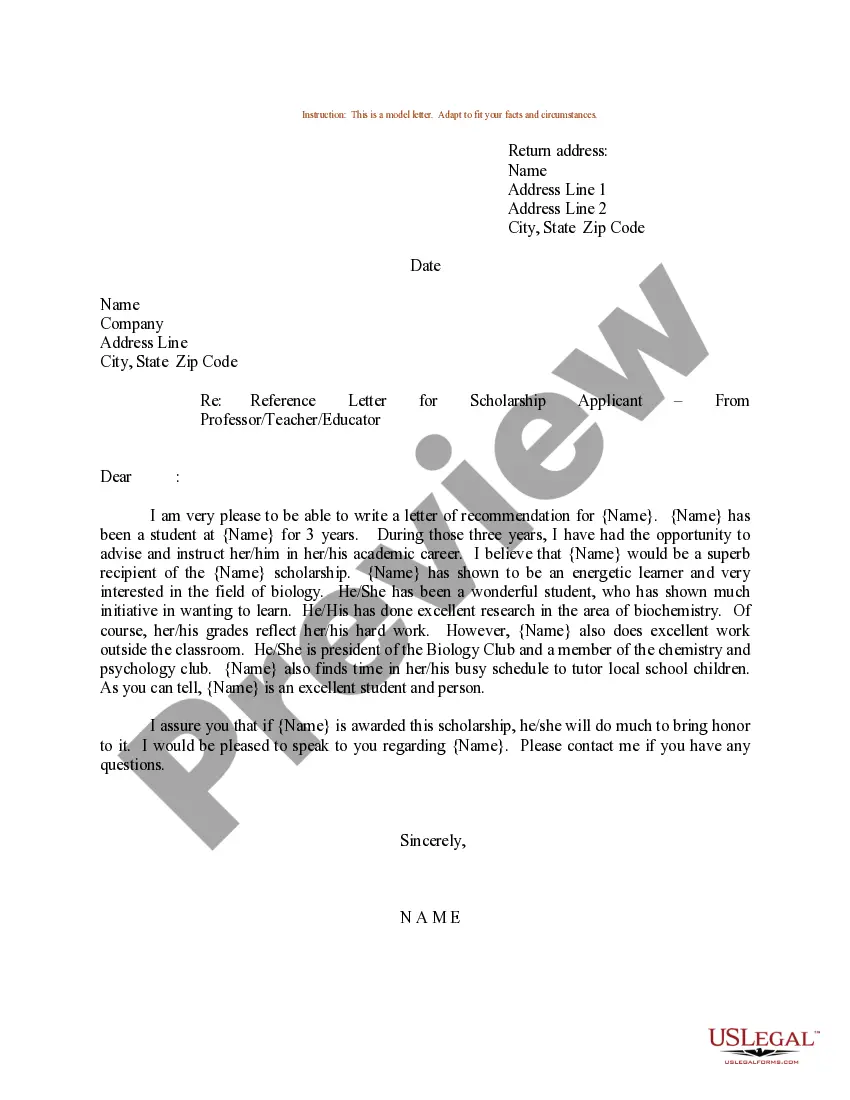
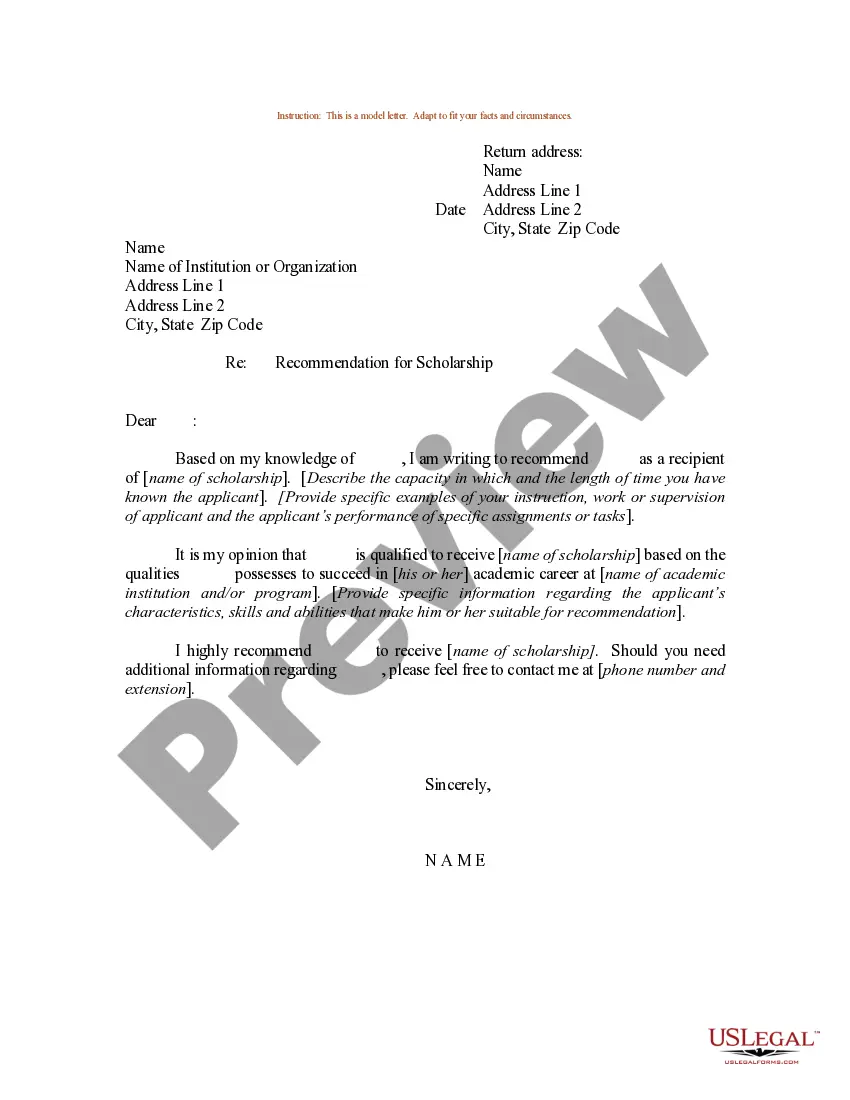
How to fill out Sample Letter For Reference Letter For A School Or College Scholarship Applicant - From Employer?
- If you have an existing account, log in to your profile and download your desired form by clicking the Download button. Confirm that your subscription is active; if not, renew it based on your payment preferences.
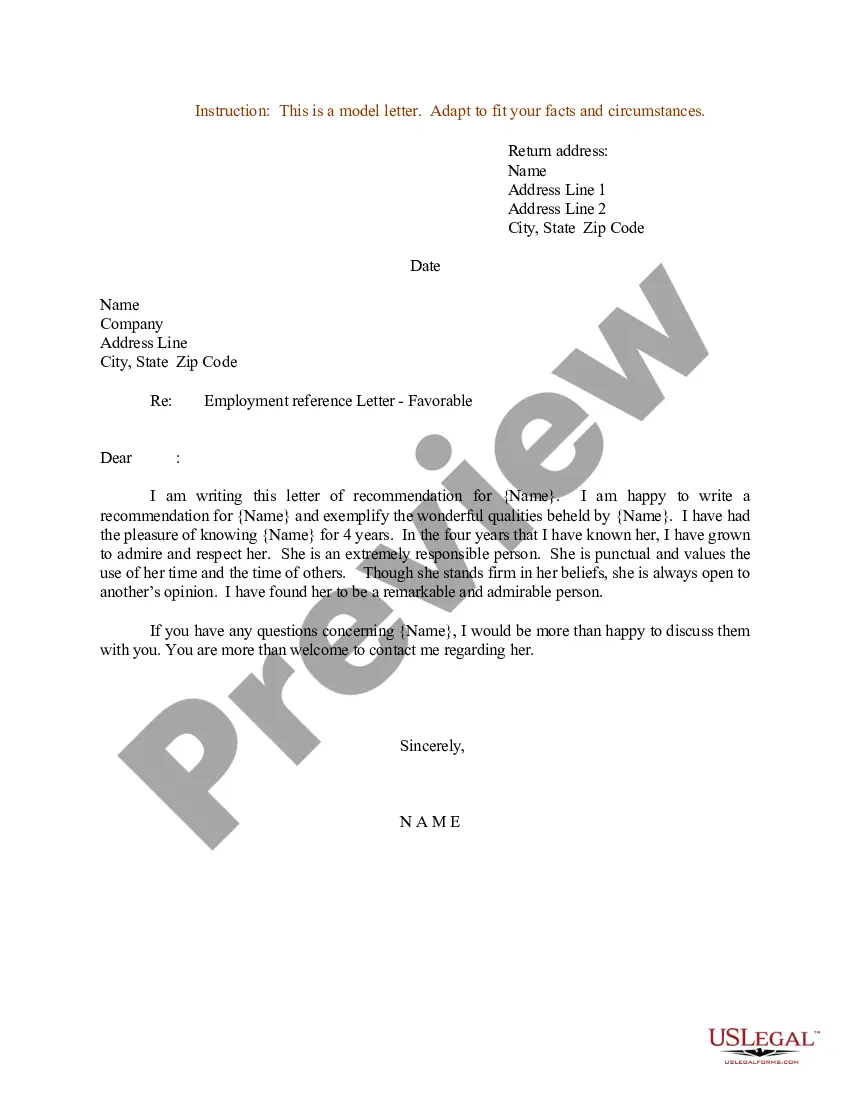
- For first-time users, start by reviewing the Preview mode and form description. This will help you choose the right document that aligns with your needs and complies with local jurisdiction requirements.
- If you find discrepancies, utilize the Search tab to find an alternate template. If it meets your criteria, proceed to the next step.
- Purchase the document by clicking on the Buy Now button and selecting your preferred subscription plan. You'll need to create an account to access the library of resources.
- Complete your purchase by entering your credit card information or opting for PayPal to finalize the subscription.
- Once payment is processed, download your form to your device. Access it anytime later through the My Forms section in your account.
By following these steps, you can easily obtain the legal forms you need, ensuring accuracy and confidence in your documentation.
Experience the simplicity of US Legal Forms today and streamline your legal form needs!
Form popularity
FAQ
For a good reference, be clear and concise in your assessment. Start by stating your relationship with the individual and highlight their key strengths. Include specific achievements or skills that make them an excellent candidate, using sample references as a guide to enhance your recommendations.
When writing a reference, focus on characteristics like reliability, teamwork, and problem-solving abilities. Specific examples that demonstrate these traits can create a vivid picture for the reader. By drawing on sample references, you can ensure your comments resonate well and showcase the person's qualifications effectively.
A good reference highlights the individual's strengths and contributions. For instance, mentioning a specific project where the person excelled or describing their reliable work ethic serves as a strong endorsement. Tailoring your comments to reflect positive traits can make your reference more impactful, especially when aligned with sample references that illustrate successful outcomes.
Filling out a reference form is straightforward. Start by carefully reading the instructions provided on the form. Include your contact information and the details required about the individual you are referencing. Remember to provide honest and constructive feedback based on your experiences with them, making sure to align your responses with the sample references provided in the form.
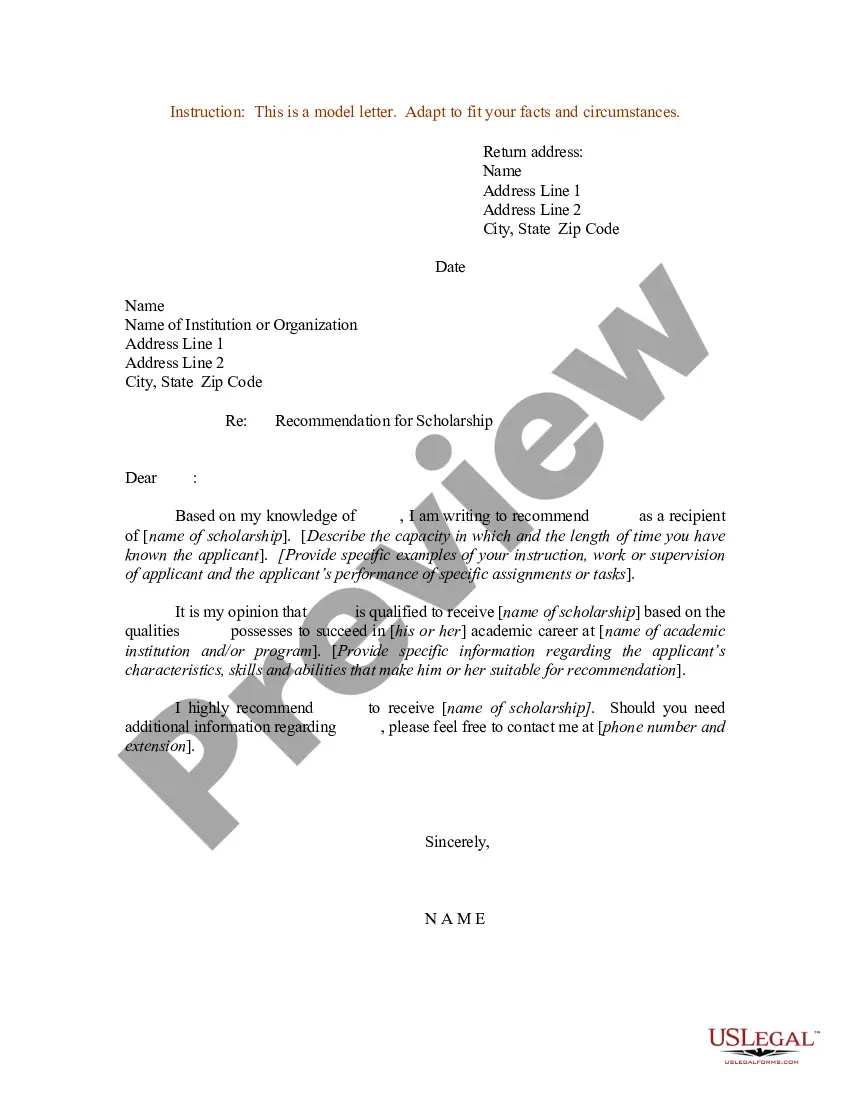
A sample reference is a template or example document that illustrates how to create a reference effectively. It includes all necessary elements like the writer's information, the relationship to the individual, and specific details about their strengths. Using sample references can help ensure you include all important information while maintaining a professional tone.
Good things to say in a reference include positive observations about the person's work ethic, skills, and their impact on previous teams. Highlight specific accomplishments that are relevant to their application or opportunity. Providing an authentic and supportive tone in your remarks can enhance the effectiveness of your reference, guiding potential employers to see the individual’s true value.
A good example of a reference includes detailed support of an individual's qualifications, as seen in a recommendation letter that outlines their strengths and past contributions. The writer should highlight specific experiences that showcase the person's abilities and character. Utilizing sample references can inspire you to craft similar documents that effectively advocate for the candidate.
APA references typically include the author's last name, first initial, publication year, title of the work, and source. For instance, a book reference might look like this: Smith, J. (2020). Understanding References. Publisher. These structured sample references ensure your work adheres to academic standards and gives proper credit to original sources.
To write a reference sample, begin with a clear introduction that states your relationship to the person. Next, provide specific examples of their skills, contributions, and character traits that are relevant to their application. Additionally, summarize your overall impression and end with your contact information, inviting the reader to reach out for more details if needed.
In a good reference, focus on providing specific examples of the person's skills and achievements. Mention how you know them and your relationship, as well as any relevant accomplishments that highlight their strengths. Remember, detailed and tailored sample references can help demonstrate the candidate's suitability for their target position.