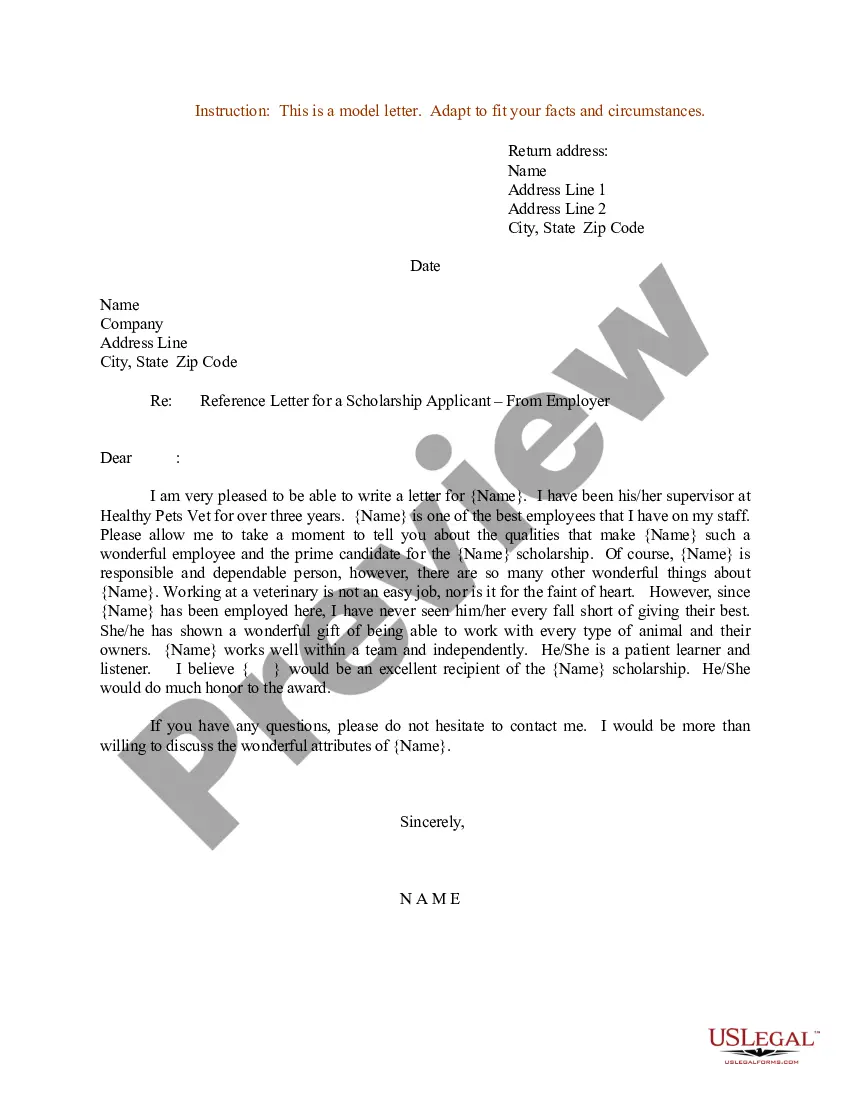
Sample Reference For Caregiver
Description
Get your form ready online
Our built-in tools help you complete, sign, share, and store your documents in one place.
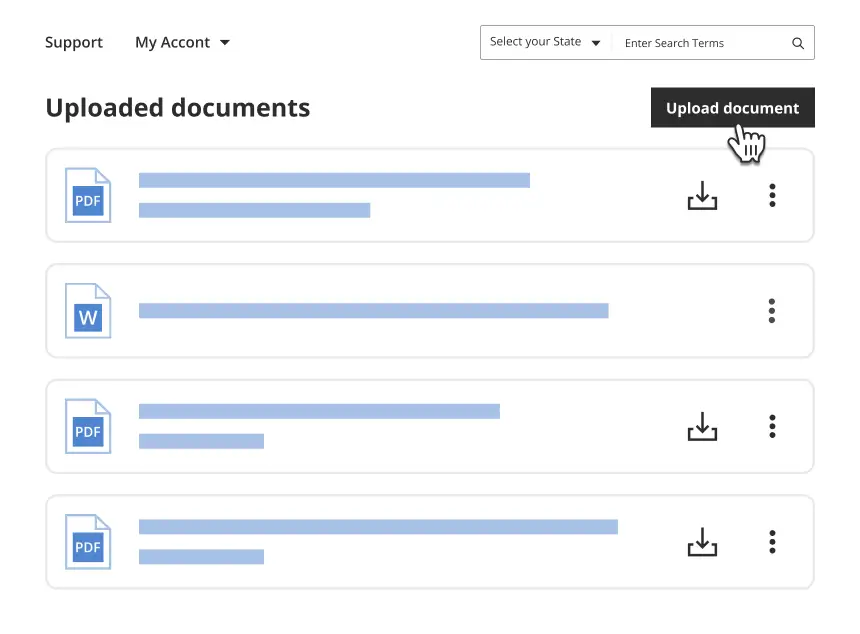
Make edits, fill in missing information, and update formatting in US Legal Forms—just like you would in MS Word.
Download a copy, print it, send it by email, or mail it via USPS—whatever works best for your next step.
Sign and collect signatures with our SignNow integration. Send to multiple recipients, set reminders, and more. Go Premium to unlock E-Sign.
If this form requires notarization, complete it online through a secure video call—no need to meet a notary in person or wait for an appointment.
We protect your documents and personal data by following strict security and privacy standards.
Make edits, fill in missing information, and update formatting in US Legal Forms—just like you would in MS Word.
Download a copy, print it, send it by email, or mail it via USPS—whatever works best for your next step.
Sign and collect signatures with our SignNow integration. Send to multiple recipients, set reminders, and more. Go Premium to unlock E-Sign.

If this form requires notarization, complete it online through a secure video call—no need to meet a notary in person or wait for an appointment.
We protect your documents and personal data by following strict security and privacy standards.
Looking for another form?
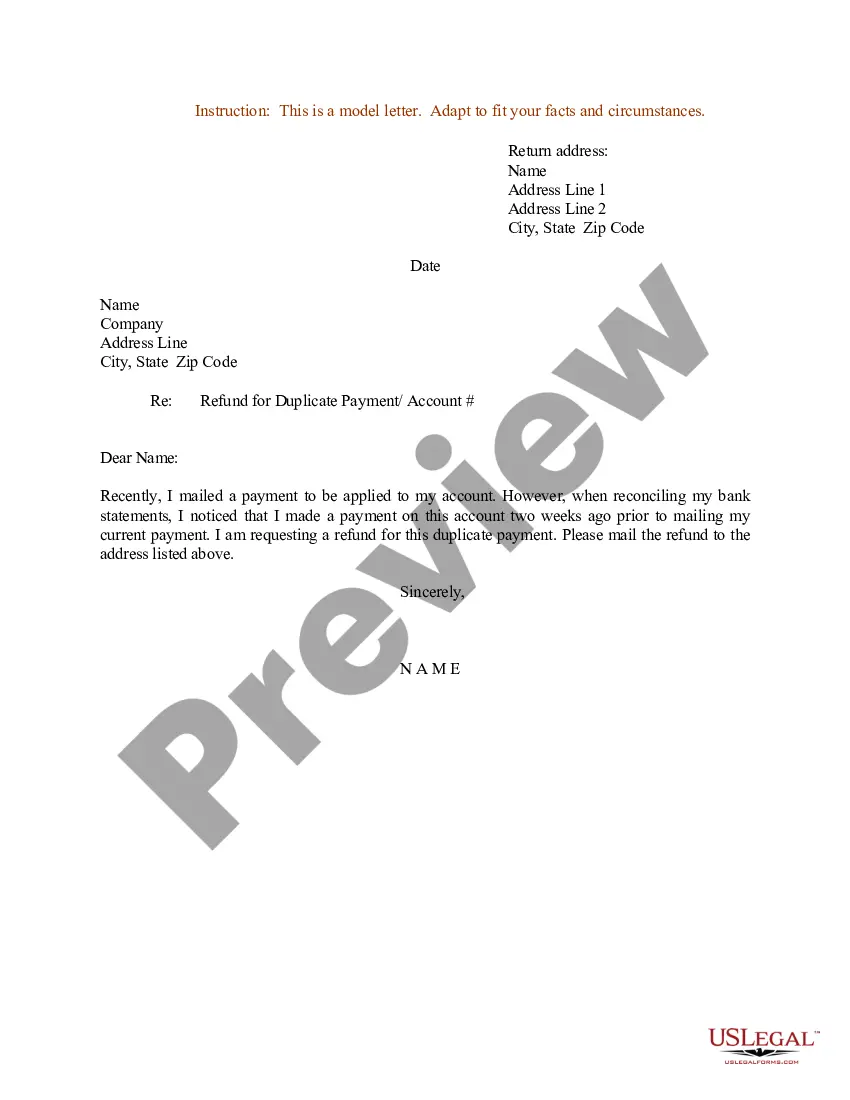
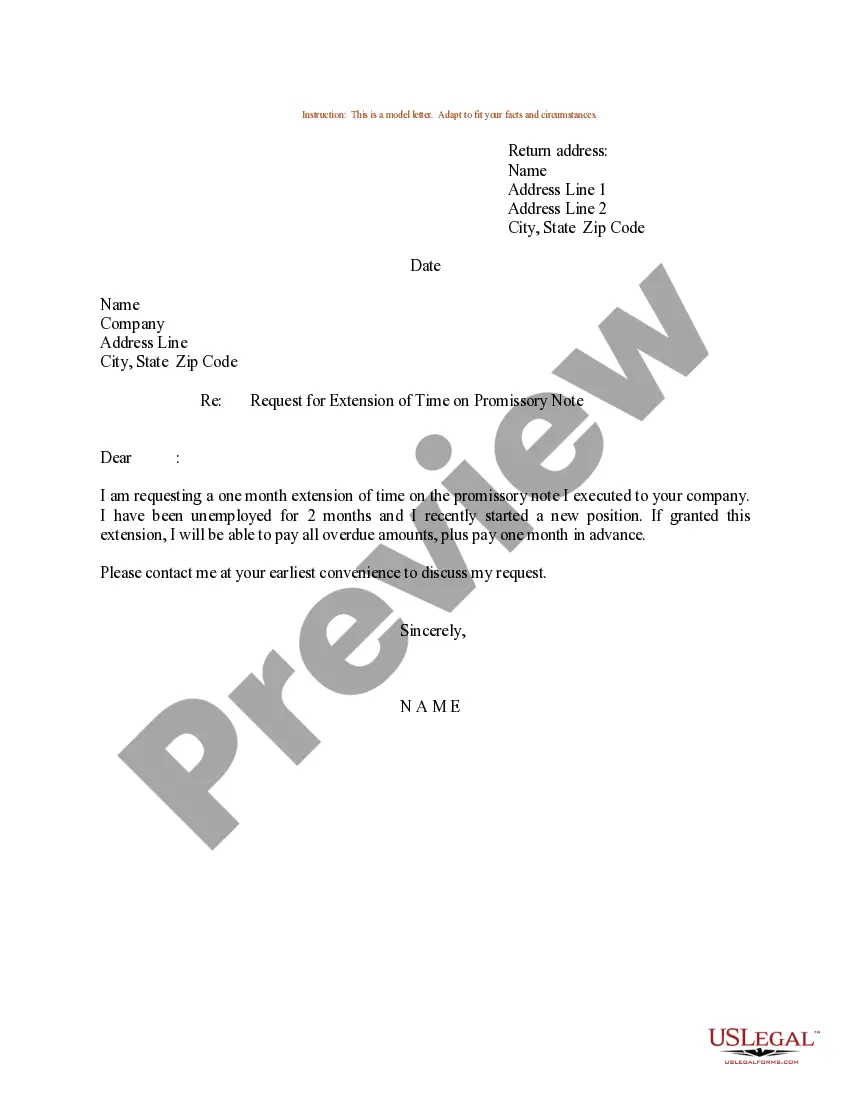
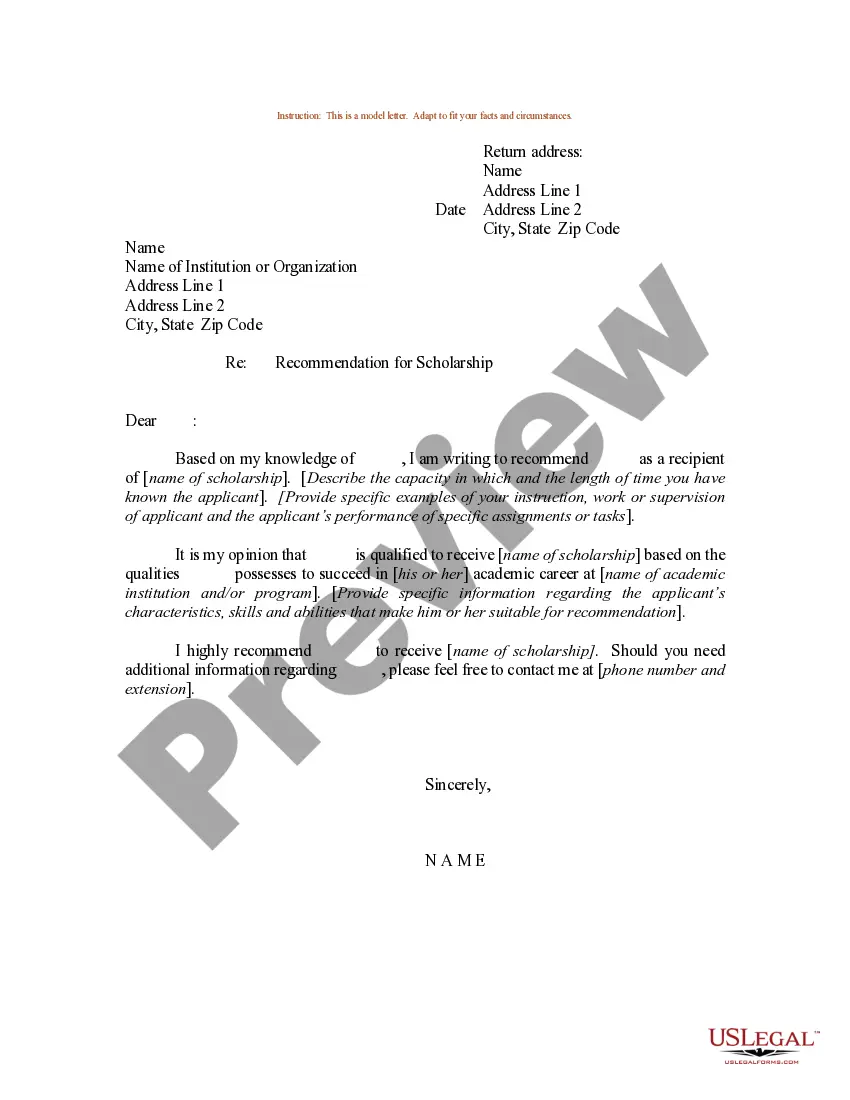
How to fill out Sample Letter For Reference Letter For A School Or College Scholarship Applicant - From Employer?
- First, log in to your US Legal Forms account if you're a returning user, ensuring your subscription is active.
- If you're new, start by reviewing the form preview and description to confirm it meets your requirements.
- Utilize the search feature to explore other available templates if the selected one doesn't meet your criteria.
- Purchase the desired document by clicking the Buy Now button and select a subscription plan that suits you.
- Complete your purchase with your payment details, either via credit card or PayPal.
- Finally, download your completed form to your device for easy access and further edits in the My Forms section of your account.
By following these straightforward steps, you can securely create the documents you need as a caregiver while ensuring they comply with legal standards.
Start utilizing US Legal Forms today to access an extensive library of legal templates and get expert assistance for all your caregiving documentation needs.
Form popularity
FAQ
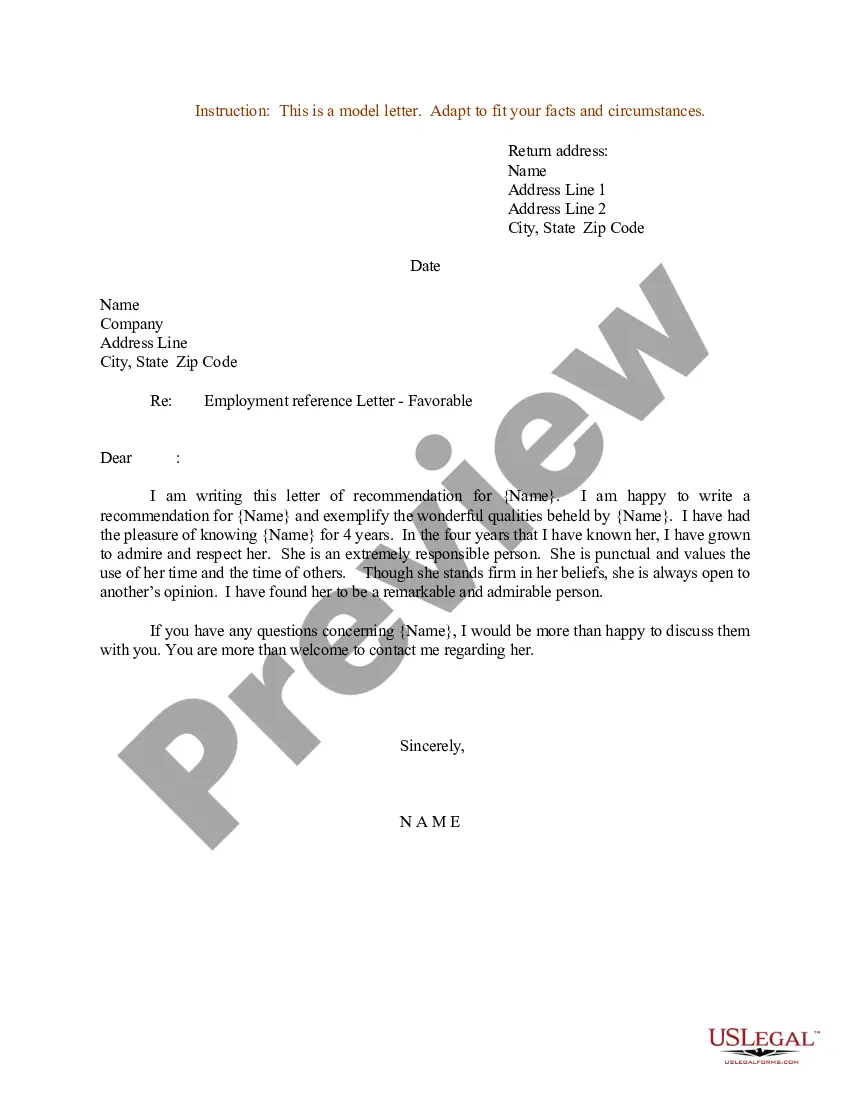
A positive recommendation letter highlights the caregiver's skills, experiences, and strengths. For instance, it may mention specific instances where the caregiver demonstrated compassion and responsibility while caring for clients. This type of letter serves as a sample reference for caregivers, showcasing their ability to provide quality care. When creating your own recommendation letter, consider including personal anecdotes that illustrate the caregiver's dedication and impact.
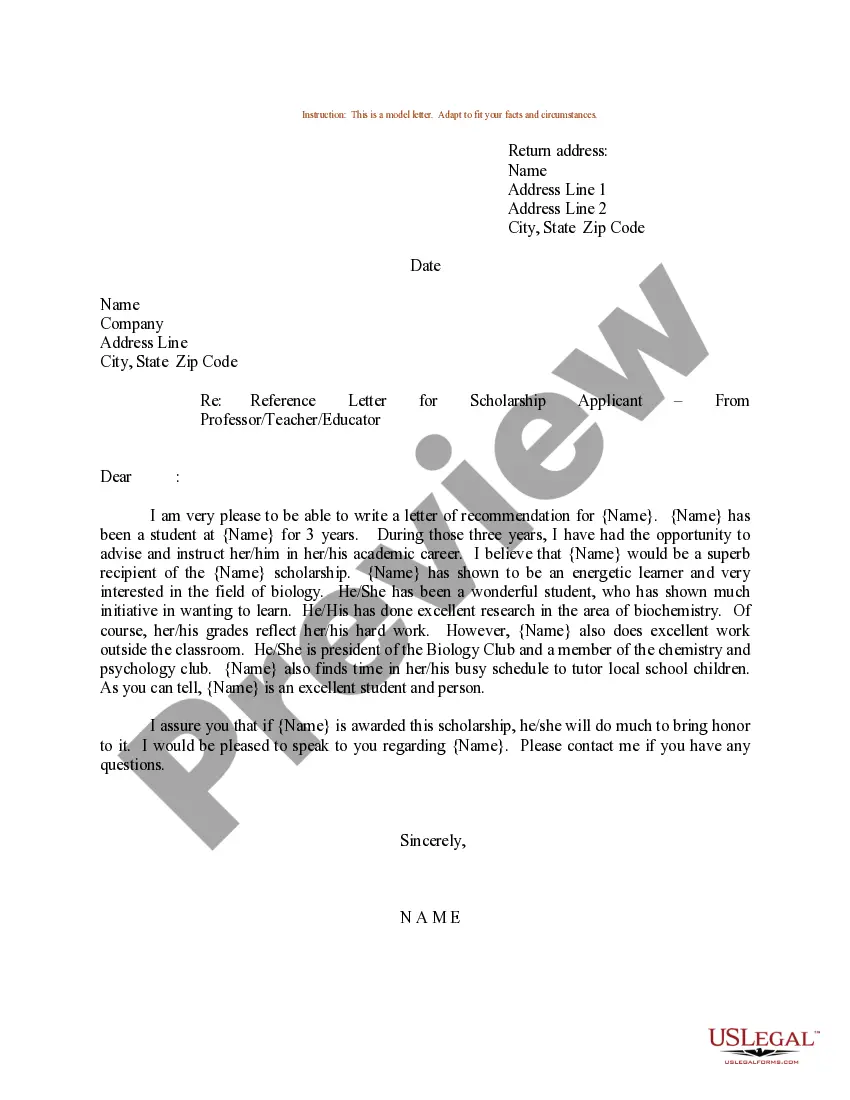
To write a character reference for a care worker, start by stating your relationship with the individual and how long you've known them. Include specific examples of their reliability, compassion, and professionalism. Utilizing a sample reference for caregiver can help you structure your thoughts and make sure all essential qualities stand out, which can greatly enhance the caregiver's job prospects.
A good reference for a carer clearly outlines the individual’s strengths and experiences in caregiving roles. It should highlight specific skills, such as communication and empathy, which are vital for effective caregiving. By providing a sample reference for caregiver, you can guide the referee to include relevant details that assure potential employers of the caregiver's qualifications.
Writing a character reference for a caregiver involves sharing specific examples of their skills and attributes. Begin by introducing yourself and explaining your connection to the caregiver, then highlight qualities that make them suitable for the role. Your personal anecdotes will enhance the reference's credibility, serving as an excellent sample reference for caregiver applications to support their qualifications.
Filling out a reference form requires careful attention to detail. Start by clearly providing your contact information, including your name, phone number, and email address. Next, include information about your relationship with the caregiver, focusing on your personal observations. This structured approach can serve as an effective sample reference for caregiver, showcasing your insights.
When writing a reference for a care worker, begin by detailing your relationship and the context of their work. Highlight specific examples of their contributions, focusing on their commitment to client comfort and safety. A well-structured reference wraps up by stating your endorsement, making it clear you fully support their future opportunities.
For a good reference, emphasize the caregiver's professionalism, empathy, and ability to connect with clients. Use phrases like, 'I have witnessed firsthand how Caregiver's Name creates a positive environment, effectively addressing the needs of clients.' This approach builds credibility and encourages trust.
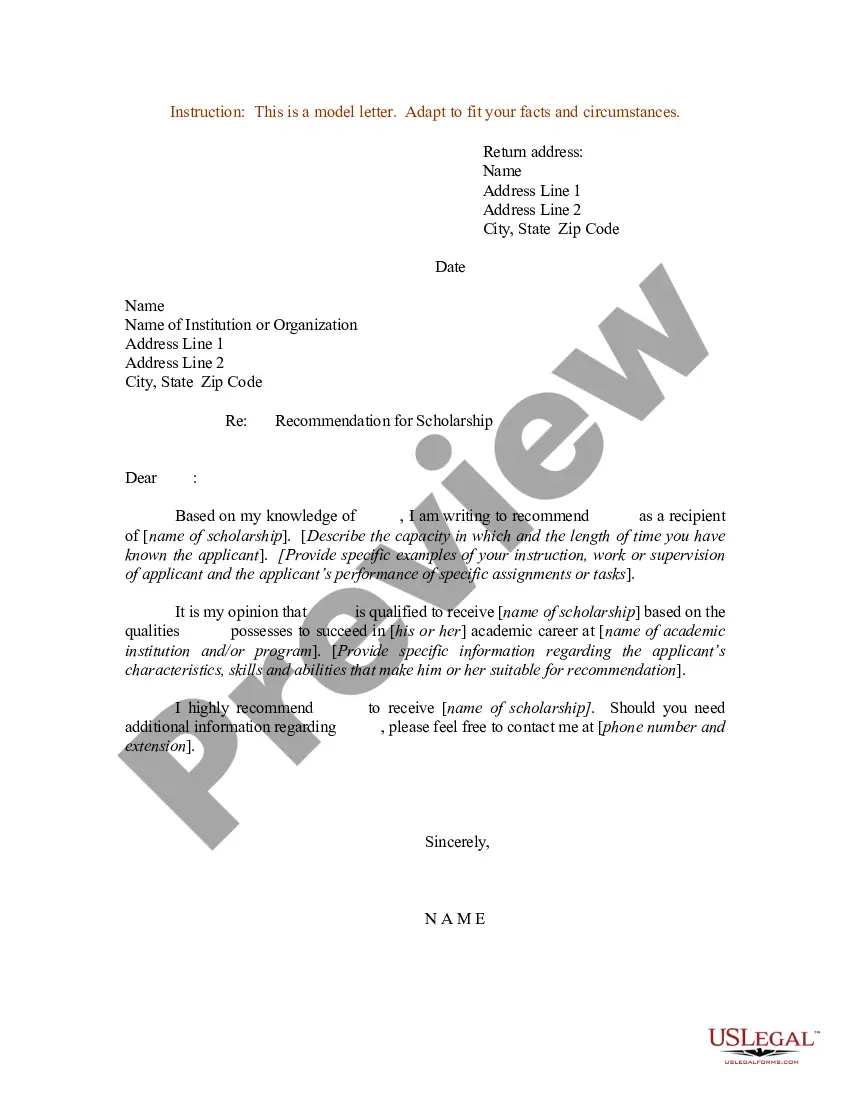
A good example of a reference focuses on the caregiver's qualifications and personal qualities. You could state, 'I highly recommend Caregiver's Name, who has shown remarkable dedication to their work, providing exceptional care and support to those in need.' This type of statement exemplifies what makes a caregiver stand out.
To write a reference letter for a caregiver, start with a clear introduction of your relationship with the caregiver and the context in which you know them. Include specific examples of their caregiving skills, such as patient communication and problem-solving abilities. Conclude with a strong endorsement, emphasizing why you recommend them for future caregiving roles.
A good reference for a caregiver outlines their strengths and specific achievements. For example, you might say, 'In my experience, Caregiver's Name consistently provides outstanding support to clients, ensuring their needs are met with warmth and professionalism.' This not only validates their skills but also offers a personal touch.