Motion Release Evidence With Case Laws
Description
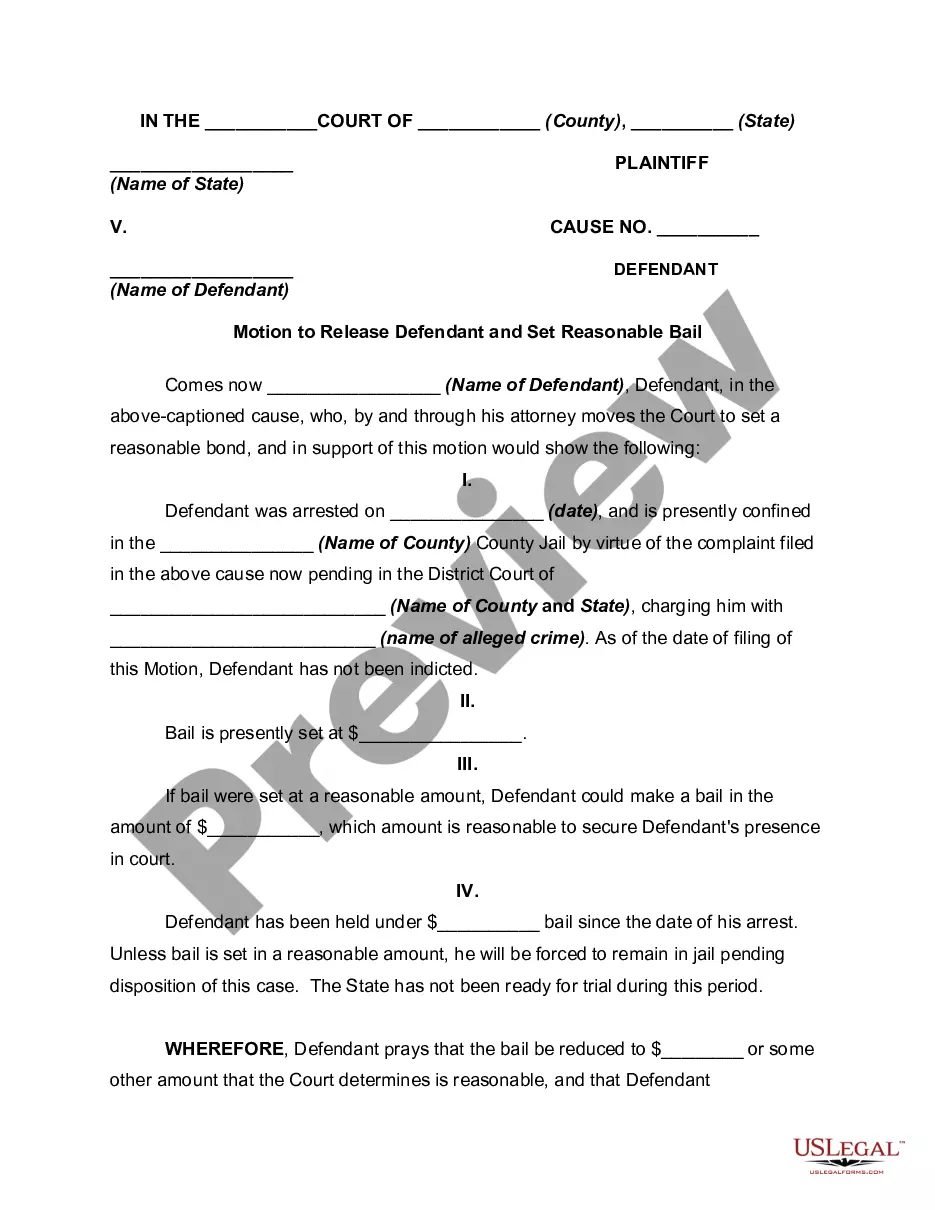
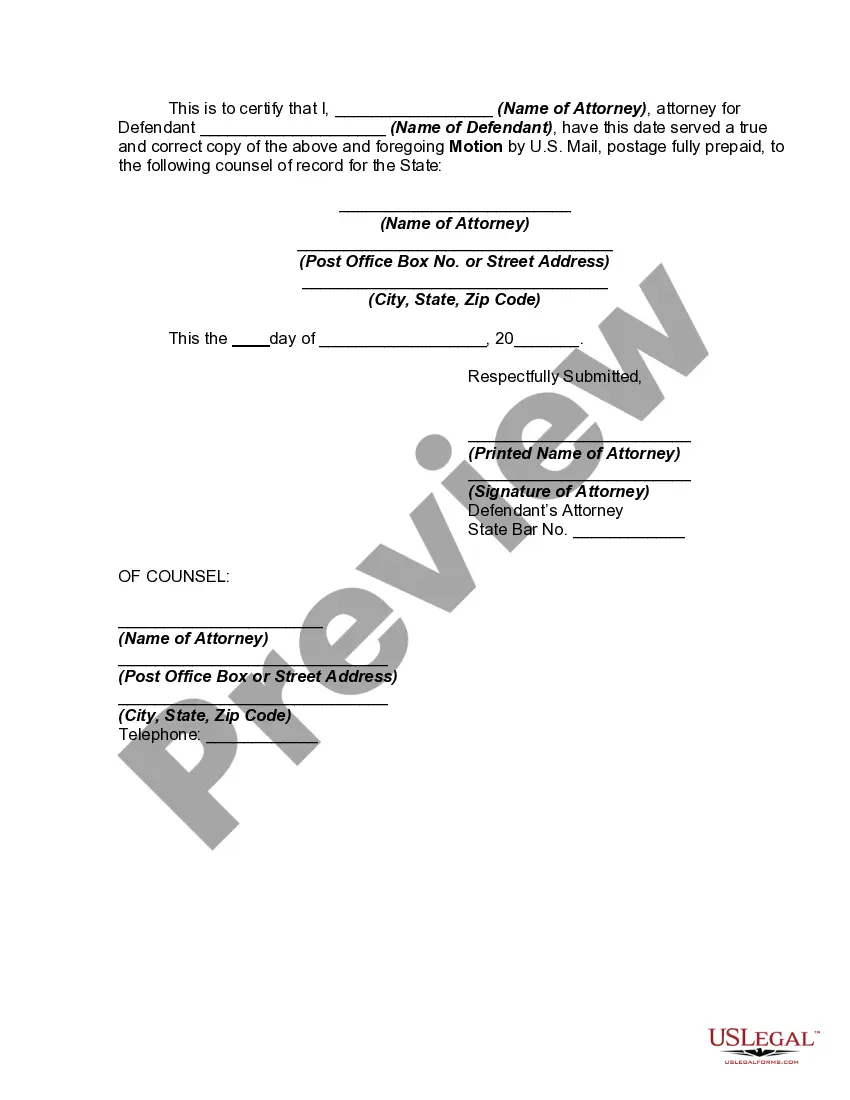
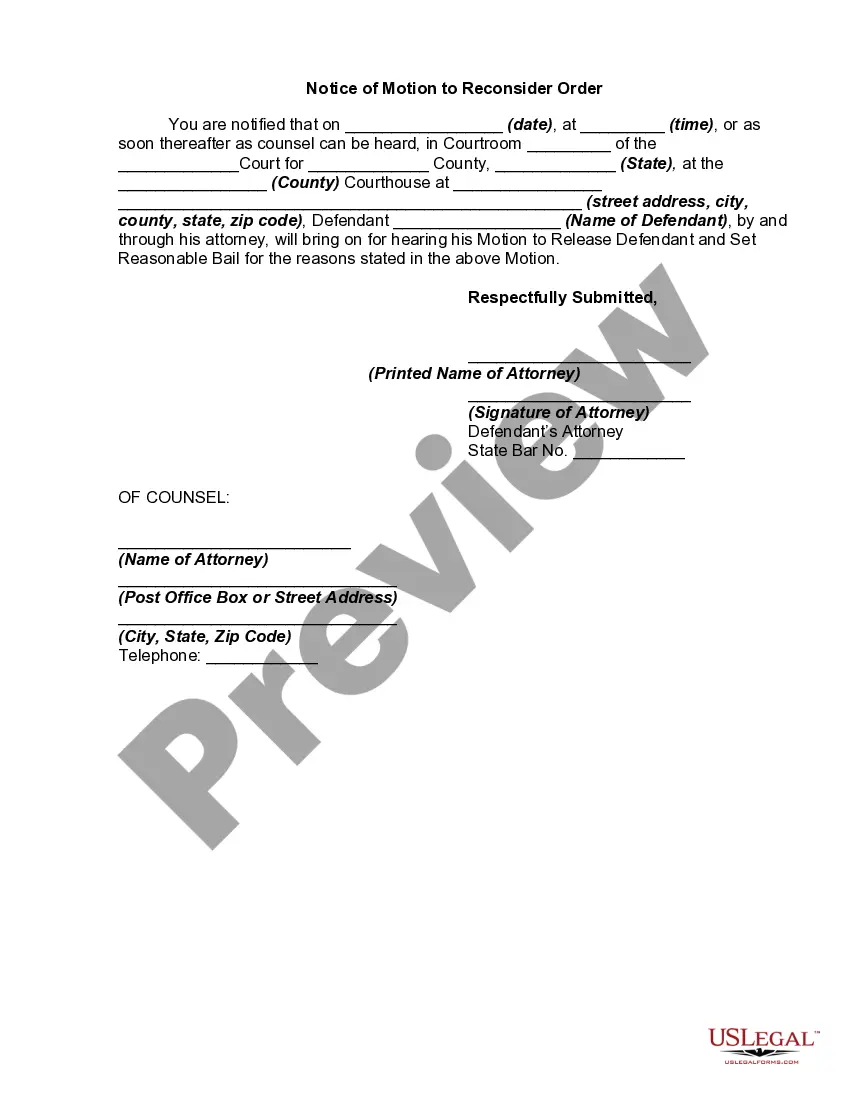
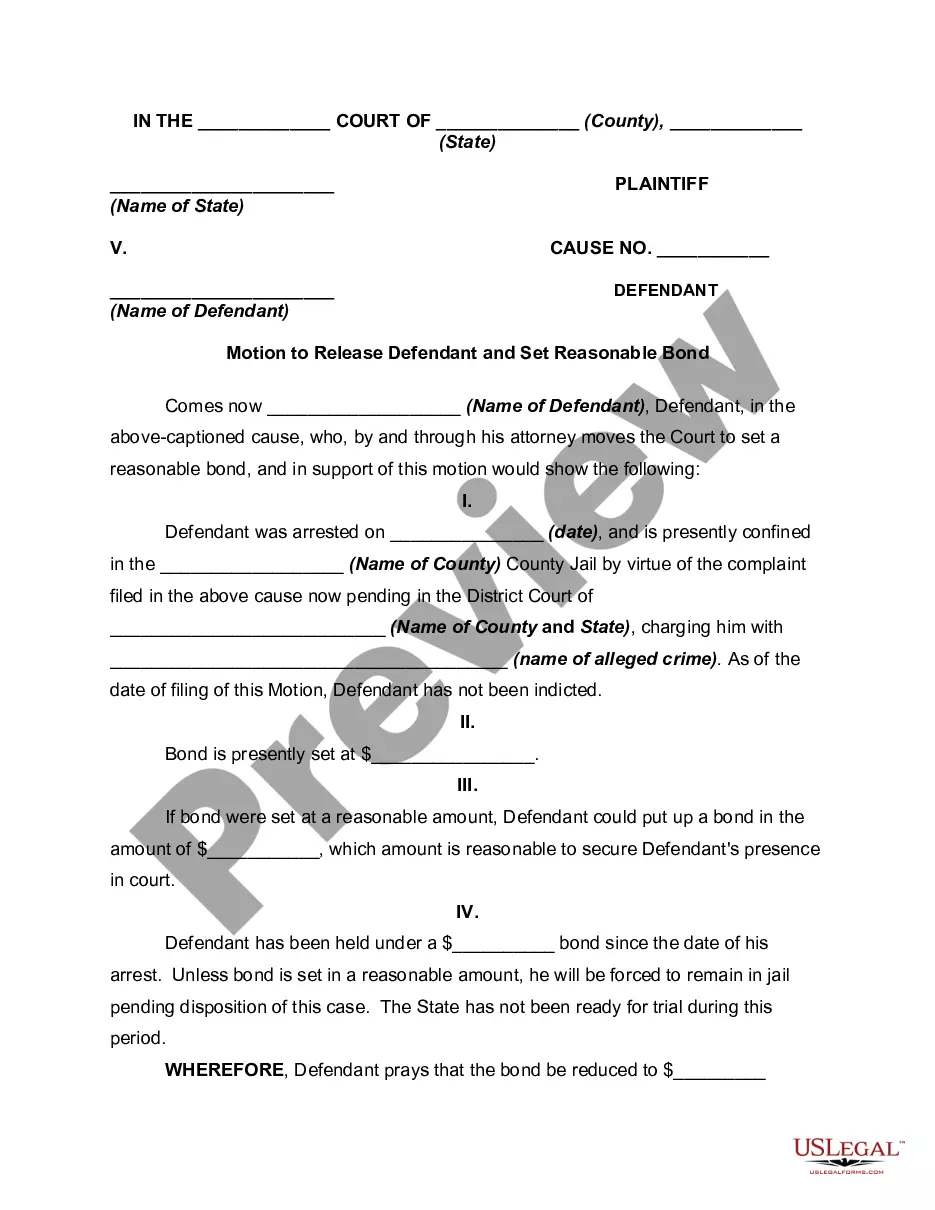
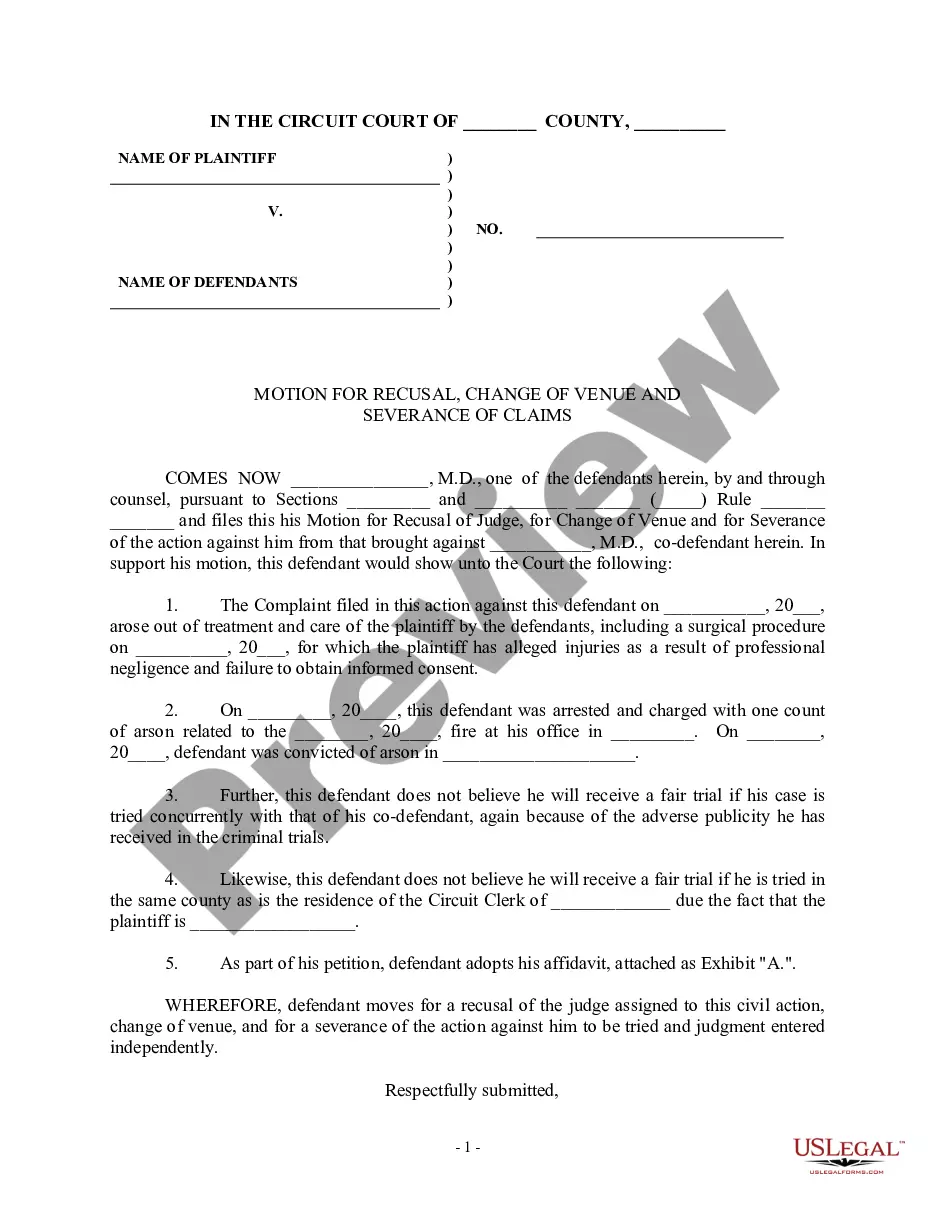
Get your form ready online
Our built-in tools help you complete, sign, share, and store your documents in one place.
Make edits, fill in missing information, and update formatting in US Legal Forms—just like you would in MS Word.
Download a copy, print it, send it by email, or mail it via USPS—whatever works best for your next step.
Sign and collect signatures with our SignNow integration. Send to multiple recipients, set reminders, and more. Go Premium to unlock E-Sign.
If this form requires notarization, complete it online through a secure video call—no need to meet a notary in person or wait for an appointment.
We protect your documents and personal data by following strict security and privacy standards.

Make edits, fill in missing information, and update formatting in US Legal Forms—just like you would in MS Word.

Download a copy, print it, send it by email, or mail it via USPS—whatever works best for your next step.

Sign and collect signatures with our SignNow integration. Send to multiple recipients, set reminders, and more. Go Premium to unlock E-Sign.

If this form requires notarization, complete it online through a secure video call—no need to meet a notary in person or wait for an appointment.

We protect your documents and personal data by following strict security and privacy standards.
Looking for another form?
How to fill out Motion To Release Defendant And Set Reasonable Bail?
It’s well known that you cannot transform into a legal expert instantly, nor can you learn to efficiently formulate Motion Release Evidence With Case Laws without possessing a dedicated skill set.
Drafting legal documents is a lengthy endeavor necessitating particular education and expertise. So why not entrust the preparation of the Motion Release Evidence With Case Laws to the professionals.
With US Legal Forms, one of the most extensive collections of legal templates, you can find anything from judicial documents to templates for internal business communications. We understand how vital compliance and adherence to both federal and local laws and regulations are. That’s why, on our platform, all templates are geographically tailored and current.
You can regain access to your documents at any time from the My documents tab. If you’re a returning customer, you can simply Log In and find and download the template from the same section.
Regardless of the purpose of your documents—whether financial and legal, or personal—our platform has you covered. Give US Legal Forms a try now!
- Find the form you need using the search bar at the top of the page.
- View it (if this function is available) and read the accompanying description to determine whether Motion Release Evidence With Case Laws is what you’re seeking.
- Begin your search anew if you require a different form.
- Create a free account and select a subscription plan to purchase the form.
- Select Buy now. Once the payment is processed, you can obtain the Motion Release Evidence With Case Laws, complete it, print it, and send or mail it to the required individuals or organizations.
Form popularity
FAQ
A motion in which a party asks the court to exclude, limit, or include evidence before it is offered at trial. The court decides the motion outside the presence of a jury.
Common pre-trial motions include: Motion to Dismiss ? an attempt to get the judge to dismiss a charge or the case. ... Motion to Suppress ? an attempt to keep certain statements or evidence from being introduced as evidence. ... Motion for Change of Venue ? may be made for various reasons including pre-trial publicity.
You do this by telling the judge what you are showing and ask to mark it as an exhibit. ?Your Honor, I have here a 3-page document. It is titled 'Promissory Note' and dated June 26, 2020. I am showing it to the opposing counsel.
It is sometimes possible to introduce newly discovered evidence as late as a motion for post-trial relief (or even in an even later motion to set aside a judgment), but usually, the very latest point at which you can introduce evidence is the close of your case at trial (in the case of a plaintiff, often at the halfway ...
Be as persuasive as possible as you write your motion in a sequential, logical format. Express your ideas clearly, and make sure you outline what steps are necessary and how they will help your case. Use facts of the case whenever you can to avoid baseless emotional appeals.