Defendant Not Complying With Court Order
Description
Get your form ready online
Our built-in tools help you complete, sign, share, and store your documents in one place.
Make edits, fill in missing information, and update formatting in US Legal Forms—just like you would in MS Word.
Download a copy, print it, send it by email, or mail it via USPS—whatever works best for your next step.
Sign and collect signatures with our SignNow integration. Send to multiple recipients, set reminders, and more. Go Premium to unlock E-Sign.
If this form requires notarization, complete it online through a secure video call—no need to meet a notary in person or wait for an appointment.
We protect your documents and personal data by following strict security and privacy standards.

Make edits, fill in missing information, and update formatting in US Legal Forms—just like you would in MS Word.

Download a copy, print it, send it by email, or mail it via USPS—whatever works best for your next step.

Sign and collect signatures with our SignNow integration. Send to multiple recipients, set reminders, and more. Go Premium to unlock E-Sign.

If this form requires notarization, complete it online through a secure video call—no need to meet a notary in person or wait for an appointment.

We protect your documents and personal data by following strict security and privacy standards.
Looking for another form?
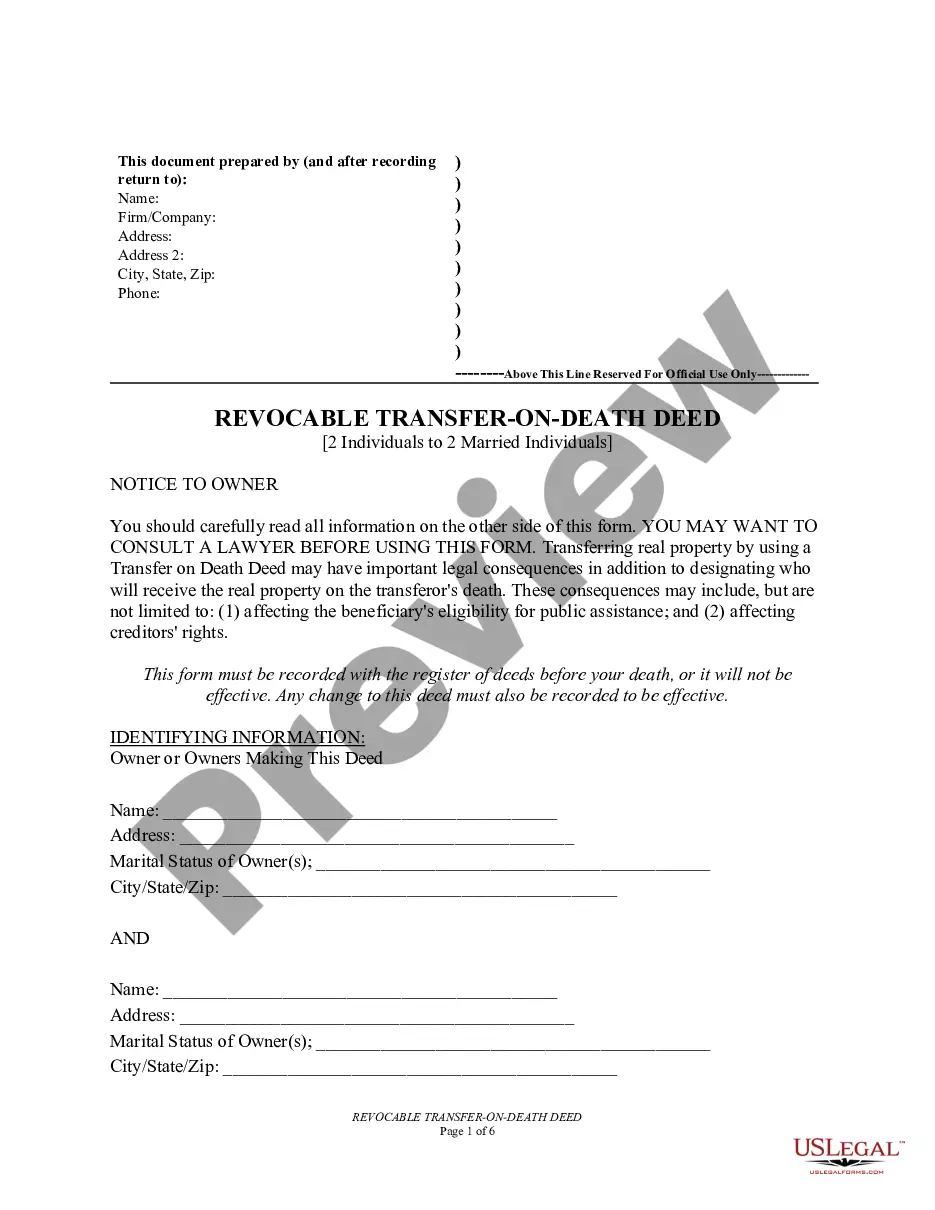
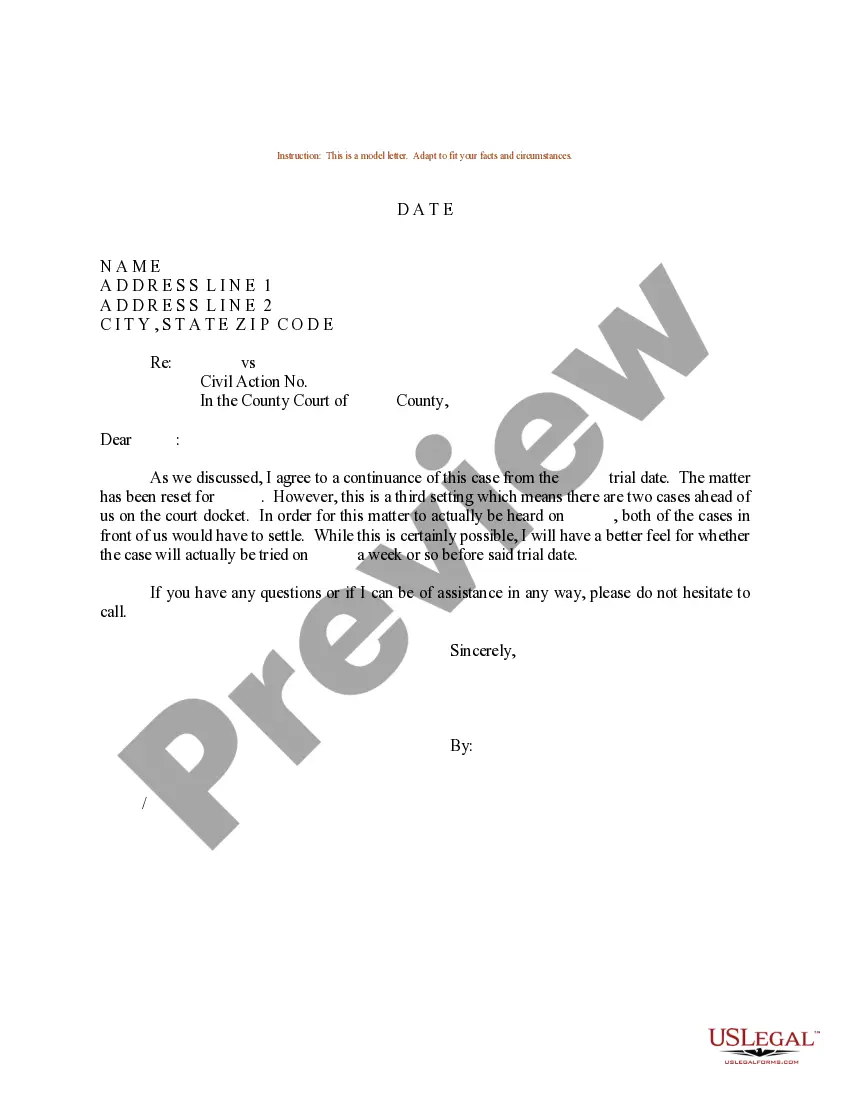
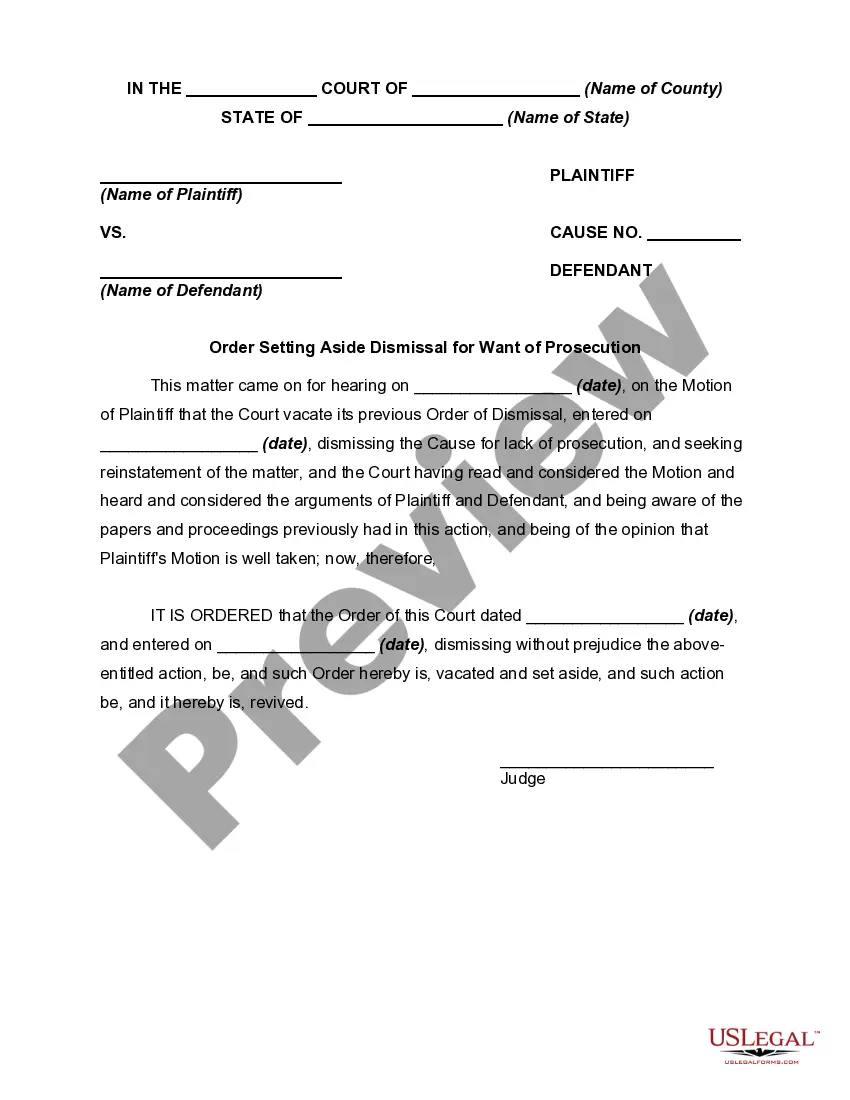
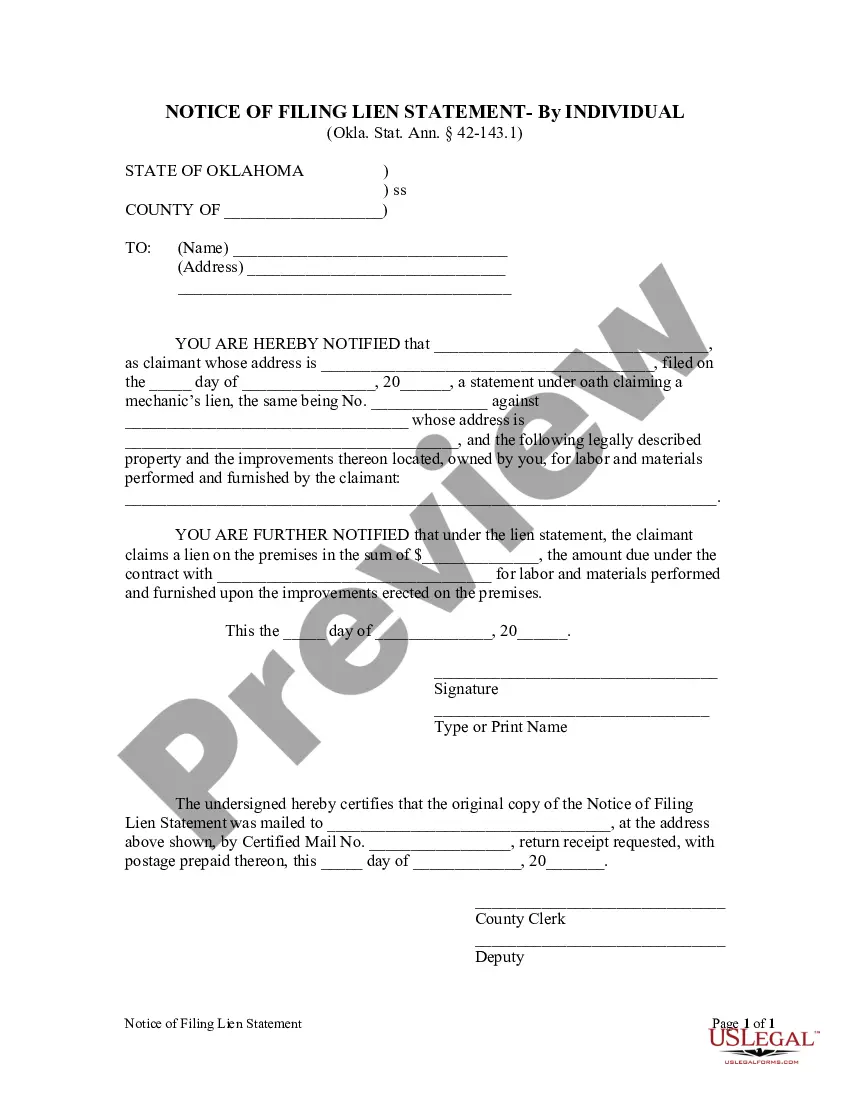

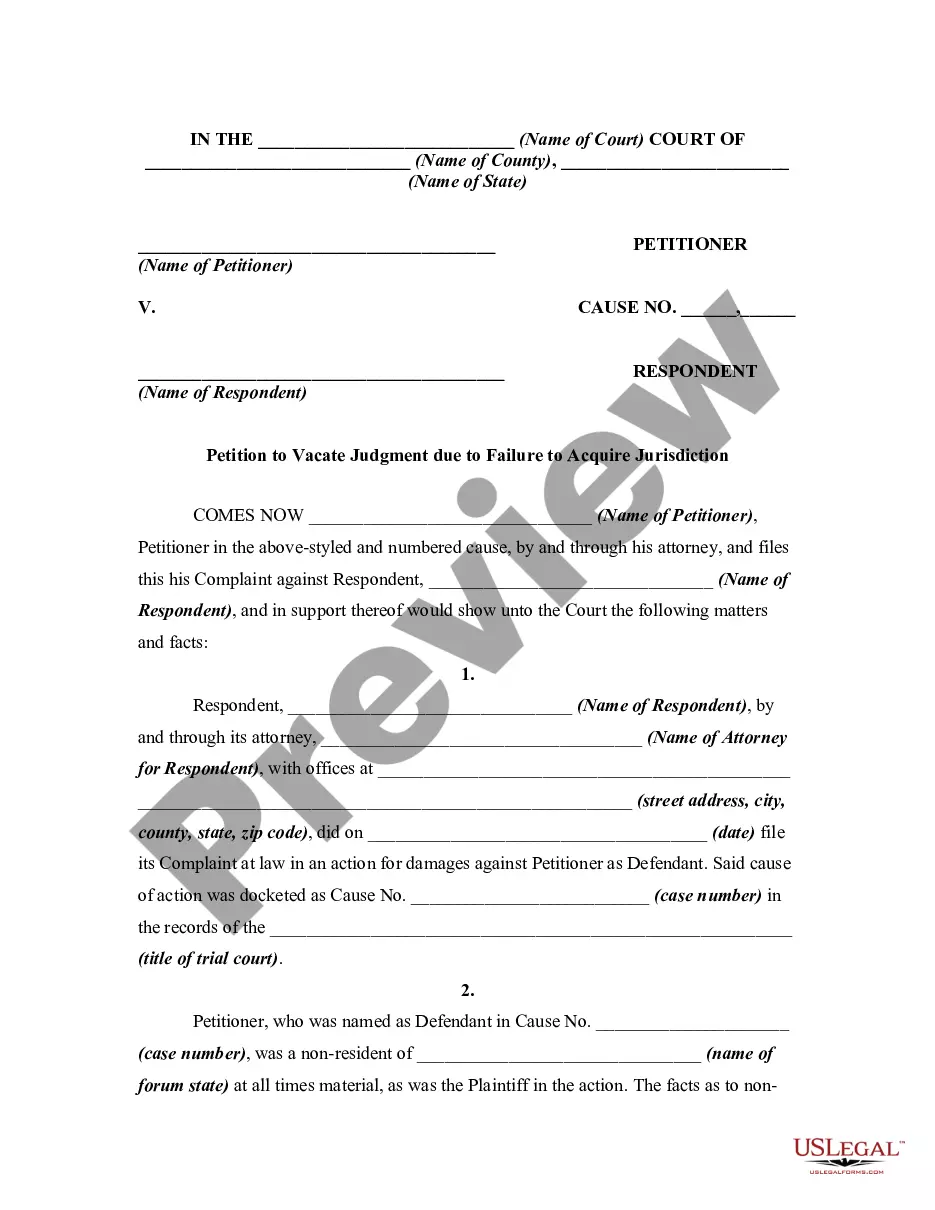
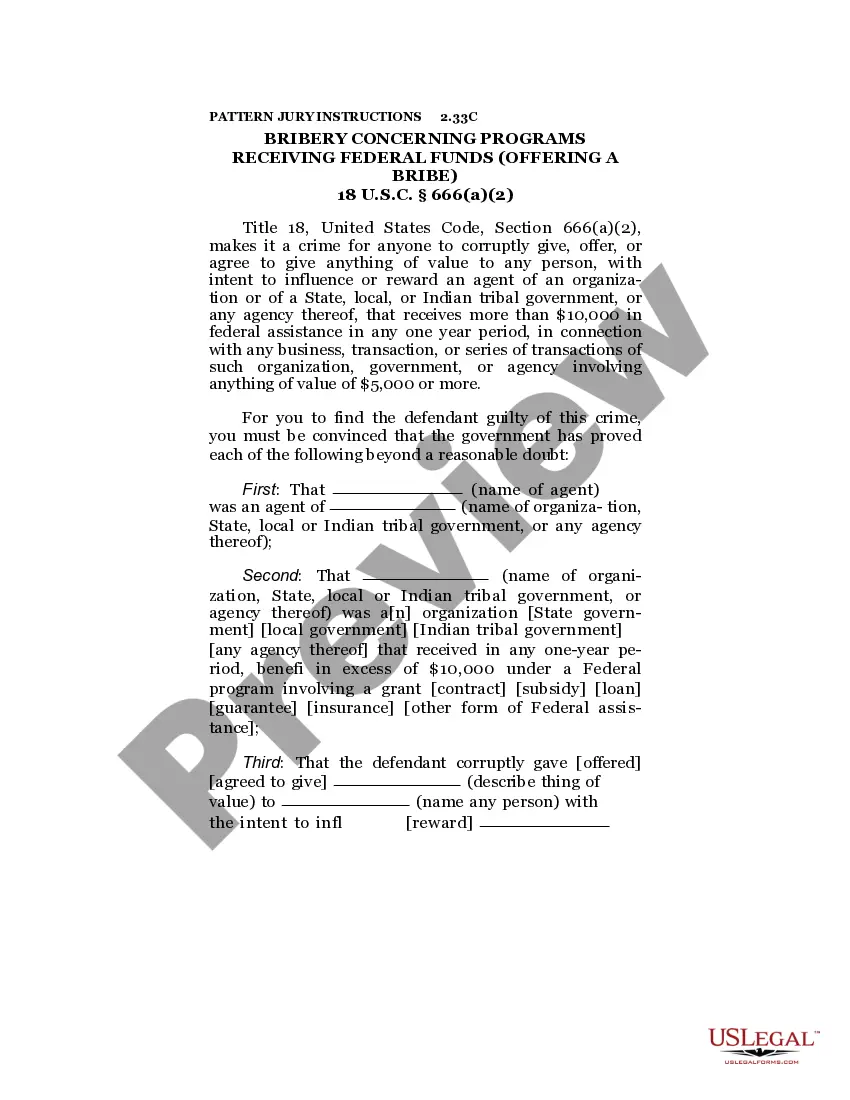
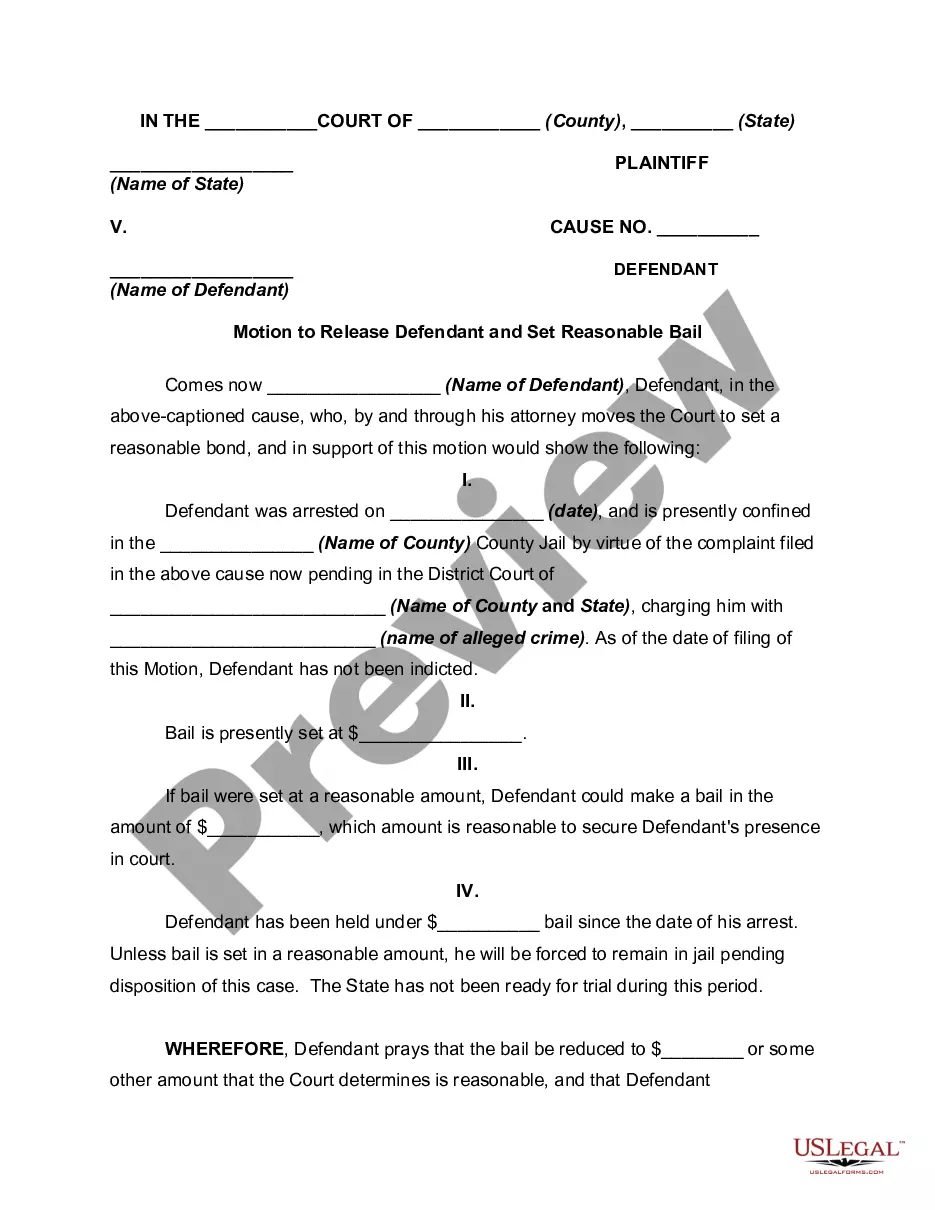
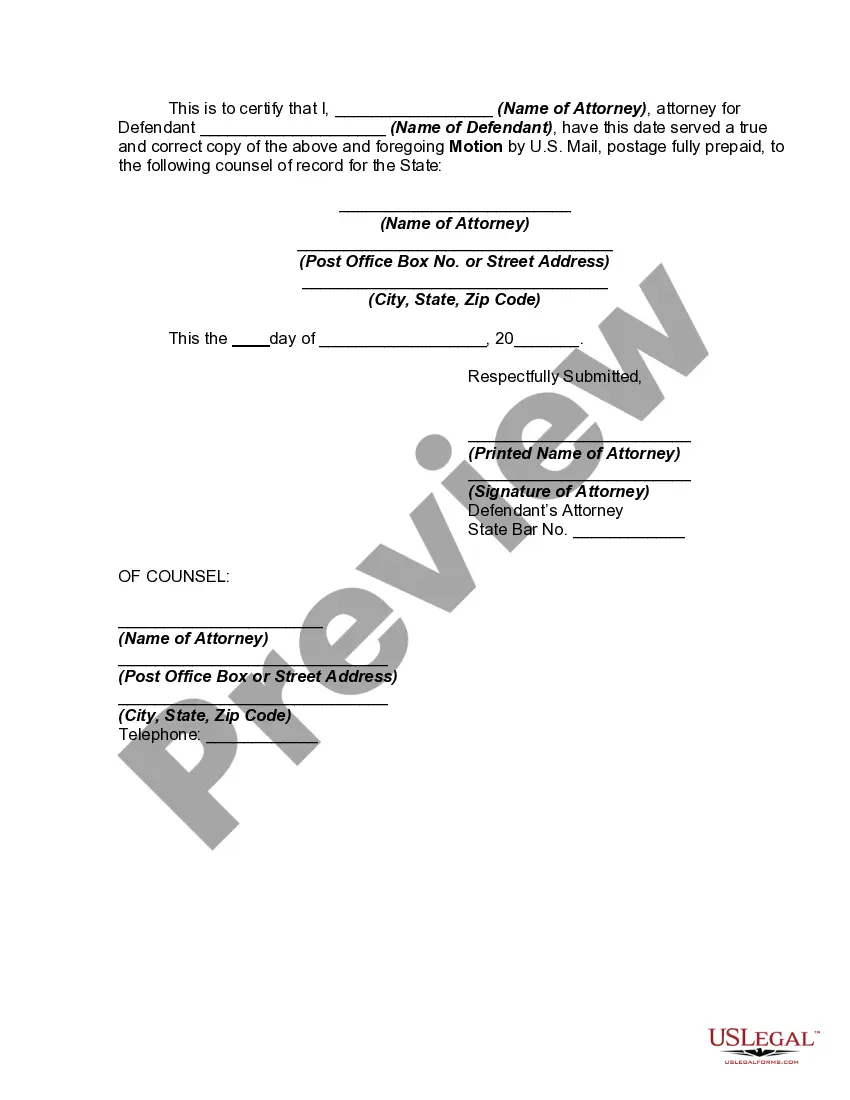
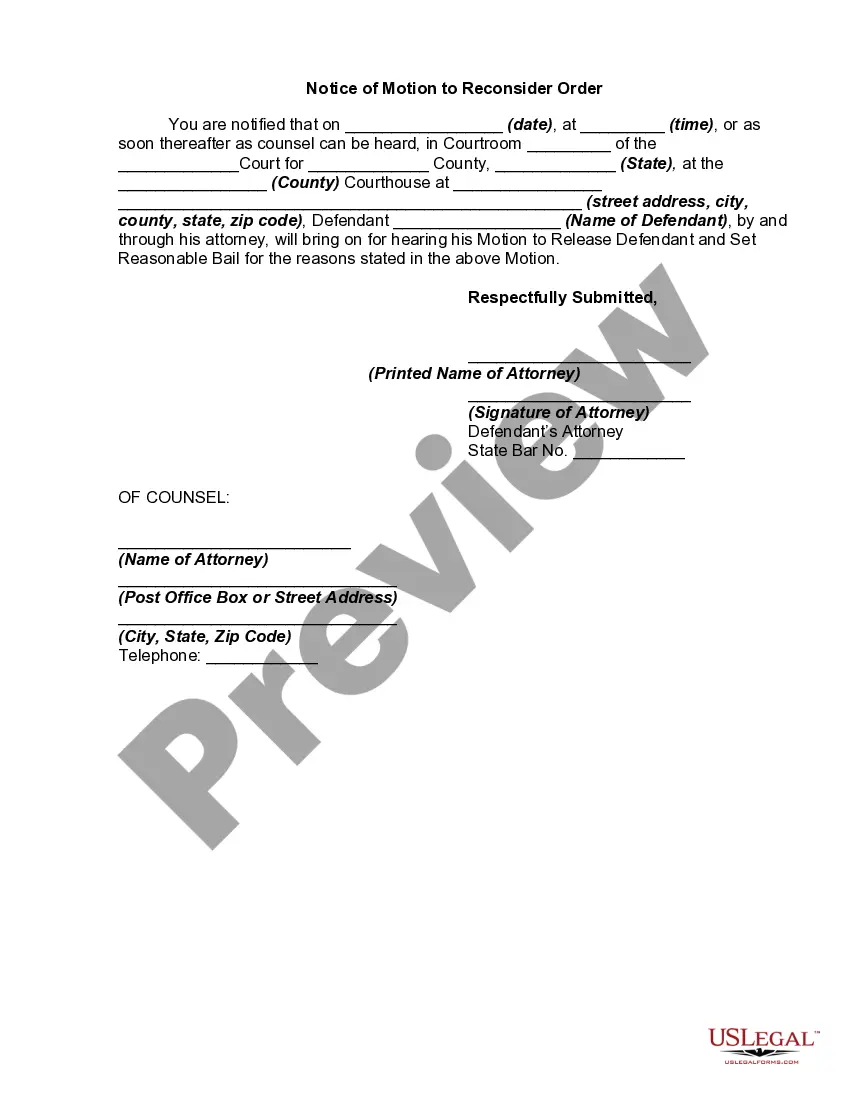
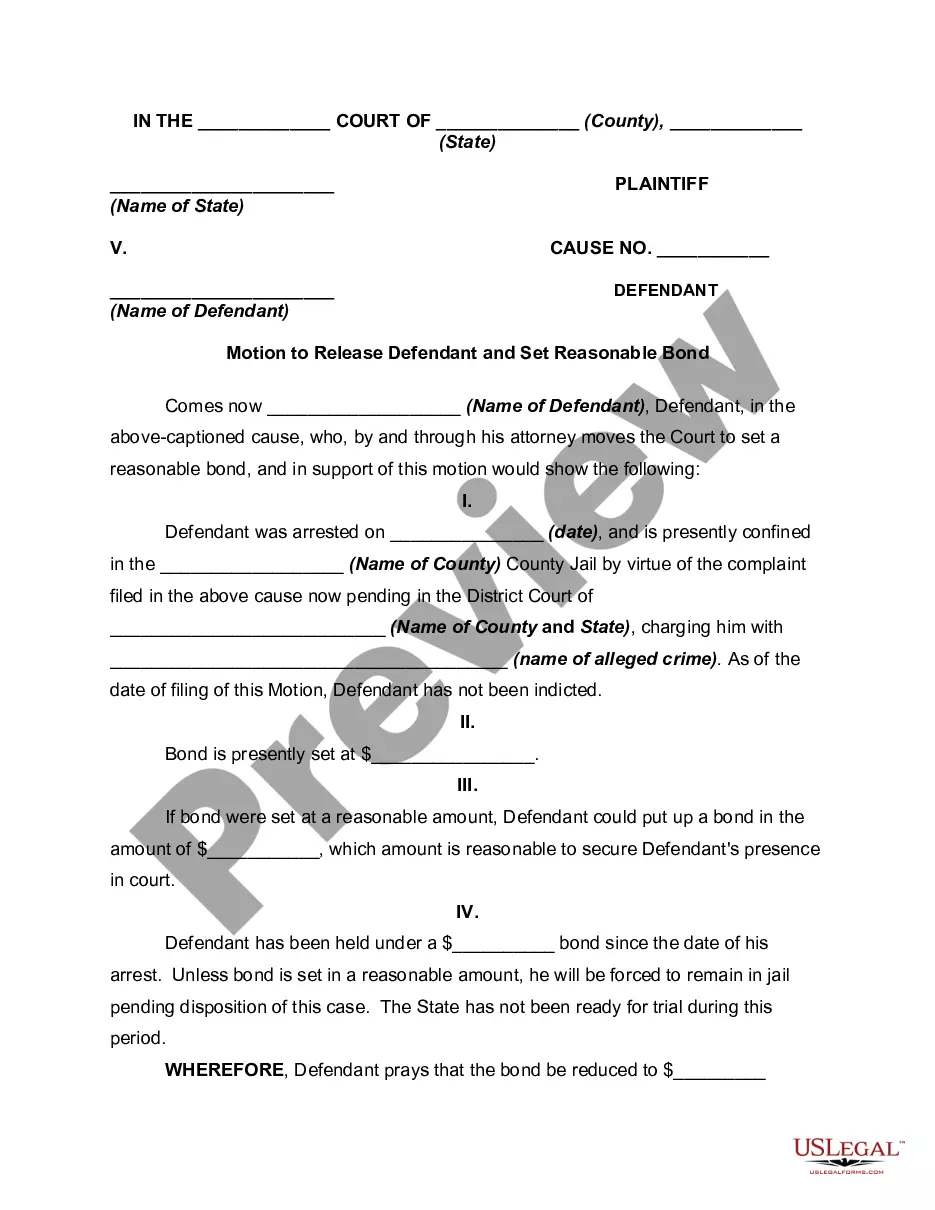
How to fill out Motion To Release Defendant And Set Reasonable Bail?
Whether for corporate aims or personal matters, everyone has to confront legal issues at some point in their lives.
Completing legal paperwork requires meticulous care, starting with selecting the correct form template.
Once saved, you can complete the form using editing software or print it out and finish it by hand. With an extensive US Legal Forms catalog available, you won't waste time searching for the correct template online. Use the library's user-friendly navigation to find the appropriate template for any circumstance.
- For example, if you select an incorrect version of a Defendant Not Complying With Court Order, it will be denied once submitted.
- Thus, it is crucial to obtain a reliable source of legal documents like US Legal Forms.
- If you need to secure a Defendant Not Complying With Court Order template, follow these simple steps.
- Retrieve the template you require using the search bar or the catalog menu.
- Review the form's summary to ensure it aligns with your circumstances, state, and county.
- Click on the form's preview to inspect it.
- If it is the incorrect document, return to the search function to find the Defendant Not Complying With Court Order example you need.
- Obtain the file once it corresponds with your requirements.
- If you already possess a US Legal Forms account, simply click Log in to access saved documents in My documents.
- In case you do not have an account yet, you can acquire the form by clicking Buy now.
- Select the suitable pricing option.
- Complete the account registration form.
- Choose your payment method: either a credit card or PayPal account.
- Select the desired file format and download the Defendant Not Complying With Court Order.
Form popularity
FAQ
Since NDAs are civil contracts, breaking one isn't technically a crime. However, it could come with severe financial penalties. Violating an NDA leaves you open to lawsuits from your employer, and you could be required to pay financial damages and possibly associated legal costs.
Consult With a Lawyer A confidentiality agreement must comply with specific legal requirements, such as state and federal laws, to be valid and enforceable. A lawyer can ensure the contract meets all necessary legal requirements and is compliant with the applicable laws.
You do not need a lawyer to create and sign a non-disclosure agreement. However, if the information you are trying to protect is important enough to warrant an NDA, you may want to have the document reviewed by someone with legal expertise.
To be valid, a Non-Disclosure Agreement only needs two signatures ? the disclosing party and the receiving party. It doesn't need to be notarized or filed with any state or local administrative office.
There are several reasons why an NDA might be unenforceable, however. If the NDA is too broad, the information under the NDA is not actually confidential, or if the agreement requires the employee to do something illegal. NDAs must be carefully crafted for proper enforcement.
Term of agreement and survival of nondisclosure obligations Survival periods of one to five years are typical. The term often depends on the type of information involved and how quickly the information changes. The information in this article was excerpted from Confidentiality and Nondisclosure Agreements.
While the rules can certainly vary from state to state, most jurisdictions consider non-disclosure agreements to be enforceable as long as they are drafted and executed properly.
Confidentiality agreements can run indefinitely, covering the parties' disclosures of confidential information at any time, or can terminate on a certain date or event. Whether or not the overall agreement has a definite term, the parties' nondisclosure obligations can be stated to survive for a set period.