Title Quiet Form With A Question Mark
Description
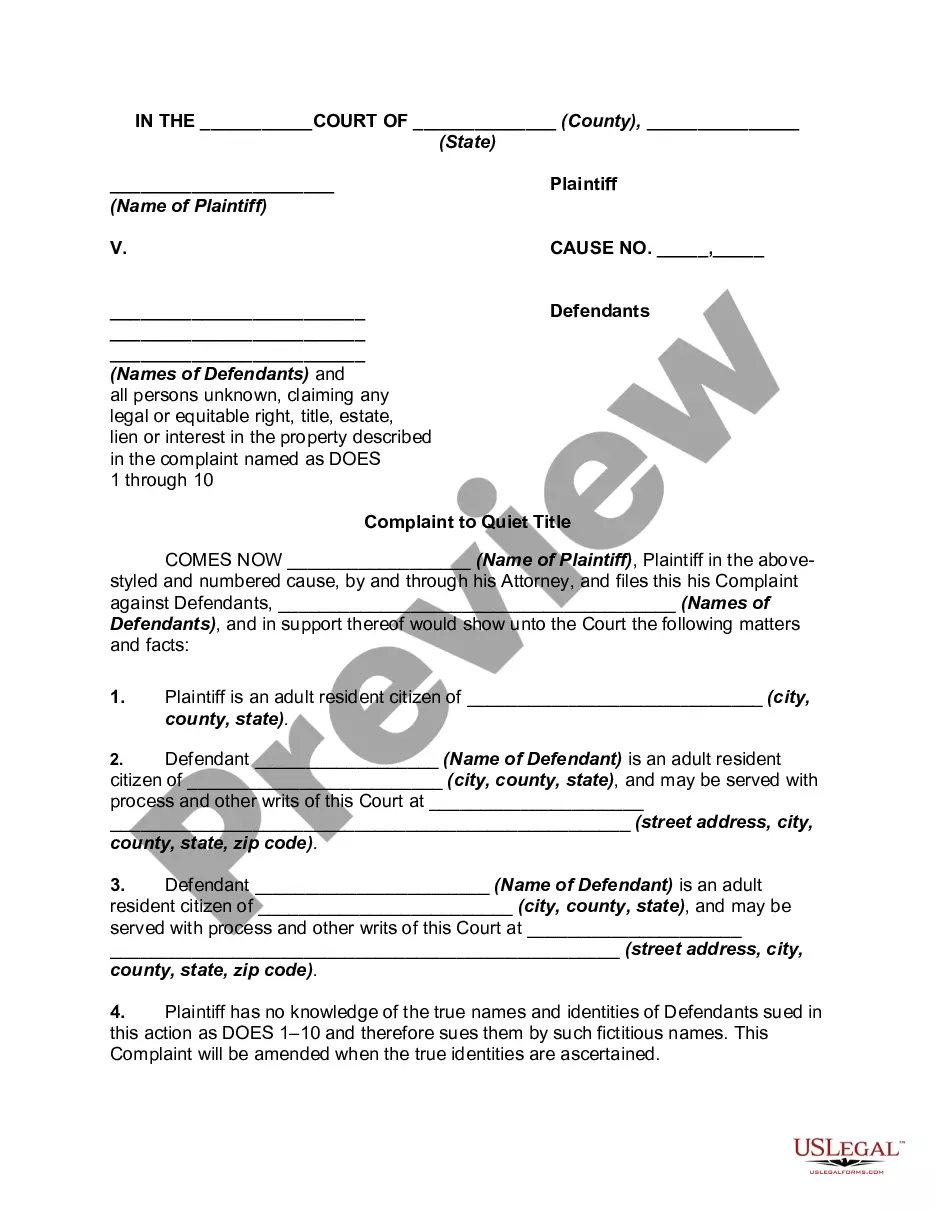
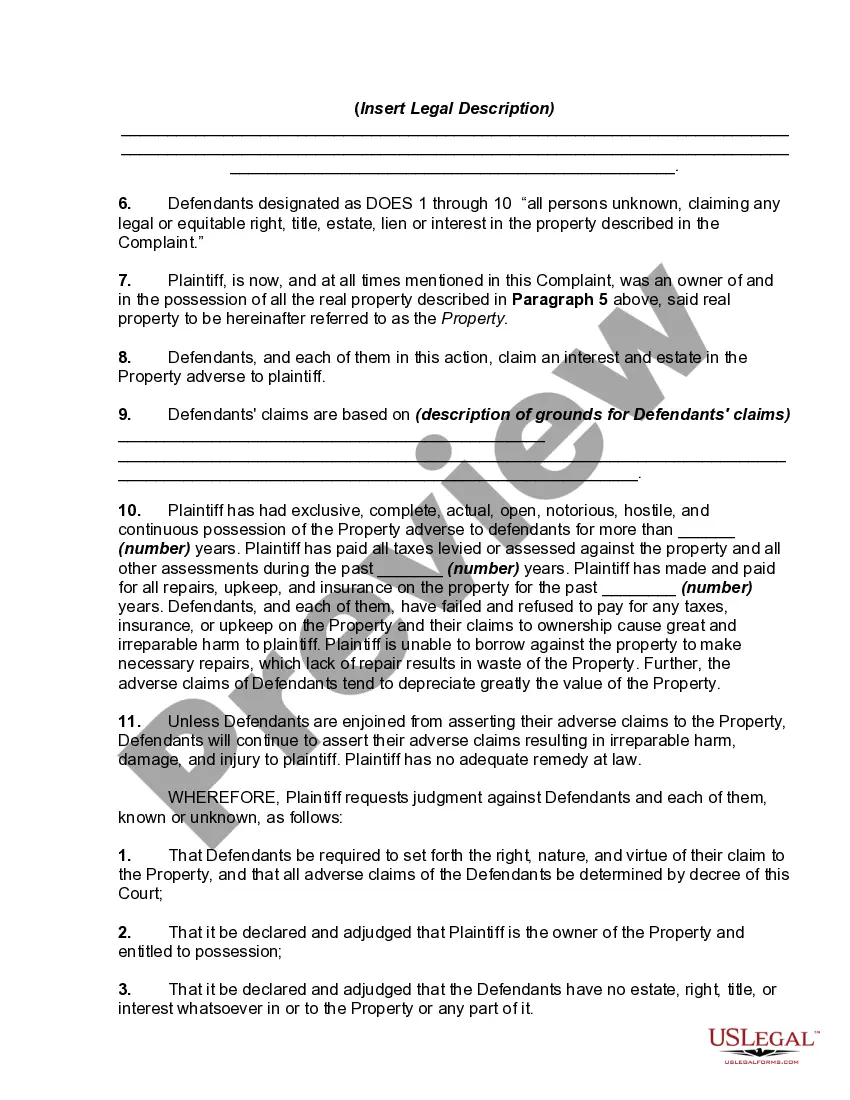
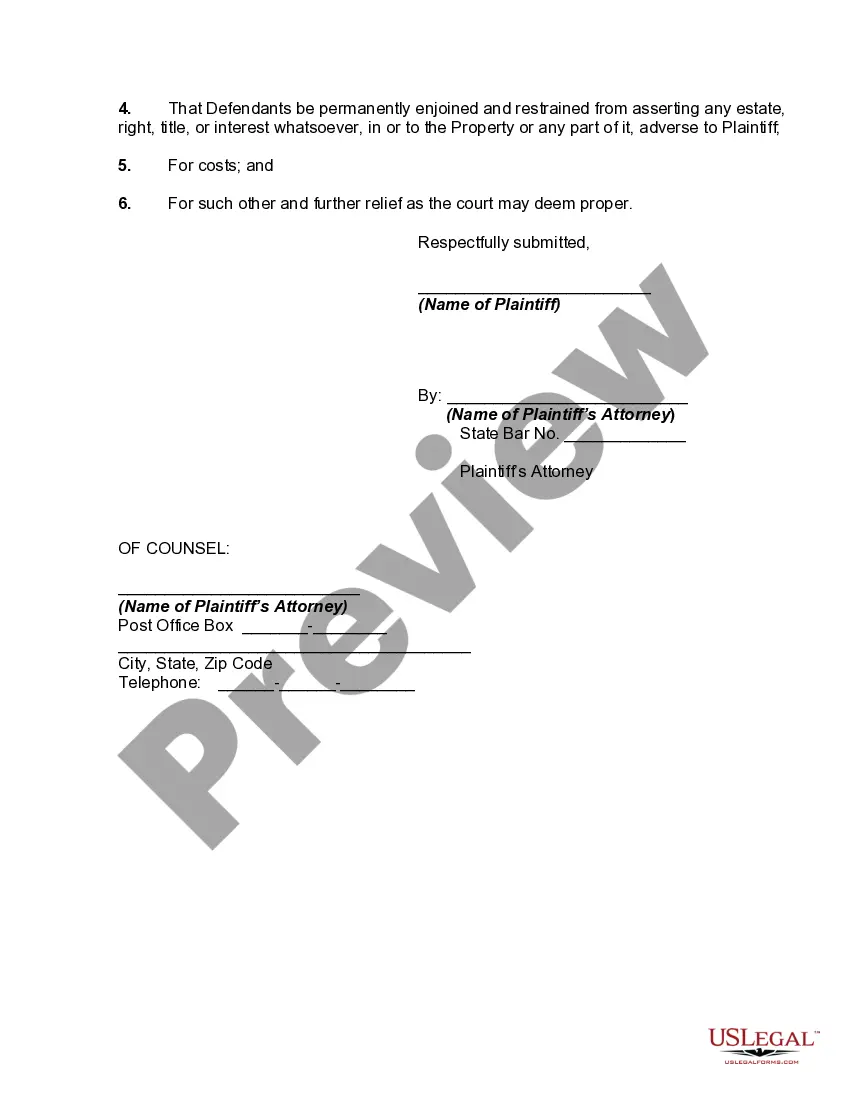
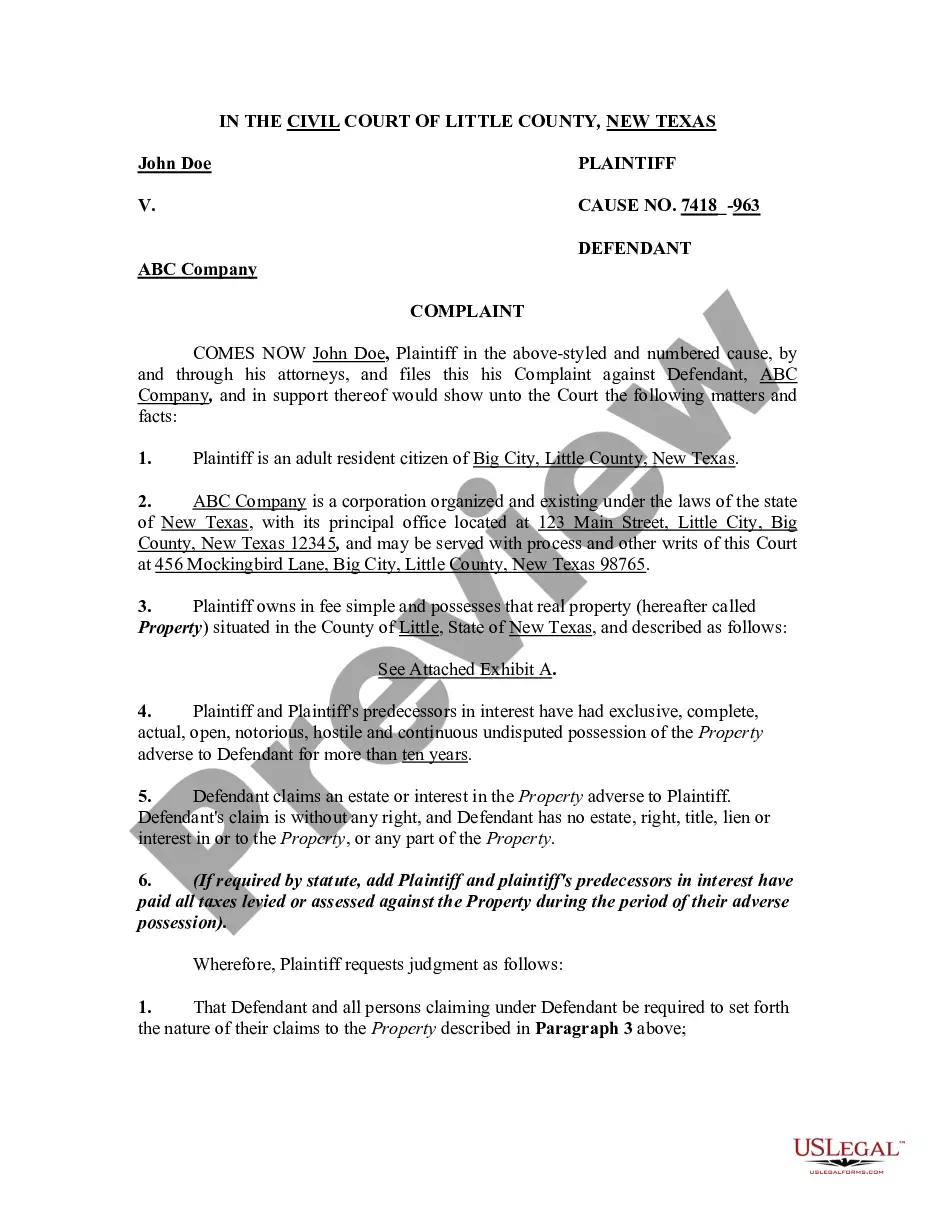
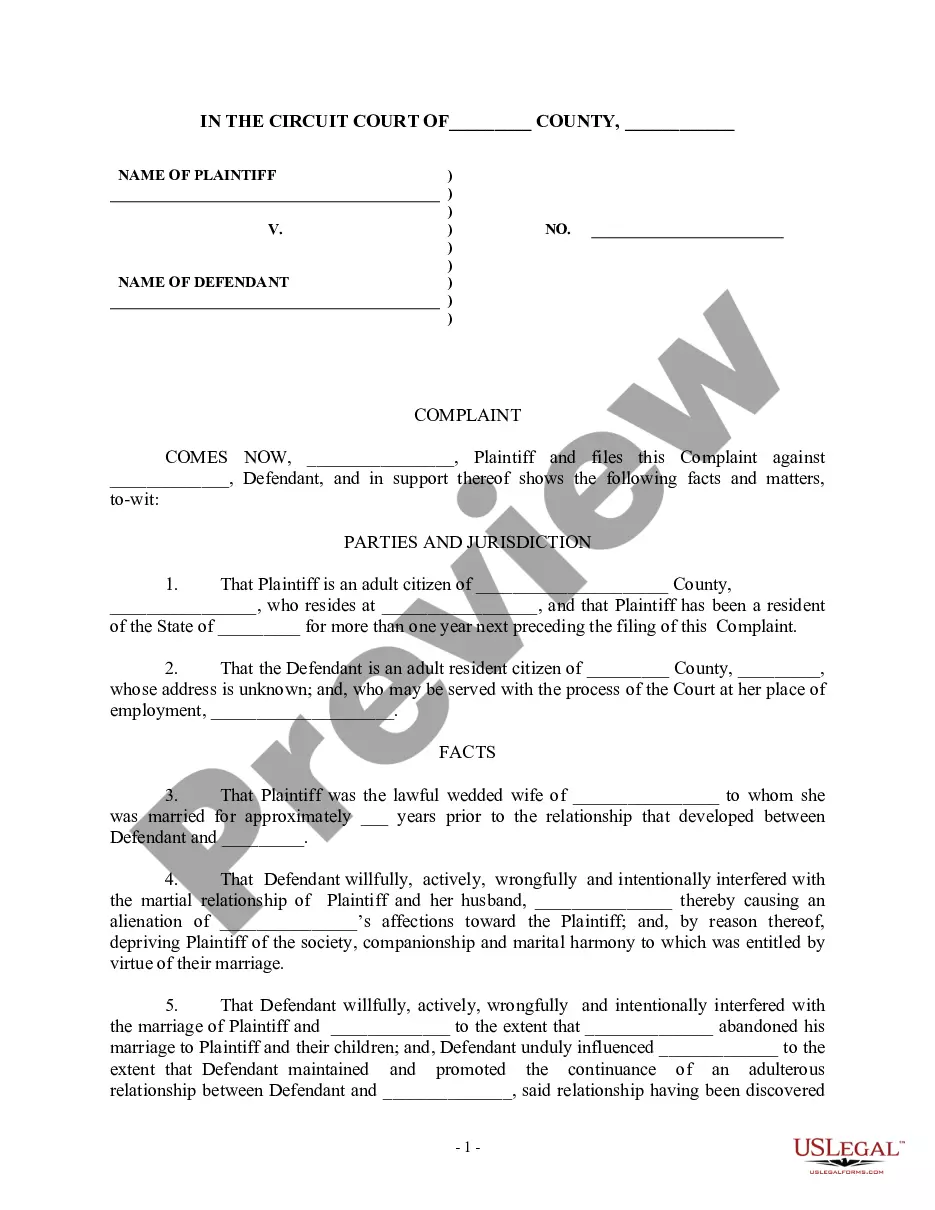
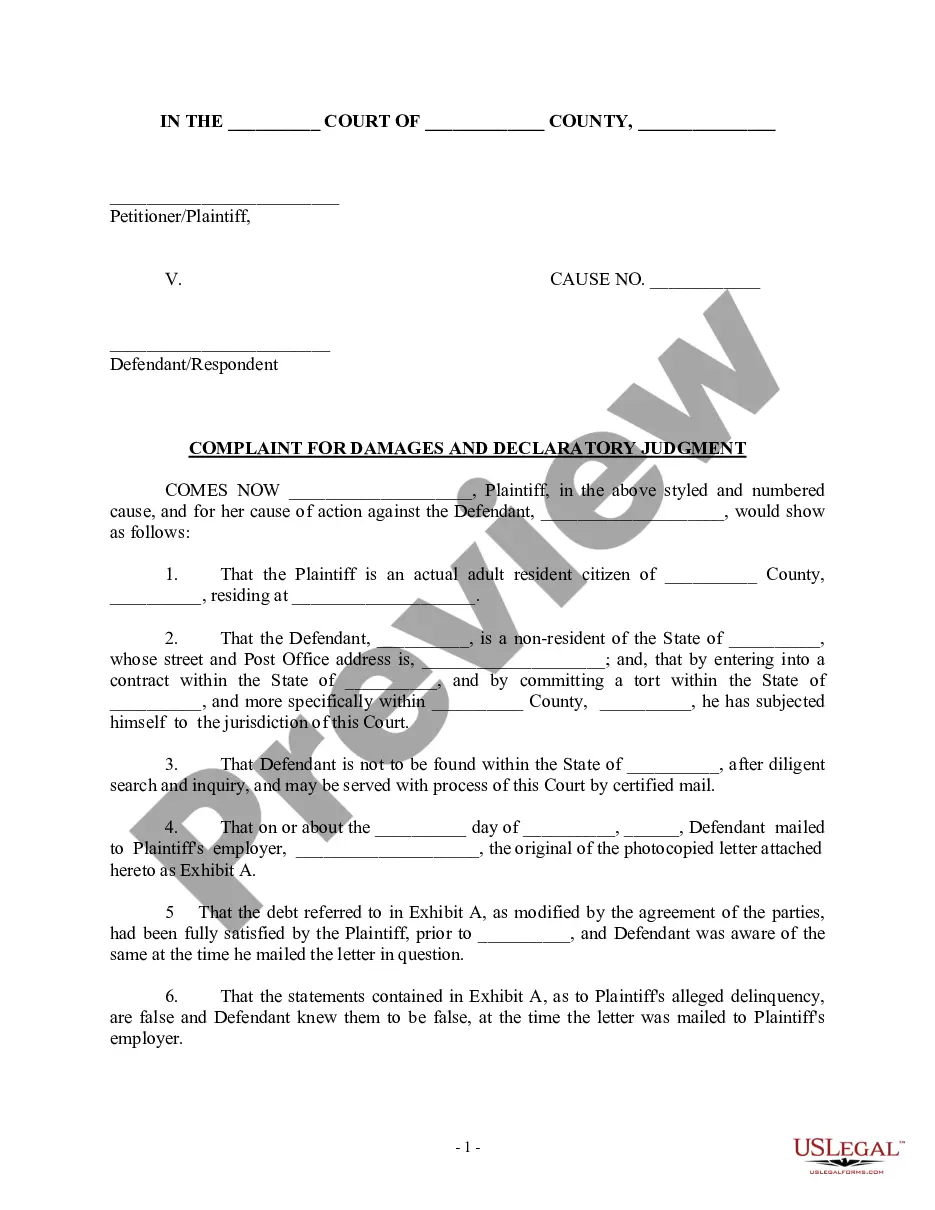
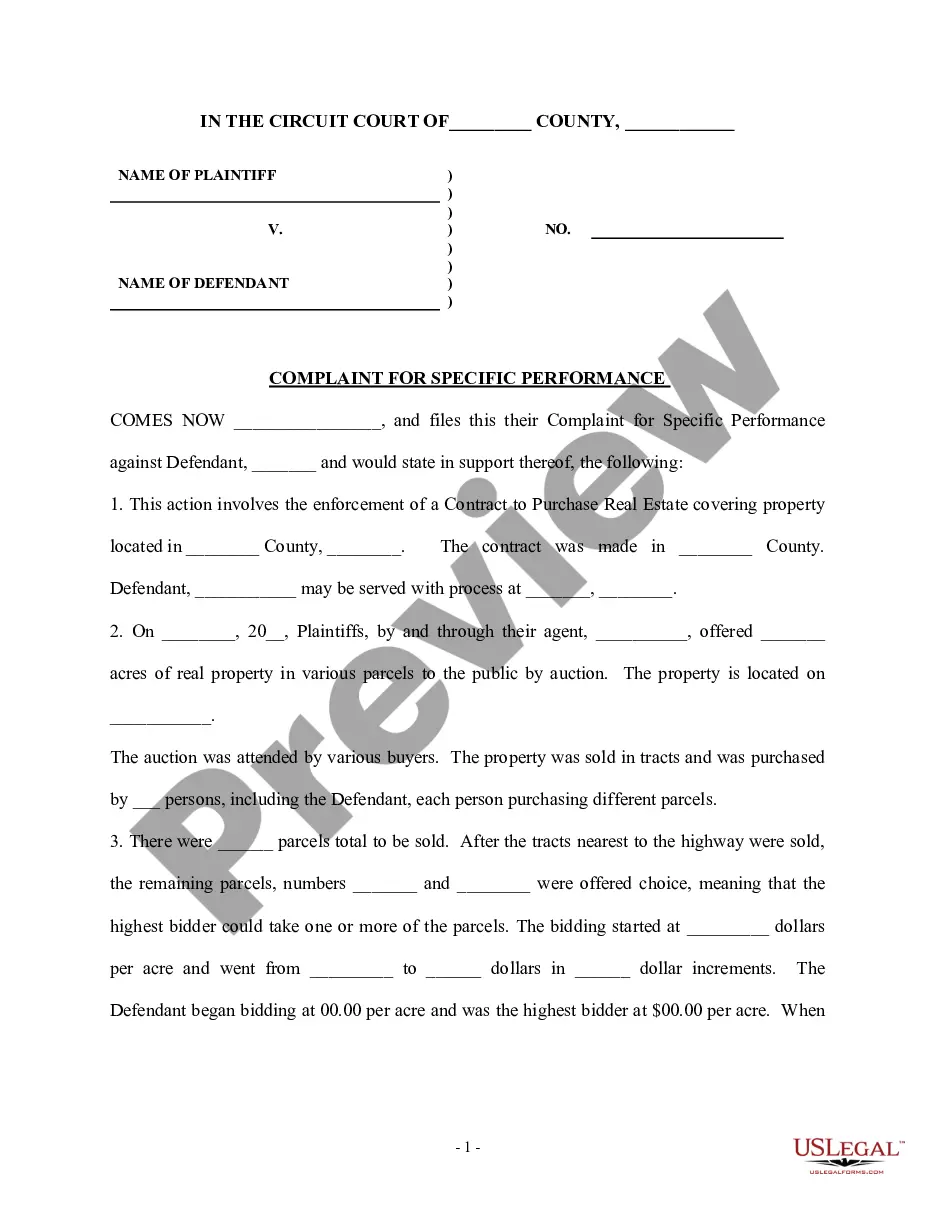
Get your form ready online
Our built-in tools help you complete, sign, share, and store your documents in one place.
Make edits, fill in missing information, and update formatting in US Legal Forms—just like you would in MS Word.
Download a copy, print it, send it by email, or mail it via USPS—whatever works best for your next step.
Sign and collect signatures with our SignNow integration. Send to multiple recipients, set reminders, and more. Go Premium to unlock E-Sign.
If this form requires notarization, complete it online through a secure video call—no need to meet a notary in person or wait for an appointment.
We protect your documents and personal data by following strict security and privacy standards.

Make edits, fill in missing information, and update formatting in US Legal Forms—just like you would in MS Word.

Download a copy, print it, send it by email, or mail it via USPS—whatever works best for your next step.

Sign and collect signatures with our SignNow integration. Send to multiple recipients, set reminders, and more. Go Premium to unlock E-Sign.

If this form requires notarization, complete it online through a secure video call—no need to meet a notary in person or wait for an appointment.

We protect your documents and personal data by following strict security and privacy standards.
Looking for another form?
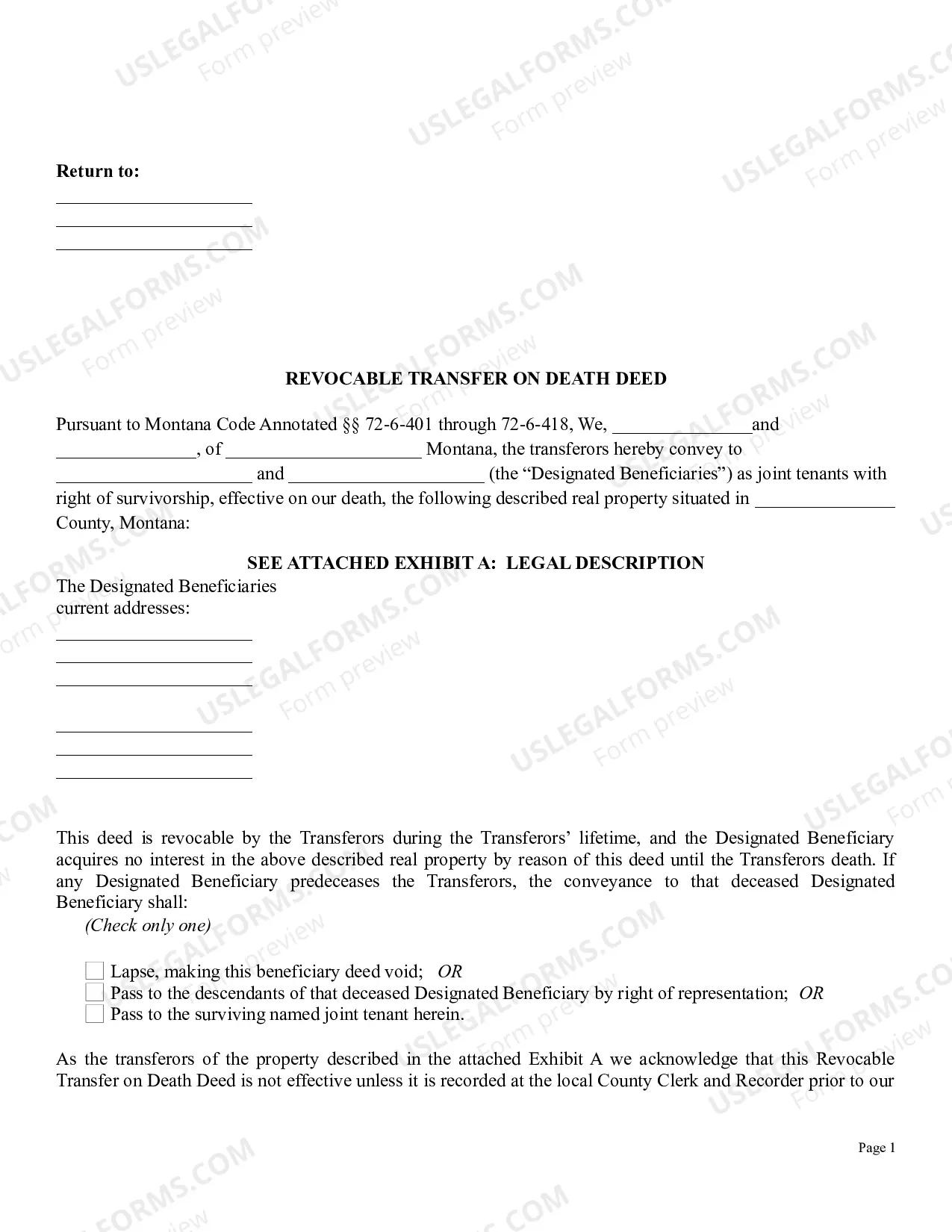



How to fill out Complaint To Quiet Title By Adverse Possessor With Unknown Defendants?
- If you're an existing user, log in to your account and verify your subscription status before proceeding.
- Review the available form options in Preview mode to confirm you select the right document that aligns with your jurisdiction.
- In case of discrepancies or if you need another form, use the Search tab for additional templates that suit your needs.
- To proceed, click on the Buy Now button and choose a subscription plan that meets your requirements. You will need to create an account to access the comprehensive library.
- Complete your purchase by entering your payment details or using your PayPal account for convenience.
- Once purchased, download the document to your device and access it anytime via the My Forms section in your profile.
US Legal Forms not only simplifies the document acquisition process but also empowers users with a vast collection of forms at competitive prices. Additionally, they provide access to premium experts to assist you with form completion, ensuring your documents are accurate and legally compliant.
Ready to create your legal documents effortlessly? Start with US Legal Forms today!
Form popularity
FAQ
Winning a quiet title lawsuit requires a clear understanding of property law and diligent documentation. Begin by gathering all relevant evidence of your claim, including deeds, surveys, and tax records. Present your case effectively before a judge, highlighting your proof of ownership and any challenges to it. For assistance, UsLegalForms provides resources and templates that can help you navigate this process and achieve a successful title quiet form with a question mark.
Having a question mark in a title is not just acceptable, it's often a powerful way to attract attention. This punctuation can make your title more compelling, giving your audience something to think about before even diving into your content. Make sure the question resonates with the overall theme, ensuring clarity and engagement. A title quiet form with a question mark can help convey urgency and drive interest.
You can absolutely use a question mark in your title without hesitation. This punctuation mark can enhance the title's intrigue and draw in an audience eager for answers. Ensure that the question is meaningful and relevant to your content, as this maintains the reader's interest. Utilizing a title quiet form with a question mark effectively engages your audience.
Book titles can indeed include question marks, and they often do so successfully. A title like 'Why Not Us?' engages potential readers and invites them to consider the themes within the book. However, clarity remains critical; the title should reflect the book's content. This technique enhances your title quiet form with a question mark, making it stand out on the shelf.
Putting a question as a title is perfectly acceptable and can be quite effective. A well-crafted question can spark interest and encourage readers to explore further. It’s essential that the question aligns with your content, ensuring a cohesive connection. This strategy can enhance your title quiet form with a question mark by creating a direct link to your subject.
Yes, a story title can certainly have a question mark. This punctuation often adds intrigue and invites readers to ponder the story's content. For instance, a title like 'What Happened Next?' creates curiosity and engages the audience. Just remember, clarity is key when using a title quiet form with a question mark.
The burden of proof in a quiet title action lies with the party seeking to establish their claim. You must demonstrate, through the title quiet form and related evidence, that you hold a superior title to the property than any other claimant. This may involve presenting historical documents, titles, or any other relevant information that supports your position. Clarity and thorough documentation are key to meeting this burden.
To be successful in a quiet title action, you must provide clear evidence supporting your claim. Start by gathering all relevant documents and information regarding the property in question. The title quiet form plays a crucial role in formalizing your claim and presenting it in court effectively. Remember to consult legal professionals who understand this process, as their guidance can enhance your chances of success.
A quiet title action is a legal procedure aimed at resolving disputes over property ownership, while a deed is a document that officially transfers ownership from one party to another. Essentially, a deed represents the transfer of rights, whereas a quiet title action clarifies these rights when contested. If you face complications regarding property claims, consider using the Title quiet form to help navigate these issues effectively.
A quiet title is a legal action that seeks to establish ownership of a property and eliminate any claims or disputes against it. According to the Civil Code, this process resolves conflicting interests in the property and clarifies the rightful owner. Successfully completing a quiet title action can provide peace of mind and security in property ownership. The Title quiet form can assist you in this legal endeavor.