Texas V Johnson 1989
Description
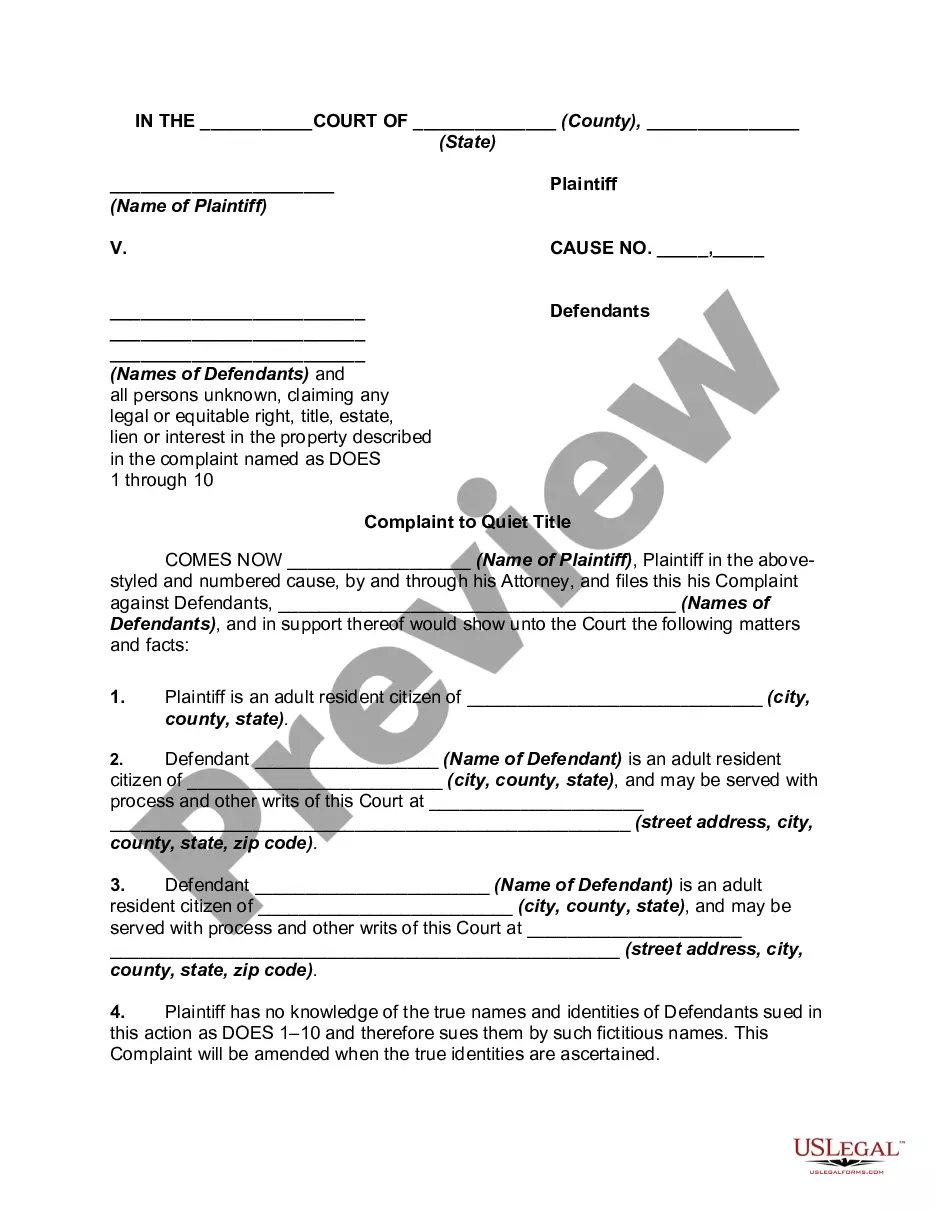
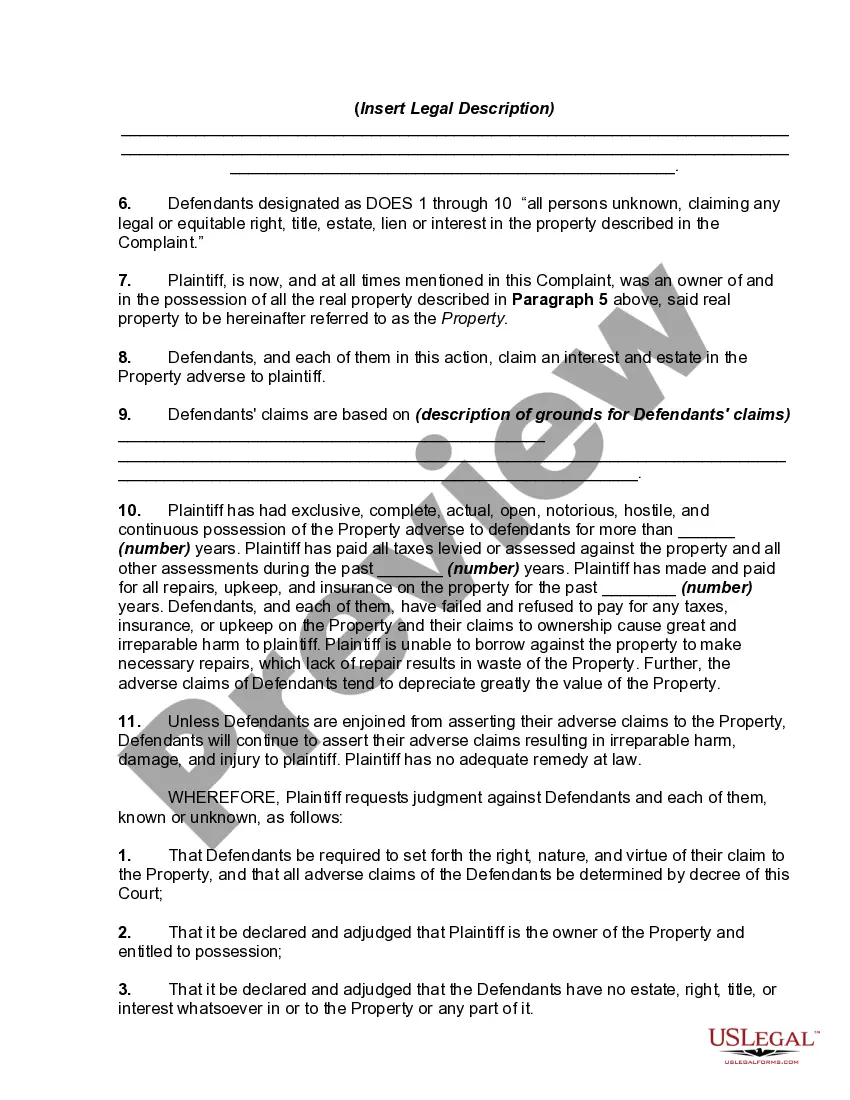
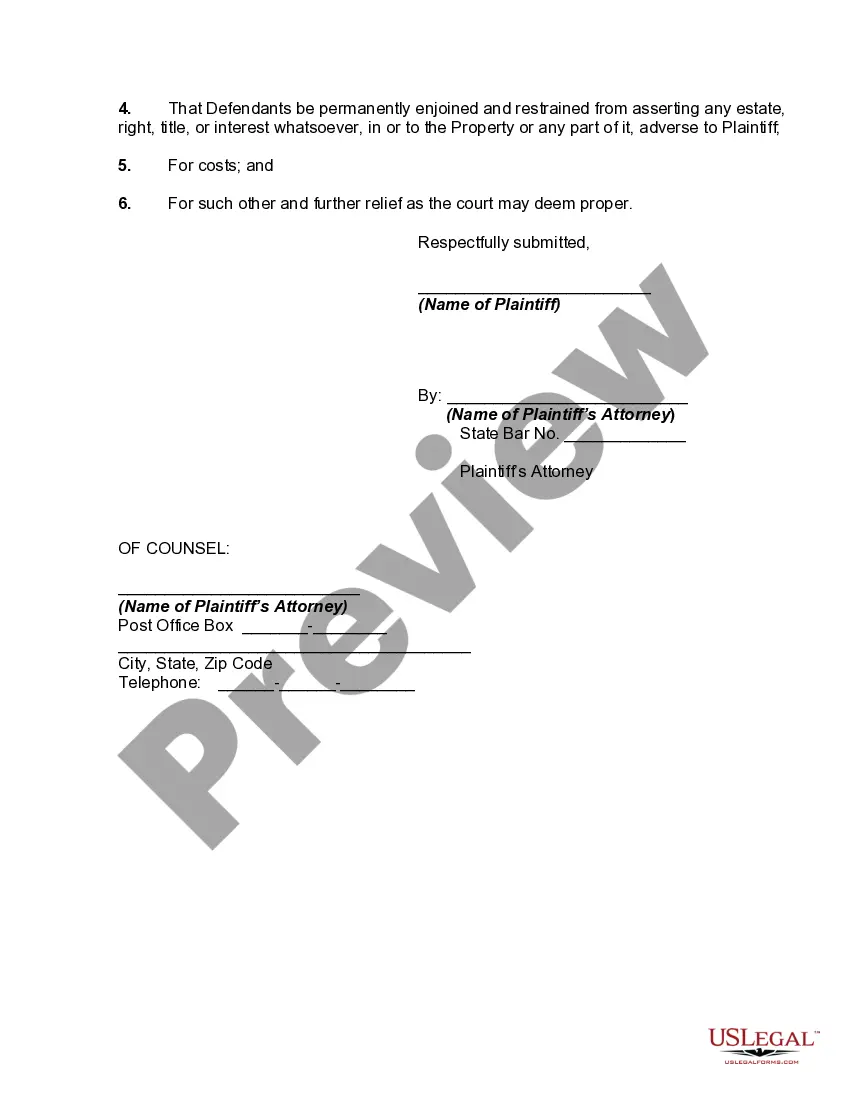
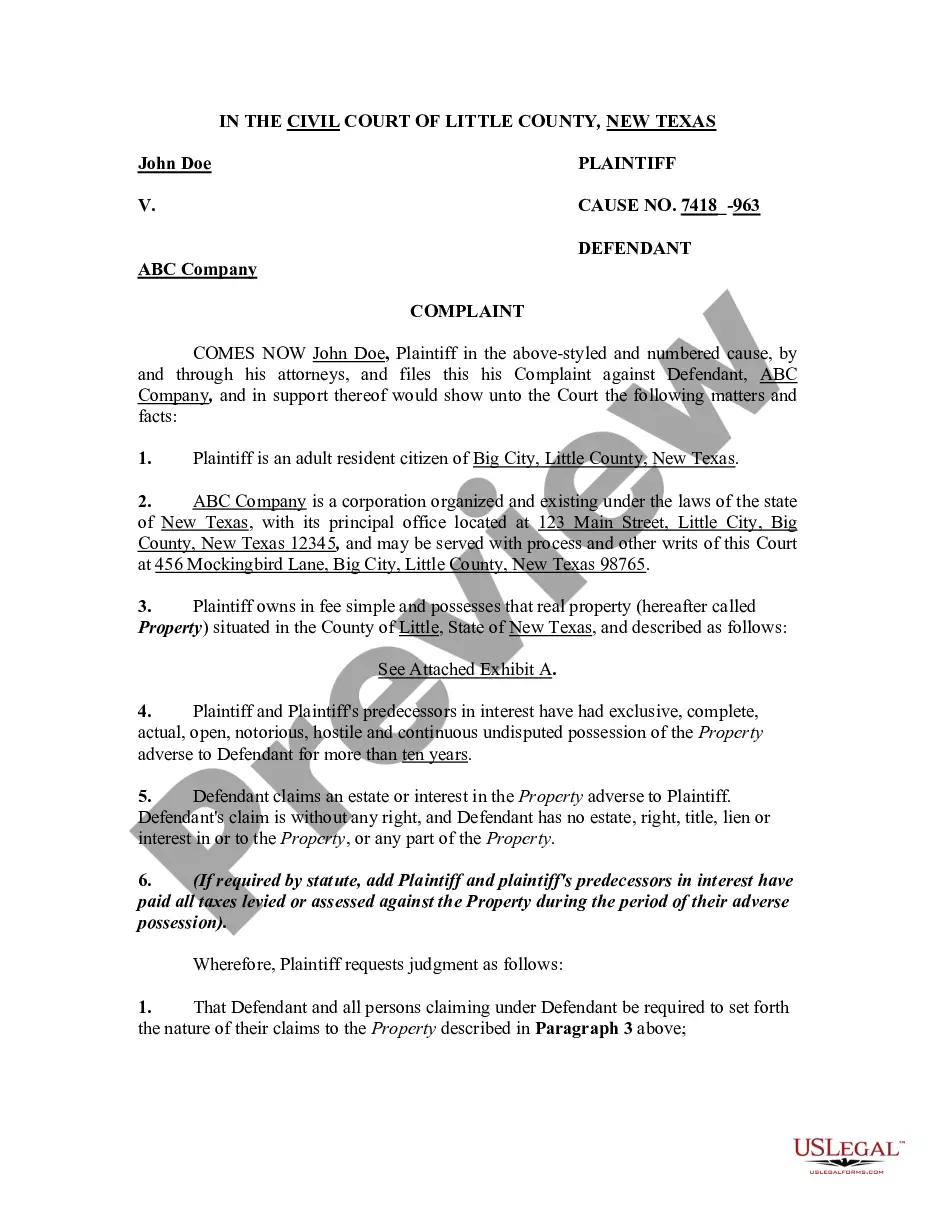

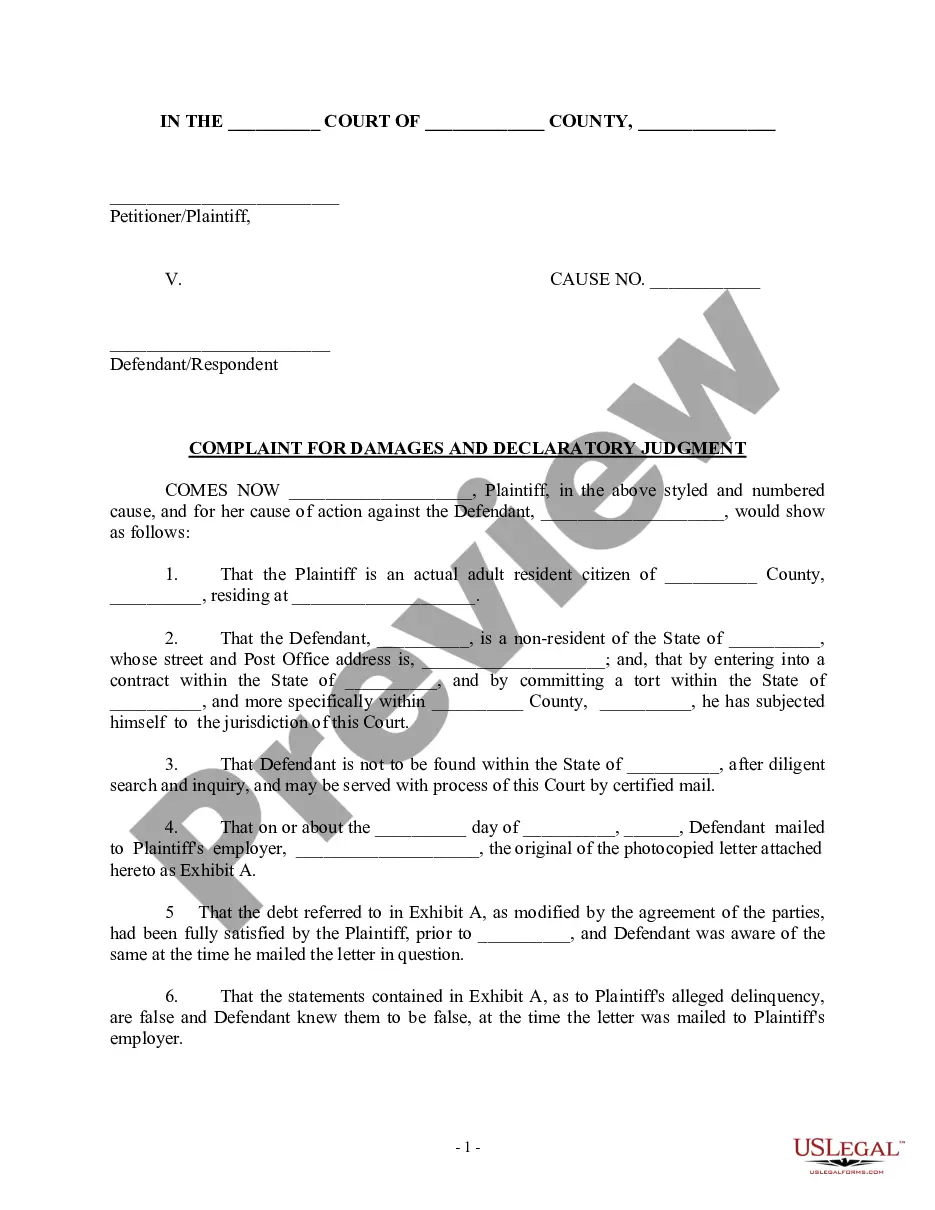
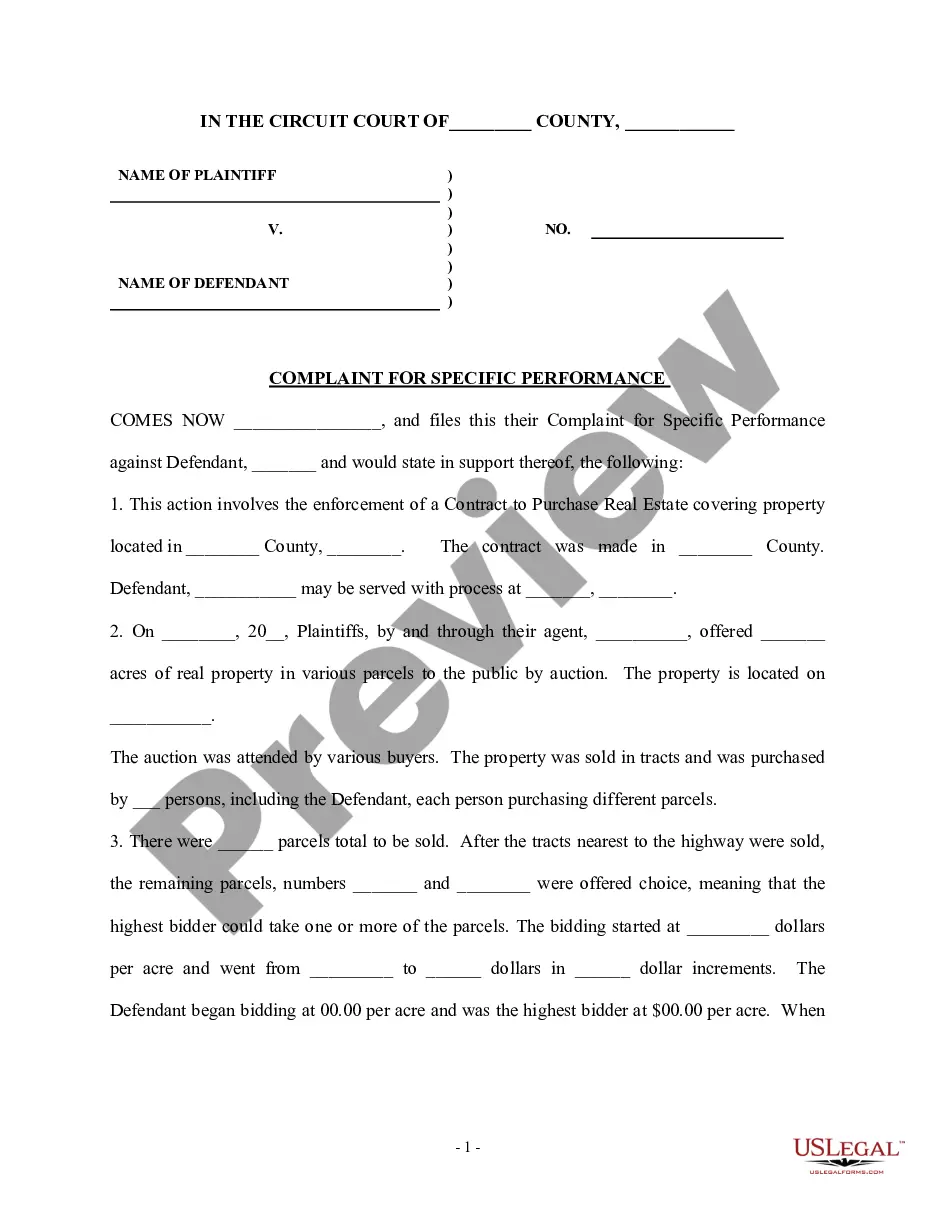
Get your form ready online
Our built-in tools help you complete, sign, share, and store your documents in one place.
Make edits, fill in missing information, and update formatting in US Legal Forms—just like you would in MS Word.
Download a copy, print it, send it by email, or mail it via USPS—whatever works best for your next step.
Sign and collect signatures with our SignNow integration. Send to multiple recipients, set reminders, and more. Go Premium to unlock E-Sign.
If this form requires notarization, complete it online through a secure video call—no need to meet a notary in person or wait for an appointment.
We protect your documents and personal data by following strict security and privacy standards.

Make edits, fill in missing information, and update formatting in US Legal Forms—just like you would in MS Word.

Download a copy, print it, send it by email, or mail it via USPS—whatever works best for your next step.

Sign and collect signatures with our SignNow integration. Send to multiple recipients, set reminders, and more. Go Premium to unlock E-Sign.

If this form requires notarization, complete it online through a secure video call—no need to meet a notary in person or wait for an appointment.

We protect your documents and personal data by following strict security and privacy standards.
Looking for another form?



How to fill out Complaint To Quiet Title By Adverse Possessor With Unknown Defendants?
- If you are a returning user, log in to access your account and download the necessary template by clicking the Download button after verifying your subscription is active.
- For first-time users, begin by reviewing the Preview mode and form description to ensure that the document meets your specific needs and complies with local regulations.
- If you find the chosen template unsuitable, utilize the Search tab to explore additional options that may be more aligned with your requirements.
- Once you identify a suitable document, click the Buy Now button and select your preferred subscription plan. Creating an account is necessary to unlock the library's resources.
- Complete your purchase by entering your credit card information or using your PayPal account for payment.
- Finally, download the document to your device, ensuring it is saved for completion. You can also find it later in the My Forms section of your profile.
US Legal Forms stands out by offering an extensive library with over 85,000 easily fillable legal documents. The platform empowers users by providing access to premium experts for assistance, which ensures that your documents are both accurate and legally compliant.
In conclusion, leveraging US Legal Forms can simplify your experience with legal documentation pertaining to cases like Texas v johnson 1989. Start using US Legal Forms today to secure your rights and efficiently manage your legal needs.
Form popularity
FAQ
Gregory Lee Johnson won Texas v. Johnson 1989 when the Supreme Court ruled in his favor. This landmark case confirmed that the act of flag burning is a form of symbolic speech protected by the Constitution. The ruling reinforced the principle that even unpopular forms of expression deserve protection under the law.
In Texas v. Johnson, the Supreme Court determined that compelling individuals to show respect for the flag violates their First Amendment rights. The case highlighted that mandatory patriotism undermines the essence of personal freedoms in a democratic society. Therefore, this ruling allows individuals to express dissenting views, even when those views conflict with national symbols.
The Texas v. Johnson case established that burning the American flag constitutes protected speech under the First Amendment. This 1989 ruling reaffirmed the principle that the government cannot prohibit speech simply because it is controversial or unpatriotic. As a result, this case remains a critical reference point in discussions about civil liberties and personal expression.
To cite Texas v. Johnson 1989 in legal documents, you would typically format it as follows: Texas v. Johnson, 491 U.S. 397 (1989). This indicates the case name, the volume of the United States Reports, the page number, and the year of the decision. Accurate citation is essential for legal clarity and reference.
Texas v. Johnson 1989 reached the Supreme Court after Johnson was convicted under Texas law for flag desecration. He appealed his conviction, arguing that it violated his freedom of speech. The Supreme Court agreed to hear the case, recognizing its significance in defining First Amendment rights.