Texas Quiet
Description
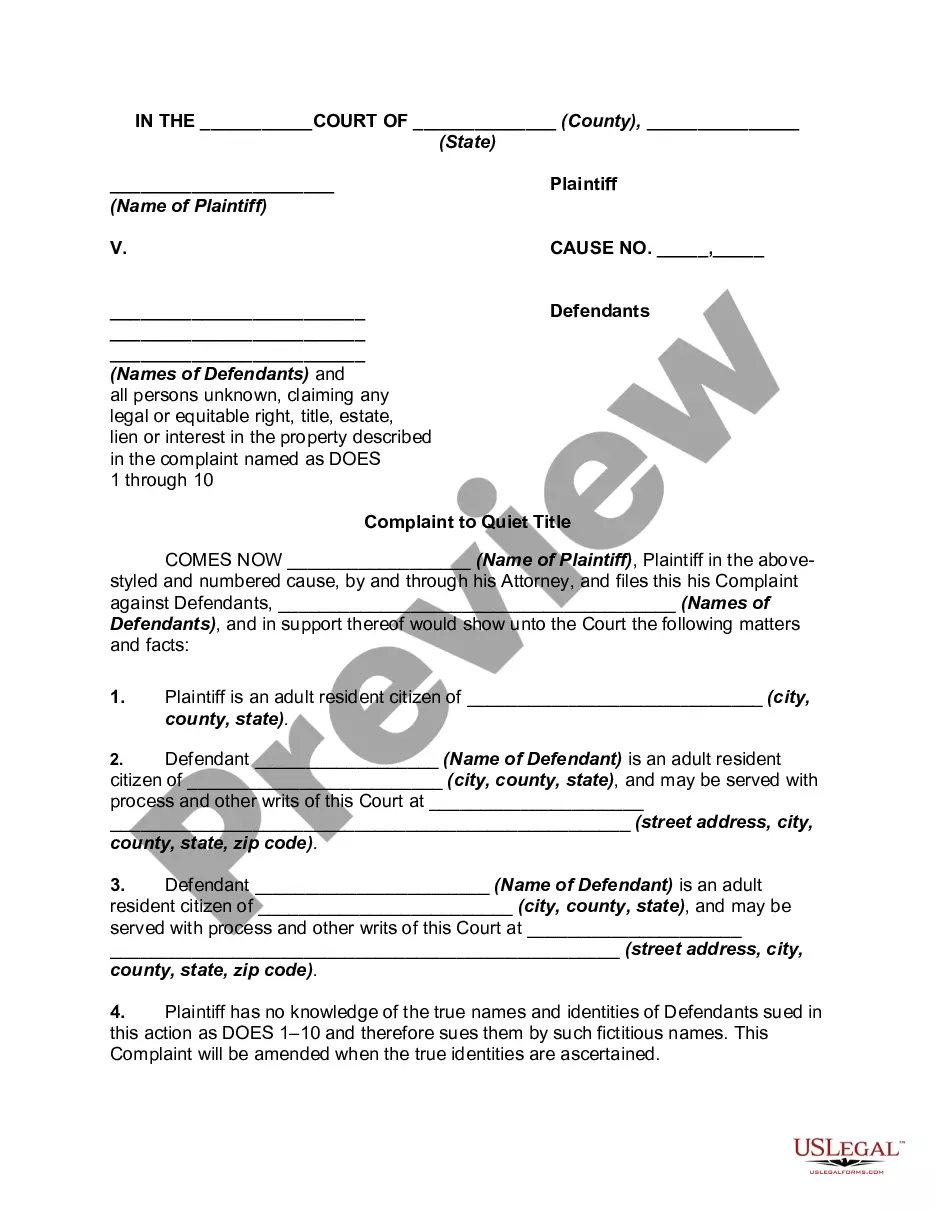
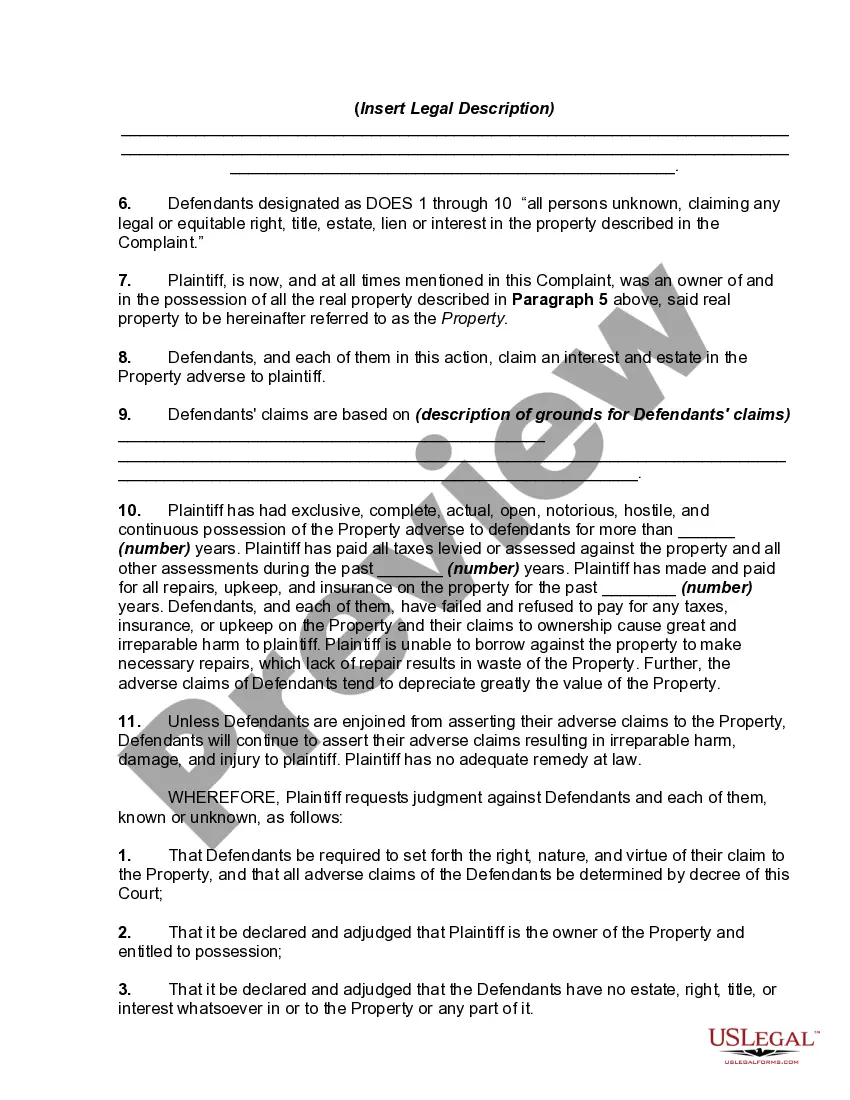
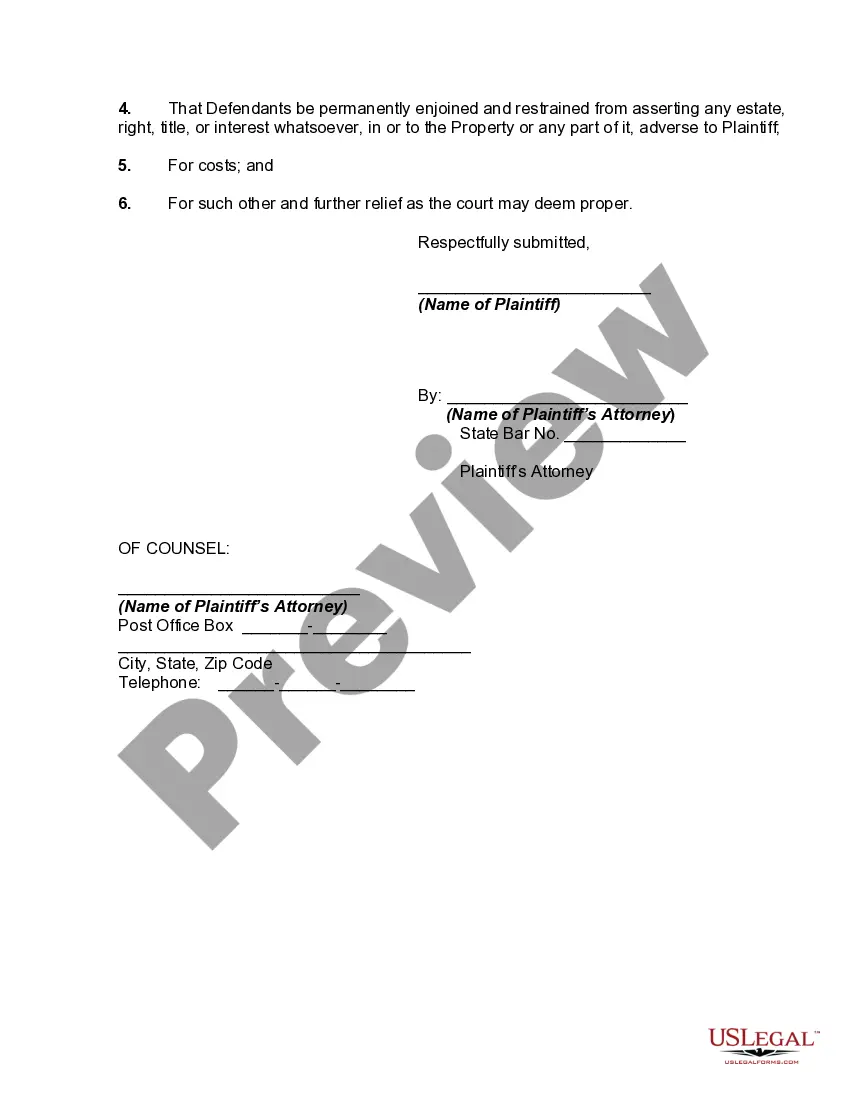
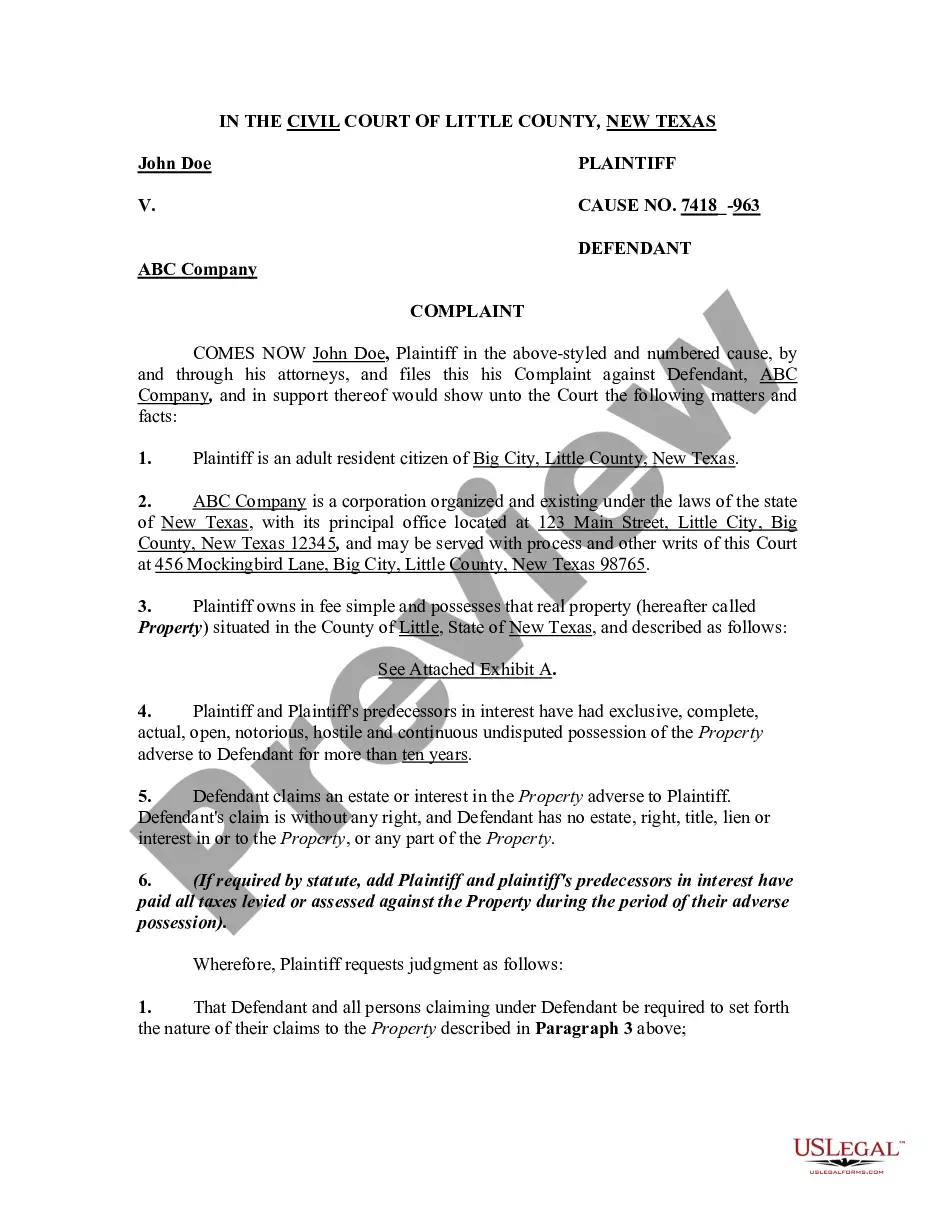

Get your form ready online
Our built-in tools help you complete, sign, share, and store your documents in one place.
Make edits, fill in missing information, and update formatting in US Legal Forms—just like you would in MS Word.
Download a copy, print it, send it by email, or mail it via USPS—whatever works best for your next step.
Sign and collect signatures with our SignNow integration. Send to multiple recipients, set reminders, and more. Go Premium to unlock E-Sign.
If this form requires notarization, complete it online through a secure video call—no need to meet a notary in person or wait for an appointment.
We protect your documents and personal data by following strict security and privacy standards.

Make edits, fill in missing information, and update formatting in US Legal Forms—just like you would in MS Word.

Download a copy, print it, send it by email, or mail it via USPS—whatever works best for your next step.

Sign and collect signatures with our SignNow integration. Send to multiple recipients, set reminders, and more. Go Premium to unlock E-Sign.

If this form requires notarization, complete it online through a secure video call—no need to meet a notary in person or wait for an appointment.

We protect your documents and personal data by following strict security and privacy standards.
Looking for another form?
How to fill out Complaint To Quiet Title By Adverse Possessor With Unknown Defendants?
- Log into your US Legal Forms account if you're a returning user. Ensure your subscription is active for seamless access.
- For first-time users, begin by examining the Preview mode and description of the legal forms. Verify it meets your jurisdiction's requirements.
- If adjustments are needed, utilize the Search tab to find alternative templates relevant to your situation.
- When you've made your selection, click on the Buy Now button and choose your preferred subscription plan to register an account.
- Complete the payment process by entering your credit card information or opting for PayPal.
- Once purchased, download your selected form directly to your device for easy access, or find it later in the My Forms section.
In conclusion, US Legal Forms simplifies the process of obtaining legal documents with a robust collection and expert assistance. Whether you're an attorney or an individual, their library is designed to meet your specific needs efficiently.
Start your journey towards secure legal documentation today by visiting US Legal Forms!
Form popularity
FAQ
Being successful in quiet title action involves thorough preparation and effective legal representation. Start by ensuring you have all pertinent records that establish your ownership. Consult with an experienced attorney who specializes in Texas quiet title actions, as they can provide valuable insights and strategies. Utilizing tools and resources from US Legal Forms can also streamline your efforts and enhance your chances of achieving a favorable outcome.
To succeed in a quiet title action, you need to compile strong evidence that supports your ownership claim. This includes gathering property deeds, historical documents, and any relevant legal records. Having a clear understanding of property laws in Texas is essential, and seeking assistance from platforms like US Legal Forms can provide you with necessary resources. Ultimately, presenting a well-documented case increases your chances of success.
An example of quiet title action in Texas could involve a homeowner disputing a claim by a distant relative to the inherited property. The homeowner would file a suit to clarify ownership and eliminate any clouds on the title. This legal action aims to ensure that all claims are resolved, providing clear ownership rights. Such cases often require legal guidance to navigate the complexities of Texas quiet.
To answer a petition to quiet title in Texas, you must file a written response with the court. This response should address the claims made in the petition and present your legal arguments. You will need to gather all relevant documentation that supports your position. Engaging with a knowledgeable attorney can help you navigate Texas quiet title cases effectively.
Yes, Texas recognizes the right to quiet enjoyment as a fundamental tenant right. This legal principle protects renters from unreasonable noise and disturbances, ensuring a peaceful living environment. If you face issues related to noise, knowing your rights can empower you to take action. Legal platforms like USLegalForms offer valuable information to help you navigate these situations effectively.
Texas law provides guidelines for dealing with noisy neighbors, primarily through local noise ordinances. If a neighbor's noise disrupts your ability to enjoy your home, you can often file a complaint with local authorities. Understanding these laws helps ensure that your right to Texas quiet is upheld. Consider consulting with legal resources if disturbances persist.
Noise disturbance laws in Texas may vary by city, but typically they restrict loud noises during late evening hours and early mornings. Most municipalities set noise ordinances that start around 10 PM and end around 7 AM. It's best to check with your local regulations to fully understand what is considered disruptive in your area. This attention to local laws can help maintain the desired Texas quiet in your neighborhood.
The quiet club often refers to a concept rather than a physical entity. People who seek a peaceful atmosphere typically come together in these informal settings to appreciate tranquility. In Texas, this can mean creating space in your home or local community venues dedicated to celebrating silence. Embracing Texas quiet fosters relaxation and connection.
In Texas, the right to quiet enjoyment allows tenants to use their rental property peacefully and without unnecessary interference. This right is tied to lease agreements, protecting tenants from disturbances caused by landlords or neighbors. If you find your right to quiet enjoyment is being infringed upon, resources like USLegalForms can guide you on possible actions to take.
Quiet enjoyment refers to a tenant's right to enjoy their rental property without disturbances. On the other hand, nuisance refers to actions or conditions that disrupt this enjoyment. In Texas, understanding these concepts is crucial for maintaining harmony in residential living. If you experience issues, legal resources can help you navigate these rights effectively.