Texas 1984
Description
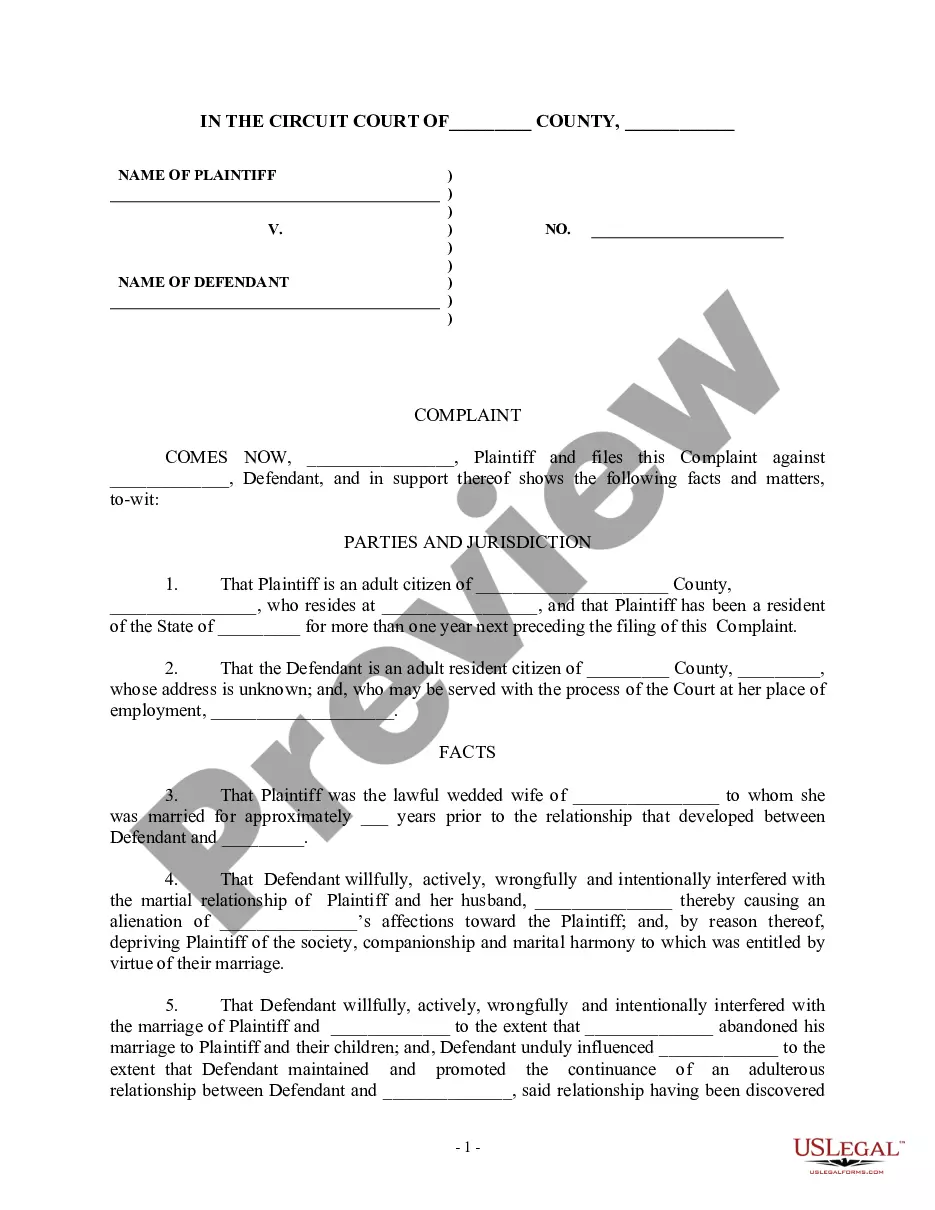
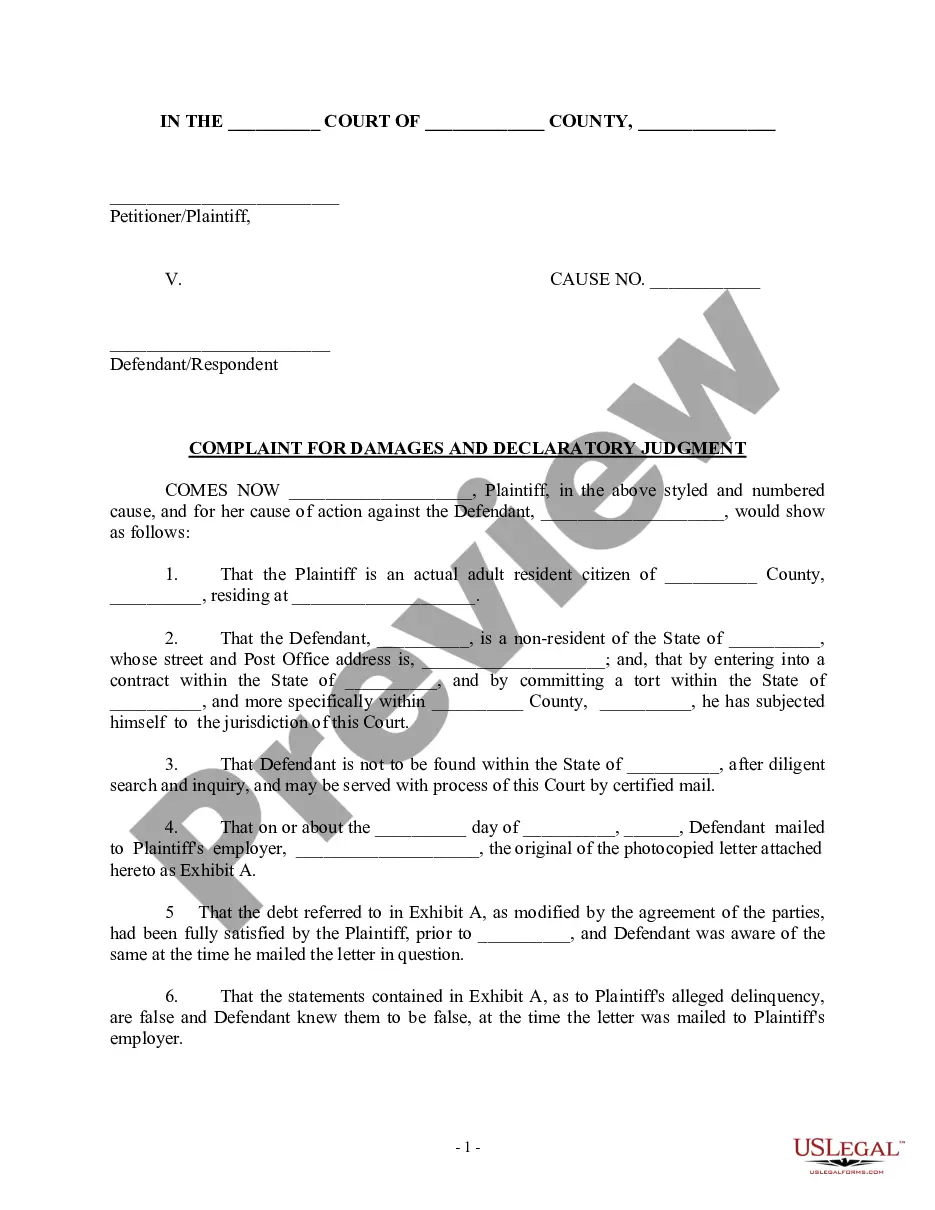
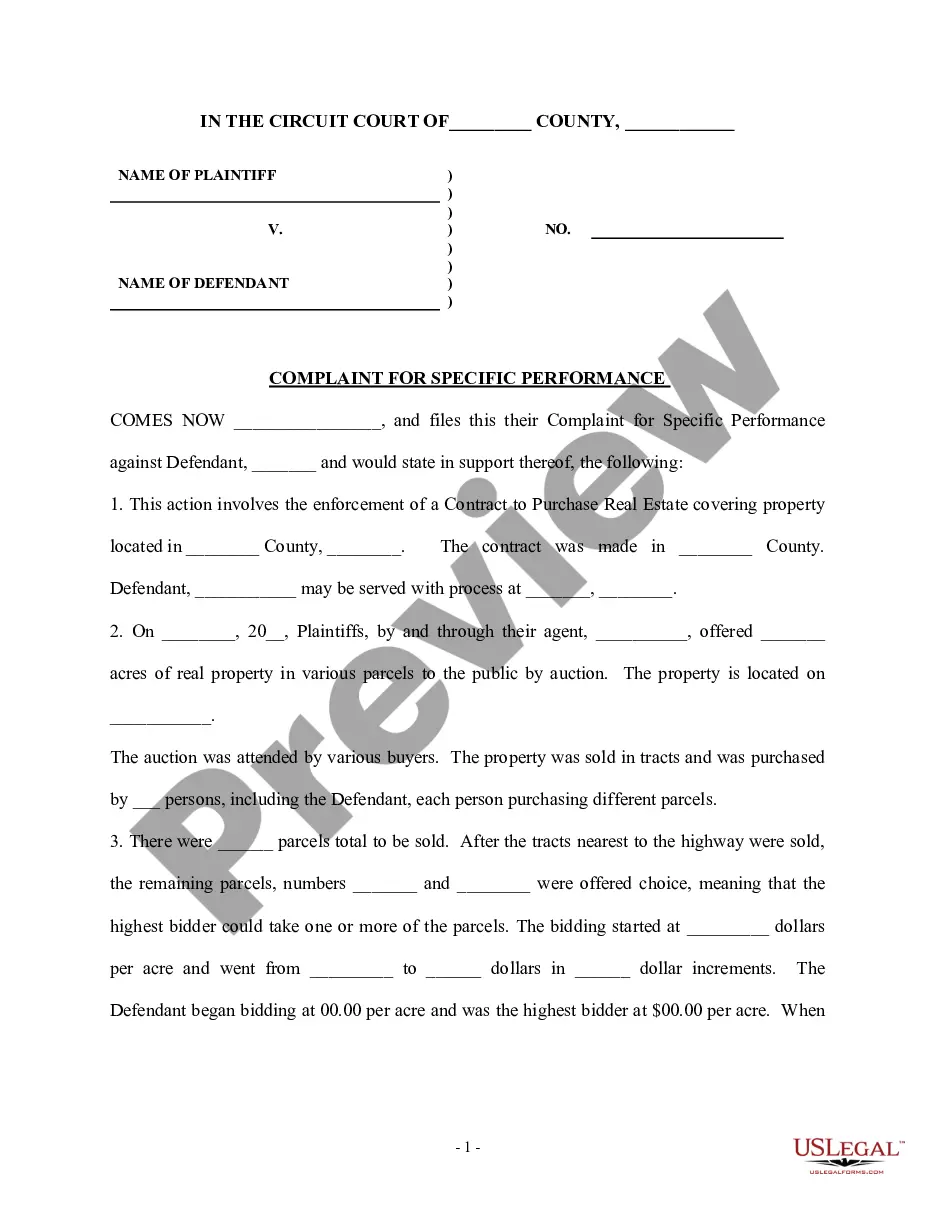
Get your form ready online
Our built-in tools help you complete, sign, share, and store your documents in one place.
Make edits, fill in missing information, and update formatting in US Legal Forms—just like you would in MS Word.
Download a copy, print it, send it by email, or mail it via USPS—whatever works best for your next step.
Sign and collect signatures with our SignNow integration. Send to multiple recipients, set reminders, and more. Go Premium to unlock E-Sign.
If this form requires notarization, complete it online through a secure video call—no need to meet a notary in person or wait for an appointment.
We protect your documents and personal data by following strict security and privacy standards.

Make edits, fill in missing information, and update formatting in US Legal Forms—just like you would in MS Word.

Download a copy, print it, send it by email, or mail it via USPS—whatever works best for your next step.

Sign and collect signatures with our SignNow integration. Send to multiple recipients, set reminders, and more. Go Premium to unlock E-Sign.

If this form requires notarization, complete it online through a secure video call—no need to meet a notary in person or wait for an appointment.

We protect your documents and personal data by following strict security and privacy standards.
Looking for another form?

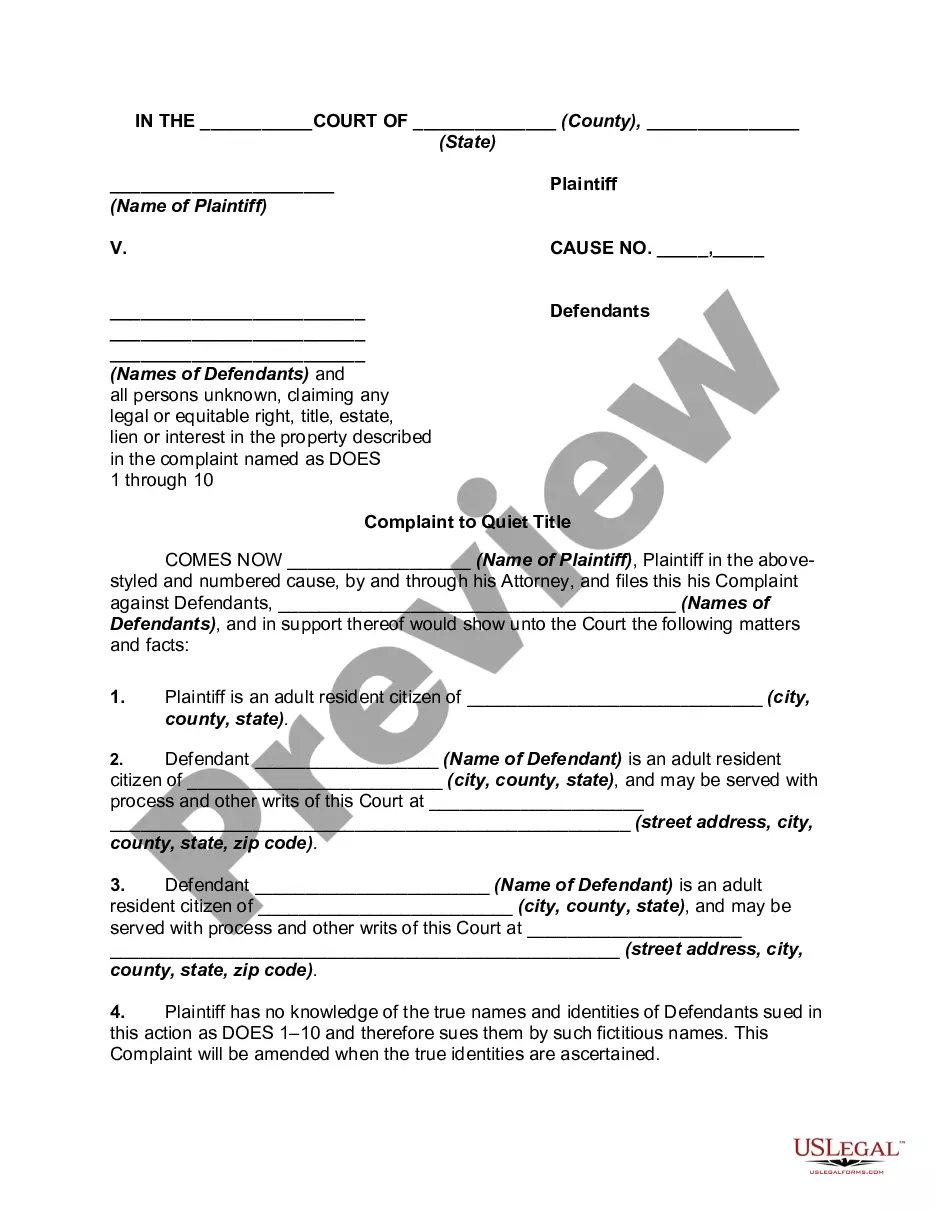
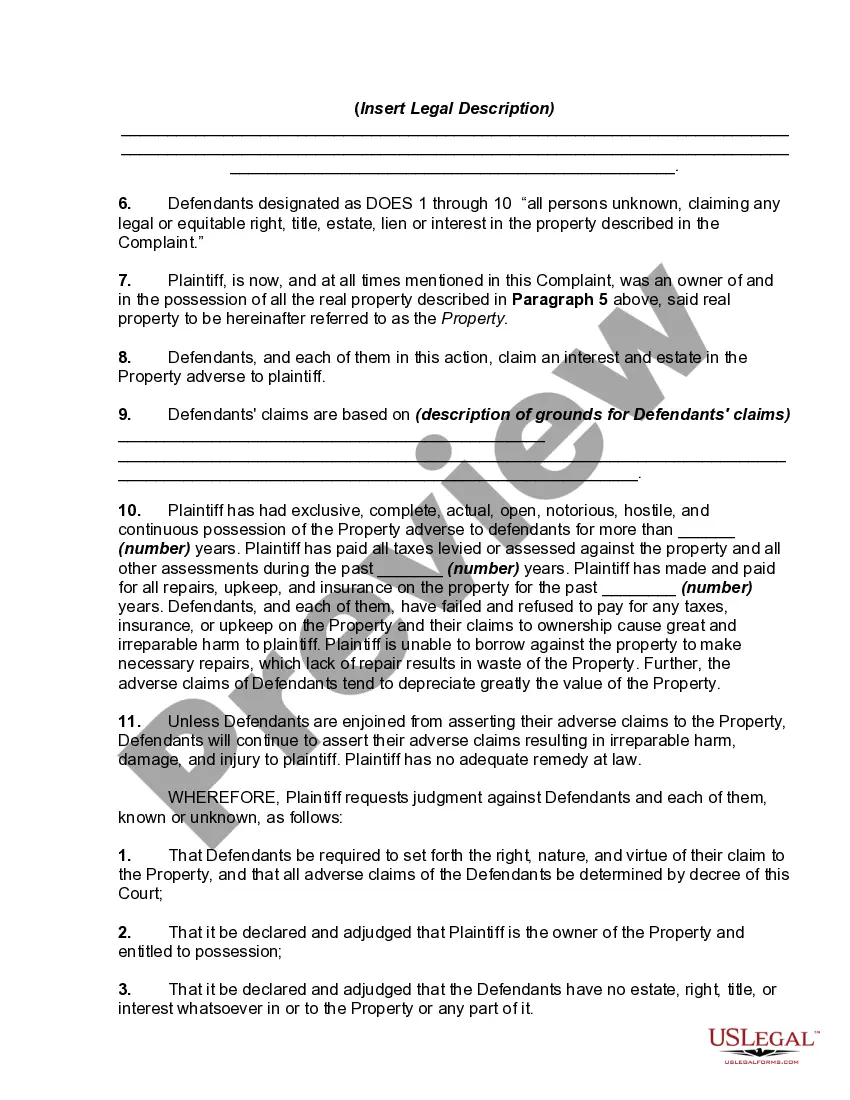
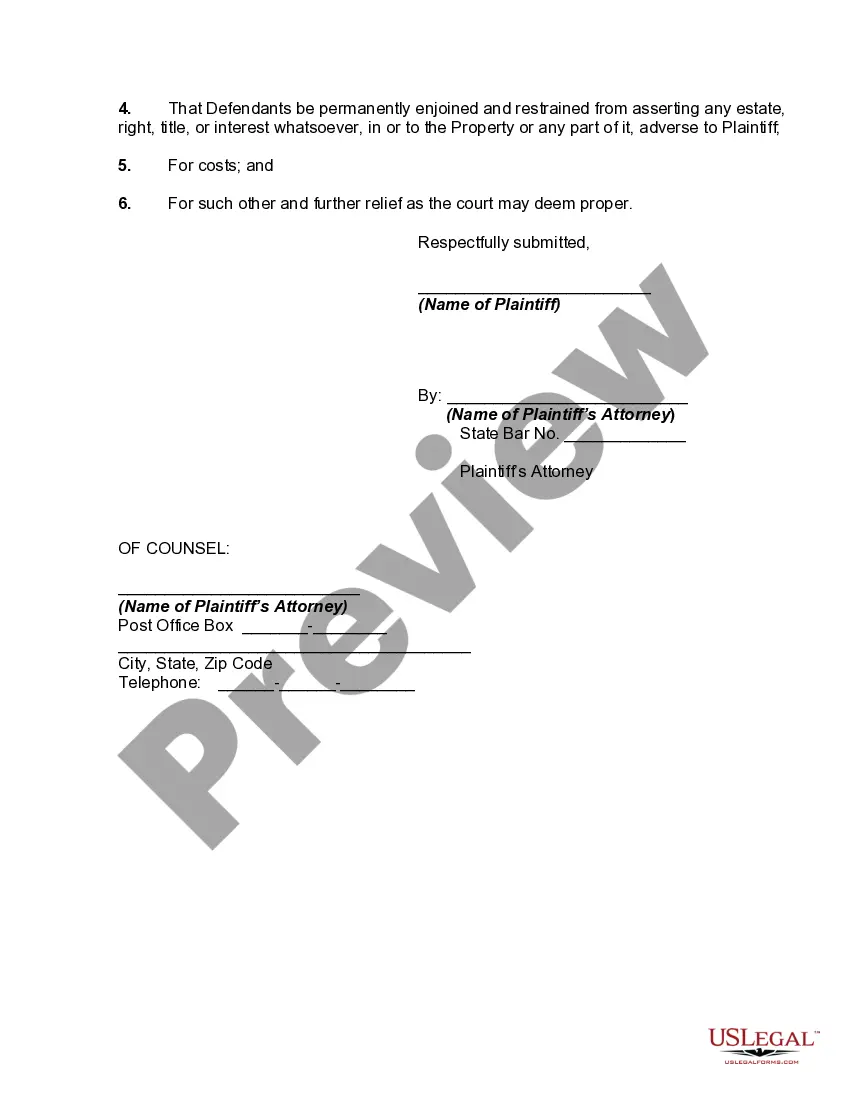
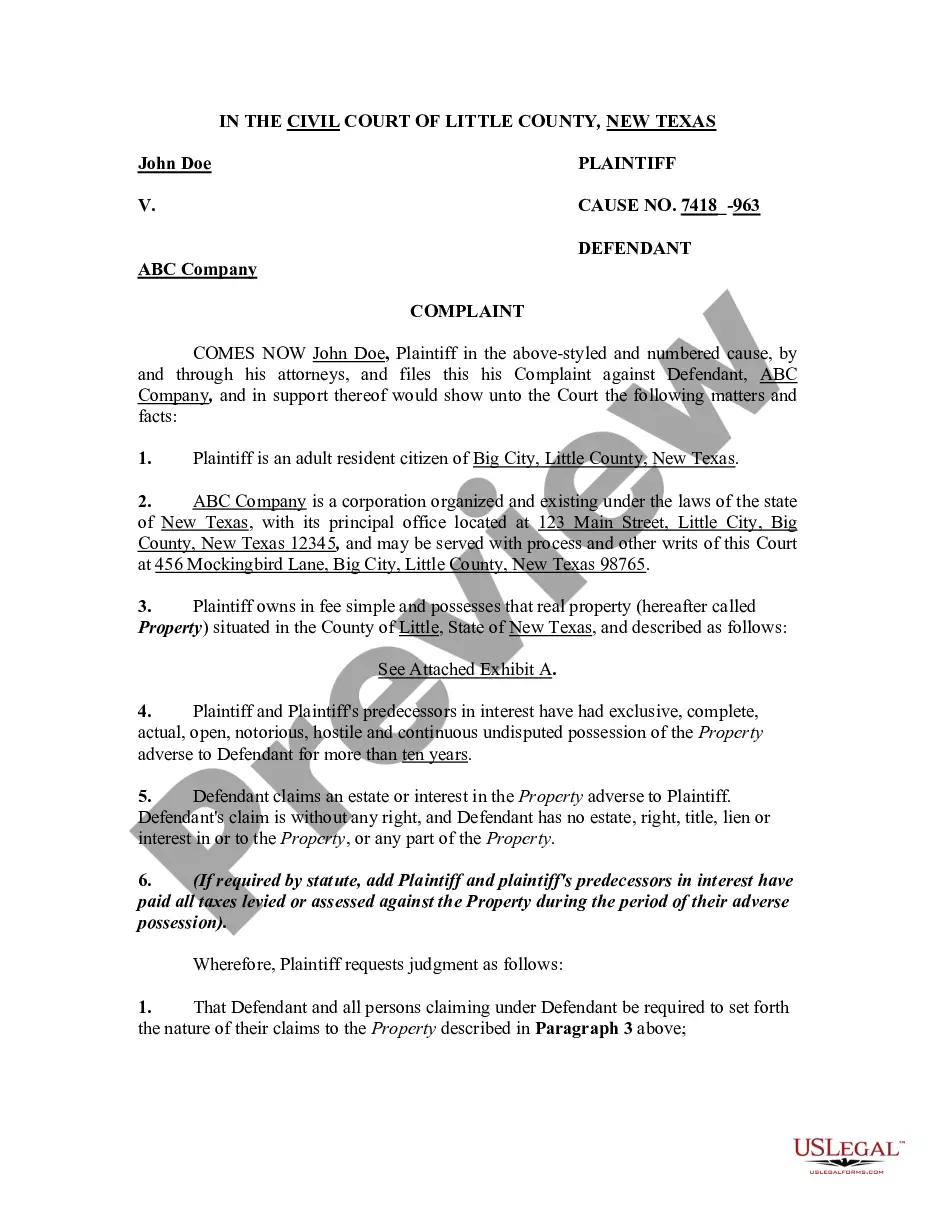
How to fill out Complaint To Quiet Title By Adverse Possessor With Unknown Defendants?
- If you’re a returning customer, log in to your account and select the desired template for download. Ensure your subscription remains active; renew if necessary.
- For first-time users, start by reviewing the Preview mode and form description to confirm you’ve selected the appropriate form that aligns with Texas 1984 regulations.
- If you find discrepancies, utilize the Search tab to locate the correct template that fits your requirements before proceeding.
- Proceed to purchase the document by clicking on the Buy Now button and selecting a subscription plan. You'll need to register for an account to gain full access.
- Finalize your purchase by entering your credit card information or utilizing your PayPal account for payment.
- Once purchased, download the form for completion and access it anytime via the My Forms menu in your profile.
US Legal Forms empowers individuals and attorneys alike, providing an extensive library with over 85,000 forms. Their user-friendly interface and vast collection ensure you find the necessary documentation with ease.
Don't navigate the complexities of legal paperwork alone. Start today to secure your documents effortlessly with US Legal Forms!
Form popularity
FAQ
When something is described as 'franchise tax ended' in Texas, it typically means that a business has ceased operations and is no longer liable for franchise taxes. This is part of Texas 1984's regulations to ensure businesses are fulfilling their tax duties before closing. However, a final tax return must still be filed to officially end any tax obligations. Platforms like uslegalforms can help you navigate this process effectively.
Generally, any business entity operating in Texas must file a Texas franchise tax return. This includes corporations, limited liability companies, and partnerships among others, as determined by Texas 1984. However, there may be exceptions based on the size of your business or specific revenue thresholds. To determine your obligations, consulting uslegalforms can provide clarity and guidance.
Filing your Texas franchise tax online is simple and convenient. You can access the Taxpayer Portal on the Texas Comptroller’s website, where you can fill out the necessary forms. By utilizing the services offered by uslegalforms, you can ensure you're following all steps correctly as prescribed by Texas 1984. This eliminates guesswork and streamlines your filing process.
If you forget to file your Texas franchise tax, the state may impose penalties and issue interest on the unpaid taxes. Over time, this could affect your business's ability to operate legally in Texas 1984. To remedy the situation, it's best to file as soon as you realize the oversight. Using platforms like uslegalforms can help make the filing process more straightforward.
Yes, nonprofits are generally required to file a Texas franchise tax return. However, some may qualify for exemption based on certain criteria outlined in Texas 1984. It’s important for nonprofit organizations to understand their obligations to avoid penalties. Consulting resources like uslegalforms can clarify the filing requirements for your organization.
Failing to file your Texas franchise tax can lead to significant consequences, such as penalties and interest fees. The Texas Comptroller may assess your business and could eventually revoke your authority to operate in Texas 1984. It’s crucial to file on time to maintain good standing. If you have questions about the process, uslegalforms can provide valuable resources.
Yes, if you are closing your business in Texas, you must file a final Texas franchise tax return. This ensures that you fulfill your obligations under Texas 1984. Even if your business has no revenue, you still need to complete and submit this return. By filing, you avoid complications and potential penalties later.