Complaint Quiet Title Sample With Example
Description
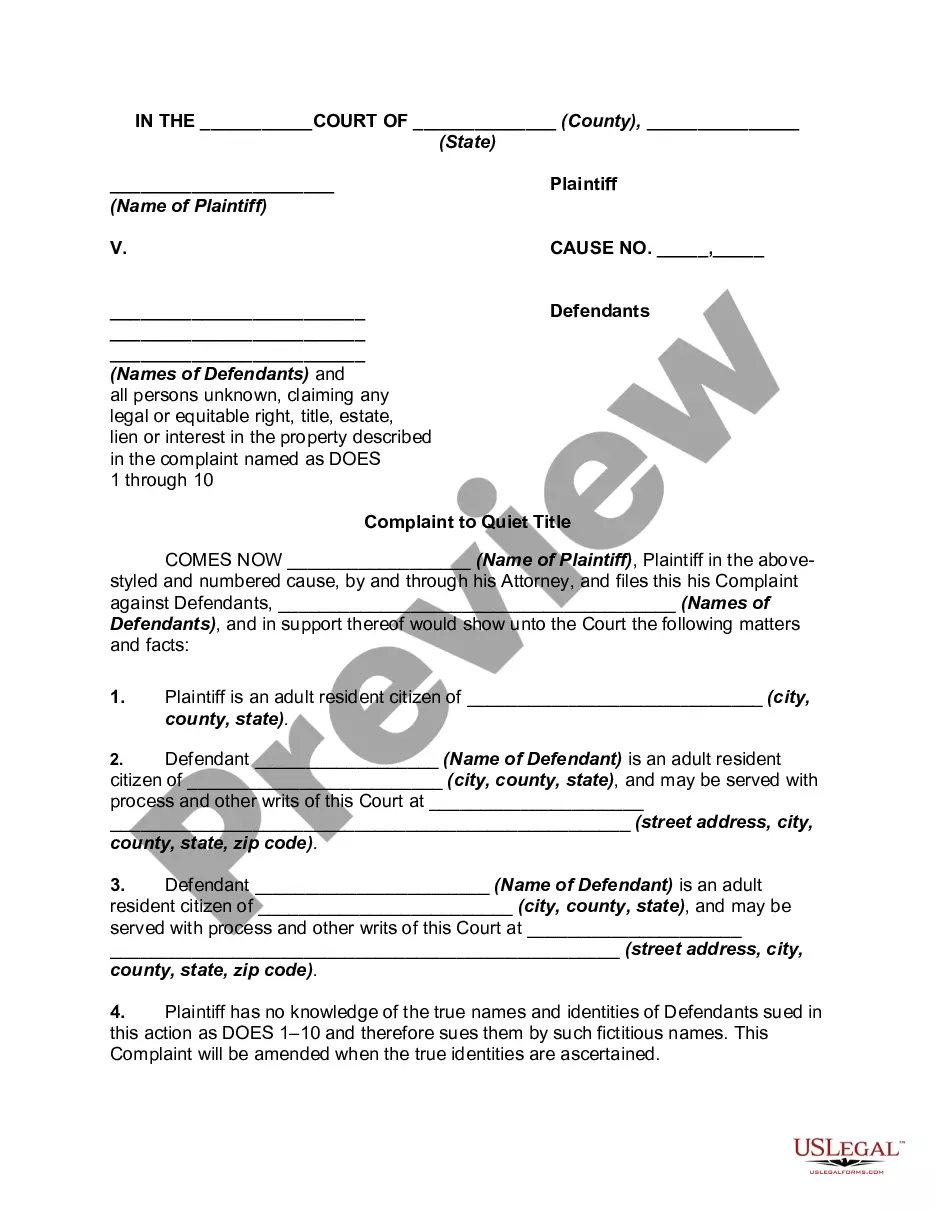
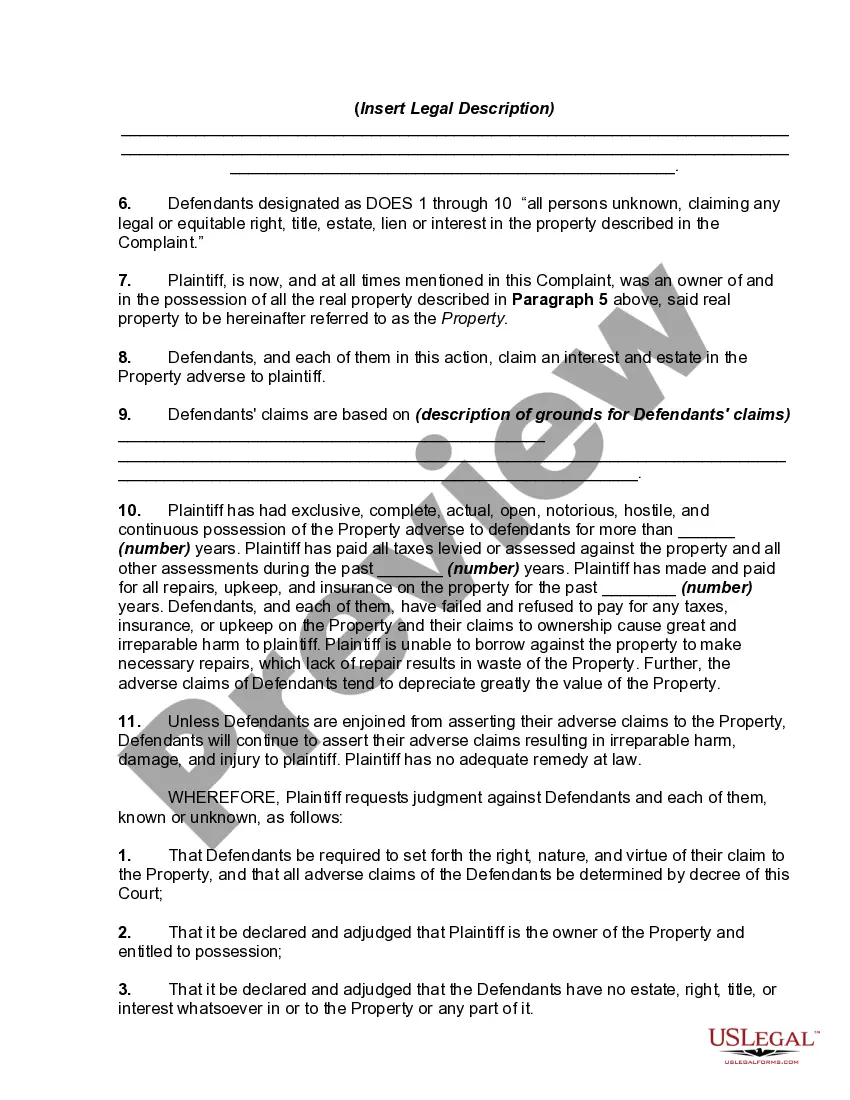
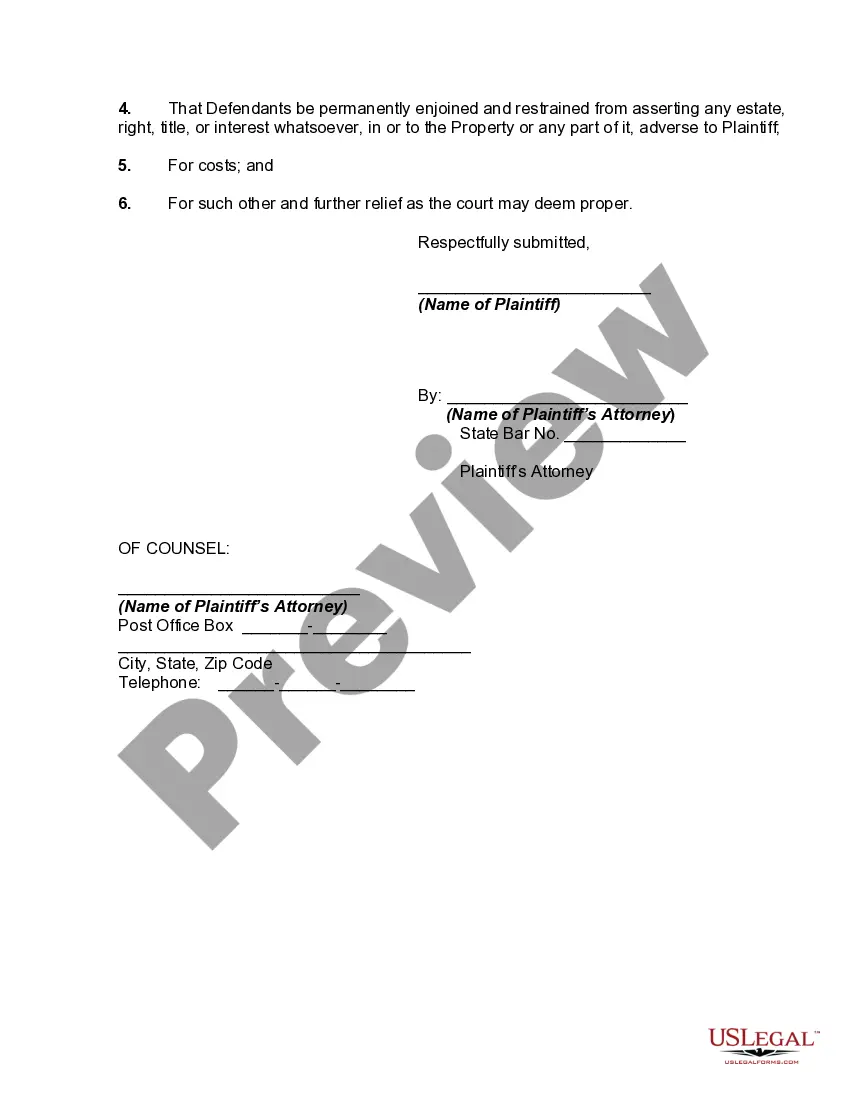
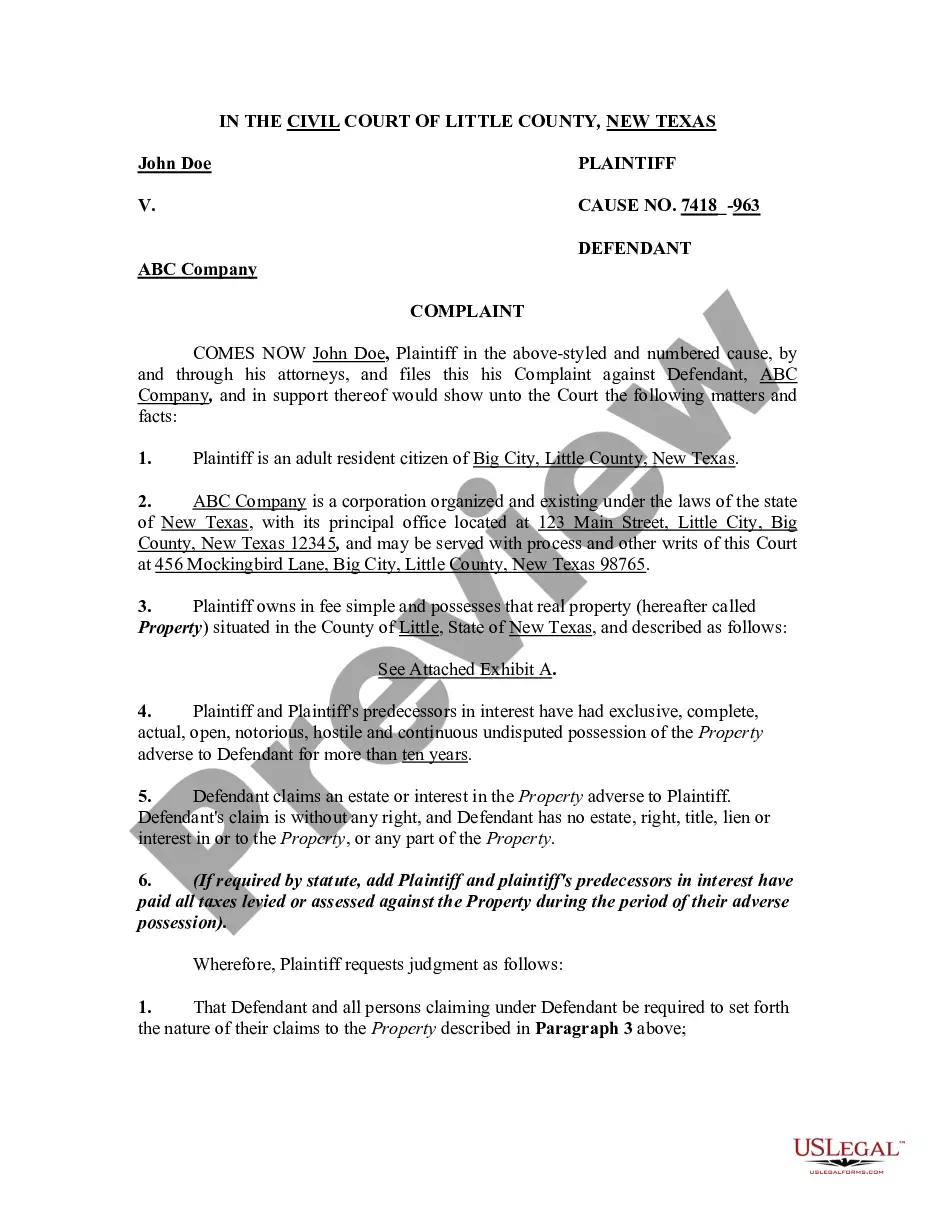
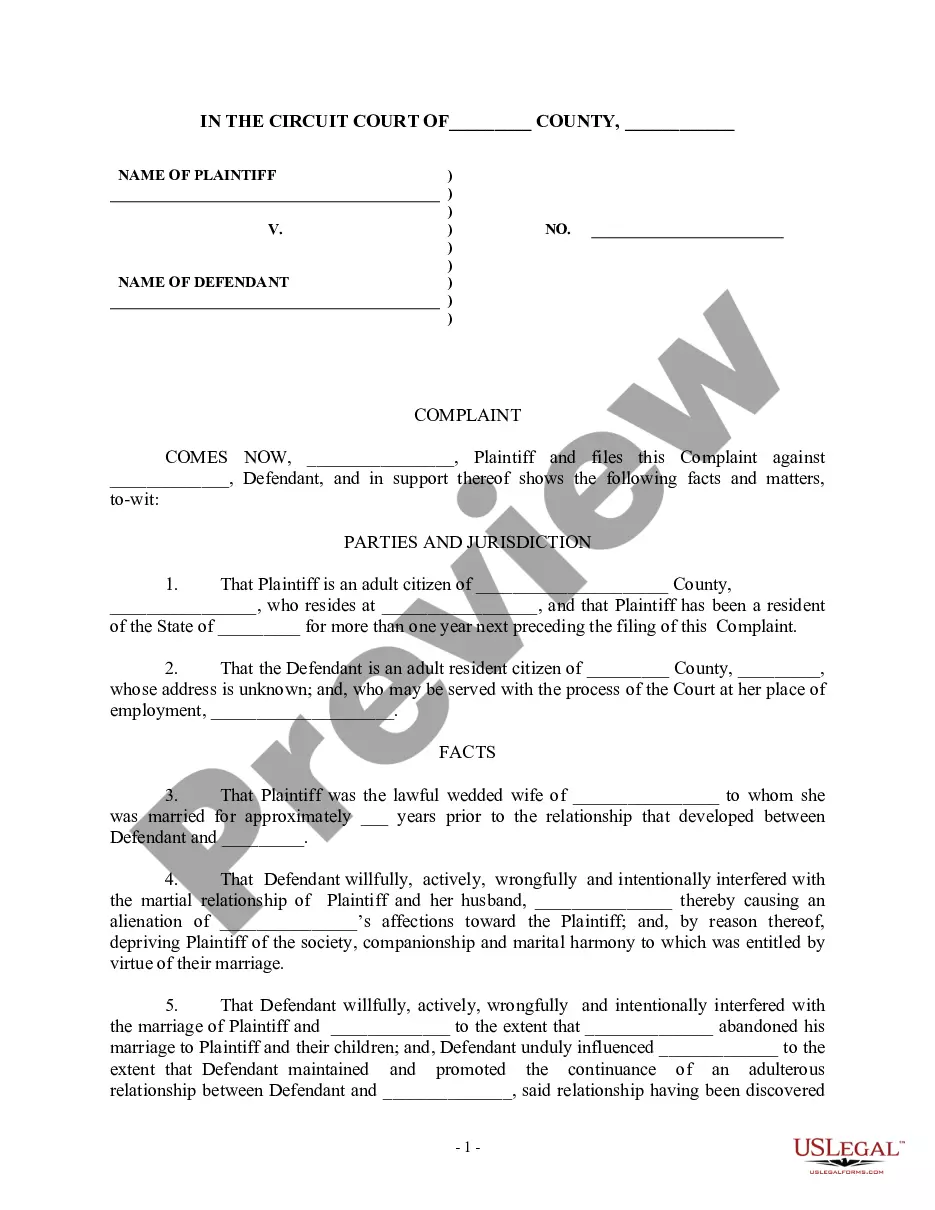
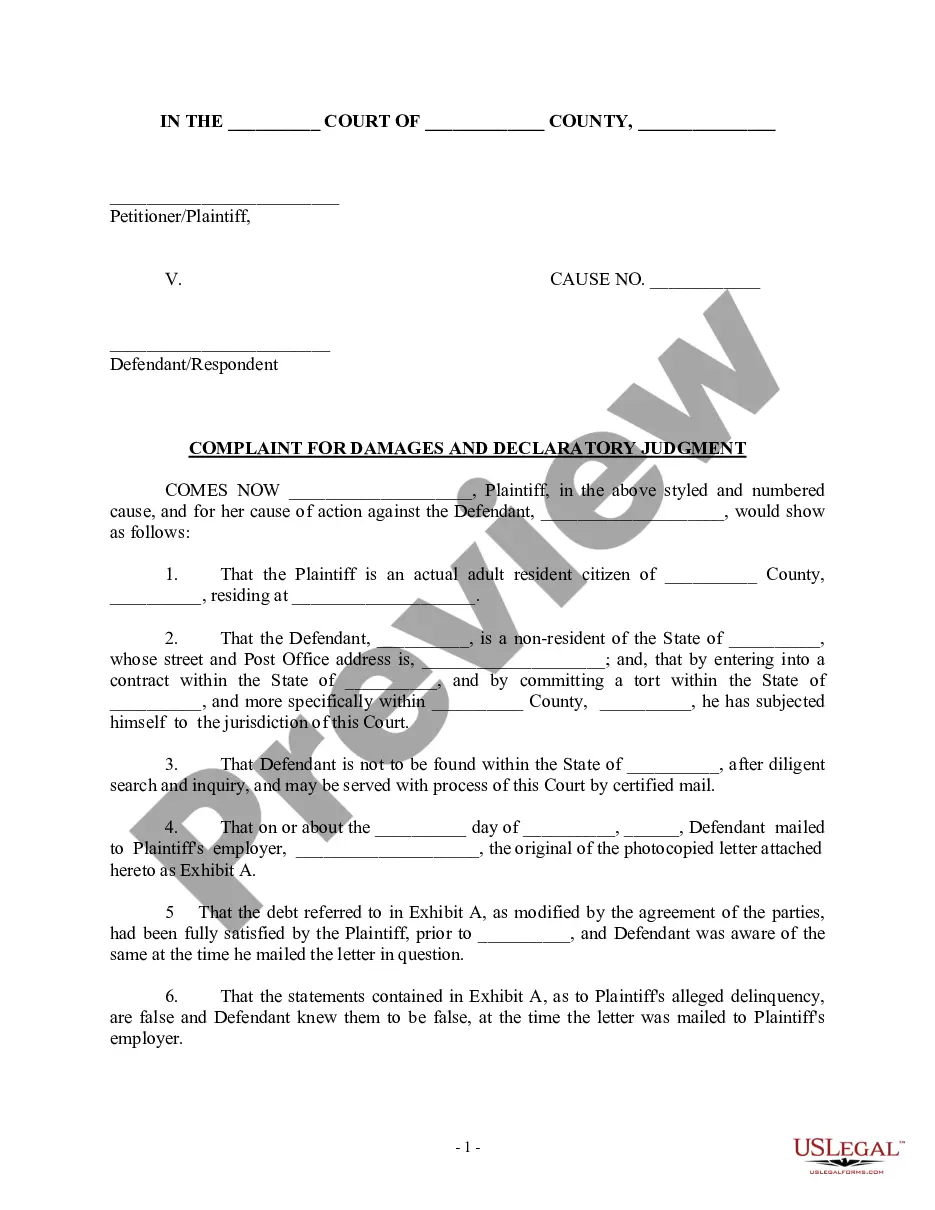
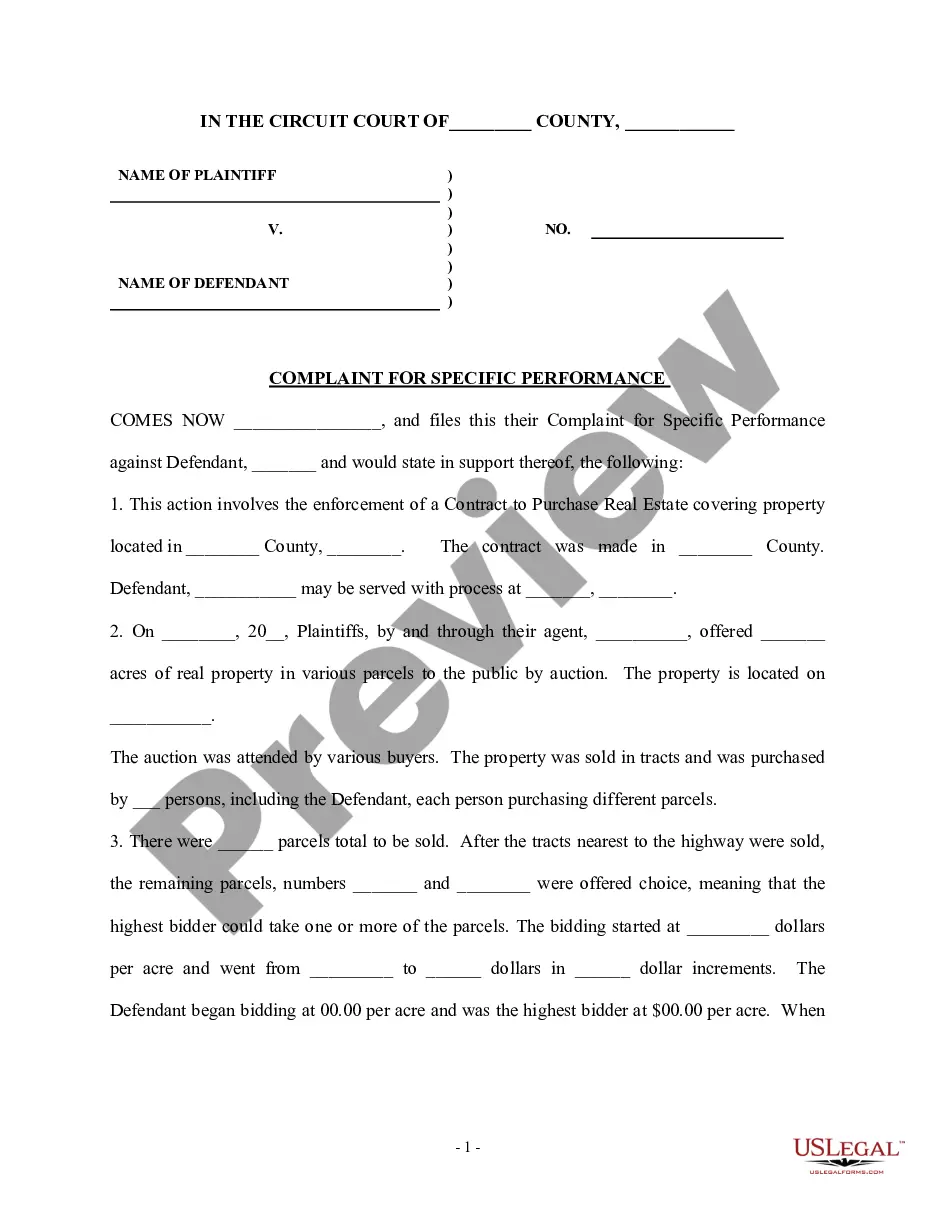
Get your form ready online
Our built-in tools help you complete, sign, share, and store your documents in one place.
Make edits, fill in missing information, and update formatting in US Legal Forms—just like you would in MS Word.
Download a copy, print it, send it by email, or mail it via USPS—whatever works best for your next step.
Sign and collect signatures with our SignNow integration. Send to multiple recipients, set reminders, and more. Go Premium to unlock E-Sign.
If this form requires notarization, complete it online through a secure video call—no need to meet a notary in person or wait for an appointment.
We protect your documents and personal data by following strict security and privacy standards.

Make edits, fill in missing information, and update formatting in US Legal Forms—just like you would in MS Word.

Download a copy, print it, send it by email, or mail it via USPS—whatever works best for your next step.

Sign and collect signatures with our SignNow integration. Send to multiple recipients, set reminders, and more. Go Premium to unlock E-Sign.

If this form requires notarization, complete it online through a secure video call—no need to meet a notary in person or wait for an appointment.

We protect your documents and personal data by following strict security and privacy standards.
Looking for another form?
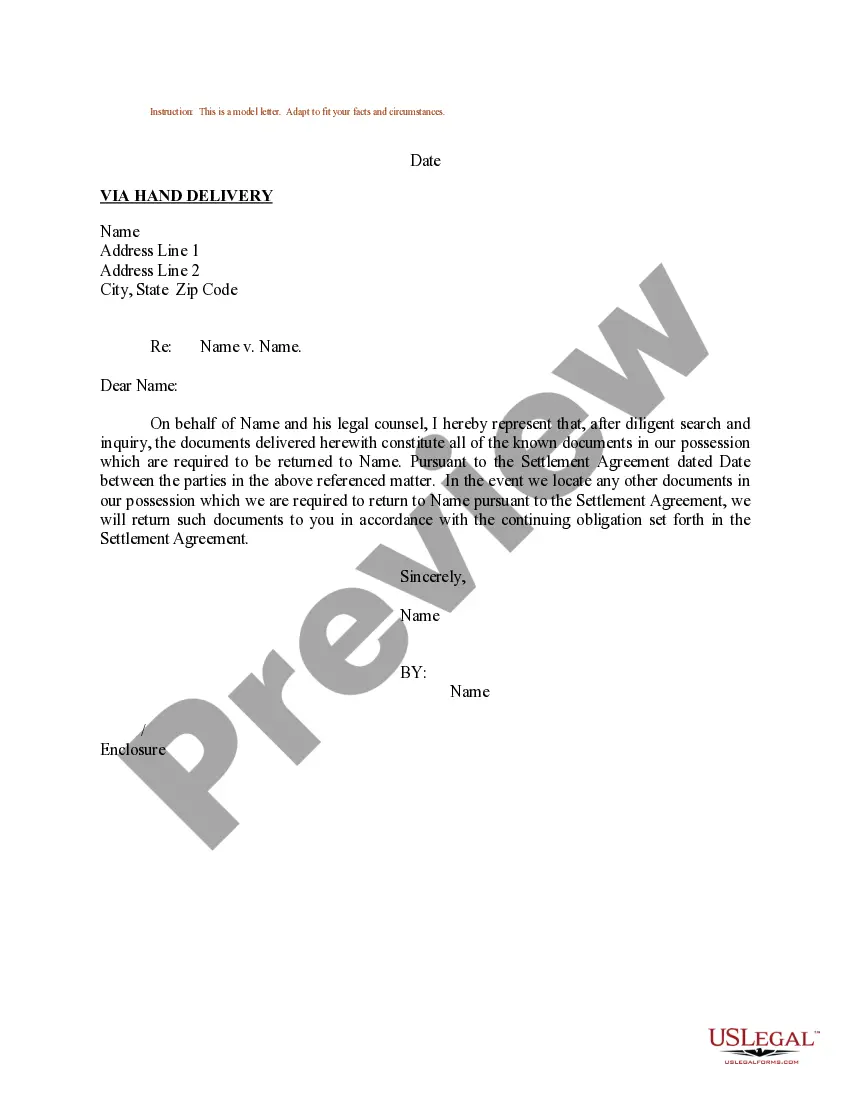
How to fill out Complaint To Quiet Title By Adverse Possessor With Unknown Defendants?
Accessing legal document examples that adhere to federal and state laws is vital, and the internet presents numerous choices to select from.
However, what is the advantage of spending time searching for the suitable Complaint Quiet Title Sample With Example online if the US Legal Forms virtual library has already compiled such templates in one location.
US Legal Forms is the largest online legal resource with over 85,000 editable templates crafted by attorneys for any business and life circumstance.
Examine the template using the Preview feature or through the text outline to ensure it satisfies your requirements.
- They are easy to navigate with all documents categorized by state and intended use.
- Our experts stay updated with legislative changes, ensuring your documents are current and compliant when acquiring a Complaint Quiet Title Sample With Example from our site.
- Obtaining a Complaint Quiet Title Sample With Example is straightforward and quick for both existing and new users.
- If you already possess an account with an active subscription, Log In and download the document sample you require in the correct format.
- If you are new to our site, follow the steps below.
Form popularity
FAQ
A quiet title cause of action requires establishing your legal ownership and showing that others do not have a valid claim. Essential elements include proof of title, the property description, and any defense against the claims of others. A Complaint quiet title sample with example can illustrate how to present these elements clearly. Understanding these components is vital for a successful outcome.
The burden of proof in a quiet title action lies primarily with the plaintiff, who must demonstrate a superior title to the property. Evidence can include land records, deeds, and historical documentation. A Complaint quiet title sample with example may show how to effectively present your claim. Clear and comprehensive evidence strengthens your position in court.
In New York, the statute of limitations for filing a quiet title action generally lasts for ten years. This means you have a decade to assert your rights concerning property ownership. Utilizing a Complaint quiet title sample with example can clarify how to structure your filing within this timeframe. Understanding these timelines helps protect your interests in the property.
To fight a quiet title action, you must first understand the claims against your title. Gathering evidence about your ownership is crucial. Using a Complaint quiet title sample with example can help frame your case effectively. Additionally, consulting with a legal professional can provide insights specific to your situation, ensuring you present a robust defense.
Any legal process aimed at settling disputes regarding property ownership qualifies as a quiet title action. This can include situations like disputing liens, ownership claims, or easements. When you explore a complaint quiet title sample with example, you can better understand various scenarios that fall under this category, making it easier for you to identify your specific case.
A quiet title action occurs when a property owner files a lawsuit to clear up any challenges to their title. For instance, if a neighbor claims ownership of part of your land, you could initiate a quiet title action to affirm your rights. Looking at a complaint quiet title sample with example may shed light on the specific legal formats and elements to include in your case.
An example of a quiet title can be a homeowner who finds a competing claim on their property due to an unpaid lien. They would take legal action to confirm their ownership and eliminate the claim. A complaint quiet title sample with example would showcase the necessary legal framework and steps to resolve such disputes, helping clarify ownership.
To achieve success in a quiet title action, it’s important to gather all necessary documentation demonstrating your ownership. Engaging with local laws and regulations, and potentially working with a legal expert can enhance your chances. Utilizing a complaint quiet title sample with example can guide you in structuring your action properly, ensuring that you address any counterclaims effectively.
A quiet title action seeks to establish clear ownership of a property, while a quitclaim deed transfers whatever interest a person has in a property without guaranteeing its validity. Essentially, a quiet title confirms ownership, whereas a quitclaim relinquishes ownership with no warranties. If you're looking for more clarity on these processes, consider referring to a complaint quiet title sample with example to understand their legal implications.
In a quiet title action, the answer typically addresses the claims made against the title of a property. You would present evidence to support your ownership and clarify any disputes. A strong answer includes a complaint quiet title sample with example to illustrate your stance, showing the court why your title should be confirmed as the rightful one.