Vacate Judgment Form With Tenant
Description
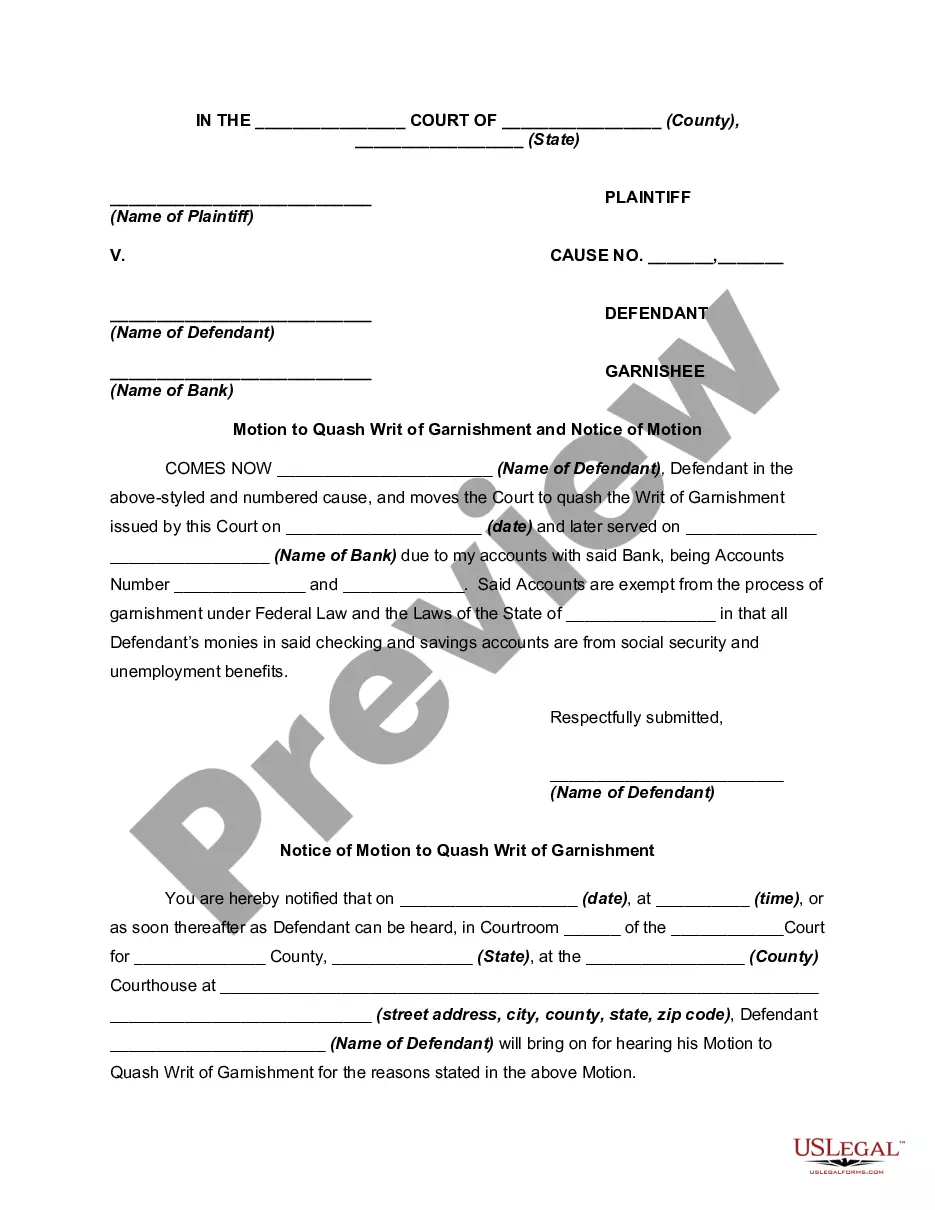
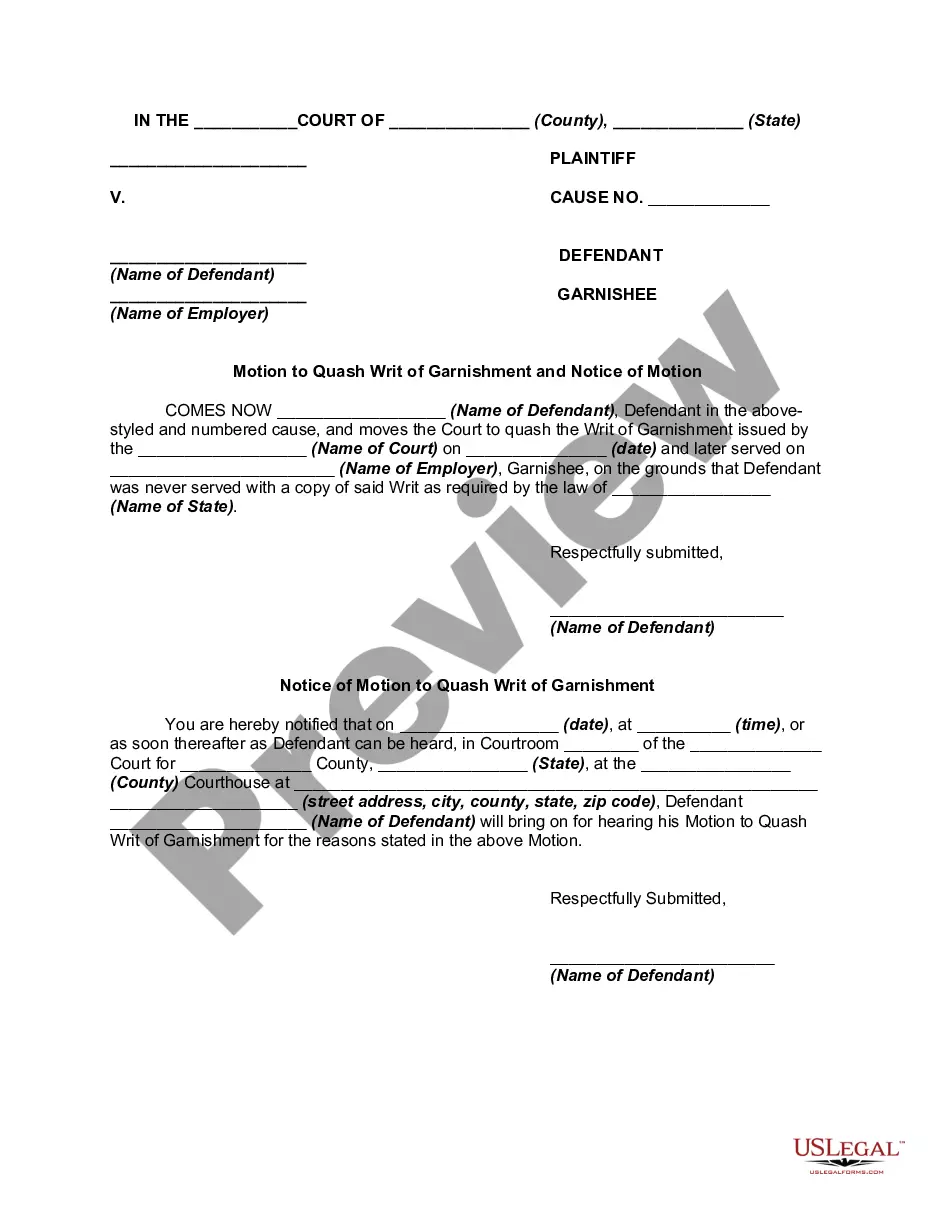
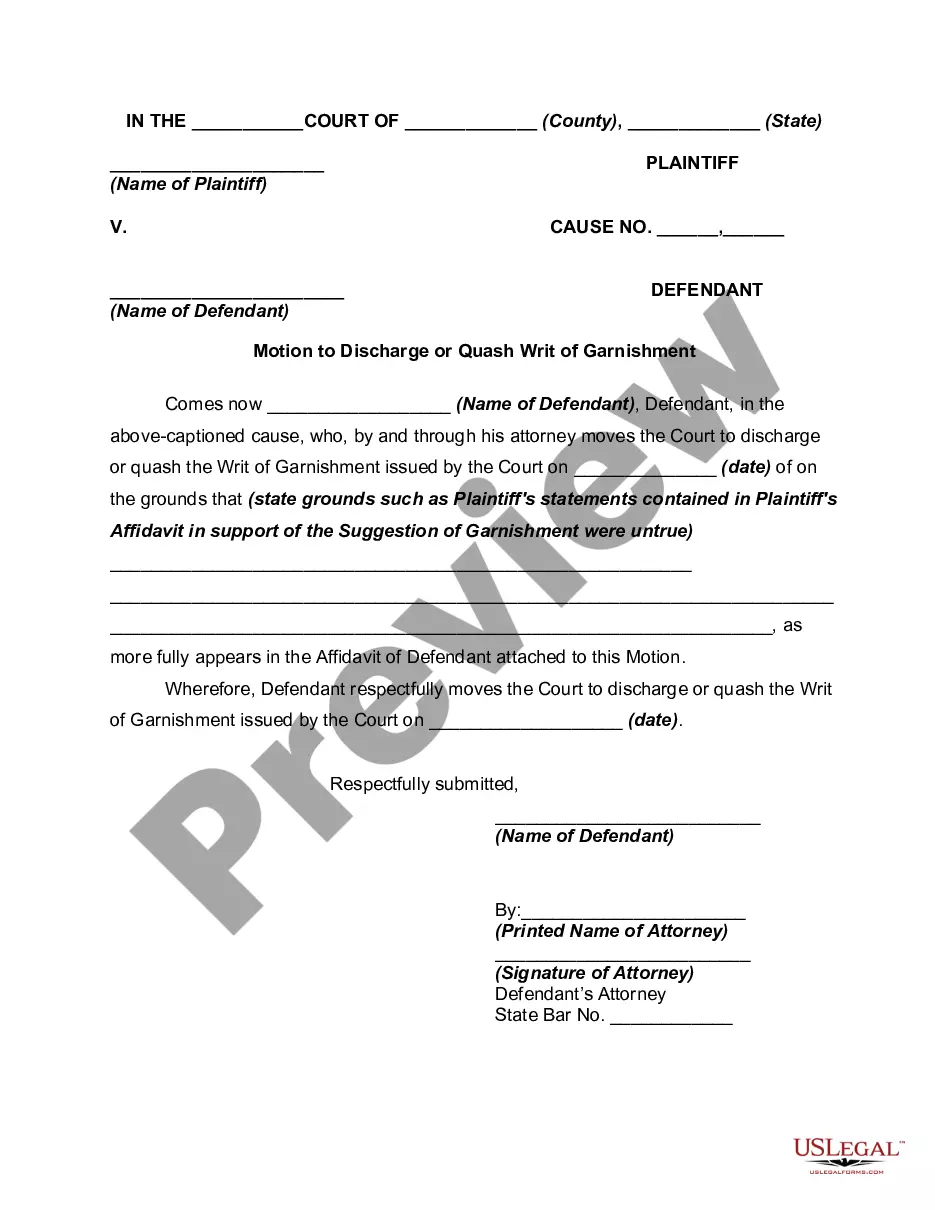
Get your form ready online
Our built-in tools help you complete, sign, share, and store your documents in one place.
Make edits, fill in missing information, and update formatting in US Legal Forms—just like you would in MS Word.
Download a copy, print it, send it by email, or mail it via USPS—whatever works best for your next step.
Sign and collect signatures with our SignNow integration. Send to multiple recipients, set reminders, and more. Go Premium to unlock E-Sign.
If this form requires notarization, complete it online through a secure video call—no need to meet a notary in person or wait for an appointment.
We protect your documents and personal data by following strict security and privacy standards.

Make edits, fill in missing information, and update formatting in US Legal Forms—just like you would in MS Word.

Download a copy, print it, send it by email, or mail it via USPS—whatever works best for your next step.

Sign and collect signatures with our SignNow integration. Send to multiple recipients, set reminders, and more. Go Premium to unlock E-Sign.

If this form requires notarization, complete it online through a secure video call—no need to meet a notary in person or wait for an appointment.

We protect your documents and personal data by following strict security and privacy standards.
Looking for another form?

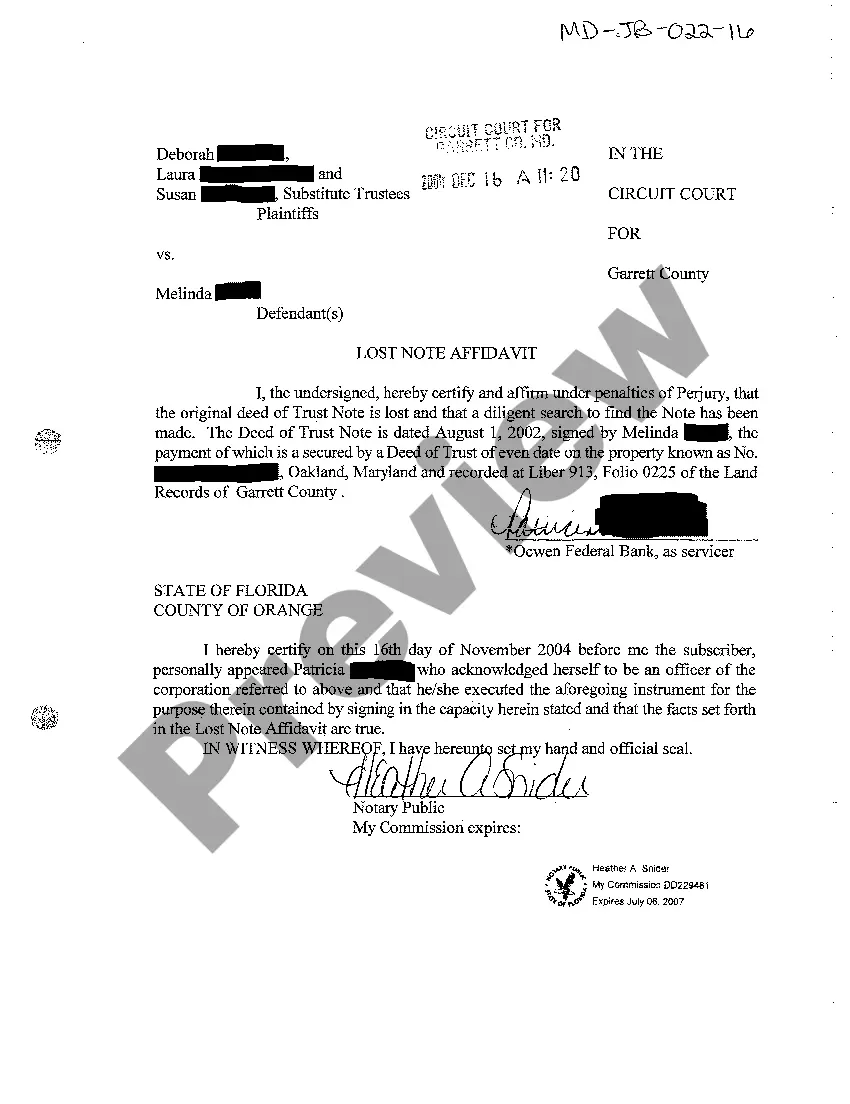

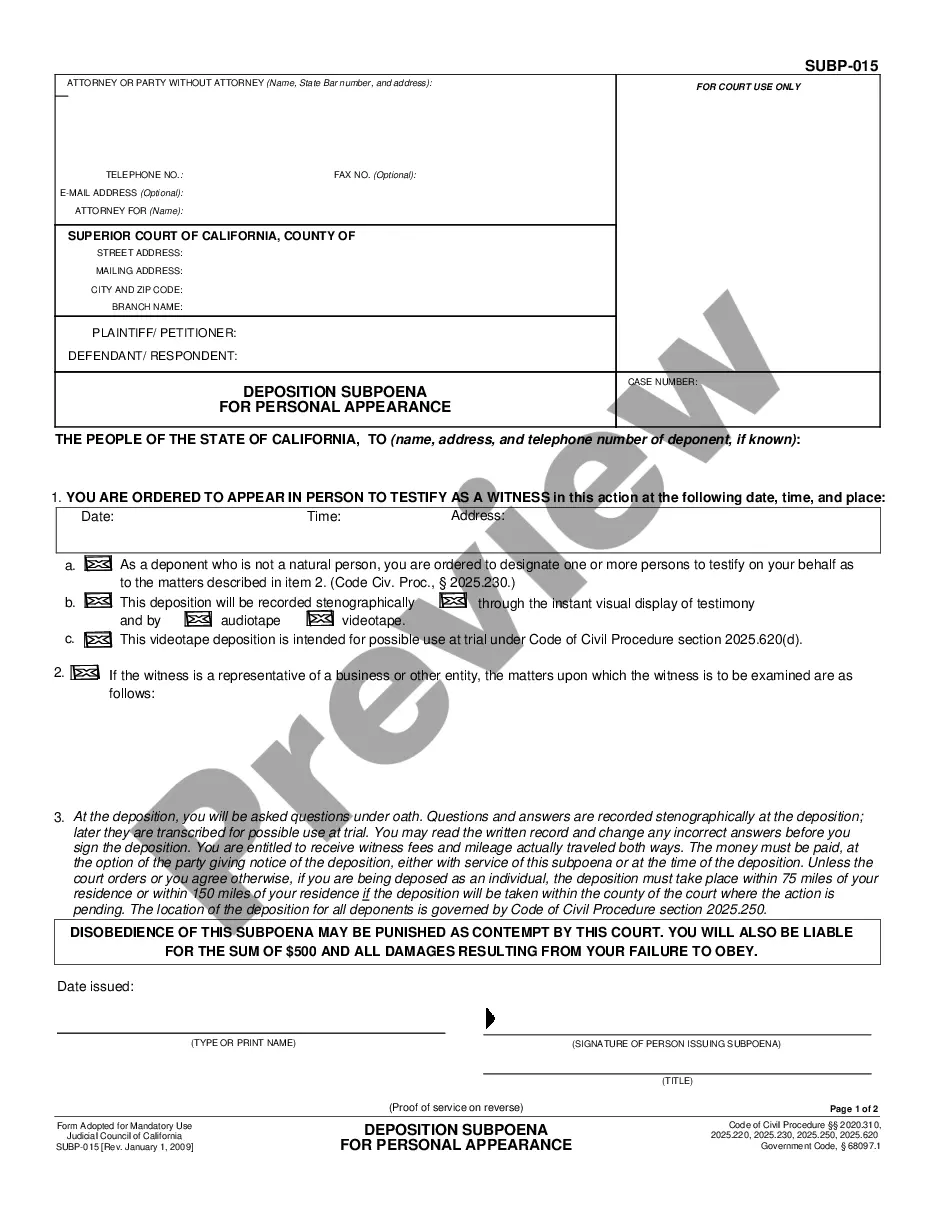

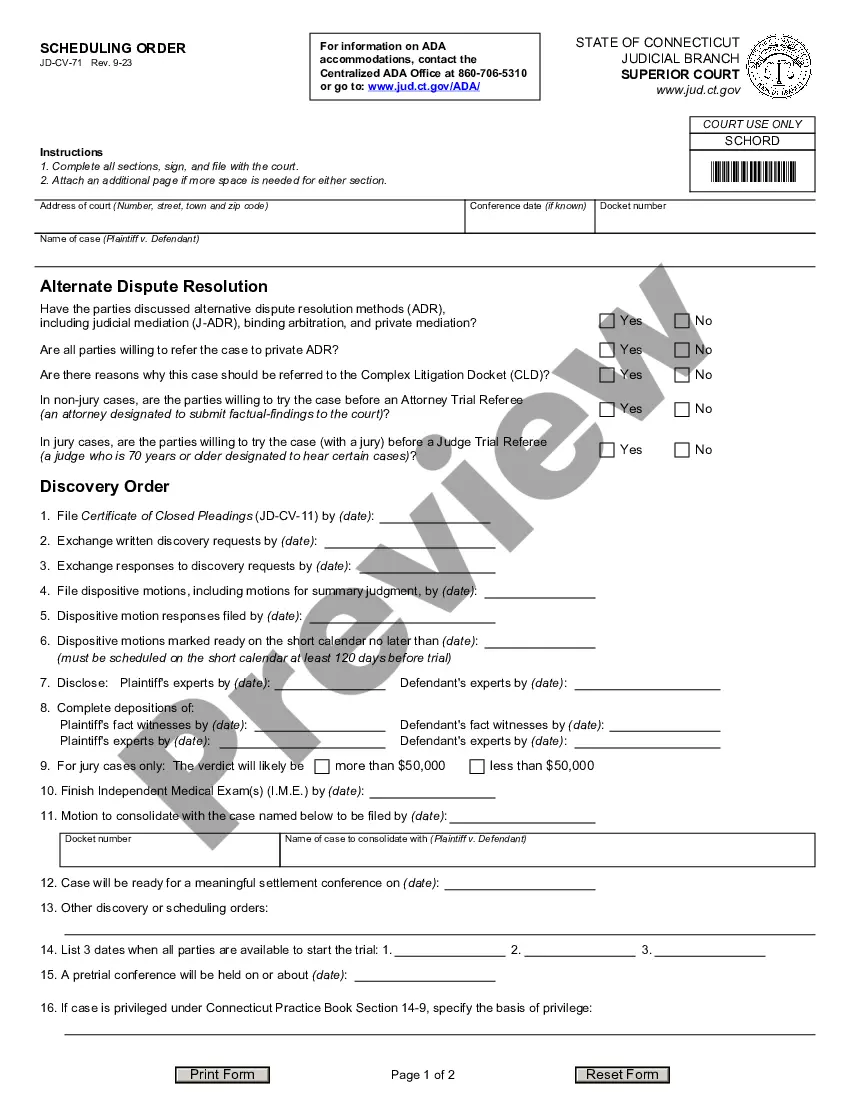
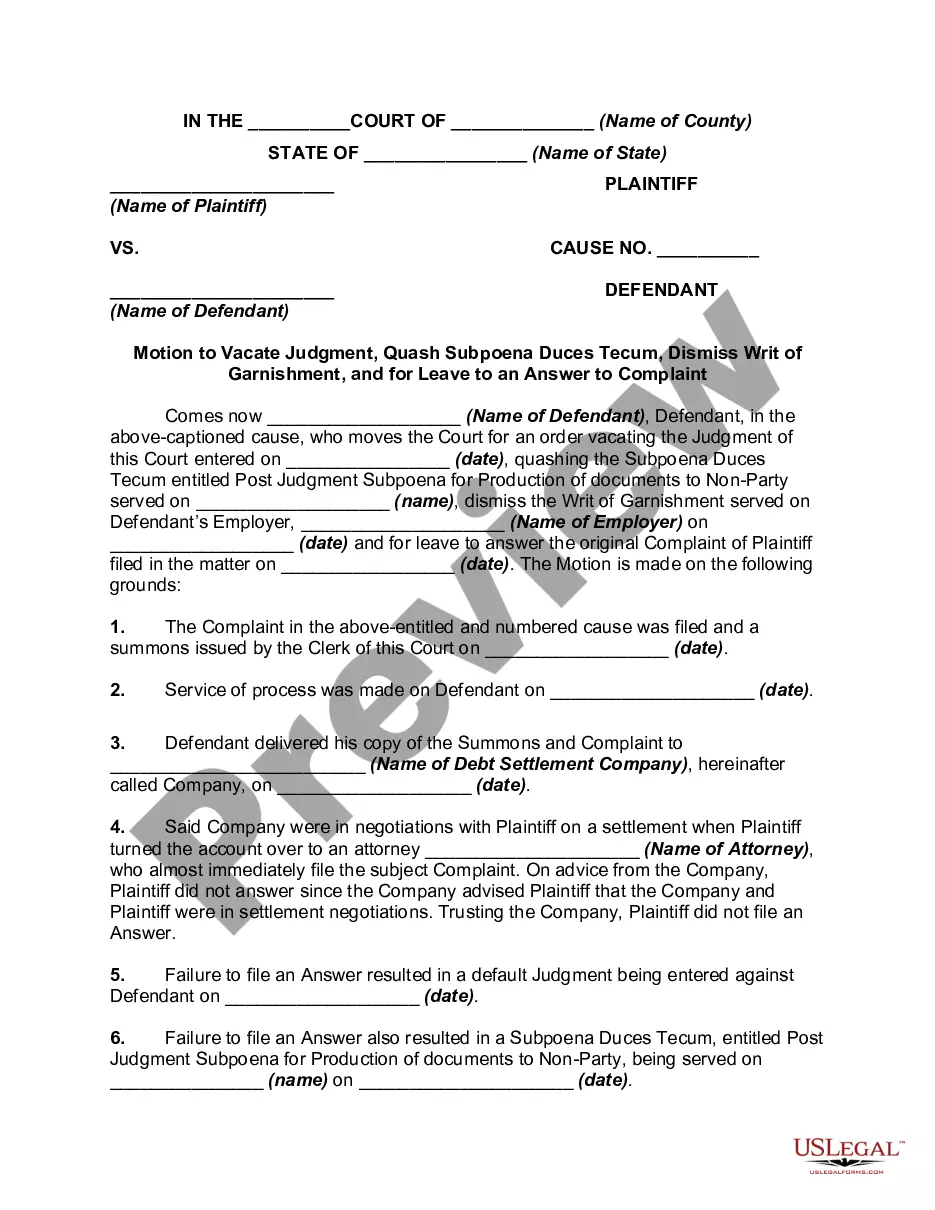
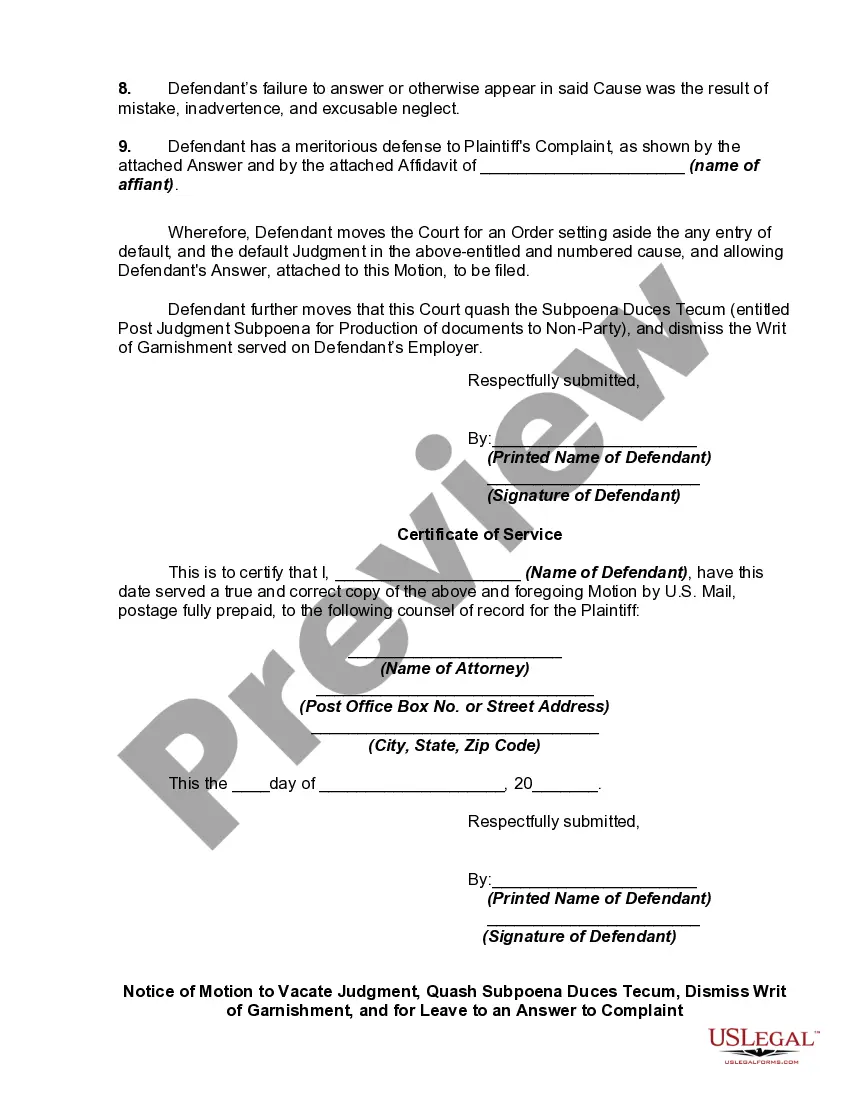
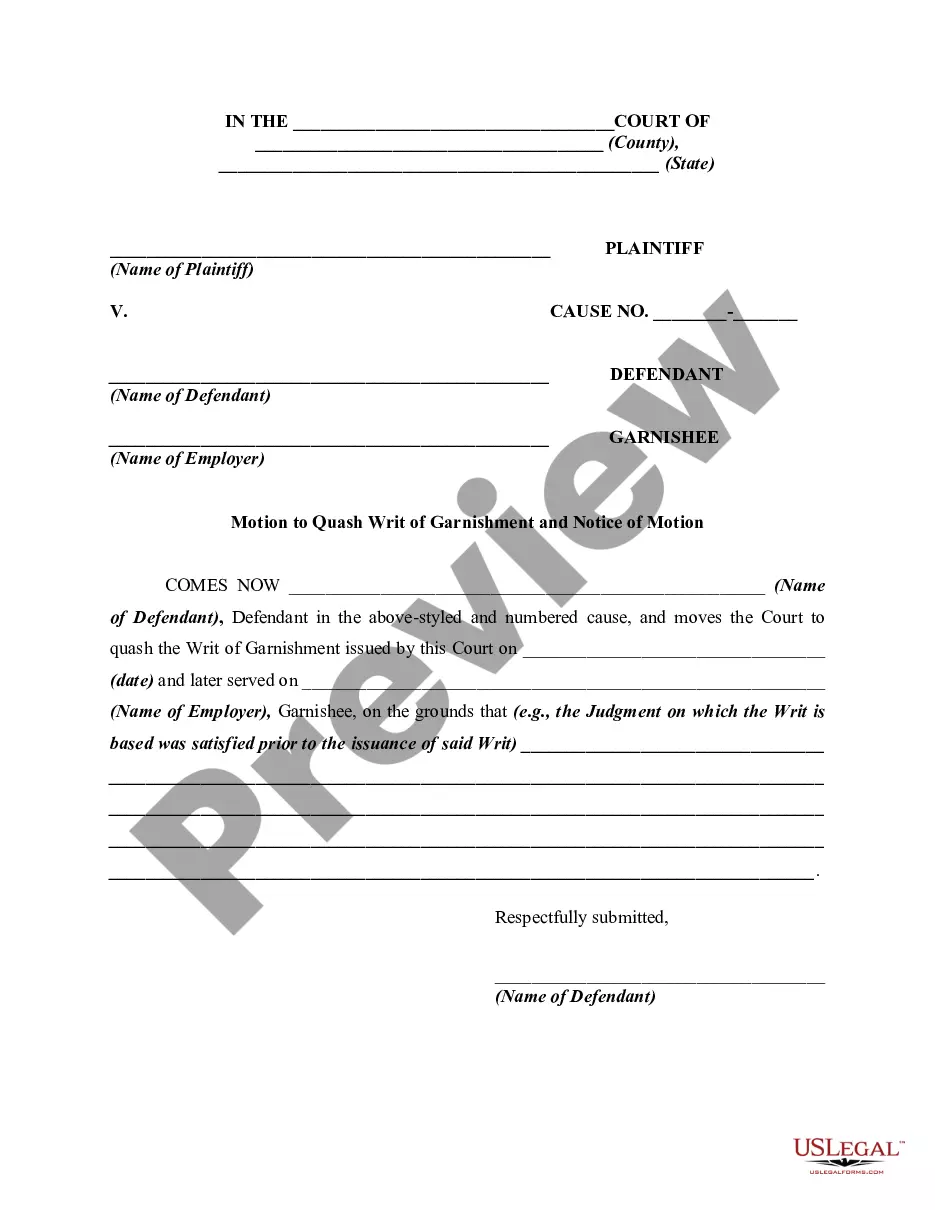
How to fill out Motion To Vacate Judgment, Quash Subpoena Duces Tecum, Dismiss Writ Of Garnishment, And For Leave To File An Answer To Complaint?
Regardless of whether it's for corporate reasons or personal matters, everyone must confront legal challenges at some stage in their life.
Filling out legal documents requires meticulous consideration, starting with choosing the right template.
With an extensive US Legal Forms library available, you’ll never waste time searching for the correct sample online. Utilize the library's user-friendly navigation to find the suitable form for any situation.
- Locate the required sample through the search bar or catalog.
- Review the details of the form to confirm its relevance to your case, jurisdiction, and locality.
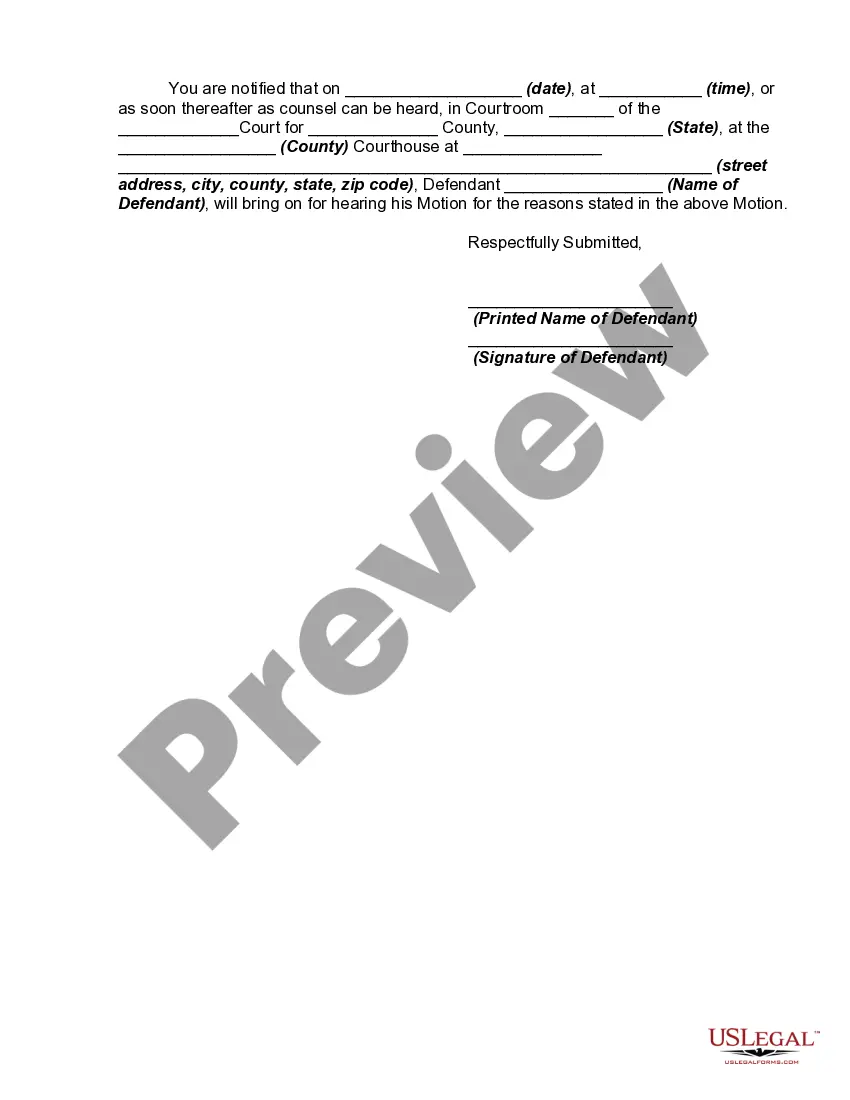
- Select the form's preview to examine it.
- If it’s the incorrect form, return to the search option to locate the Vacate Judgment Form With Tenant sample you need.
- Download the template once it corresponds to your needs.
- If you already possess a US Legal Forms account, click Log in to retrieve previously stored templates in My documents.
- If you lack an account, acquire the form by selecting Buy now.
- Choose the suitable pricing plan.
- Complete the account registration form.
- Select your payment method: you may use a credit card or PayPal.
- Choose the desired document format and download the Vacate Judgment Form With Tenant.
- Once saved, you can fill out the form using editing software or print it for manual completion.
Form popularity
FAQ
To vacate a judgment in New Jersey, you can file a motion with the court along with the appropriate vacate judgment form with tenant included. Be sure to present a compelling reason for the request, as well as any necessary evidence or documentation. Consulting with a legal expert can provide guidance and increase your chances of successfully vacating the judgment.
To remove a rental judgment, you can file a motion to vacate in court, which requires you to complete the vacate judgment form with tenant details. You will need to explain the reasons for removal, such as a lack of notice or errors in judgment. Additionally, ensuring you have documentation to support your request can strengthen your case.
A default judgment might be denied if the court finds insufficient evidence or if the filing party did not follow proper legal procedures. Inadequate service of process can also lead to denial. It's essential to complete the vacate judgment form with tenant accurately to avoid missteps in the process.
In New York, to remove a judgment, you typically need to file a motion with the court, accompanied by a vacate judgment form with tenant. You should explain your reasons clearly and include any relevant documentation that supports your case. The judge will evaluate your motion before making a decision. Understanding this process is essential in getting the judgment removed efficiently.
To vacate a default judgment in New York, you must file a motion with the court that issued the judgment. This requires you to submit a vacate judgment form with tenant and provide a valid reason for your absence during the original hearing. The court will then review your application and decide whether to grant your request. Attention to detail in your application can lead to a favorable outcome.
After a default judgment is issued in New York, the plaintiff can begin collection actions against the defendant. This may include garnishing wages, freezing bank accounts, or placing liens on property. However, if you act promptly, you can contest the default judgment by filing a vacate judgment form with tenant. Ensuring you understand the next steps helps protect your rights.
Time limits: Under CPLR § 317, you must move to vacate the judgment within one year of obtaining "knowledge of the entry of the judgment." Be specific as to why you did not receive "knowledge" of the judgment until later.
You can tell the clerk that you want to file an order to show cause (?OSC?). On the OSC form you can tell the court why they should vacate this judgment based on either excusable default, lack of personal jurisdiction, or both. The OSC should include 1) a reasonable excuse and 2) a good defense.
Get the form SC-135: Notice of Motion to Vacate Judgment. You must explain on the form why you did not come to court. File the form with the Small Claims Court Clerk's Office at the court where your case was heard. Pay the filing fee.
The Order to Show Cause to vacate a Landlord Tenant Judgment is a court order that you are asking the judge to sign that puts the court case back on the court's calendar, and tells the landlord and Sheriff not to evict you. It tells the landlord to come to court and show why what you want should not be granted.