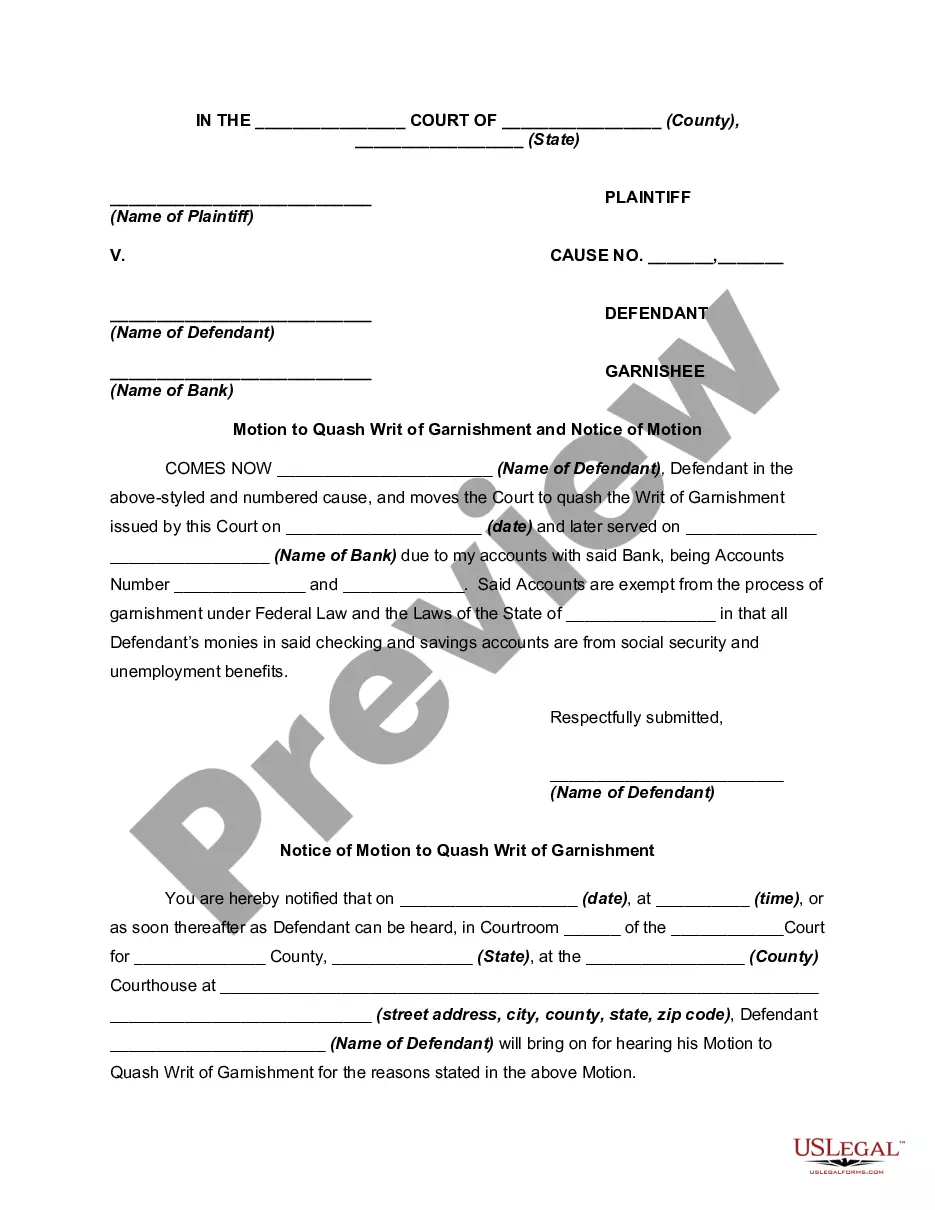
Answer Court Motion For Default Judgment
Description
Get your form ready online
Our built-in tools help you complete, sign, share, and store your documents in one place.
Make edits, fill in missing information, and update formatting in US Legal Forms—just like you would in MS Word.
Download a copy, print it, send it by email, or mail it via USPS—whatever works best for your next step.
Sign and collect signatures with our SignNow integration. Send to multiple recipients, set reminders, and more. Go Premium to unlock E-Sign.
If this form requires notarization, complete it online through a secure video call—no need to meet a notary in person or wait for an appointment.
We protect your documents and personal data by following strict security and privacy standards.

Make edits, fill in missing information, and update formatting in US Legal Forms—just like you would in MS Word.

Download a copy, print it, send it by email, or mail it via USPS—whatever works best for your next step.

Sign and collect signatures with our SignNow integration. Send to multiple recipients, set reminders, and more. Go Premium to unlock E-Sign.

If this form requires notarization, complete it online through a secure video call—no need to meet a notary in person or wait for an appointment.

We protect your documents and personal data by following strict security and privacy standards.
Looking for another form?

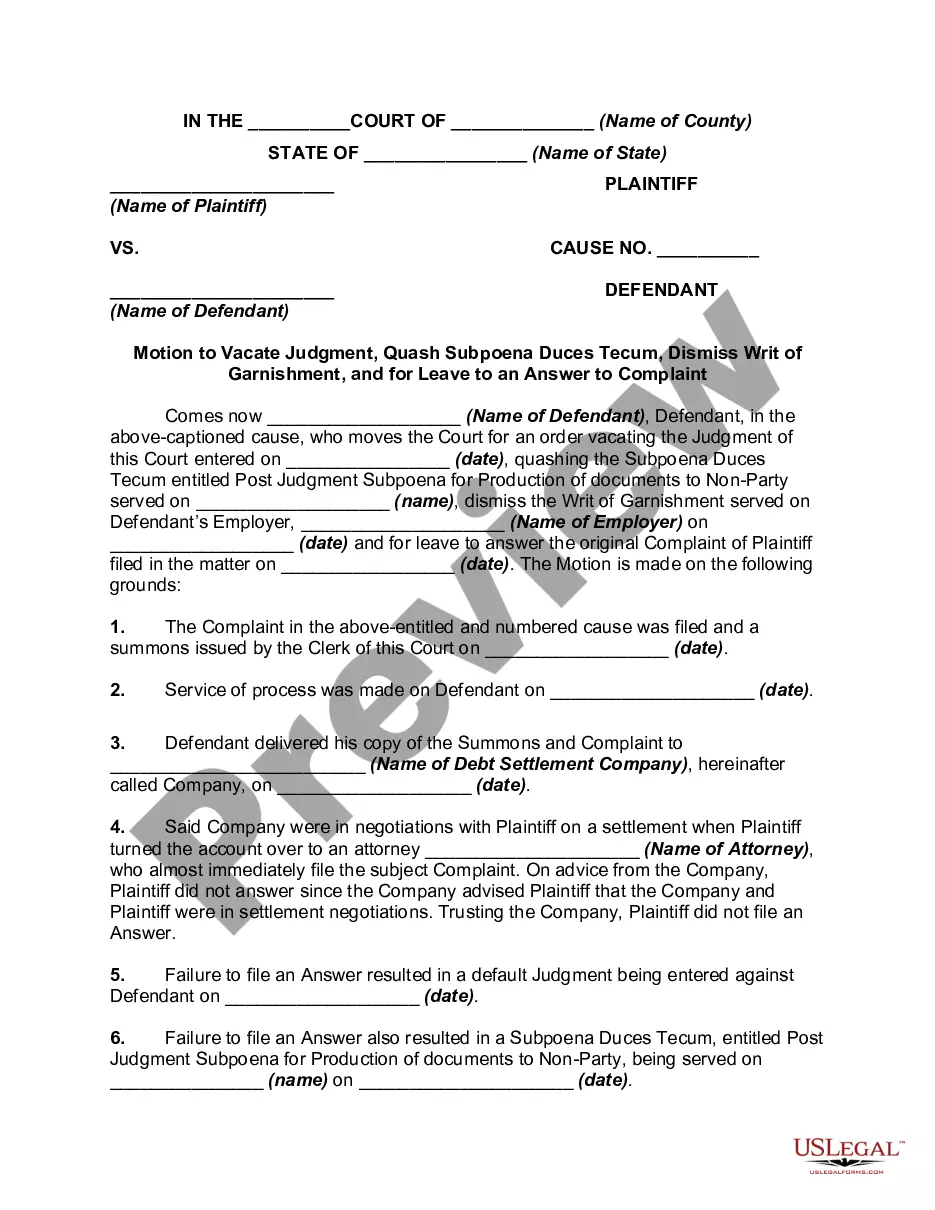
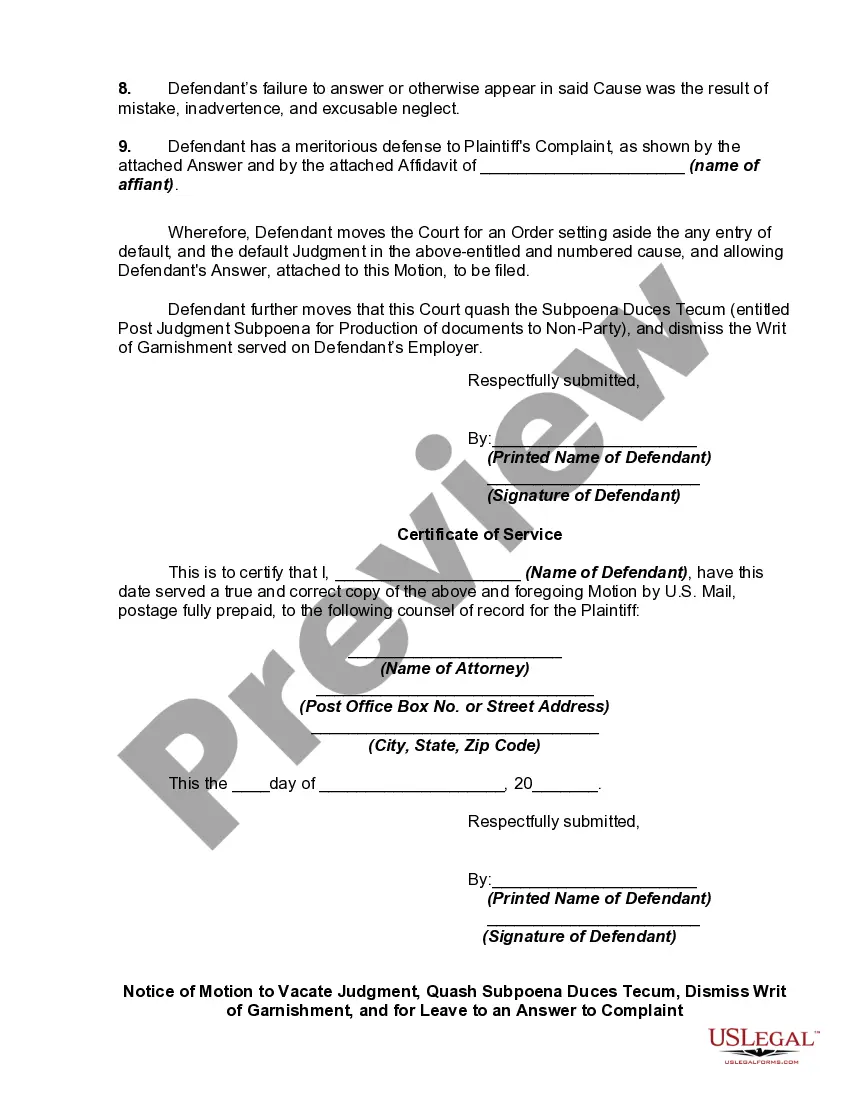
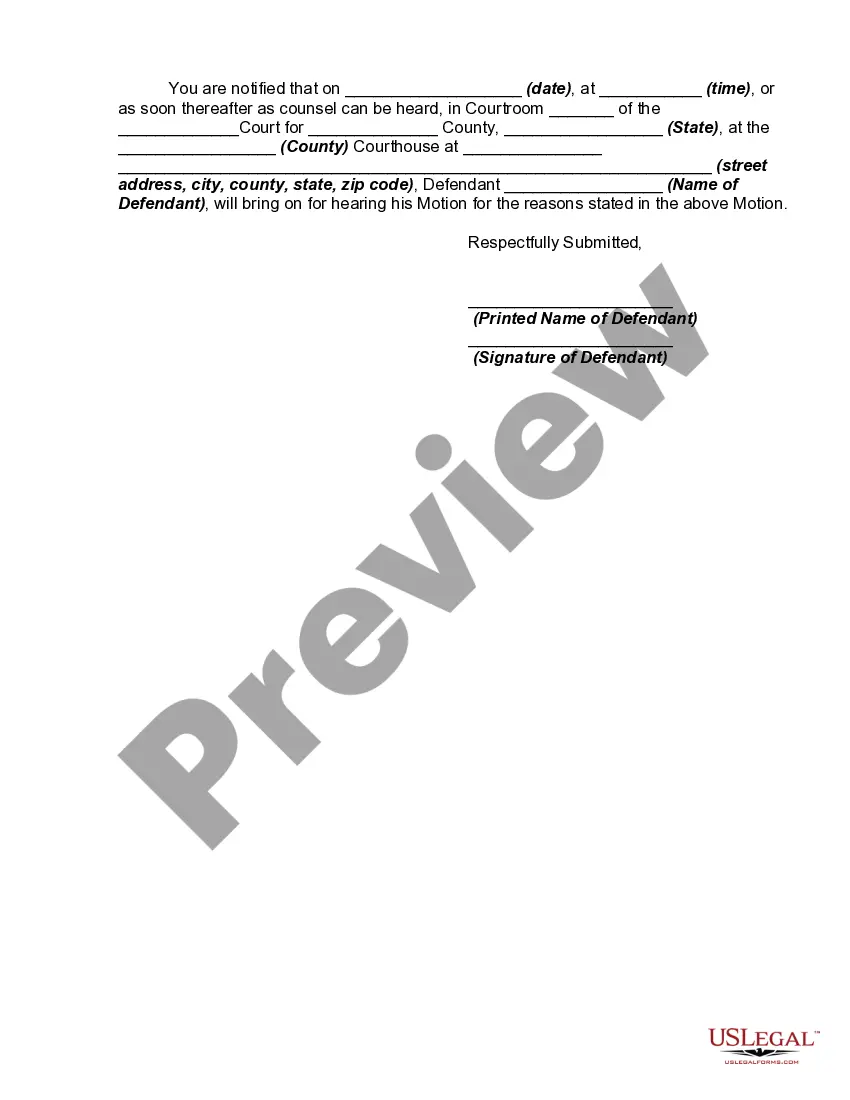
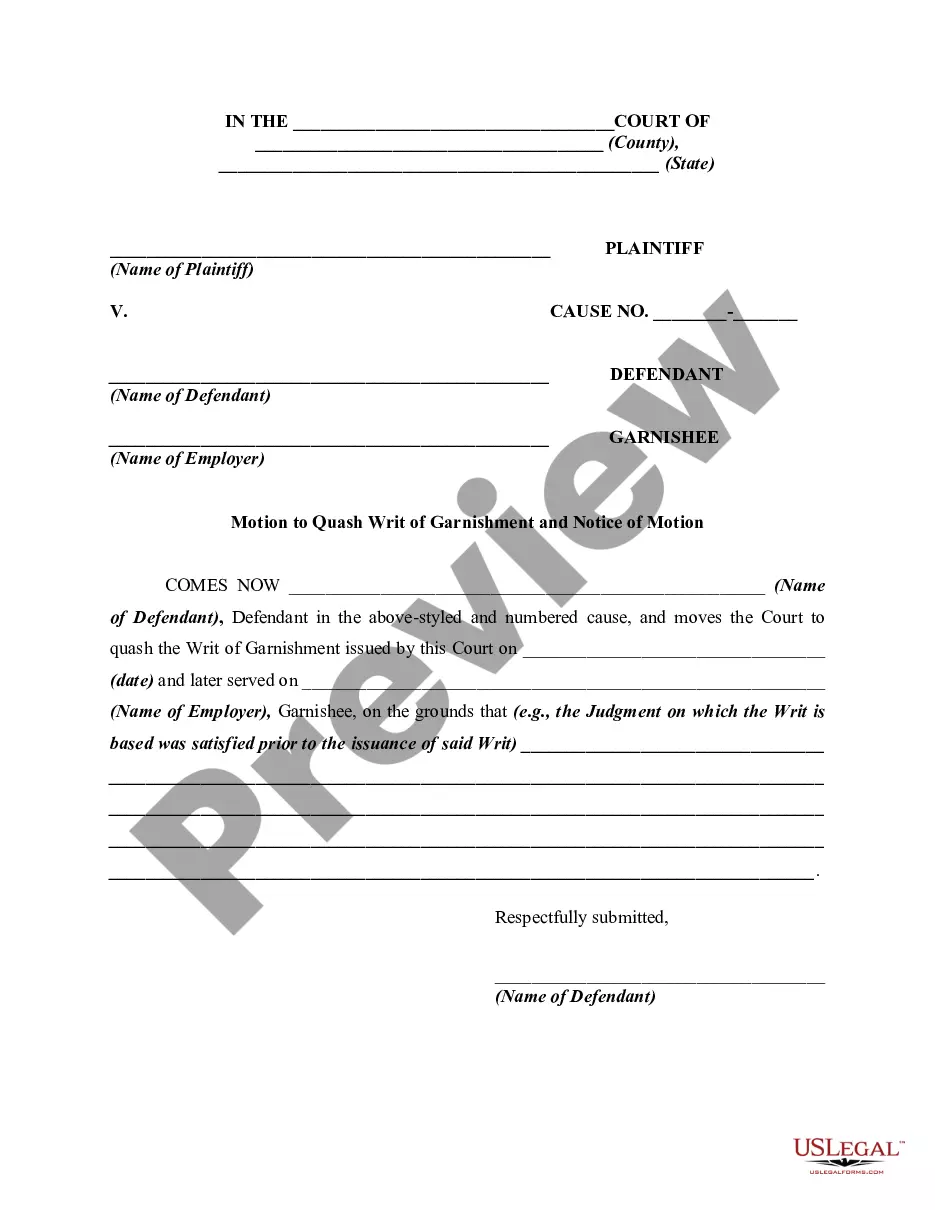
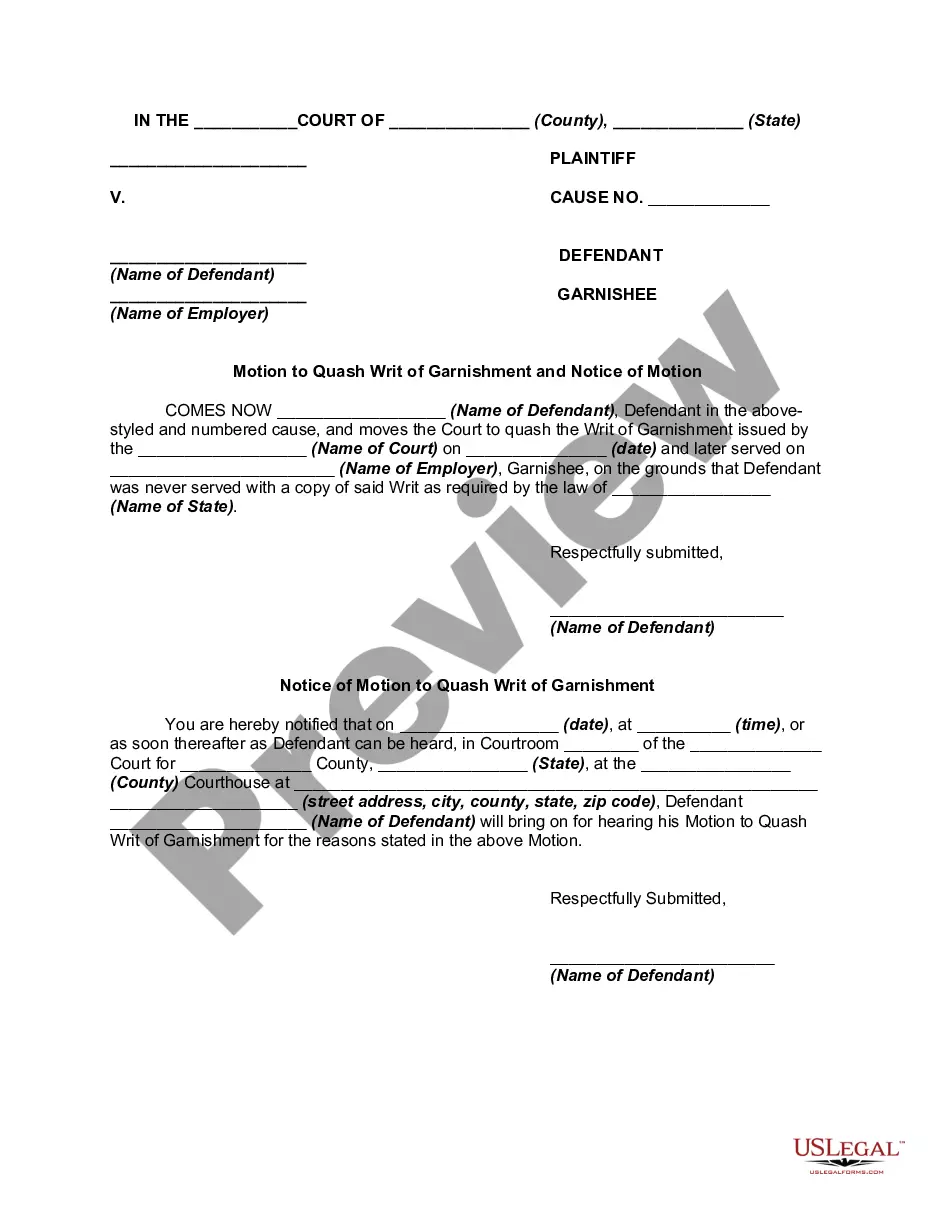
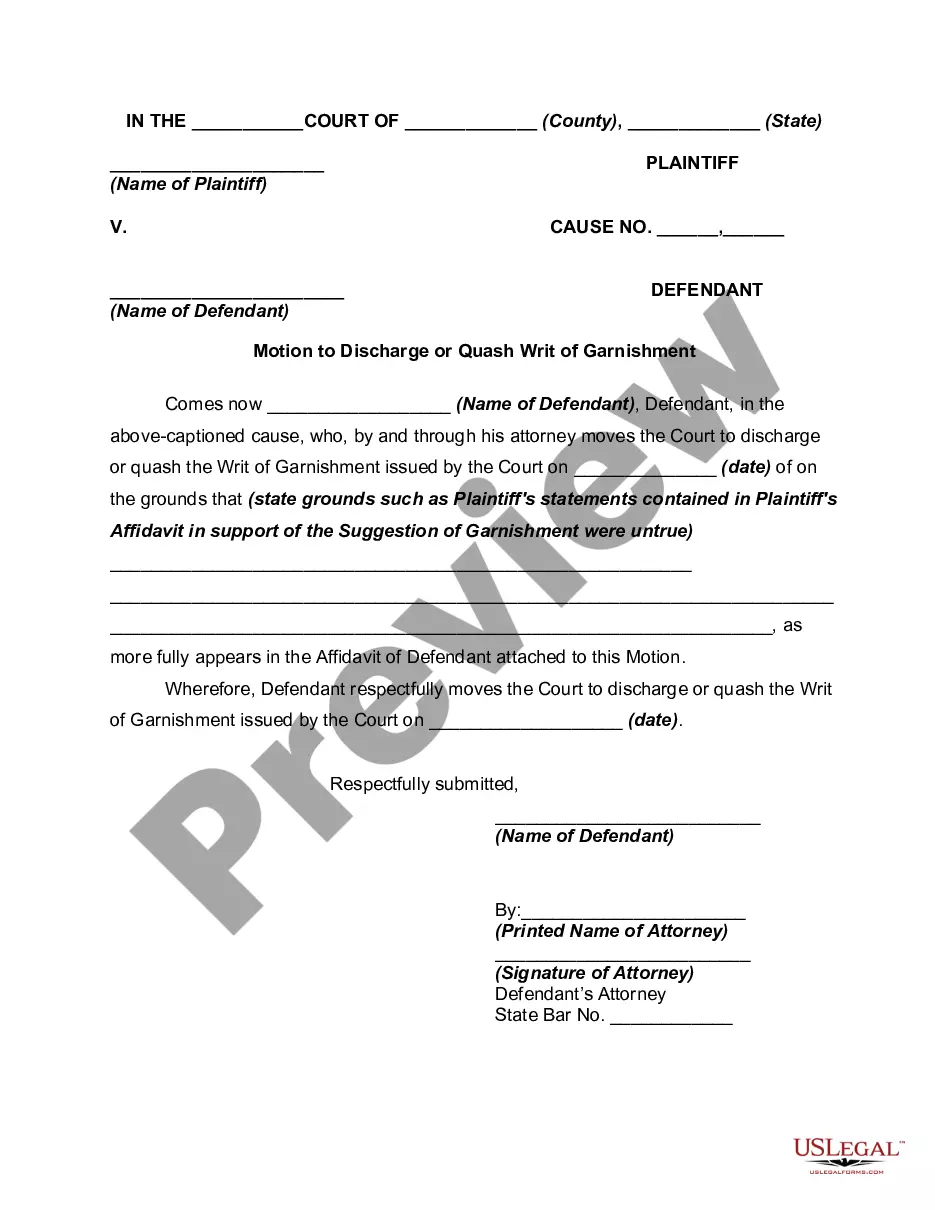
How to fill out Motion To Vacate Judgment, Quash Subpoena Duces Tecum, Dismiss Writ Of Garnishment, And For Leave To File An Answer To Complaint?
Creating legal documents from the ground up can frequently be daunting.
Some situations might require extensive research and significant financial investment.
If you seek a simpler and more economical method for preparing an Answer Court Motion For Default Judgment or any other paperwork without unnecessary complications, US Legal Forms is readily available to you.
Our digital library of over 85,000 current legal documents encompasses nearly all facets of your financial, legal, and personal matters.
Before proceeding to download the Answer Court Motion For Default Judgment, keep these suggestions in mind: Check the form preview and descriptions to confirm that you’re selecting the correct form. Ensure that the chosen form meets the regulations of your state and county. Choose the most appropriate subscription plan to acquire the Answer Court Motion For Default Judgment. Download the document, then fill it out, sign it, and print it. US Legal Forms has a solid reputation and more than 25 years of experience. Join us today and make the form completion process effortless and efficient!
- With just a few clicks, you can swiftly access state- and county-specific forms meticulously crafted by our legal experts.
- Utilize our platform whenever you require a dependable and trustworthy service to swiftly find and download the Answer Court Motion For Default Judgment.
- If you’re already familiar with our website and have previously set up an account, simply Log In to your account, choose the template, and download it or re-download it any time in the My documents section.
- Not a registered user yet? No problem; creating an account is quick and easy, allowing you to browse the library.
Form popularity
FAQ
A motion for default judgment is a request made to a court when one party fails to respond to a lawsuit. In simple terms, if the defendant does not answer the complaint within the specified time, the plaintiff can ask the court to rule in their favor. To effectively answer a court motion for default judgment, it is crucial to understand the legal grounds and procedures involved. Resources like US Legal Forms can guide you in preparing the necessary documents and ensuring your legal rights are protected.
Yes, you can take steps after a default judgment, even if it seems unfavorable. One of the most common actions is to file a motion to set aside the judgment, arguing why the ruling should be vacated. Furthermore, reviewing your options with a legal professional can provide guidance on the best path forward, including potentially negotiating a settlement.
When dealing with a default judgment, you must act quickly to preserve your rights. Start by reviewing the judgment and identify the grounds for your response. You can file a motion to set aside the judgment, clearly stating your reasons for doing so. Having a solid plan in place will help you effectively answer the court motion for default judgment.
If the defendant does not deliver a defence within the allotted period, the plaintiff may issue a motion for judgment in default of defence. However, if the court considers it in the interests of justice, time for delivery of the statement of claim may be extended for a period deemed necessary.
If the defendant does not deliver a defence within the allotted period, the plaintiff may issue a motion for judgment in default of defence. However, if the court considers it in the interests of justice, time for delivery of the statement of claim may be extended for a period deemed necessary.
The correct option is c. A defendant does not file a written response to a plaintiff's complaint. Reason: The default decision or judgement by the court is taken when the defendant doesn't show up in the hearing and the court decided to take decision in favour of the other party.
Typically, the default process begins when the defendant has not responded to a properly served summons and complaint. When this happens, a defendant is ?in default,? and the plaintiff can take the first step to obtain an entry of default against the defendant.
(a) Entry. When a party against whom a judgment for affirmative relief is sought has failed to plead or is otherwise subject to default judgment as provided by these rules or by statute and that fact is made to appear by affidavit, motion of attorney for the plaintiff, or otherwise, the clerk shall enter his default.