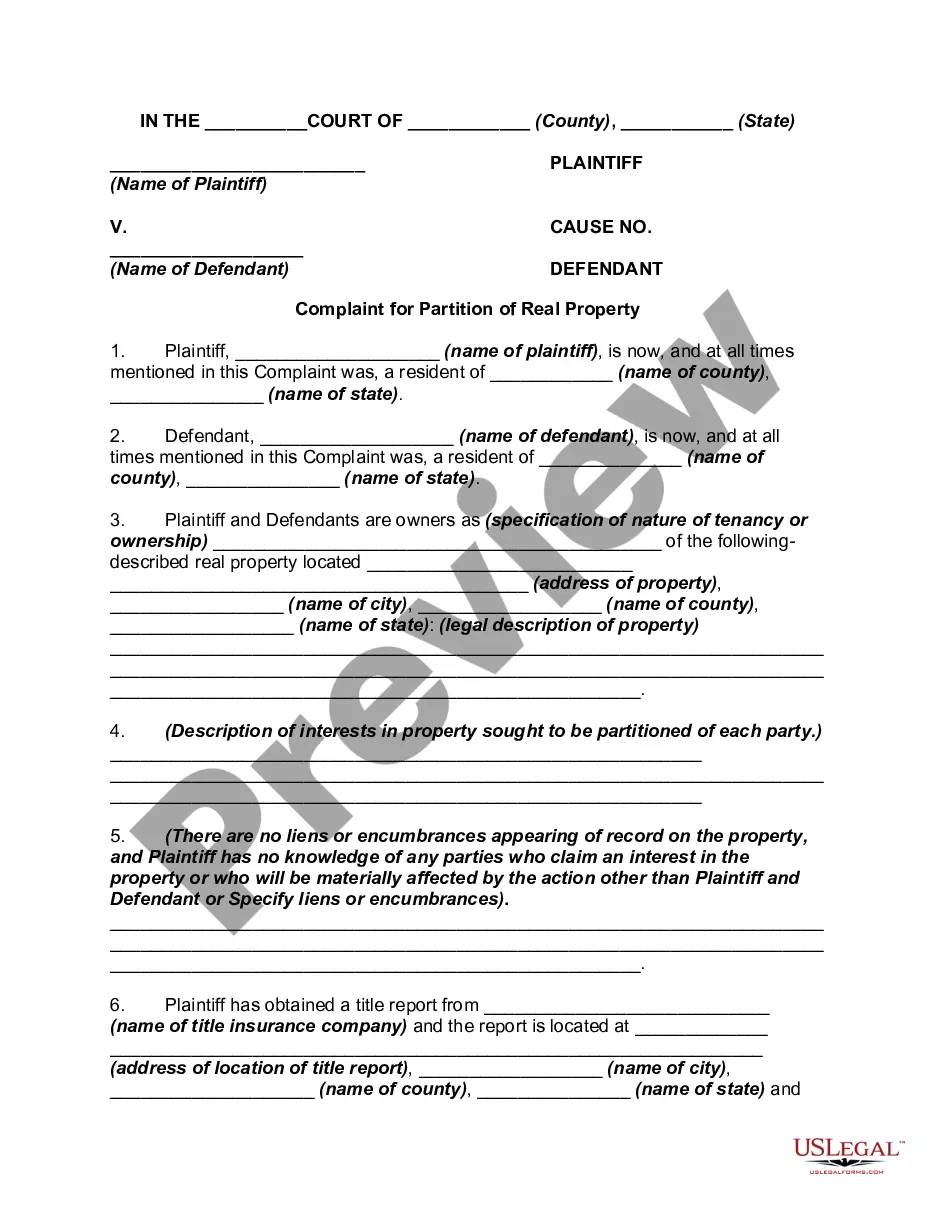
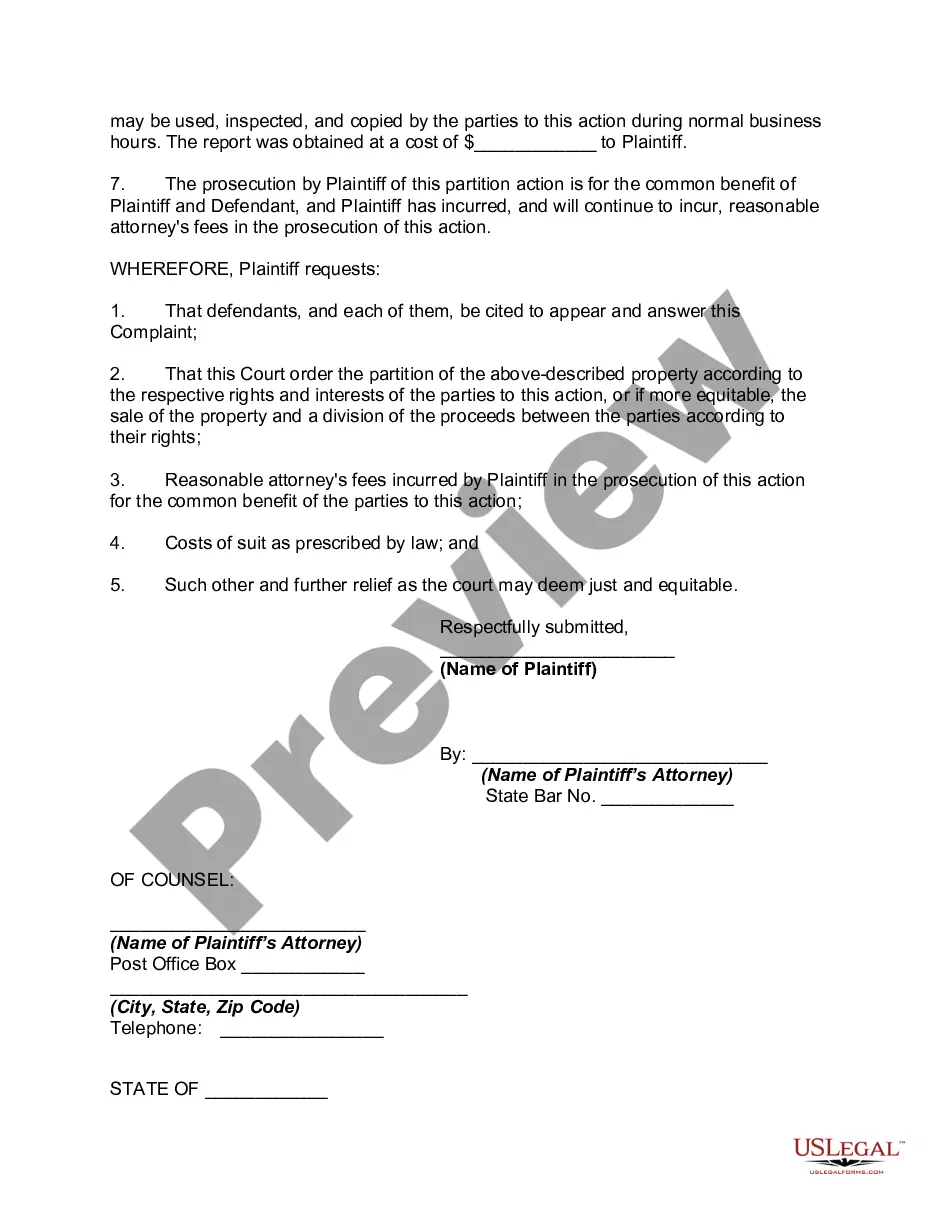
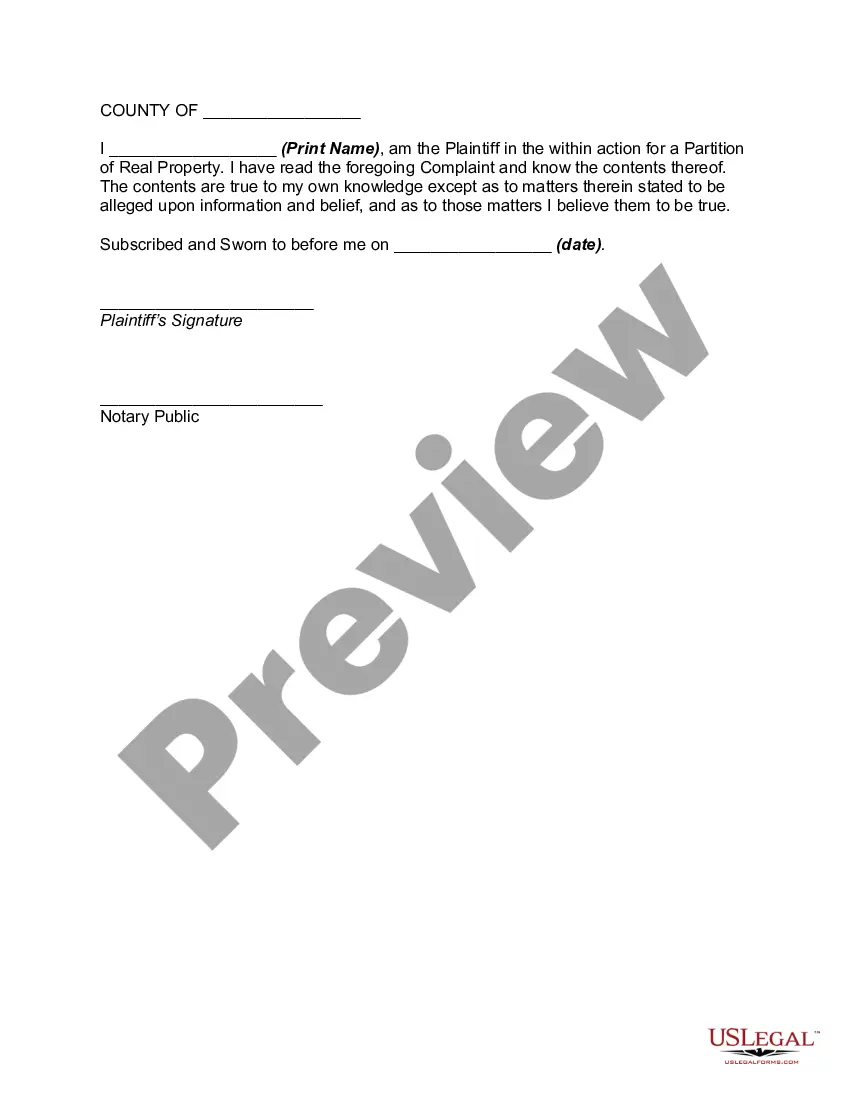
Sample Complaint For Partition Philippines
Description
Get your form ready online
Our built-in tools help you complete, sign, share, and store your documents in one place.
Make edits, fill in missing information, and update formatting in US Legal Forms—just like you would in MS Word.
Download a copy, print it, send it by email, or mail it via USPS—whatever works best for your next step.
Sign and collect signatures with our SignNow integration. Send to multiple recipients, set reminders, and more. Go Premium to unlock E-Sign.
If this form requires notarization, complete it online through a secure video call—no need to meet a notary in person or wait for an appointment.
We protect your documents and personal data by following strict security and privacy standards.

Make edits, fill in missing information, and update formatting in US Legal Forms—just like you would in MS Word.

Download a copy, print it, send it by email, or mail it via USPS—whatever works best for your next step.

Sign and collect signatures with our SignNow integration. Send to multiple recipients, set reminders, and more. Go Premium to unlock E-Sign.

If this form requires notarization, complete it online through a secure video call—no need to meet a notary in person or wait for an appointment.

We protect your documents and personal data by following strict security and privacy standards.
Looking for another form?


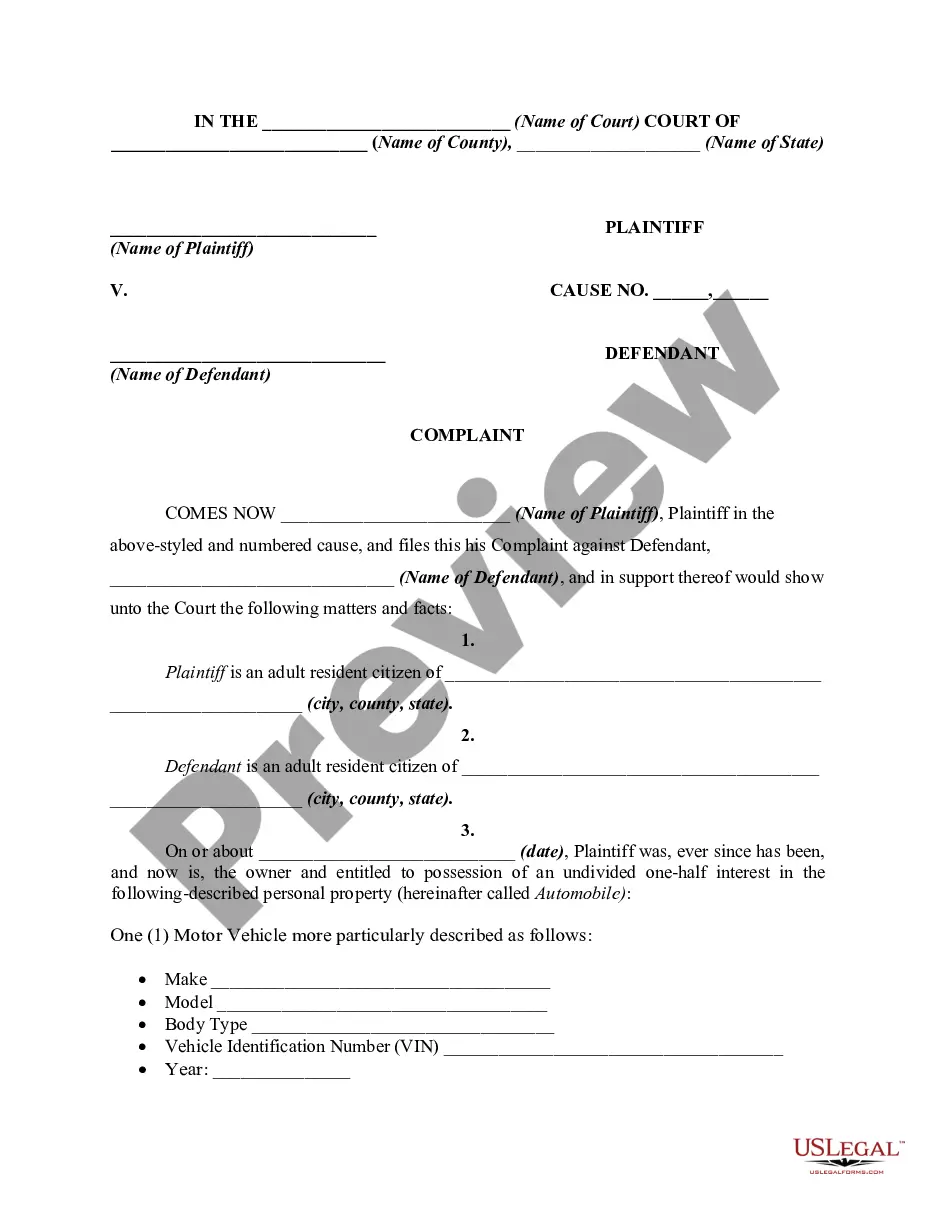
How to fill out Complaint For Partition Of Real Property?
Acquiring legal documents that comply with federal and local laws is essential, and the web provides numerous choices to select from.
However, why squander time looking for the properly constructed Sample Complaint For Partition Philippines sample online when the US Legal Forms digital library already houses such documents all in one location.
US Legal Forms is the largest online legal repository with over 85,000 fillable documents prepared by attorneys for any professional and personal situation. They are straightforward to navigate, as all papers are categorized by state and intended use.
All templates available through US Legal Forms are reusable. To re-download and fill out forms you have previously acquired, access the My documents section in your account. Enjoy the most comprehensive and user-friendly legal document service!
- Our experts keep current with legal changes, ensuring that your documents remain updated and compliant when you procure a Sample Complaint For Partition Philippines from our site.
- Acquiring a Sample Complaint For Partition Philippines is quick and straightforward for both existing and new users.
- If you already possess an account with a valid subscription, Log In and download the document sample you require in the appropriate format.
- If you are a newcomer to our website, adhere to the directions below.
- Review the template using the Preview feature or via the text description to confirm it satisfies your requirements.
Form popularity
FAQ
Processing a deed of partition in the Philippines involves drafting the document to reflect the agreed division of property among co-owners. Each party must sign the deed and have it notarized to ensure legal compliance. Once processed, it is advisable to register the deed with the local registry to formalize the partition. USLegalForms offers templates and guidance to assist you in this process.
Jurisdiction action for partition refers to the authority of the court to hear and decide partition cases in the Philippines. Parties must file their sample complaint for partition Philippines in a court that has competent jurisdiction over the property. This jurisdiction typically lies within the Regional Trial Court where the property is located. Understanding the proper court is essential for a successful partition action.
A petition for partition of estate is a legal request to divide an estate among heirs or co-owners in the Philippines. This petition usually includes a sample complaint for partition Philippines and outlines the shares of each party. It aims to resolve disputes and finalize ownership of the estate. Utilizing a comprehensive legal platform like USLegalForms can assist in filing this petition effectively.
The ordinary action of partition involves seeking a legal remedy to divide property among co-owners. This process typically requires filing a sample complaint for partition Philippines in court. The court will assess each party's claims and issue a judgment on how to divide the property equitably. Understanding this process can help co-owners navigate their options.
Judicial partition in the Philippines follows specific rules outlined in the Civil Code. It includes filing a sample complaint for partition Philippines, notifying all co-owners, and attending court proceedings. The court will review evidence and determine the fair division of the property. Adhering to these rules ensures a smoother process.
A deed of partition is a legal document that formalizes the division of property among co-owners in the Philippines. It outlines how the property will be divided and specifies each co-owner's share. This document needs to be executed voluntarily and signed by all parties involved. Using USLegalForms can simplify the preparation of this important document.
You should file a judicial partition in the Regional Trial Court that has jurisdiction over the property location. It is important to submit a sample complaint for partition Philippines together with supporting documents. The court will then schedule hearings to resolve the partition dispute among co-owners. Consulting with a legal service can help ensure you file correctly.
To partition a property between co-owners in the Philippines, the co-owners must agree on the division. If they cannot agree, they may file a sample complaint for partition in the appropriate court. The court will then determine how to divide the property based on equity and fairness, considering each co-owner's share. Using a legal resource like USLegalForms can help streamline this process.
The law on partition of property in the Philippines focuses on ensuring fair division among co-owners. It encompasses processes for judicial and extrajudicial partition, allowing property to be divided according to each owner's share. Understanding your rights and obligations under this law can greatly assist you, and preparing a sample complaint for partition Philippines can set the process in motion.
Filing for judicial separation of property in the Philippines involves initiating a petition in court where you request the division of jointly owned property. You should prepare a sample complaint for partition Philippines to outline your case clearly. Given the complexities of family law, utilizing services like USLegalForms can help streamline the preparation of your documents.