Any Trust Name For A Family
Description

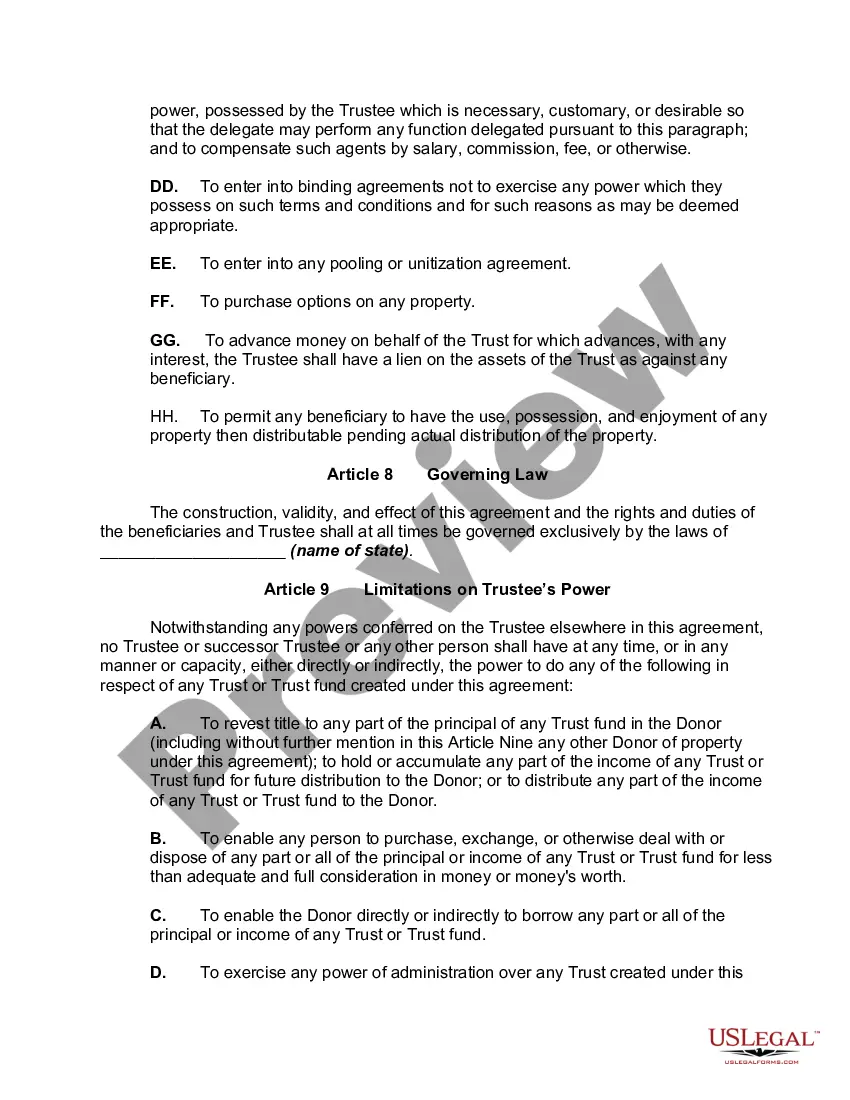

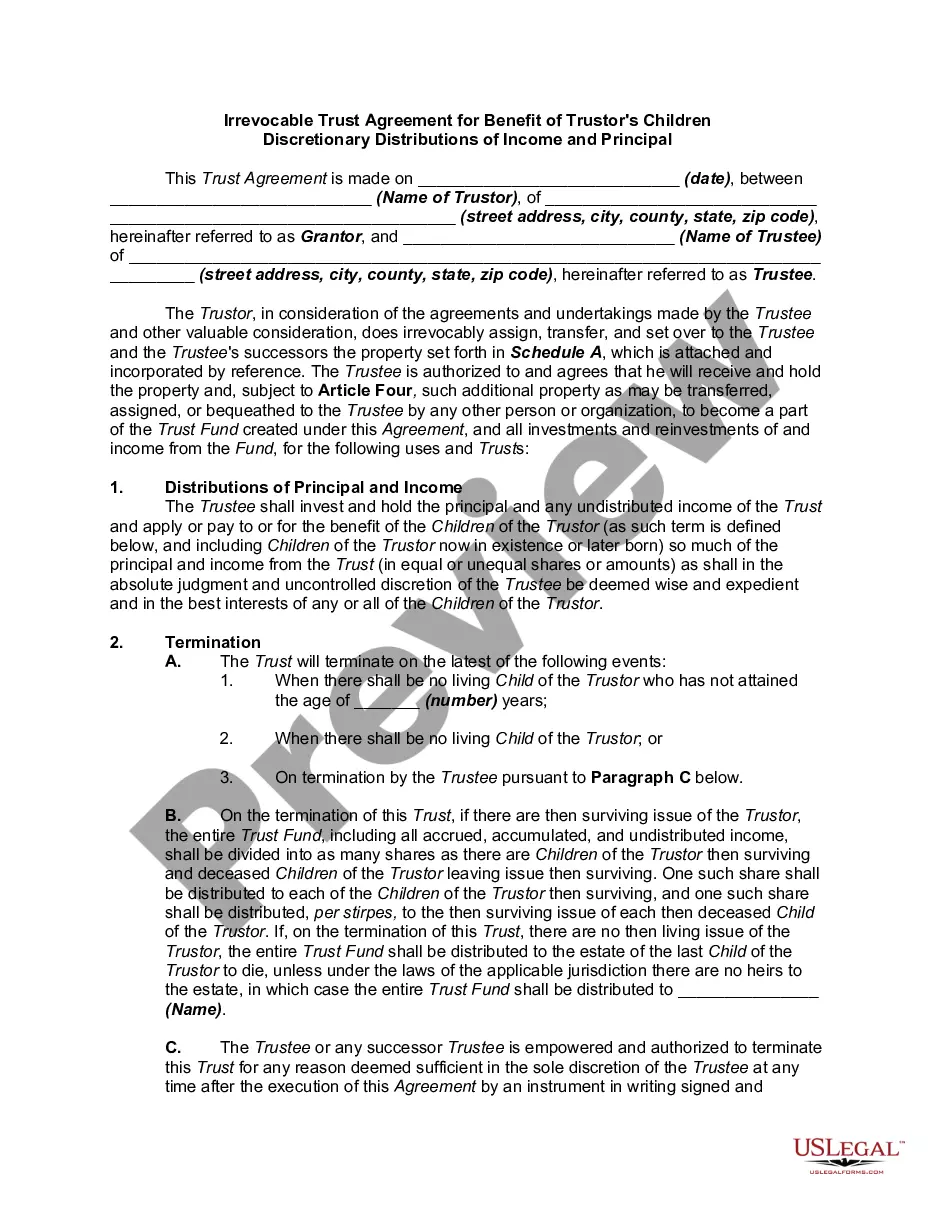
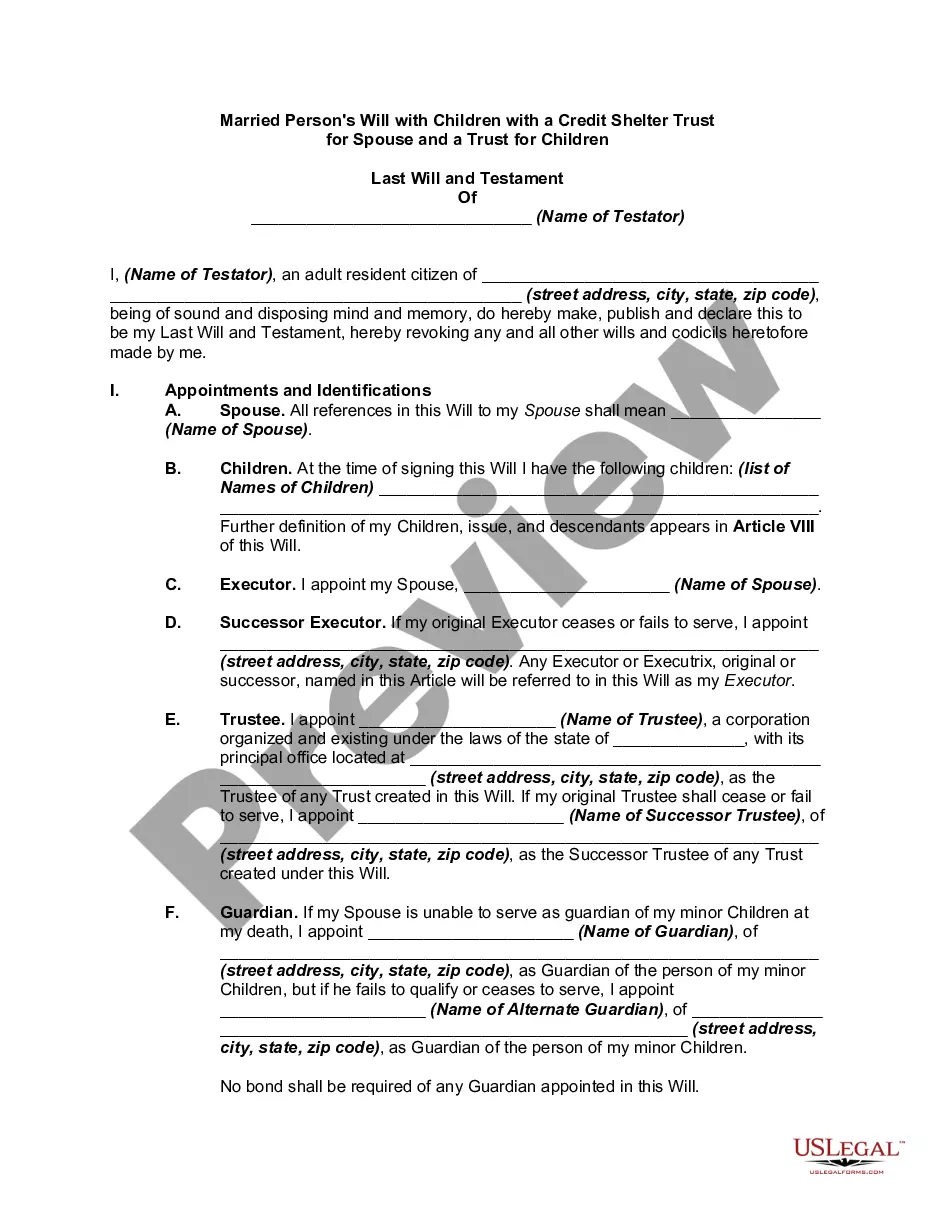
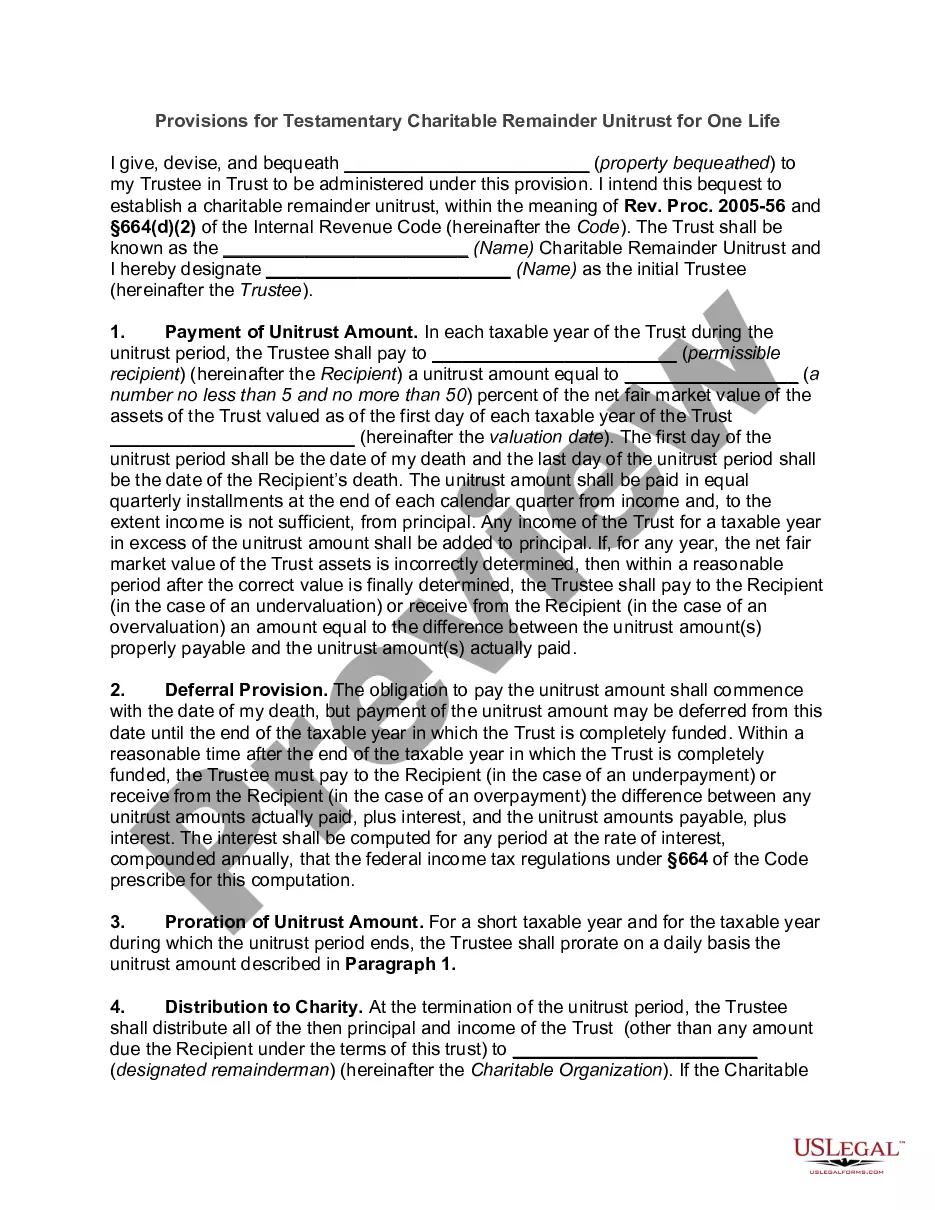
Get your form ready online
Our built-in tools help you complete, sign, share, and store your documents in one place.
Make edits, fill in missing information, and update formatting in US Legal Forms—just like you would in MS Word.
Download a copy, print it, send it by email, or mail it via USPS—whatever works best for your next step.
Sign and collect signatures with our SignNow integration. Send to multiple recipients, set reminders, and more. Go Premium to unlock E-Sign.
If this form requires notarization, complete it online through a secure video call—no need to meet a notary in person or wait for an appointment.
We protect your documents and personal data by following strict security and privacy standards.

Make edits, fill in missing information, and update formatting in US Legal Forms—just like you would in MS Word.

Download a copy, print it, send it by email, or mail it via USPS—whatever works best for your next step.

Sign and collect signatures with our SignNow integration. Send to multiple recipients, set reminders, and more. Go Premium to unlock E-Sign.

If this form requires notarization, complete it online through a secure video call—no need to meet a notary in person or wait for an appointment.

We protect your documents and personal data by following strict security and privacy standards.
Looking for another form?
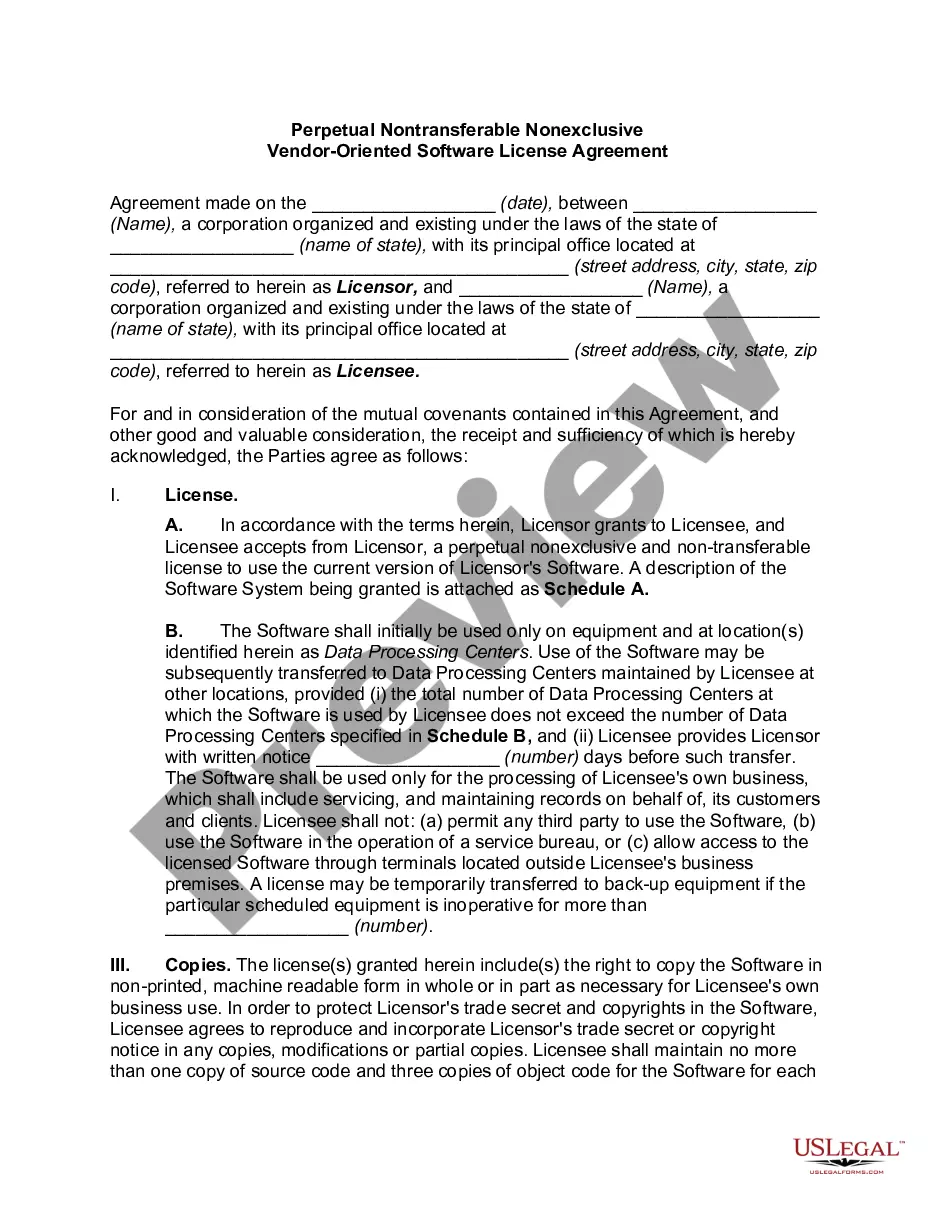






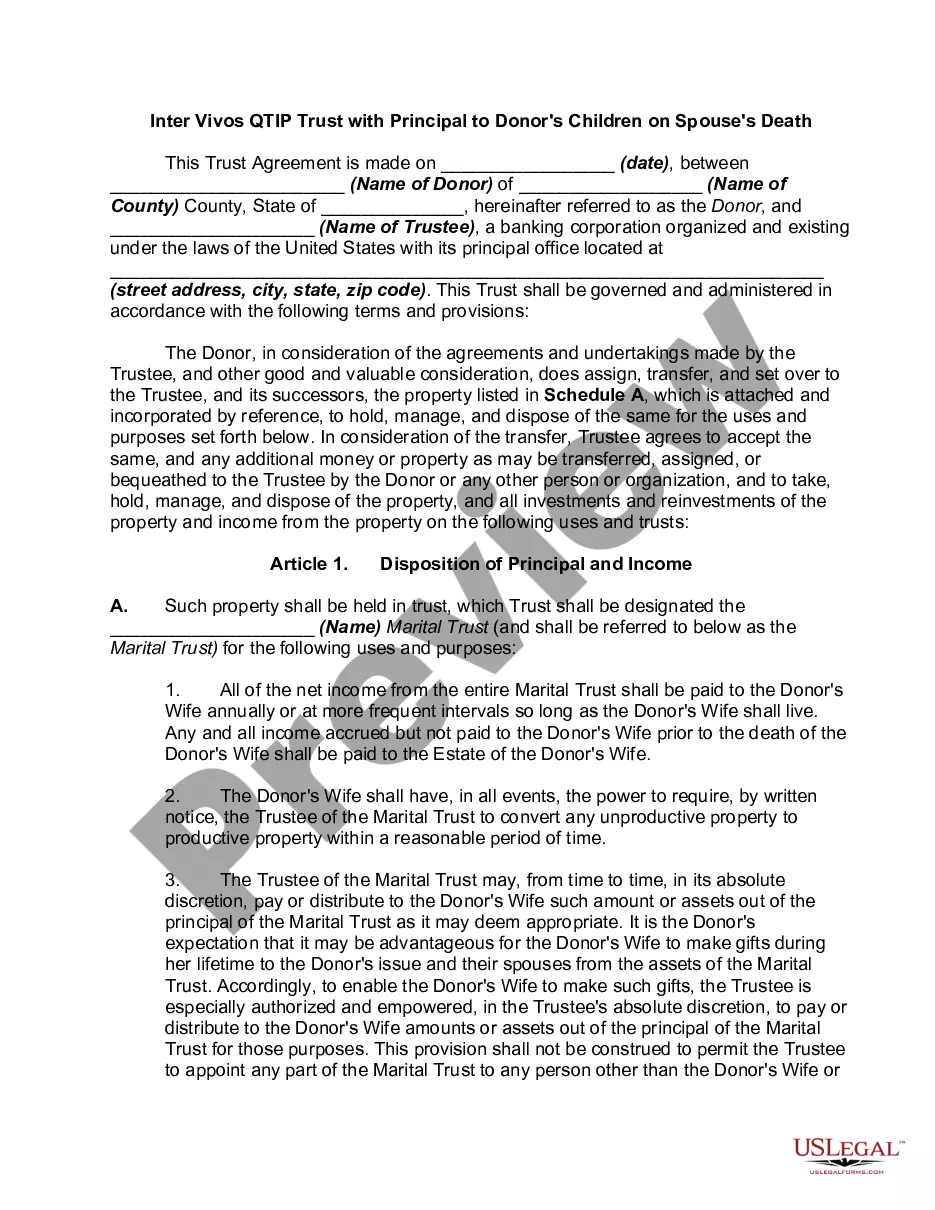
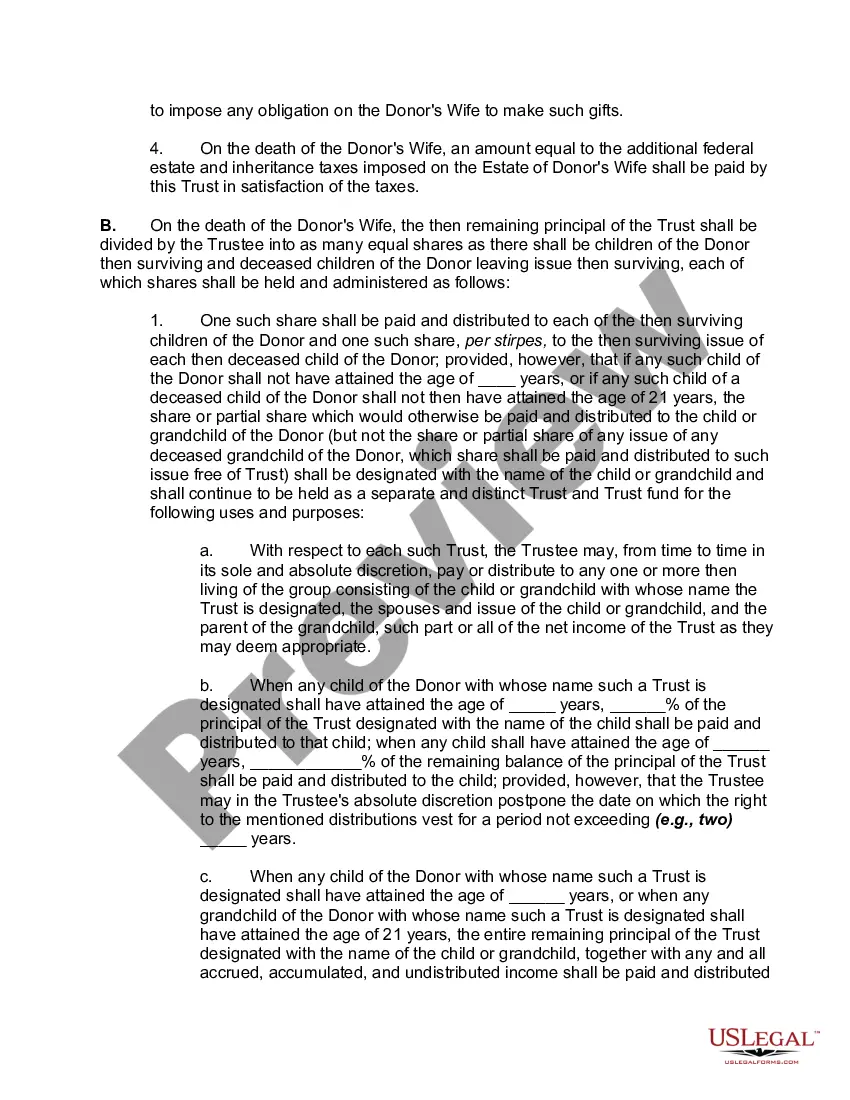
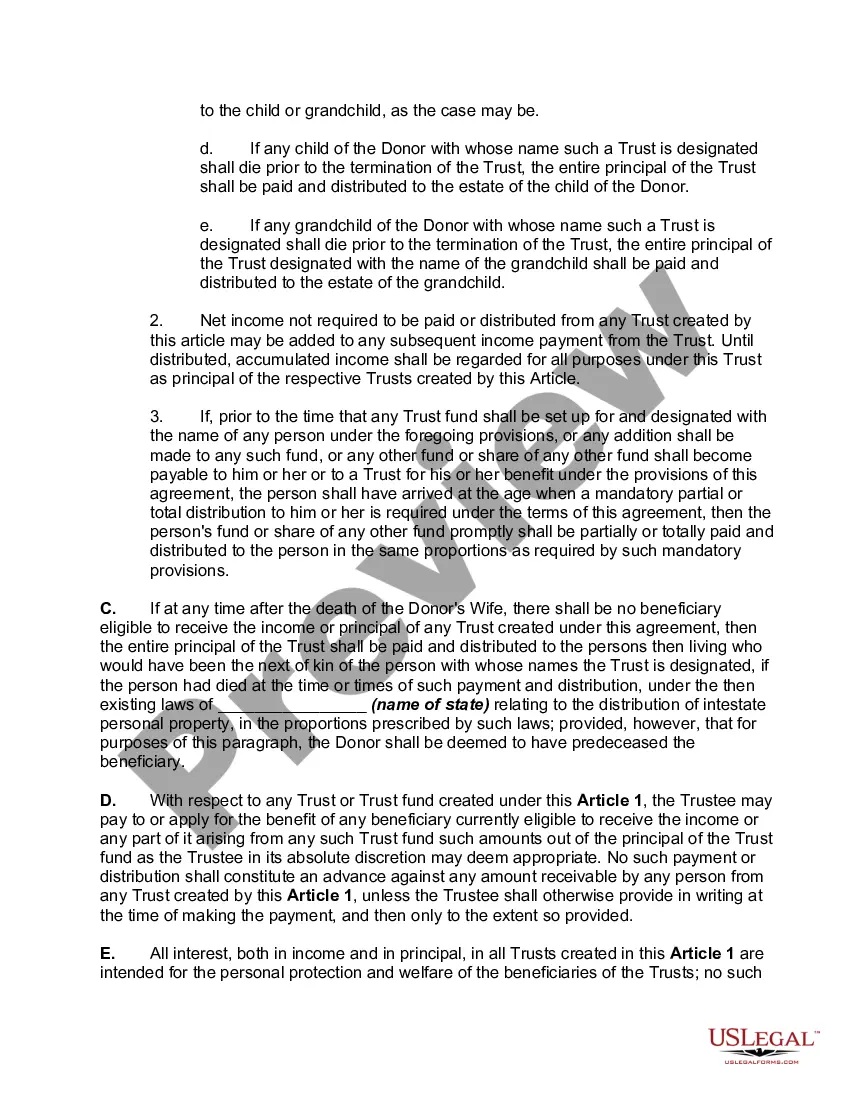
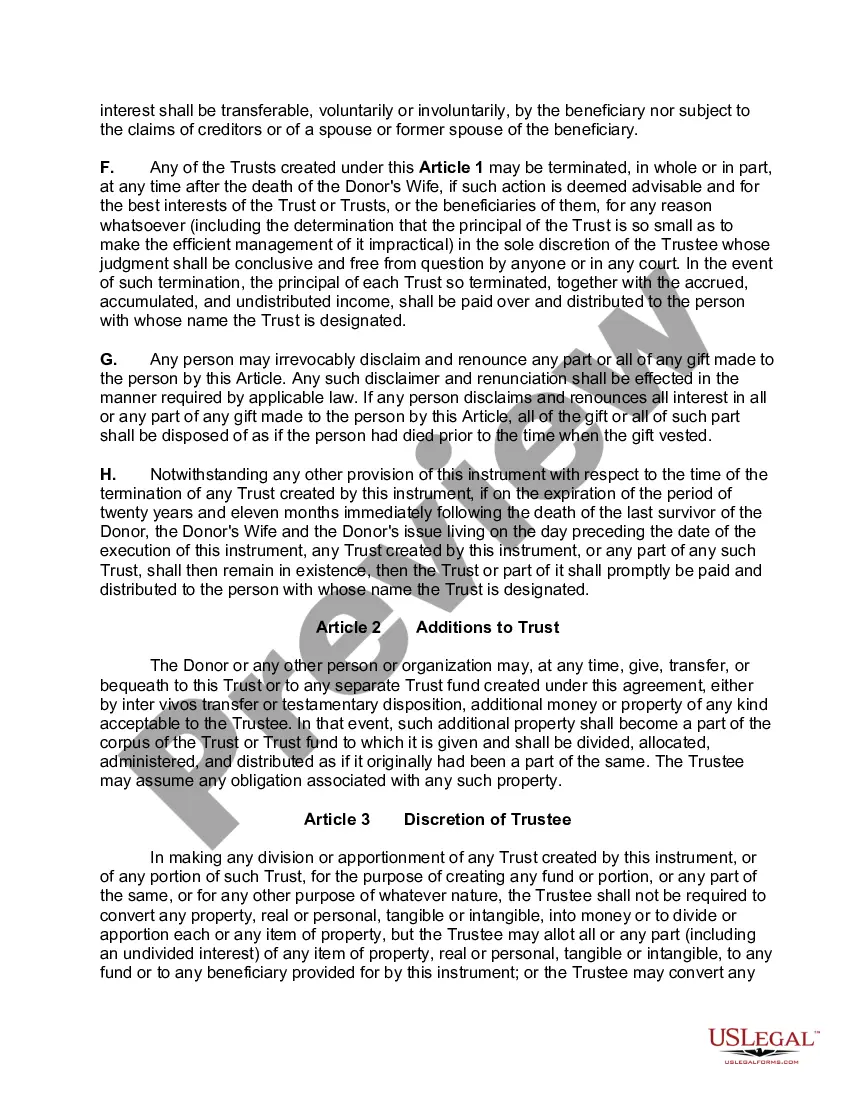
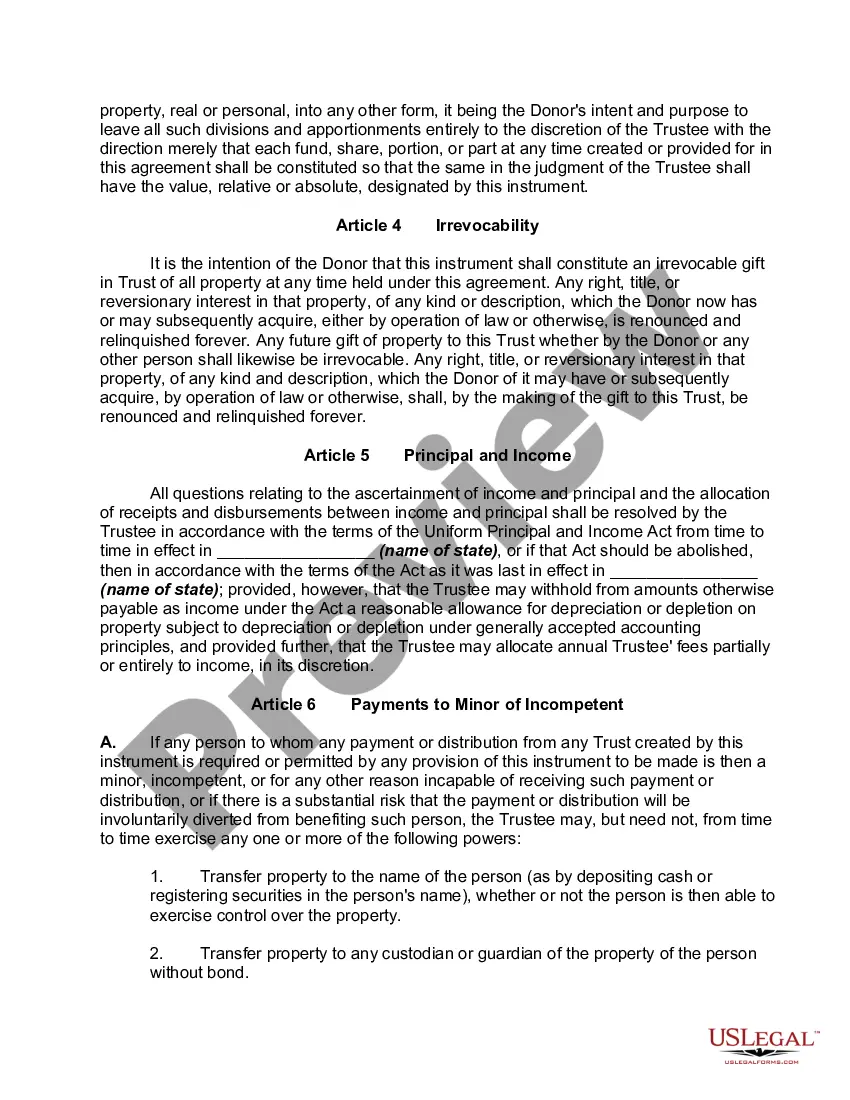
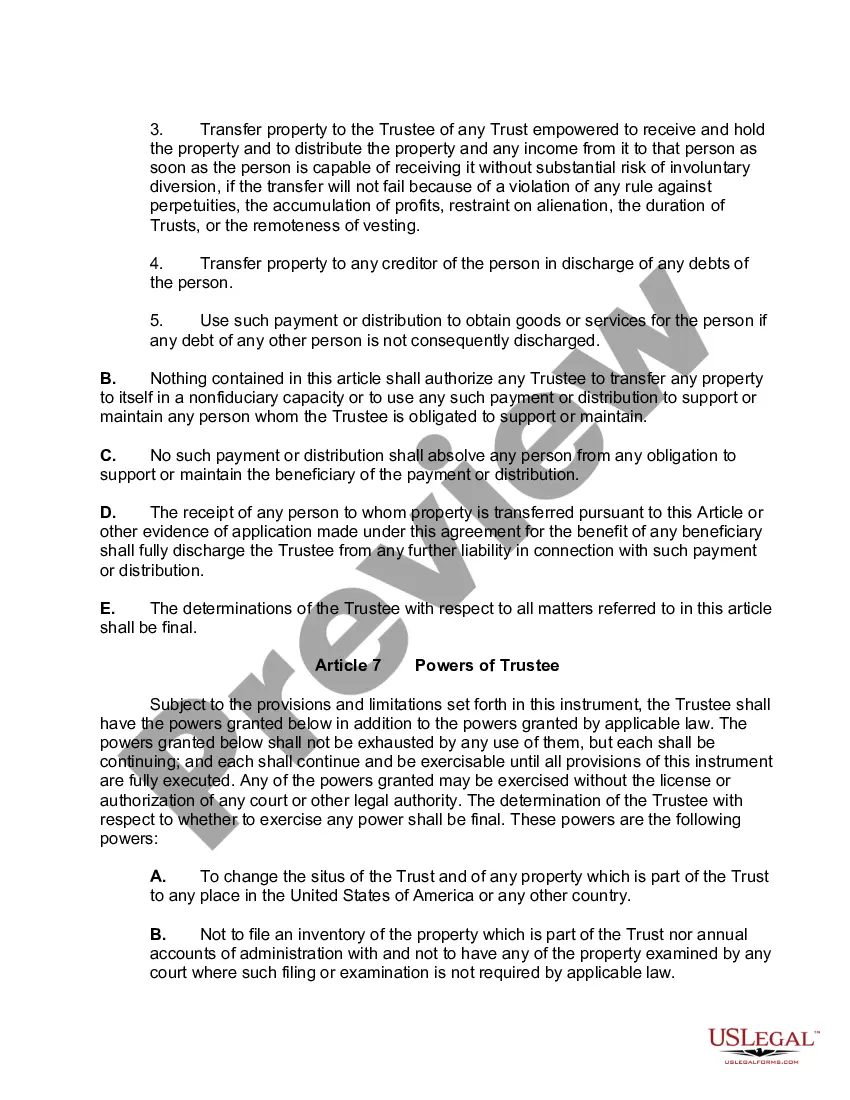
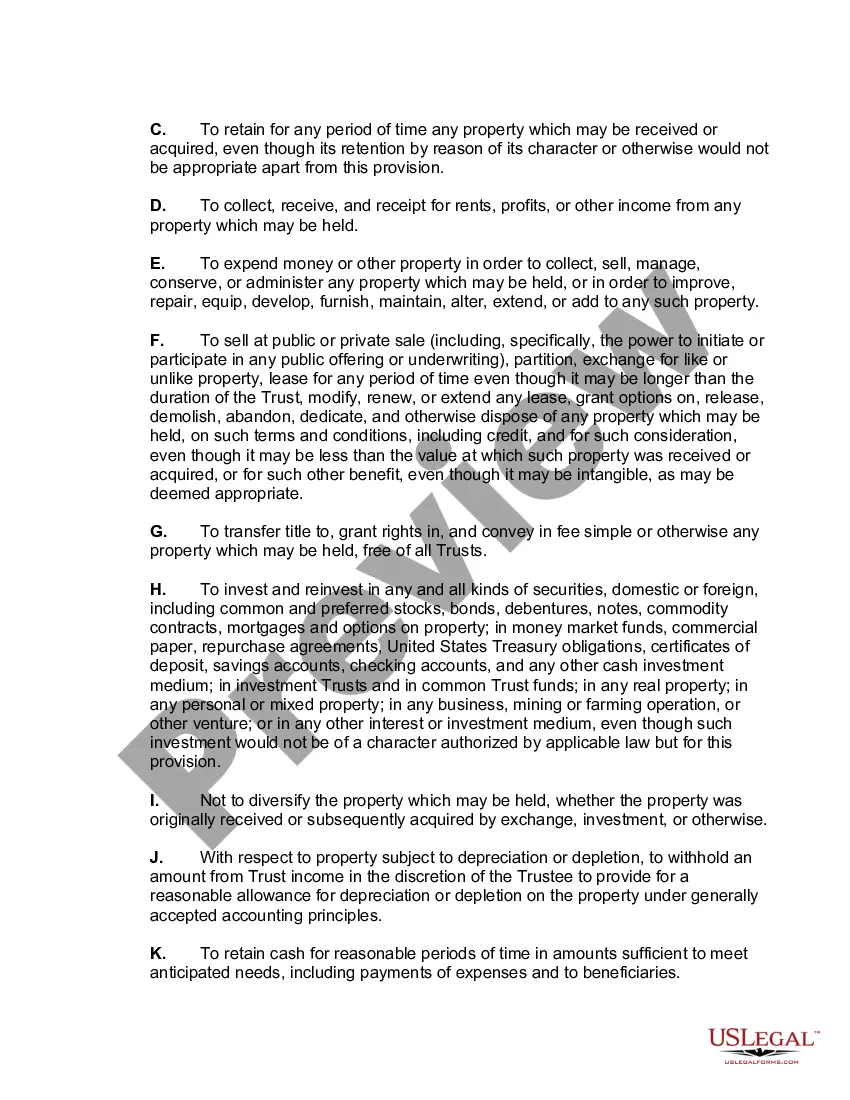
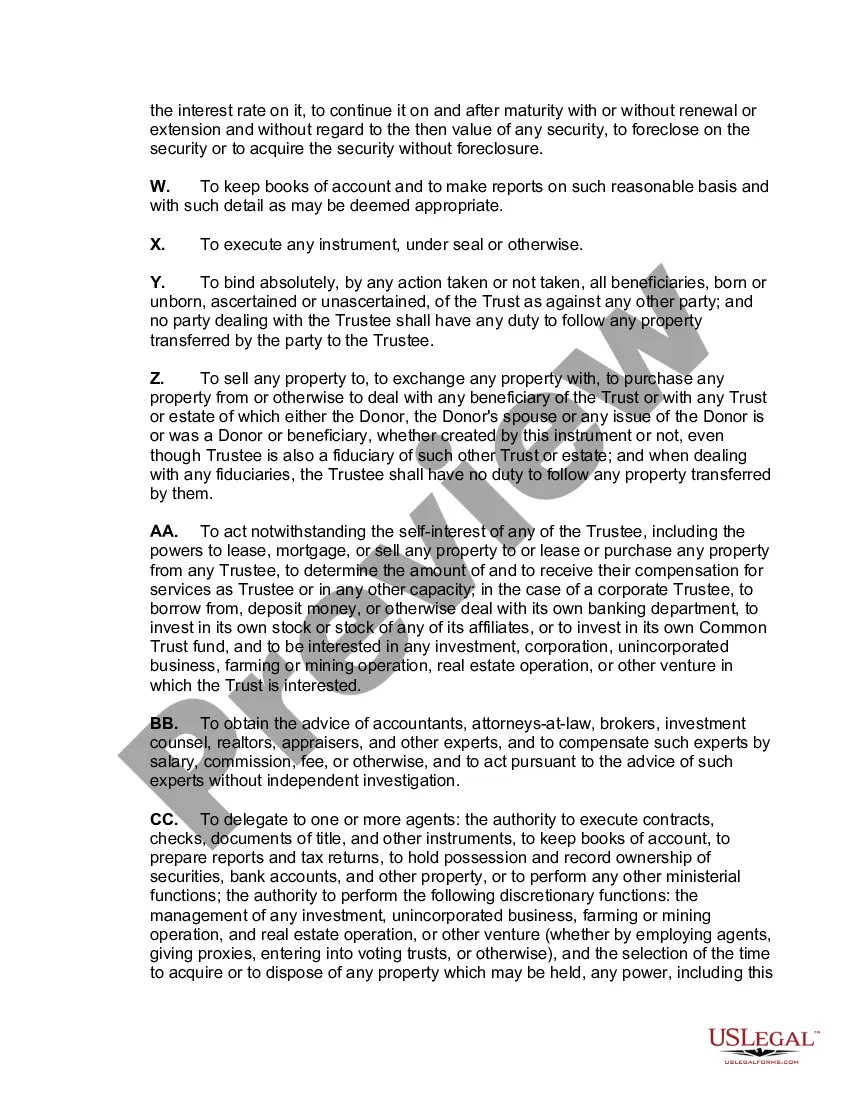
How to fill out Inter Vivos QTIP Trust With Principal To Donor's Children On Spouse's Death?
- If you are a returning user, log into your account and click the Download button to get your desired form template, ensuring your subscription is active. Renew your plan if necessary.
- For new users, start by checking the Preview mode and the description of the form you need. Make sure it matches your requirements and is suitable for your jurisdiction.
- If you encounter discrepancies or need a different template, utilize the Search tab above to find the correct document to proceed smoothly.
- Once you find the right form, click on the Buy Now button to select your preferred subscription plan. You will need to create an account to access our comprehensive library.
- Complete your purchase by entering your credit card information or using your PayPal account to pay for the subscription.
- Download your completed form and save it to your device. You can revisit it anytime from the My documents section of your profile.
By using US Legal Forms, individuals and attorneys can efficiently create legally binding documents with ease. Their extensive library and resources ensure that you have access to everything you need for creating a family trust.
Don't wait any longer; get started today and ensure your family's future is secure by accessing the trusted resources of US Legal Forms!
Form popularity
FAQ
When naming a family trust, choose a title that reflects its purpose and includes the family name for clarity. It’s advisable to make the name specific and memorable, so beneficiaries can easily identify the trust. Resources like US Legal Forms can assist you in establishing a clear any trust name for a family that resonates with your objectives and meets legal requirements.
Yes, income generated from a family trust is generally taxable. The trust's income may either be taxed at the trust level or passed through to beneficiaries who report the income on their individual tax returns. It's essential to understand how this taxation works when selecting an any trust name for a family to be both compliant and advantageous.
Filing taxes for a family trust involves completing IRS Form 1041 for the trust's income. You will report the income, deductions, and credits associated with the trust, much like an individual taxpayer would. With guidance from US Legal Forms, you can easily navigate this process and ensure your chosen any trust name for a family is correctly aligned with tax obligations.
The new IRS rule on trusts focuses on increased transparency and reporting requirements for many types of trusts. These changes aim to close tax loopholes and ensure that trusts are not used to evade taxes. Understanding these regulations is crucial, especially when selecting an any trust name for a family that complies with legal standards.
Yes, a trust may receive a 1099 form if it has taxable income, such as dividends or interest. This form reports the income earned and helps ensure that the trust pays the appropriate taxes. If you're unsure about the process, consider utilizing resources from US Legal Forms for guidance on handling any trust name for a family.
To set up a trust fund for a family member, begin by choosing the right type of trust that fits your needs. You can create a family trust using templates provided by platforms like US Legal Forms, which simplify the process. Make sure to name the trust clearly, as an appropriate any trust name for a family will help clarify its purpose and beneficiaries.
If you don’t file taxes on a trust, you may face penalties and interest on any unpaid taxes. The IRS requires trusts to report income, and failing to do so can lead to legal complications. It is essential to understand that any trust name for a family will still require compliance with tax regulations to avoid issues.
The 5-year rule for trusts typically refers to Medicaid eligibility, indicating that any transfers should be made at least five years before applying for benefits. If assets are transferred within the five years prior to the application, they may be subject to penalties. Understanding this rule is crucial for effective estate planning and asset protection. As you explore any trust name for a family, consider how such regulations might impact your family's financial future.
The most popular type of trust is the revocable living trust. This trust format is widely used due to its flexibility and ease of management during the grantor's lifetime. It simplifies the transfer of assets, significantly enhances estate planning, and provides privacy for your family. When considering any trust name for a family, a revocable living trust is an excellent option to keep in mind.
To pick a trust name, consider using your last name or a term that reflects family values, vision, or history. Aim for clarity and relevance—this makes it easy for others to understand the purpose of the trust. Additionally, avoid overly complex names that may confuse your beneficiaries. Ultimately, any trust name for a family you select should symbolize your family's legacy and intentions.