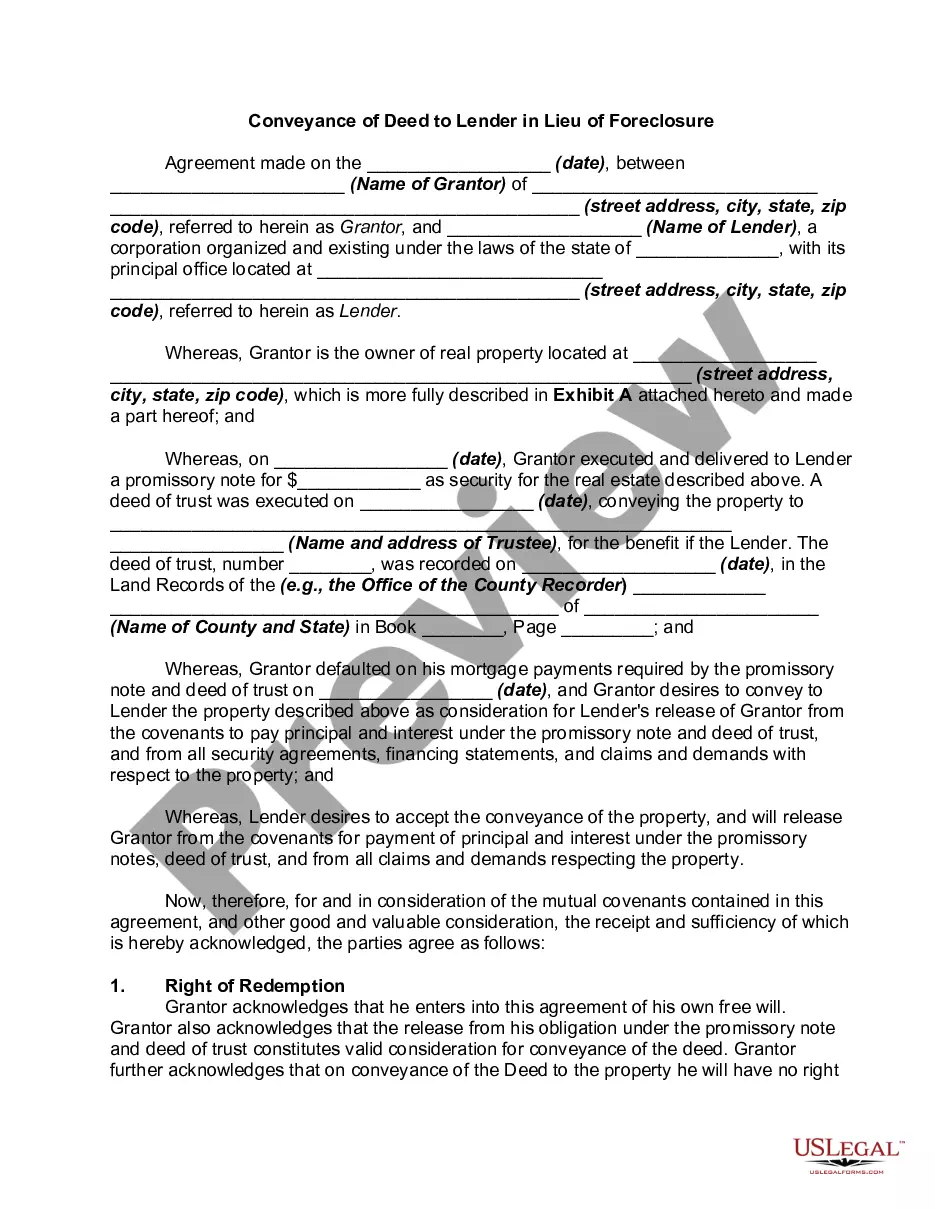
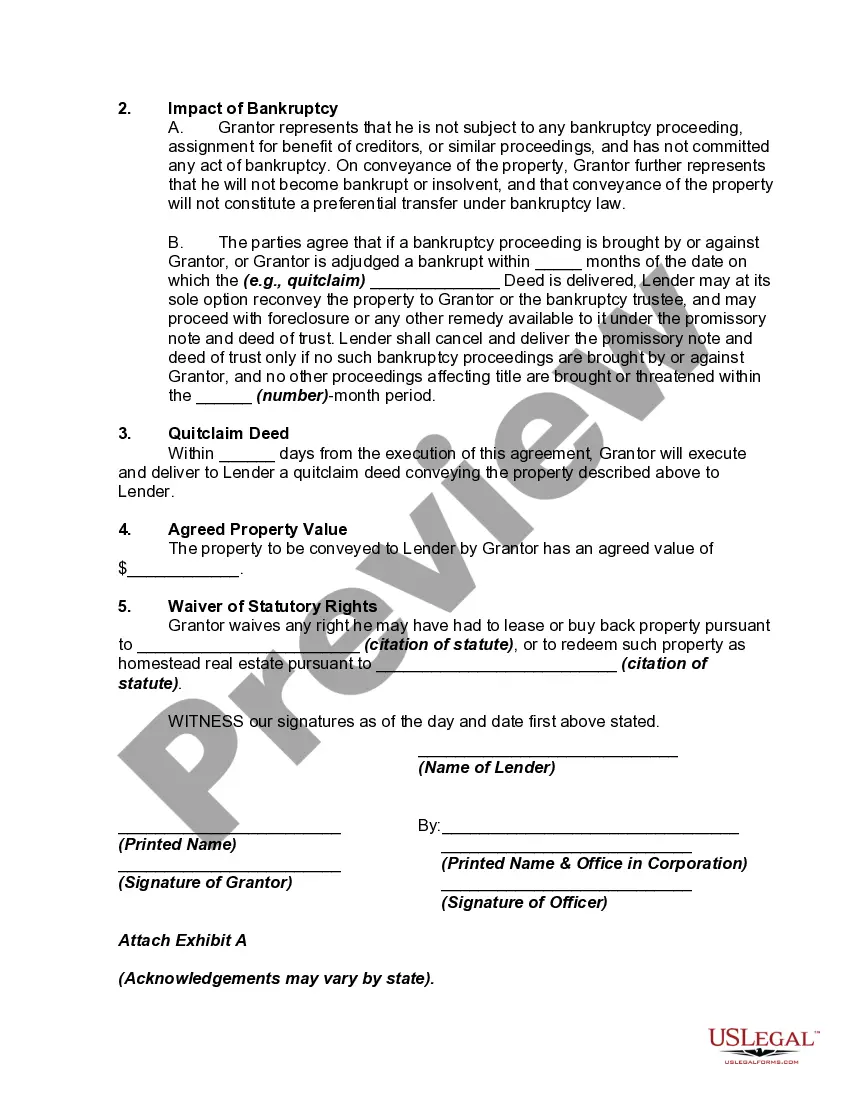
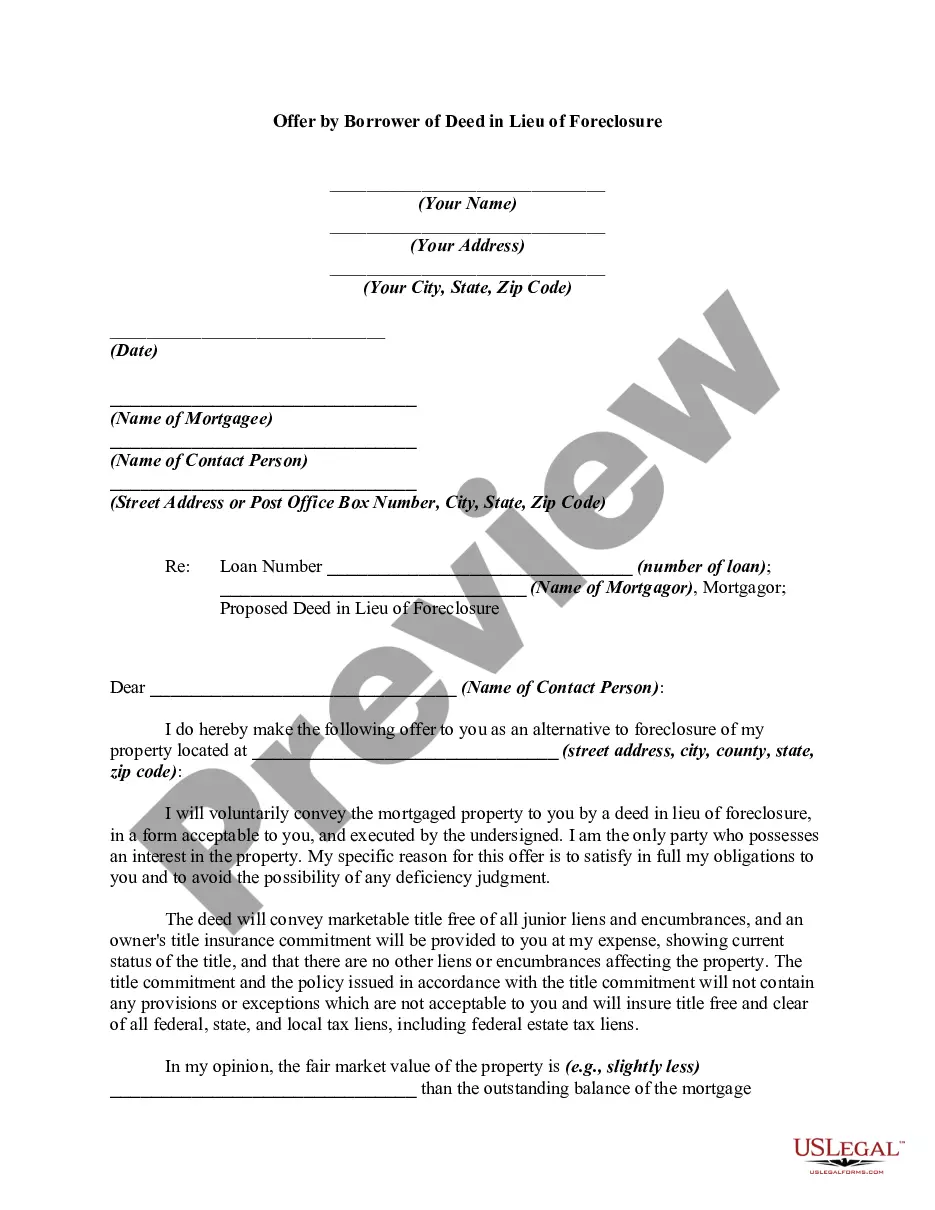
Transfer Deed Format For Property
Description

Get your form ready online
Our built-in tools help you complete, sign, share, and store your documents in one place.
Make edits, fill in missing information, and update formatting in US Legal Forms—just like you would in MS Word.
Download a copy, print it, send it by email, or mail it via USPS—whatever works best for your next step.
Sign and collect signatures with our SignNow integration. Send to multiple recipients, set reminders, and more. Go Premium to unlock E-Sign.
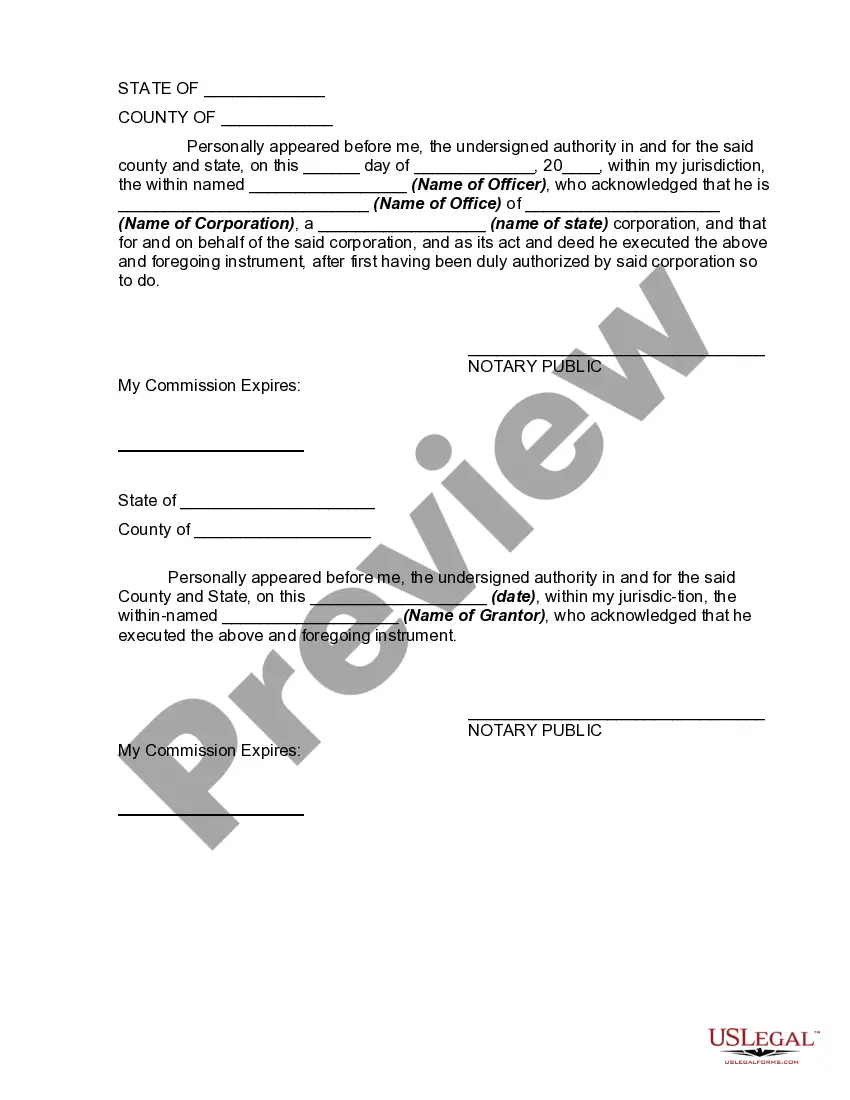
If this form requires notarization, complete it online through a secure video call—no need to meet a notary in person or wait for an appointment.
We protect your documents and personal data by following strict security and privacy standards.

Make edits, fill in missing information, and update formatting in US Legal Forms—just like you would in MS Word.

Download a copy, print it, send it by email, or mail it via USPS—whatever works best for your next step.

Sign and collect signatures with our SignNow integration. Send to multiple recipients, set reminders, and more. Go Premium to unlock E-Sign.

If this form requires notarization, complete it online through a secure video call—no need to meet a notary in person or wait for an appointment.

We protect your documents and personal data by following strict security and privacy standards.
Looking for another form?


How to fill out Conveyance Of Deed To Lender In Lieu Of Foreclosure?
Identifying a reliable source to obtain the latest and suitable legal templates is a major hurdle when dealing with bureaucratic processes. Securing the correct legal documents necessitates precision and meticulousness, which is why it is essential to source Transfer Deed Format For Property exclusively from trustworthy providers, such as US Legal Forms. An incorrect template could squander your time and delay your situation. With US Legal Forms, you have minimal concerns.
You can access and review all the information regarding the document’s applicability and significance for your situation and specific region.
Eliminate the hassle associated with your legal paperwork. Explore the vast US Legal Forms library where you can discover legal templates, assess their pertinence to your situation, and download them instantly.
- Utilize the library navigation or search bar to find your template.
- Examine the form’s details to ensure it meets the standards of your state and county.
- Preview the form, if available, to confirm that it is what you are seeking.
- Return to the search to find the appropriate template if the Transfer Deed Format For Property does not meet your needs.
- If you are confident about the form’s appropriateness, proceed to download it.
- As a registered user, click Log in to verify and access your selected templates in My documents.
- If you do not possess an account yet, click Buy now to purchase the form.
- Choose the pricing plan that aligns with your requirements.
- Advance to the registration to complete your purchase.
- Finalize your transaction by selecting a payment method (credit card or PayPal).
- Select the file format for downloading Transfer Deed Format For Property.
- Once the form is on your device, you can edit it using the editor or print it out and fill it in by hand.
Form popularity
FAQ
If you are struggling with debt and debt collectors, Farmer & Morris Law, PLLC can help. As soon as you use the 11-word phrase ?please cease and desist all calls and contact with me immediately? to stop the harassment, call us for a free consultation about what you can do to resolve your debt problems for good.
Under the FDCPA, you have the right to sue a debt collector in state or federal court within one year from the date of the violation. If you win, you may recover damages in the amount of any losses you suffered as a result of the violation, plus an additional amount of up to $1,000.00.
Debt collectors cannot harass or abuse you. They cannot swear, threaten to illegally harm you or your property, threaten you with illegal actions, or falsely threaten you with actions they do not intend to take.
Upon six years since a default expiry, the debt will become time-barred. This means that a creditor or collector will not be able to go to court to obtain civil judgments compelling the debtor to pay.
If you've already paid the debt If you're sure that you're talking with a legitimate debt collector, you can send copies of documents that prove you made the payments, including cancelled checks or credit card statements. You may also include copies of any correspondence about settling the debt.
Harassment of the debtor by the creditor ? More than 40 percent of all reported FDCPA violations involved incessant phone calls in an attempt to harass the debtor.
Both the FCCPA and the FDCPA provide for the same or similar elements of damages for a violation of the statute. Specifically, a successful plaintiff is entitled to recover: 1) actual damages; 2) statutory damages up to $1,000.00; and 3) attorneys' fees and costs.
FDCPA Violation #1: An Attempt To Collect Debts You Don't Owe. FDCPA Violation #2: Insufficient Information on Written Notification About Debt. FDCPA Violation #3: Threats To Take Legal Action or Other Negative Actions (That Aren't Allowed by Law)