Book Publisher
Description

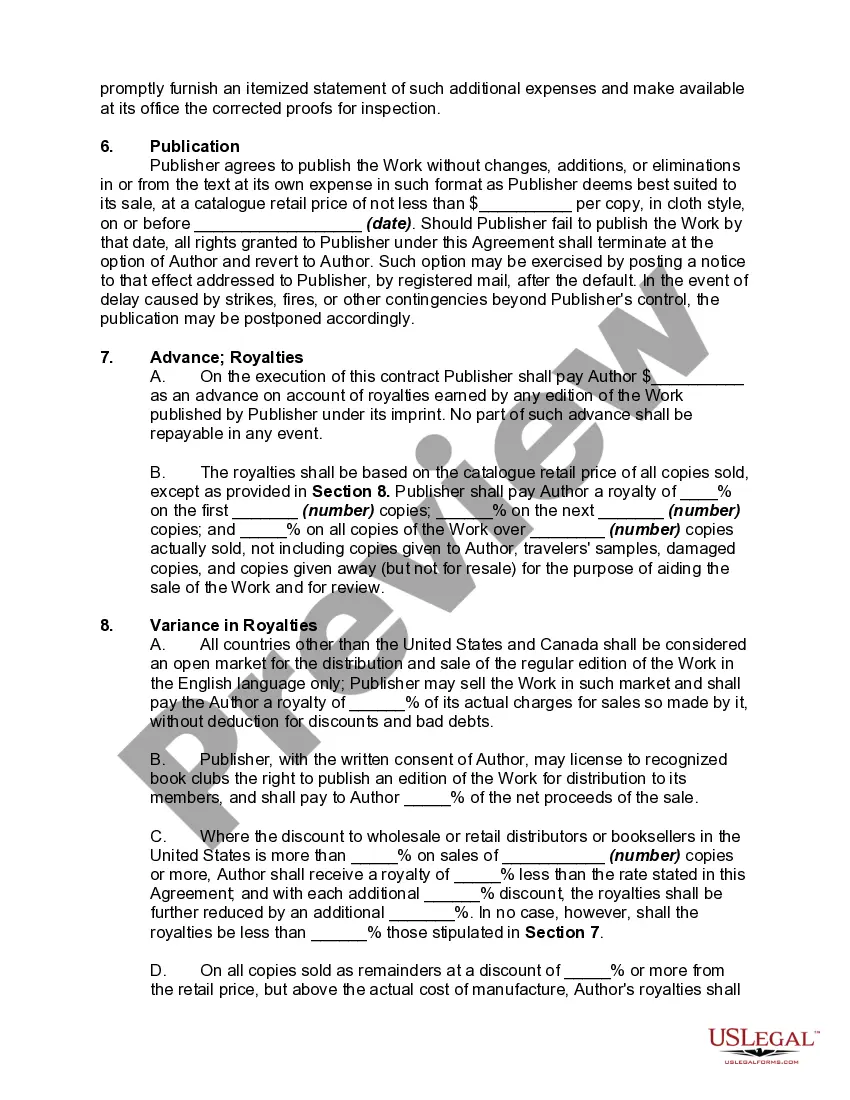
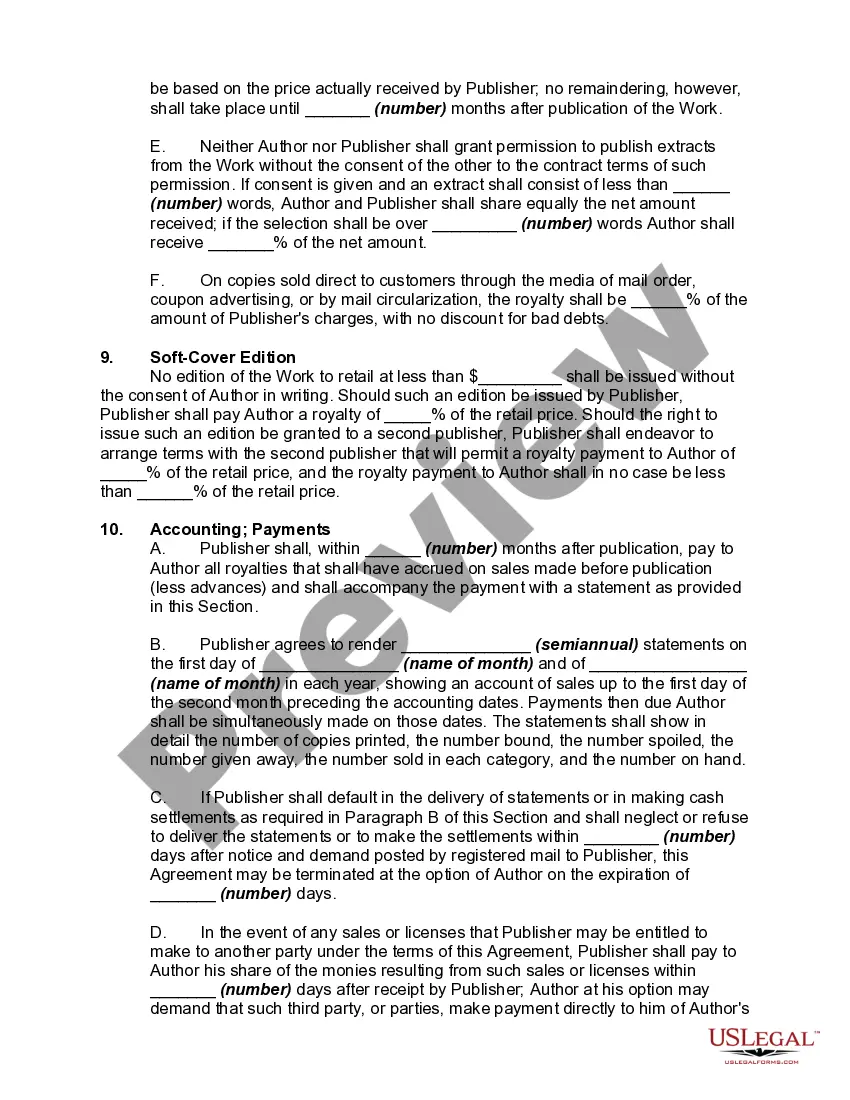
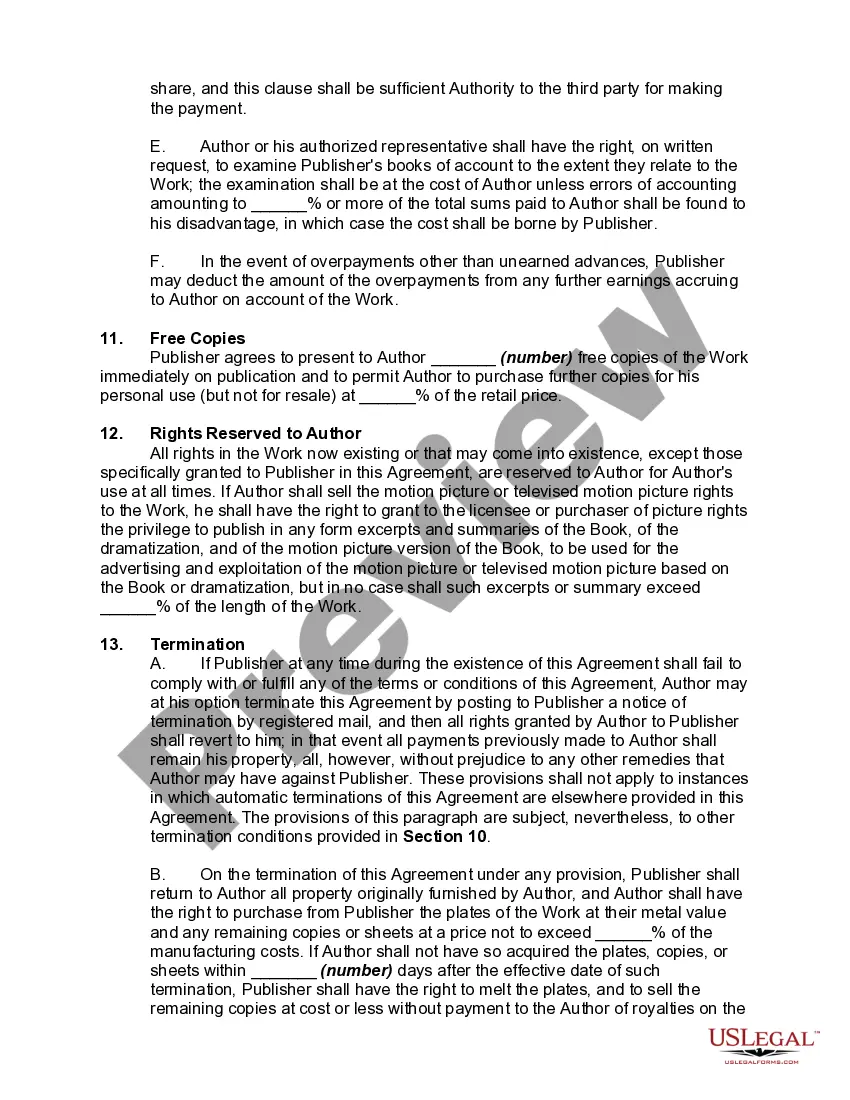
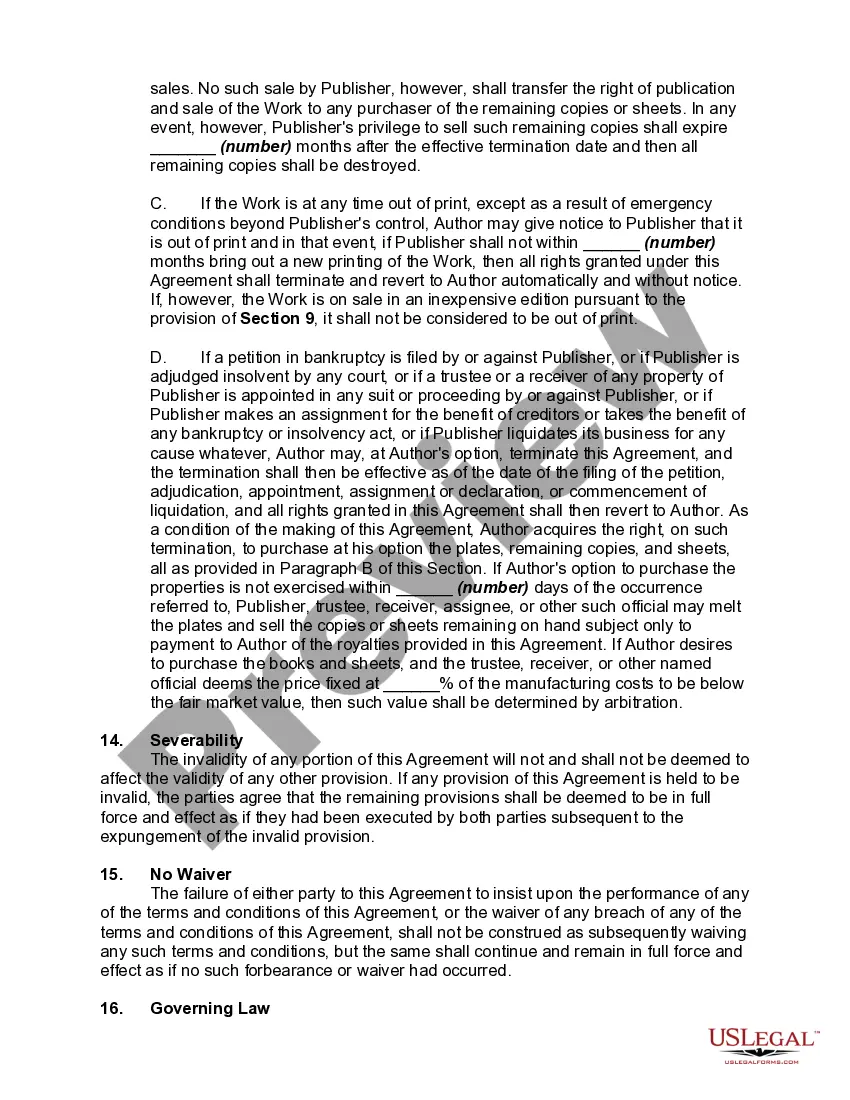
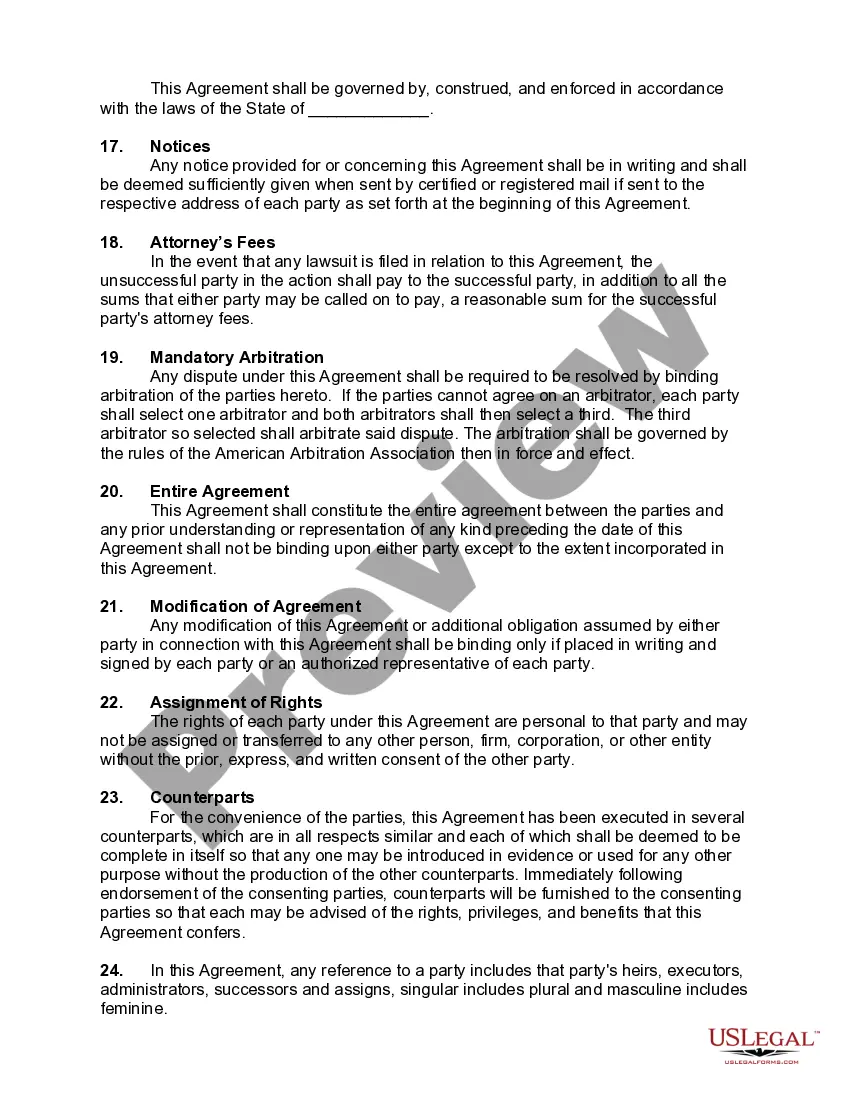
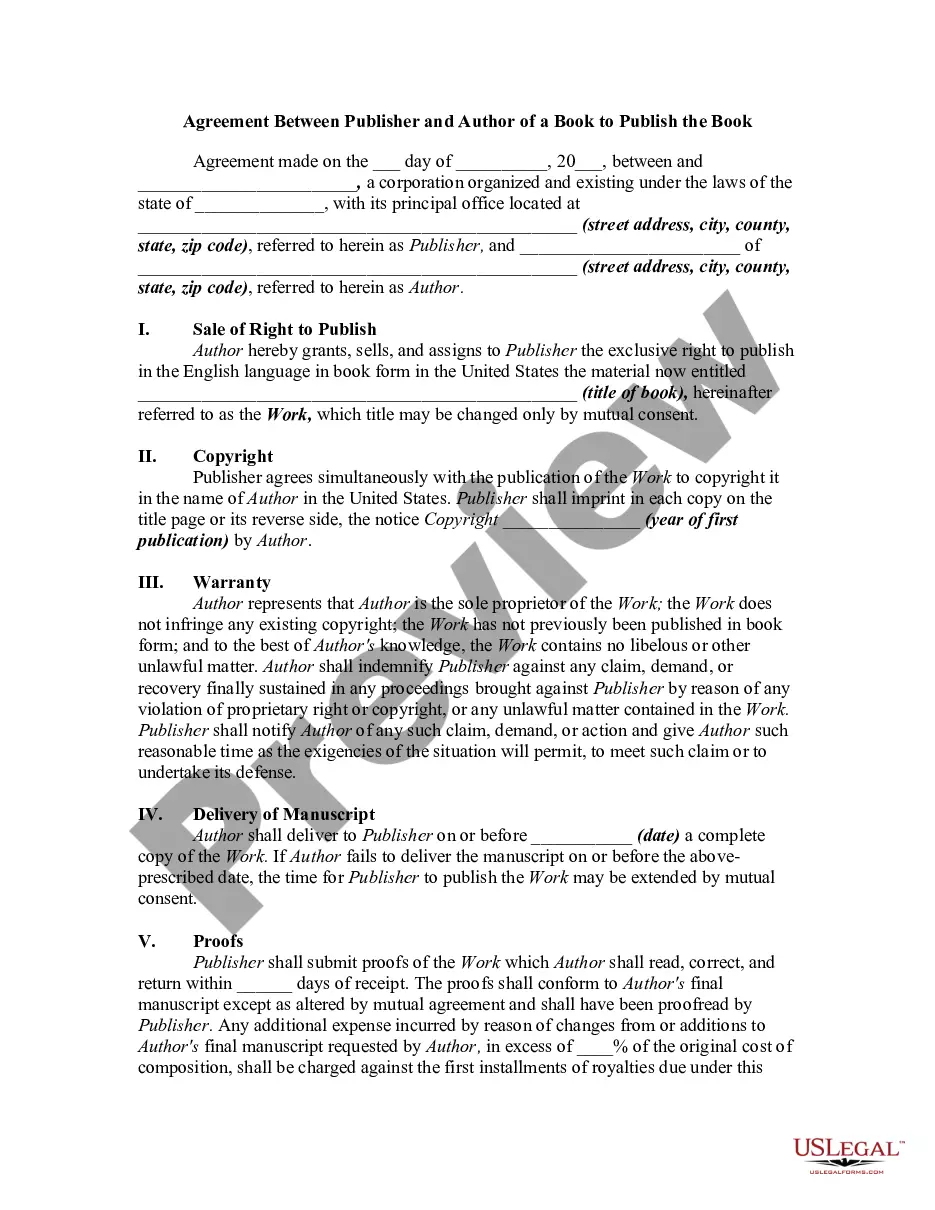
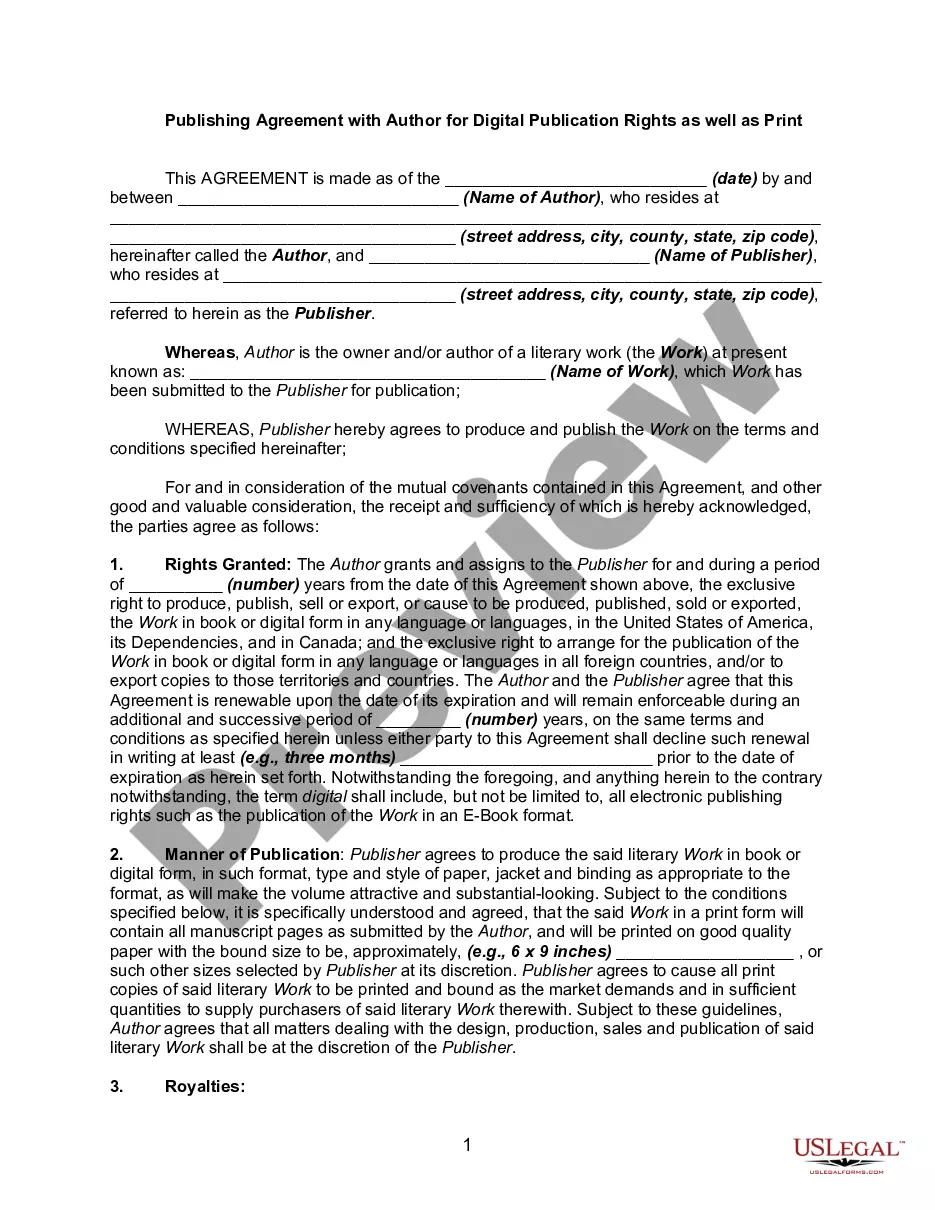
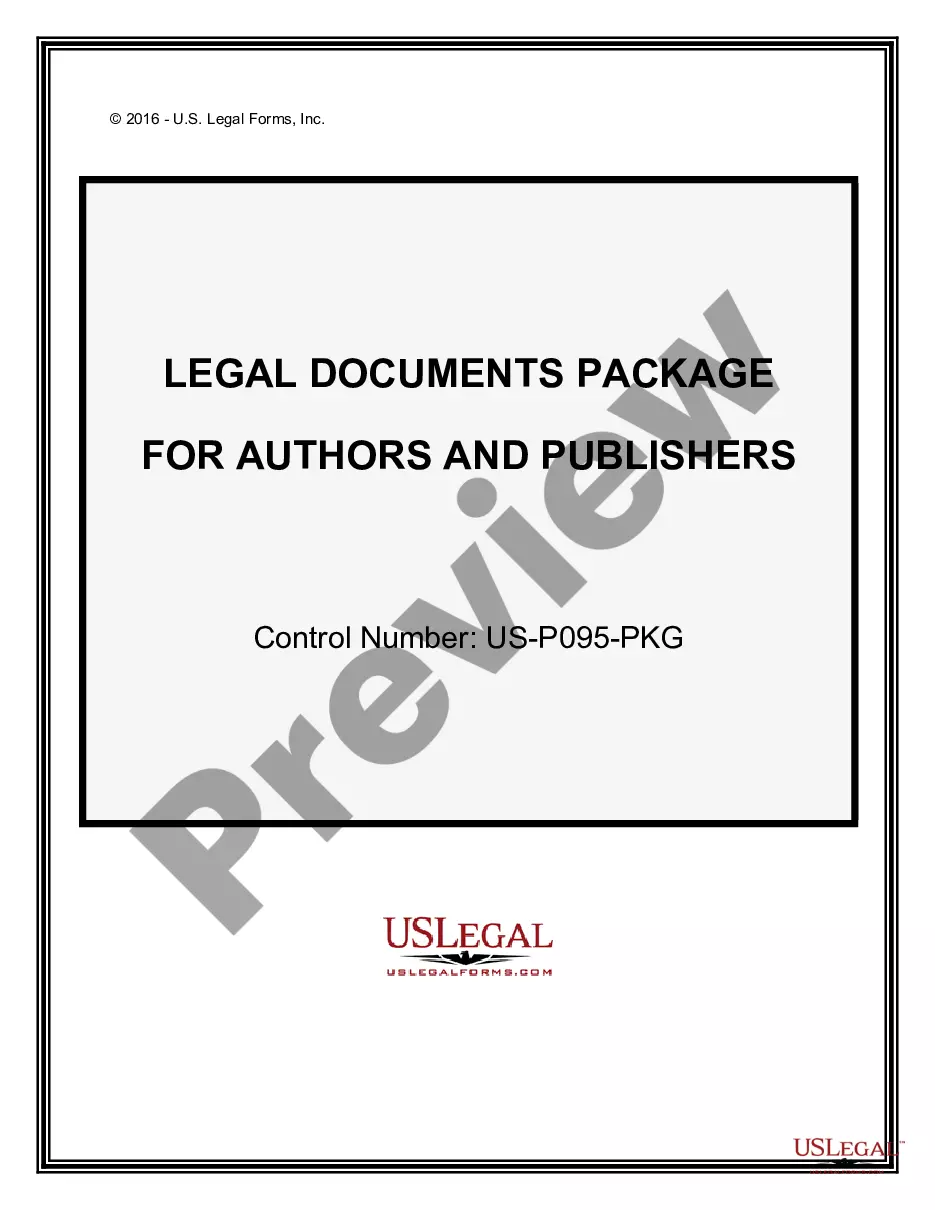
Get your form ready online
Our built-in tools help you complete, sign, share, and store your documents in one place.
Make edits, fill in missing information, and update formatting in US Legal Forms—just like you would in MS Word.
Download a copy, print it, send it by email, or mail it via USPS—whatever works best for your next step.
Sign and collect signatures with our SignNow integration. Send to multiple recipients, set reminders, and more. Go Premium to unlock E-Sign.
If this form requires notarization, complete it online through a secure video call—no need to meet a notary in person or wait for an appointment.
We protect your documents and personal data by following strict security and privacy standards.

Make edits, fill in missing information, and update formatting in US Legal Forms—just like you would in MS Word.

Download a copy, print it, send it by email, or mail it via USPS—whatever works best for your next step.

Sign and collect signatures with our SignNow integration. Send to multiple recipients, set reminders, and more. Go Premium to unlock E-Sign.

If this form requires notarization, complete it online through a secure video call—no need to meet a notary in person or wait for an appointment.

We protect your documents and personal data by following strict security and privacy standards.
Looking for another form?



How to fill out Book Publishing Contract?
- If you are a returning user, log in to your account and select the desired form template to download by clicking the Download button. Ensure that your subscription is active; otherwise, renew it based on your chosen plan.
- For first-time users, start by exploring the available forms. Check preview modes and descriptions to confirm that the selected document meets your needs and adheres to the regulations in your area.
- If needed, use the Search function to discover other relevant templates. Once you find the appropriate one, proceed to the next step.
- Purchase the chosen document by clicking the Buy Now button and selecting a subscription plan that aligns with your needs. Registration is required to access the extensive legal library.
- Complete your transaction by entering your payment information, either through credit card or PayPal, to finalize your subscription.
- Download your selected form and save it on your device. You can always revisit it later by accessing the My Forms section in your profile.
In conclusion, utilizing US Legal Forms provides an efficient way for individuals and attorneys to access a vast array of legal documents, ensuring that you have the tools necessary for effective legal management.
Start your journey today by visiting US Legal Forms and experience the benefits of an extensive legal library.
Form popularity
FAQ
Most book publishers prefer manuscripts submitted in DOCX or PDF formats due to their widespread use and support for editing. Ensuring your document is formatted correctly increases the likelihood of consideration. Always double-check the specific requirements of each book publisher to ensure compliance. This attention to detail can make a significant difference in the submission process.
The Microsoft Publisher program primarily uses PUB files to create publications. However, if you're preparing a manuscript for book publishers, convert your work to more standard formats such as DOCX or PDF. This conversion ensures that your manuscript can be easily accessed and reviewed by editors. Make sure to keep the file size manageable for submissions.
The best format for writing a book is often a clean, simple document that stays true to standard word processing practices. Most book publishers recommend using Microsoft Word with proper headings, margins, and spacing for readability. This format not only helps with editing but also ensures compatibility during submissions. Use a clear font and simple structure to enhance the presentation.
To submit your book to a publisher, start by researching publishers that align with your genre. Prepare a compelling query letter and follow their submission guidelines carefully. Many book publishers require sample chapters, a synopsis, and an author bio. This preparation increases your chances of a positive response.
Book publishers typically seek manuscripts in DOCX or PDF formats. These formats allow easy edits and maintain layout integrity. Submitting in these file types ensures that your manuscript meets industry standards and can streamline the review process. Always check submission guidelines of specific book publishers for exact requirements.
When publishing a book, the best digital format often depends on your audience. Many book publishers prefer PDF for its consistent formatting across devices. Additionally, ePub is highly favored for eBooks due to its flexibility and support for reflowable text. Consider what format serves your target readers best.
To increase your chances of getting your book accepted by a publisher, start by researching suitable publishers for your genre. Prepare a strong query letter that highlights your unique selling points. Consider seeking feedback from beta readers or writing groups to refine your manuscript. Utilizing platforms like US Legal Forms can assist you in understanding the required contracts and documents for submitting your work.
Writing a book with a publisher often involves collaboration throughout the process. Typically, you will draft the manuscript, submit it for feedback, and revise based on the publisher's input. Communication is crucial, as publishers often guide you on content, style, and target audience. This teamwork ultimately enhances the book's quality and marketability.
When formatting a book for a publisher, adhere to standard industry guidelines. Use a clear, legible font, maintain proper margins, and include page numbers. Prepare a table of contents if necessary, and ensure that chapters start on new pages. Adopting these practices demonstrates professionalism and makes your manuscript easier for the book publisher to read.
A book publisher may reject a manuscript for several reasons. Common issues include poor writing quality, lack of marketability, or failing to meet the publisher’s niche. Additionally, if the book does not align with current trends or the publisher's catalog, it may be turned down. It is vital to understand the preferences of publishers to improve your chances of acceptance.