Parental Consent
Description


Form popularity
FAQ
One of the biggest mistakes in a custody battle is failing to prioritize the child's best interests. When emotions run high, some parents may focus more on winning rather than fostering a cooperative environment. Understanding how parental consent plays into custody arrangements can help you make decisions that favor your child’s emotional and psychological well-being. Always strive to maintain a respectful dialogue with the other parent.
Documents needed for proof of custody generally include court orders, parenting plans, and any legal agreements that outline custodial arrangements. If you have undergone mediation or established parental consent with the other parent, having those agreements on hand can be beneficial. Additionally, any records that showcase your active involvement in your child’s life may also support your case. Gathering these documents beforehand can strengthen your position in custody discussions.
The best witnesses for a custody case include individuals who know you and your parenting abilities well. Consider asking family members, teachers, or childcare providers who have observed your interactions with your child. Their testimonies can provide valuable insights into your capability as a parent. Remember, when seeking custody, parental consent is vital to ensure your child's best interests are represented.
To prove you are a parent, you typically need to provide documentation such as a birth certificate that lists your name. This document serves as legal proof of your relationship to the child. In some cases, you might also use a court order or other legal documents that confirm your parental rights. Parental consent becomes essential when navigating custody arrangements or any legal commitments involving your child.
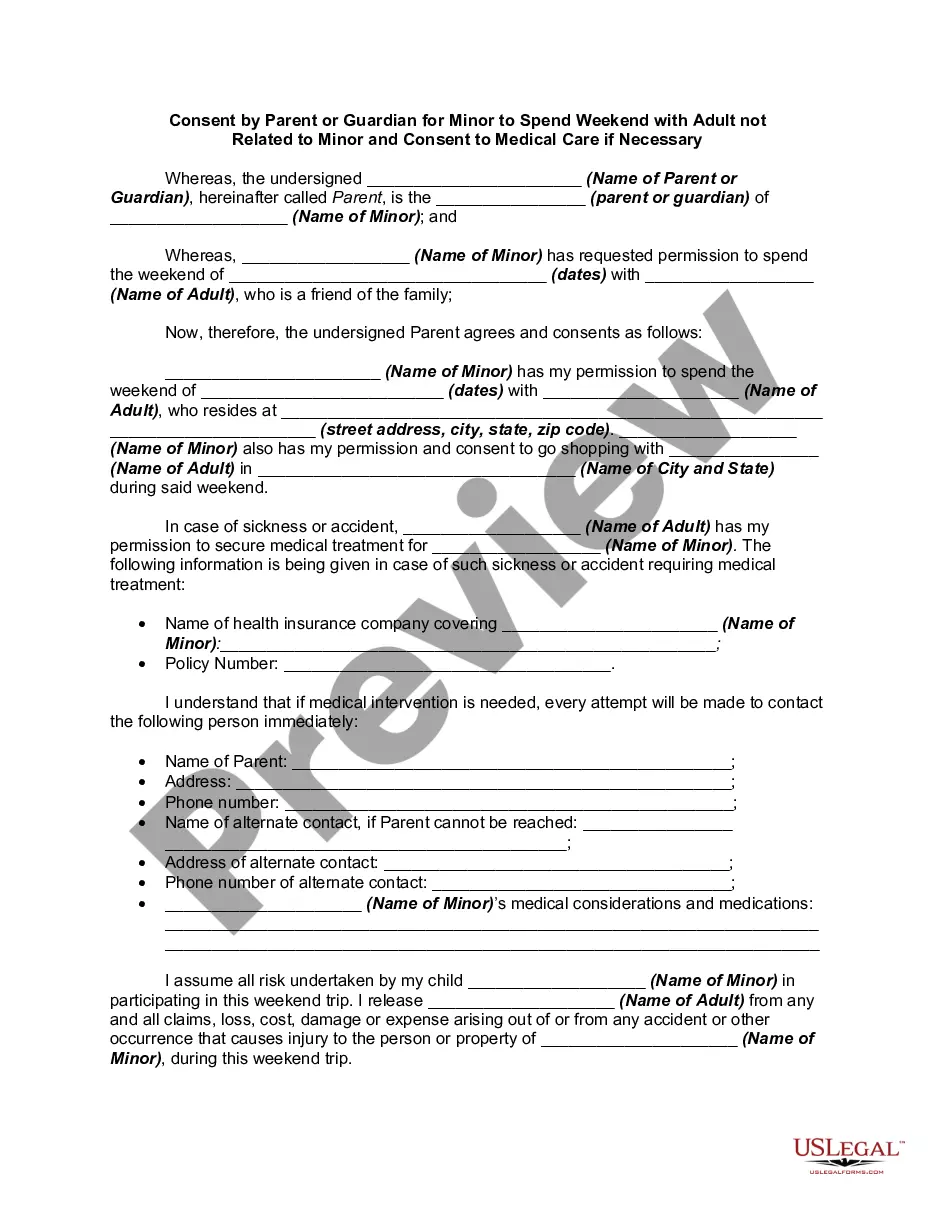
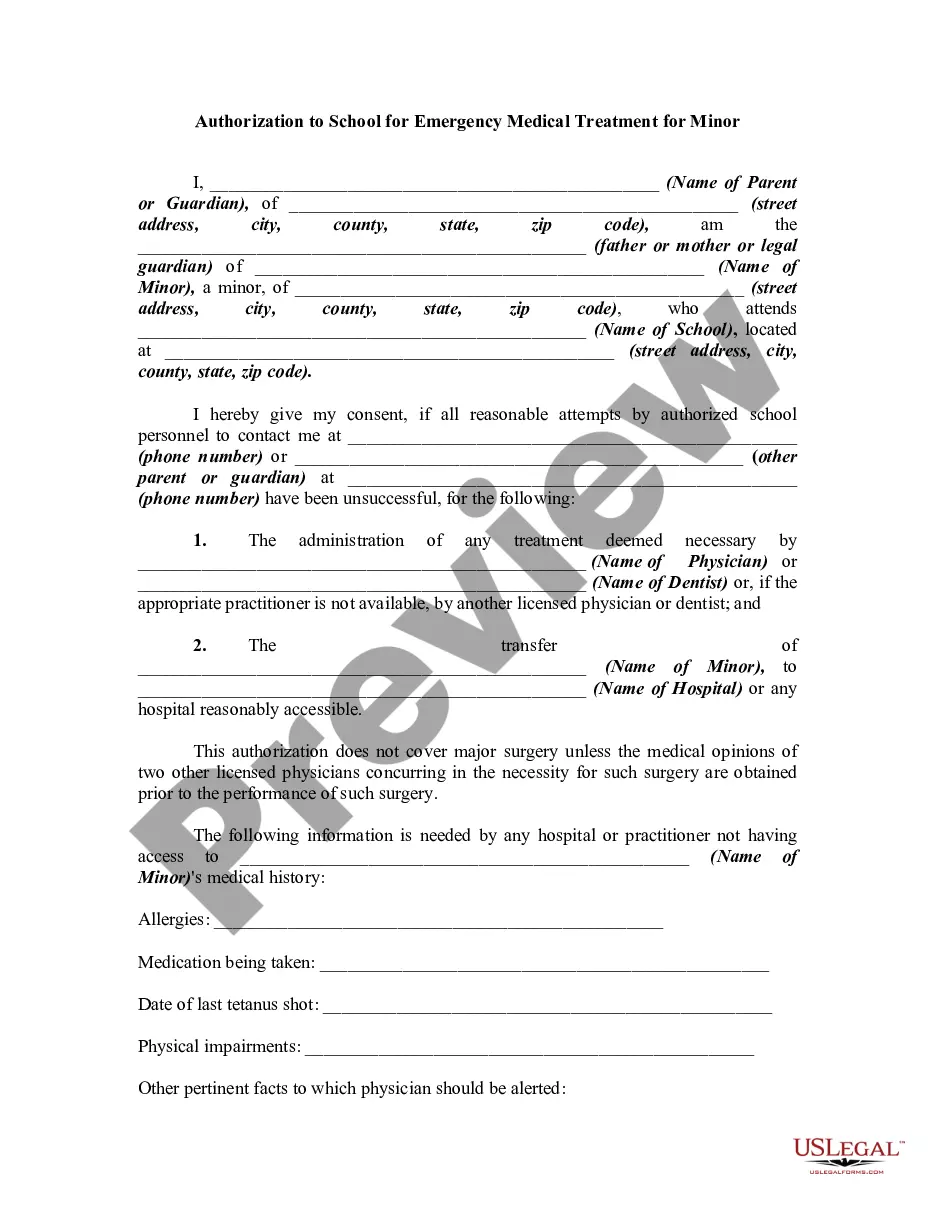
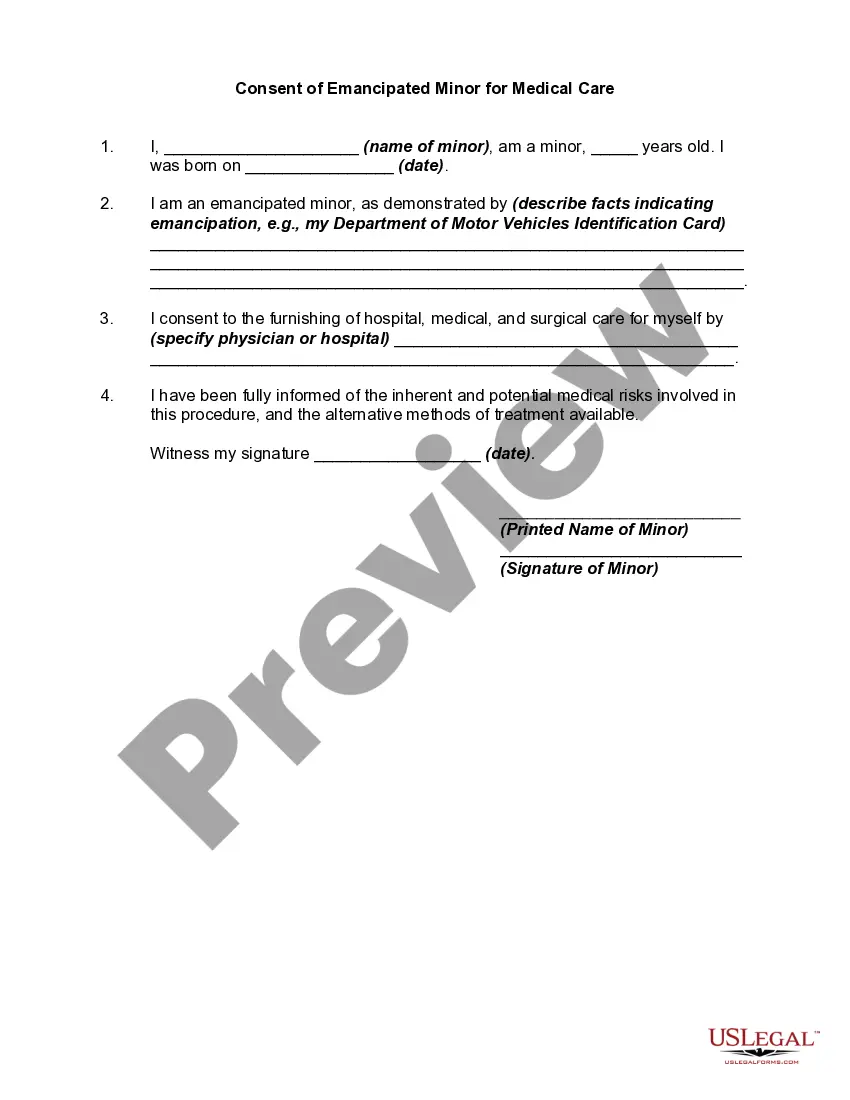
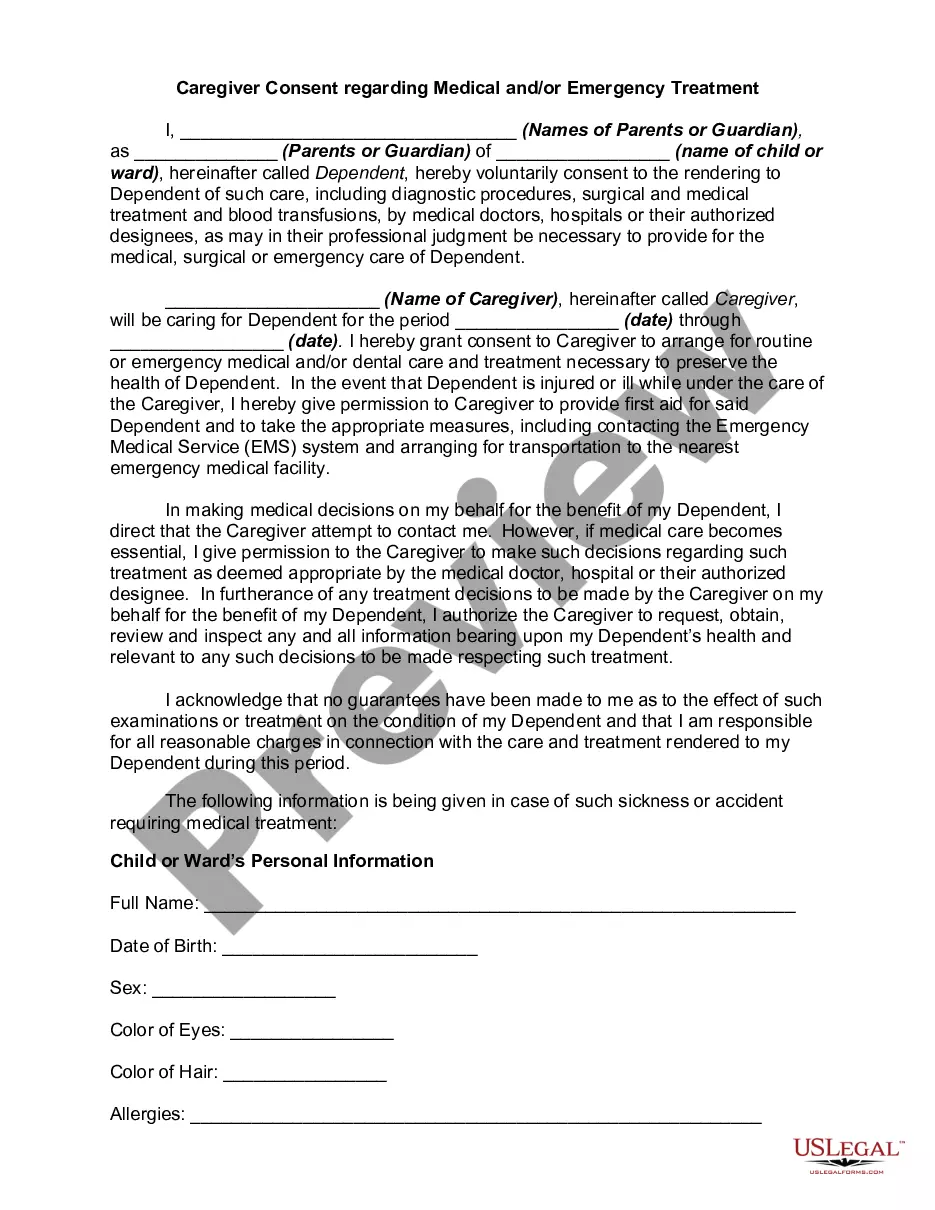
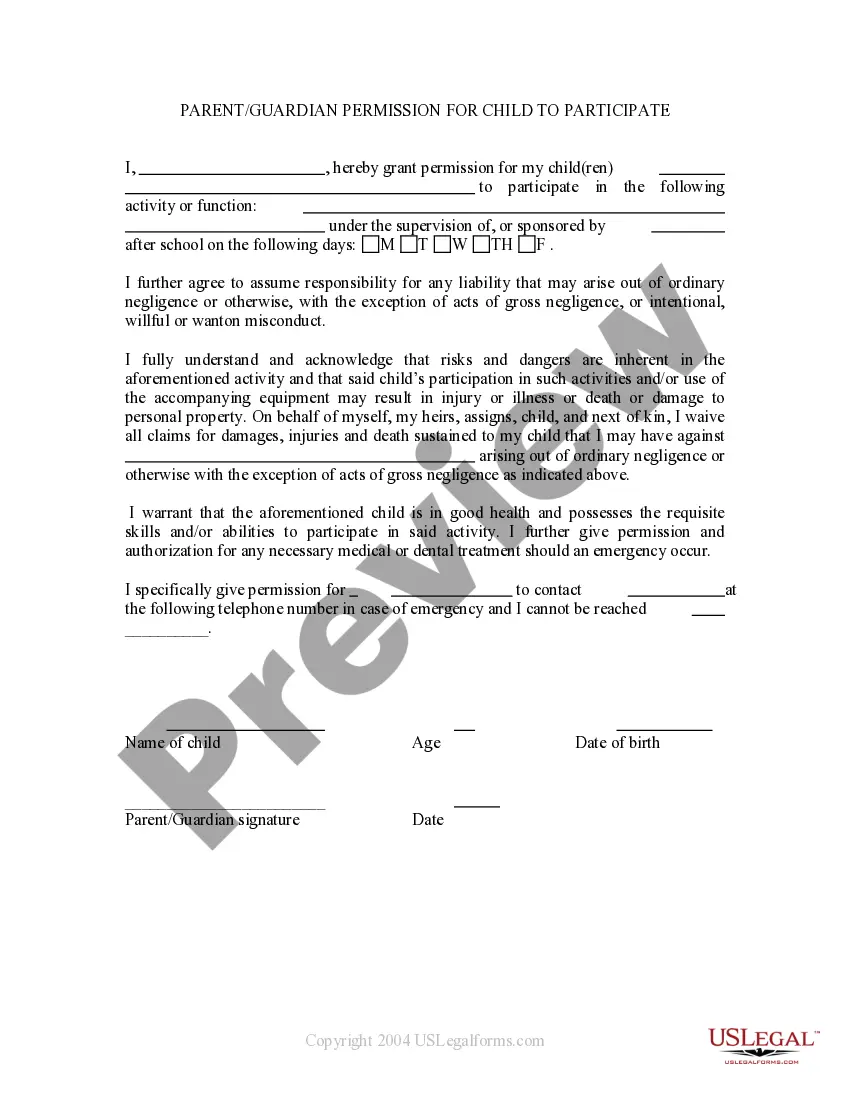
Verifying parental consent typically entails ensuring that the consent obtained is legitimate and legally binding. This can involve asking for identification from the parent or guardian, maintaining signed consent forms, or using electronic verification methods. Making use of comprehensive consent forms and procedures can streamline this process. Platforms like USLegalForms can provide you with the necessary tools and templates to help manage parental consent effectively.
Whether a parental consent form needs to be notarized depends on the specific requirements of your state and the situation at hand. In some cases, notarization adds an additional layer of verification, affirming that the person signing is indeed the parent or guardian. However, many situations do not legally require notarization. Consulting resources like USLegalForms can help you understand what is necessary in your jurisdiction.
Verifying informed consent involves ensuring that the individual providing consent fully understands the implications of their agreement. This may include documenting the consent process, requiring signatures, or confirming understanding through follow-up questions. Providing a detailed consent form can help clarify what consent entails. Tools available through USLegalForms can assist in creating thorough documentation to verify informed consent effectively.
In many states, a 16-year-old can obtain birth control without parental consent, as laws regarding minors and reproductive health differ across the country. It is essential for the minor to understand their rights and the healthcare provider’s policies. While parental consent may not be required, having parental support can often be beneficial for the minor's overall health and well-being. Always check state-specific laws to ensure compliance.
Parental consent counts as any agreement given by a parent or guardian that permits a child to engage in specific activities or services. This may include signing forms, providing verbal approval, or completing an electronic consent process. The consent must be informed, meaning the parent or guardian understands what they are agreeing to fully. Using clear and concise language in your consent forms can help ensure that parents are well-informed.
To ask for parental consent, first clearly explain why you need it and what information will be collected. Provide the consent form that details the rights and responsibilities involved. It’s best to deliver this request in a way that is easy for parents to understand, such as through email or an online portal. By using resources from USLegalForms, you can create a straightforward consent request that parents can readily comprehend.
