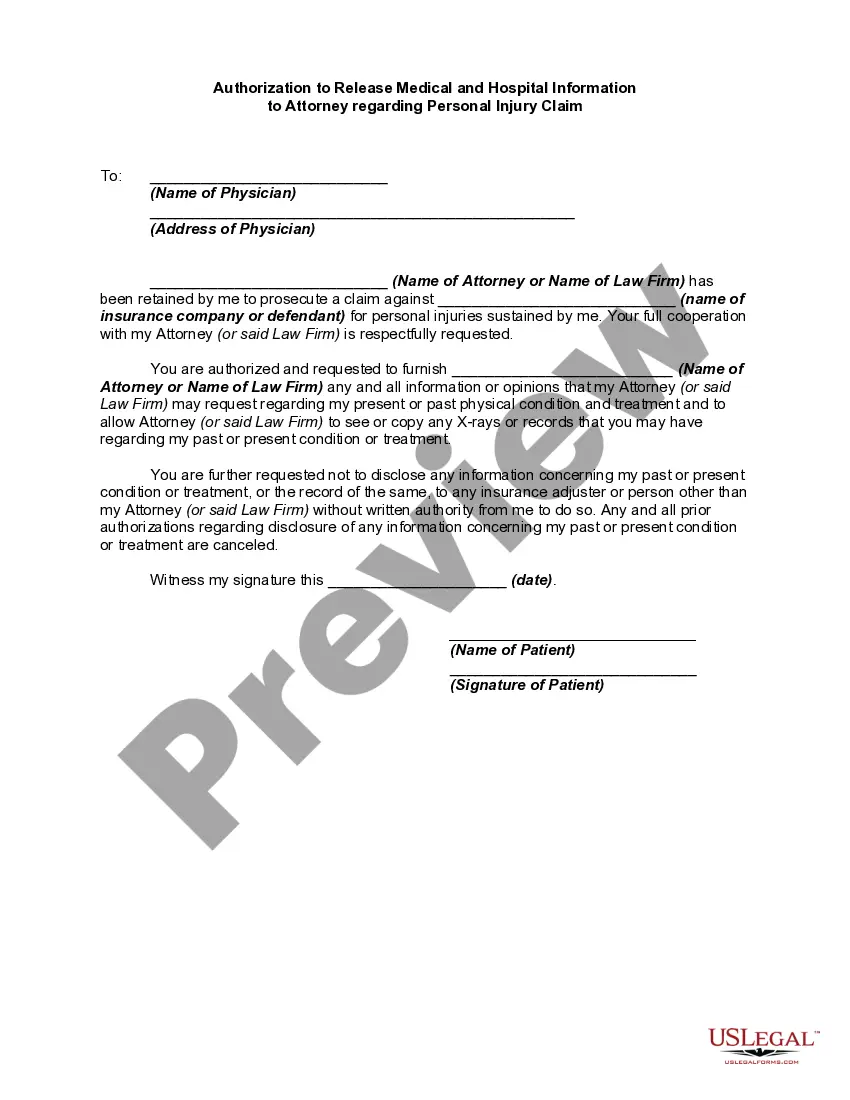
Release Or Discharge From Hospital
Description

Get your form ready online
Our built-in tools help you complete, sign, share, and store your documents in one place.
Make edits, fill in missing information, and update formatting in US Legal Forms—just like you would in MS Word.
Download a copy, print it, send it by email, or mail it via USPS—whatever works best for your next step.
Sign and collect signatures with our SignNow integration. Send to multiple recipients, set reminders, and more. Go Premium to unlock E-Sign.
If this form requires notarization, complete it online through a secure video call—no need to meet a notary in person or wait for an appointment.
We protect your documents and personal data by following strict security and privacy standards.

Make edits, fill in missing information, and update formatting in US Legal Forms—just like you would in MS Word.

Download a copy, print it, send it by email, or mail it via USPS—whatever works best for your next step.

Sign and collect signatures with our SignNow integration. Send to multiple recipients, set reminders, and more. Go Premium to unlock E-Sign.

If this form requires notarization, complete it online through a secure video call—no need to meet a notary in person or wait for an appointment.

We protect your documents and personal data by following strict security and privacy standards.
Looking for another form?
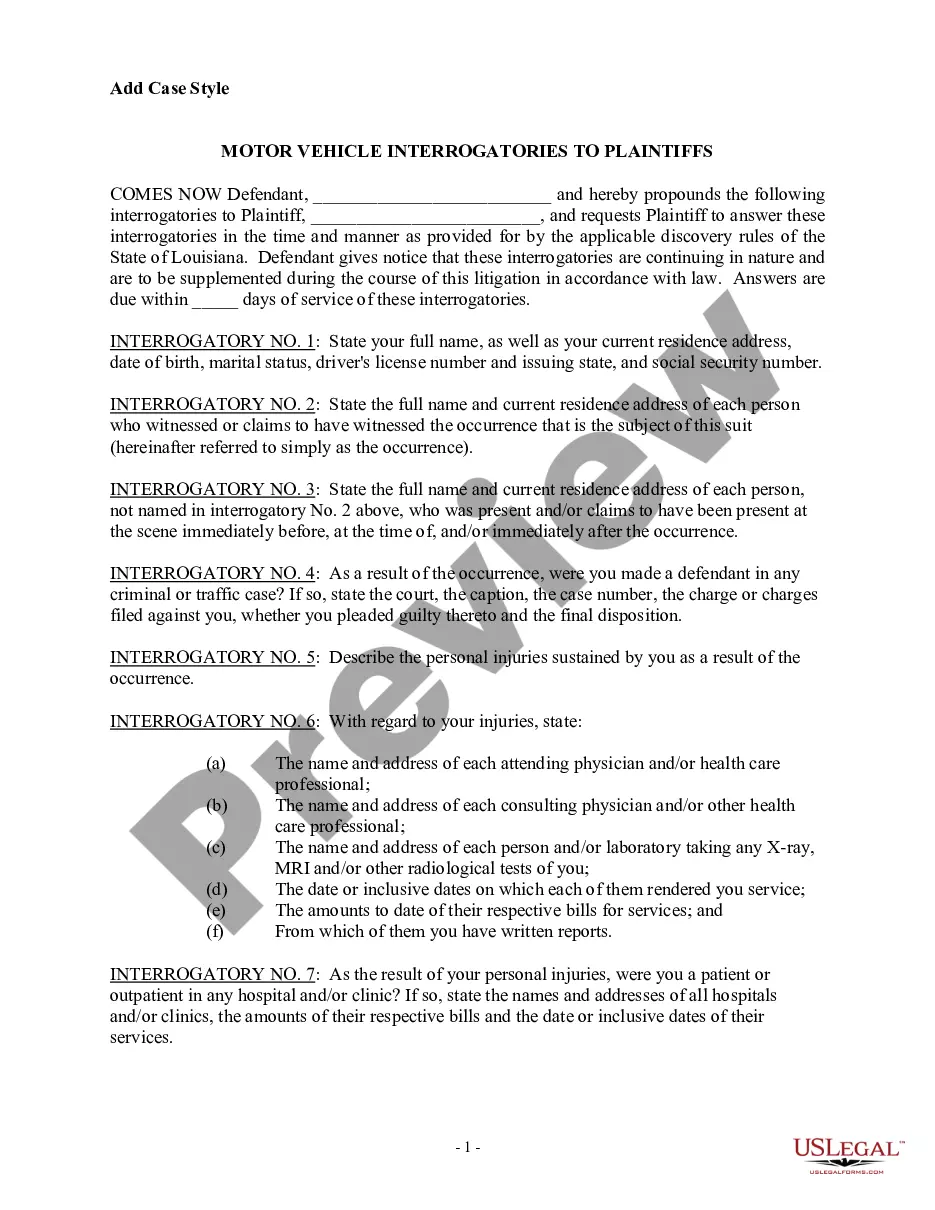

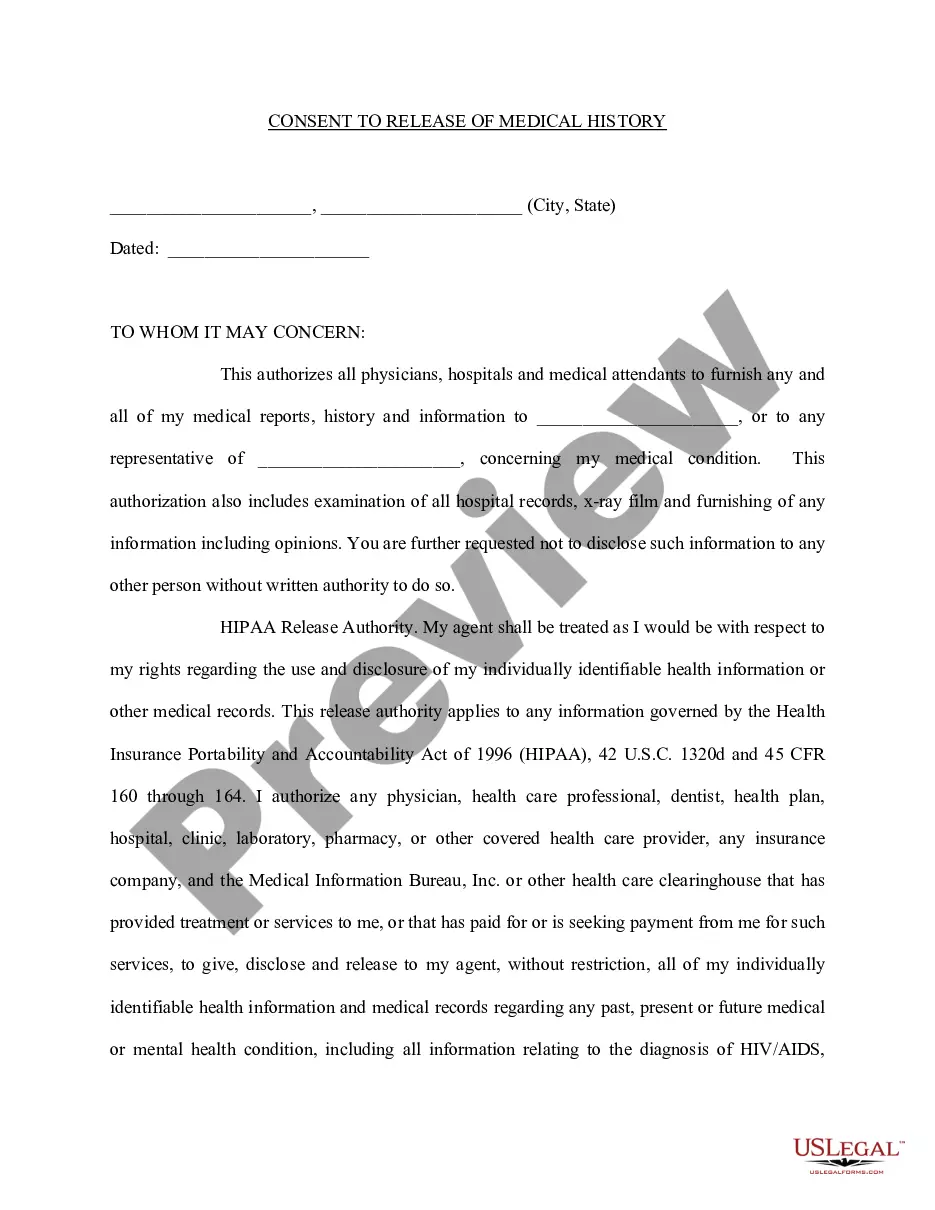
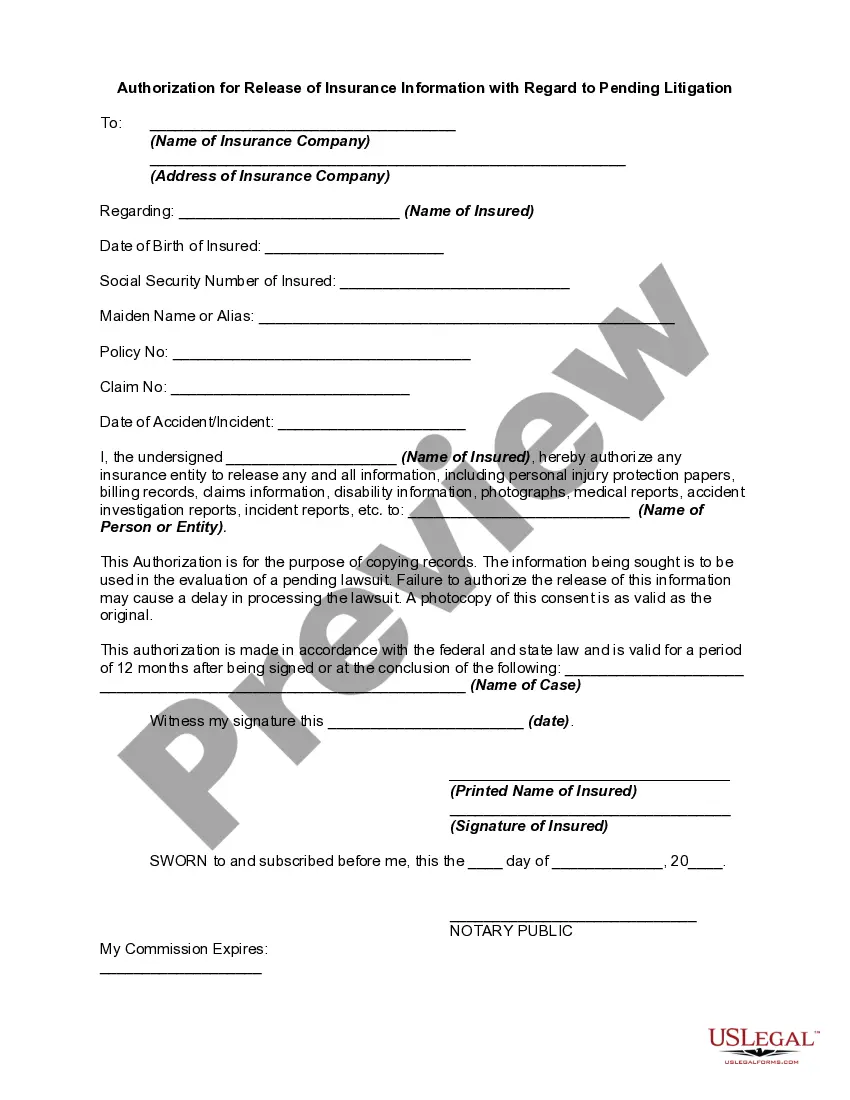
How to fill out Authorization To Release Medical And Hospital Information To Attorney?
The Release Or Discharge From Hospital presented on this page is a reusable formal template created by expert lawyers in accordance with federal and state regulations.
For over 25 years, US Legal Forms has supplied individuals, organizations, and legal professionals with over 85,000 verified, state-specific forms for any business and personal needs. It’s the fastest, most straightforward, and most dependable method to acquire the documentation you require, as the service ensures the utmost level of data security and anti-malware safeguards.
Subscribe to US Legal Forms to have verified legal templates for every life's situation readily available.
- Search for the document you require and review it.
- Register and Log In.
- Obtain the fillable template.
- Fill out and sign the document.
- Redownload your documents when necessary.
Form popularity
FAQ
If the patient is being discharged to a rehab facility or nursing home, effective transition planning should do the following: ensure continuity of care. clarify the current state of the patient?s health and capabilities. review medications. help you select the facility to which the person you care for is to be released.
The discharge planning process involves an interprofessional team approach. Physicians are responsible for deciding the patient is safe for discharge, creating the discharge plan in conjunction with the rest of the team, and communicating instructions to the discharge nurse or designated discharge personnel.
Most discharge letters include a section that summarises the key information of the patient's hospital stay in patient-friendly language, including investigation results, diagnoses, management and follow up. This is often given to the patient at discharge or posted out to the patient's home.
When you leave a hospital after treatment, you go through a process called hospital discharge. A hospital will discharge you when you no longer need to receive inpatient care and can go home.
A hospital will discharge you when you no longer need to receive inpatient care and can go home. Or, a hospital will discharge you to send you to another type of facility. Many hospitals have a discharge planner. This person helps coordinate the information and care you'll need after you leave.