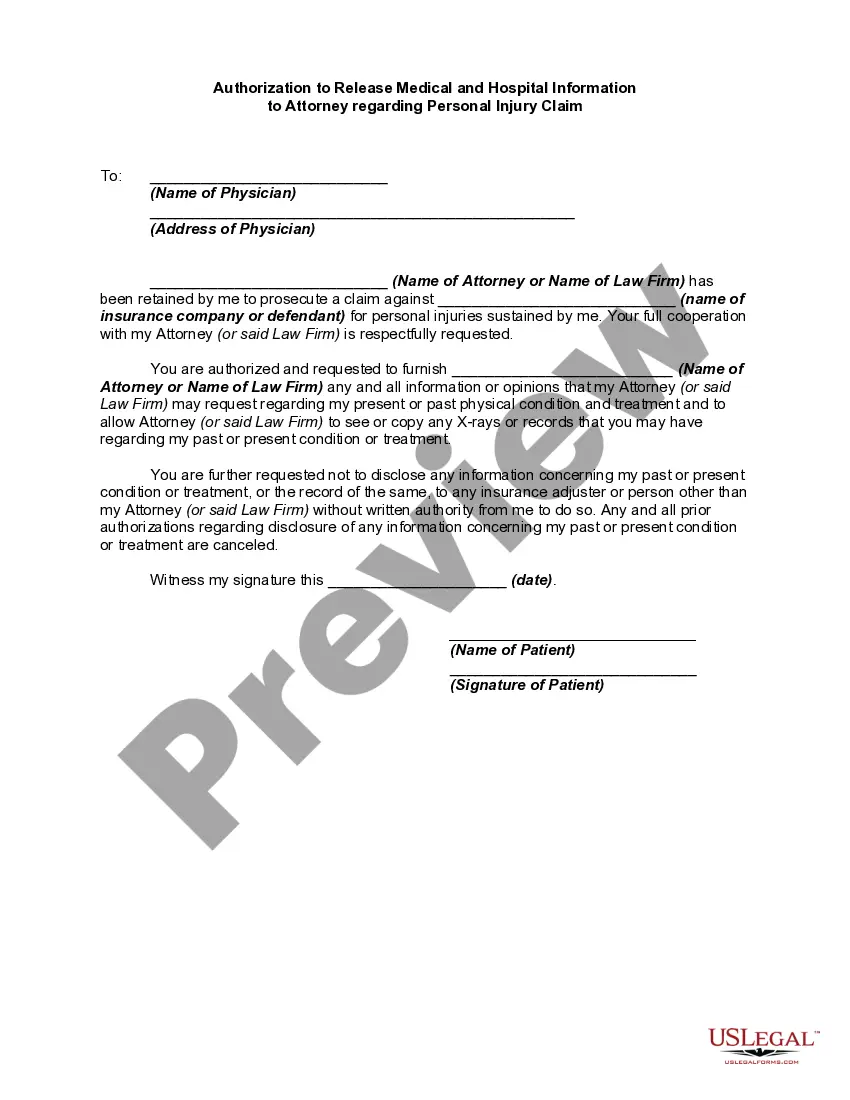
Release Hospital Papers For Pneumonia
Description

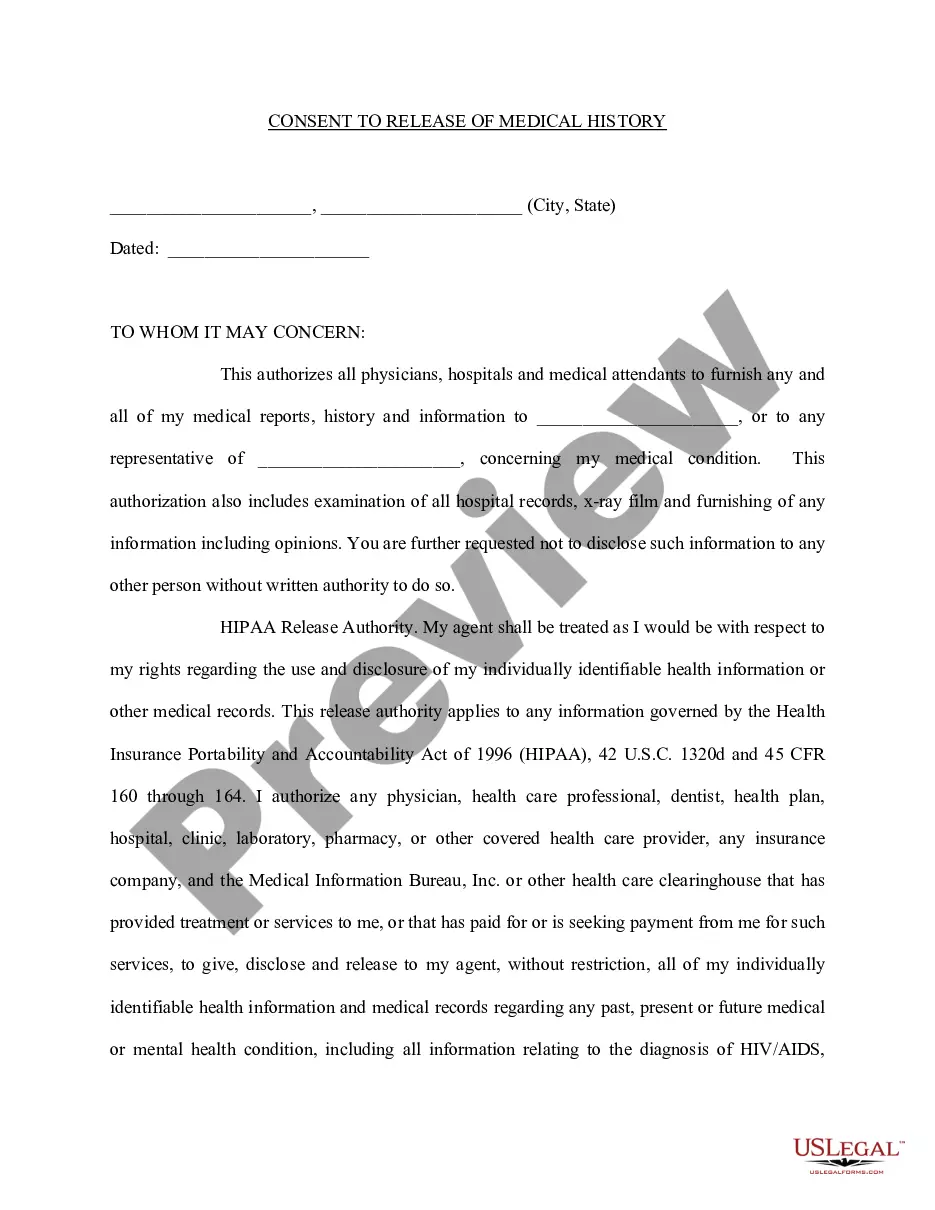
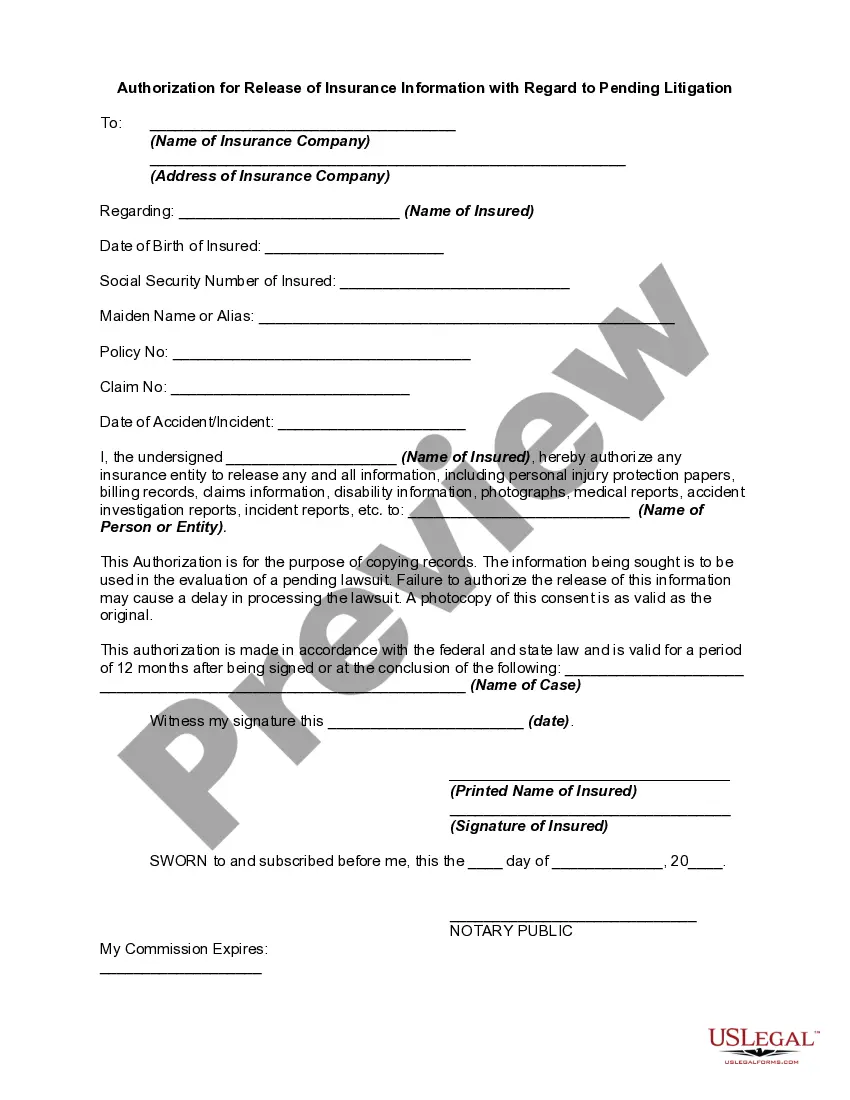
Get your form ready online
Our built-in tools help you complete, sign, share, and store your documents in one place.
Make edits, fill in missing information, and update formatting in US Legal Forms—just like you would in MS Word.
Download a copy, print it, send it by email, or mail it via USPS—whatever works best for your next step.
Sign and collect signatures with our SignNow integration. Send to multiple recipients, set reminders, and more. Go Premium to unlock E-Sign.
If this form requires notarization, complete it online through a secure video call—no need to meet a notary in person or wait for an appointment.
We protect your documents and personal data by following strict security and privacy standards.

Make edits, fill in missing information, and update formatting in US Legal Forms—just like you would in MS Word.

Download a copy, print it, send it by email, or mail it via USPS—whatever works best for your next step.

Sign and collect signatures with our SignNow integration. Send to multiple recipients, set reminders, and more. Go Premium to unlock E-Sign.

If this form requires notarization, complete it online through a secure video call—no need to meet a notary in person or wait for an appointment.

We protect your documents and personal data by following strict security and privacy standards.
Looking for another form?
How to fill out Authorization To Release Medical And Hospital Information To Attorney?
Utilizing legal document samples that comply with federal and state laws is essential, and the internet provides many alternatives to select from.
However, what is the advantage of wasting time finding the appropriate Release Hospital Papers For Pneumonia template online when the US Legal Forms online library already has such documents gathered in one place.
US Legal Forms is the largest online legal repository with over 85,000 editable templates created by lawyers for any business and personal matters.
All templates available through US Legal Forms are reusable. To re-download and finish previously acquired forms, access the My documents section in your profile. Take advantage of the most comprehensive and user-friendly legal document service!
- They are simple to navigate with all documents sorted by state and intended use.
- Our specialists stay updated with legislative modifications, ensuring that your form is always current and compliant when obtaining a Release Hospital Papers For Pneumonia from our platform.
- Acquiring a Release Hospital Papers For Pneumonia is straightforward and rapid for both existing and new users.
- If you already possess an account with a valid subscription, Log In and download the document template you require in the appropriate format.
- If you are new to our site, adhere to the instructions below.
Form popularity
FAQ
By these criteria, a patient is considered ready for discharge when his vital signs have normalized, lung function and oxygenation have returned to baseline status, blood culture is negative, blood cell count is lower than 12×109/L and any comorbid illnesses have stabilized (Table 1).
Describe clinical signs and symptoms (e.g., fever, chills, cough, dyspnea, tachypnea, crackles or rales, etc.). Note radiological and laboratory findings - include rationale for disagreement with any findings (e.g., negative chest xray, culture, etc.).
Don't try to run back to work and infect everyone else. Rest until you feel better. Whatever you do, don't smoke, it will only make your pneumonia worse. If your pneumonia is really severe or you have another serious health problem, your doctor may recommend that you get treated in the hospital.
Patients who can be discharged early are those from the unstable pneumonia group, which includes patients who have had reversal of their metabolic problems and stabilization of comorbid conditions, and who have not developed any serious pneumonia-related complications.
Ing to the most recent national data from the Healthcare Cost and Utilization Project Nationwide Inpatient Sample from the Agency for Healthcare Research and Quality, the average length of stay for pneumonia in the U.S. was 5.4 days.