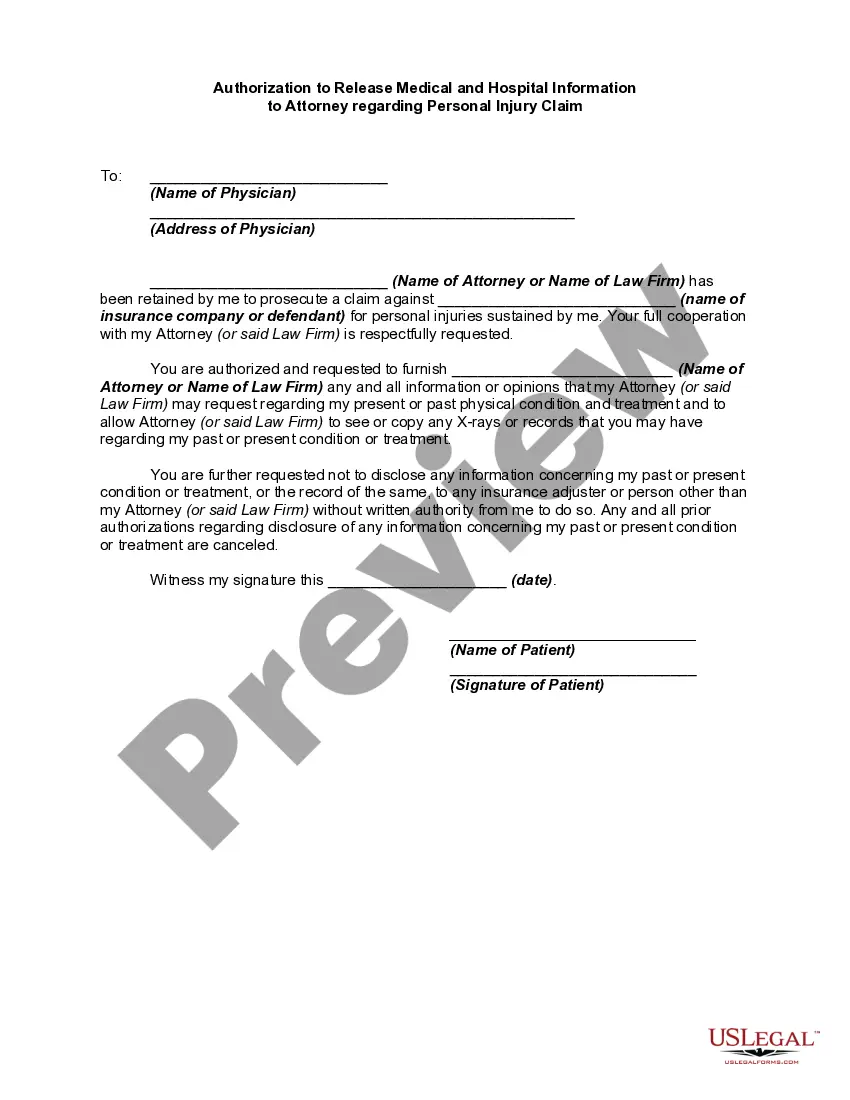
Attorney Law Information With Low Retainer Fee
Description

Get your form ready online
Our built-in tools help you complete, sign, share, and store your documents in one place.
Make edits, fill in missing information, and update formatting in US Legal Forms—just like you would in MS Word.
Download a copy, print it, send it by email, or mail it via USPS—whatever works best for your next step.
Sign and collect signatures with our SignNow integration. Send to multiple recipients, set reminders, and more. Go Premium to unlock E-Sign.
If this form requires notarization, complete it online through a secure video call—no need to meet a notary in person or wait for an appointment.
We protect your documents and personal data by following strict security and privacy standards.

Make edits, fill in missing information, and update formatting in US Legal Forms—just like you would in MS Word.

Download a copy, print it, send it by email, or mail it via USPS—whatever works best for your next step.

Sign and collect signatures with our SignNow integration. Send to multiple recipients, set reminders, and more. Go Premium to unlock E-Sign.

If this form requires notarization, complete it online through a secure video call—no need to meet a notary in person or wait for an appointment.

We protect your documents and personal data by following strict security and privacy standards.
Looking for another form?
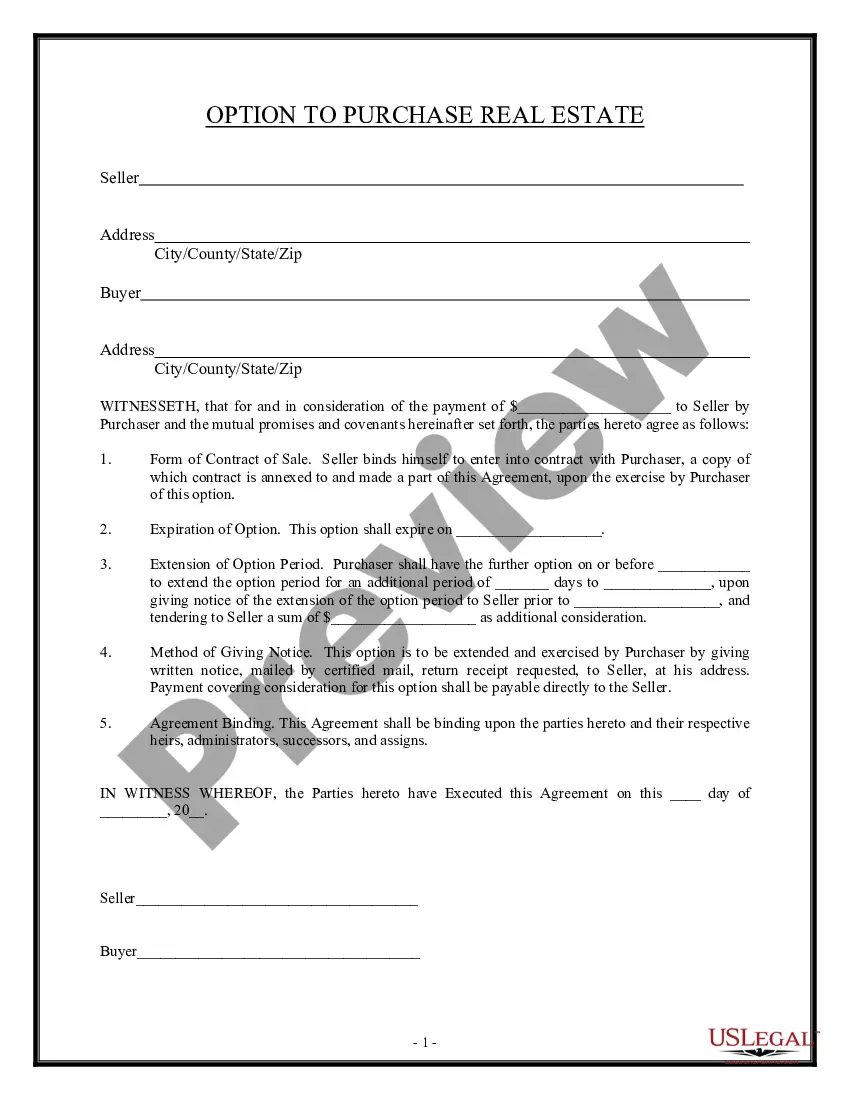

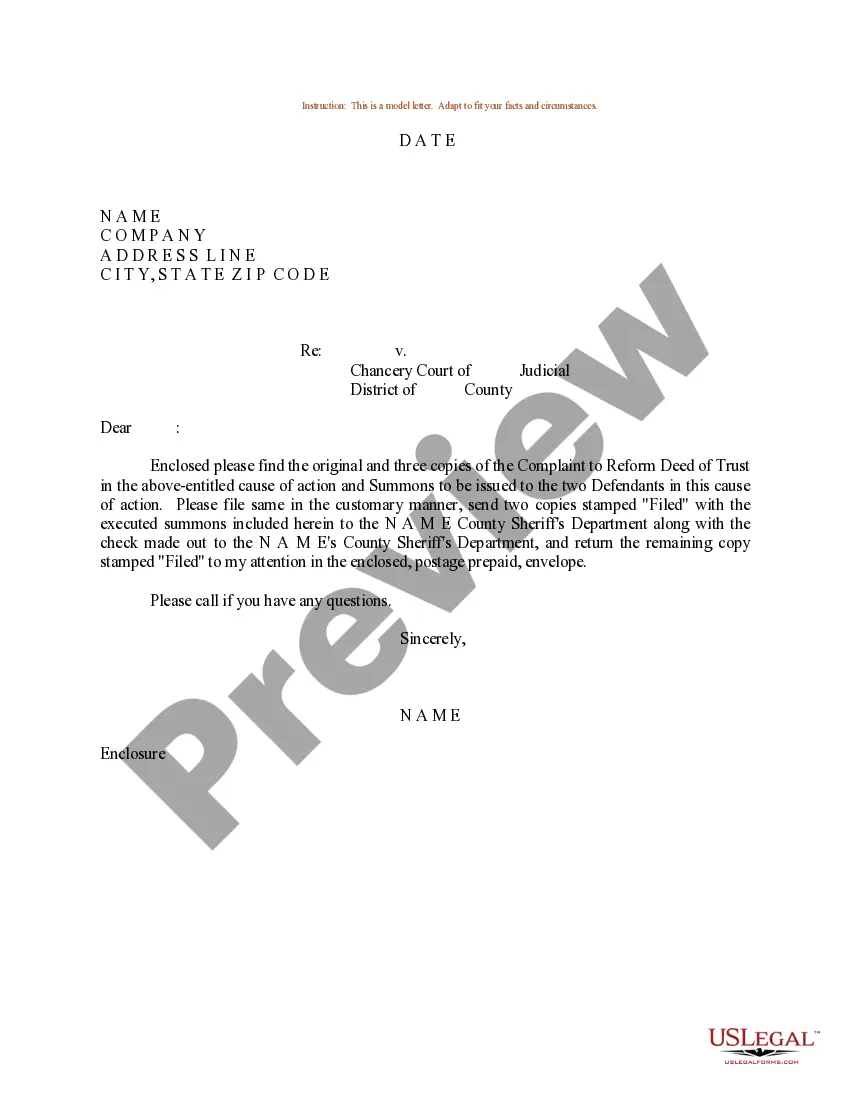
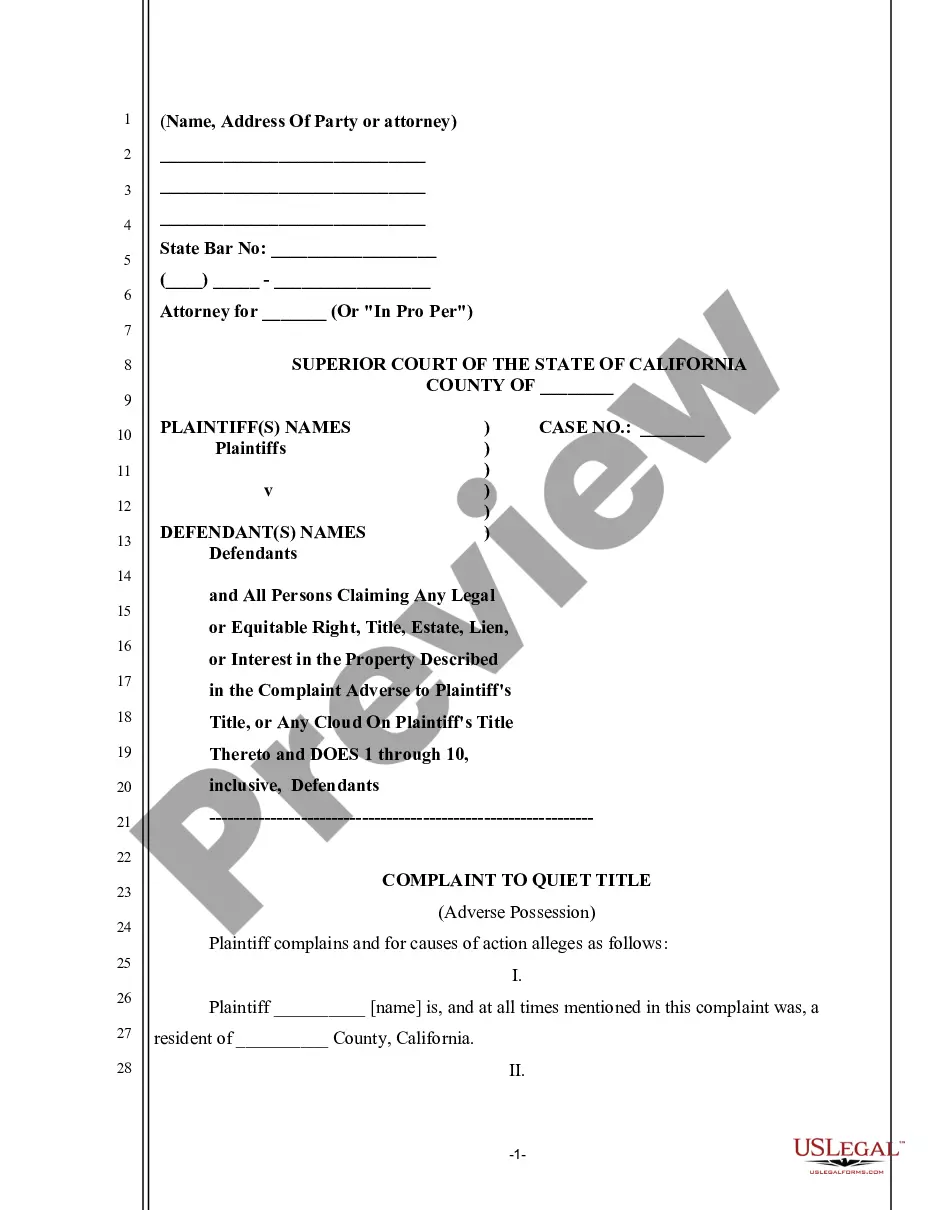


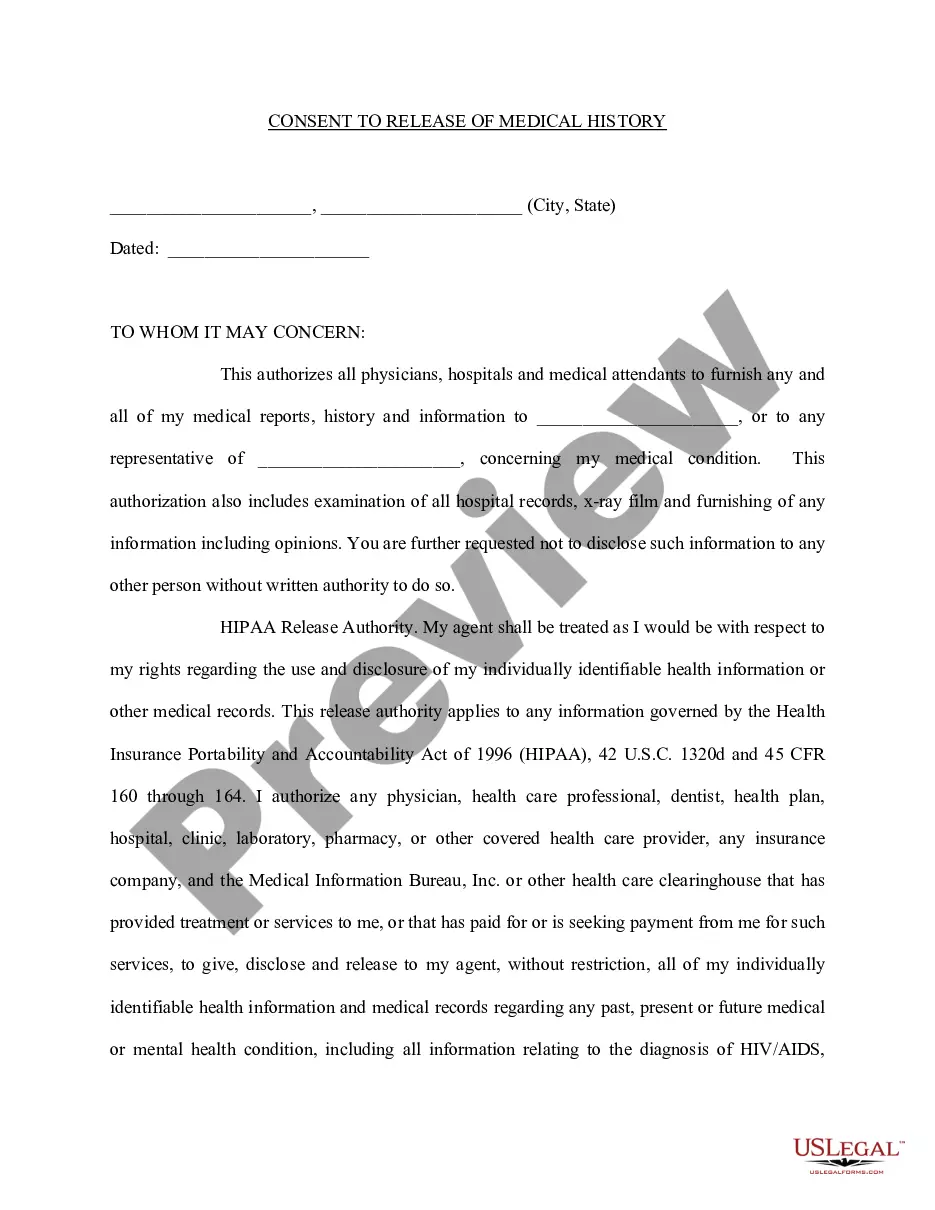
How to fill out Authorization To Release Medical And Hospital Information To Attorney?
Whether for commercial reasons or personal matters, everyone must confront legal circumstances eventually in their life.
Filling out legal paperwork requires meticulous care, beginning with selecting the correct form template.
With a comprehensive US Legal Forms catalog available, you don't need to waste time searching for the suitable sample across the internet. Utilize the library’s user-friendly navigation to find the appropriate template for any situation.
- For example, if you select an incorrect version of the Attorney Law Information With Low Retainer Fee, it will be rejected once you submit it.
- Thus, it is vital to have a trustworthy source of legal documents such as US Legal Forms.
- If you need to obtain an Attorney Law Information With Low Retainer Fee template, follow these straightforward steps.
- 1. Acquire the sample you require by using the search bar or catalog navigation.
- 2. Review the form’s details to ensure it matches your circumstances, state, and county.
- 3. Click on the preview of the form to view it.
- 4. If it is not the correct form, return to the search option to locate the Attorney Law Information With Low Retainer Fee sample you need.
- 5. Obtain the template when it aligns with your requirements.
- 6. If you already have a US Legal Forms account, click Log in to access previously stored documents in My documents.
- 7. If you do not possess an account yet, you can get the form by clicking Buy now.
- 8. Choose the suitable pricing plan.
- 9. Complete the profile registration form.
- 10. Select your payment method: you can utilize a credit card or PayPal account.
- 11. Choose the document format you desire and download the Attorney Law Information With Low Retainer Fee.
- 12. Once it is saved, you can fill out the form using editing software or print it and fill it out manually.
Form popularity
FAQ
A typical retainer contract is an agreement between you and your attorney outlining the services they will provide and the terms of payment. This contract often includes a specified retainer fee, which is an upfront amount that secures the attorney's services. When looking for attorney law information with low retainer fee options, it is important to understand how these fees work. The retainer fee can be used to cover initial costs, and any unspent balance may be refundable, making it a sensible choice for managing legal expenses.
How to negotiate a retainer as a service provider Offer a discount. Some businesses will be happy to pre-pay. ... Offer a trial period. ... Focus on value and benefits. ... Negotiate the terms. ... Ask for a time-bound retainer. ... Know your worth. ... Be flexible.
Overview. A retainer fee can be any denomination that the attorney requests. It may be as low as $500 or as high as $5,000 or more. Some attorneys base retainer fees on their hourly rate multiplied by the number of hours that they anticipate your case will take.
How Much Should a Retainer Fee Be? It depends on the industry of the professional you're retaining the services of and their compensation expectations. Generally, it should be close to the professional's hourly rate multiplied by the hours they expect to work.
Yes, a legal retainer can be considered a prepaid expense. A retainer is a fee paid to a lawyer or law firm in advance of services being rendered, and the law firm should hold it in a trust account until the services are provided. It gets booked to the balance sheet as a prepaid expense (which is an asset).
How Much Should a Retainer Fee Be? It depends on the industry of the professional you're retaining the services of and their compensation expectations. Generally, it should be close to the professional's hourly rate multiplied by the hours they expect to work.