Assignment Vs Sale Of Debt
Description
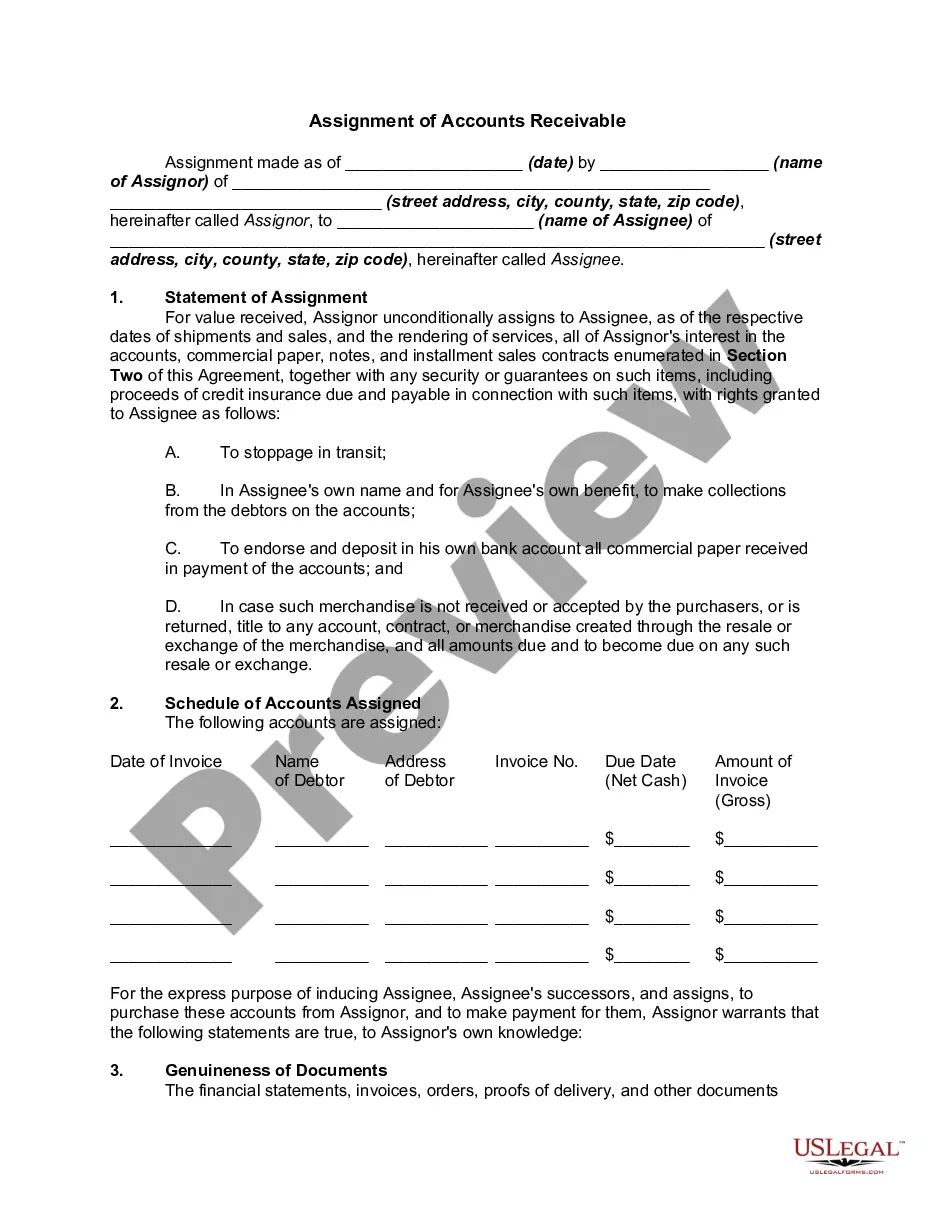
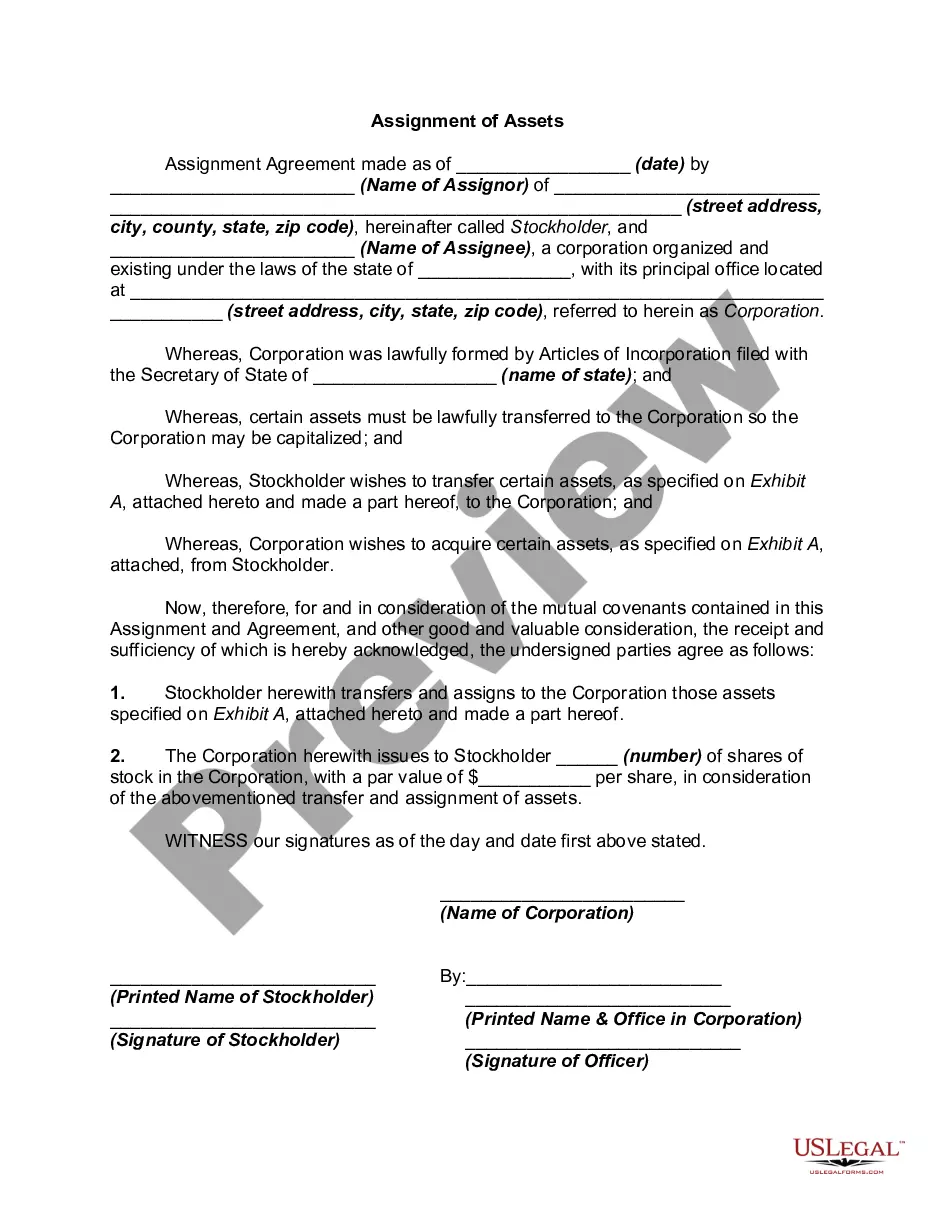
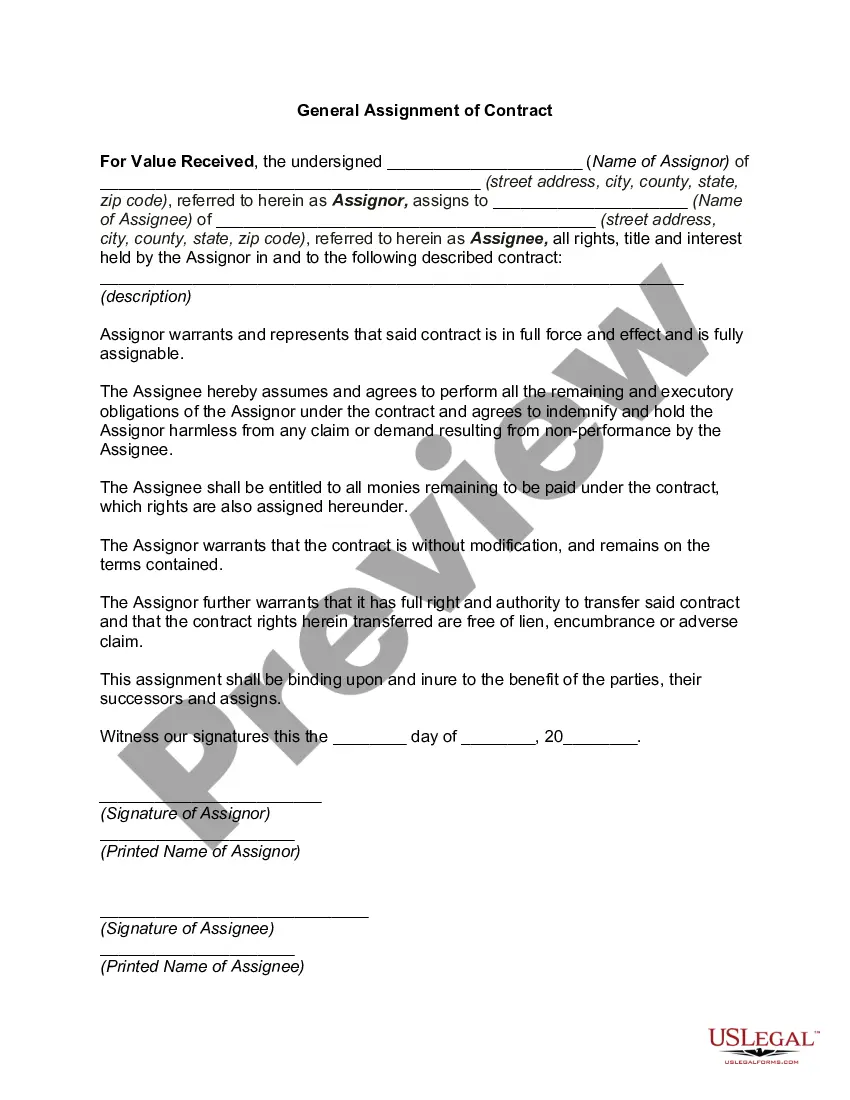



How to fill out Assignment Of Debt?
Obtaining legal document samples that meet the federal and state laws is essential, and the internet offers numerous options to choose from. But what’s the point in wasting time looking for the right Assignment Vs Sale Of Debt sample on the web if the US Legal Forms online library already has such templates collected in one place?
US Legal Forms is the greatest online legal library with over 85,000 fillable templates drafted by attorneys for any professional and personal scenario. They are easy to browse with all papers arranged by state and purpose of use. Our professionals stay up with legislative changes, so you can always be confident your form is up to date and compliant when obtaining a Assignment Vs Sale Of Debt from our website.
Obtaining a Assignment Vs Sale Of Debt is quick and easy for both current and new users. If you already have an account with a valid subscription, log in and save the document sample you need in the right format. If you are new to our website, follow the steps below:
- Take a look at the template using the Preview option or through the text outline to make certain it meets your requirements.
- Browse for another sample using the search tool at the top of the page if needed.
- Click Buy Now when you’ve located the right form and choose a subscription plan.
- Create an account or log in and make a payment with PayPal or a credit card.
- Pick the format for your Assignment Vs Sale Of Debt and download it.
All templates you find through US Legal Forms are reusable. To re-download and complete previously obtained forms, open the My Forms tab in your profile. Benefit from the most extensive and straightforward-to-use legal paperwork service!
Form popularity
FAQ
Assignment for the benefit of the creditors (ABC)(also known as general assignment for the benefit of the creditors) is a voluntary alternative to formal bankruptcy proceedings that transfers all of the assets from a debtor to a trust for liquidating and distributing its assets.
This usually means producing proof that the debt was assigned to it. Often such proof will be a bill of sale, an "assignment," or a receipt between the last creditor holding the debt and the entity suing you.
What Is Debt Assignment? The term debt assignment refers to a transfer of debt, and all the associated rights and obligations, from a creditor to a third party. The assignment is a legal transfer to the other party, who then becomes the owner of the debt.
For example, the debtor may have entered into an agreement with the assignor whereby the assignor agreed to accept a lesser amount of the debt owed by way of settlement. Because the assignee acquires the same rights and obligations of the assignor, the terms of that previous settlement agreement will bind the assignee.