Forma Trust
Description
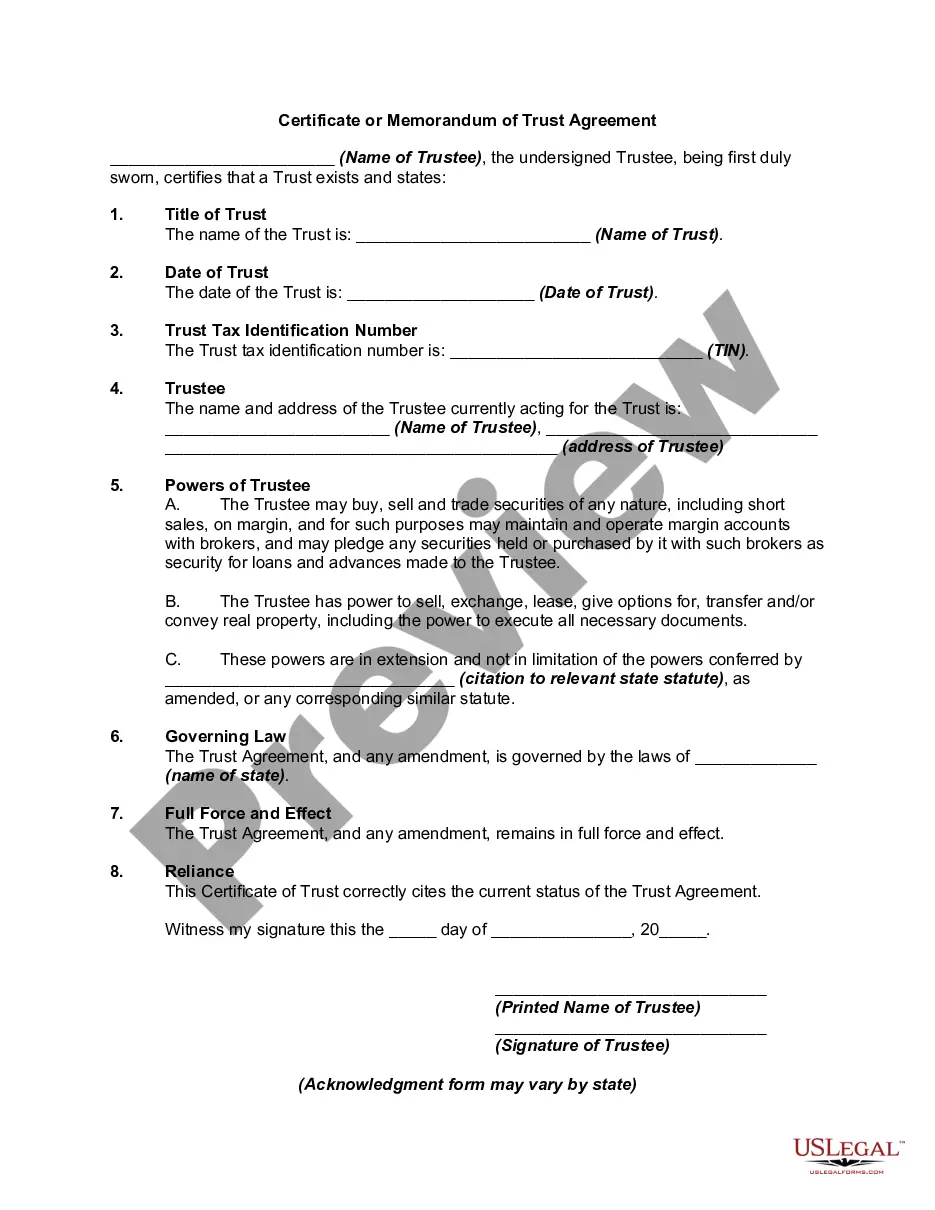
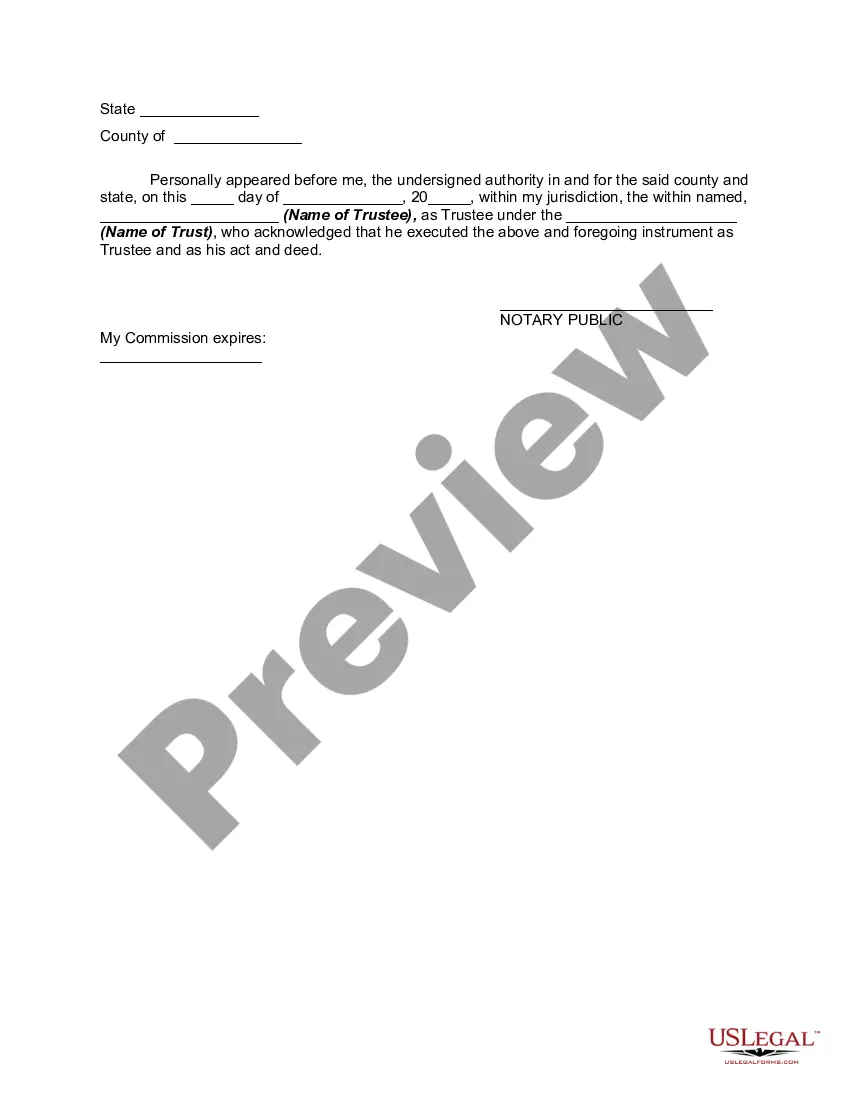
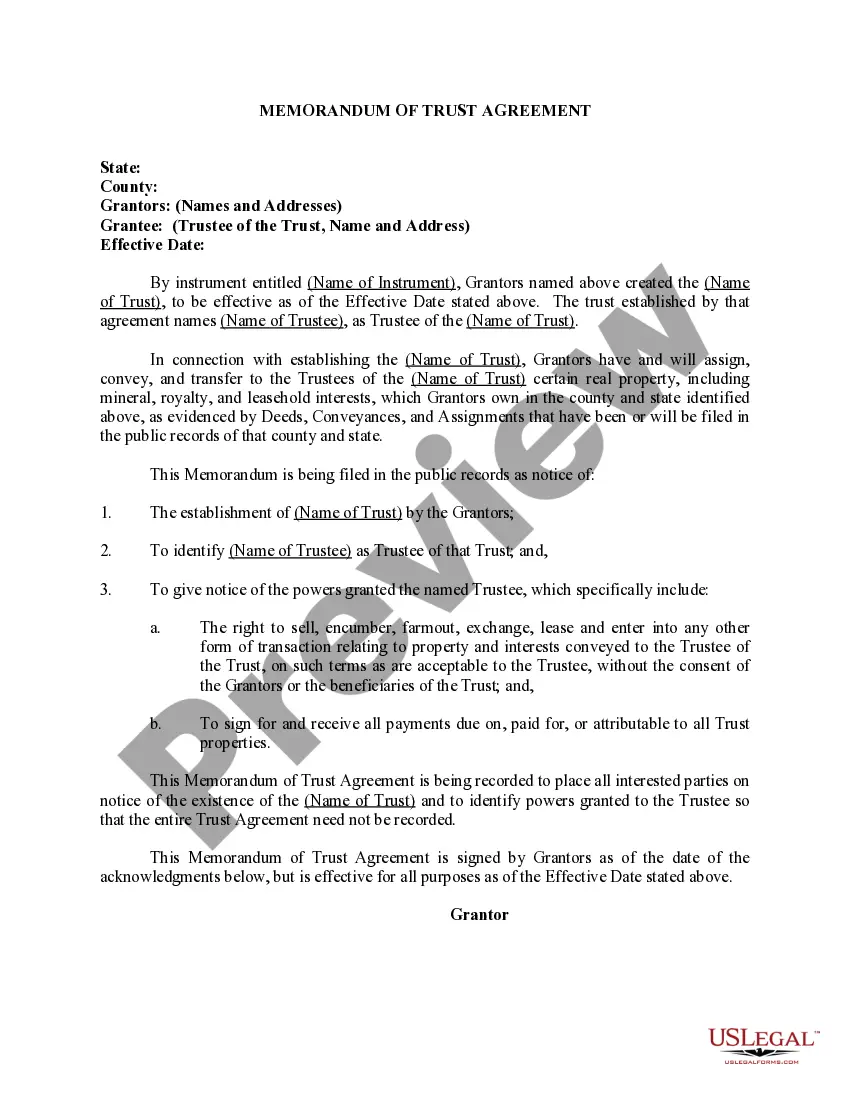
Get your form ready online
Our built-in tools help you complete, sign, share, and store your documents in one place.
Make edits, fill in missing information, and update formatting in US Legal Forms—just like you would in MS Word.
Download a copy, print it, send it by email, or mail it via USPS—whatever works best for your next step.
Sign and collect signatures with our SignNow integration. Send to multiple recipients, set reminders, and more. Go Premium to unlock E-Sign.
If this form requires notarization, complete it online through a secure video call—no need to meet a notary in person or wait for an appointment.
We protect your documents and personal data by following strict security and privacy standards.

Make edits, fill in missing information, and update formatting in US Legal Forms—just like you would in MS Word.

Download a copy, print it, send it by email, or mail it via USPS—whatever works best for your next step.

Sign and collect signatures with our SignNow integration. Send to multiple recipients, set reminders, and more. Go Premium to unlock E-Sign.

If this form requires notarization, complete it online through a secure video call—no need to meet a notary in person or wait for an appointment.

We protect your documents and personal data by following strict security and privacy standards.
Looking for another form?






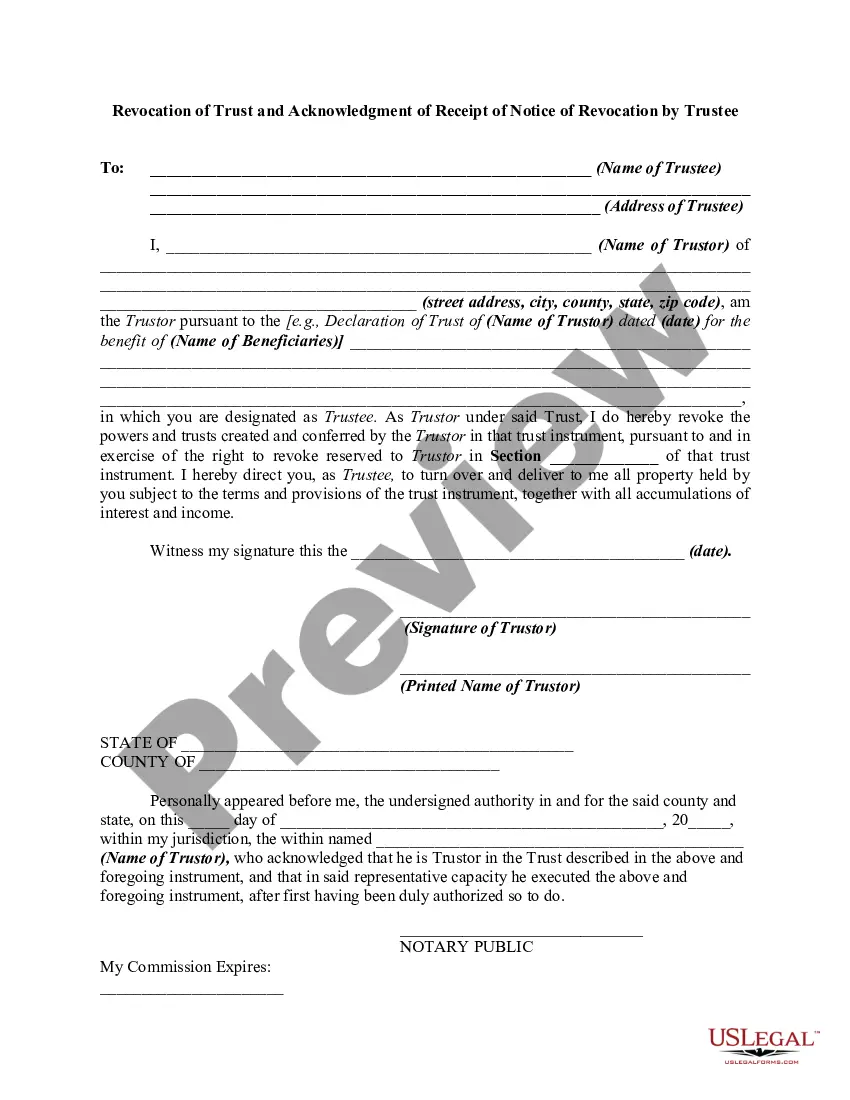

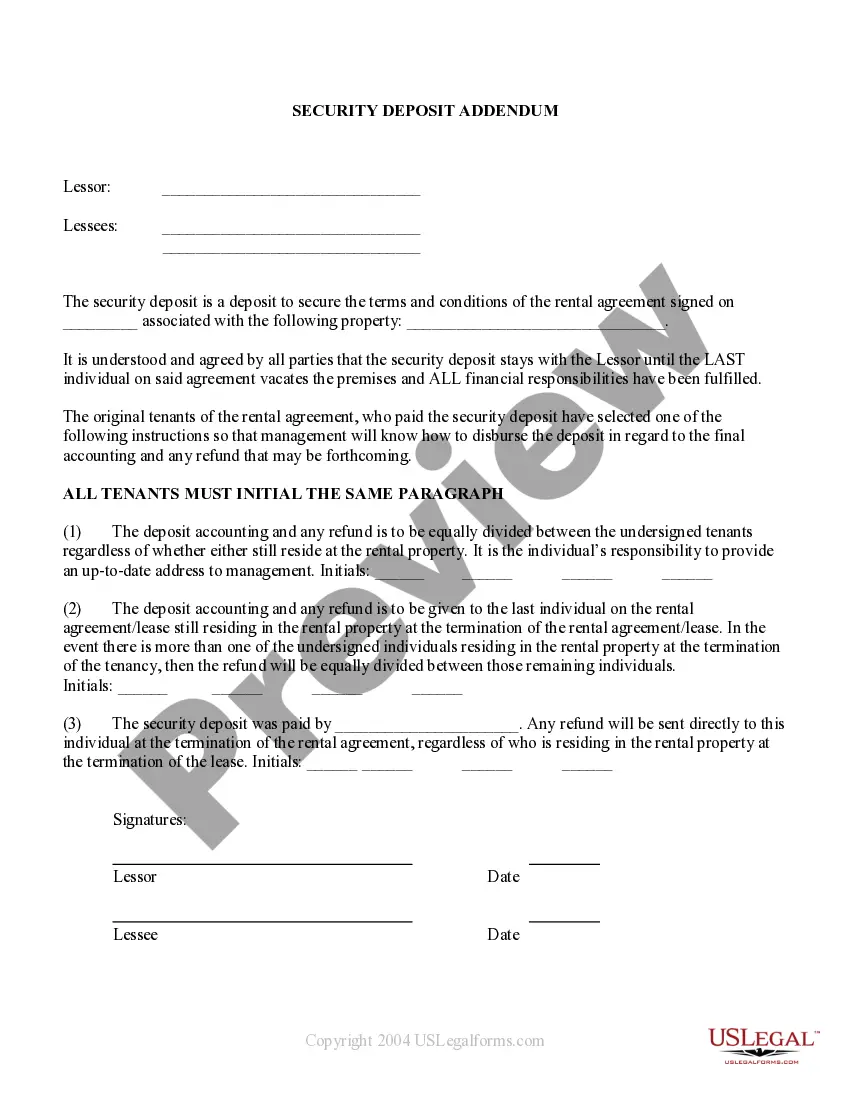

How to fill out Certificate Or Memorandum Of Trust Agreement?
- If you are an existing user, log in to your account and verify your subscription status before downloading the desired form template.
- For first-time users, start by checking the Preview mode and form descriptions to ensure the selected document meets your specific needs and local jurisdiction standards.
- If you need a different form, use the Search tab to locate alternatives that fit your requirements.
- Once you find the appropriate document, click on the Buy Now button and select your preferred subscription plan while registering an account for access.
- Proceed to make a payment using your credit card or PayPal, securing access to all library resources.
- After your purchase is complete, download the template to your device. You can also revisit your purchases anytime from the My Forms section of your account.
By following these steps, you can quickly access legal forms tailored to your needs, making the process seamless and efficient.
Discover the benefits of using US Legal Forms today and empower your legal journey. Start now and simplify your document management!
Form popularity
FAQ
Documenting income from a Forma trust requires maintaining accurate records of all income received. This includes bank statements, investment income statements, and any other relevant financial documents. Keeping organized records will help you accurately report income and fulfill tax obligations.
Filling out a trust fund involves creating a formal document that outlines the assets, beneficiaries, and terms of the Forma trust. You must clearly specify how assets will be managed and distributed. Platforms like uslegalforms can simplify this process by providing easy-to-use templates that guide you in creating an effective trust document.
Yes, income generated by a Forma trust must be reported to the IRS. The trust itself is responsible for filing Form 1041, and the income is taxed at the trust's tax rate. Beneficiaries must also report their share of income as stated in their Schedule K-1.
To report income from a Forma trust, you typically complete IRS Form 1041, where you will detail the trust’s income, deductions, and distributions. If beneficiaries receive distributions, they will also report their share of the income on their individual tax returns using Schedule K-1. This ensures all parties are compliant with tax obligations.
Yes, a Forma trust can deduct certain expenses incurred during its operation. These expenses may include administrative expenses, legal fees, and tax preparation fees. It is important to keep clear records and ensure that these expenses are ordinary and necessary for the consistent management of the trust.
Typically, a Forma trust requires filing IRS Form 1041, along with any necessary schedules to report income, deductions, and tax liability. Depending on the trust's structure, beneficiaries may also receive a Schedule K-1 detailing income distributions, which they must report on their personal tax returns.
Filing income from a Forma trust involves reporting the income on the appropriate tax forms. Generally, the main form used for trusts is the IRS Form 1041. Ensure you gather all income sources, deductions, and credits related to the trust to accurately complete your filing.
The time it takes to forma trust can vary widely based on the complexity of the trust and the speed of documentation. Generally, a simple trust can be established within a few days if all documents are correctly prepared. However, more complex trusts may require additional time to finalize. Utilizing resources from UsLegalForms can streamline this process, helping you forma trust efficiently.
To create a valid trust, the following requirements must be met: there should be a settlor, the trust should have a specific purpose, identifiable beneficiaries must be named, there should be valid trust property, and a trustee must be appointed. Each component plays a crucial role in ensuring your trust operates as intended. Accurately fulfilling these requirements ensures that you successfully forma trust.
To determine if a trust is valid, you should check for clear documentation, proper signatures, and the presence of the required elements, such as a trustee and beneficiaries. Additionally, the trust must comply with state laws. It is advisable to consult legal resources or professionals like those available on the UsLegalForms platform to ensure all criteria are met. This will help you confidently confirm that your forma trust is valid.