Suppress Evidence When For A Function
Description
Get your form ready online
Our built-in tools help you complete, sign, share, and store your documents in one place.
Make edits, fill in missing information, and update formatting in US Legal Forms—just like you would in MS Word.
Download a copy, print it, send it by email, or mail it via USPS—whatever works best for your next step.
Sign and collect signatures with our SignNow integration. Send to multiple recipients, set reminders, and more. Go Premium to unlock E-Sign.
If this form requires notarization, complete it online through a secure video call—no need to meet a notary in person or wait for an appointment.
We protect your documents and personal data by following strict security and privacy standards.

Make edits, fill in missing information, and update formatting in US Legal Forms—just like you would in MS Word.

Download a copy, print it, send it by email, or mail it via USPS—whatever works best for your next step.

Sign and collect signatures with our SignNow integration. Send to multiple recipients, set reminders, and more. Go Premium to unlock E-Sign.

If this form requires notarization, complete it online through a secure video call—no need to meet a notary in person or wait for an appointment.

We protect your documents and personal data by following strict security and privacy standards.
Looking for another form?
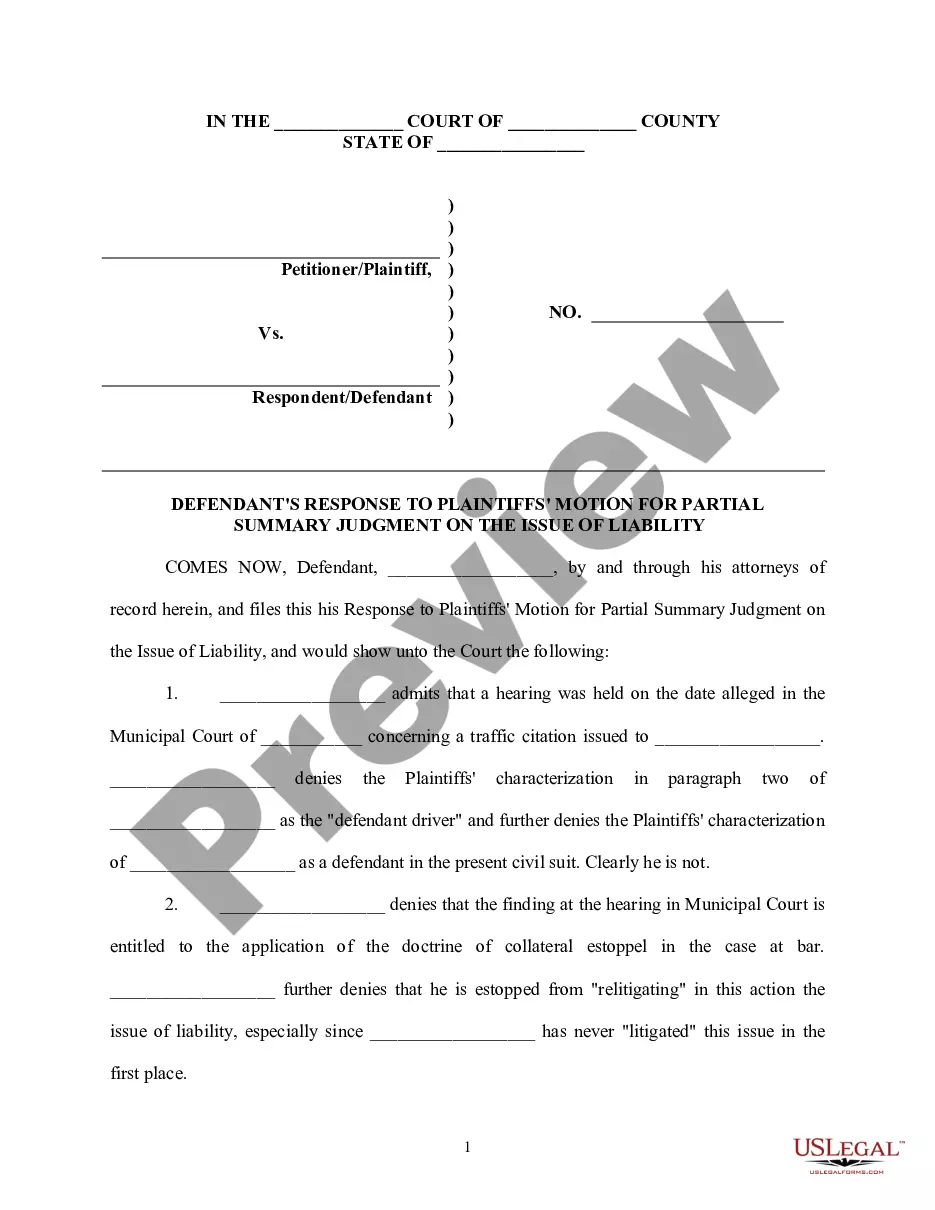
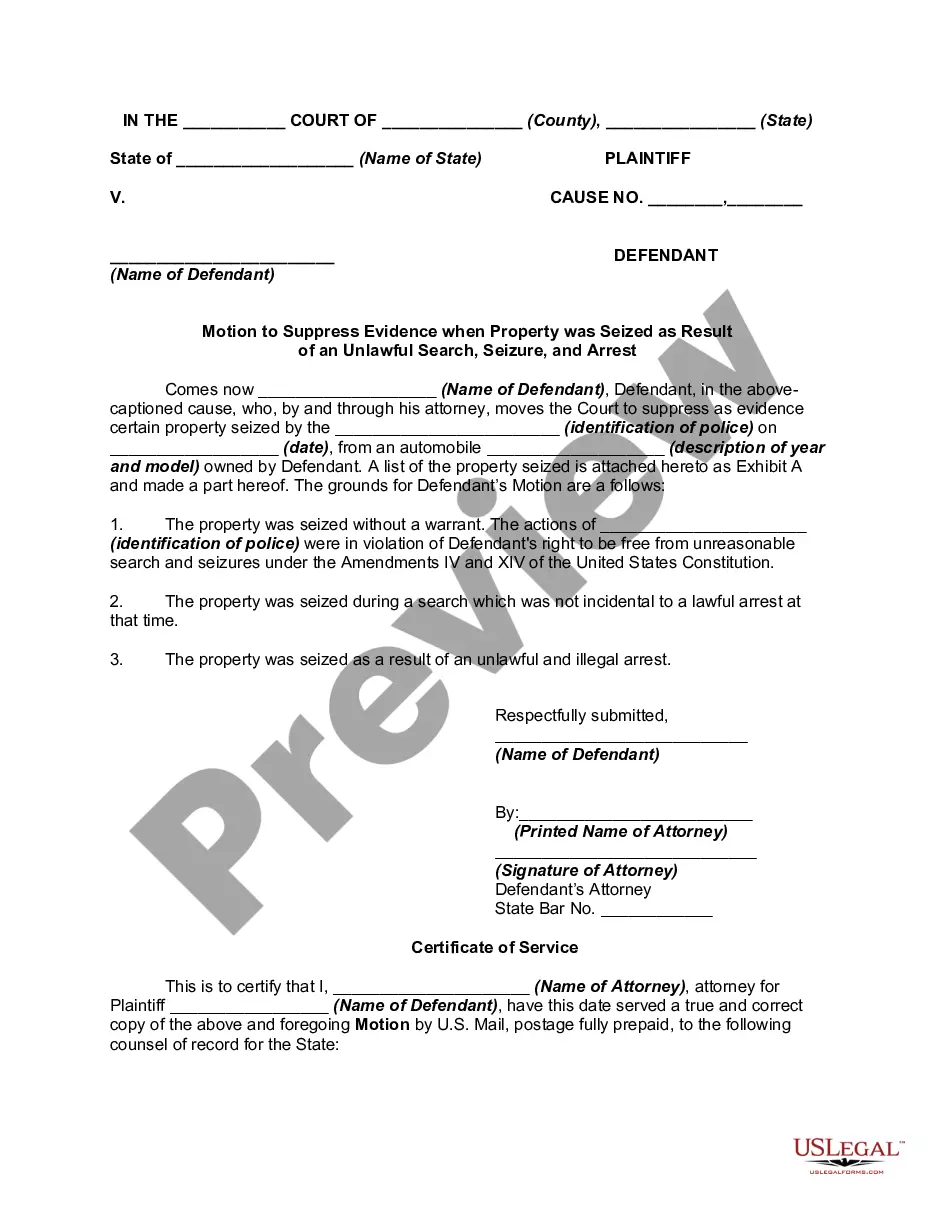
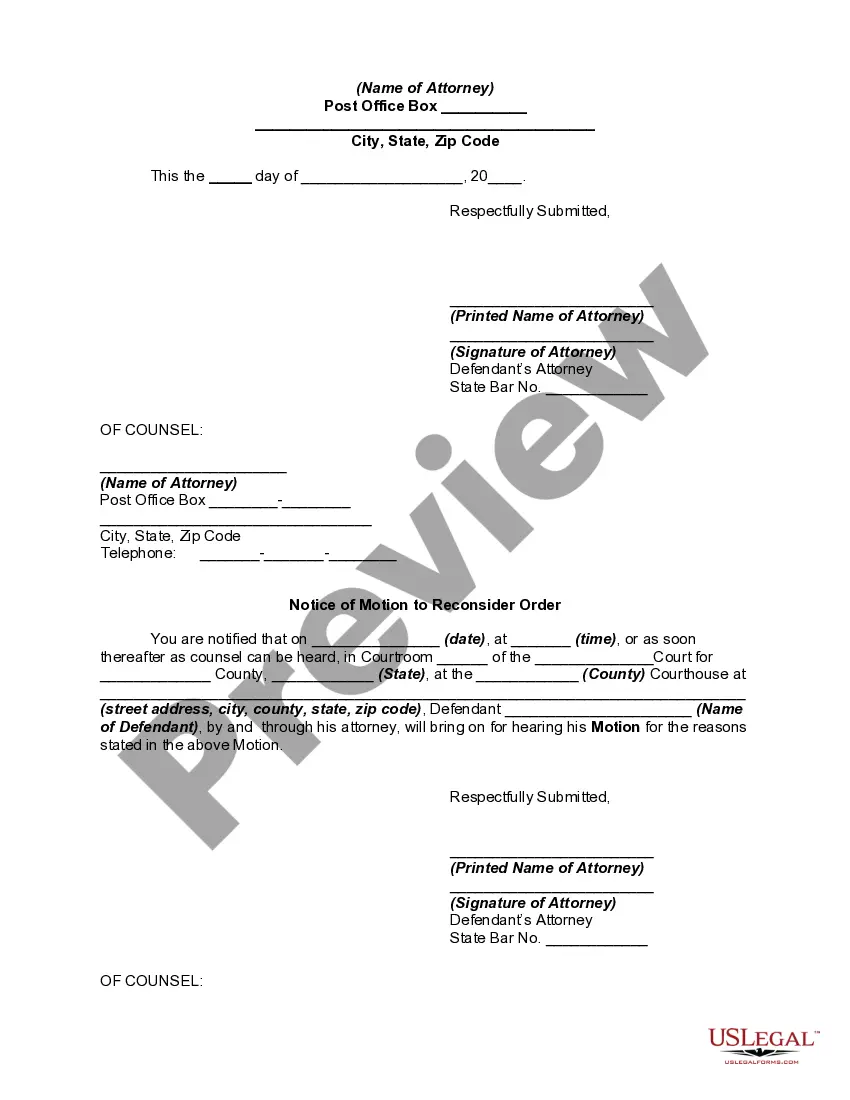
How to fill out Motion To Suppress Evidence When Property Was Seized As Result Of An Unlawful Search, Seizure, And Arrest?
- If you're a returning user, log in to your account. Ensure your subscription is active before downloading the necessary template by clicking the Download button.
- For first-time users, begin by reviewing the Preview mode and form description. Confirm that the template aligns with your requirements and complies with your local jurisdiction.
- If you need a different template, use the Search function to find one that matches your needs. Once found, proceed to the next step.
- Select the document you wish to purchase by clicking on the Buy Now button and choose your preferred subscription plan. You'll need to register an account to access the resources.
- Complete your purchase by entering your credit card information or utilizing your PayPal account to pay for the subscription.
- Finally, download your form and store it on your device. You can access it later in the My Forms section of your profile.
Ultimately, US Legal Forms simplifies the legal documentation process, empowering you with the tools and templates needed to create accurate and reliable legal documents.
Start your journey with US Legal Forms today and ensure you're equipped with the right forms for all your legal needs!
Form popularity
FAQ
Generally, illegally obtained evidence can qualify for suppression. This includes items acquired without proper warrants or through coercive practices. If law enforcement violated your rights during a search, you may have grounds to suppress evidence when for a function. Utilizing platforms like USLegalForms can help navigate these complexities effectively.
Motions to suppress can be effective in protecting your rights. Success often depends on the specifics of your case and the evidence in question. Courts consider various factors, including whether the evidence was obtained legally. Therefore, understanding how to suppress evidence when for a function can significantly impact your defense strategy.
The basis for a motion to suppress typically involves claims that law enforcement violated constitutional rights while obtaining evidence. This can include unlawful searches, lack of probable cause, or failure to provide Miranda warnings. Knowing how to suppress evidence when for a function is crucial in building a strong defense. Utilizing resources such as US Legal Forms can assist in understanding and executing this process correctly.
In a motion to suppress, the burden of proof generally lies with the defendant. This means the defendant must provide sufficient evidence to show that the evidence in question should not be allowed in court. A clear understanding of how to suppress evidence when for a function helps in navigating these legal waters confidently. It is advisable to consult legal experts to ensure you meet this burden effectively.
The 4th Amendment suppression of evidence refers to the legal principle that protects citizens from unreasonable searches and seizures. When evidence is obtained in violation of this amendment, it can be deemed inadmissible in court. This safeguard enables defendants to suppress evidence when for a function, ensuring a fair trial. Familiarizing yourself with these rights is essential for anyone involved in legal proceedings.
To get evidence thrown out of court, you typically must file a motion to suppress, outlining the reasons why the evidence should be excluded. This process involves demonstrating that the evidence was obtained in violation of constitutional rights, such as through illegal searches. Understanding how to suppress evidence when for a function can strengthen your defense and potentially alter the trial's outcome. Engaging with knowledgeable legal professionals can provide clarity on this critical step.
Yes, a judge can deny evidence during a trial if it was obtained unlawfully or does not meet legal standards for admissibility. This often happens in motions to suppress where the defense argues that the evidence does not comply with constitutional protections. The ability to suppress evidence when for a function frequently gives defendants a fighting chance in court. It is crucial to understand these processes and how they protect your rights.
Evidence that can be suppressed generally includes anything obtained through unlawful search and seizure, or violation of due process rights. This may encompass physical evidence, witness testimony, or statements made without proper legal safeguards. If you believe evidence was collected illegally, it may be essential to explore options to suppress evidence when for a function. Consult with legal experts to understand the nuances of your specific situation.
The standard of proof for a motion to suppress typically requires the defendant to establish that the evidence was obtained unlawfully. This means demonstrating that law enforcement violated constitutional rights when collecting the evidence. In such cases, the court evaluates whether the evidence can be considered reliable or admissible. Understanding how to suppress evidence when for a function can significantly impact the outcome of a case.
Suppression of information happens when details cannot be disclosed due to legal protections or violations of rights. For instance, sensitive information obtained without consent may be suppressed in legal proceedings. Recognizing when to suppress information when for a function can protect individuals from unfair legal practices. Uslegalforms provides tools to help navigate these sensitive situations effectively.