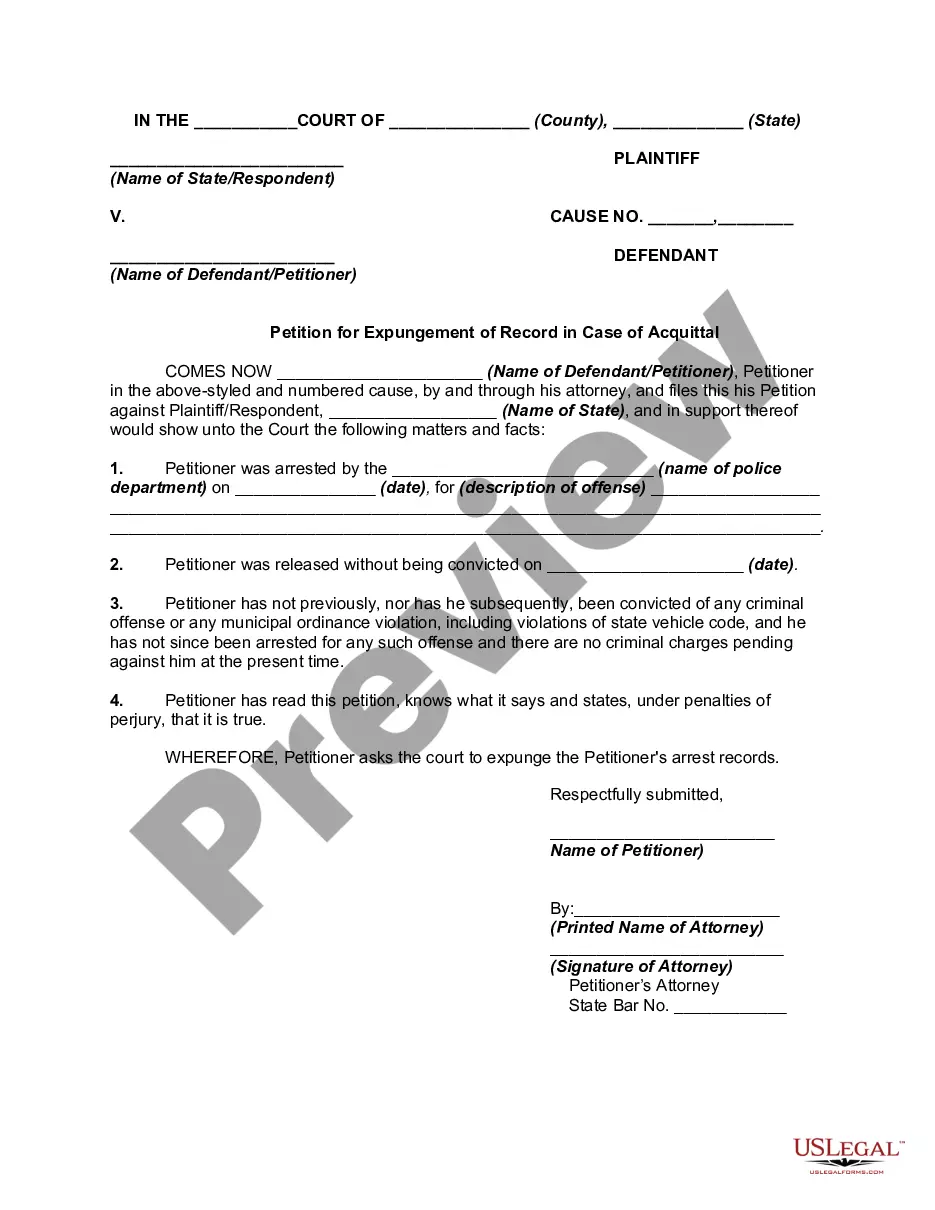
Petition For Expungement With A Criminal Record
Description
Get your form ready online
Our built-in tools help you complete, sign, share, and store your documents in one place.
Make edits, fill in missing information, and update formatting in US Legal Forms—just like you would in MS Word.
Download a copy, print it, send it by email, or mail it via USPS—whatever works best for your next step.
Sign and collect signatures with our SignNow integration. Send to multiple recipients, set reminders, and more. Go Premium to unlock E-Sign.
If this form requires notarization, complete it online through a secure video call—no need to meet a notary in person or wait for an appointment.
We protect your documents and personal data by following strict security and privacy standards.

Make edits, fill in missing information, and update formatting in US Legal Forms—just like you would in MS Word.

Download a copy, print it, send it by email, or mail it via USPS—whatever works best for your next step.

Sign and collect signatures with our SignNow integration. Send to multiple recipients, set reminders, and more. Go Premium to unlock E-Sign.

If this form requires notarization, complete it online through a secure video call—no need to meet a notary in person or wait for an appointment.

We protect your documents and personal data by following strict security and privacy standards.
Looking for another form?
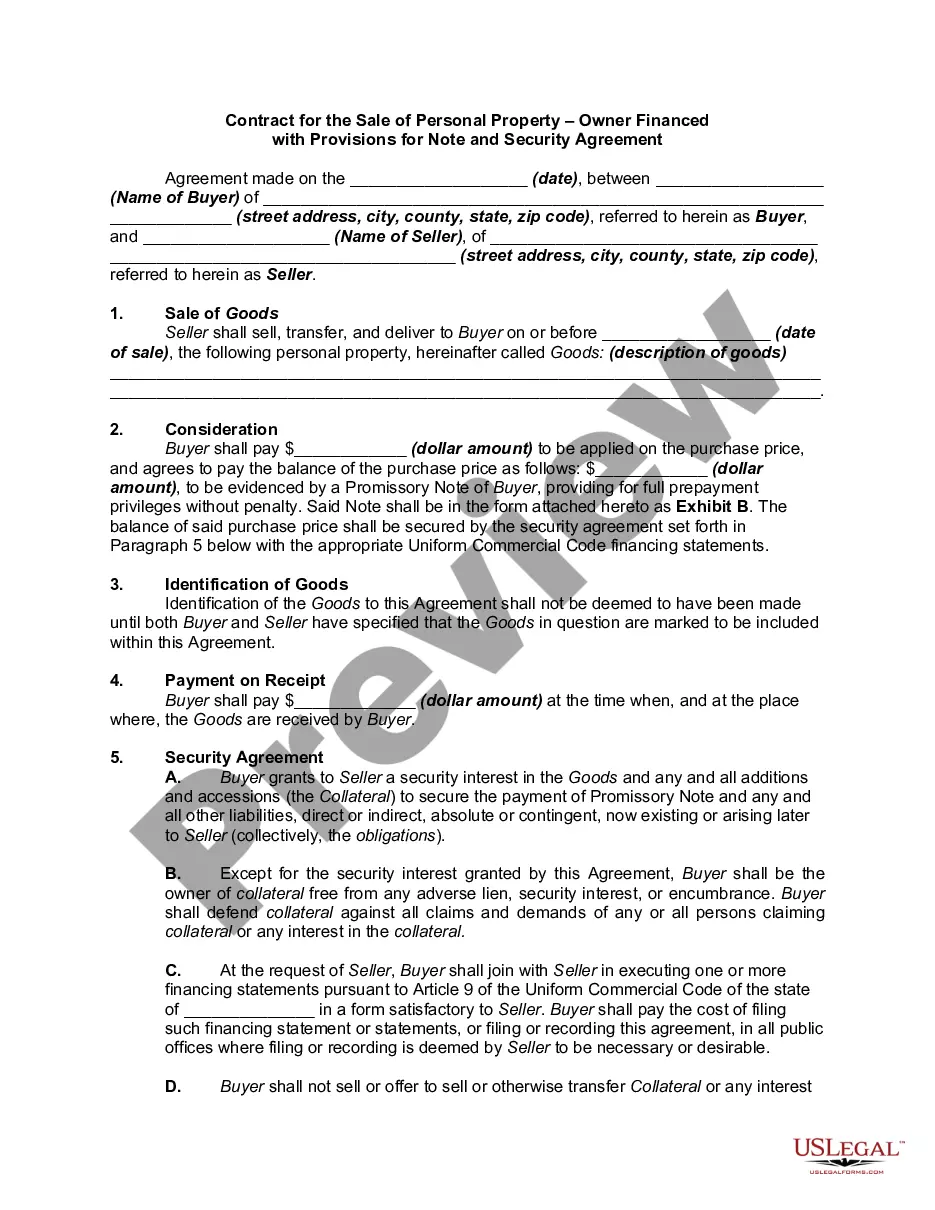
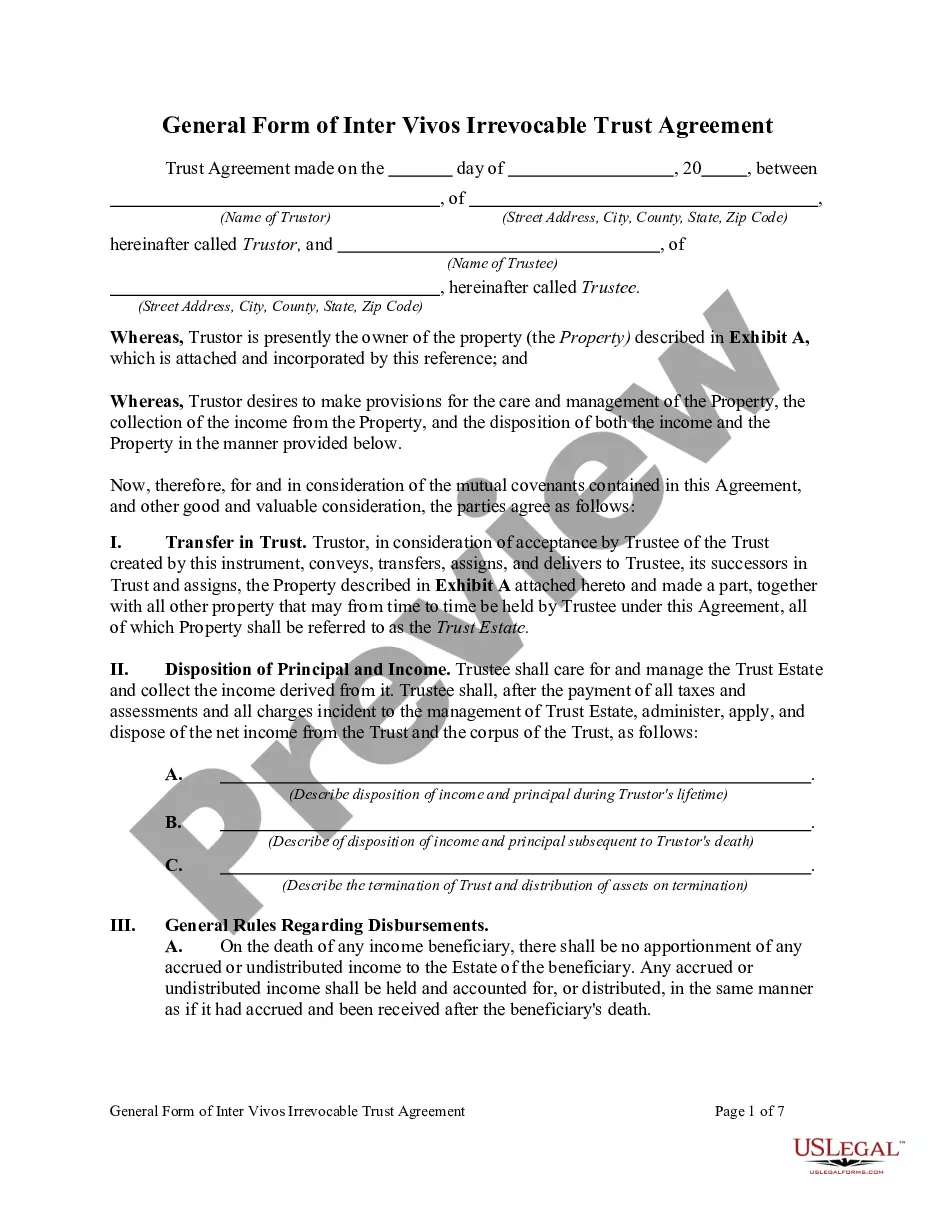

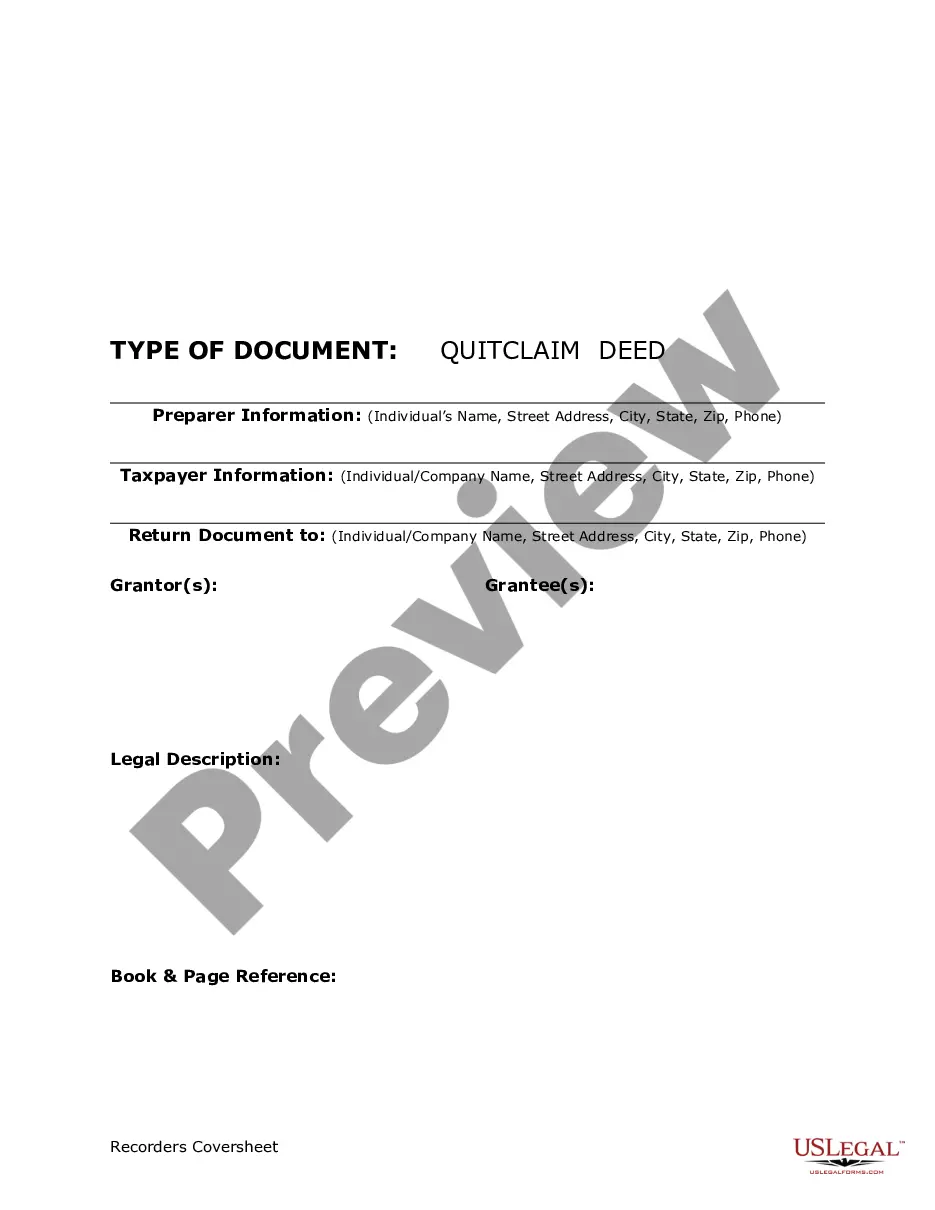

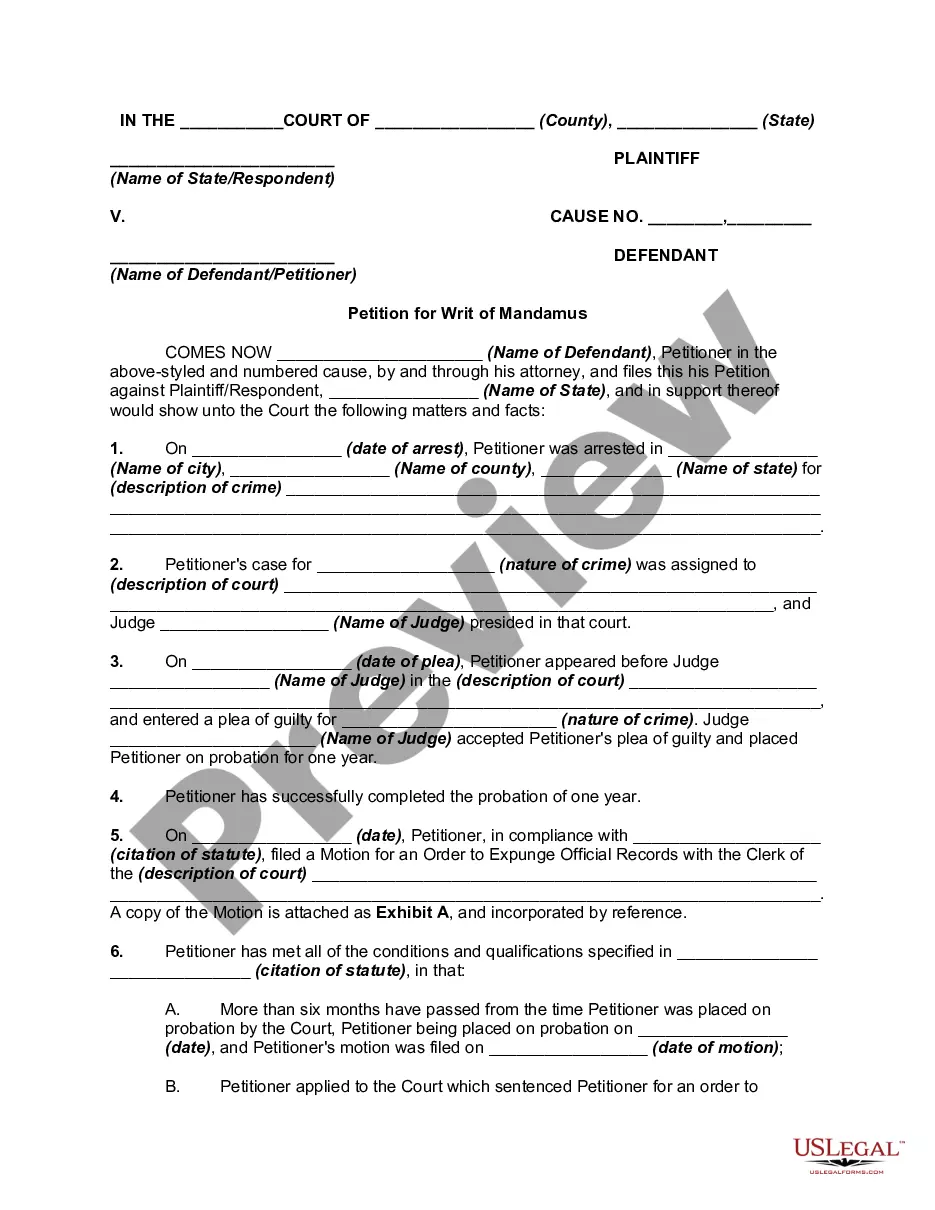
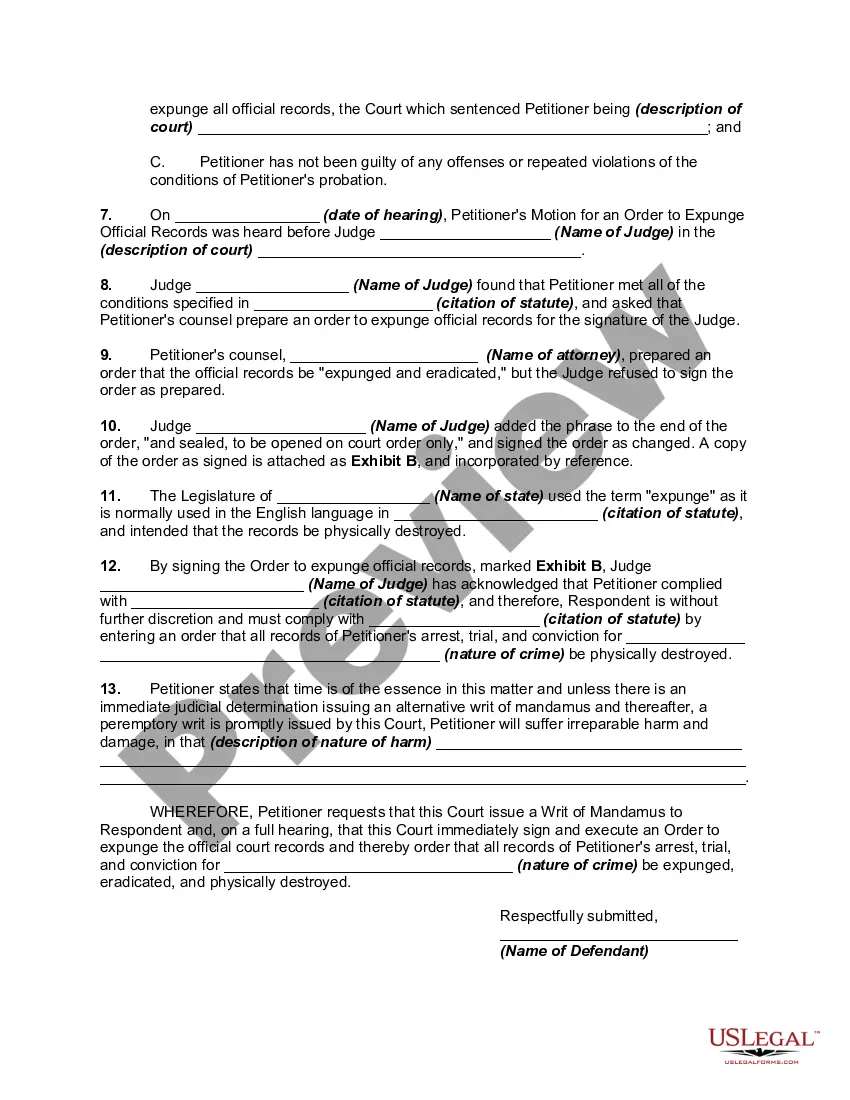
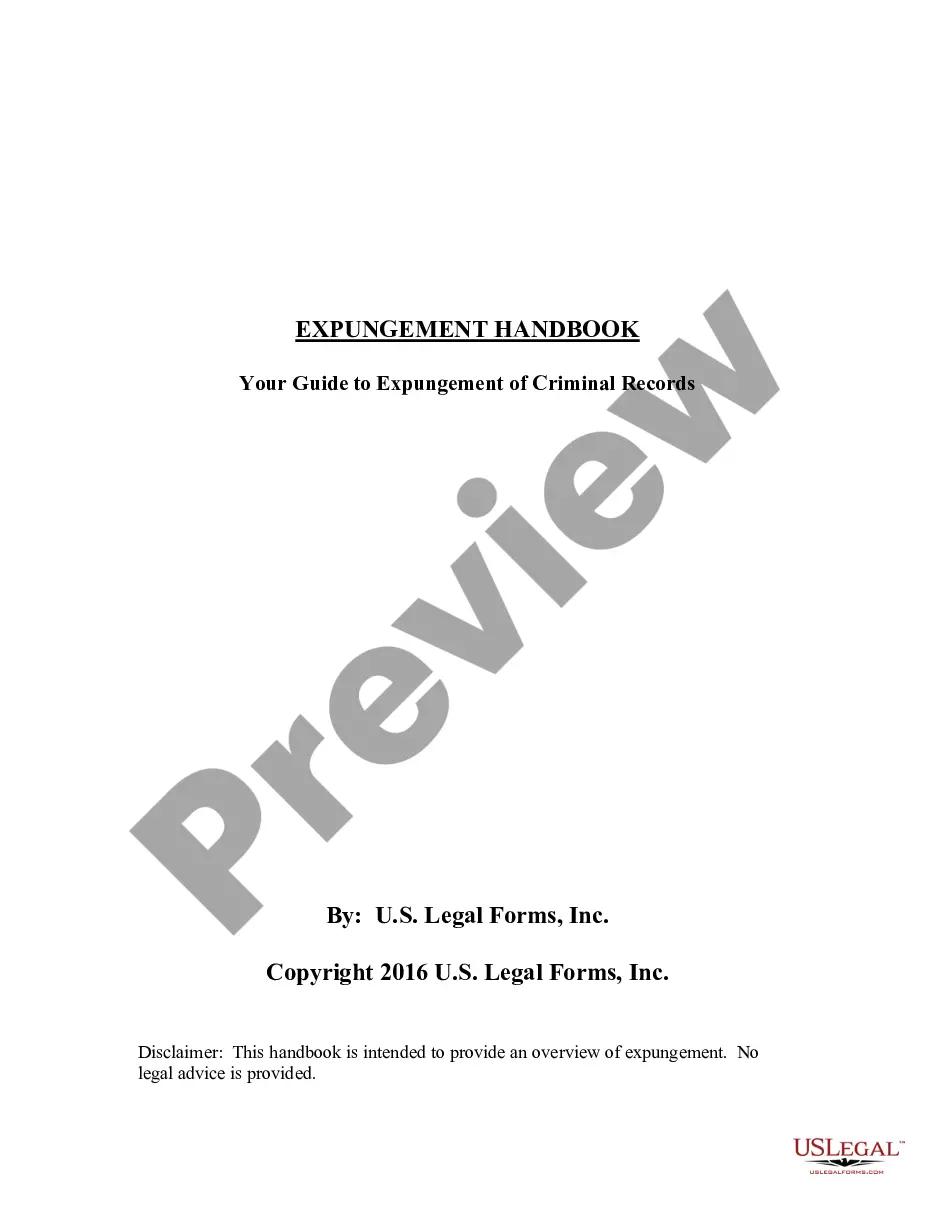
How to fill out Petition For Writ Of Mandamus Or Mandate To Compel Court To Expunge Record Of Arrest, Trial, And Conviction - Expungement?
- Log in to your US Legal Forms account if you are an existing user, or create a new account to get started.
- Browse through the preview mode to ensure the expungement form matches your specific legal needs and complies with local regulations.
- If the initial form isn't suitable, utilize the Search tab to discover other options that better fit your circumstances.
- Once you've found the right form, click on the ‘Buy Now’ button to select your subscription plan and continue with your registration.
- Complete your purchase using your credit card or PayPal, securing access to the extensive library of legal forms.
- Download your expungement form onto your device, ensuring you can access it anytime via the 'My Forms' section of your account.
By following these steps, you can confidently navigate the petition for expungement with a criminal record, empowered by US Legal Forms’ robust library of over 85,000 editable documents.
Begin your process today and take the first step towards a fresh start. Visit US Legal Forms to get started!
Form popularity
FAQ
In Oklahoma, several factors determine what qualifies for expungement, including the nature of the crime and the completion of all sentencing requirements. Generally, misdemeanors and non-violent felonies may qualify, while serious offenses like violent crimes typically do not. It is essential to review the criteria carefully and consider using resources like the US Legal Forms platform to guide you in preparing your petition for expungement with a criminal record.
The clean slate law in Oklahoma allows individuals to petition for the expungement of specific misdemeanor offenses after a period of time. This initiative aims to help people move past their past mistakes by removing the stigma associated with having a criminal record. By understanding this law, you can effectively file a petition for expungement with a criminal record, leading to a clean slate and new opportunities.
The second chance law in Oklahoma provides individuals with an opportunity to remove certain criminal convictions from their records. This law aims to help those who made mistakes in the past reintegrate into society without the burden of a criminal history. When you file a petition for expungement with a criminal record, this law can facilitate that process, clearing the path for a brighter future.
To file a petition for expungement with a criminal record in Oklahoma, individuals must meet certain criteria. Typically, they must have completed their sentence, including any probation or parole. Additionally, the offense must be eligible for expungement under Oklahoma law, meaning that it shouldn't be a violent crime or related to a serious felony. Gathering necessary documentation is crucial to streamline the petition process.
Generally, getting a dismissed case expunged can be easier than expunging a conviction. However, you still need to follow the necessary legal procedures and file a proper petition for expungement with a criminal record. The outcome may depend on factors such as state laws and the specifics of your case. Utilizing resources like USLegalForms can simplify this process and provide the necessary guidance.
When addressing a judge, use respectful and formal language. Clearly state your purpose, in this case, discussing your petition for expungement with a criminal record. Express your sincerity, demonstrate your understanding of the law, and articulate the reasons you believe expungement is appropriate. Remember to stay composed and respectful throughout your discussion.
In your expungement letter, include your personal information, case details, and a brief summary of your criminal history. Emphasize any positive changes you've made since your conviction and how expungement would benefit your life. Be sure to mention your formal petition for expungement with a criminal record, so the judge knows the context of your request.
Writing a letter to a judge for expungement involves being respectful and clear. Start by addressing the judge properly and explaining your situation succinctly. Include details about your petition for expungement with a criminal record, such as the specifics of your case, your rehabilitation efforts, and why you believe expungement is justified.
Judges typically cannot see expunged records. When you file a petition for expungement with a criminal record and it is granted, the record is removed from public view. This means that most individuals, including judges, will not have access to the expunged information. However, there are exceptions, such as certain law enforcement agencies that may still have access for specific purposes.
The process for a petition for expungement with a criminal record in Minnesota can vary based on several factors, including the complexity of the case and the court's schedule. Generally, it may take anywhere from several months to a year to complete. It is important to prepare your petition thoroughly to avoid delays. Utilizing resources like US Legal Forms can help streamline the process and ensure that you meet all necessary requirements efficiently.