Confidential Information With Example
Description
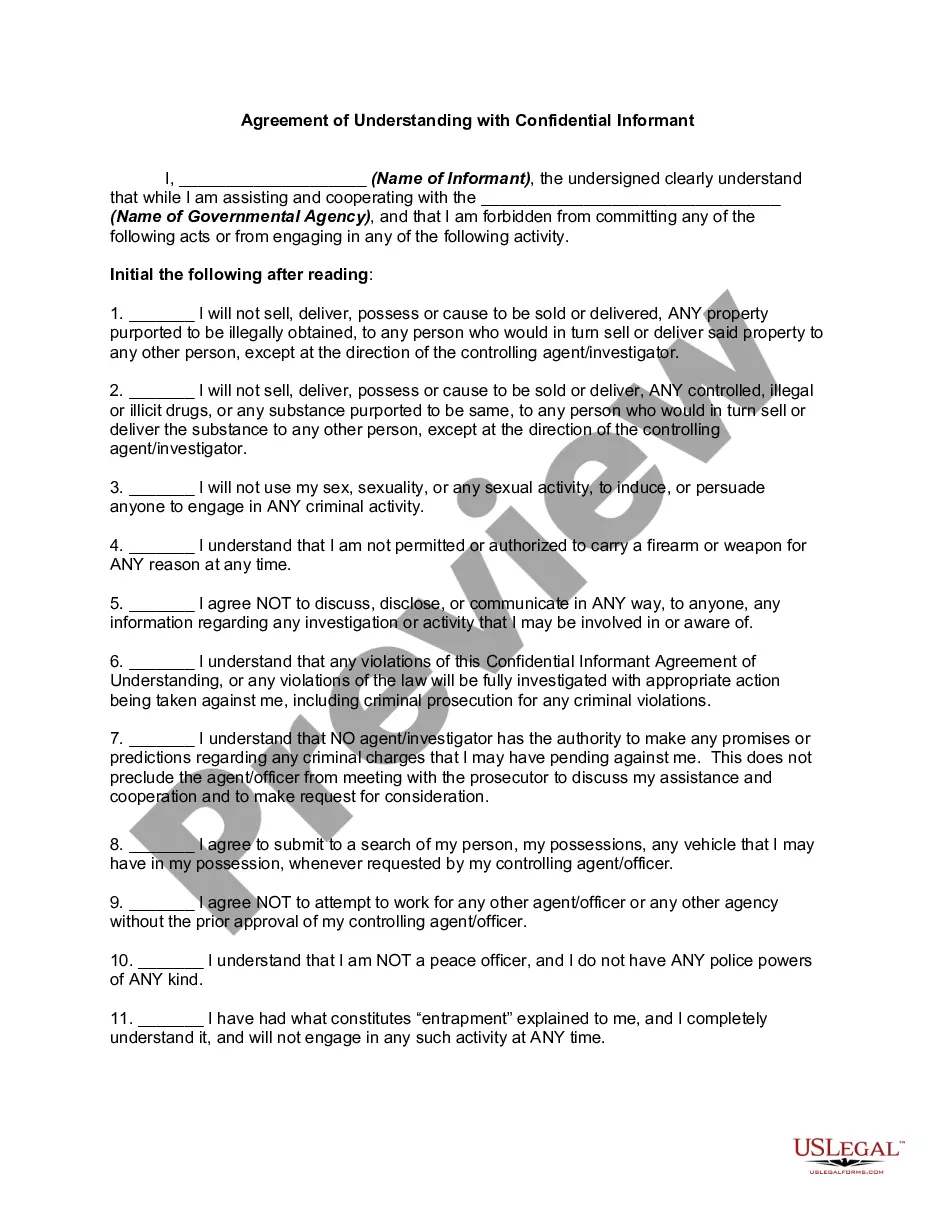
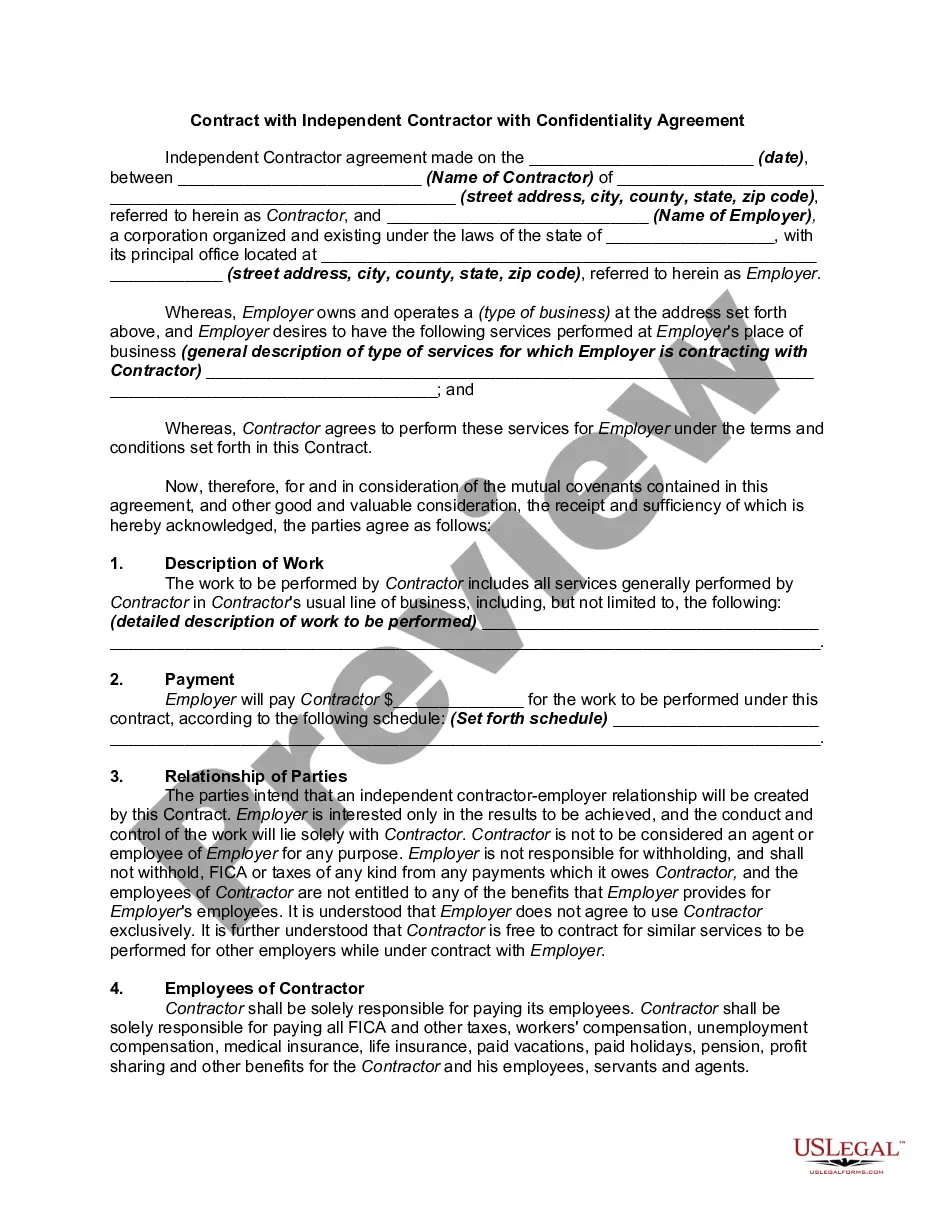
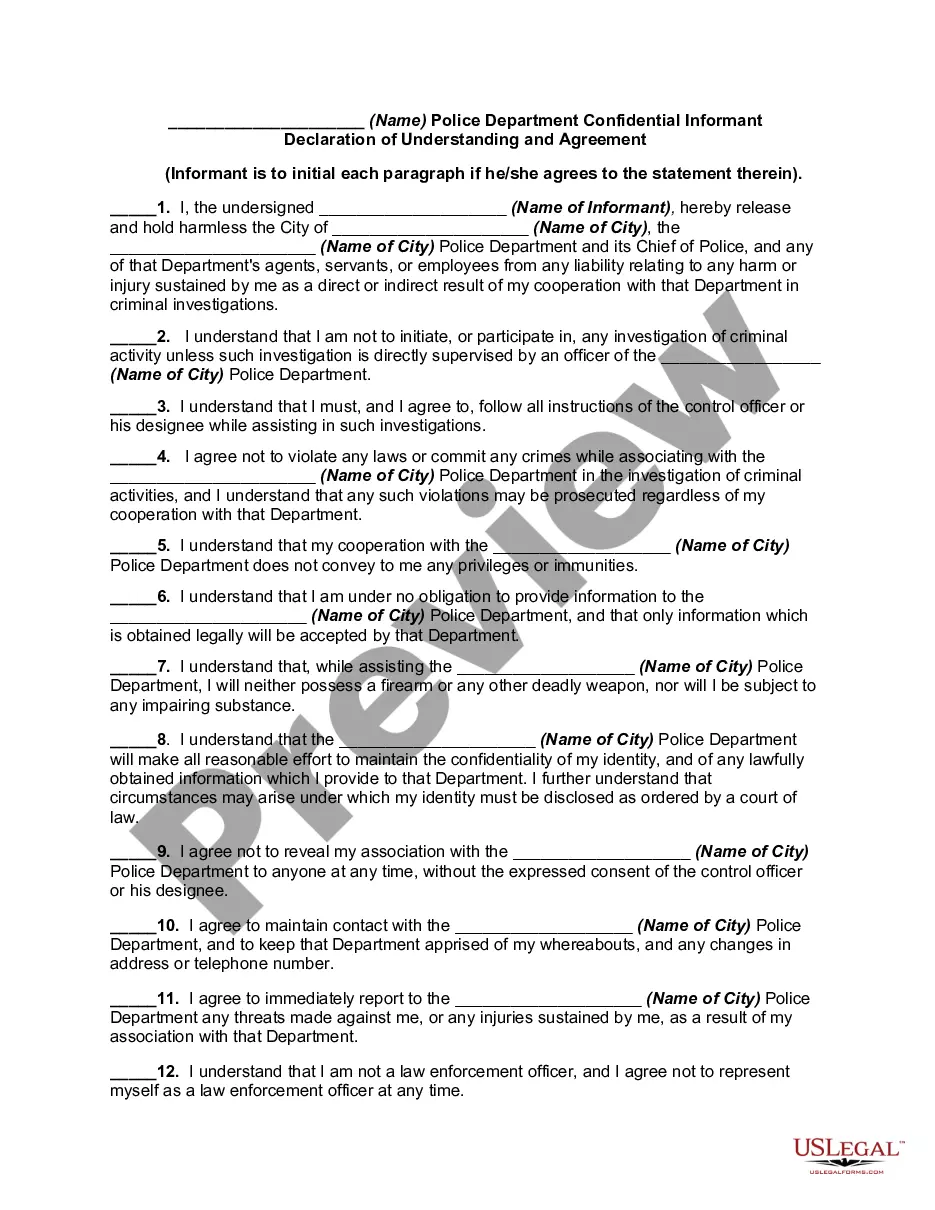
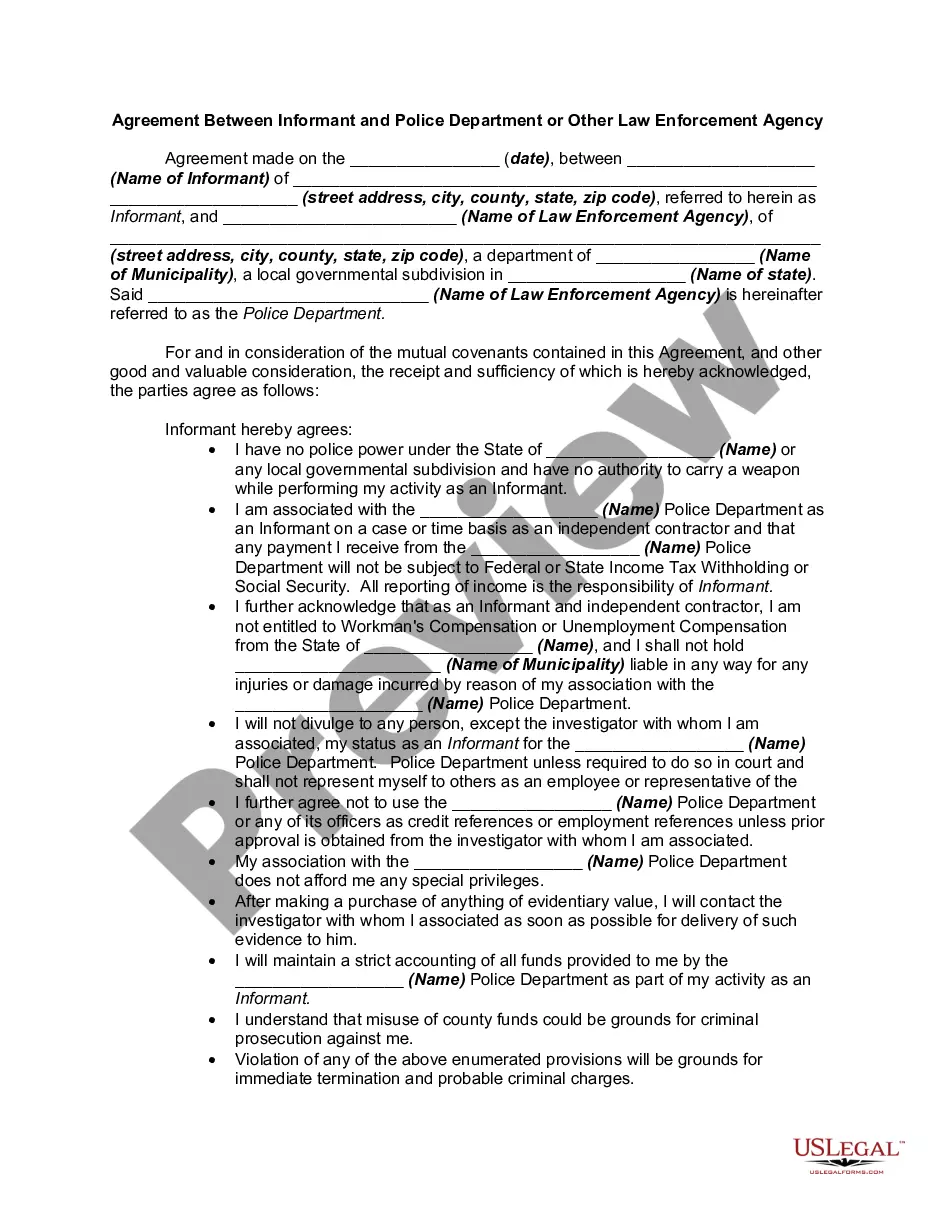


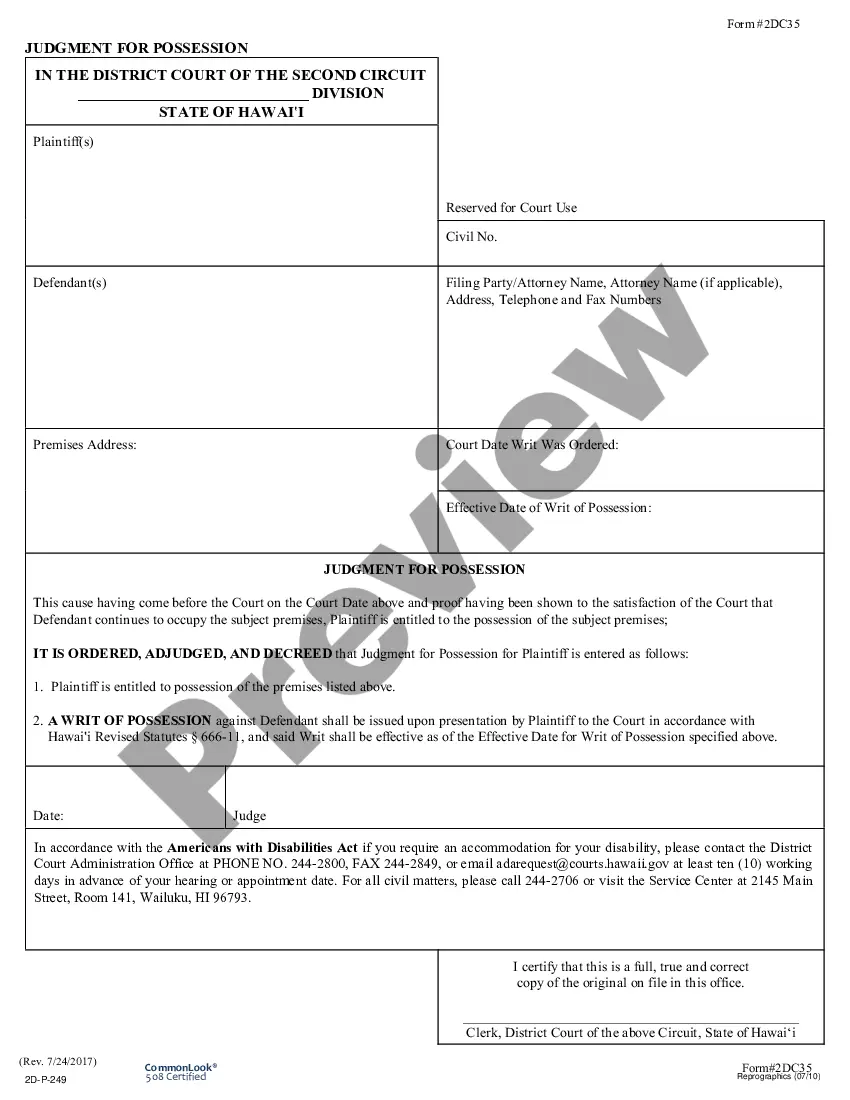

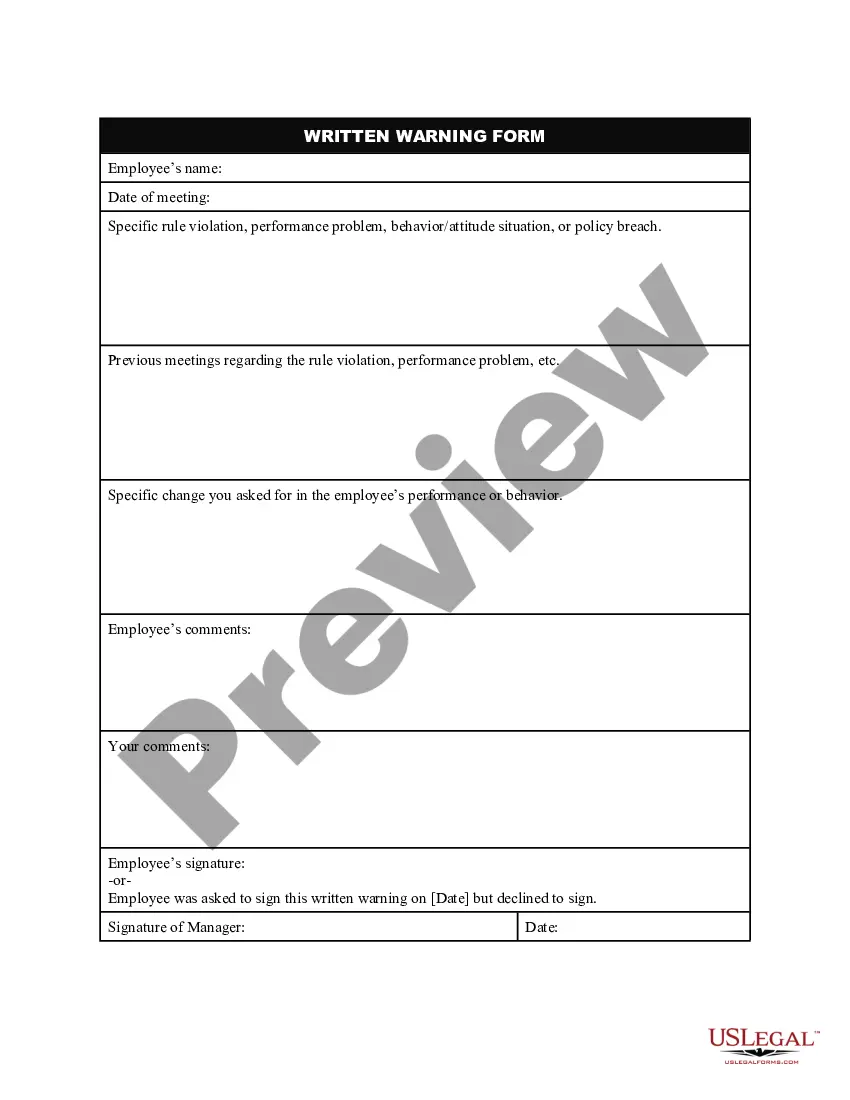
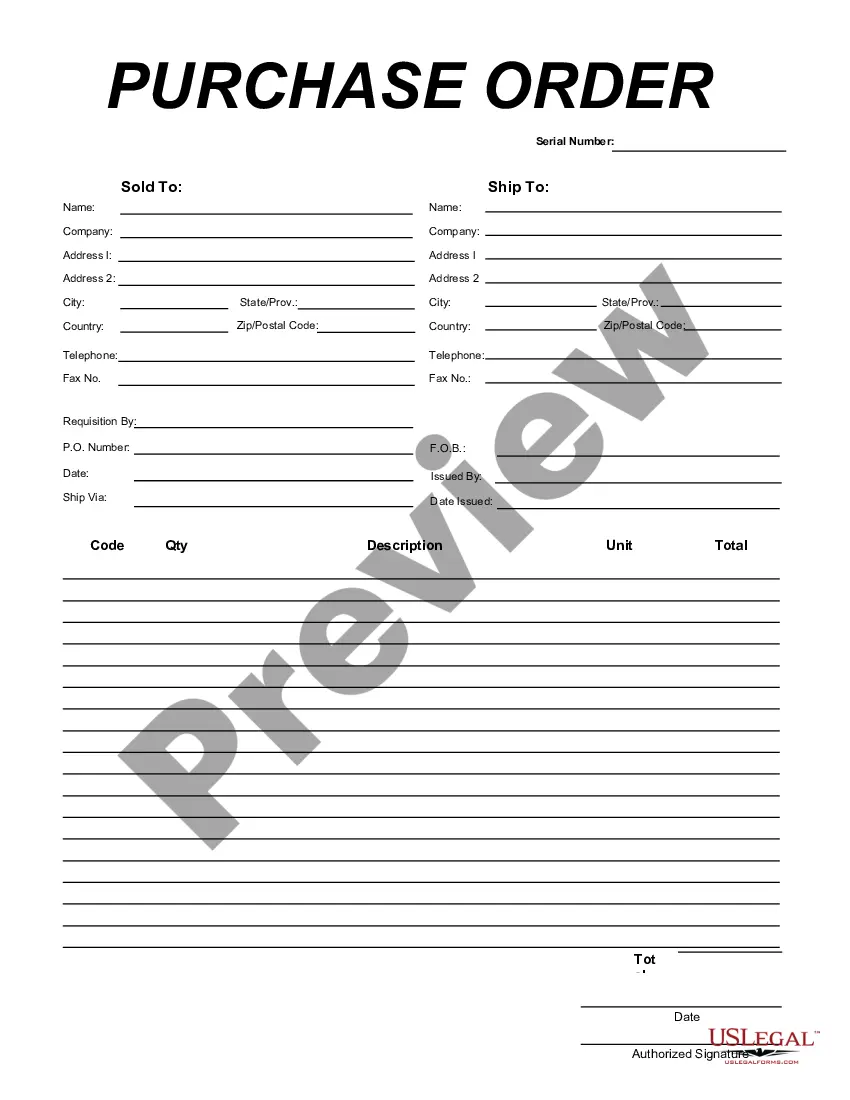
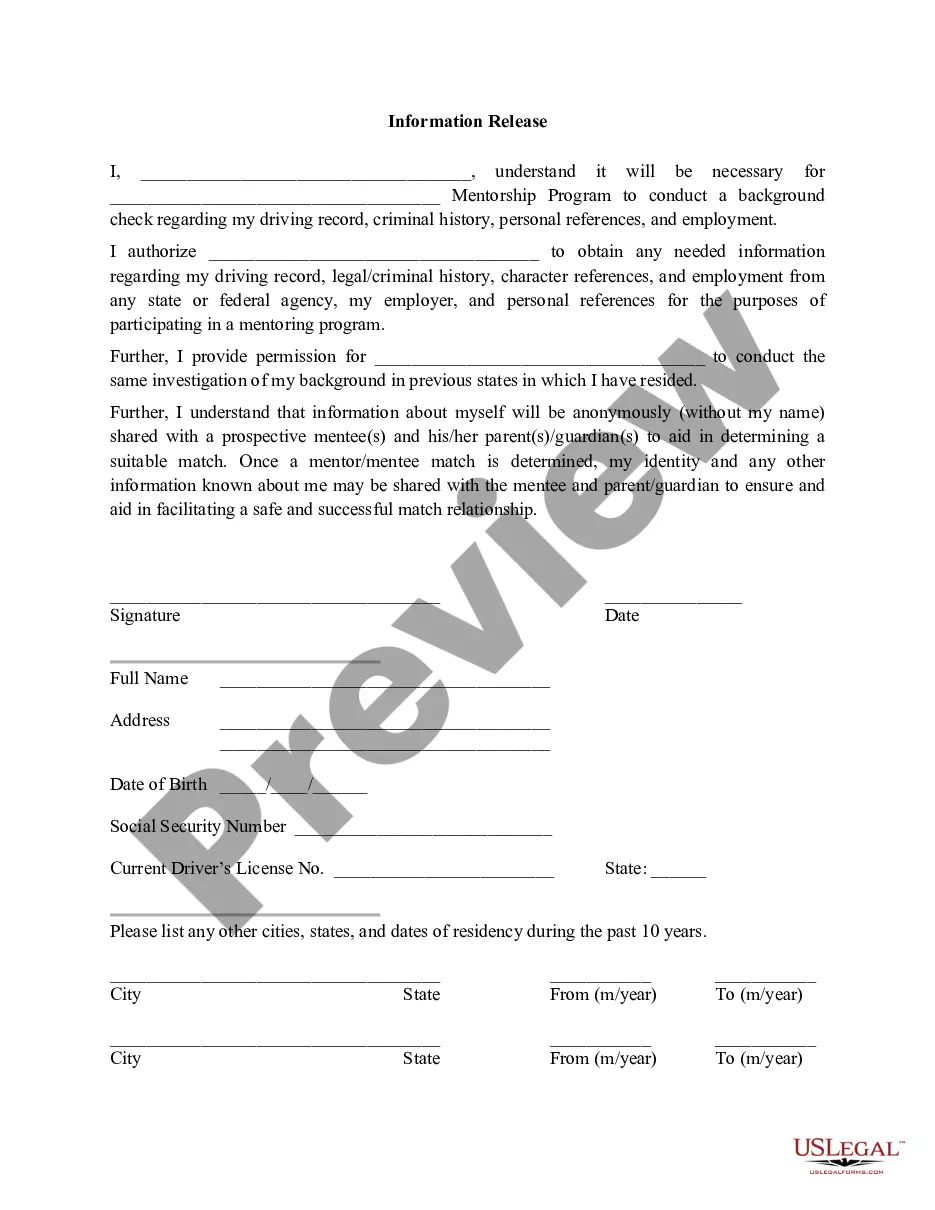
How to fill out Agreement Of Understanding With Confidential Informant?
Whether for corporate reasons or for individual matters, everyone must handle legal issues at some stage in their lives.
Completing legal documents requires meticulous attention, beginning with selecting the correct form template.
Once it is saved, you can fill out the form using editing software or print it and complete it manually. With a comprehensive US Legal Forms catalog available, you never have to waste time hunting for the correct sample online. Utilize the library’s user-friendly navigation to discover the appropriate form for any scenario.
- For example, if you select the incorrect version of the Confidential Information With Example, it will be denied upon submission.
- Thus, it is essential to have a reliable source of legal documents like US Legal Forms.
- If you wish to acquire a Confidential Information With Example template, follow these straightforward steps.
- Obtain the sample you require by using the search bar or catalog browsing.
- Review the form’s details to confirm it aligns with your circumstances, state, and county.
- Click on the form’s preview to examine it.
- If it is the incorrect form, return to the search feature to find the Confidential Information With Example sample you seek.
- Download the template if it satisfies your needs.
- If you possess a US Legal Forms account, simply click Log in to access previously saved documents in My documents.
- If you do not have an account yet, you can acquire the form by clicking Buy now.
- Choose the appropriate pricing option.
- Fill out the account registration form.
- Select your payment method: use a credit card or PayPal account.
- Pick the document format you desire and download the Confidential Information With Example.
Form popularity
FAQ
To give confidential information, first ensure that you are communicating with the right person. Use secure methods such as encrypted emails, secure file sharing services, or in-person meetings to maintain confidentiality. Always provide context and explain why the information is sensitive, helping the recipient understand the importance of handling it appropriately. Platforms like USLegalForms offer templates that facilitate secure information disclosures while maintaining legal protection.
When sharing confidential information, be direct and clear about its status. You might say, 'This information is confidential and should not be shared without permission.' It’s important to establish trust and make expectations explicit to avoid misunderstandings. Using straightforward language helps ensure the recipient understands the significance of keeping this information private.
The five main types of confidentiality include legal confidentiality, medical confidentiality, business confidentiality, academic confidentiality, and personal confidentiality. Each of these types addresses the need to protect sensitive information from unauthorized access. By understanding these categories, you can better manage the confidential information of yourself and others, ensuring it remains secure. Legal platforms like USLegalForms can assist in creating documents that safeguard these confidentiality types.
An example of private information is your Social Security number, which is sensitive and must be protected. This type of confidential information can be misused if it falls into the wrong hands. By keeping this information secure, you help prevent identity theft and maintain personal privacy. Always handle confidential information with caution to avoid potential risks.
A confidentiality issue can arise when sensitive information is leaked publicly, as seen in numerous data breaches. For example, if a company's financial data becomes publicly accessible due to a security flaw, it can severely damage its reputation and trust with clients. Organizations must prioritize confidentiality to prevent such issues. Utilizing platforms like US Legal Forms can provide valuable resources to address and mitigate confidentiality challenges.
Ensuring confidentiality often involves implementing specific security measures. For example, a company may use encryption to protect sensitive emails containing confidential information. Regular training sessions for employees also play a crucial role in promoting awareness about best practices for confidentiality. By emphasizing these strategies, organizations can effectively safeguard confidential information.
Confidentiality in real life is exemplified through legal attorney-client privilege. When a client shares sensitive information with their attorney, that information remains protected and cannot be disclosed without the client's permission. This principle supports open communication and trust in the legal process. Recognizing the significance of confidentiality with this example encourages individuals to seek legal advice with confidence.
An example of confidential information disclosure might occur when an employee accidentally shares secure client data through a public email. This can lead to data breaches and loss of trust from clients. Organizations should have strict protocols for handling confidential information to minimize such risks. Through training and awareness programs, companies can help employees understand the importance of discretion with confidential information.
Confidential information may include trade secrets, customer lists, and financial records in a business context. For instance, a company's proprietary recipe for a popular product is considered confidential information. By safeguarding this sensitive data, businesses can maintain a competitive edge and protect their intellectual property. Thus, understanding what constitutes confidential information with examples can help organizations implement better security measures.
life example of confidentiality can be seen in the healthcare sector. When a patient visits a doctor, the patient's medical history and treatment plans are considered confidential information. Sharing this information without the patient's consent would violate privacy laws and ethical standards. Maintaining confidentiality in healthcare protects patients' rights and fosters trust between healthcare providers and patients.