Unlawful Arrest And Arbitrary Detention
Description
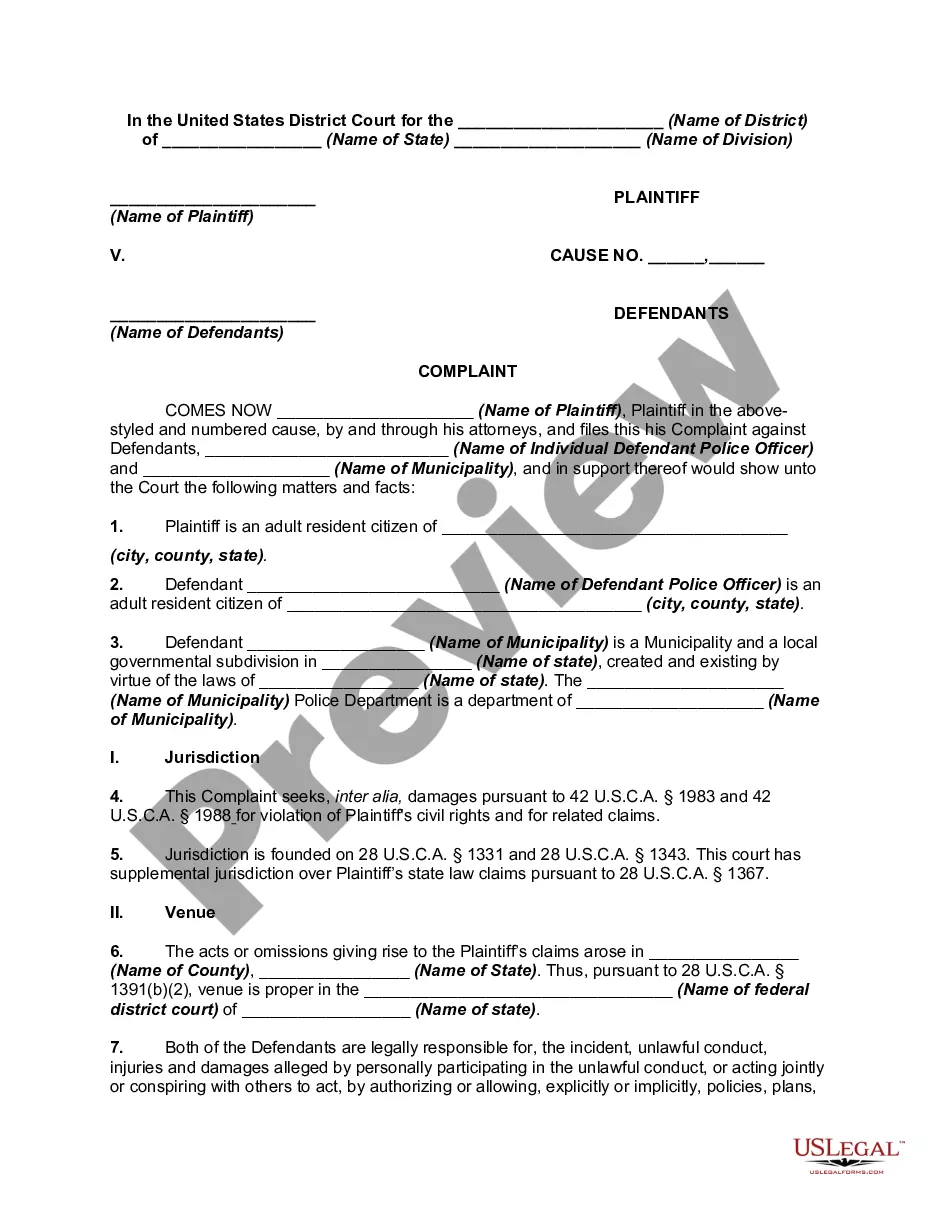
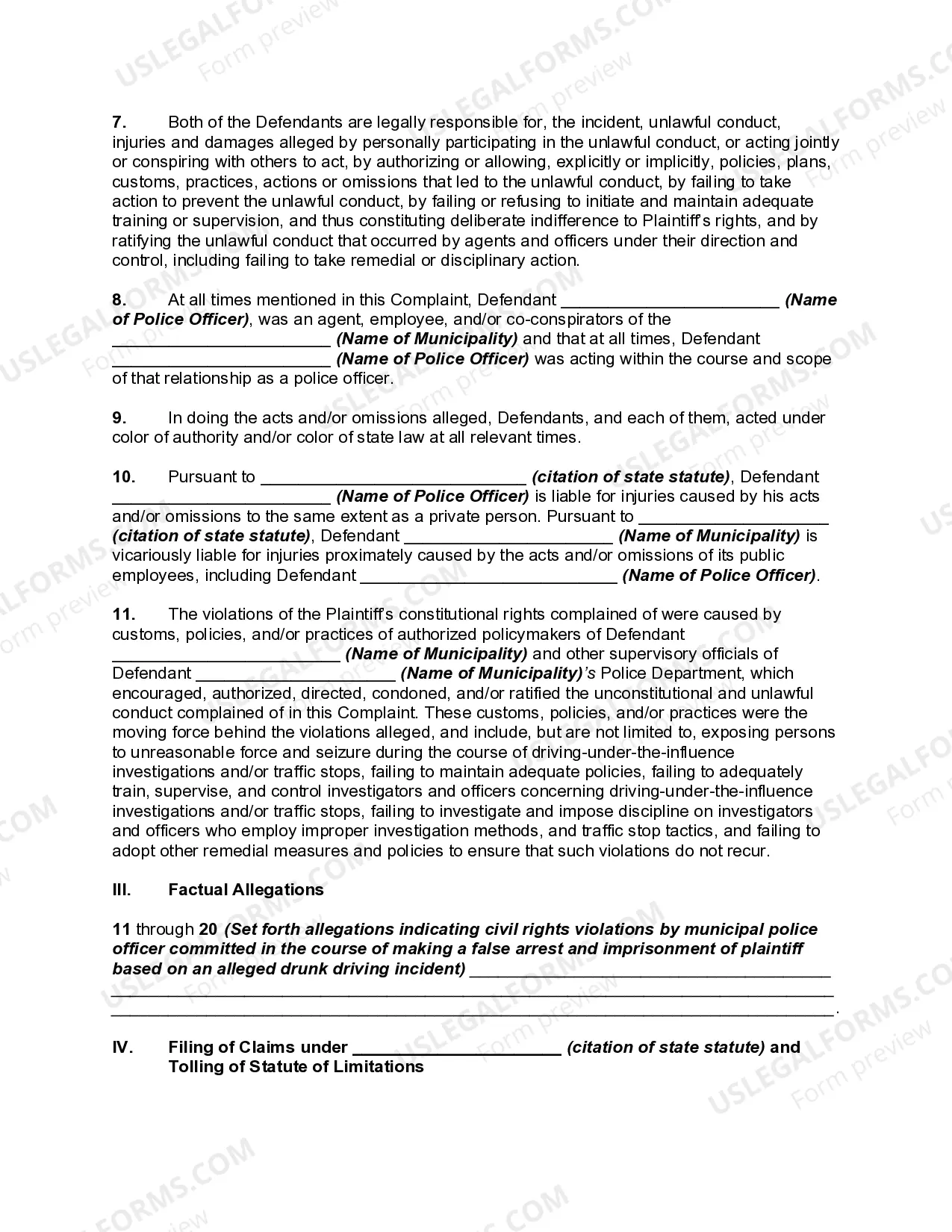
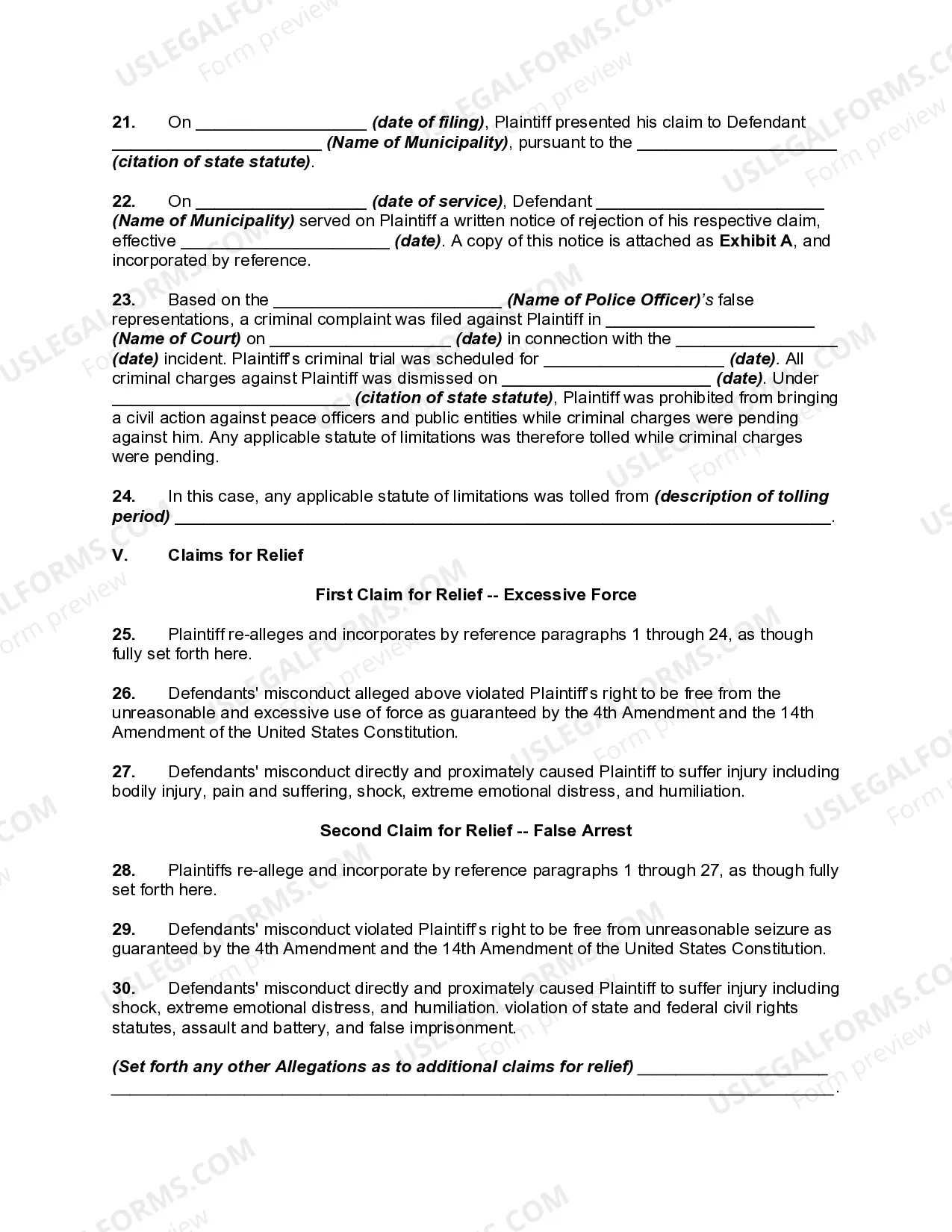
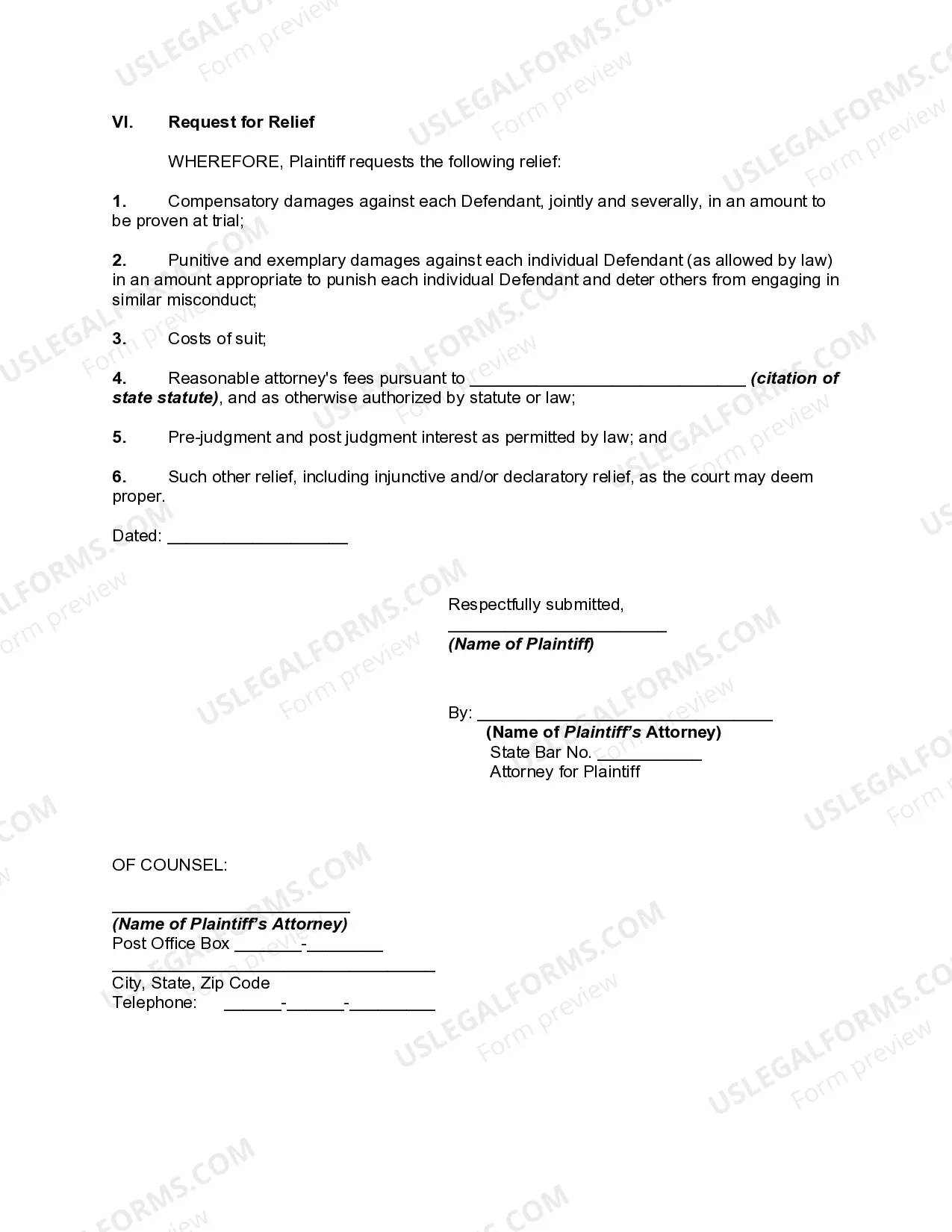


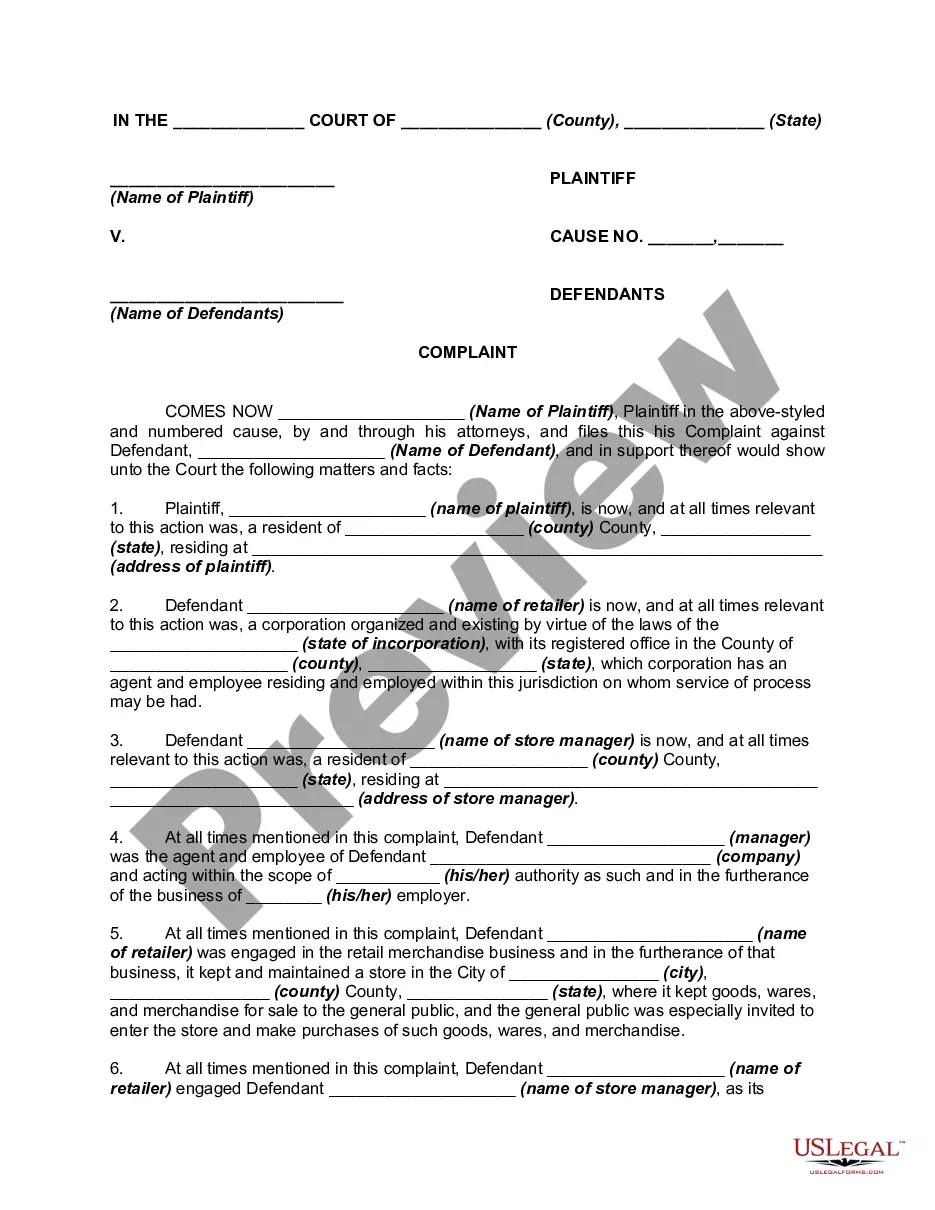
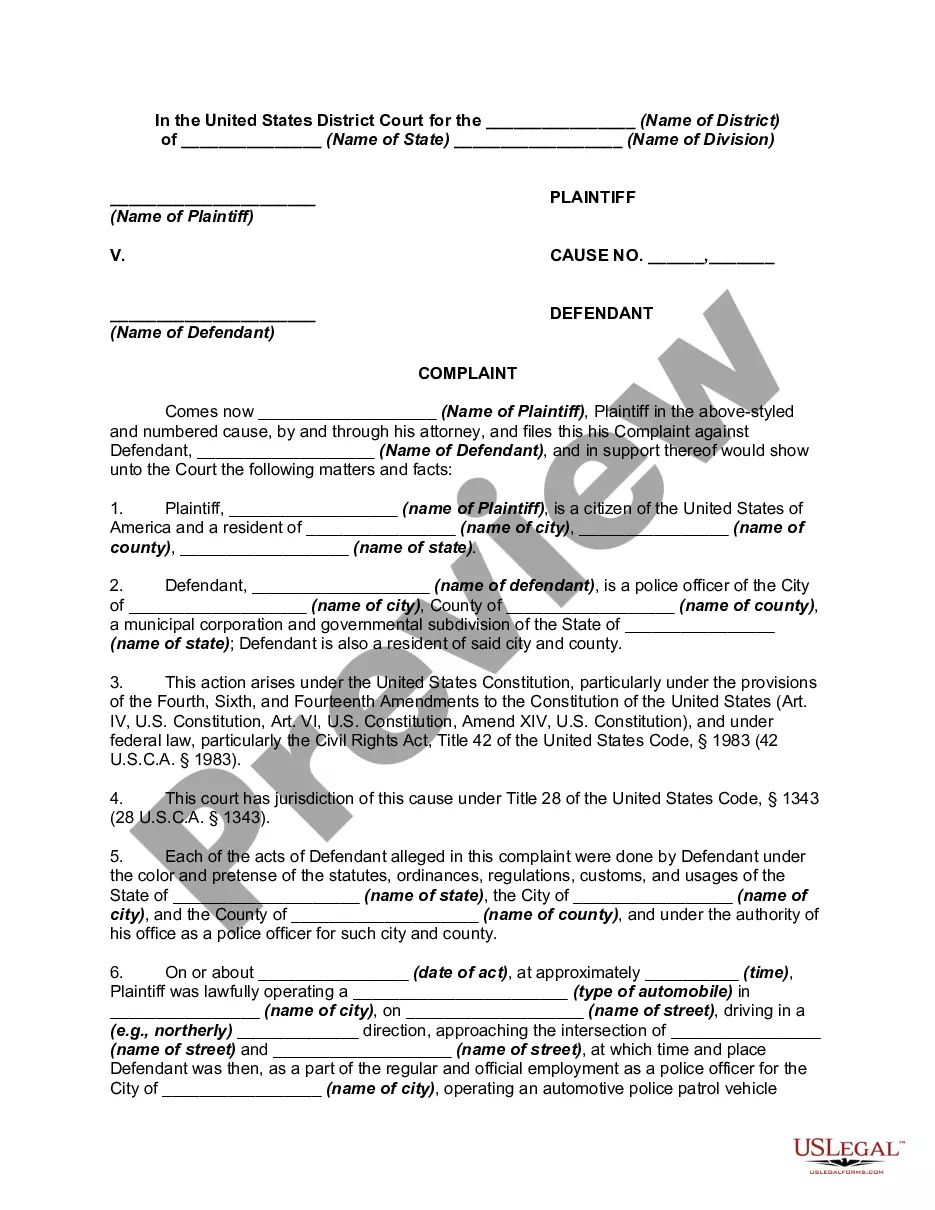
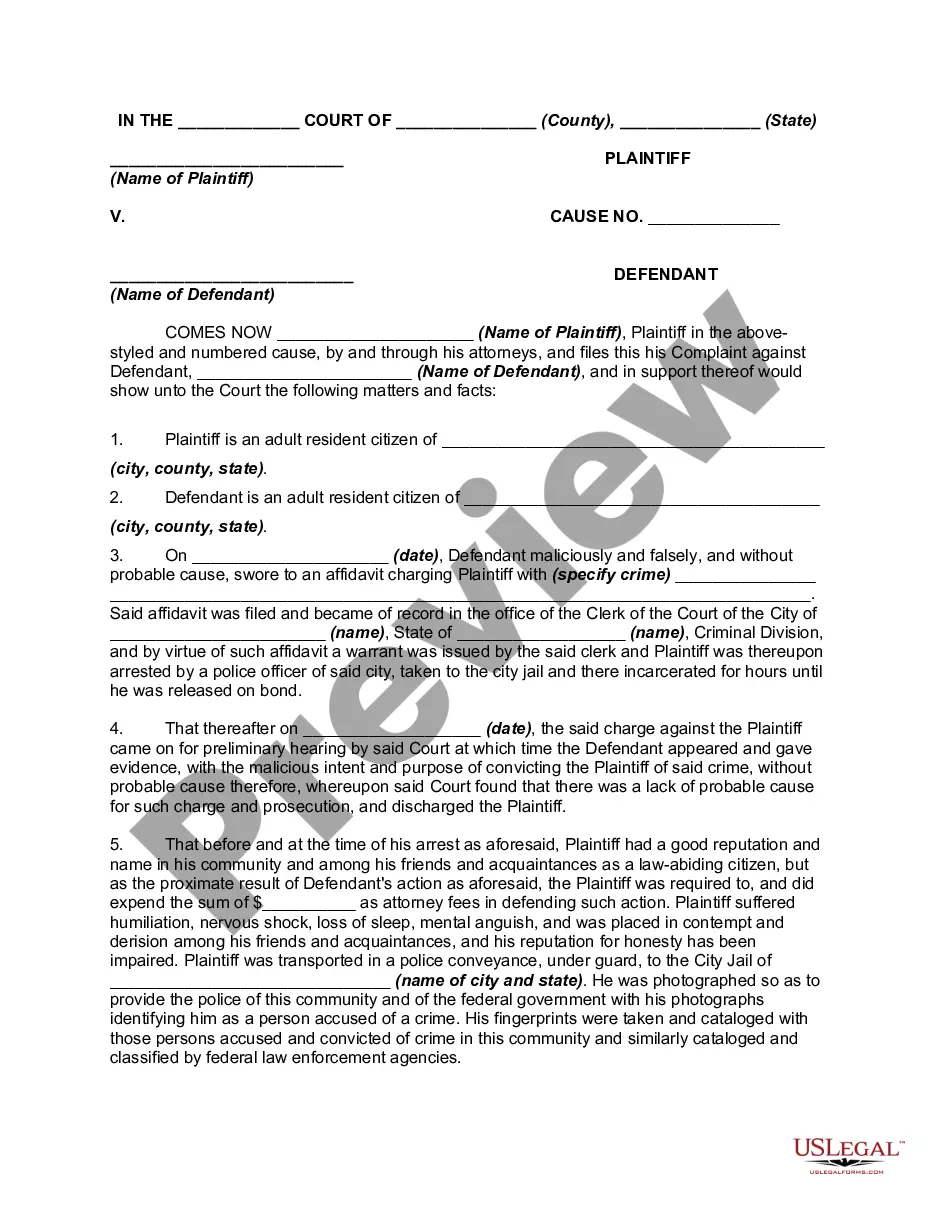
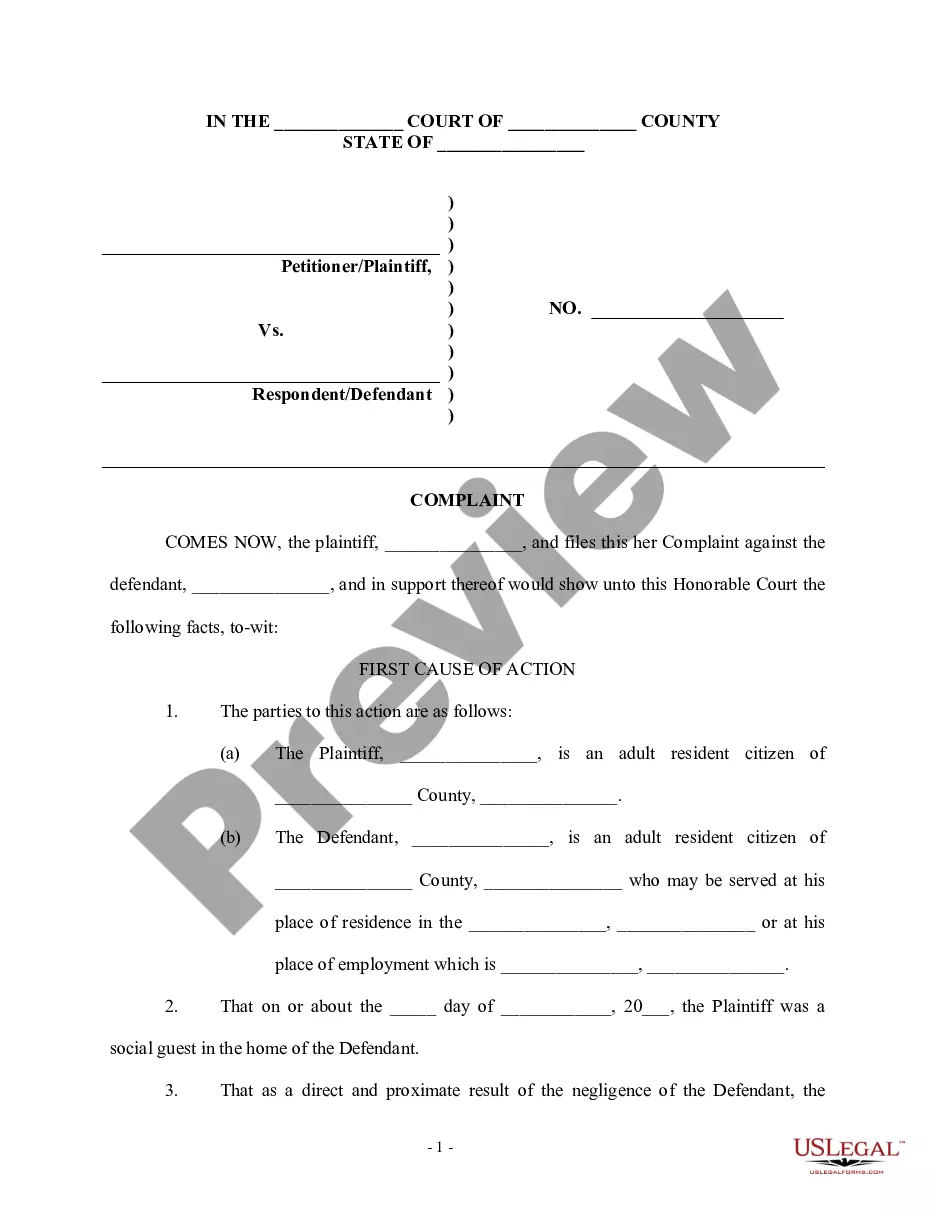
Get your form ready online
Our built-in tools help you complete, sign, share, and store your documents in one place.
Make edits, fill in missing information, and update formatting in US Legal Forms—just like you would in MS Word.
Download a copy, print it, send it by email, or mail it via USPS—whatever works best for your next step.
Sign and collect signatures with our SignNow integration. Send to multiple recipients, set reminders, and more. Go Premium to unlock E-Sign.
If this form requires notarization, complete it online through a secure video call—no need to meet a notary in person or wait for an appointment.
We protect your documents and personal data by following strict security and privacy standards.

Make edits, fill in missing information, and update formatting in US Legal Forms—just like you would in MS Word.

Download a copy, print it, send it by email, or mail it via USPS—whatever works best for your next step.

Sign and collect signatures with our SignNow integration. Send to multiple recipients, set reminders, and more. Go Premium to unlock E-Sign.

If this form requires notarization, complete it online through a secure video call—no need to meet a notary in person or wait for an appointment.

We protect your documents and personal data by following strict security and privacy standards.
Looking for another form?

How to fill out Complaint Against Police Officers And Municipality For False Arrest - Unlawful Detention?
Managing legal documentation can be exasperating, even for the most skilled professionals.
When you are searching for an Unlawful Arrest and Arbitrary Detention and cannot find the time to invest in locating the accurate and current version, the tasks can be challenging.
Utilize cutting-edge tools to complete and manage your Unlawful Arrest and Arbitrary Detention.
Gain access to a library of articles, guides, and resources related to your situation and requirements.
Enjoy the US Legal Forms online catalog, backed by 25 years of experience and trustworthiness. Change your routine document management into a seamless and user-friendly operation today.
- Save time and energy searching for the documents you need, and utilize US Legal Forms’ sophisticated search and Preview tool to find Unlawful Arrest and Arbitrary Detention and obtain it.
- If you are a subscriber, Log In to your US Legal Forms account, search for the form, and acquire it.
- Check your My documents section to view the documents you have previously downloaded and organize your files as needed.
- If it is your first time using US Legal Forms, create a free account and gain unlimited access to all the advantages of the library.
- Here are the steps to follow after finding the form you want.
- A robust online form catalog could revolutionize the way anyone handles these circumstances effectively.
- US Legal Forms is a leader in online legal documents, boasting more than 85,000 state-specific legal forms accessible whenever needed.
- With US Legal Forms, you can streamline your legal documentation needs.
Form popularity
FAQ
To prove an unlawful arrest, a person can present evidence demonstrating a lack of probable cause or procedural violations during the arrest. This can include witness testimonies, video footage, or documentation of events leading to the arrest. Seeking assistance from legal experts can enhance your chances of successfully addressing wrongful accusations related to unlawful arrest and arbitrary detention.
Unlawful arrest and detention refer to situations where an individual is taken into custody without legal authority or justification. This encompasses various scenarios, such as lack of probable cause or violation of rights during the arrest process. Understanding this concept can help individuals advocate for themselves in legal proceedings.
An arrest is deemed arbitrary when it occurs without a proper legal basis or when the decision to arrest lacks justification. Examples include detaining someone based on discriminatory factors rather than behavior or evidence. Recognizing arbitrary arrests is key to understanding unlawful arrest and arbitrary detention, and knowing when to seek legal counsel.
Yes, an arrest can technically occur without solid evidence, but it usually leads to claims of unlawful arrest and arbitrary detention. If officers act solely on a hunch or general suspicion without corroborating evidence, their action may be challenged legally. It is crucial to know your rights to navigate such situations effectively.
To justify an arrest, law enforcement needs sufficient evidence or probable cause pointing to a suspected crime. This does not require absolute certainty, but it should be strong enough to support a reasonable belief in guilt. Familiarity with these standards can empower you when facing possible unlawful arrest and arbitrary detention.
The minimum requirement for a lawful arrest is probable cause, which means law enforcement must have reasonable grounds to believe that the person committed a crime. In addition, having a warrant signed by a judge is often necessary to make the arrest valid. Understanding this requirement helps individuals recognize what constitutes a lawful action versus unlawful arrest and arbitrary detention.
An example of an unlawful arrest is when an officer apprehends someone based solely on a mistaken identity or without adequate evidence. For instance, if someone is arrested simply because they resemble a suspect, without further investigation, that could qualify as unlawful arrest and arbitrary detention. It is essential to know these examples to safeguard yourself legally.
A false arrest occurs when law enforcement detains an individual without proper legal justification. This typically involves a situation where no warrant exists, or an arrest takes place without probable cause. Understanding the nuances of unlawful arrest and arbitrary detention can help individuals protect their rights.
Absolutely, you can sue for being wrongly detained. Unlawful arrest and arbitrary detention breach your rights, and pursuing a lawsuit can help you assert those rights. By filing a claim, you can pursue damages for the stress and inconvenience caused by your wrongful detention. Remember, seeking advice from a qualified attorney can help you navigate this process.
Yes, you can sue for being unlawfully detained. When someone experiences unlawful arrest and arbitrary detention, they have legal rights that allow them to seek justice. Filing a lawsuit can provide you with compensation and hold responsible parties accountable. It’s essential to gather evidence and seek legal guidance to strengthen your case.