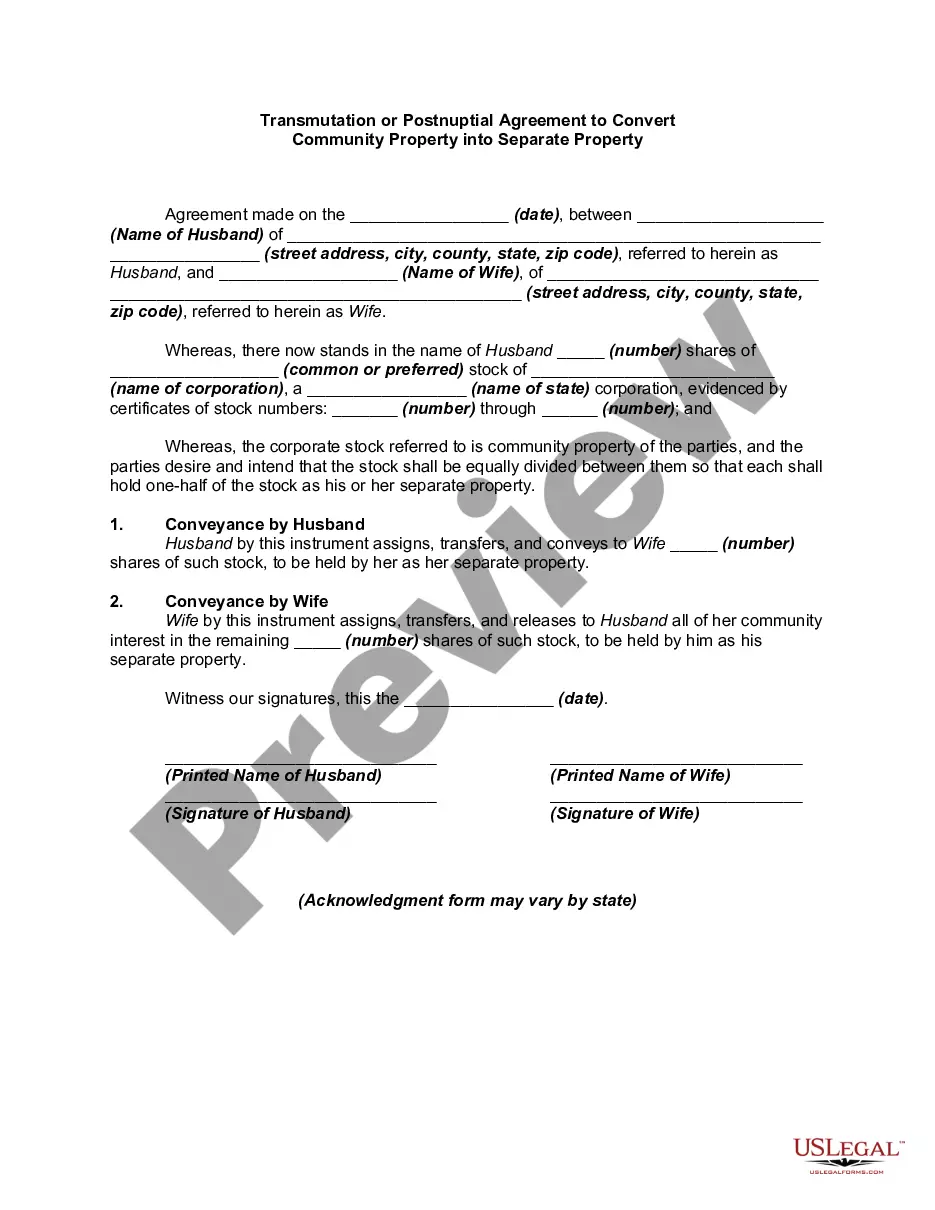
Community Property Separately Filing With Texas Married
Description
Get your form ready online
Our built-in tools help you complete, sign, share, and store your documents in one place.
Make edits, fill in missing information, and update formatting in US Legal Forms—just like you would in MS Word.
Download a copy, print it, send it by email, or mail it via USPS—whatever works best for your next step.
Sign and collect signatures with our SignNow integration. Send to multiple recipients, set reminders, and more. Go Premium to unlock E-Sign.
If this form requires notarization, complete it online through a secure video call—no need to meet a notary in person or wait for an appointment.
We protect your documents and personal data by following strict security and privacy standards.

Make edits, fill in missing information, and update formatting in US Legal Forms—just like you would in MS Word.

Download a copy, print it, send it by email, or mail it via USPS—whatever works best for your next step.

Sign and collect signatures with our SignNow integration. Send to multiple recipients, set reminders, and more. Go Premium to unlock E-Sign.

If this form requires notarization, complete it online through a secure video call—no need to meet a notary in person or wait for an appointment.

We protect your documents and personal data by following strict security and privacy standards.
Looking for another form?



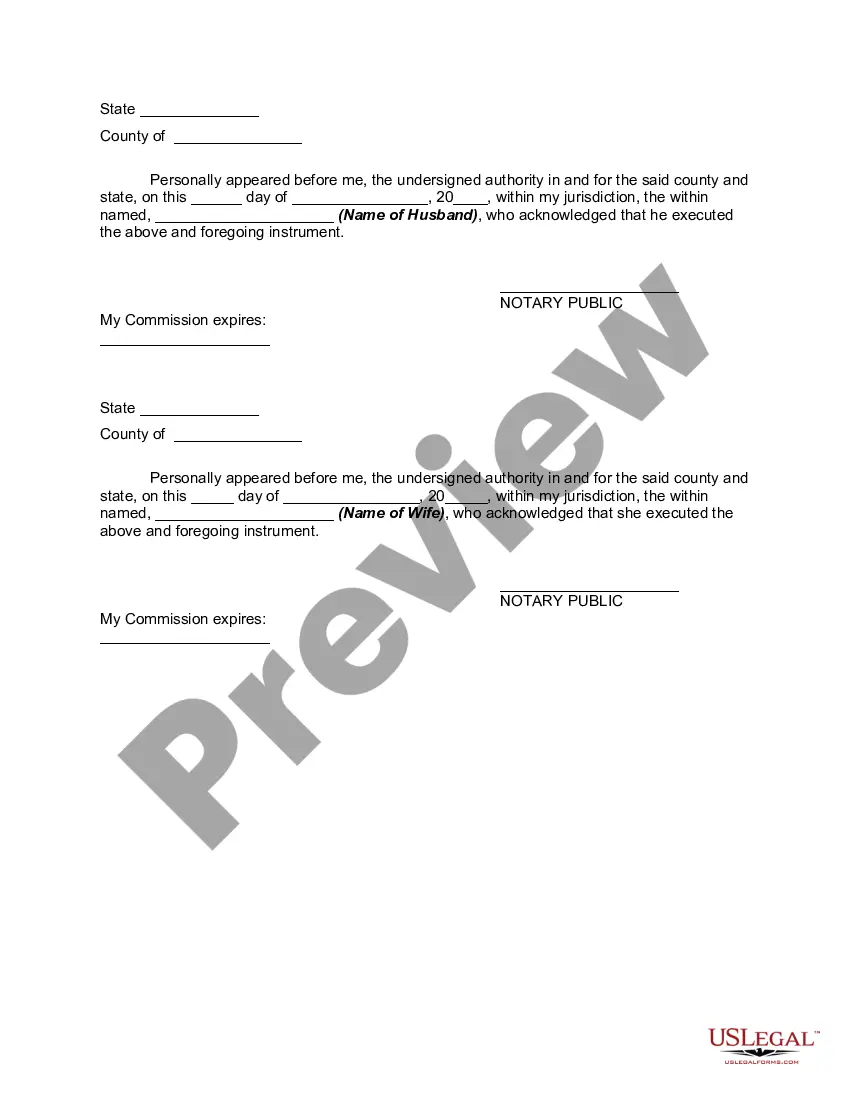
How to fill out Transmutation Or Postnuptial Agreement To Convert Community Property Into Separate Property?
The Community Property Separately Filing With Texas Married that you observe on this page is a reusable legal framework created by professional attorneys in accordance with federal and state regulations. For over 25 years, US Legal Forms has supplied individuals, businesses, and legal experts with more than 85,000 validated, state-specific documents for any commercial and personal need. It’s the quickest, easiest, and most dependable way to acquire the paperwork you require, as the service ensures the utmost level of data protection and anti-malware security.
Obtaining this Community Property Separately Filing With Texas Married will only require a few straightforward steps.
Register for US Legal Forms to have authenticated legal templates for all of life's circumstances at your fingertips.
- Search for the document you require and review it. Browse through the sample you found and preview it or examine the form description to confirm it meets your needs. If it doesn’t, utilize the search feature to locate the appropriate one. Click Buy Now once you’ve identified the template you need.
- Create an account and Log In. Select the pricing plan that fits you and set up an account. Use PayPal or a credit card for a swift payment. If you already have an account, Log In and check your subscription to proceed.
- Obtain the editable template. Choose the format you prefer for your Community Property Separately Filing With Texas Married (PDF, Word, RTF) and save the document on your device.
- Complete and sign the document. Print the template to fill it out manually. Alternatively, utilize an online versatile PDF editor to quickly and accurately fill out and sign your form electronically.
- Download your documents once more. Reuse the same document whenever required. Access the My documents section in your profile to redownload any previously downloaded documents.
Form popularity
FAQ
Because Texas is a community property state, all family income is owned equally by both spouses. This means that in order to file a Married Filing Separately (MFS) return for married taxpayers living in Texas, both spouses must equally divide the total income.
It means that you and your spouse each report income, deductions, credits and exemptions on separate tax returns instead of on one return jointly. For example, a couple choosing to file separately would each file their own Form 1040 and any accompanying schedules, like Schedule 1, Schedule A or Schedule D.
These include when both spouses have about the same amount of income and when combining income pushes a couple into a higher tax bracket. Other scenarios where married filing separately might make sense include the following: You and/or your spouse have deductions based on Adjusted Gross Income (AGI).
Married couples have the option to file jointly or separately on their federal income tax returns. The IRS strongly encourages most couples to file joint tax returns by extending several tax breaks to those who file together.
The 2023 standard deduction is $13,850 for single filers and those married filing separately, $27,700 for those married filing jointly, and $20,800 for heads of household. $13,850. $13,850. $27,700.