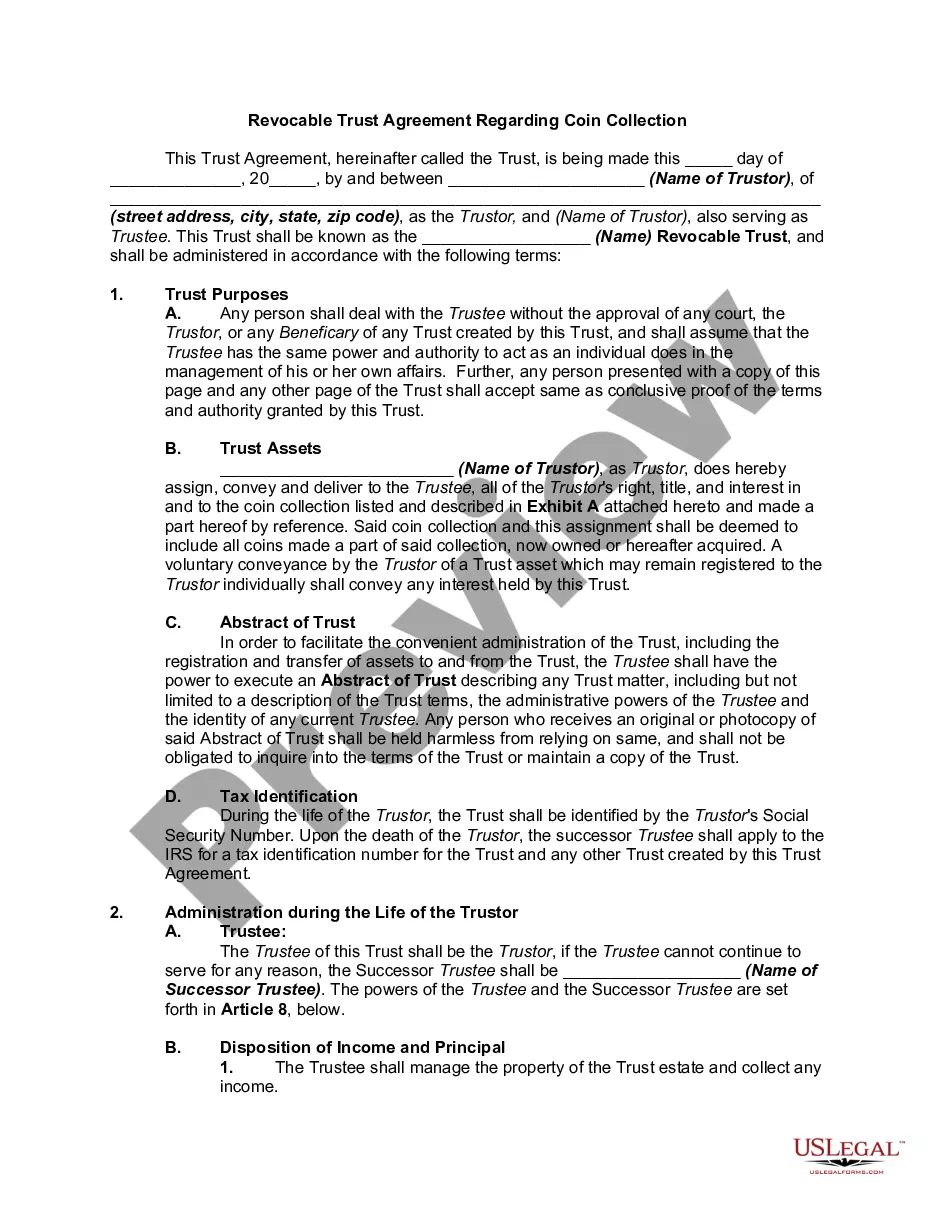
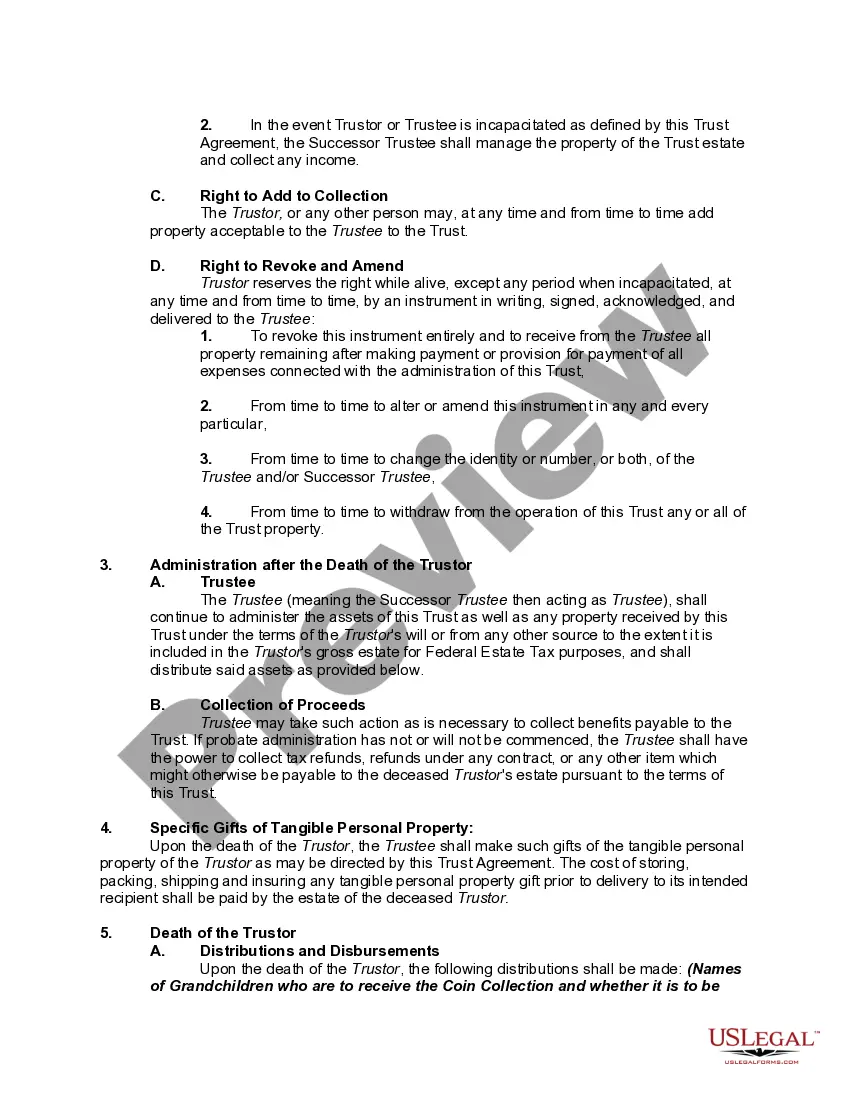
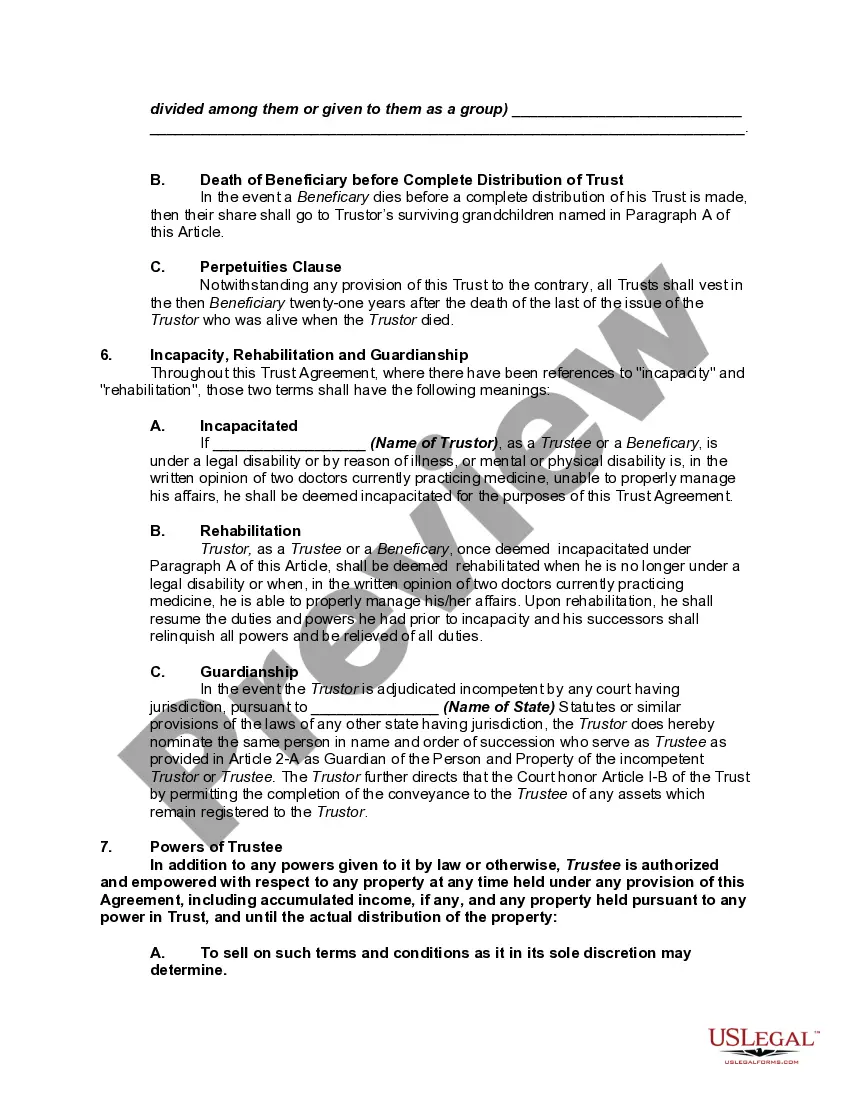
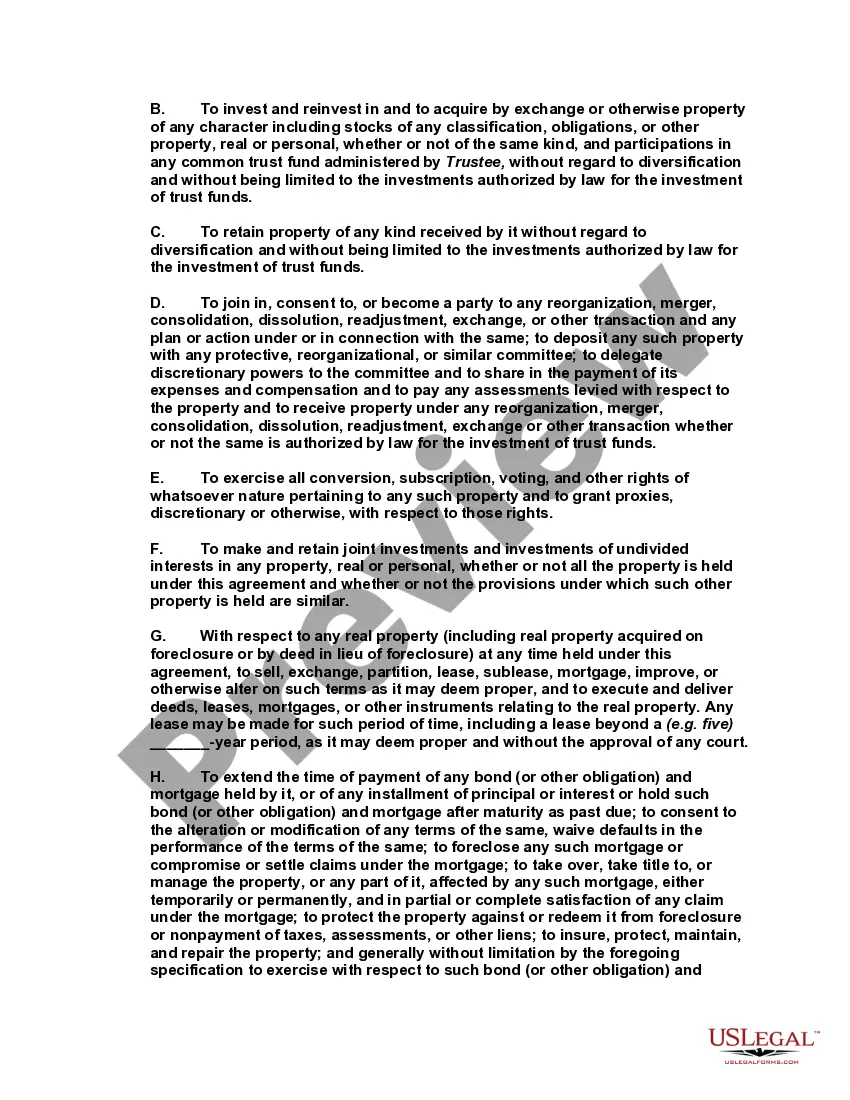
Revocable Trust Trustee With A Beneficiary
Description
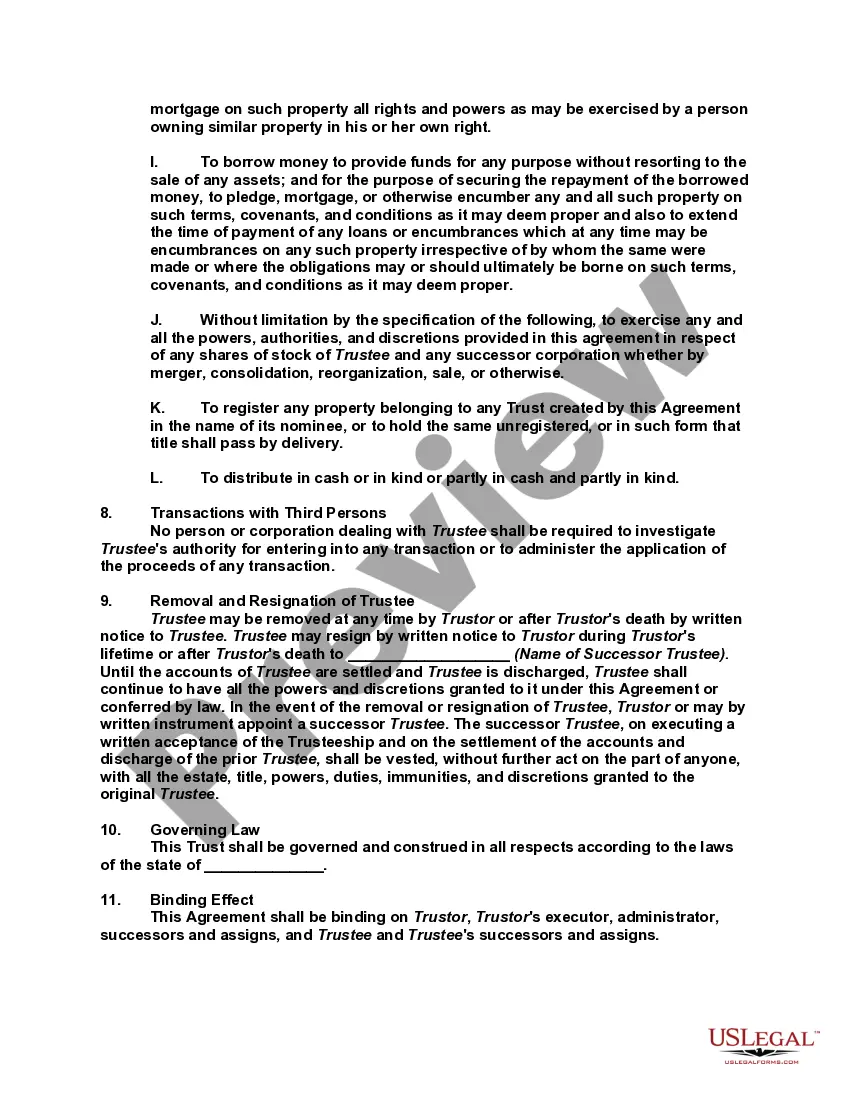
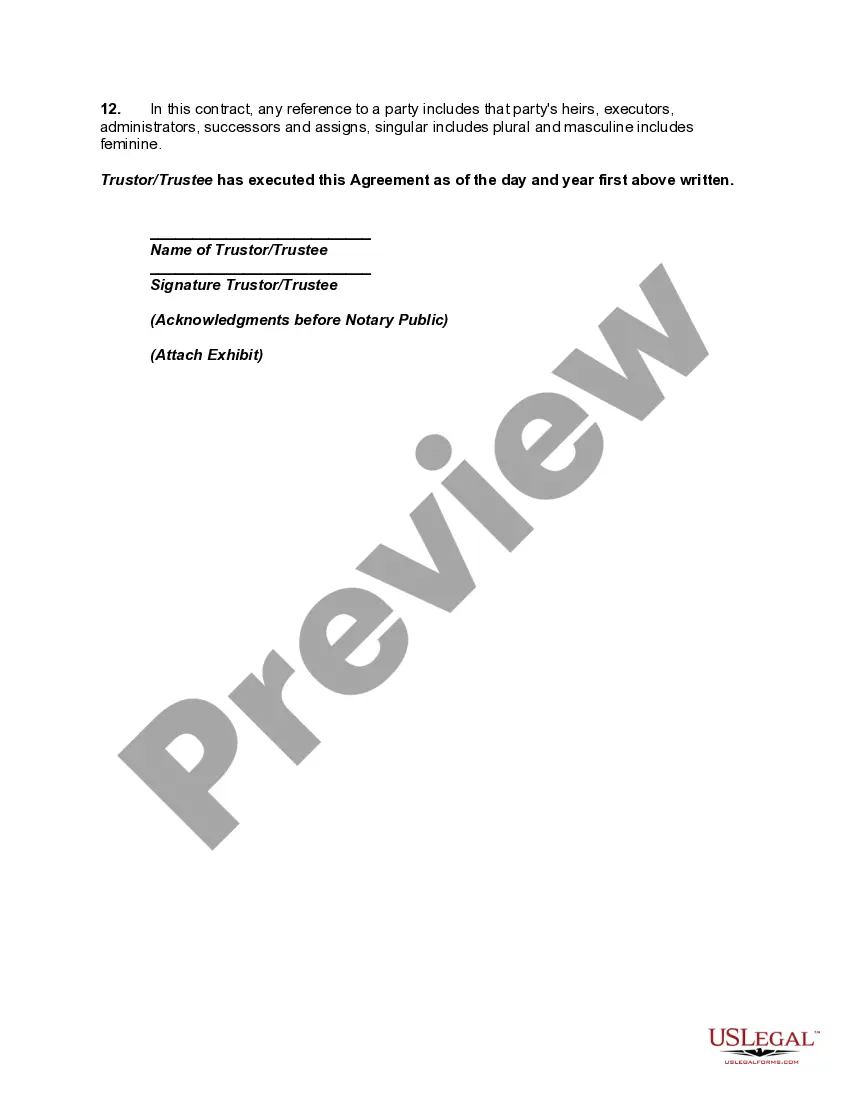
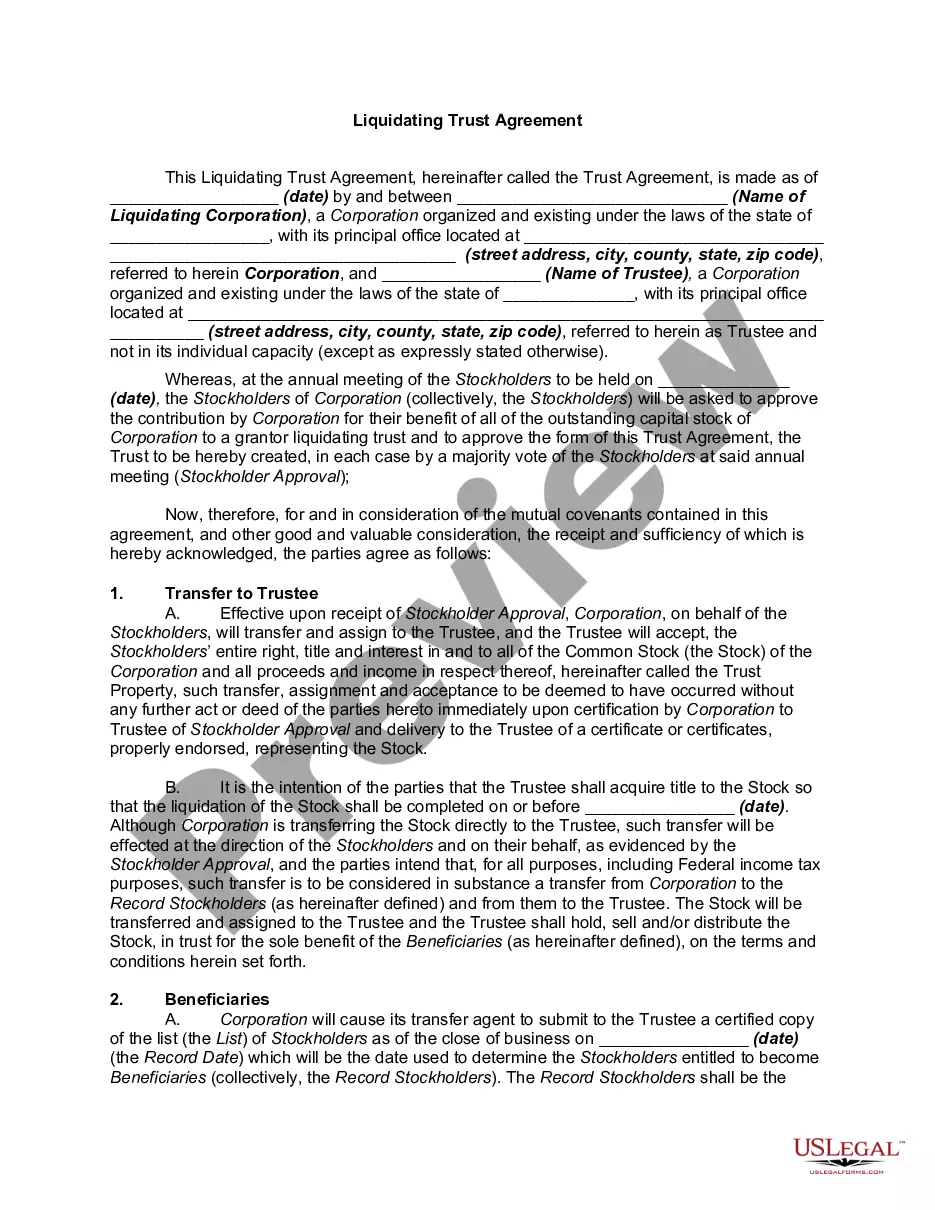
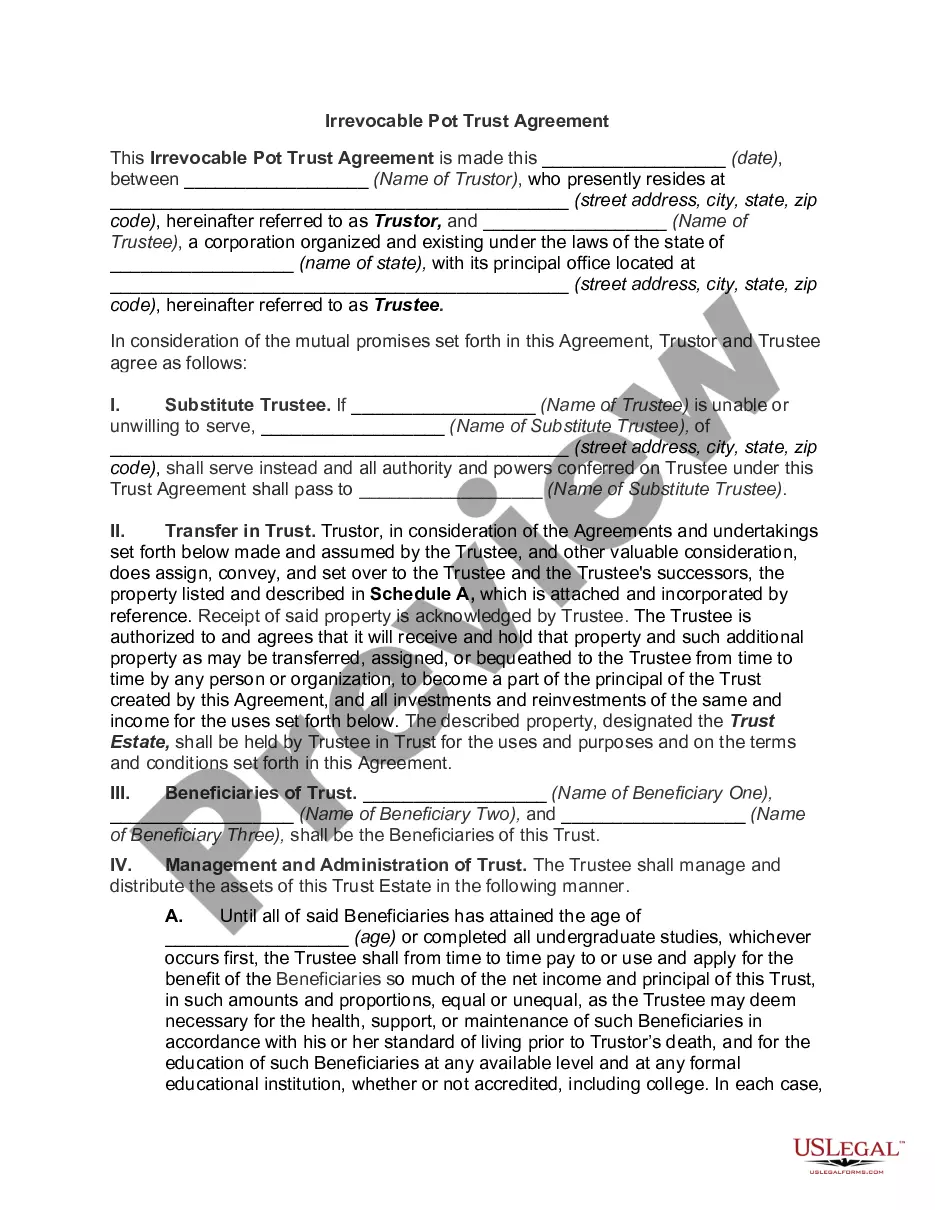
Get your form ready online
Our built-in tools help you complete, sign, share, and store your documents in one place.
Make edits, fill in missing information, and update formatting in US Legal Forms—just like you would in MS Word.
Download a copy, print it, send it by email, or mail it via USPS—whatever works best for your next step.
Sign and collect signatures with our SignNow integration. Send to multiple recipients, set reminders, and more. Go Premium to unlock E-Sign.
If this form requires notarization, complete it online through a secure video call—no need to meet a notary in person or wait for an appointment.
We protect your documents and personal data by following strict security and privacy standards.

Make edits, fill in missing information, and update formatting in US Legal Forms—just like you would in MS Word.

Download a copy, print it, send it by email, or mail it via USPS—whatever works best for your next step.

Sign and collect signatures with our SignNow integration. Send to multiple recipients, set reminders, and more. Go Premium to unlock E-Sign.

If this form requires notarization, complete it online through a secure video call—no need to meet a notary in person or wait for an appointment.

We protect your documents and personal data by following strict security and privacy standards.
Looking for another form?






How to fill out Revocable Trust Agreement Regarding Coin Collection?
- Log into your US Legal Forms account if you’re a returning user and access the Download button to get your form. Ensure your subscription is current; renew it if necessary.
- For first-time users, review the Preview mode and form description to confirm the template meets your requirements and adheres to local regulations.
- Search for alternative templates if the initial one doesn't meet your needs. Use the Search tab to find the appropriate form.
- Purchase your chosen document by clicking the Buy Now button. Select your preferred subscription plan and register for an account to unlock library access.
- Complete your transaction using your credit card or PayPal account to finalize the purchase.
- Download the selected form to your device and access it later through the My Forms menu in your profile.
In conclusion, US Legal Forms provides a robust resource for obtaining legal documents efficiently, making the process straightforward and reliable. Gain peace of mind by utilizing their extensive library and expert assistance.
Get started today and simplify your estate planning with US Legal Forms!
Form popularity
FAQ
While a revocable trust offers many advantages, there are some downsides to consider. One significant drawback is that the assets in a revocable trust do not receive the same tax benefits as those placed in irrevocable trusts. Additionally, creditors can still access assets in a revocable trust during your lifetime. If you're contemplating this option, USLegalForms can provide valuable resources to help you weigh the pros and cons effectively.
Suze Orman emphasizes the importance of having a revocable trust to secure your assets and ensure a smooth transfer of wealth to your heirs. She believes that this type of trust allows individuals to maintain control over their assets while providing flexibility. With a revocable trust trustee with a beneficiary, you can adapt to changing circumstances, making it a practical choice for many. For expert insights and forms, check out USLegalForms.
Yes, a beneficiary can serve as a trustee of a revocable trust. This arrangement allows the beneficiary to manage the trust's assets, providing them control while ensuring their interests are met. However, it's important to consider the potential for conflicts of interest. If you're looking for clarity on this topic, USLegalForms can guide you through establishing roles in your revocable trust.
When a revocable trust trustee is also a beneficiary, it creates a unique dynamic within the trust. This situation allows the trustee to manage the trust's assets while also having a personal interest in the trust's distribution. While this can simplify decision-making, it may also lead to potential conflicts of interest. It is wise to consider having an independent party involved in such cases to ensure transparency and fairness.
Indeed, a trustee of a revocable trust can also be a beneficiary. This setup combines administrative control with the advantages of benefiting from the trust's assets. By having the same person occupy both roles, it often streamlines the decision-making process and enhances trust administration. Ensuring clarity around these roles is crucial, and using a platform like US Legal Forms can assist in drafting the necessary documents.
Yes, an individual can serve as both a revocable trust trustee with a beneficiary status. This arrangement allows for flexibility in managing the trust while also benefiting from it. The trustee holds the responsibility of managing the assets, while the beneficiary stands to gain from them. This dual role is particularly common, as it helps simplify the management process.
Yes, a trustee can also be a beneficiary of a revocable trust. This dual role can create a more engaged trustee, as they have a personal stake in the trust's management. Nonetheless, it is essential to establish clear guidelines within the trust document to avoid any confusion or conflict of interest. If you need assistance structuring this arrangement, US Legal Forms can provide useful resources.
Certainly, a beneficiary of a revocable trust can serve as the trustee. This situation often occurs when the trust creator wants to ensure the trustee has a vested interest in managing the trust properly. Designating a beneficiary as the trustee can enhance trust administration, but it requires careful planning to avoid potential disputes later on.
Yes, an individual trustee can also be a beneficiary of the revocable trust. This arrangement is fairly common, as it allows for personal investment in the trust's success. However, it is essential to maintain transparency and ensure that the trustee acts in the best interest of all beneficiaries. Clear documentation can help prevent conflicts of interest.
Filling out a beneficiary designation form for a revocable trust is straightforward. Start by identifying the trust's name and its purpose, then list the beneficiaries and their relationship to you. Ensure you provide accurate contact details for each beneficiary to facilitate future communications. If you're unsure, consider using US Legal Forms for step-by-step guidance on this process.