Lease A Farm
Description
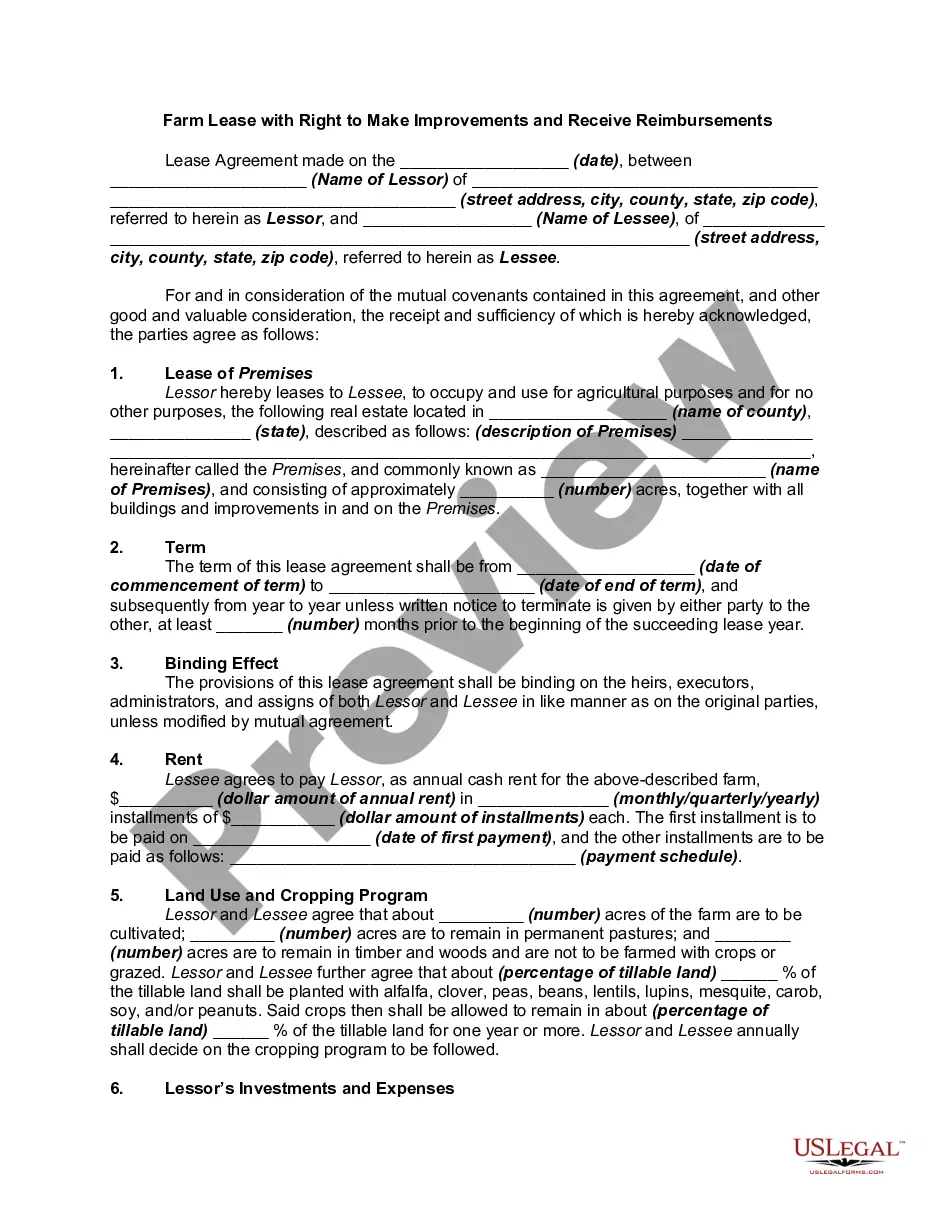
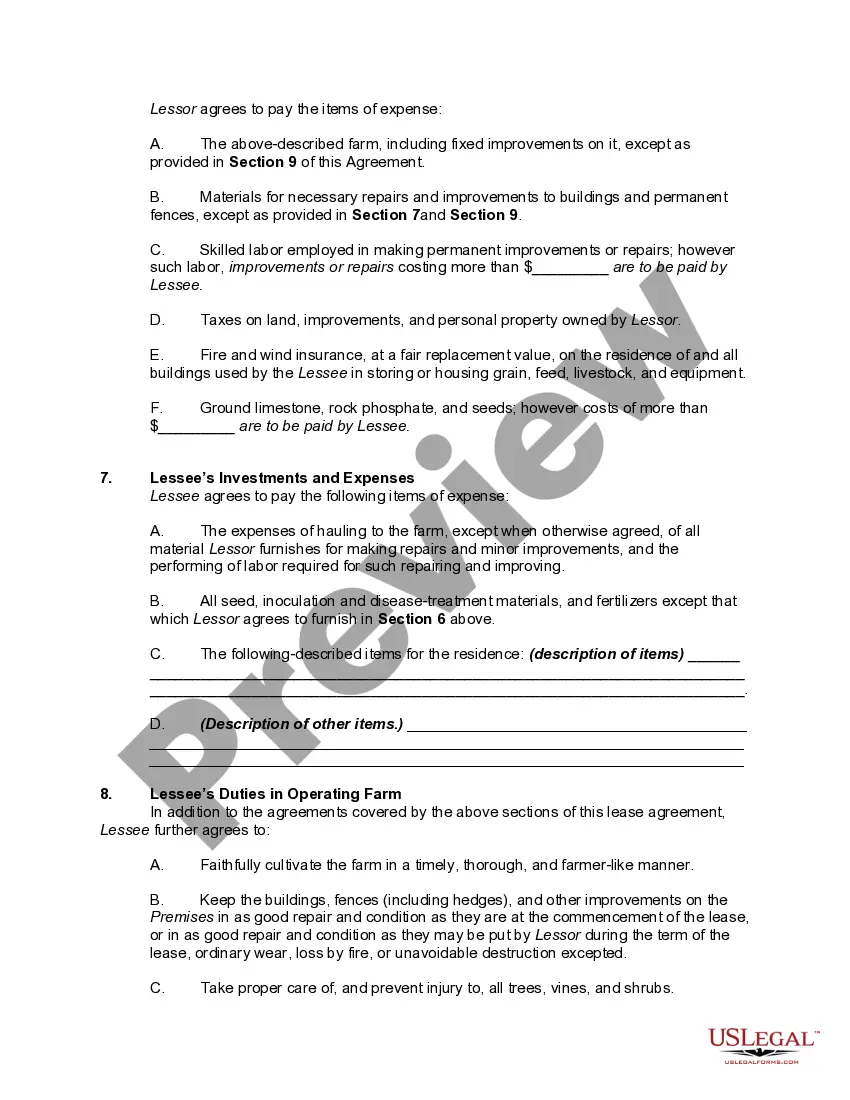
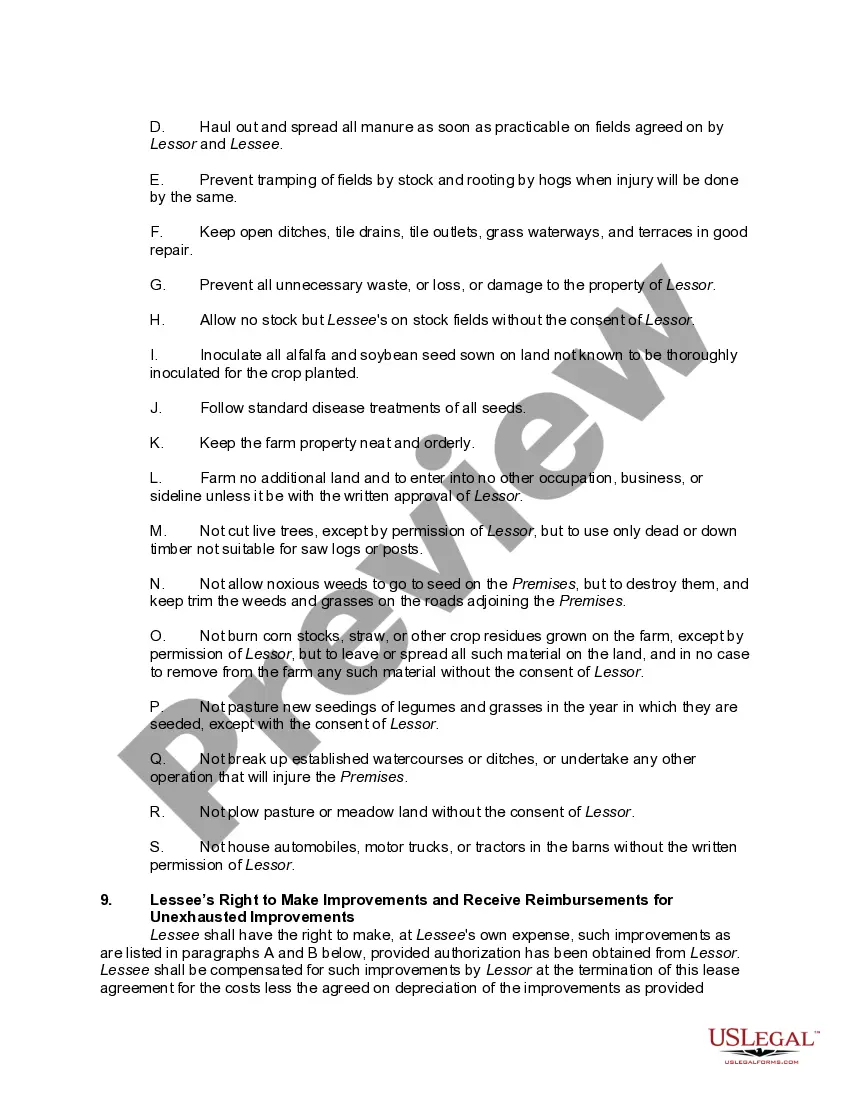
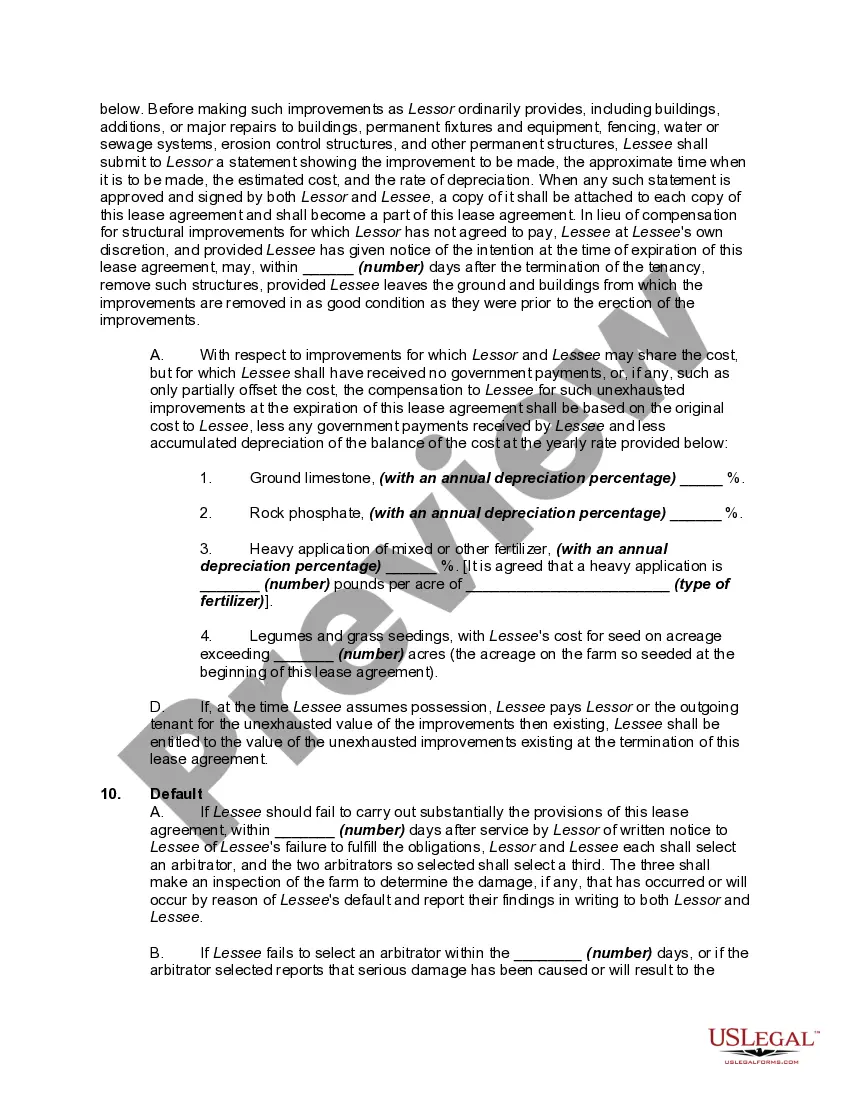
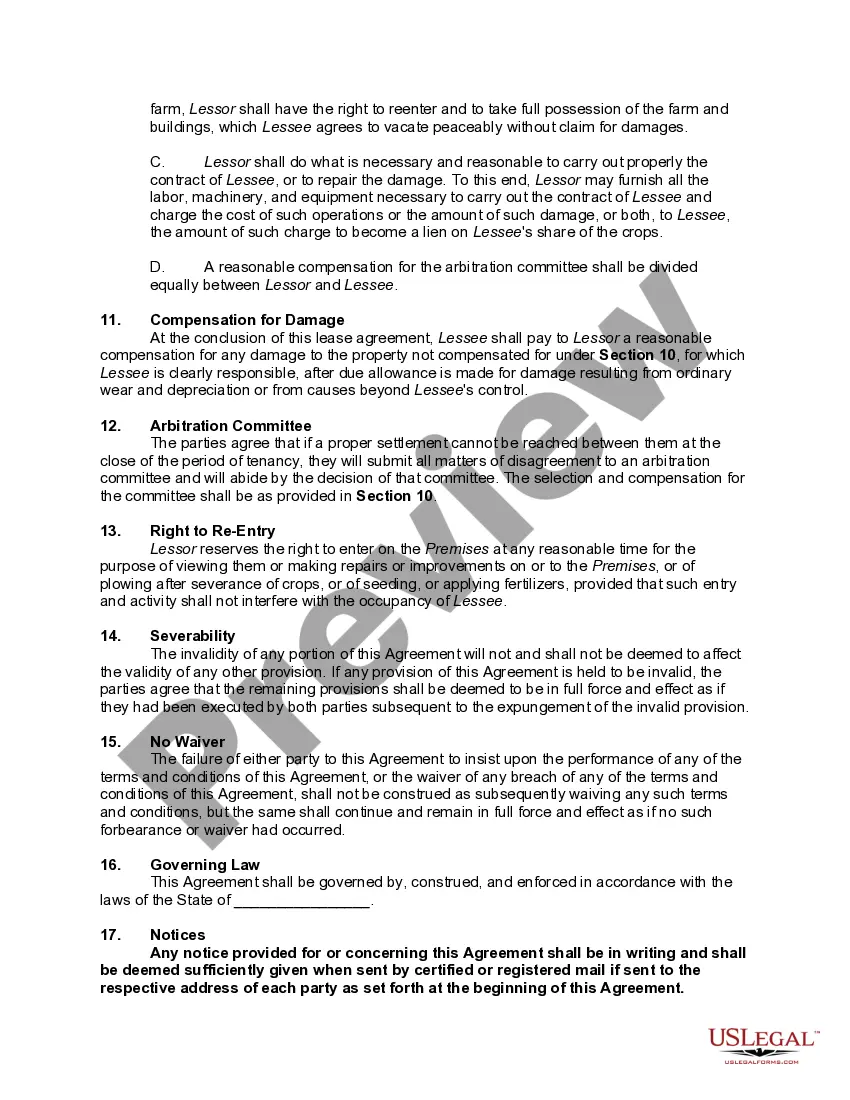
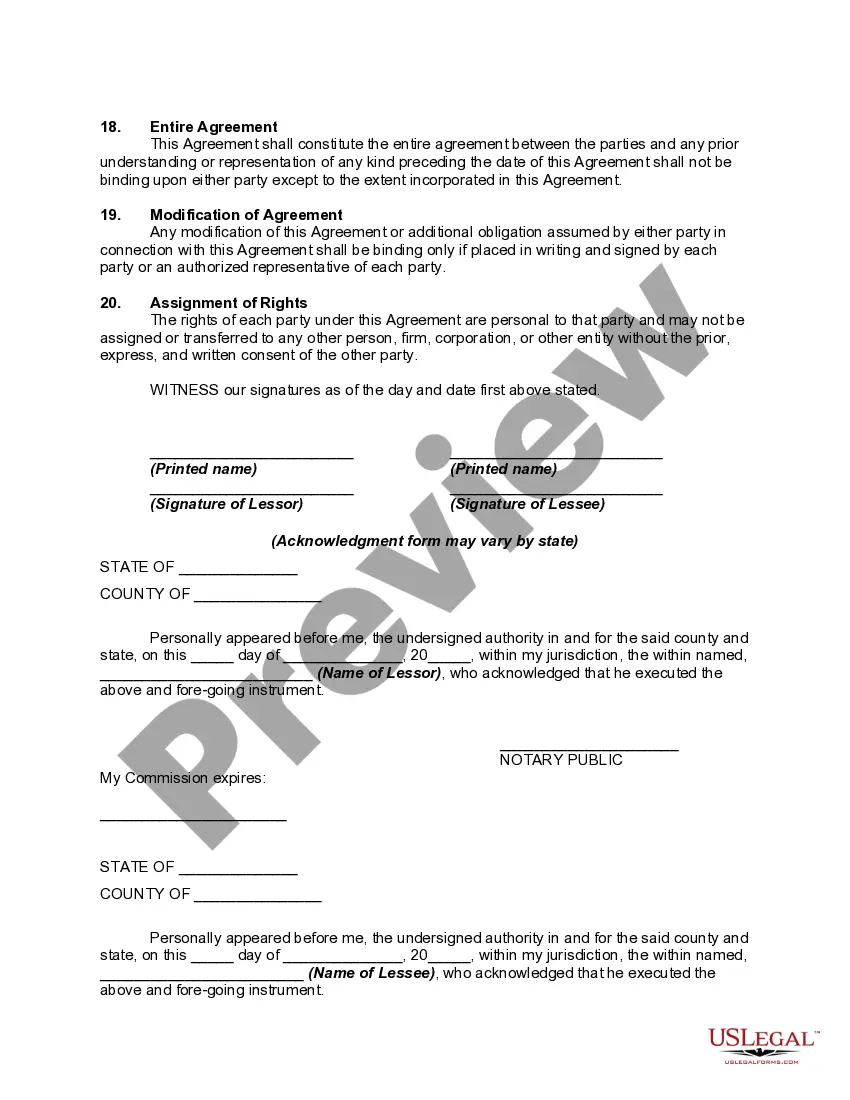
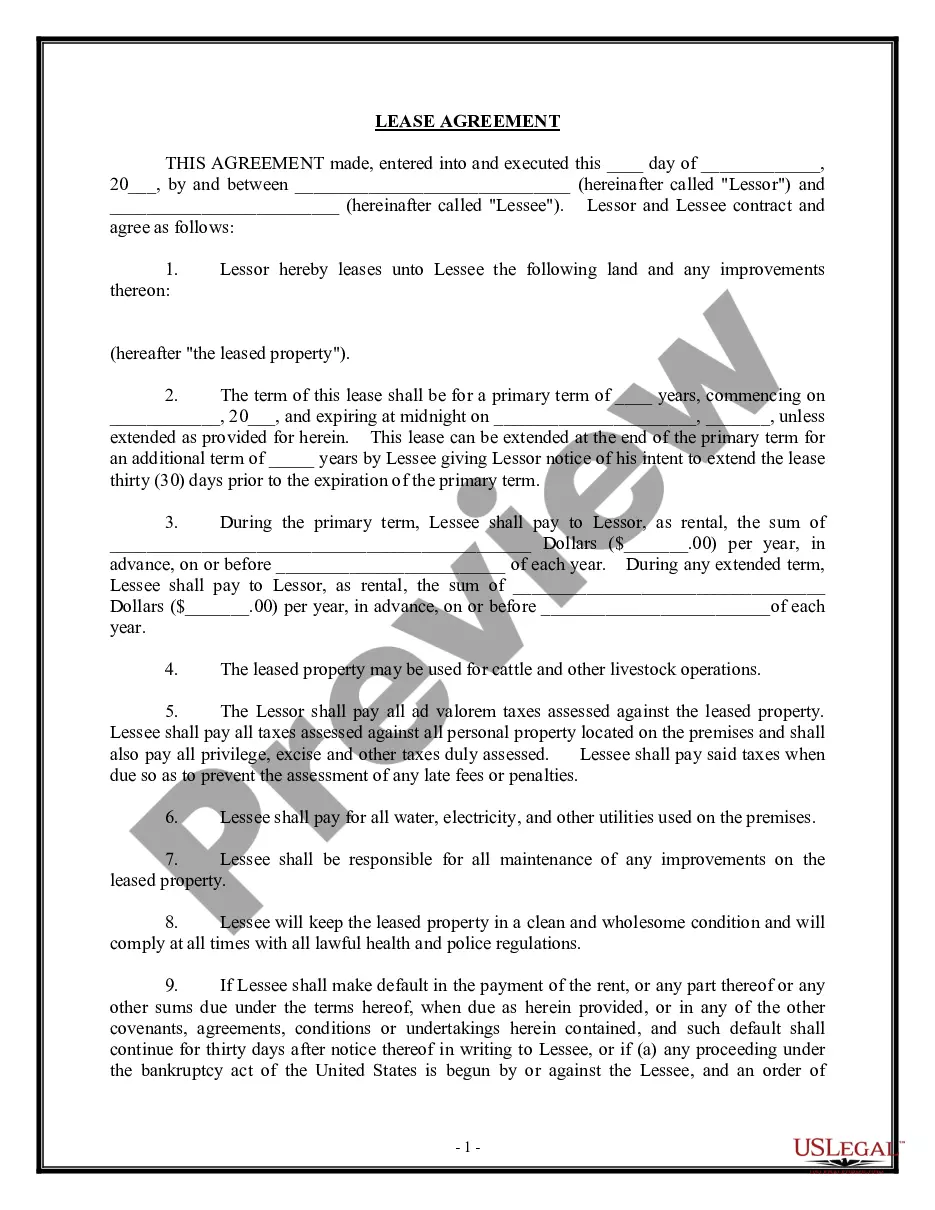
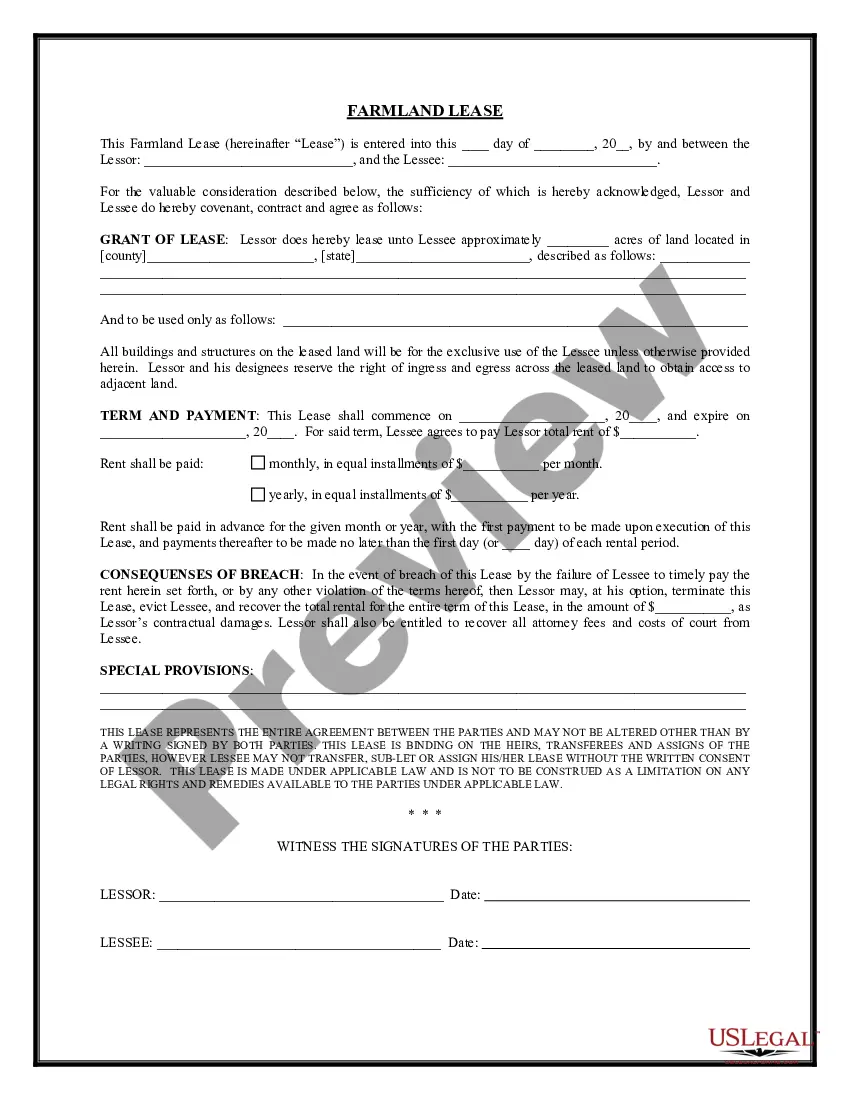
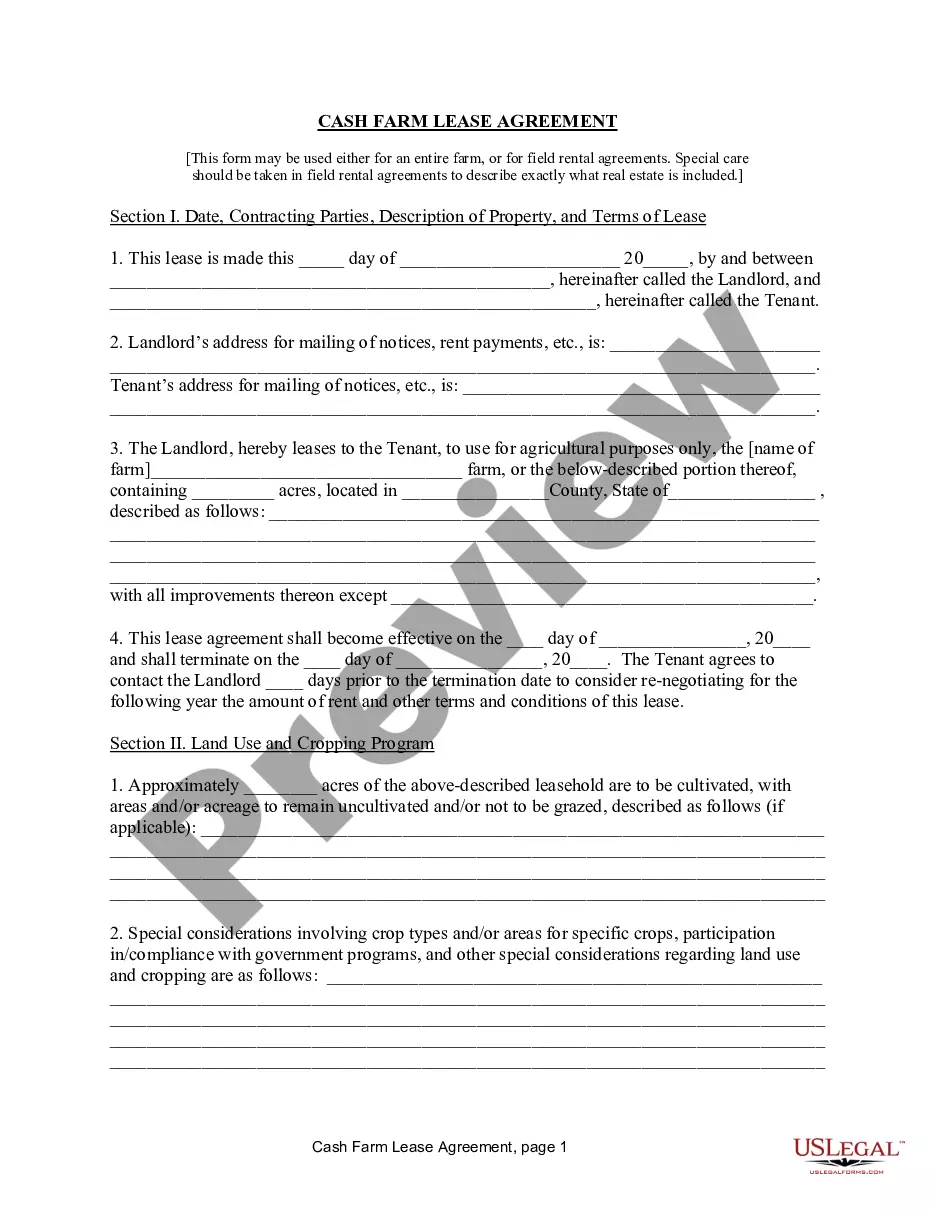
Get your form ready online
Our built-in tools help you complete, sign, share, and store your documents in one place.
Make edits, fill in missing information, and update formatting in US Legal Forms—just like you would in MS Word.
Download a copy, print it, send it by email, or mail it via USPS—whatever works best for your next step.
Sign and collect signatures with our SignNow integration. Send to multiple recipients, set reminders, and more. Go Premium to unlock E-Sign.
If this form requires notarization, complete it online through a secure video call—no need to meet a notary in person or wait for an appointment.
We protect your documents and personal data by following strict security and privacy standards.

Make edits, fill in missing information, and update formatting in US Legal Forms—just like you would in MS Word.

Download a copy, print it, send it by email, or mail it via USPS—whatever works best for your next step.

Sign and collect signatures with our SignNow integration. Send to multiple recipients, set reminders, and more. Go Premium to unlock E-Sign.

If this form requires notarization, complete it online through a secure video call—no need to meet a notary in person or wait for an appointment.

We protect your documents and personal data by following strict security and privacy standards.
Looking for another form?
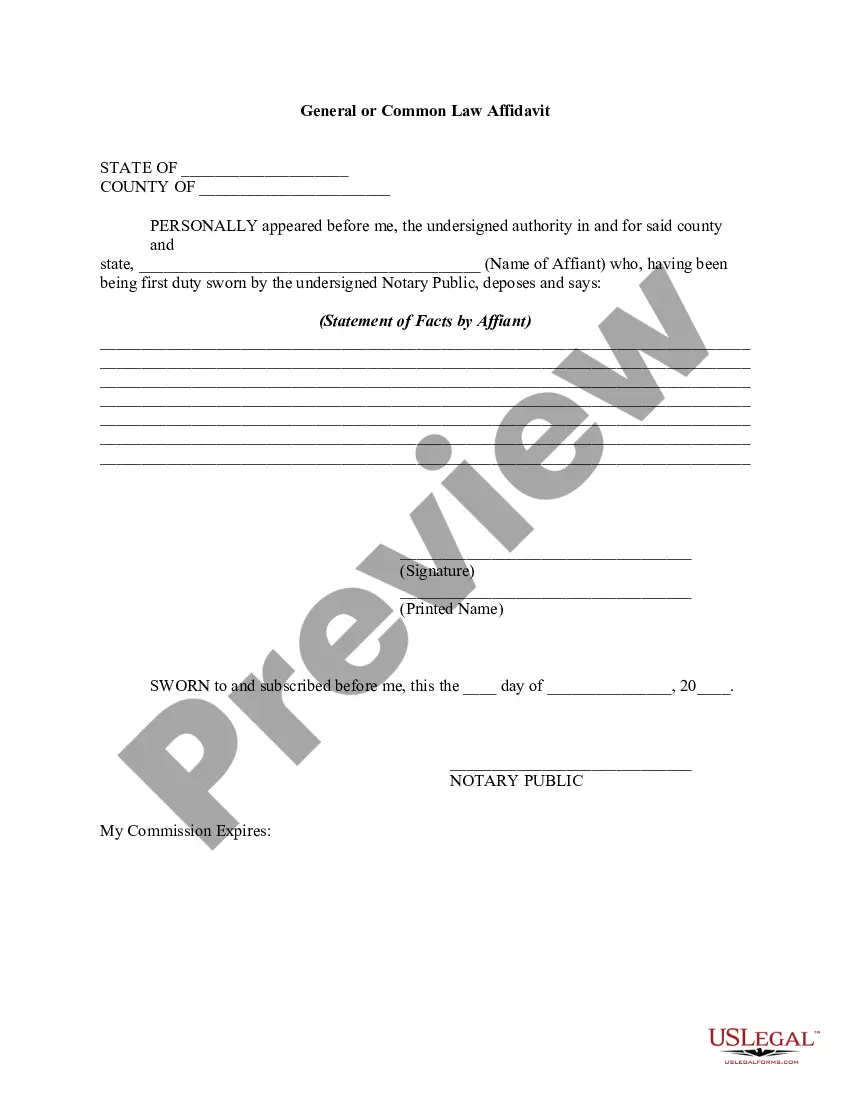

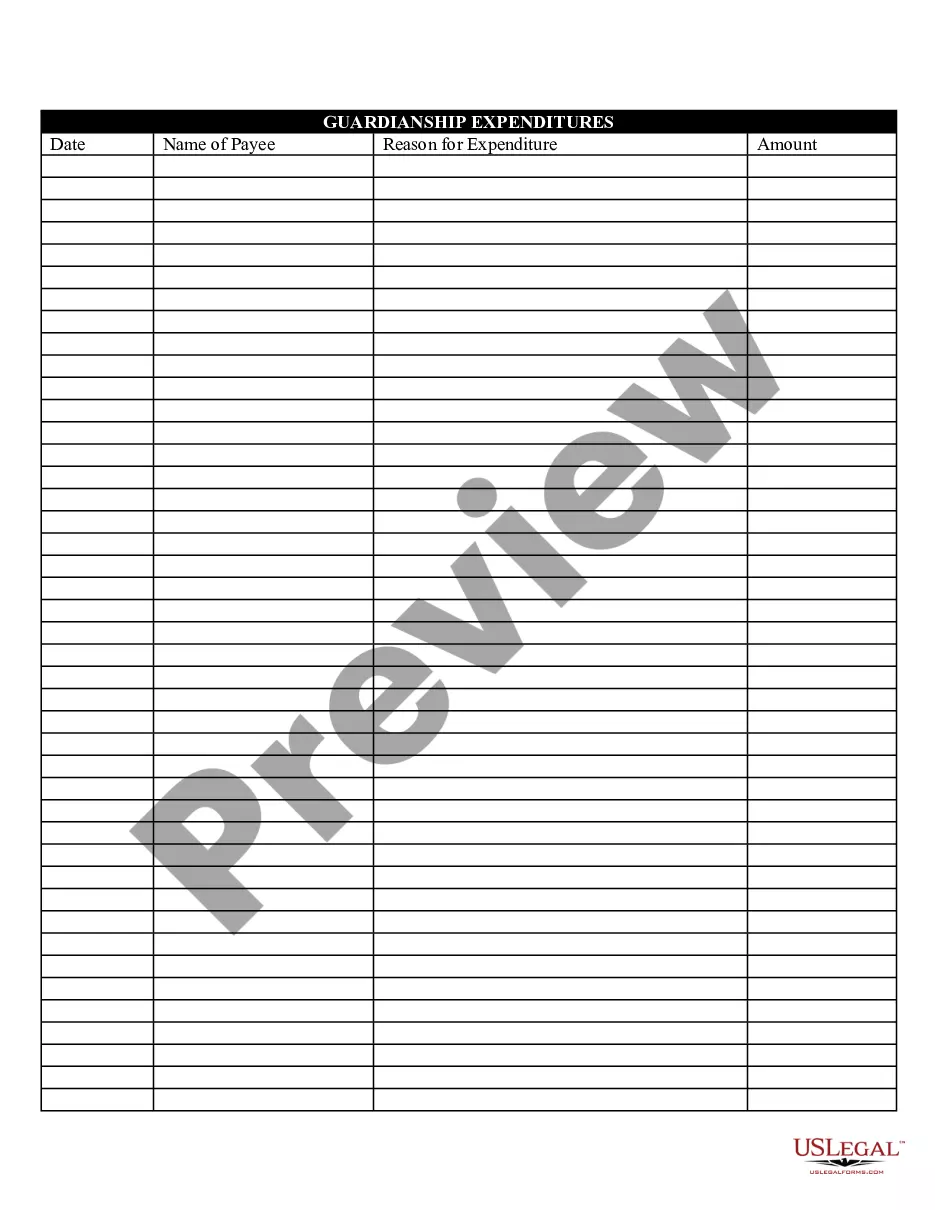

How to fill out Farm Lease Or Rental With Right To Make Improvements And Receive Reimbursements?
- If you're already a registered user, log in to your account and download the desired lease document by selecting the Download button. Ensure your subscription is active; renew it if necessary.
- For first-time users, start by browsing the extensive collection. Review the available templates and descriptions to find the one that meets your leasing requirements and aligns with local laws.
- If adjustments are needed, utilize the Search function to identify alternative templates. Once you've selected the appropriate form, proceed to the next step.
- Purchase the lease document. Click on the Buy Now button and choose between the various subscription plans offered. You'll need to create an account to enjoy full access.
- Complete your transaction by entering your payment details via credit card or PayPal. This secures your access to the extensive library.
- Download your lease agreement. Save the template to your device and access it later from the My Forms section.
By following these steps, you can efficiently lease a farm using US Legal Forms. Their extensive form collection ensures that you find precisely what you need without unnecessary delays.
Take advantage of this powerful resource today and simplify your farming endeavors!
Form popularity
FAQ
Leasing a farm means entering into a legal agreement where one party grants another the right to use land for agricultural purposes for a specified time. This agreement usually outlines payment terms, land use conditions, and responsibilities for maintenance. It offers farmers and investors a chance to cultivate land without the long-term commitment of buying. The uslegalforms platform provides legal resources to ensure that your lease agreements are clear, compliant, and beneficial.
Leasing farmland can be a strategic investment for individuals or companies looking to enter the agricultural market. It usually requires less capital compared to buying land, and it allows you to generate income through farming or renting out the land. Furthermore, leasing a farm helps mitigate the risks associated with ownership while still providing potential for profit. Ultimately, it can be a smart financial decision for many.
Common mistakes in farm lease agreements include vague terms, inadequate maintenance expectations, and failing to discuss payment methods. To prevent misunderstandings, clearly outline responsibilities and obligations in the contract. A well-drafted lease from uslegalforms can ensure all bases are covered, allowing you to lease a farm confidently.
Farm rental income is typically reported on Schedule F of the IRS Form 1040. It’s important to maintain accurate records of your rental agreements and income. Utilizing resources like uslegalforms can help you find the correct forms and ensure you meet legal requirements.
The income a farmer makes per acre depends on the type of crops produced and market conditions. On average, farmers may earn between $100 to $900 per acre annually. This variability underscores the importance of proper planning when you lease a farm.
Leasing land to farmers can indeed be profitable. Landowners earn consistent income while farmers benefit by accessing quality land without high purchasing costs. For landowners considering this option, using a smart lease agreement can help maximize returns while ensuring fair terms for both parties.
Yes, you can write your own lease agreement when you choose to lease a farm. However, it is essential to include key details like rent amount, lease duration, and land use terms. Many individuals use templates from uslegalforms to ensure they cover all important aspects and safeguard their interests.
Leasing land for farming involves several key steps. First, identify available farmland in your area, ensuring it meets your farming requirements. Next, negotiate the terms of the lease, including payment, duration, and responsibilities for land maintenance. For a smoother experience, you can utilize USLegalForms to draft a comprehensive farm lease agreement that protects your interests as you lease a farm.
When you lease a farm and receive income, you need to report it on your tax return. The Internal Revenue Service (IRS) requires you to include this income on Schedule F, which is designated for farming income and expenses. You may also need to provide additional documentation, depending on your situation. To simplify the process, consider using USLegalForms, which can help you easily prepare necessary tax forms for reporting your farm lease income.
To rent out a farm, start by preparing your land for potential tenants. Ensure the property is well-maintained and clearly outline the terms of the lease agreement. You can use online platforms like US Legal Forms to create customized lease agreements. This will help you provide clear expectations and attract responsible farmers to lease a farm successfully.