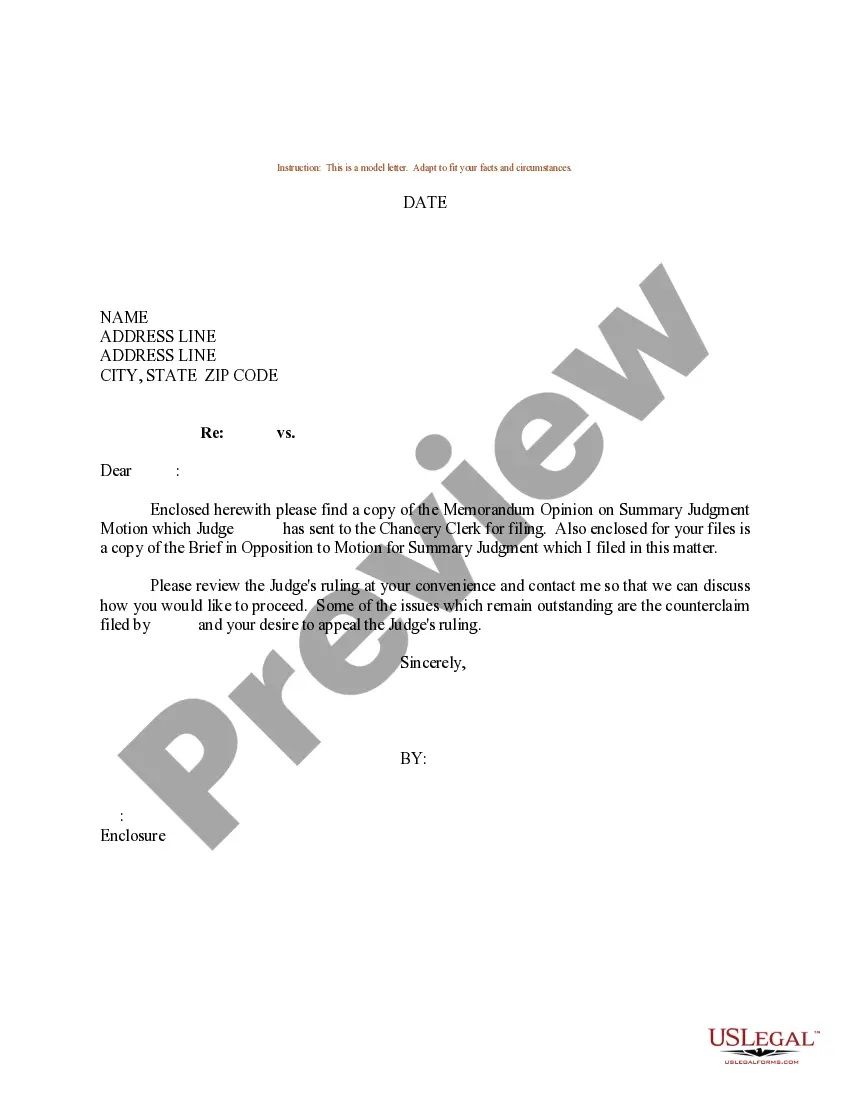
Sample Judgment Motion With Amend
Description
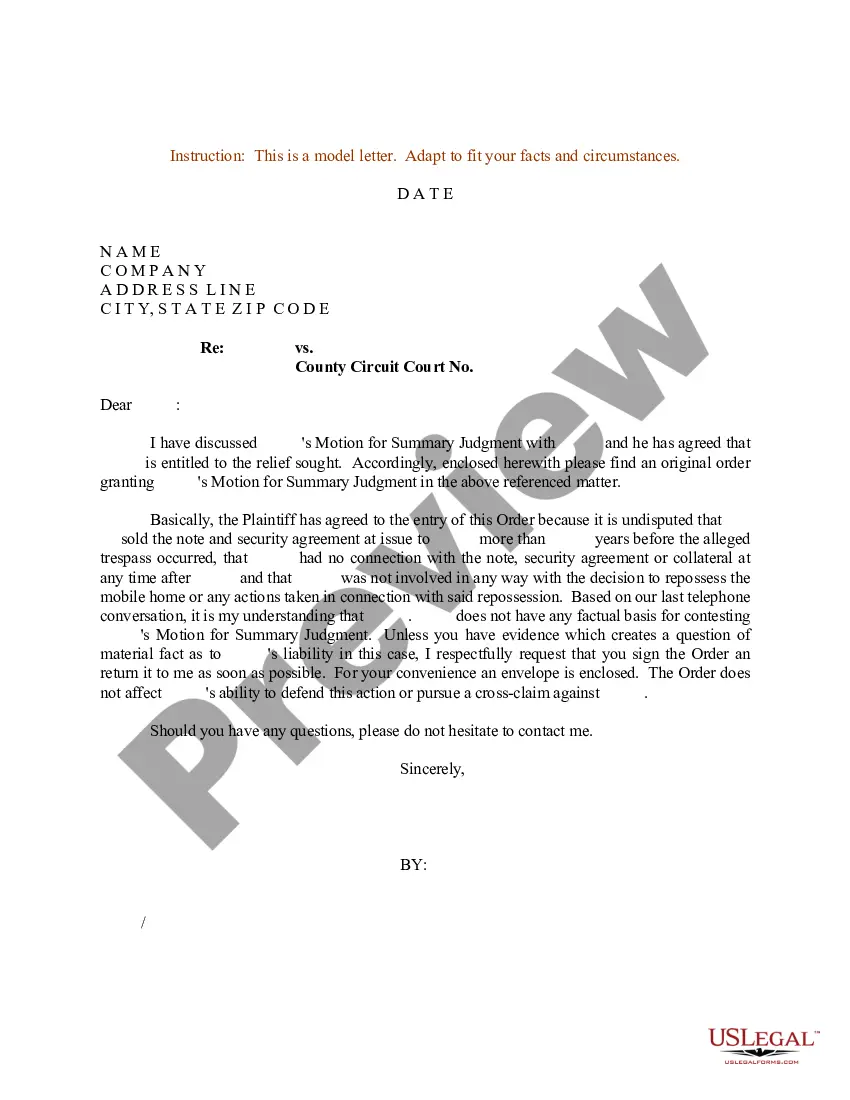
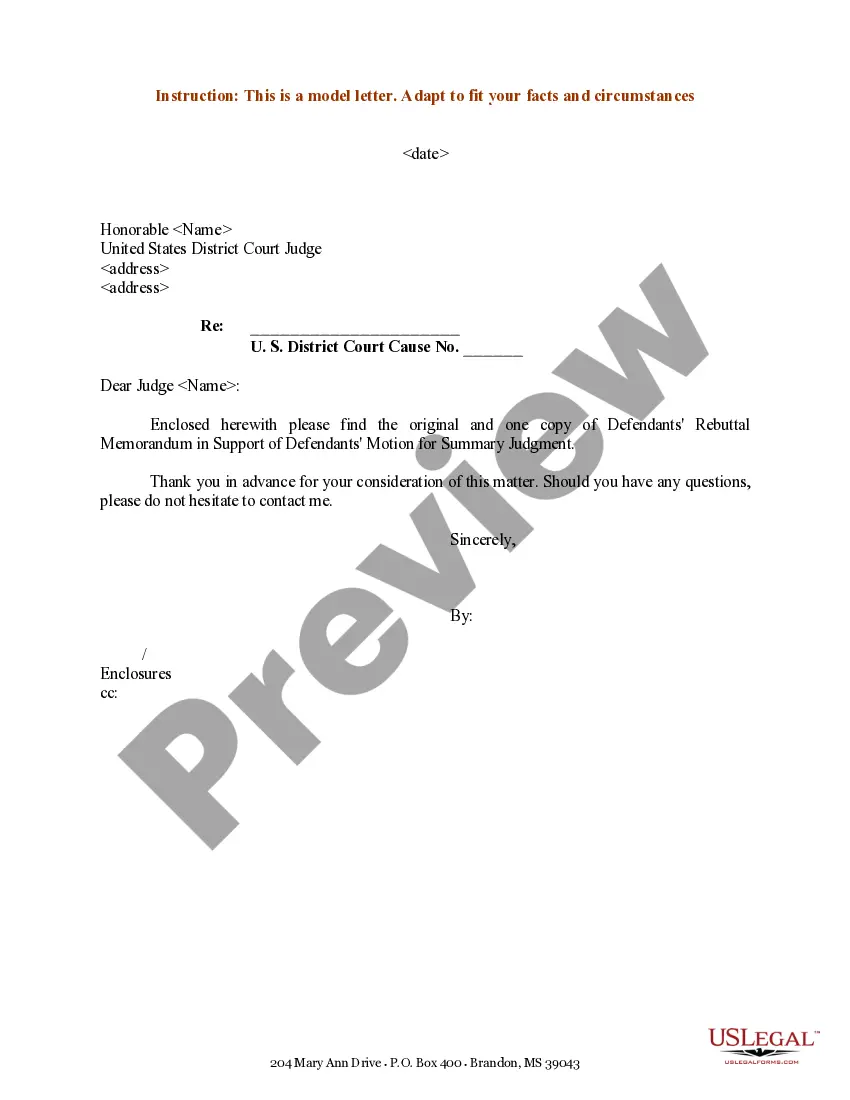
Get your form ready online
Our built-in tools help you complete, sign, share, and store your documents in one place.
Make edits, fill in missing information, and update formatting in US Legal Forms—just like you would in MS Word.
Download a copy, print it, send it by email, or mail it via USPS—whatever works best for your next step.
Sign and collect signatures with our SignNow integration. Send to multiple recipients, set reminders, and more. Go Premium to unlock E-Sign.
If this form requires notarization, complete it online through a secure video call—no need to meet a notary in person or wait for an appointment.
We protect your documents and personal data by following strict security and privacy standards.

Make edits, fill in missing information, and update formatting in US Legal Forms—just like you would in MS Word.

Download a copy, print it, send it by email, or mail it via USPS—whatever works best for your next step.

Sign and collect signatures with our SignNow integration. Send to multiple recipients, set reminders, and more. Go Premium to unlock E-Sign.

If this form requires notarization, complete it online through a secure video call—no need to meet a notary in person or wait for an appointment.

We protect your documents and personal data by following strict security and privacy standards.
Looking for another form?
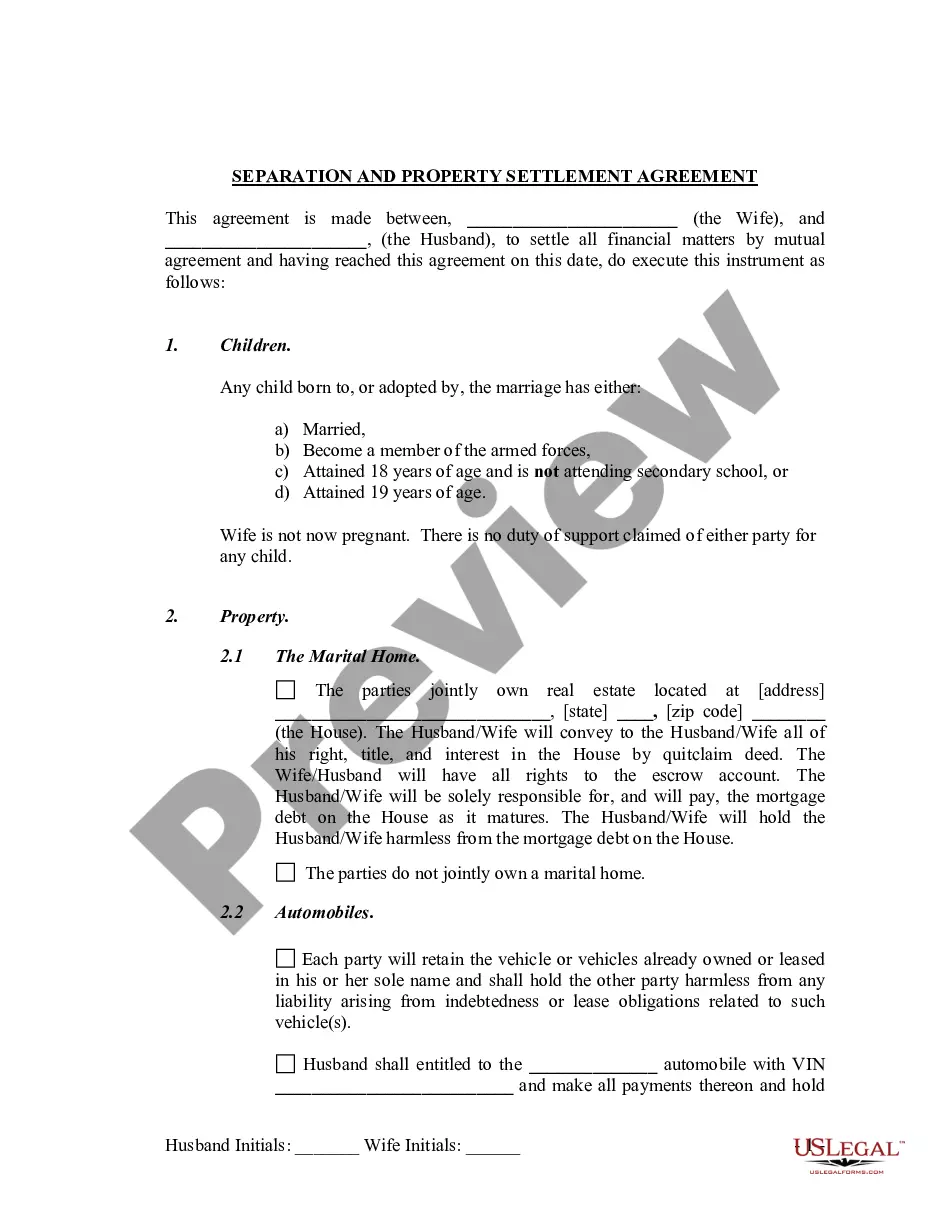

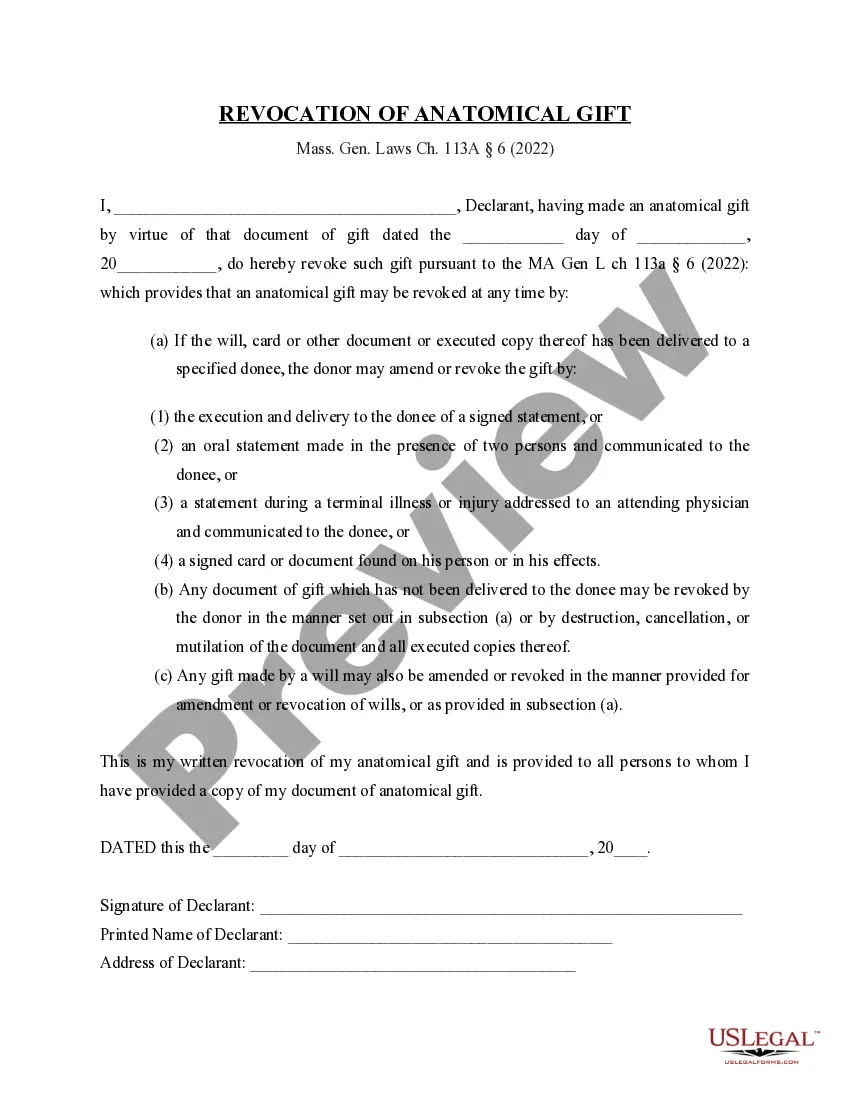


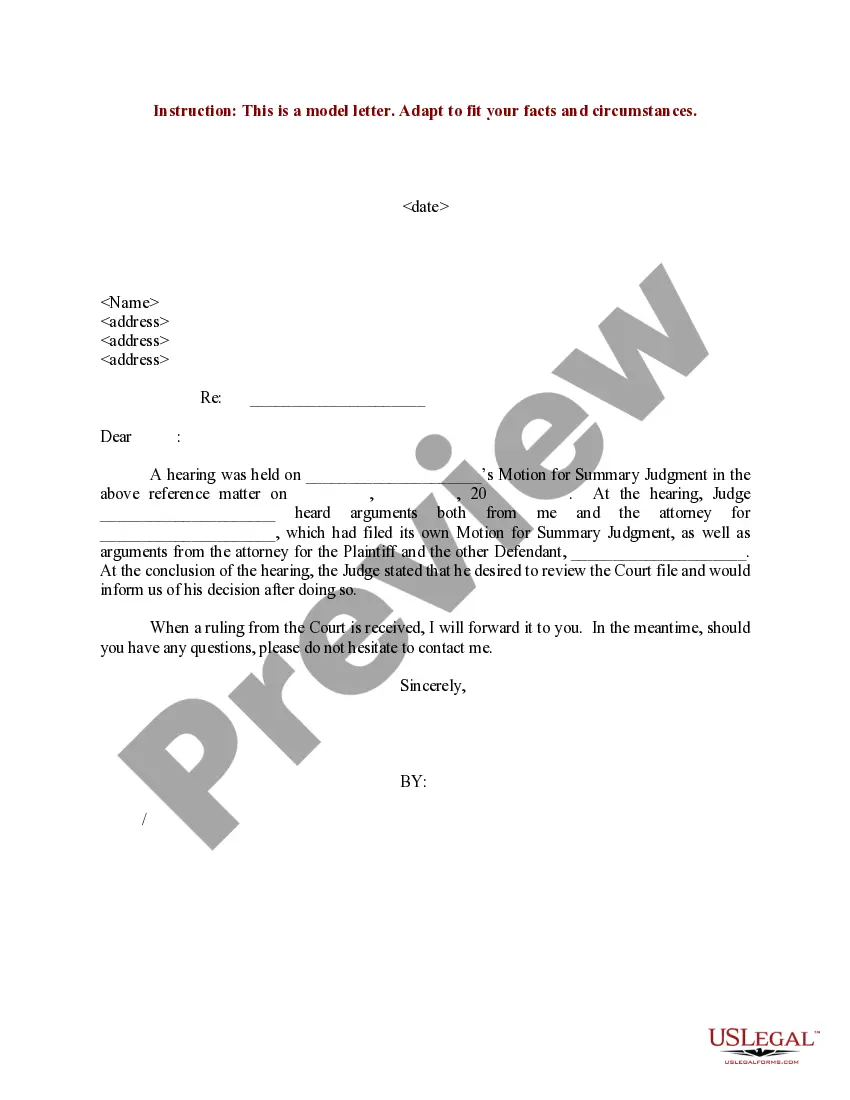
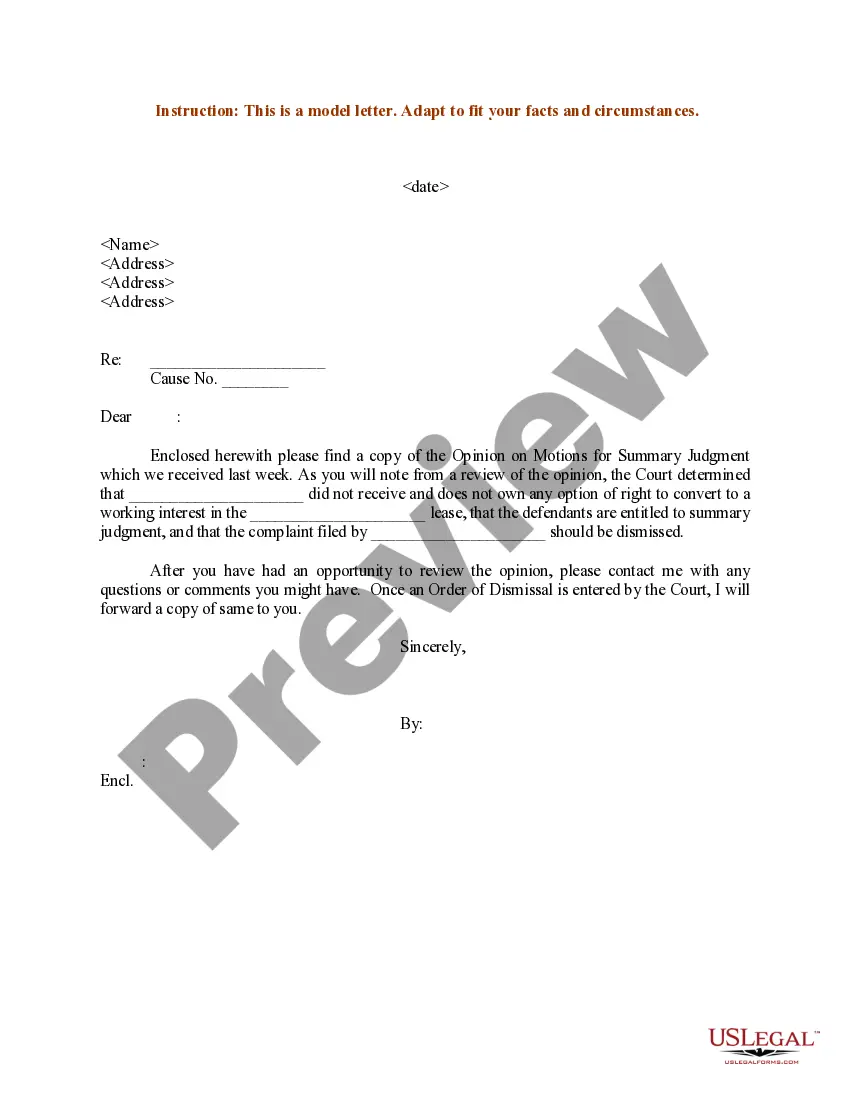
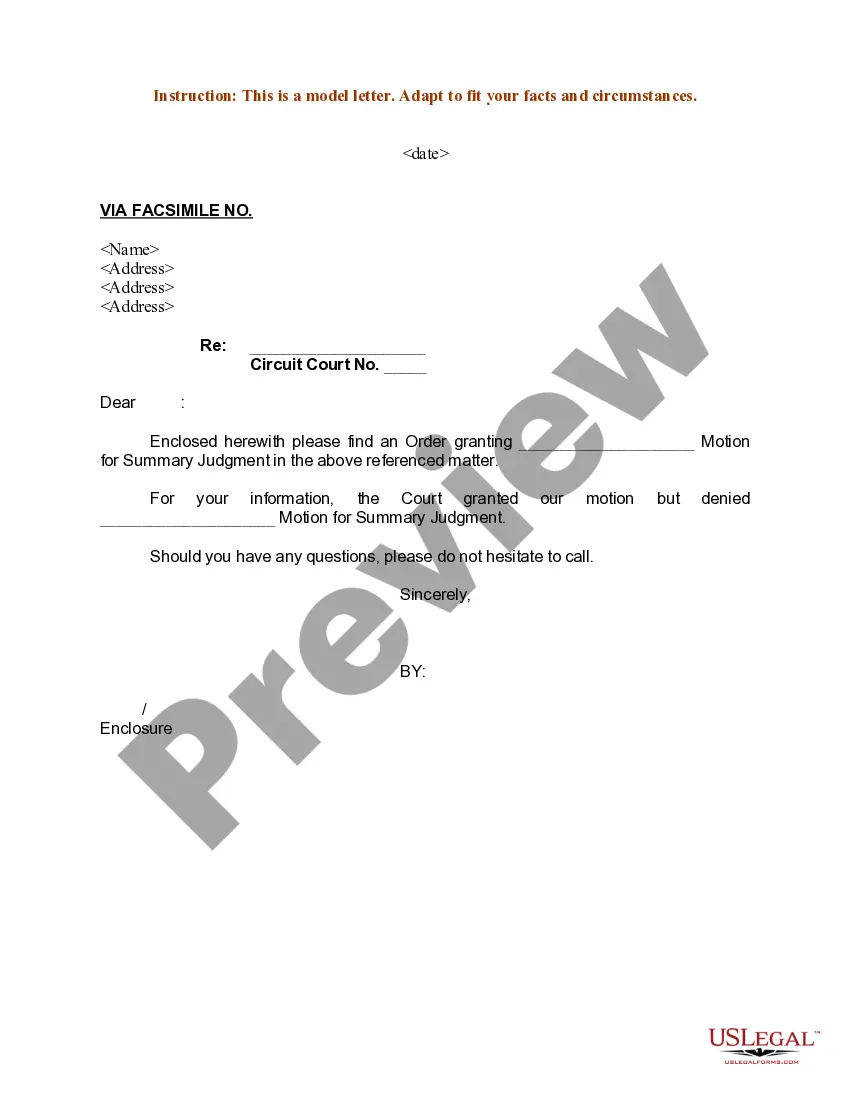
How to fill out Sample Letter Regarding Memorandum Opinion On Summary Judgment Motion?
Creating legal papers from the ground up can often feel a bit daunting.
Certain situations may require extensive investigation and substantial funds.
If you are seeking a more direct and economical method of crafting Sample Judgment Motion With Amend or any other documents without navigating through obstacles, US Legal Forms is always available to assist you.
Our online repository of over 85,000 current legal documents covers almost every aspect of your financial, legal, and personal matters.
Before rushing to download the Sample Judgment Motion With Amend, consider these suggestions: Review the document preview and descriptions to ensure you are on the correct document you intend to find. Verify that the form you select aligns with the rules and regulations of your state and county. Select the appropriate subscription plan to obtain the Sample Judgment Motion With Amend. Download the file, then fill it out, sign it, and print it. US Legal Forms has a strong reputation and over 25 years of experience. Join us today and turn form completion into a hassle-free and efficient process!
- With merely a few clicks, you can promptly access state- and county-specific forms carefully prepared by our legal professionals.
- Utilize our site whenever you require dependable and trustworthy services through which you can conveniently find and download the Sample Judgment Motion With Amend.
- If you’re already familiar with our services and have set up an account with us in the past, just Log In to your account, find the template and download it or re-download it at any later time in the My documents section.
- Not registered yet? No worries. It takes a few minutes to create an account and browse through the catalog.
Form popularity
FAQ
A motion to alter or amend a judgment is a legal request made to a court to change or modify a previous court decision. This type of motion allows a party to seek corrections for errors or to present new evidence that could influence the outcome. By filing this motion, you can change the financial obligations or rectify any overlooked facts in your case. Utilizing a sample judgment motion with amend can help you understand the structure and necessary elements for crafting an effective motion.
A motion to amend a judgment is a formal request to the court to modify an existing judgment. When you file a sample judgment motion with amend, you explain why the current judgment should be changed based on new information or legal standards. This motion aims to ensure the judgment is just and reflects the true intentions of the law.
To 'amend judgment' means to formally change or revise a court’s previous ruling. When you use a sample judgment motion with amend, it typically signifies that you seek specific changes in terms of rights or obligations. This process allows all parties to pursue justice and fairness in legal outcomes.
Grounds for relief from judgment include mistakes, newly discovered evidence, or any circumstance that justifies altering a judgment. Filing a sample judgment motion with amend requires solid reasoning that supports your request for reconsideration. Ultimately, the grounds you present must demonstrate that a change in judgment is warranted.
On a motion for a new trial in an action tried without a jury, the court may open the judgment if one has been entered, take additional testimony, amend findings of fact and conclusions of law or make new findings and conclusions, and direct the entry of a new judgment.
At any time before the close of record, a party may move for summary judgment as to all or any portion of the case, on the grounds that there is no genuine issue as to any material fact, and that the moving party is entitled to a decision in its favor as a matter of law.
So, for instance, Rule 59(e) could read as follows: (e) Motion to Alter or Amend a Judgment. A motion to alter or amend a judgment must be filed no later than 28 days after the entry of the judgment. As set forth in Rule 6(b)(2), this deadline cannot be extended by the court.
The grounds for granting a motion for a new trial include a significant error of law, verdict going against the weight of evidence, irregularity in the court proceeding, jury misconduct, newly discovered material evidence, and improper damages.
There are several different types of post-judgment motions, but the most common are motions for new trial, motions to vacate, and motions to set-aside. Motions for new trial, motions to vacate, and motions to set-aside are the three most common post-judgment motions.