Plaintiff And Defendant
Description
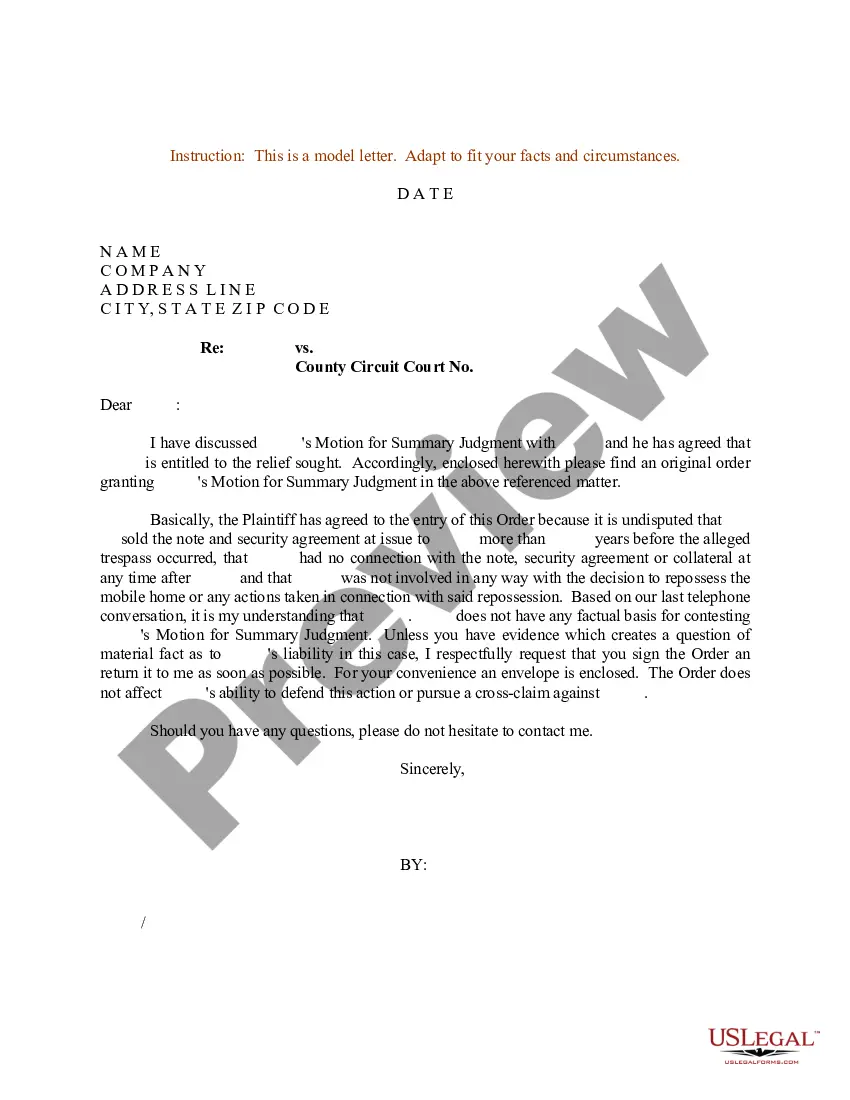
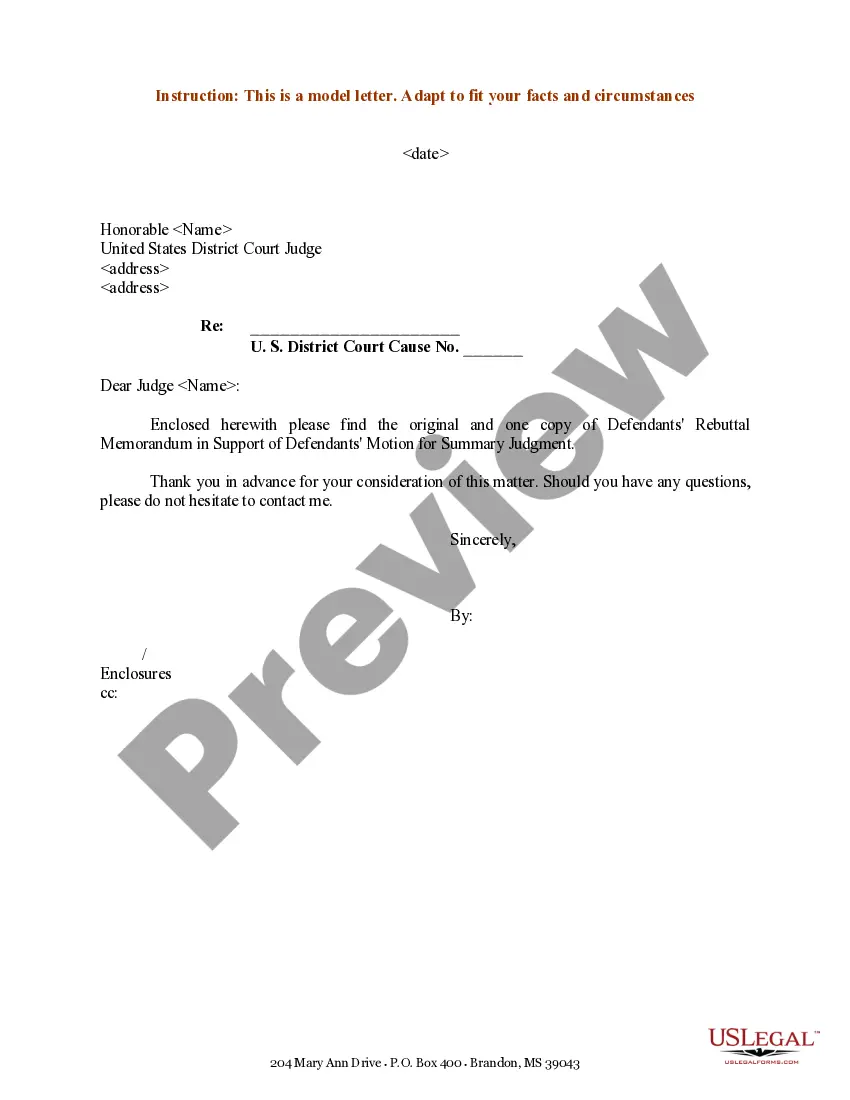
Get your form ready online
Our built-in tools help you complete, sign, share, and store your documents in one place.
Make edits, fill in missing information, and update formatting in US Legal Forms—just like you would in MS Word.
Download a copy, print it, send it by email, or mail it via USPS—whatever works best for your next step.
Sign and collect signatures with our SignNow integration. Send to multiple recipients, set reminders, and more. Go Premium to unlock E-Sign.
If this form requires notarization, complete it online through a secure video call—no need to meet a notary in person or wait for an appointment.
We protect your documents and personal data by following strict security and privacy standards.

Make edits, fill in missing information, and update formatting in US Legal Forms—just like you would in MS Word.

Download a copy, print it, send it by email, or mail it via USPS—whatever works best for your next step.

Sign and collect signatures with our SignNow integration. Send to multiple recipients, set reminders, and more. Go Premium to unlock E-Sign.

If this form requires notarization, complete it online through a secure video call—no need to meet a notary in person or wait for an appointment.

We protect your documents and personal data by following strict security and privacy standards.
Looking for another form?

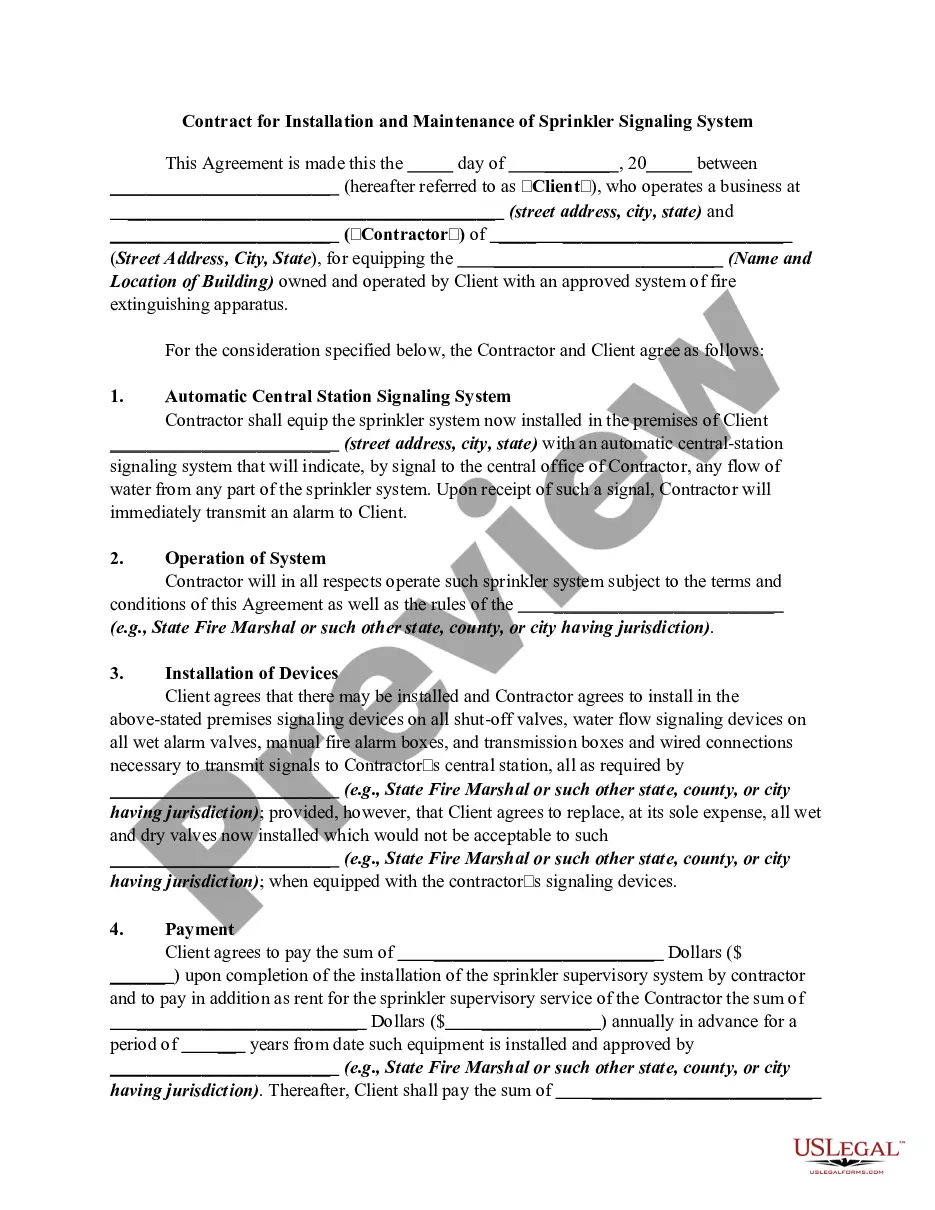



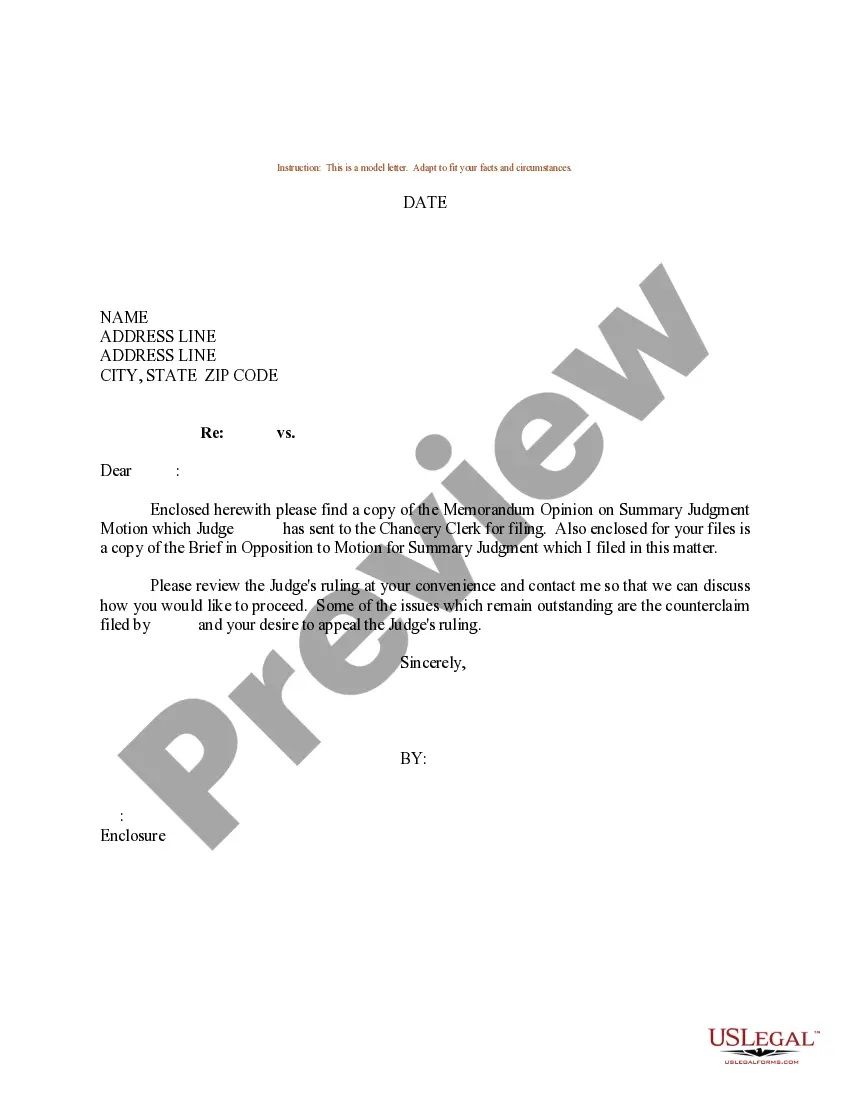
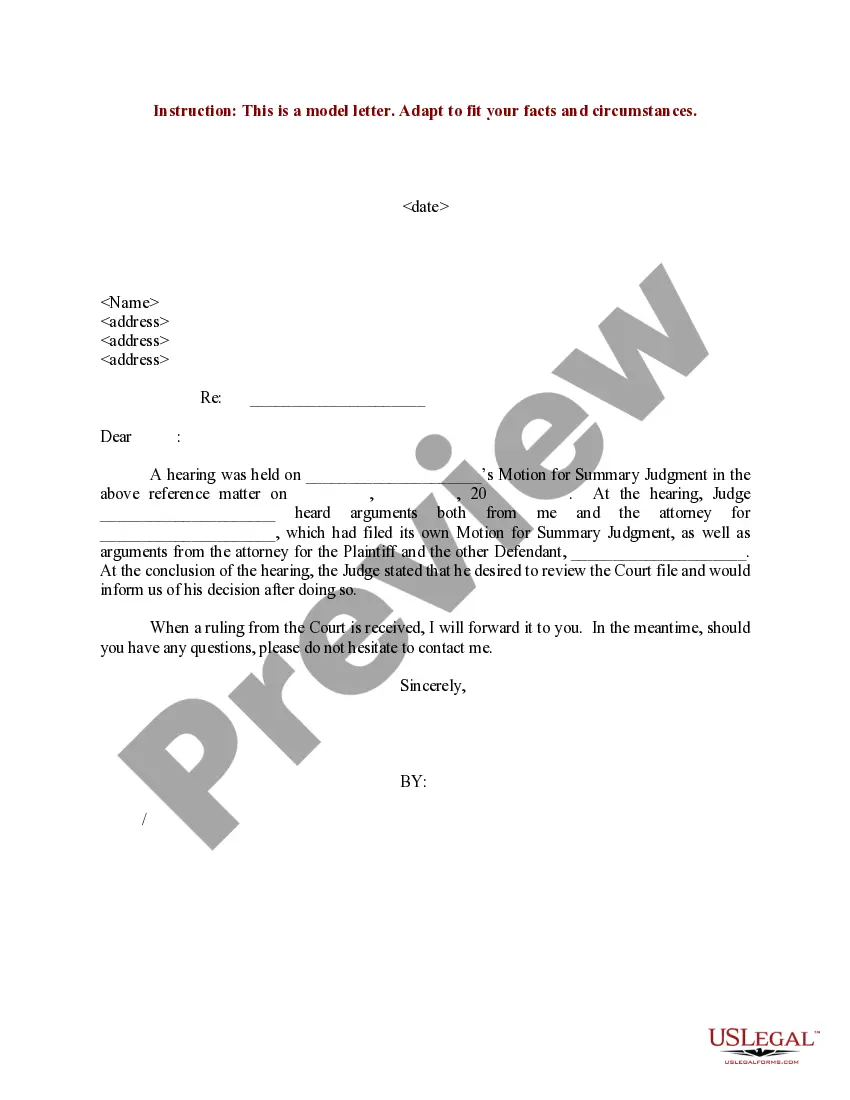
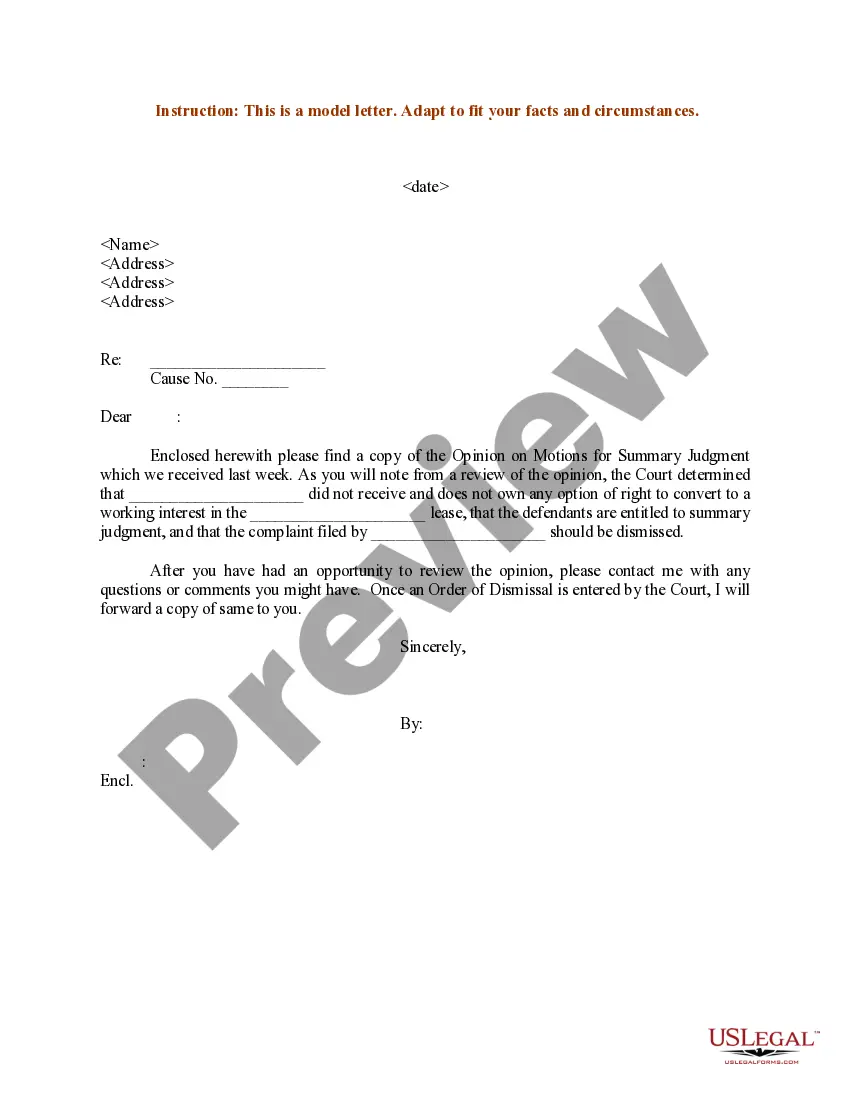
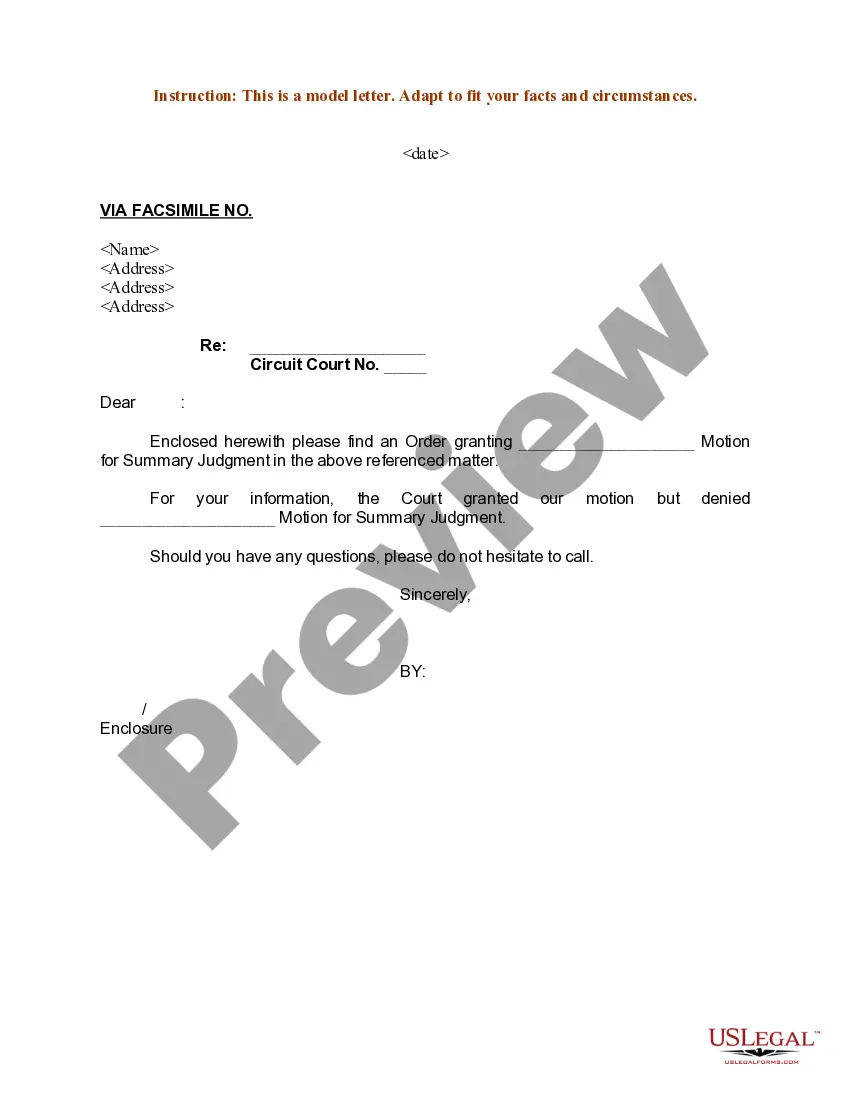
How to fill out Sample Letter Regarding Memorandum Opinion On Summary Judgment Motion?
- If you are a returning user, log in to your account and select the required form template. Ensure your subscription is active; renew if needed.
- For new users, start by exploring the Preview mode and read the form description to confirm you have selected the appropriate document that aligns with your local laws.
- In case you require a different template, use the Search feature to find the right form before proceeding.
- Purchase the document by clicking on the Buy Now button and choosing your desired subscription plan; registration is necessary to access the entire library.
- Complete the payment process by entering your credit card information or using your PayPal account.
- Finally, download the form and save it to your device for immediate use. You can also find it later in the My Forms section of your profile.
In conclusion, US Legal Forms enables both plaintiffs and defendants to easily navigate the legal documentation process. With a robust collection of over 85,000 editable forms and expert support, you can ensure your legal documents are accurate and reliable.
Get started today and simplify your legal journey with US Legal Forms!
Form popularity
FAQ
You can identify the plaintiff and defendant by referencing the headings in legal documents and the case name itself. The plaintiff files the suit, indicating their desire for legal relief, while the defendant defends against the claims. Familiarizing yourself with basic legal terminology and sources like US Legal Forms can provide further clarity in these distinctions.
Identifying the plaintiff and the defendant in a case involves looking at court filings and the case name. The plaintiff is usually the party seeking damages or relief, while the defendant is the party that must respond to the allegations. Tools like US Legal Forms can assist you in understanding these roles and the legal context in which they exist.
To determine who is the plaintiff and who is the defendant, you can examine the case title, where the plaintiff is typically listed first. This layout reflects the party initiating the lawsuit. Additionally, reviewing legal documents related to the case, such as complaints or summons, can provide clear identification of both roles.
In every legal case, the plaintiff is the individual or entity bringing the action, and the defendant is the one facing the allegations. This distinction remains consistent across various types of law, from civil suits to criminal cases. Understanding these roles clarifies the dynamics of each legal proceeding, making it easier for you to follow the case.
In a case name, the plaintiff is the party who initiates the lawsuit, while the defendant is the party being accused or sued. This designation helps you understand the roles each party plays in the legal dispute. For example, in 'Smith v. Jones', Smith is the plaintiff seeking relief, and Jones is the defendant responding to the claims.
Determining who is the plaintiff and who is the defendant in a legal case is straightforward. The plaintiff is the party that files the lawsuit, claiming harm or grievance, while the defendant is the party accused of wrongdoing. Understanding these roles is essential for navigating the legal process. If you need help in identifying your role or that of the other party, resources like USLegalForms can provide valuable guidance.
The success rate of plaintiffs is contingent upon various factors, such as the type of case and the quality of legal representation. In many instances, about 50% of plaintiffs garner favorable outcomes, but this can range widely. Understanding the environment in which plaintiff and defendant operate can help set realistic expectations. Leveraging platforms like USLegalForms can assist you in preparing for your case effectively.
The frequency with which plaintiffs win at trial varies, influenced heavily by the nature of the case and the preparation of the parties involved. Studies indicate that plaintiffs win trial outcomes in roughly 40% to 50% of cases. This demonstrates that a strategic approach is vital when presenting your case against the defendant. Reviewing your situation through a legal lens can help identify the best path forward.
In legal terminology, the plaintiff is the one who initiates the lawsuit, while the defendant is the party being sued. This is an important distinction in understanding litigation processes. The plaintiff decides to take action in court against the defendant based on perceived harm or violation of rights. Knowing this can clarify your role in a legal dispute.
Winning as a plaintiff requires a robust legal strategy and solid evidence. To increase your chances of success, gather all relevant facts, document everything, and consult a knowledgeable attorney who understands the plaintiff and defendant dynamics. A compelling presentation can significantly impact the verdict in your favor. Additionally, being prepared for negotiations with the defendant may lead to a settlement that meets your needs.