Intestate Succession By State
Description
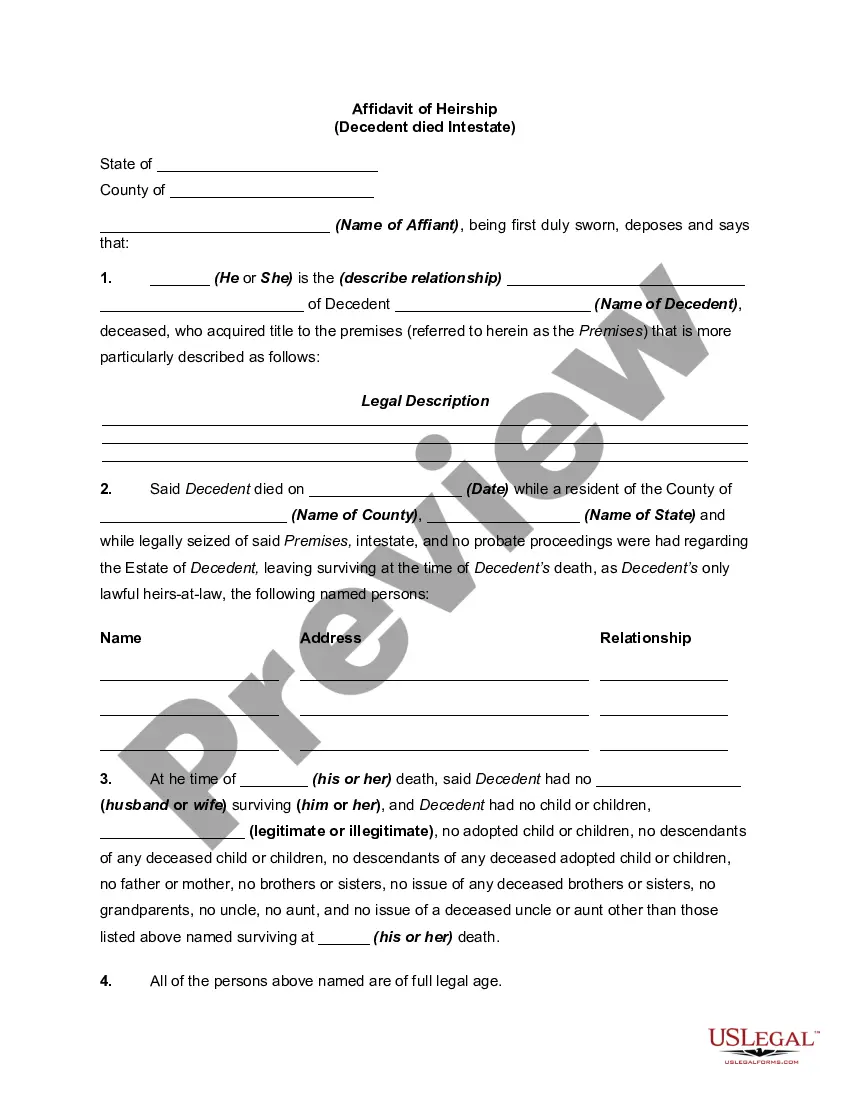

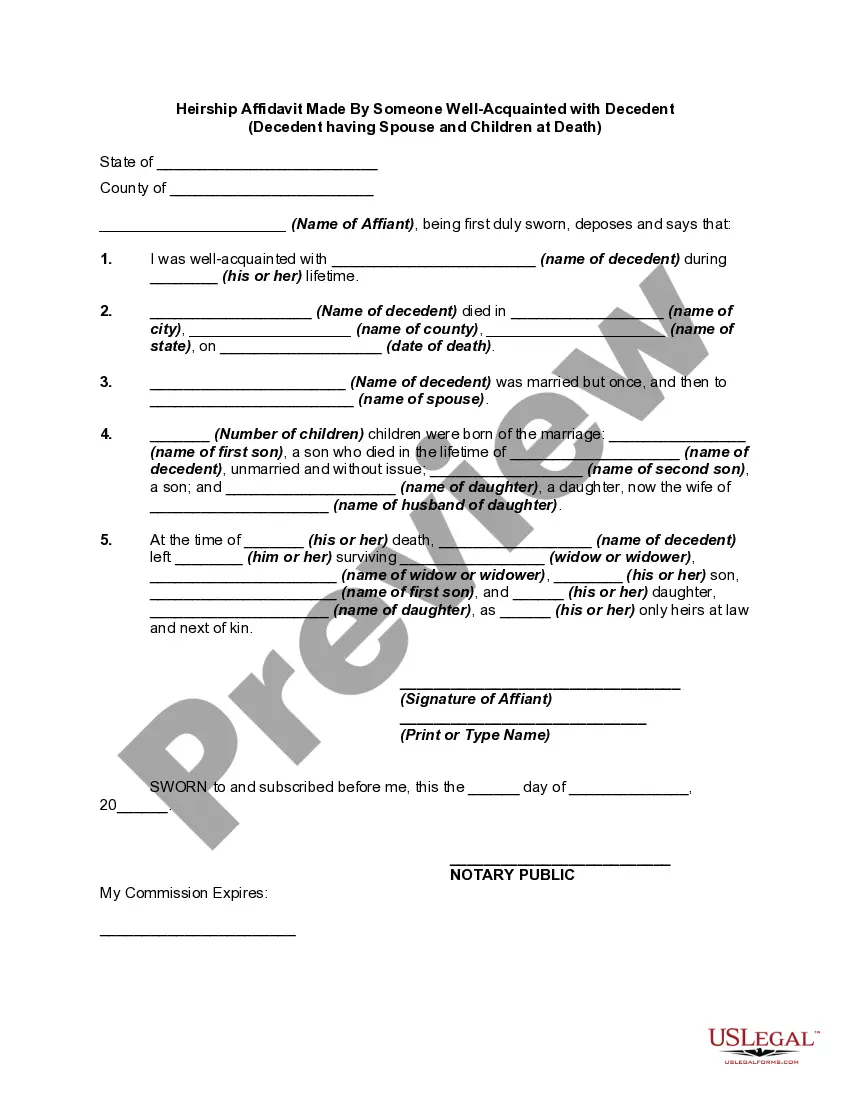
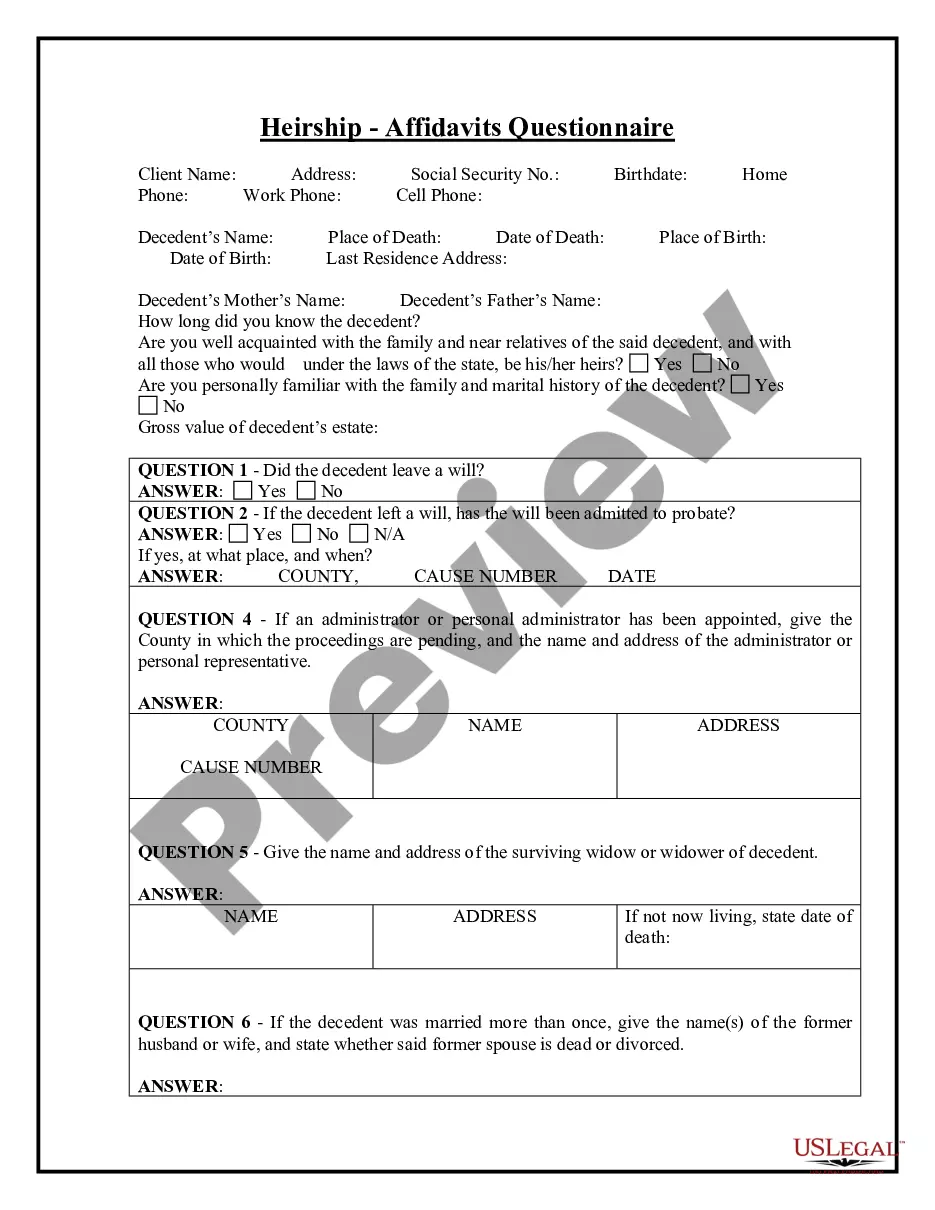
Get your form ready online
Our built-in tools help you complete, sign, share, and store your documents in one place.
Make edits, fill in missing information, and update formatting in US Legal Forms—just like you would in MS Word.
Download a copy, print it, send it by email, or mail it via USPS—whatever works best for your next step.
Sign and collect signatures with our SignNow integration. Send to multiple recipients, set reminders, and more. Go Premium to unlock E-Sign.
If this form requires notarization, complete it online through a secure video call—no need to meet a notary in person or wait for an appointment.
We protect your documents and personal data by following strict security and privacy standards.

Make edits, fill in missing information, and update formatting in US Legal Forms—just like you would in MS Word.

Download a copy, print it, send it by email, or mail it via USPS—whatever works best for your next step.

Sign and collect signatures with our SignNow integration. Send to multiple recipients, set reminders, and more. Go Premium to unlock E-Sign.

If this form requires notarization, complete it online through a secure video call—no need to meet a notary in person or wait for an appointment.

We protect your documents and personal data by following strict security and privacy standards.
Looking for another form?


How to fill out Affidavit Of Heirship, Next Of Kin Or Descent - Decedent Died Intestate?
Creating legal documents from the ground up can occasionally feel a bit daunting. Certain situations may require extensive research and significant financial investment.
If you’re seeking a simpler and more affordable method for preparing Intestate Succession By State or any other forms without unnecessary complications, US Legal Forms is readily available to assist you.
Our online repository of more than 85,000 current legal forms encompasses nearly every aspect of your financial, legal, and personal matters. With just a few clicks, you can swiftly access state- and county-specific templates meticulously crafted for you by our legal experts.
Utilize our website whenever you require dependable and trustworthy services through which you can promptly locate and download the Intestate Succession By State. If you’re already familiar with our services and have an existing account with us, simply Log In to your account, choose the template, and download it immediately or re-download it anytime in the My documents section.
Ensure the form you choose meets the criteria of your state and county. Select the most appropriate subscription plan to acquire the Intestate Succession By State. Download the document, then fill it out, sign it, and print it. US Legal Forms has a flawless reputation and over 25 years of experience. Join us today and simplify the document execution process!
- Haven't registered yet? No problem.
- It only takes a few minutes to set it up and browse the library.
- However, before diving into downloading Intestate Succession By State, keep these suggestions in mind.
- Review the form preview and descriptions to ensure you are on the right document.
Form popularity
FAQ
The order of priority for intestacy varies by state but generally follows a set hierarchy. Typically, the spouse and children of the deceased are given the highest priority for asset distribution. If there are no immediate family members, siblings, parents, or further relatives may inherit next. Understanding the specifics of intestate succession by state can help families prepare and navigate potential challenges.
To initiate intestate succession by state, you first need to file a petition with the probate court in the deceased's county of residence. The court will then appoint an administrator to manage the estate and distribute assets according to state laws. Gathering necessary documents, such as death certificates and asset inventories, is crucial at this stage. Using a platform like US Legal Forms can simplify this process by providing the necessary forms and guidance.
Intestate succession by state can lead to complications when a person dies without a will. Family members may disagree on the distribution of assets, causing disputes that can escalate into legal battles. Additionally, the state’s laws dictate how assets are divided, which may not reflect the deceased's wishes. This lack of control can create frustration and confusion for loved ones left behind.
Yes, intestate succession does vary significantly by state, with each state having its own specific laws and regulations. These laws dictate how assets are distributed among heirs and the order in which they inherit. Therefore, it is essential to consult the intestate succession laws relevant to your state to understand your rights and responsibilities. Platforms like USLegalForms can provide valuable resources to help you navigate these laws effectively.
The order of priority on intestacy determines who inherits a deceased person's assets and follows a specific hierarchy established by state law. Typically, the first in line are the surviving spouse and children. If there are no descendants, parents, siblings, and other relatives may be considered next. Knowing the rules of intestate succession by state helps clarify the order and ensures that the right individuals receive their inheritance.
When someone dies intestate, the distribution of their assets typically goes to their immediate family members. In most cases, the spouse and children are the primary beneficiaries. If there are no children, parents or siblings may inherit the assets. It's important to familiarize yourself with intestate succession by state, as specific laws dictate who qualifies as an heir, and these rules can vary widely.
The distribution of intestate succession refers to how a deceased person's assets are allocated when they die without a valid will. This process is governed by laws that vary significantly in each state. Generally, the assets are distributed among close relatives, such as spouses, children, and in some cases, parents or siblings. Understanding intestate succession by state is crucial, as each state has its own rules and formulas for determining the rightful heirs.