Qualified Trust Caps Contract For Beneficiaries
Description
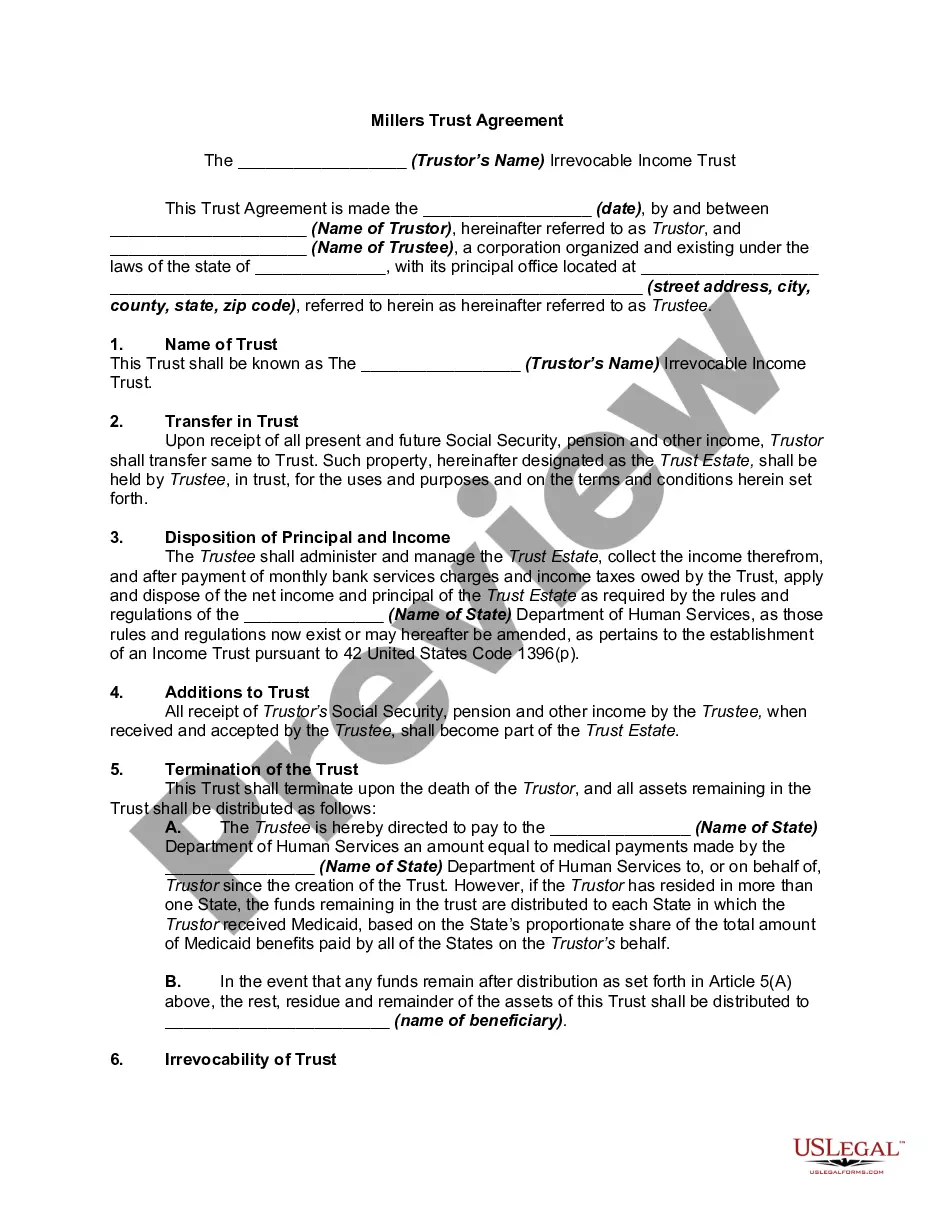
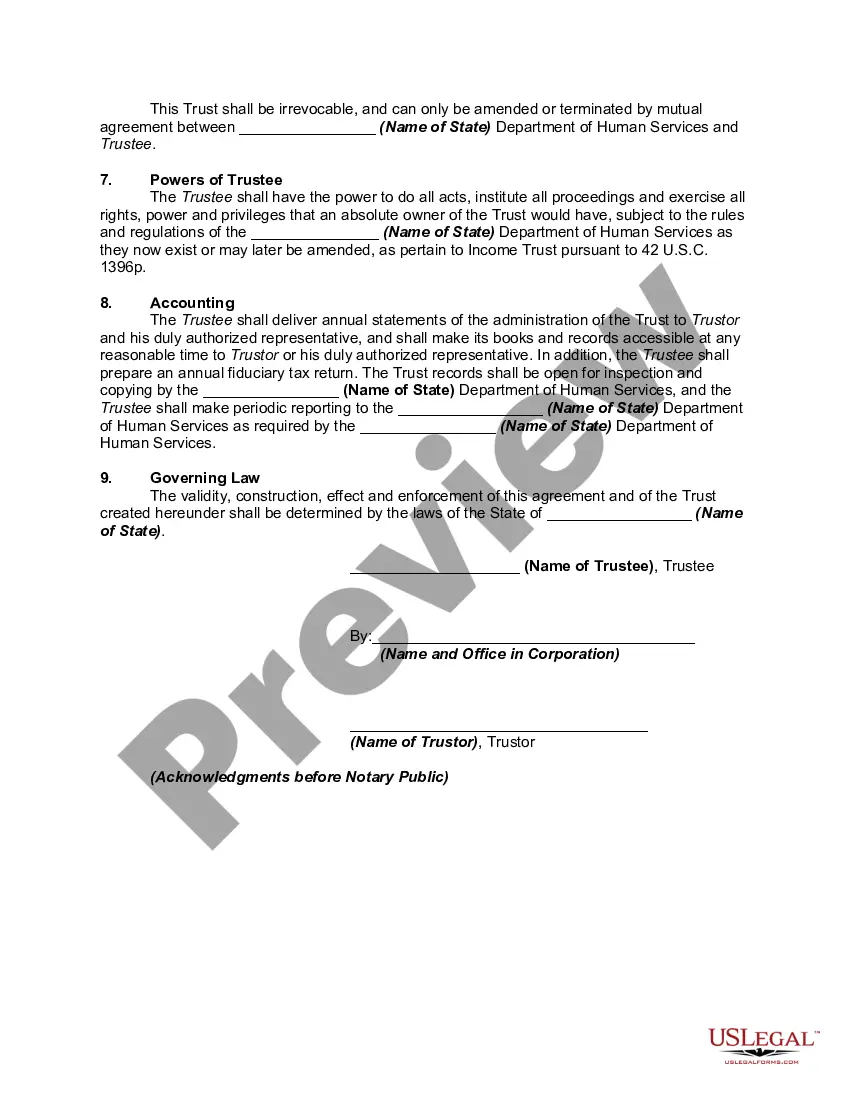
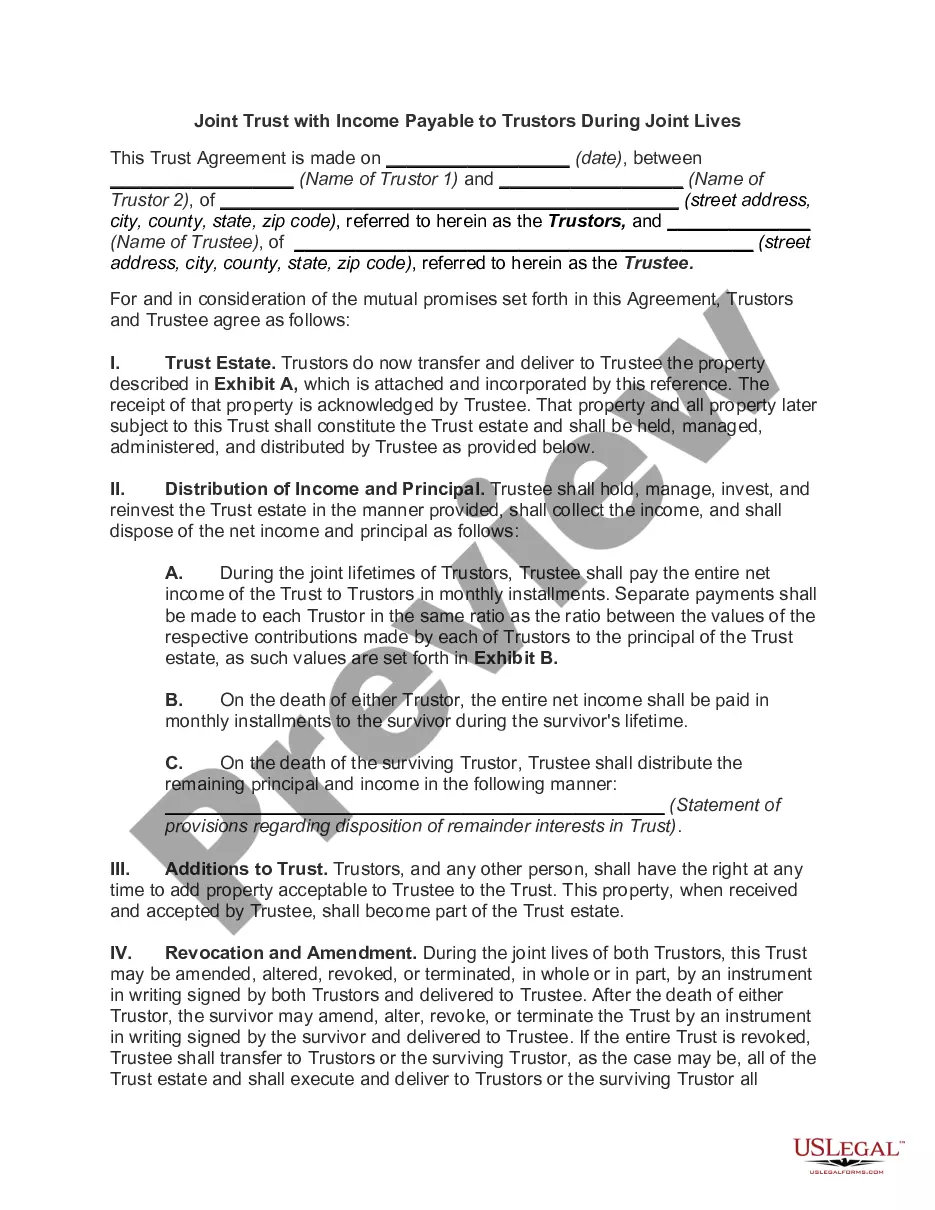

Get your form ready online
Our built-in tools help you complete, sign, share, and store your documents in one place.
Make edits, fill in missing information, and update formatting in US Legal Forms—just like you would in MS Word.
Download a copy, print it, send it by email, or mail it via USPS—whatever works best for your next step.
Sign and collect signatures with our SignNow integration. Send to multiple recipients, set reminders, and more. Go Premium to unlock E-Sign.
If this form requires notarization, complete it online through a secure video call—no need to meet a notary in person or wait for an appointment.
We protect your documents and personal data by following strict security and privacy standards.

Make edits, fill in missing information, and update formatting in US Legal Forms—just like you would in MS Word.

Download a copy, print it, send it by email, or mail it via USPS—whatever works best for your next step.

Sign and collect signatures with our SignNow integration. Send to multiple recipients, set reminders, and more. Go Premium to unlock E-Sign.

If this form requires notarization, complete it online through a secure video call—no need to meet a notary in person or wait for an appointment.

We protect your documents and personal data by following strict security and privacy standards.
Looking for another form?






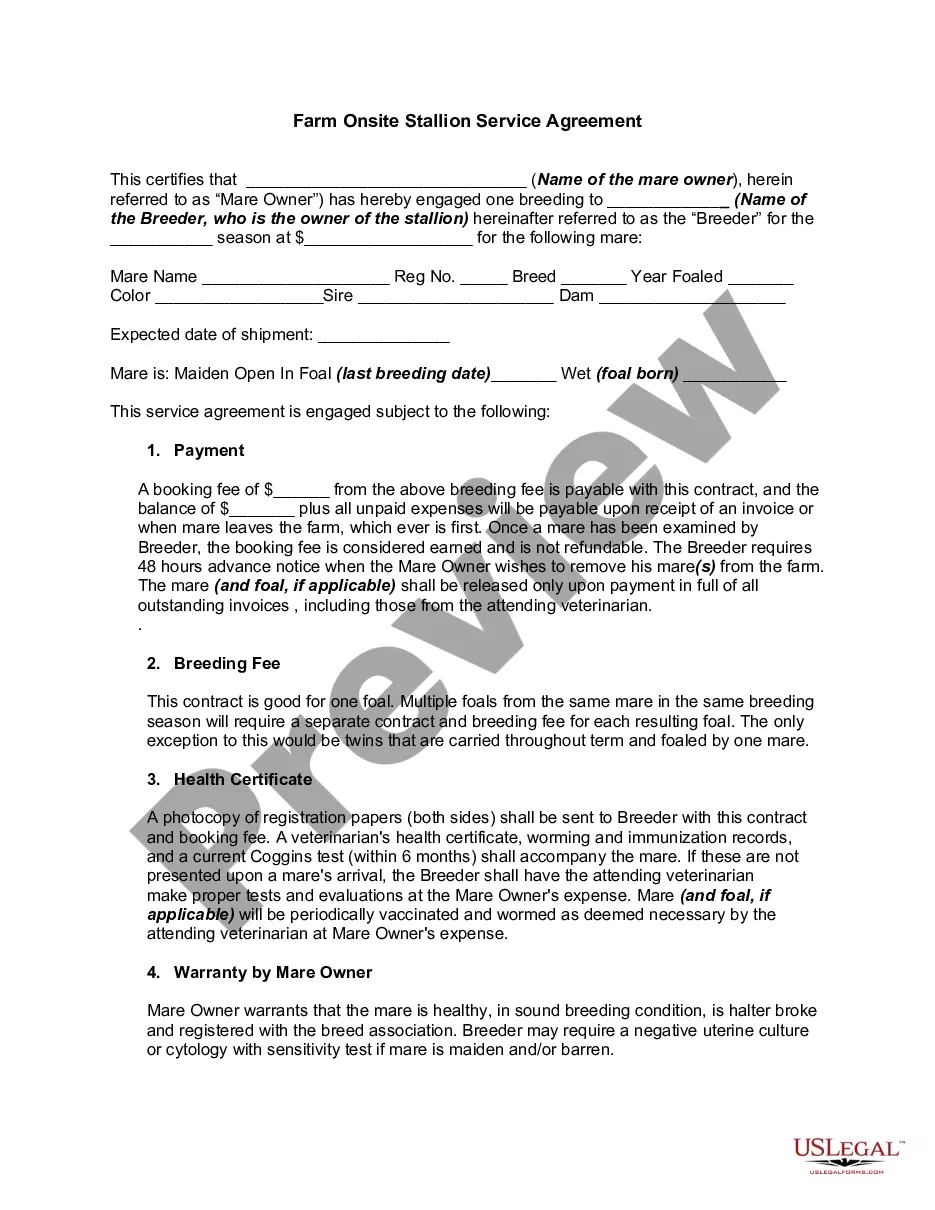

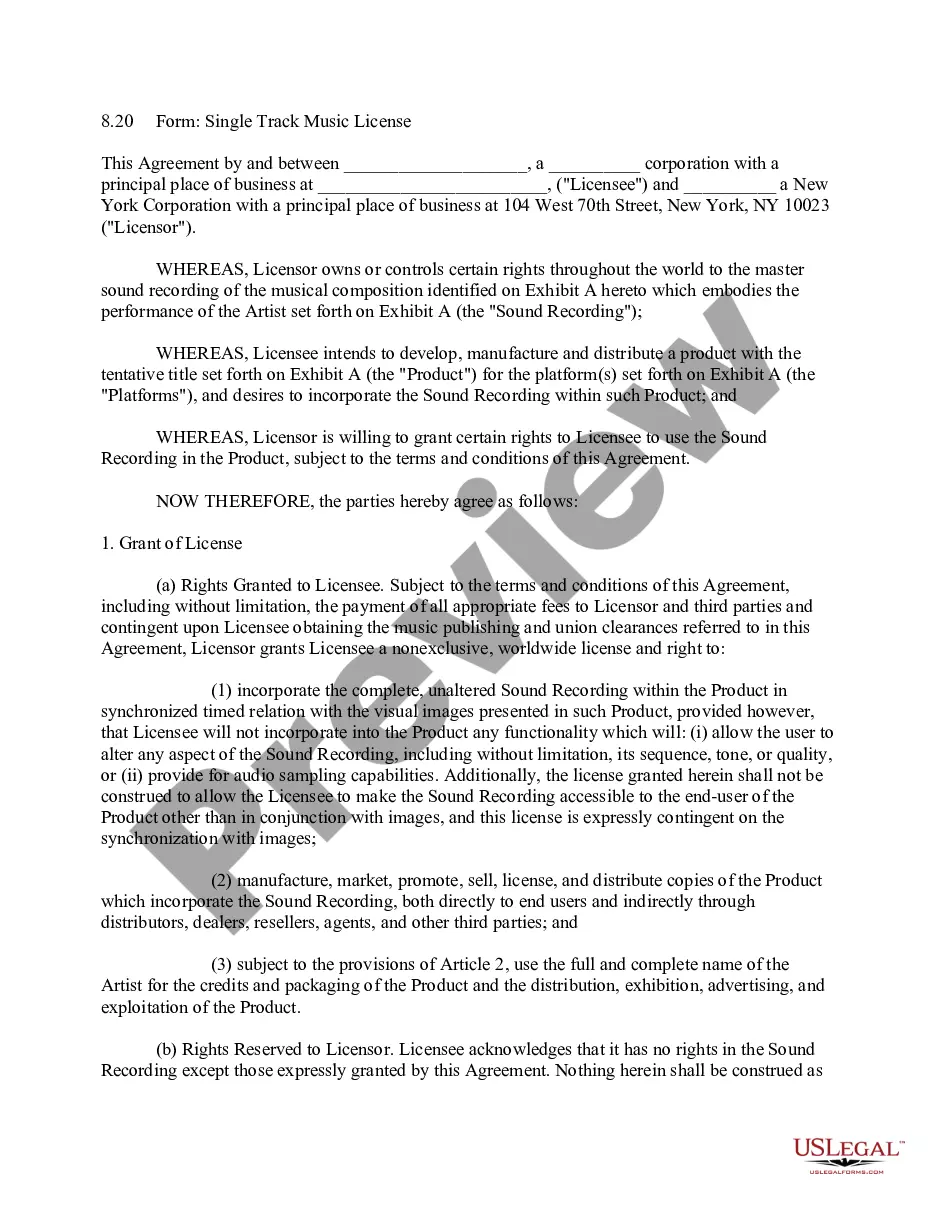
How to fill out Qualified Income Miller Trust?
- Access your account. If you are an existing user, log in to your account. Ensure your subscription is up-to-date. If necessary, renew it based on your payment plan.
- Review your needs. If this is your first time, start by examining the Preview mode and form description. Make sure you have selected the appropriate qualified trust caps contract that aligns with your local jurisdiction.
- Conduct a search. If you find any discrepancies in the form or require an alternative, utilize the Search tab to locate the right document.
- Purchase the form. Click on the Buy Now button for the qualified trust caps contract and select your preferred subscription plan. Be sure to create an account for full access.
- Complete your transaction. Enter your payment details, using either a credit card or PayPal to finalize your subscription purchase.
- Download the document. Save the qualified trust caps contract to your device and find it again anytime in the My documents section of your profile.
With US Legal Forms, you gain access to an extensive library of over 85,000 legal documents designed to streamline your legal needs. This service not only saves you time but also ensures that the documents you utilize are accurate and legally compliant.
Start using US Legal Forms today and ensure your qualified trust caps contract for beneficiaries is handled with care. Take the first step towards securing your family's future!
Form popularity
FAQ
Setting up a QIT involves several straightforward steps to create a qualified trust caps contract for beneficiaries. First, draft a trust document that includes essential information such as the names of the trustee and beneficiaries. After finalizing the document, you’ll need to fund the trust typically by redirecting a portion of your income. Platforms like USLegalForms can provide templates and guidance to ensure your trust is compliant and effectively established.
The primary beneficiary of a qualified income trust caps contract for beneficiaries typically refers to the individual who will receive the benefits from the trust. This person usually requires special assistance or support due to financial needs. Ultimately, the goal is to help them access necessary benefits while staying compliant with eligibility requirements. Understanding your beneficiary's needs is crucial to effectively managing the trust.
To set up a qualified income trust caps contract for beneficiaries, you need to create a legal document that outlines the trust's terms. Generally, you must name a trustee and list the beneficiaries involved. It’s essential to include specific details on how income will be distributed each month. Once established, you can fund the trust, often with your income, so that beneficiaries remain eligible for certain benefits.
You will need to file a K-1 if you receive one from a trust or partnership reporting your share of the income. Generally, the trustee or administrator should provide this document to you. It plays a crucial role in the context of the qualified trust caps contract for beneficiaries, ensuring you understand your tax liability accurately.
Yes, if you receive a Schedule K-1 from a trust or estate, you will need to file it with your tax return. This document provides essential information about your share of income and is vital for complying with tax laws. It is connected to the qualified trust caps contract for beneficiaries, ensuring that all income allocations are correctly reported.
A Schedule K-1 is a tax document used to report income, deductions, and credits from a trust or estate. If a trust makes a distribution to you as a beneficiary, you will receive a K-1 detailing your share of the income as part of the qualified trust caps contract for beneficiaries. This form is necessary for accurate tax reporting on your personal tax return.
Distributing funds from a trust to beneficiaries typically involves following the trust's terms. First, review the trust document to understand your responsibilities. You will then need to prepare a distribution document, which clearly outlines how and when funds will be released under the qualified trust caps contract for beneficiaries. Using a trusted platform like USLegalForms can streamline this process.
Yes, a Qualified Subchapter S Trust (QSST) files IRS Form 1041. This form is essential for reporting income generated by the trust. By doing so, it helps ensure compliance with tax obligations for the beneficiaries of the qualified trust caps contract for beneficiaries. Understanding this requirement can simplify the tax process for everyone involved.
Requirements for a qualified trust primarily include having a specific income limit and the designation of eligible beneficiaries. The trust must be irrevocable, and any income must be used to cover the beneficiary's medical care or other approved expenses. Familiarizing yourself with these requirements, ideally with assistance from uslegalforms, ensures your qualified trust caps contract for beneficiaries is properly structured to meet both legal and practical standards.
To obtain a qualified income trust, begin by consulting with legal professionals or platforms like uslegalforms that specialize in trust formation. They can guide you through creating a compliant trust document designed to meet your needs. This way, you ensure the qualified trust caps contract for beneficiaries includes all necessary provisions, allowing you to protect your assets while ensuring Medicaid eligibility.